Material, size and layout are the three big variables in a furniture order. Upholstered pieces come down to fabric or leather grade, colour, seat depth, cushion fill and leg finish. Modular and corner sofas add arrangement: which side the chaise sits, how many seats, where the corner goes. Case goods such as sideboards, chests and shelving turn on timber species, lacquer colour, handle style and internal fittings.
Scale and material are the two big unknowns for a buyer at home. Someone can like a fabric on screen yet be unsure how it looks across a three-seat sofa, or whether a sideboard leaves room to open a door. Made-to-order pieces often take weeks to arrive, so mistakes are costly for everyone, and large returns are expensive to collect. Many buyers order swatches, then drift away during the wait.
The groundwork is a complete option list: frames, fabrics by grade, finishes, sizes and the combinations the workshop will not build. Upholstery ranges usually suit layered imagery or 3D, because fabric counts multiply quickly. Every choice should update the dimensions shown. Decide whether orders go to a basket, a showroom quote or a trade account. My furniture configurator guide covers this planning in depth, and the seating configurator demo shows one chair range worked through in detail. The example pieces are listed below.
Furniture demos to try
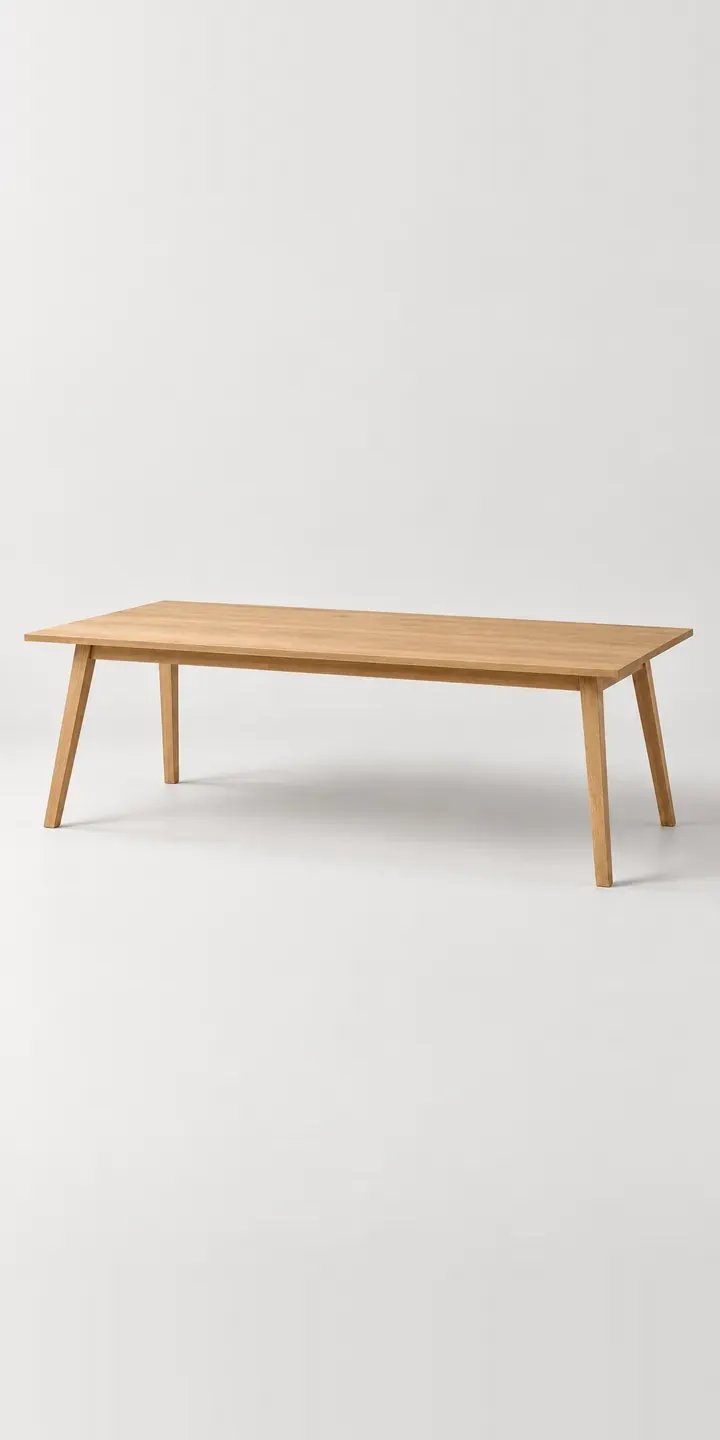
Angled Leg Table
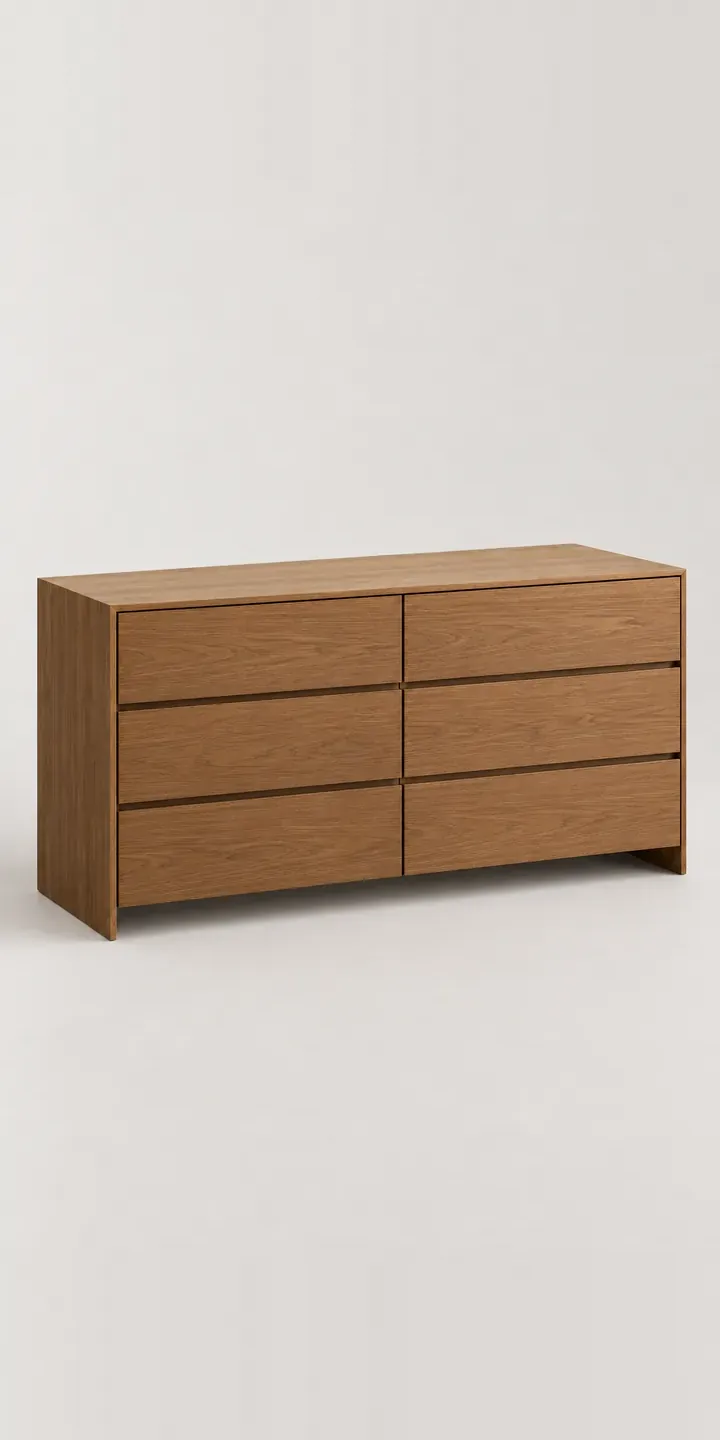
Bedroom Chest
Bedroom Wardrobe
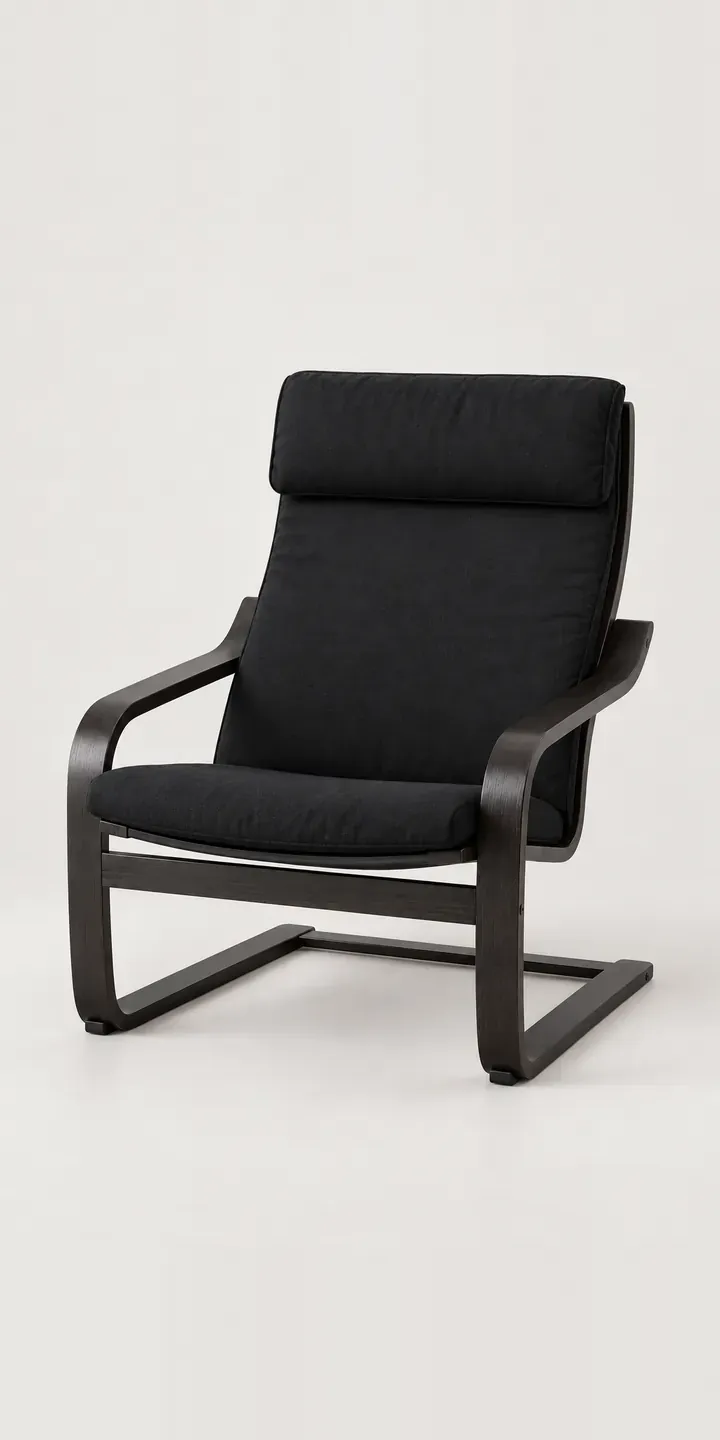
Bentwood Armchair
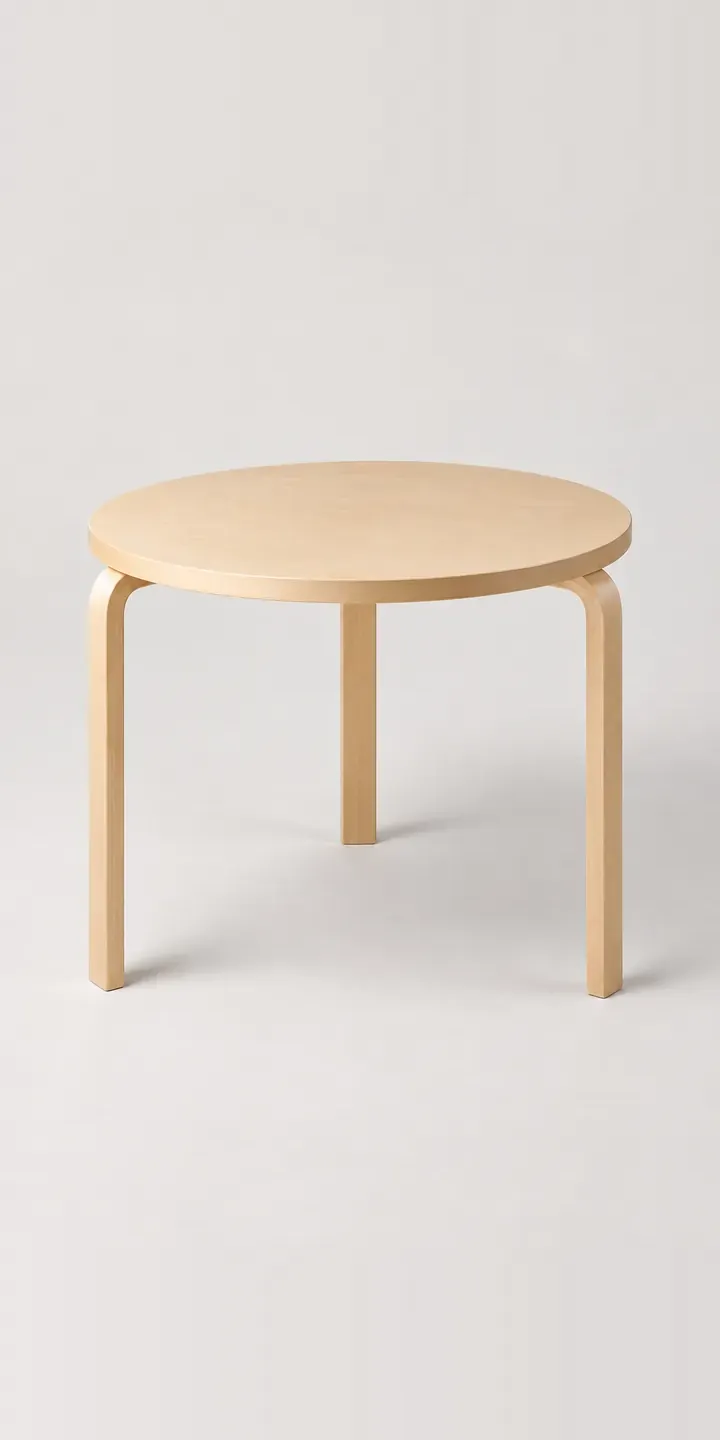
Bentwood Table
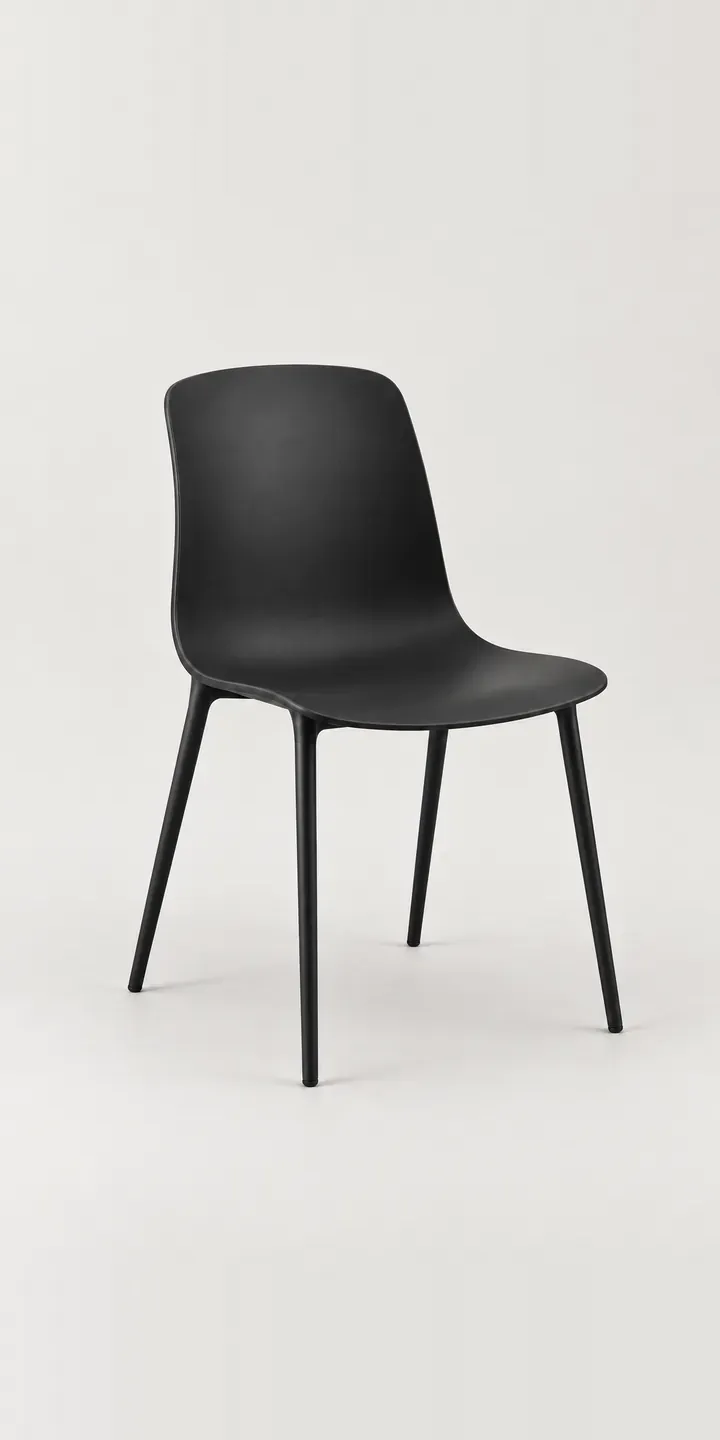
Bistro Chair
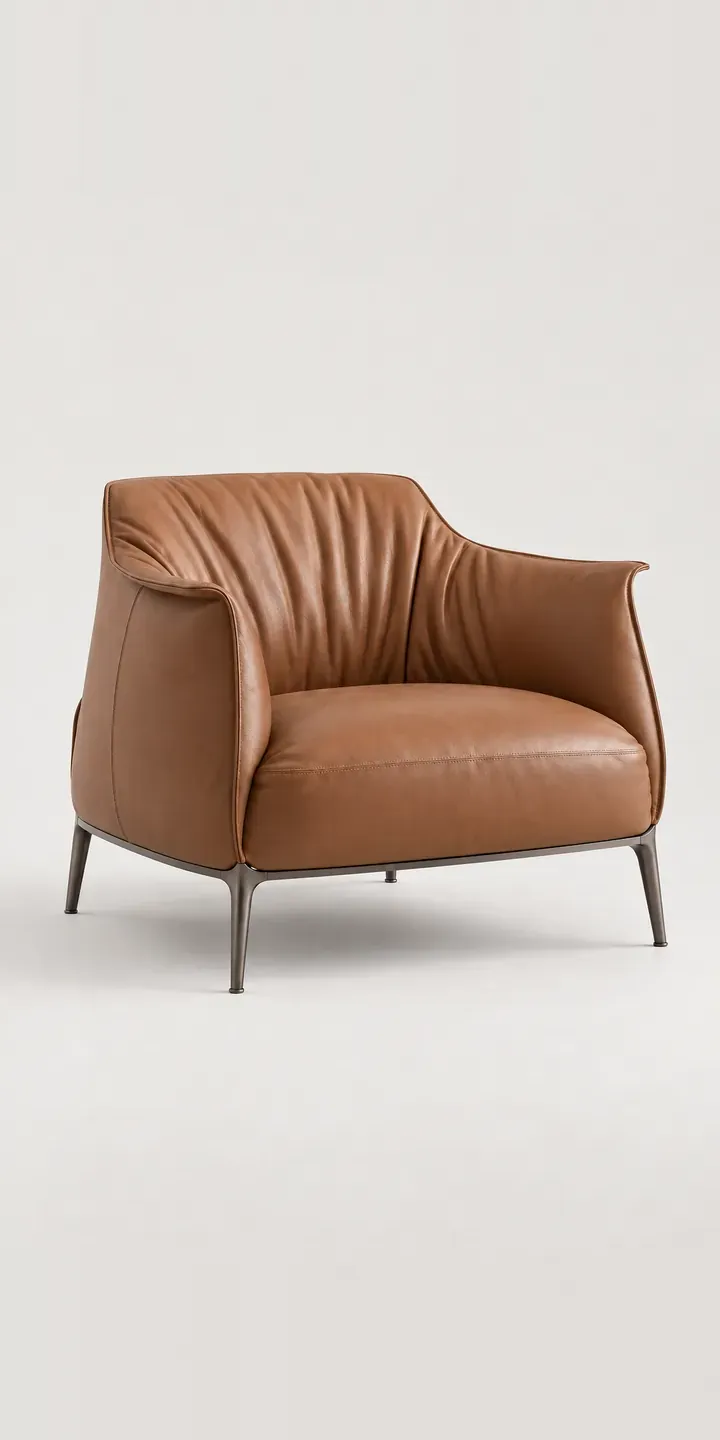
Club Armchair
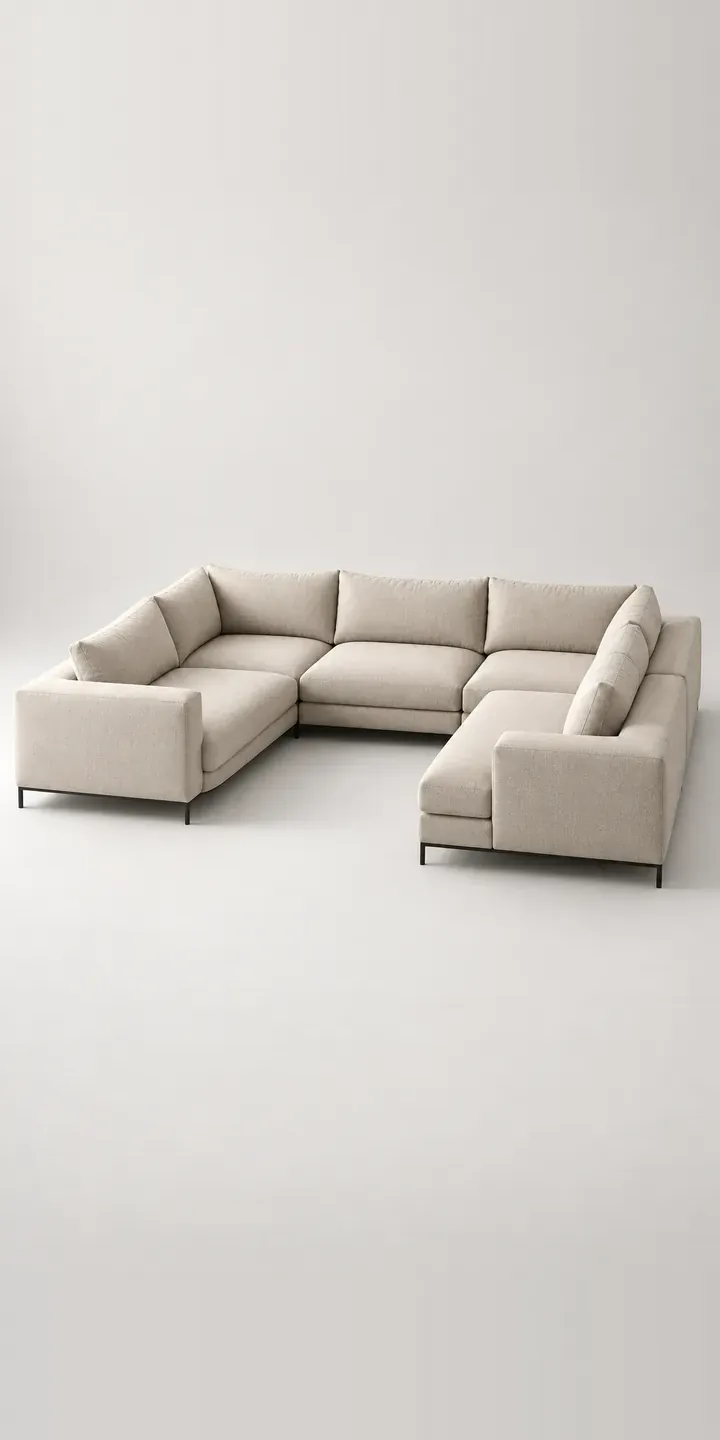
Corner Sectional
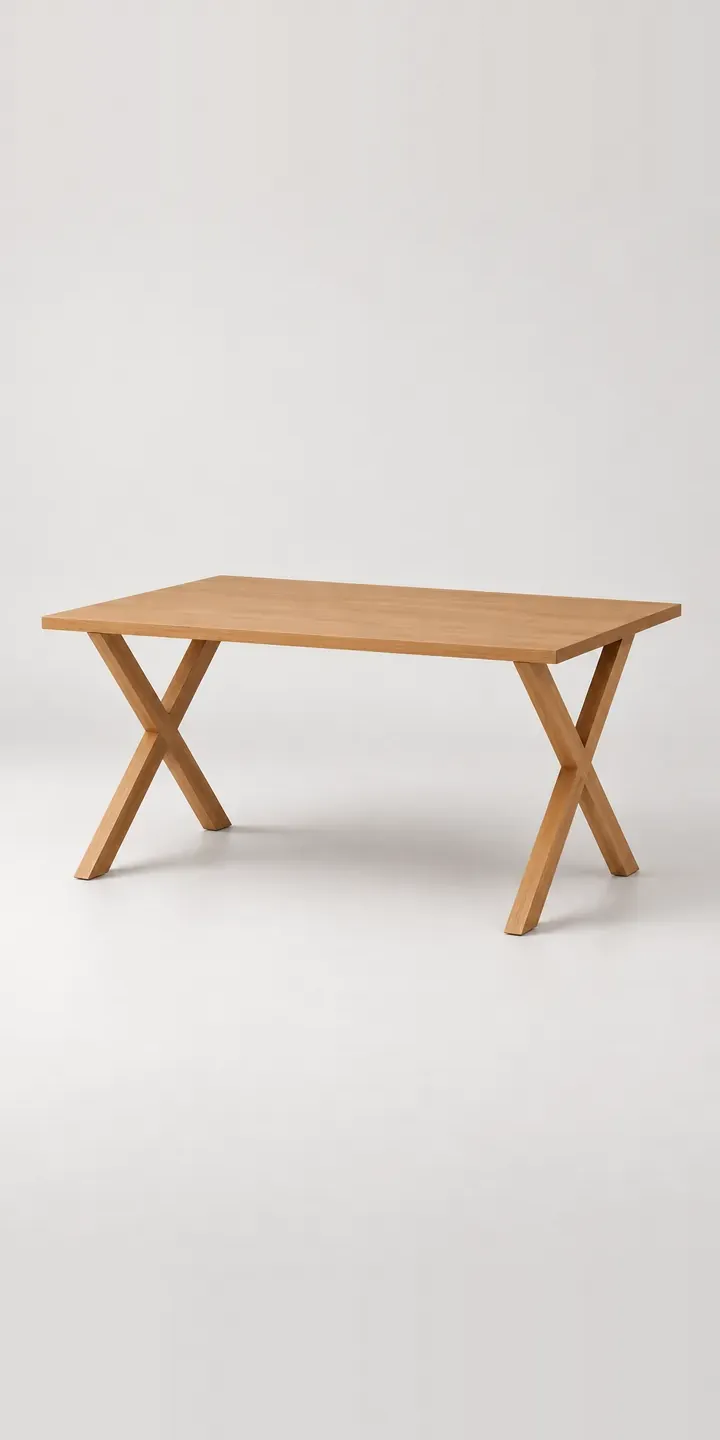
Cross Leg Table
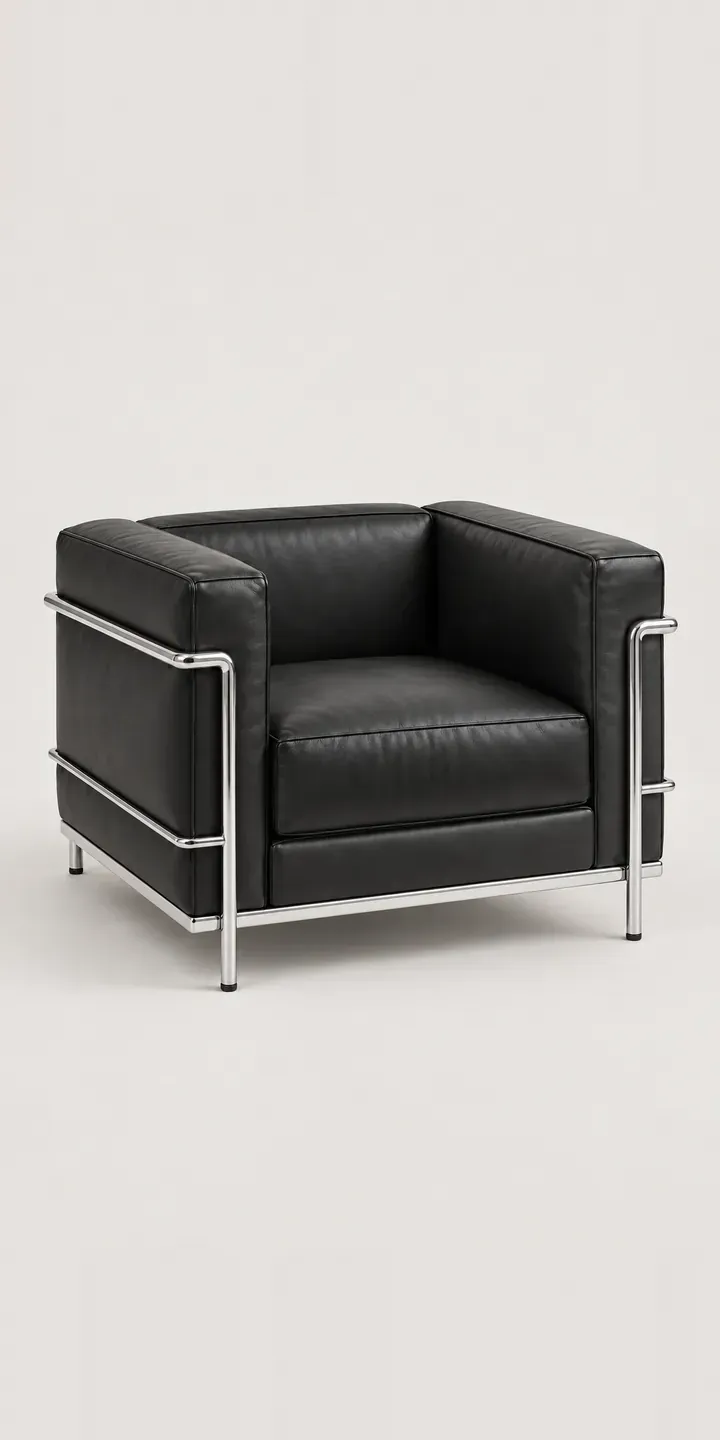
Cube Armchair
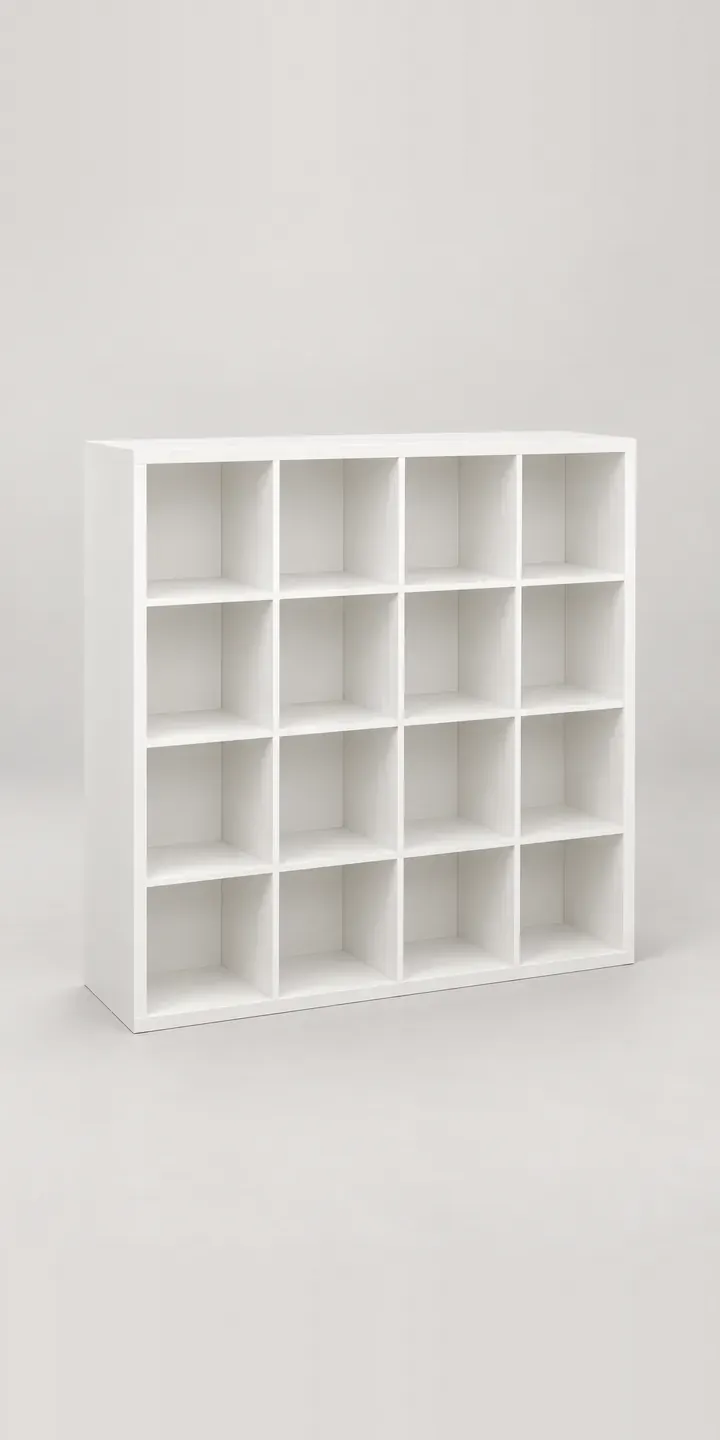
Cube Shelving
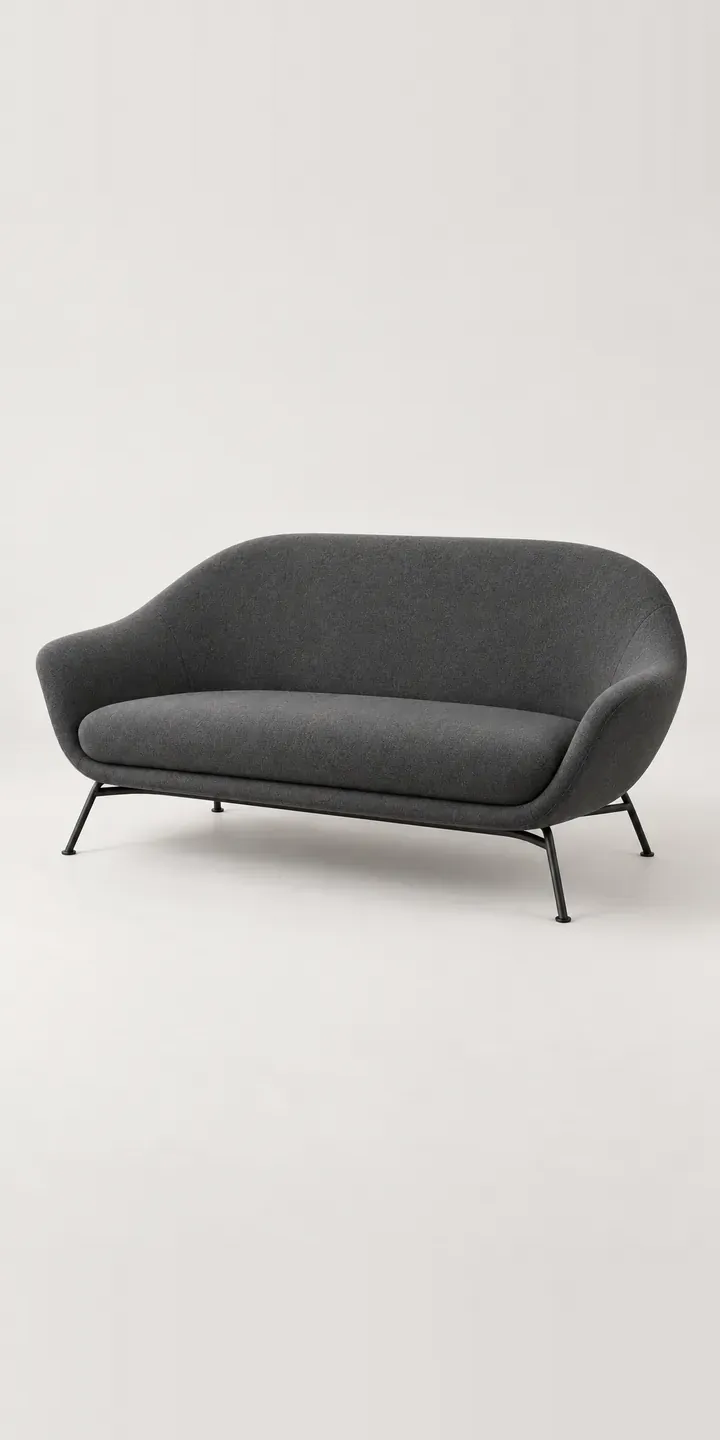
Curved Loveseat
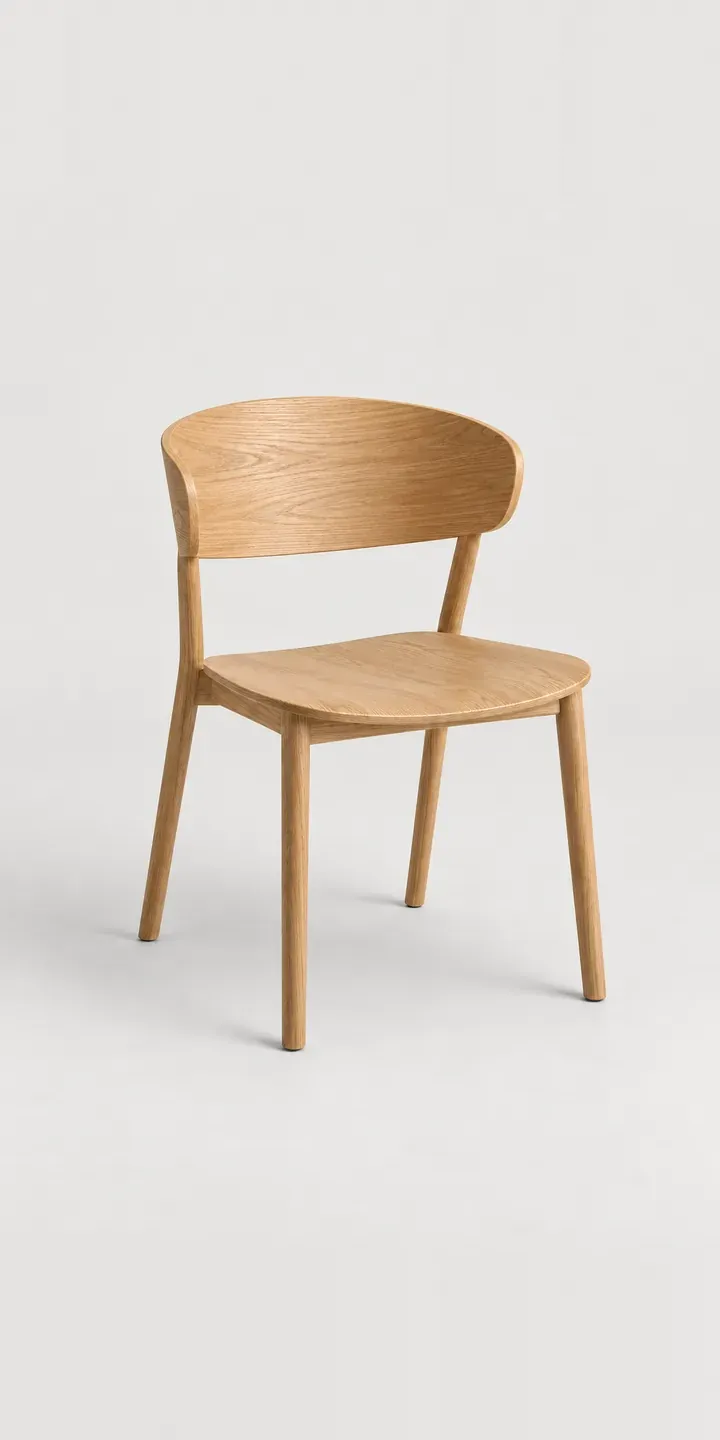
Dining Chair

Disc Cushion Sofa
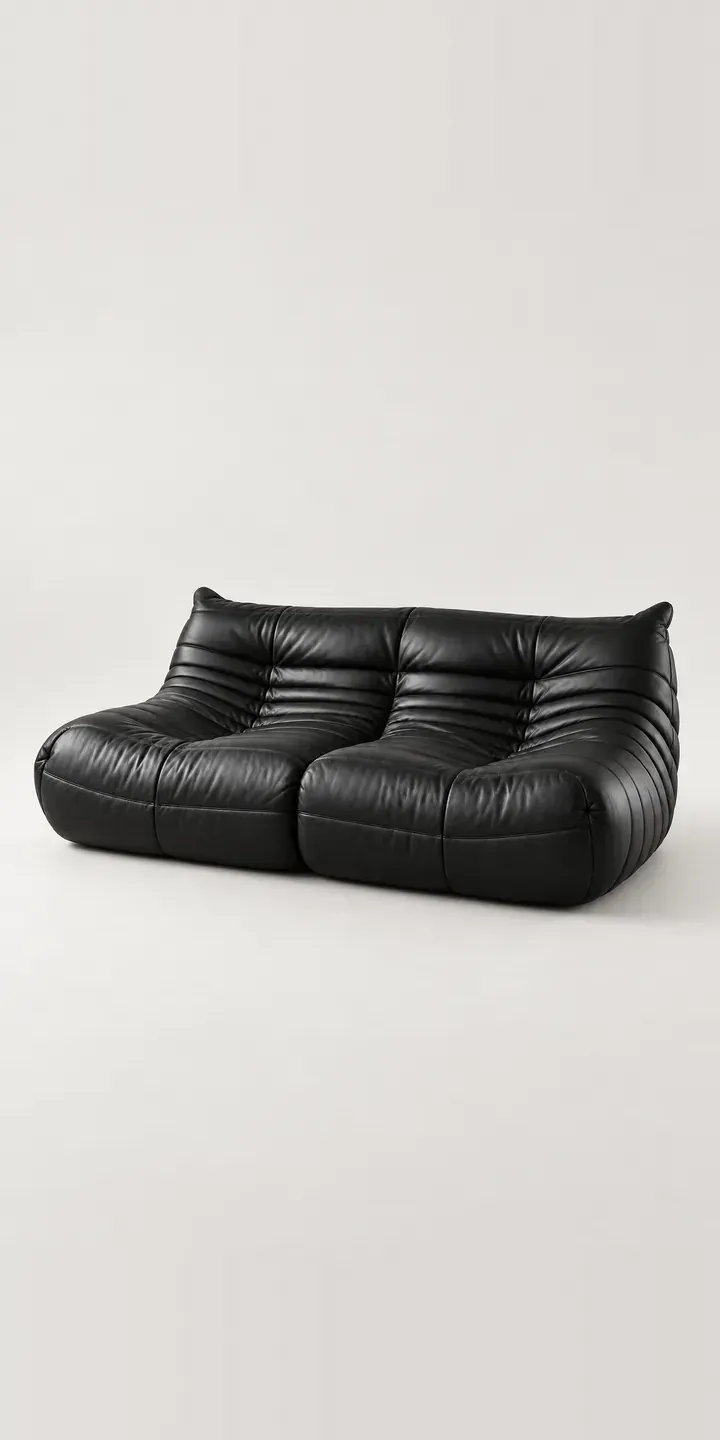
Floor Sofa
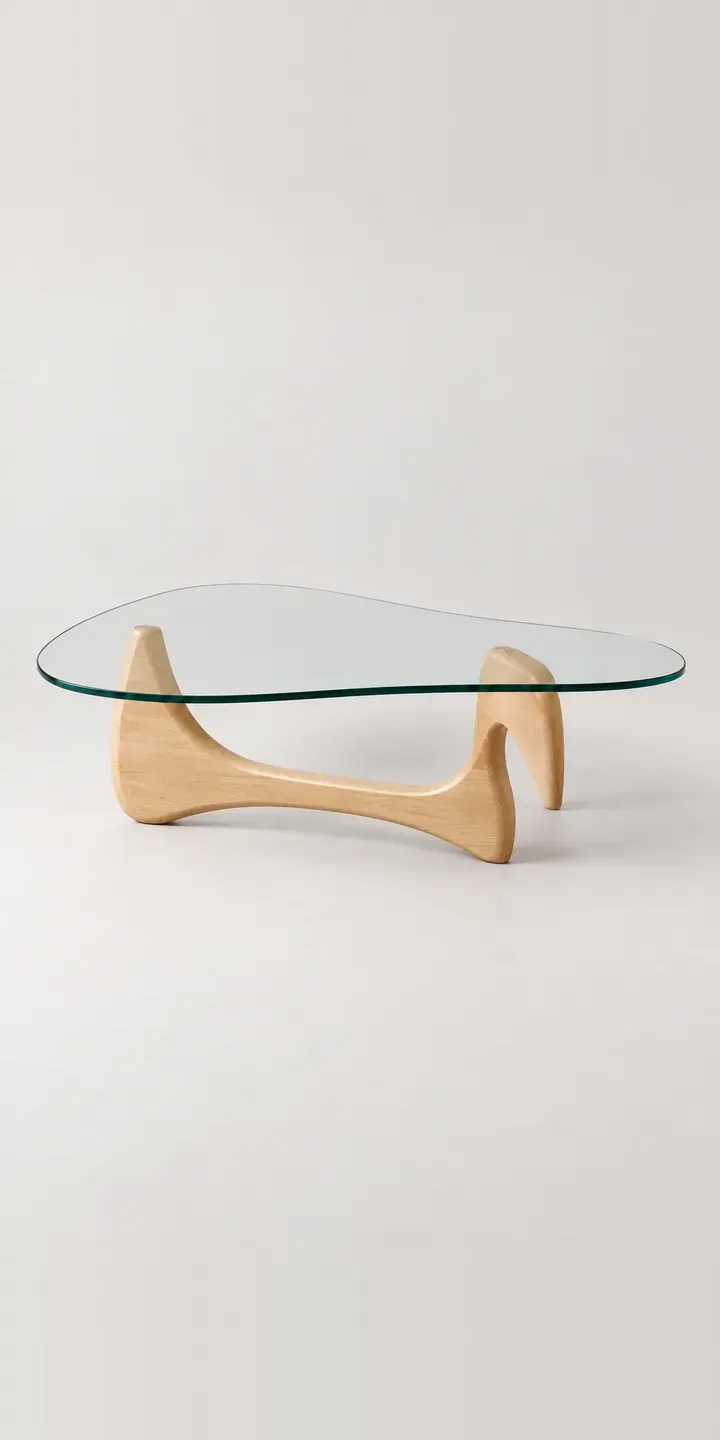
Glass Coffee Table
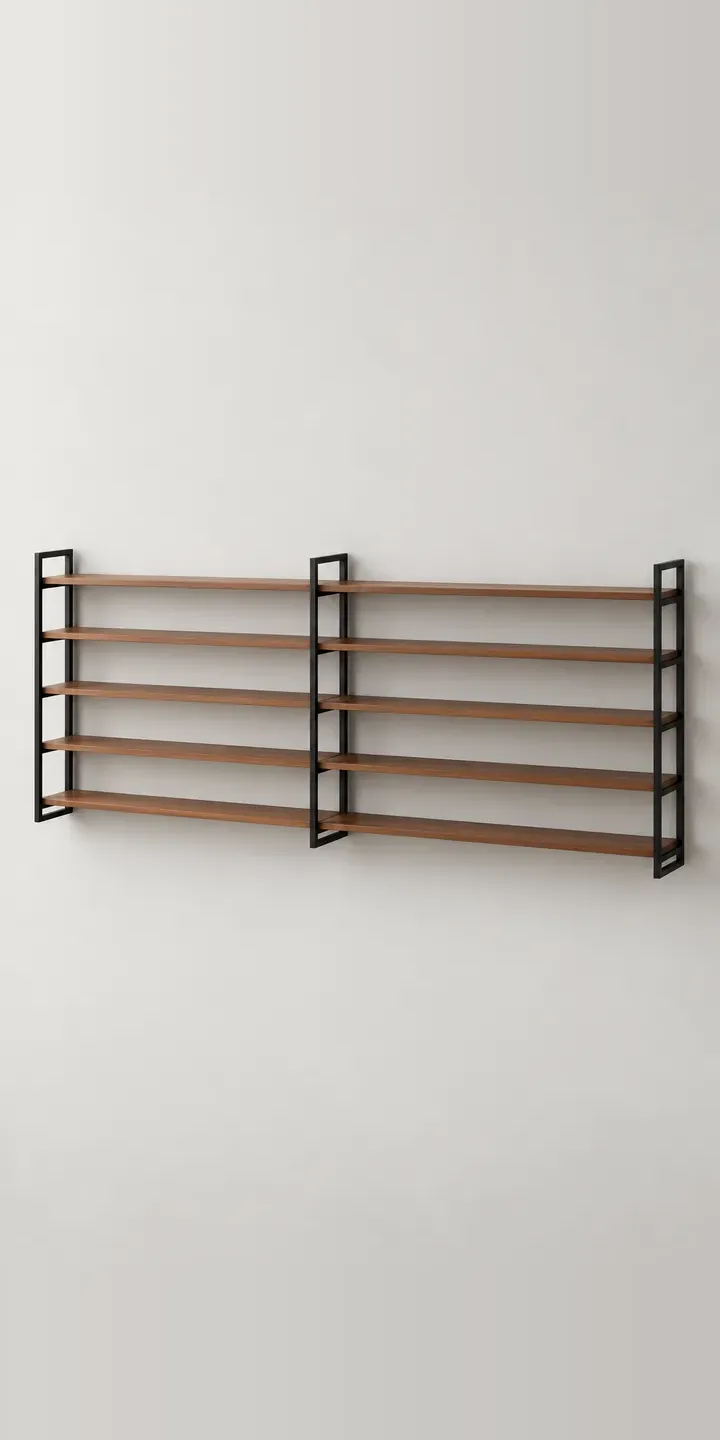
Hanging Shelves
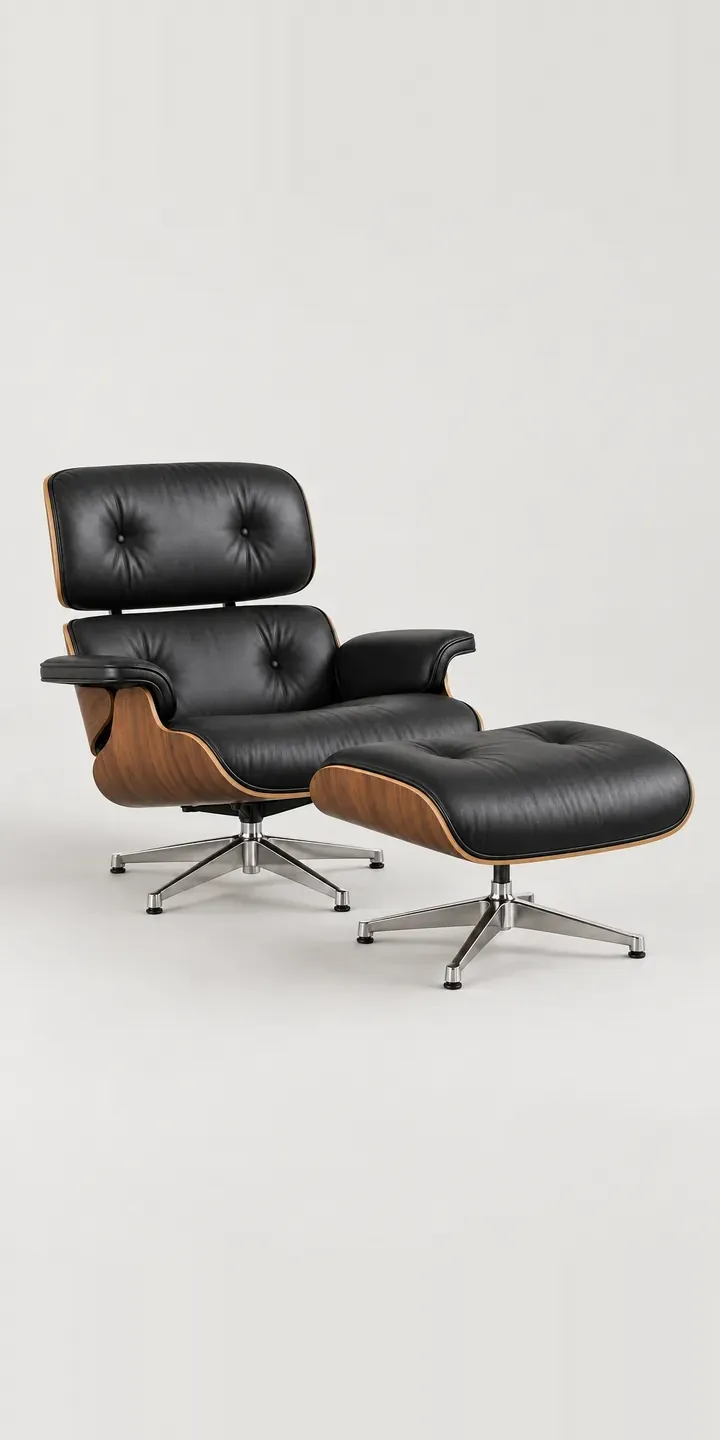
Lounge Chair Set
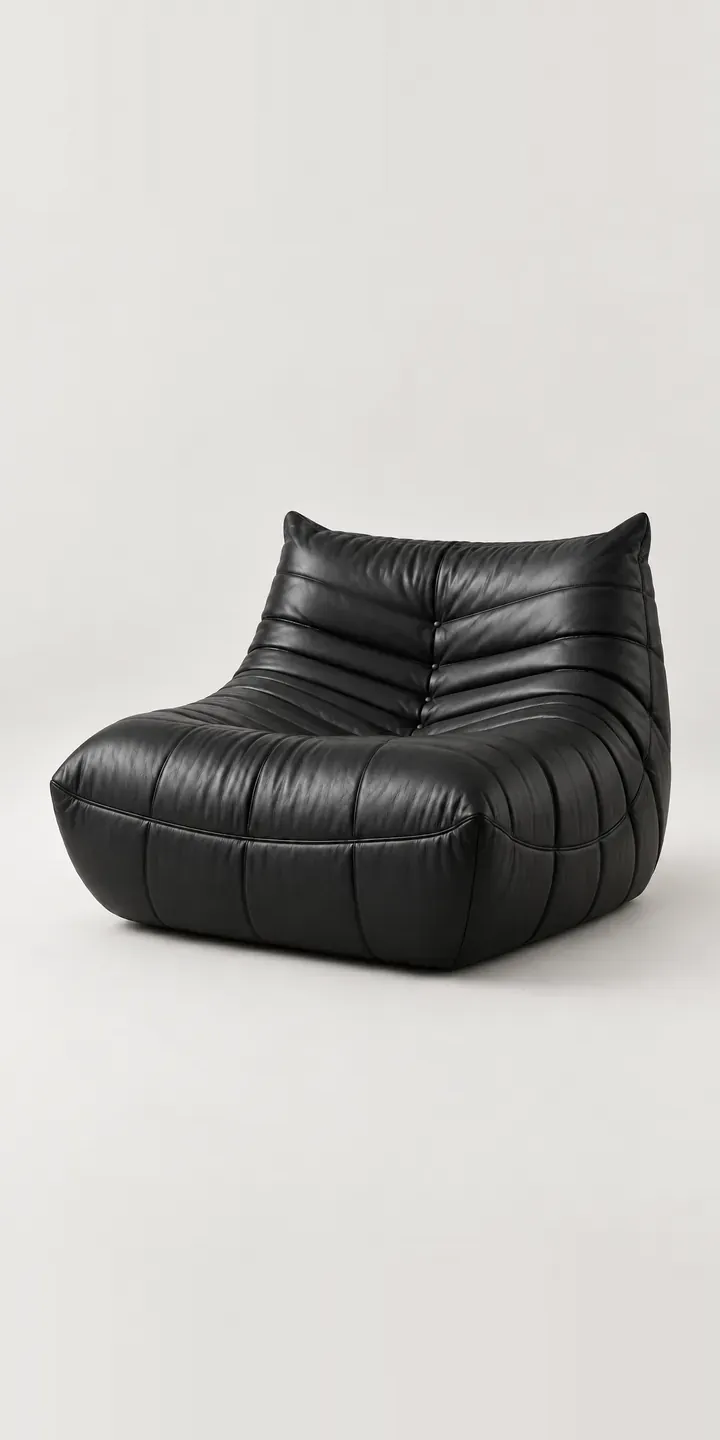
Low Lounge Chair

Mini Cabinet
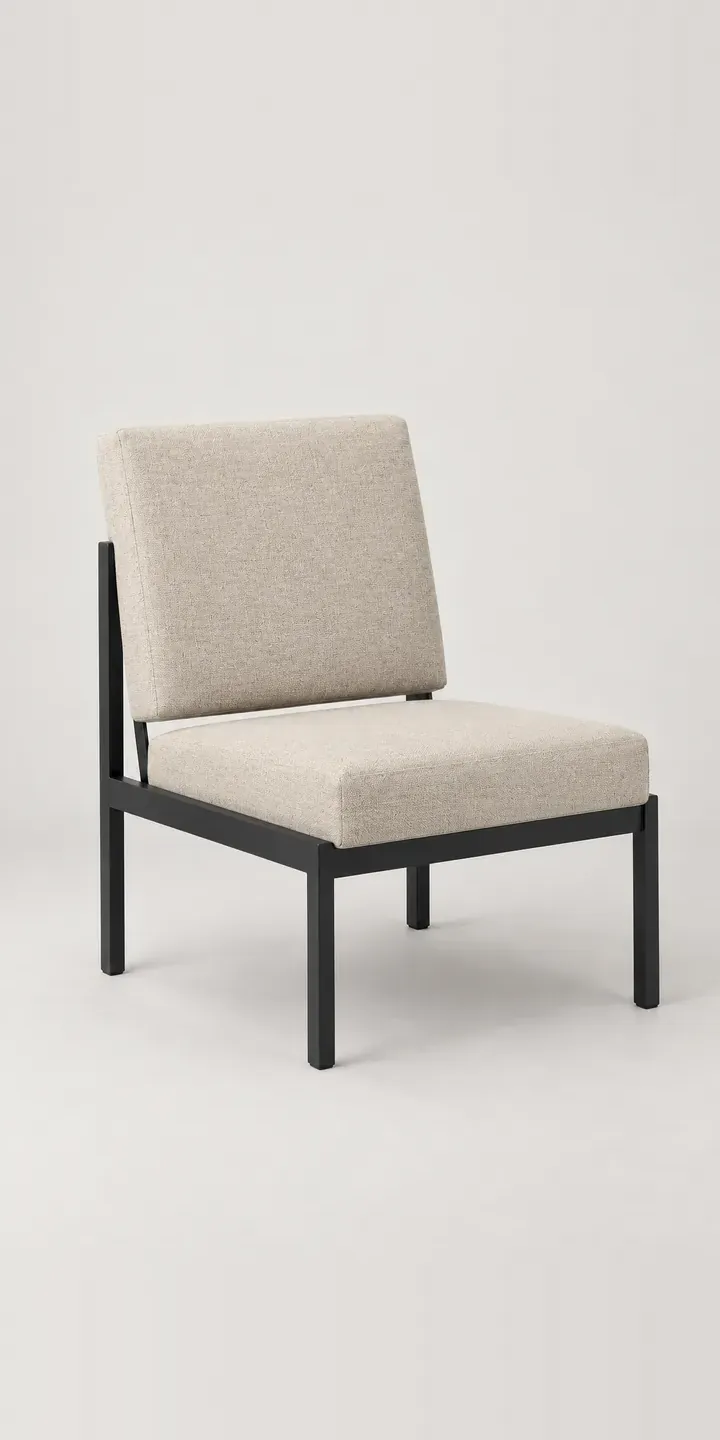
Modular Armchair
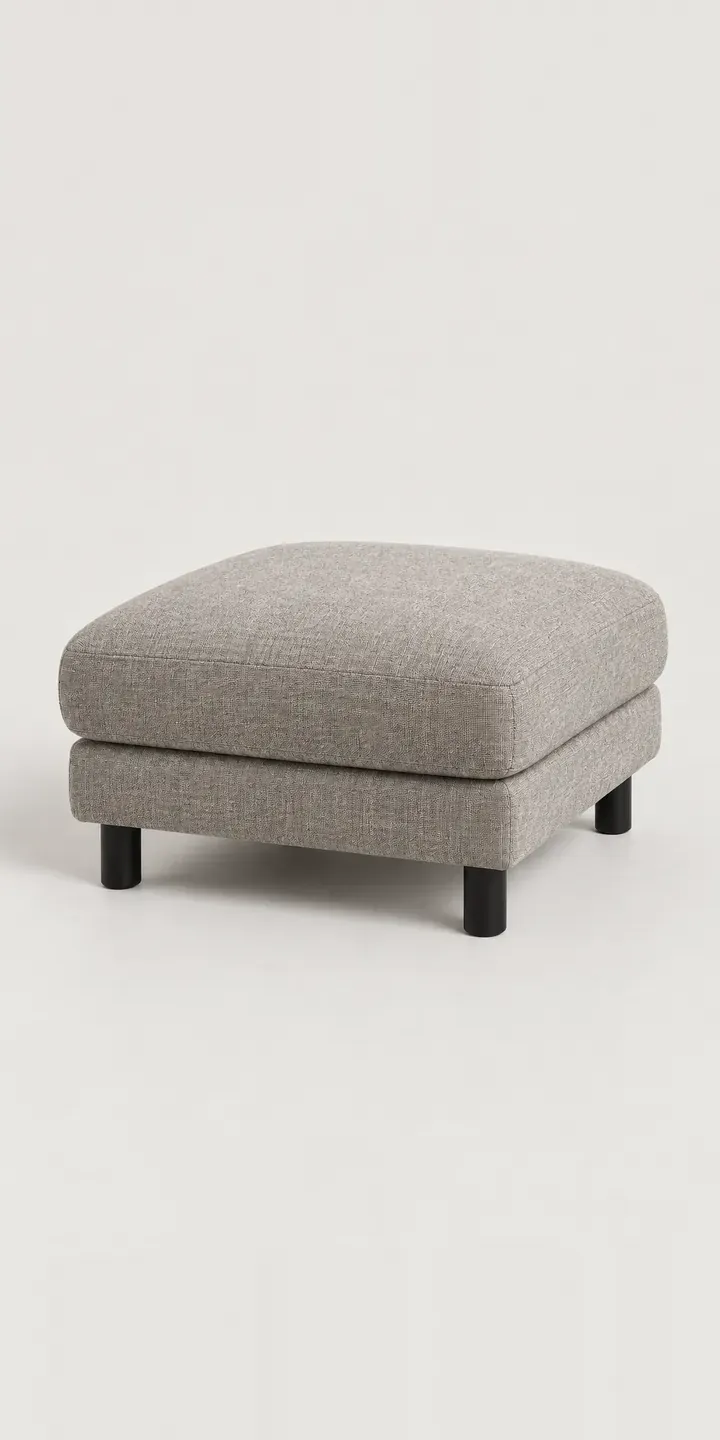
Modular Ottoman
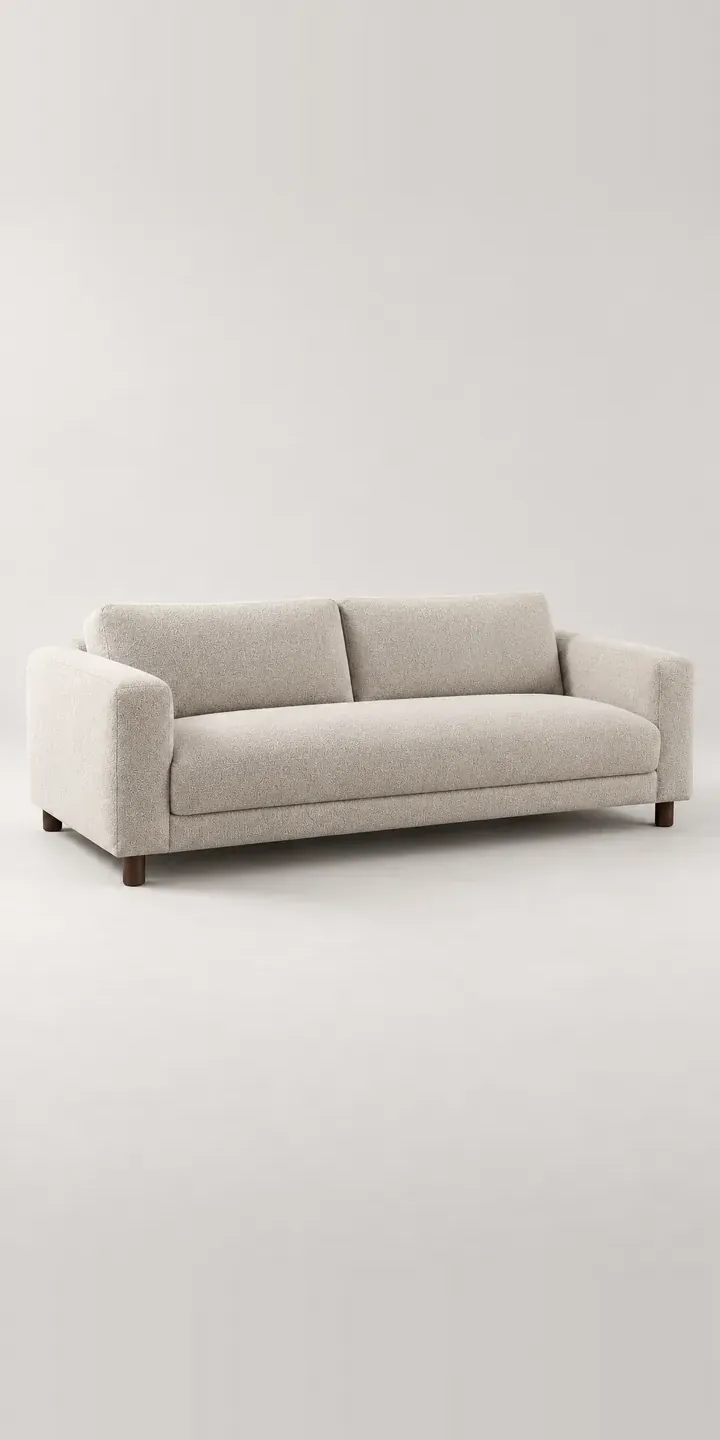
Modular Sofa

Pedestal Table
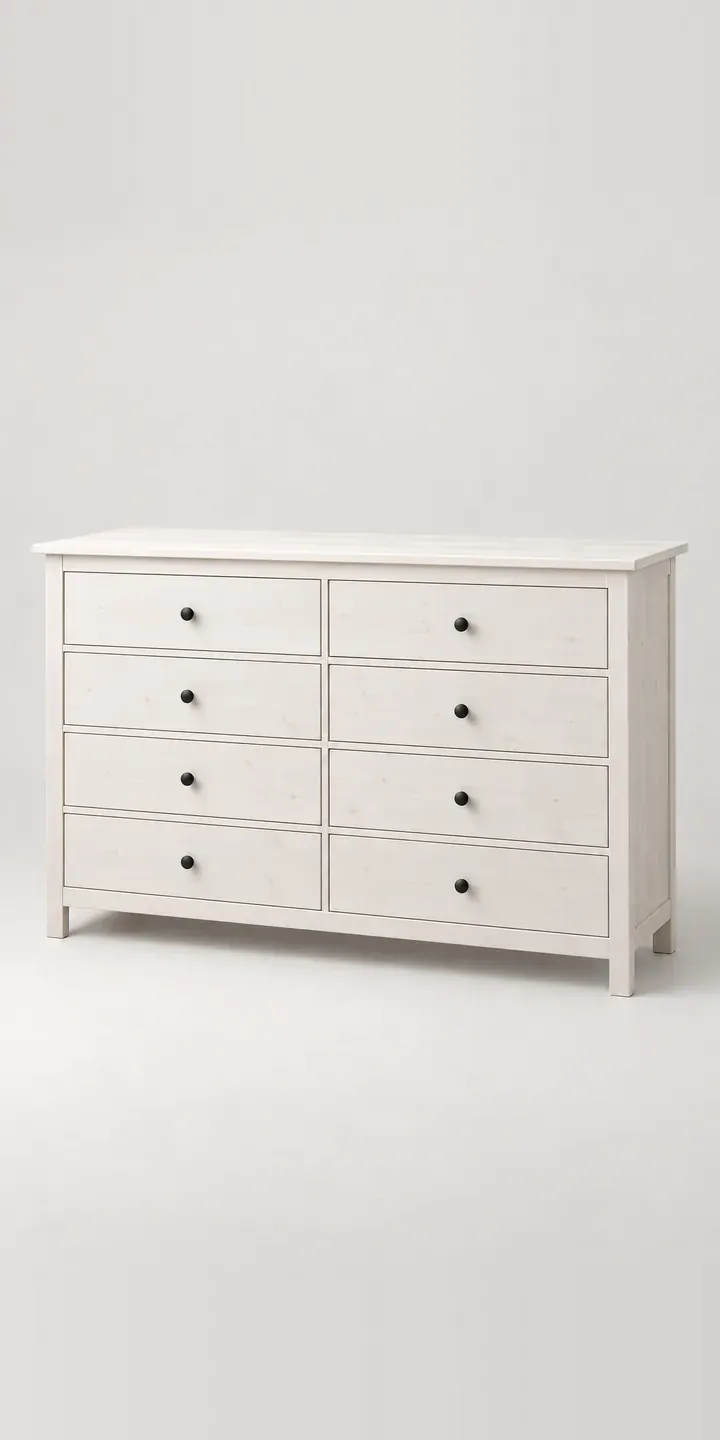
Pine Chest
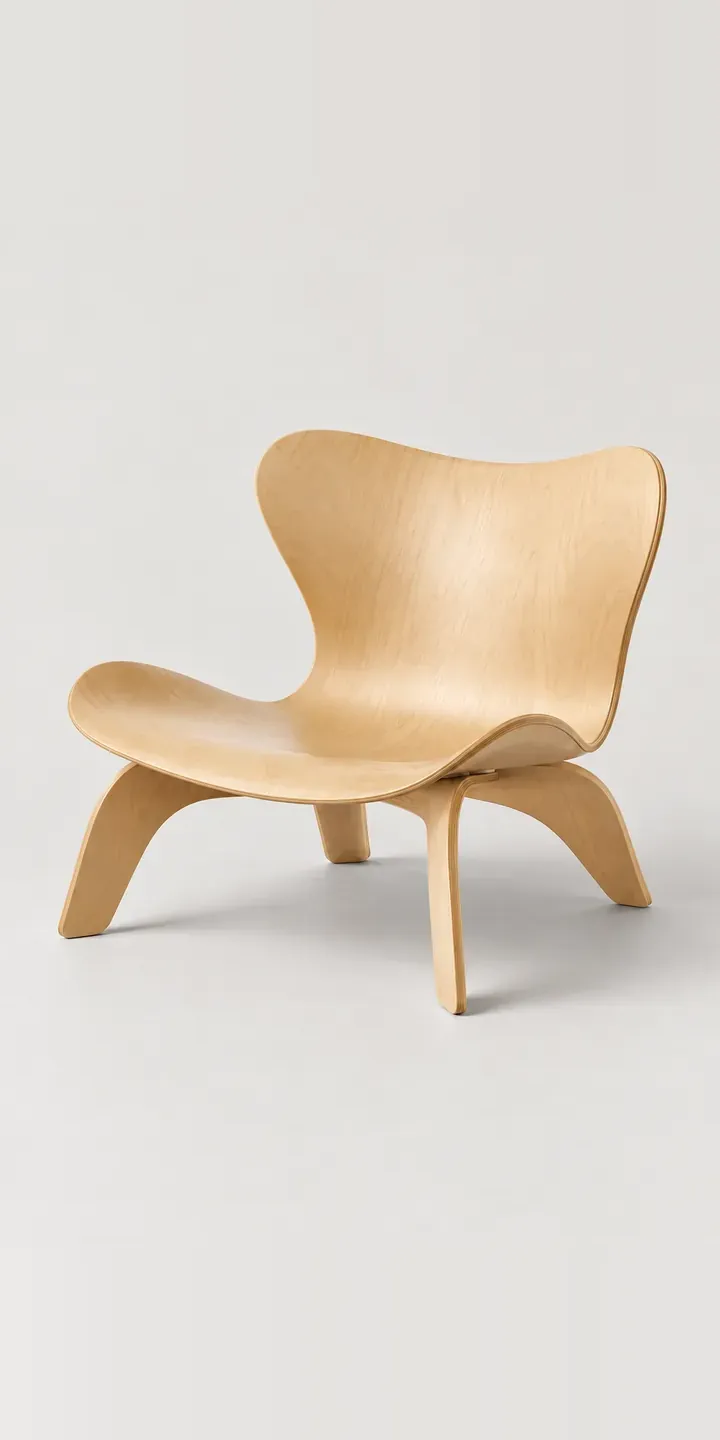
Plywood Lounge Chair
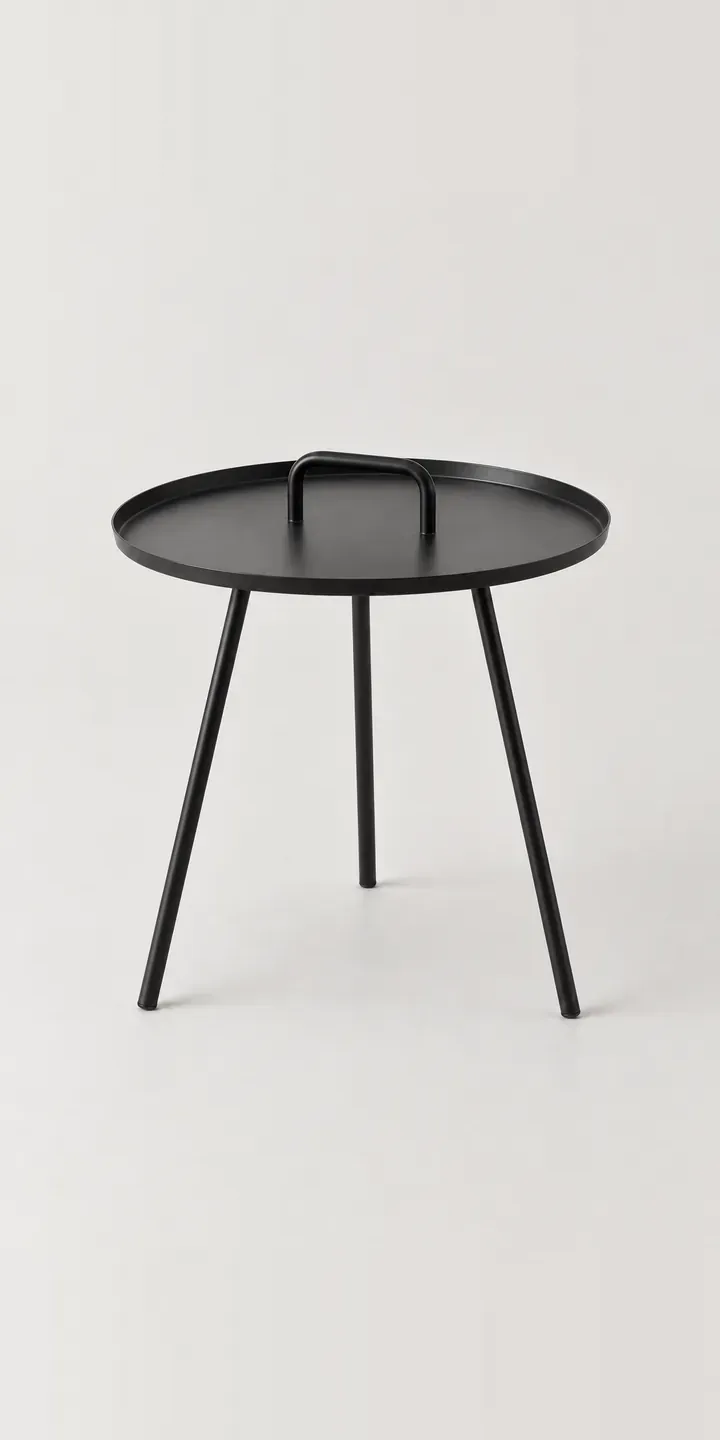
Portable Side Table
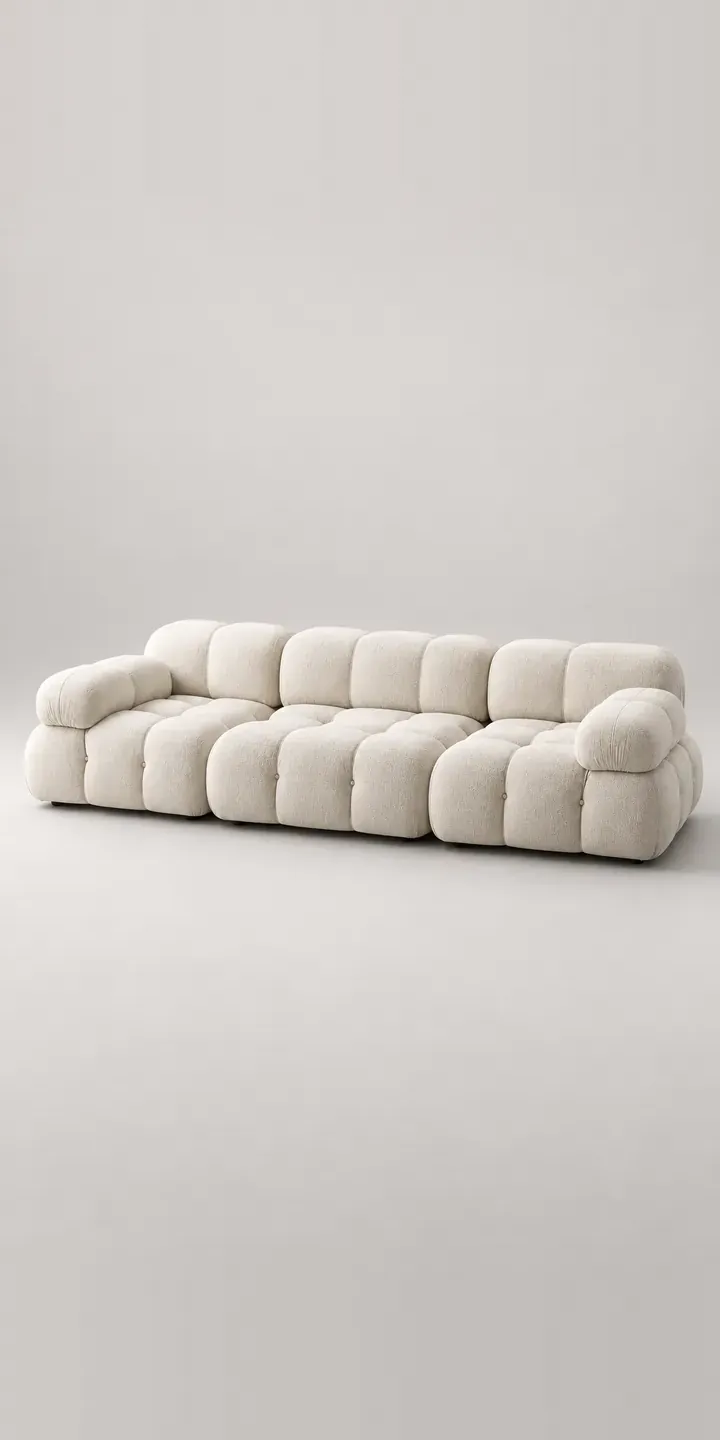
Quilted Sofa
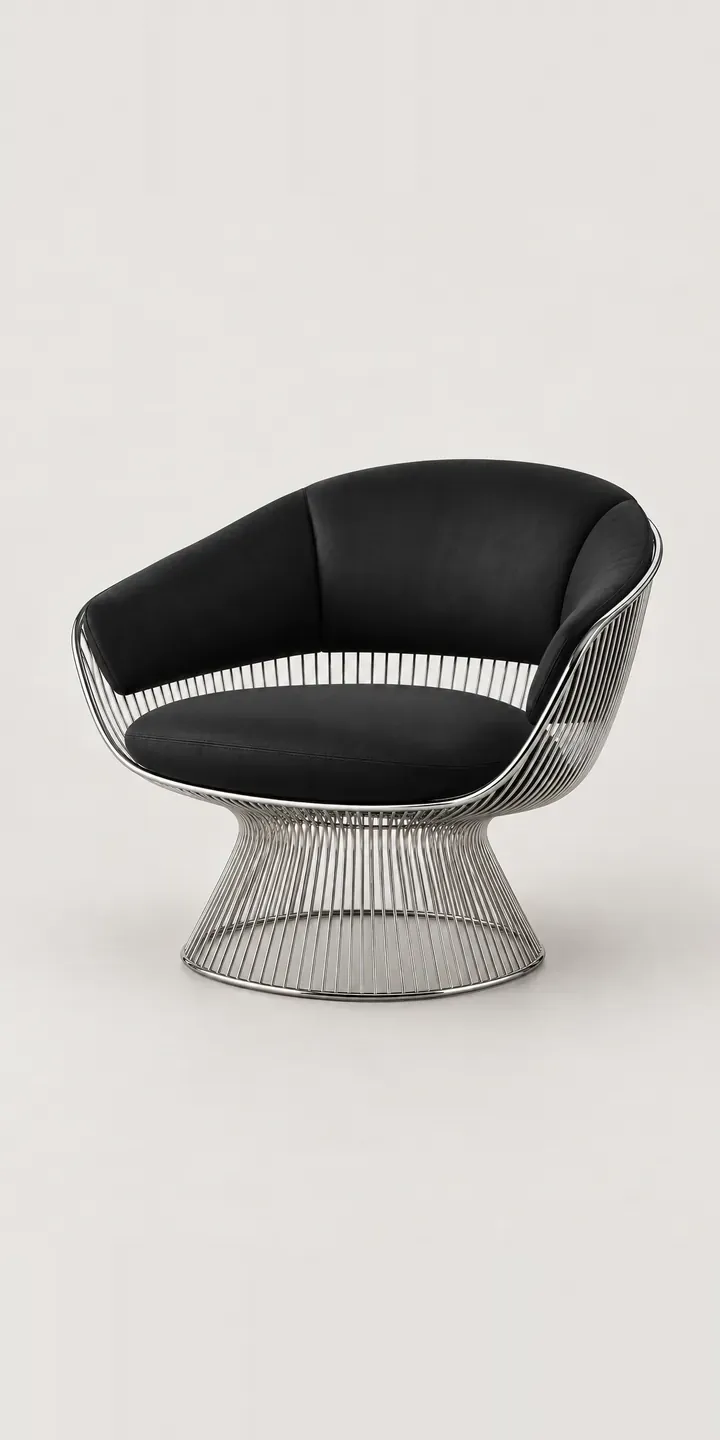
Rod Lounge Chair
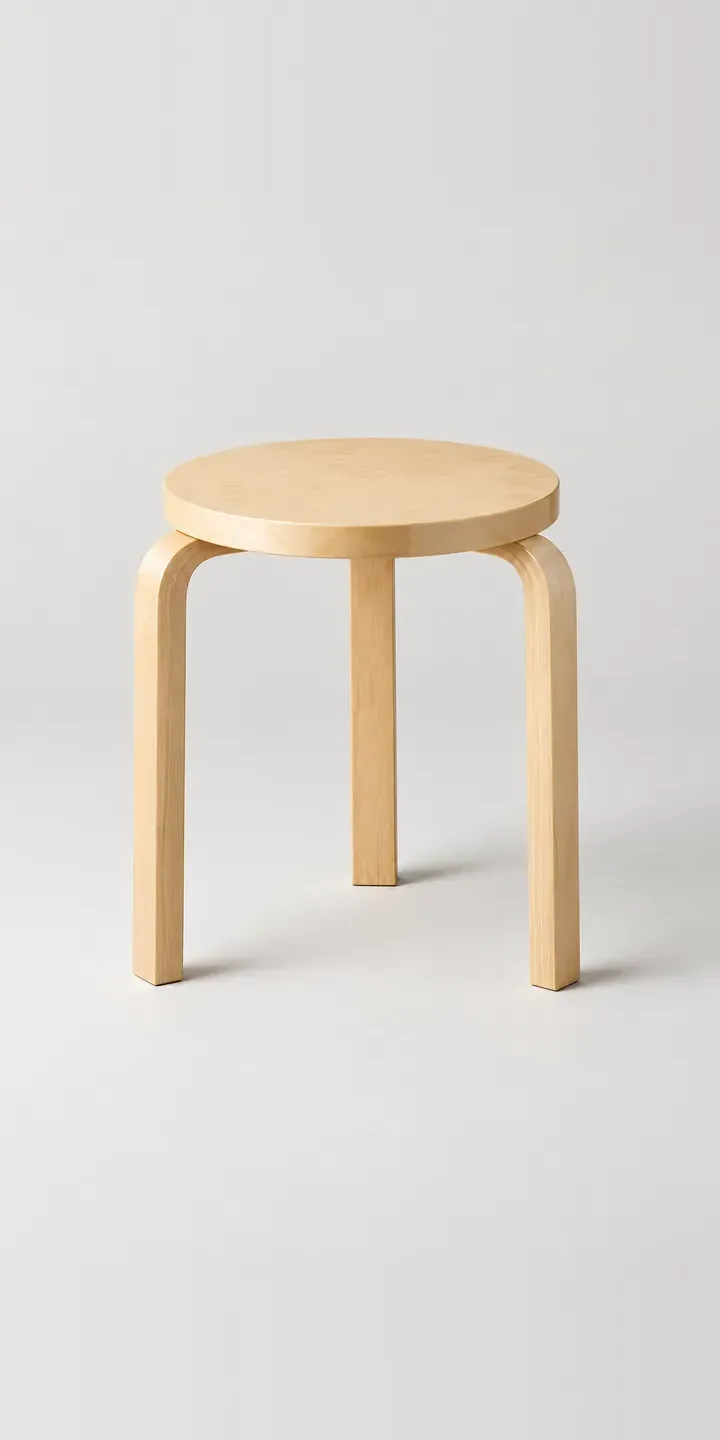
Round Stool
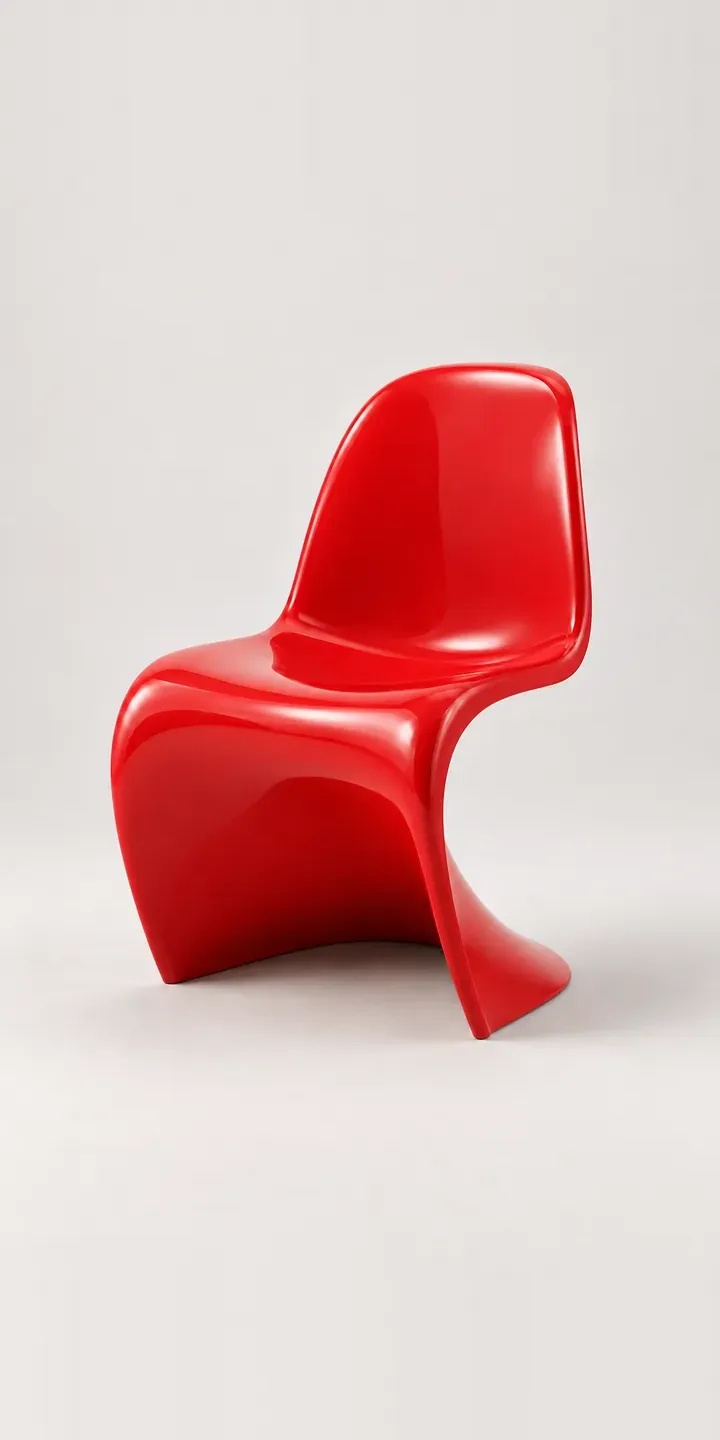
S-Curve Chair
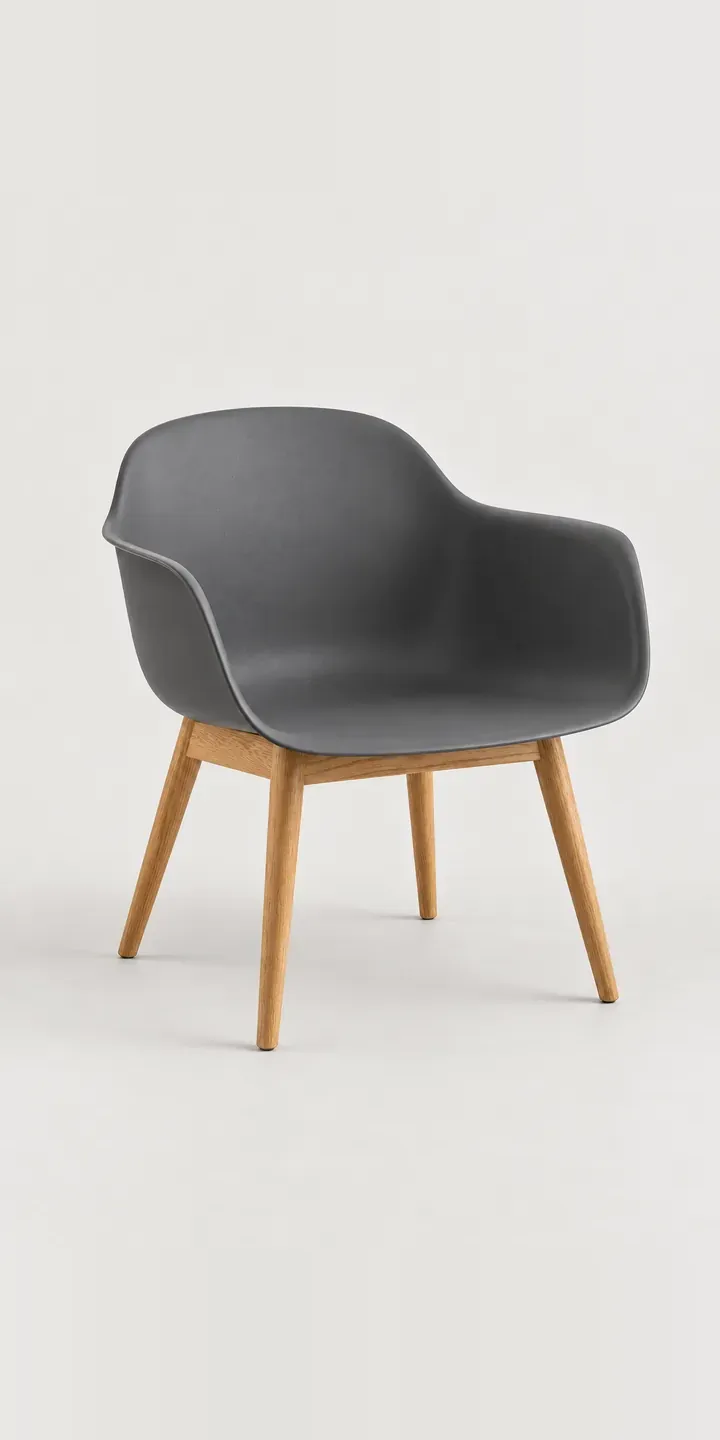
Shell Armchair
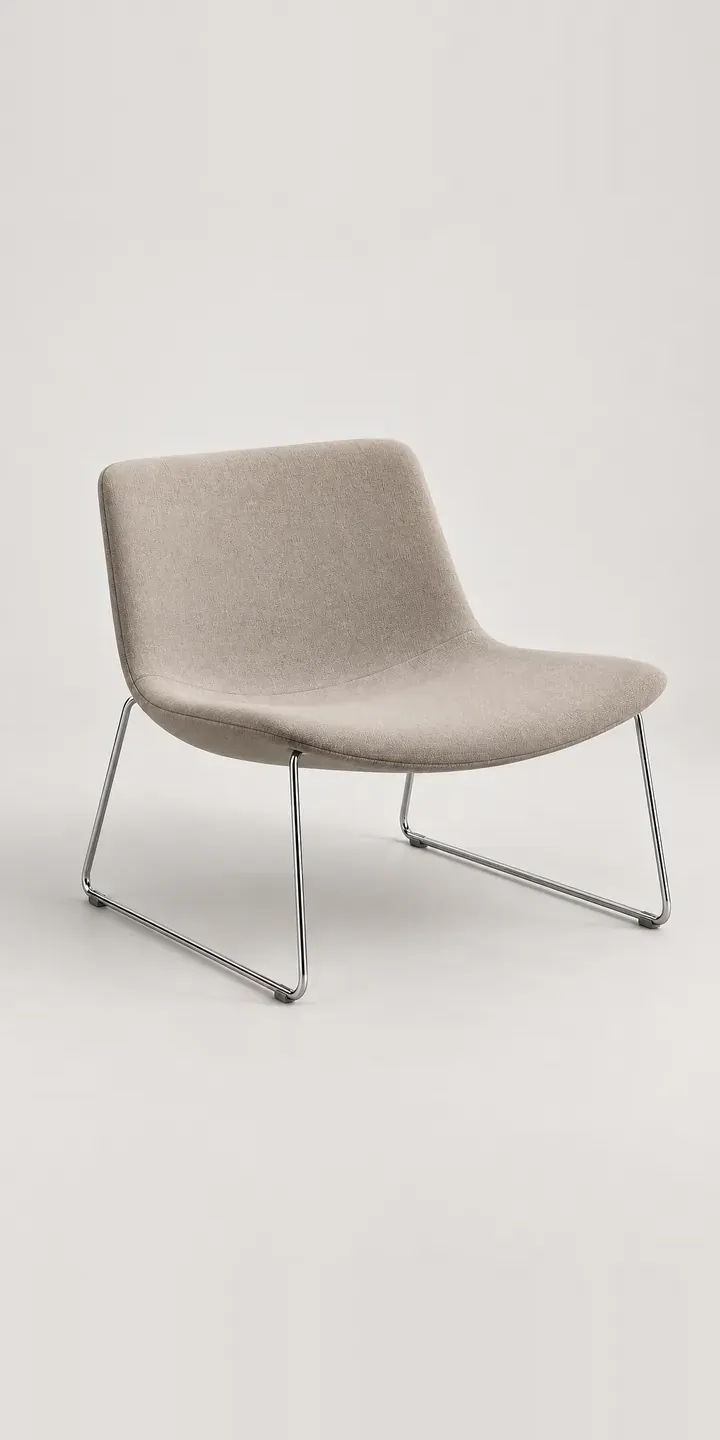
Shell Lounge Chair
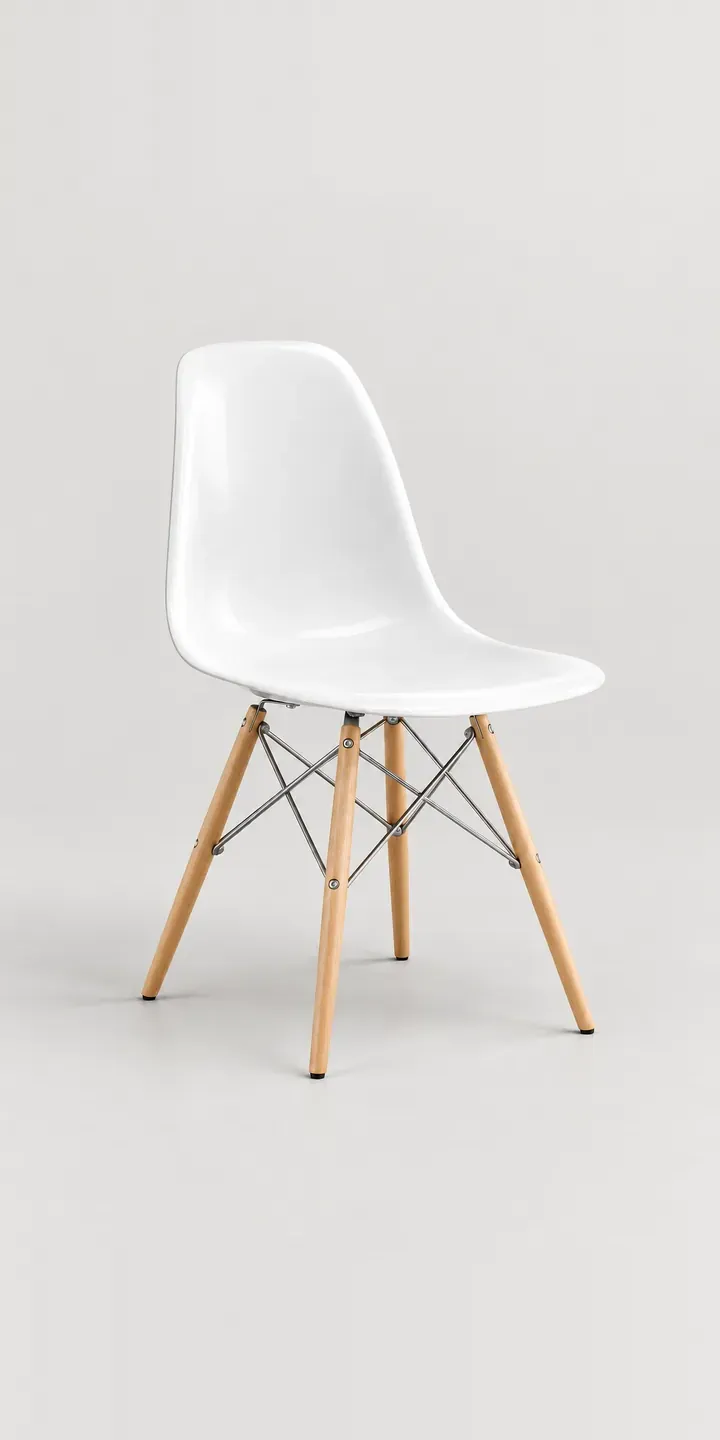
Shell Side Chair
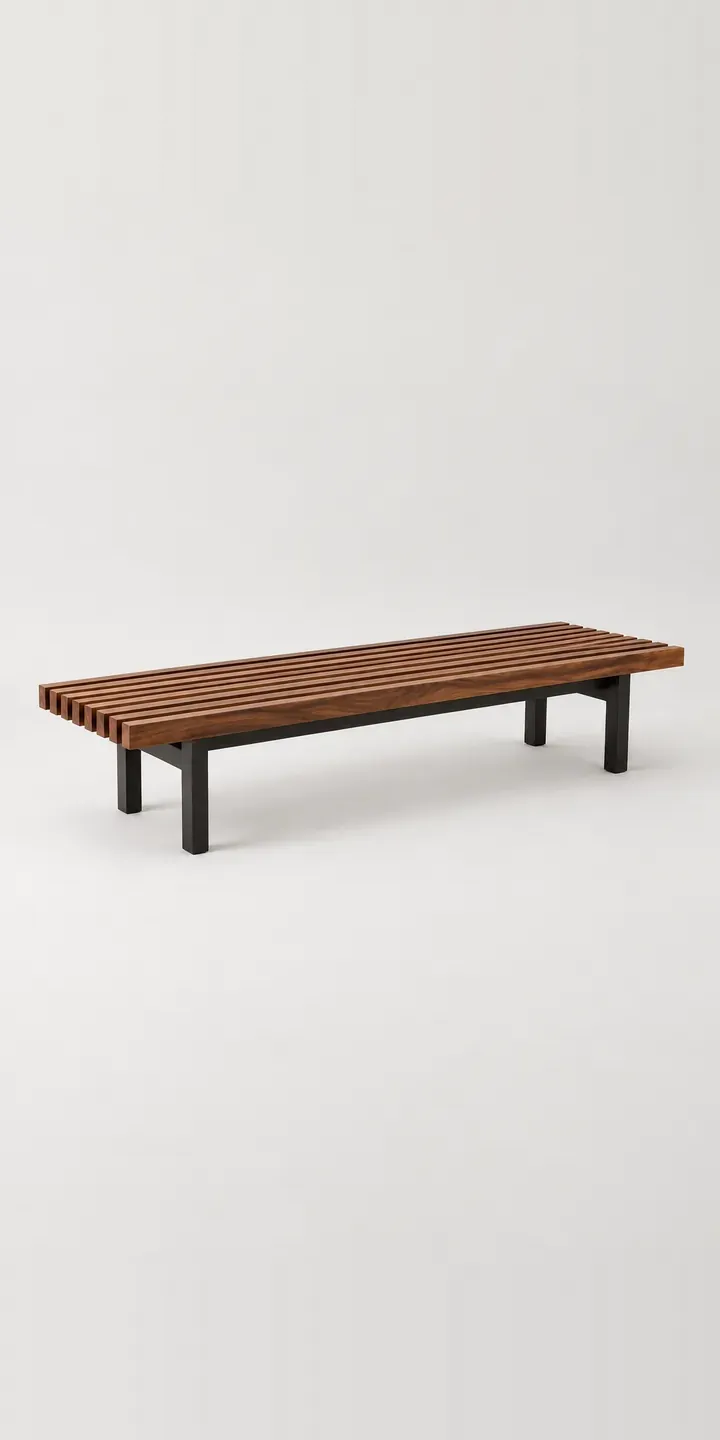
Slatted Bench
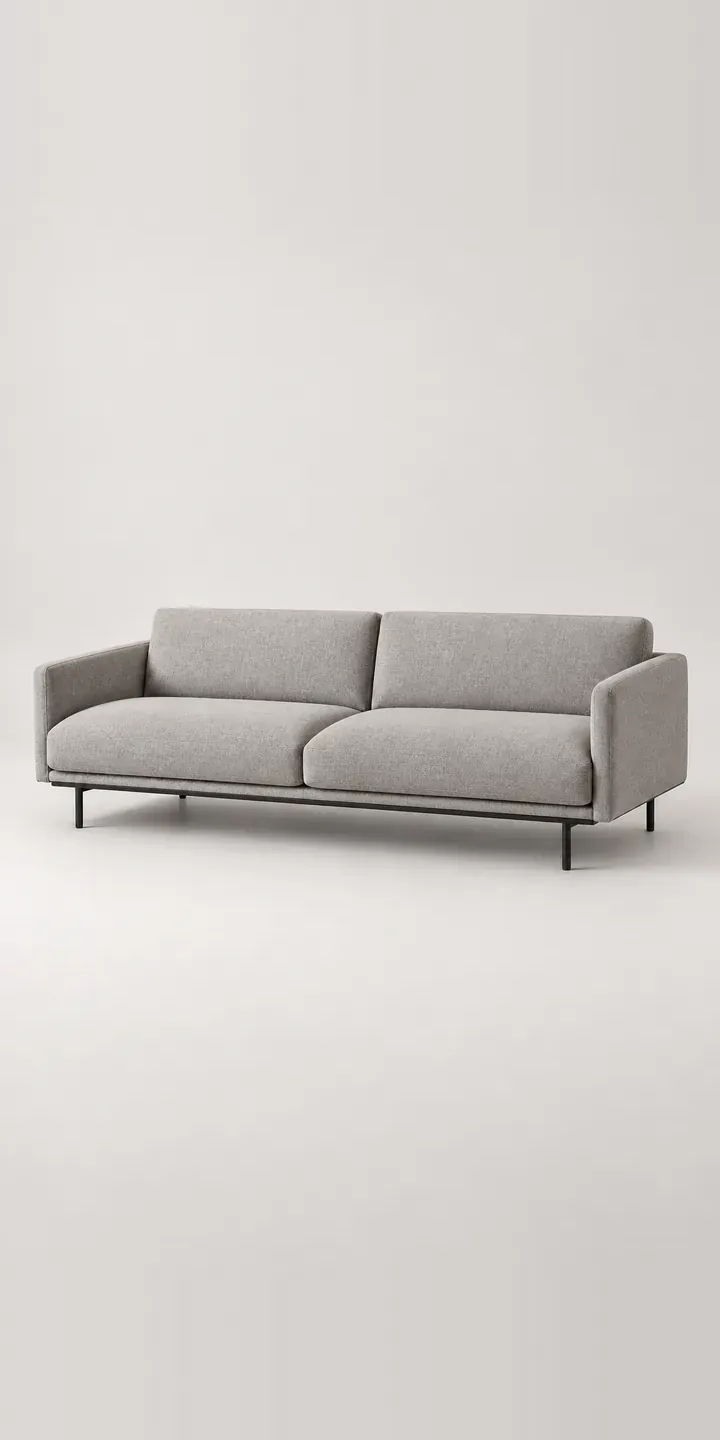
Slim Sofa
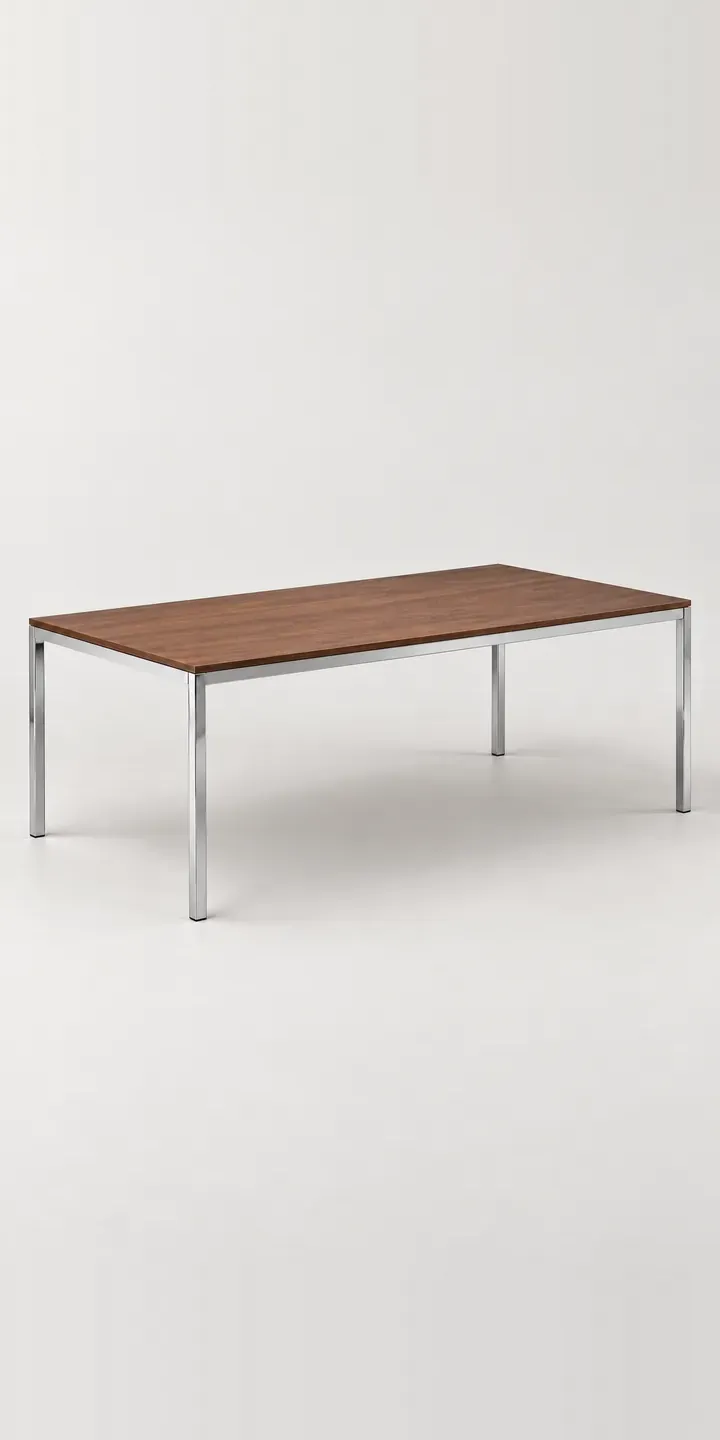
Steel Base Table
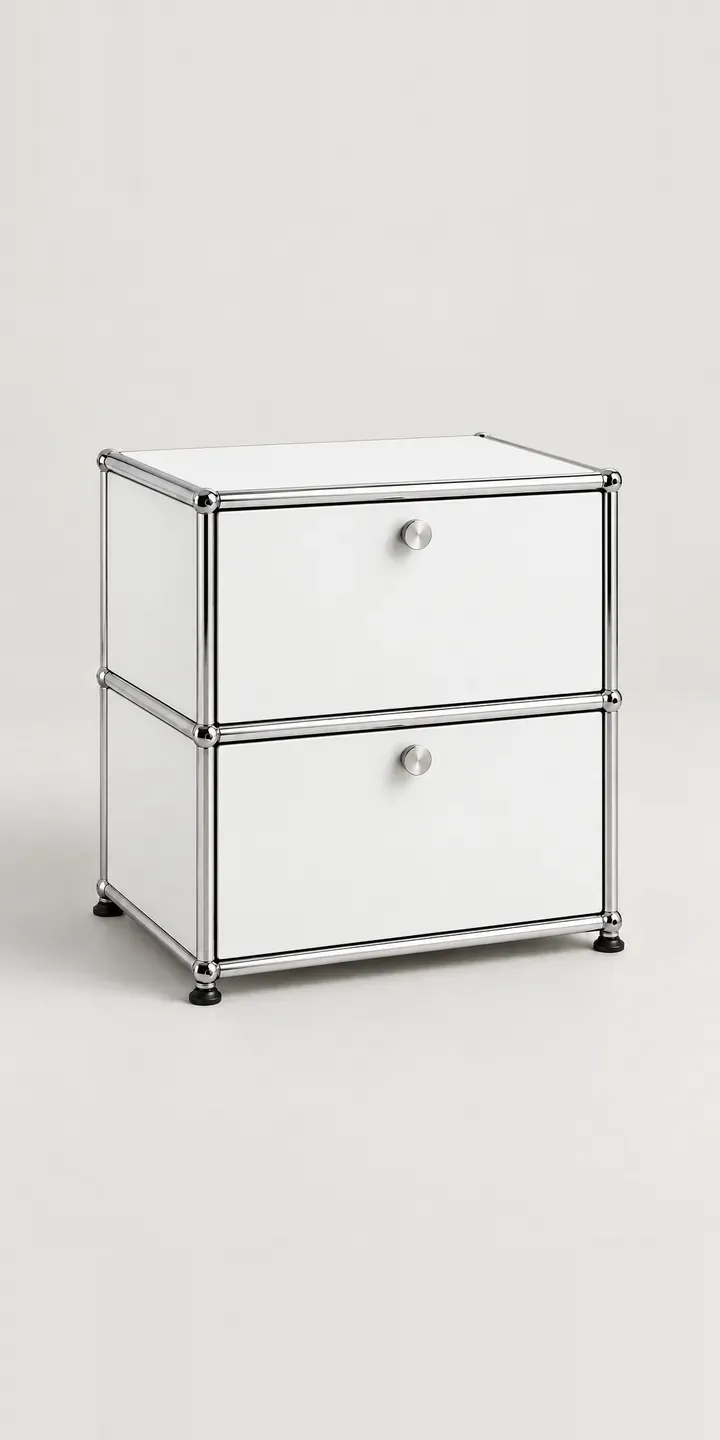
Steel Bedside Cabinet
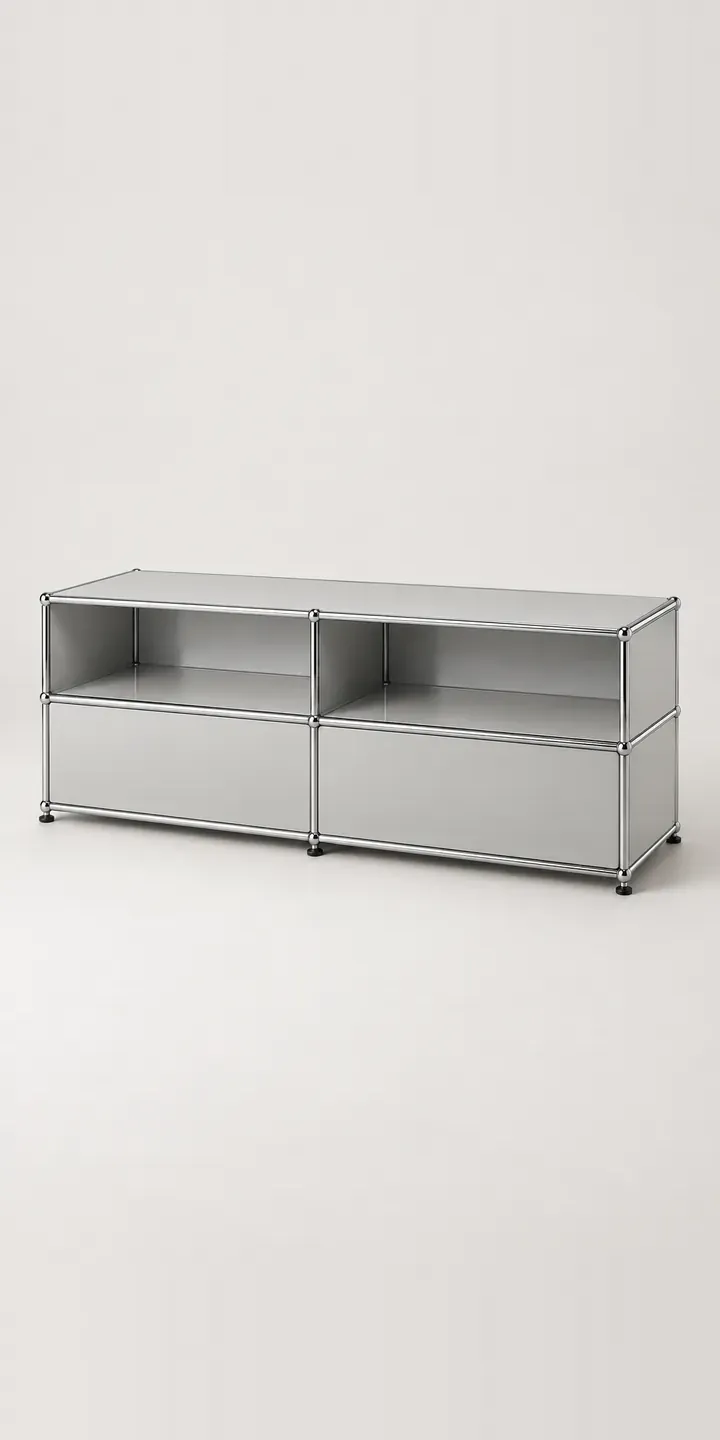
Steel Low Cabinet
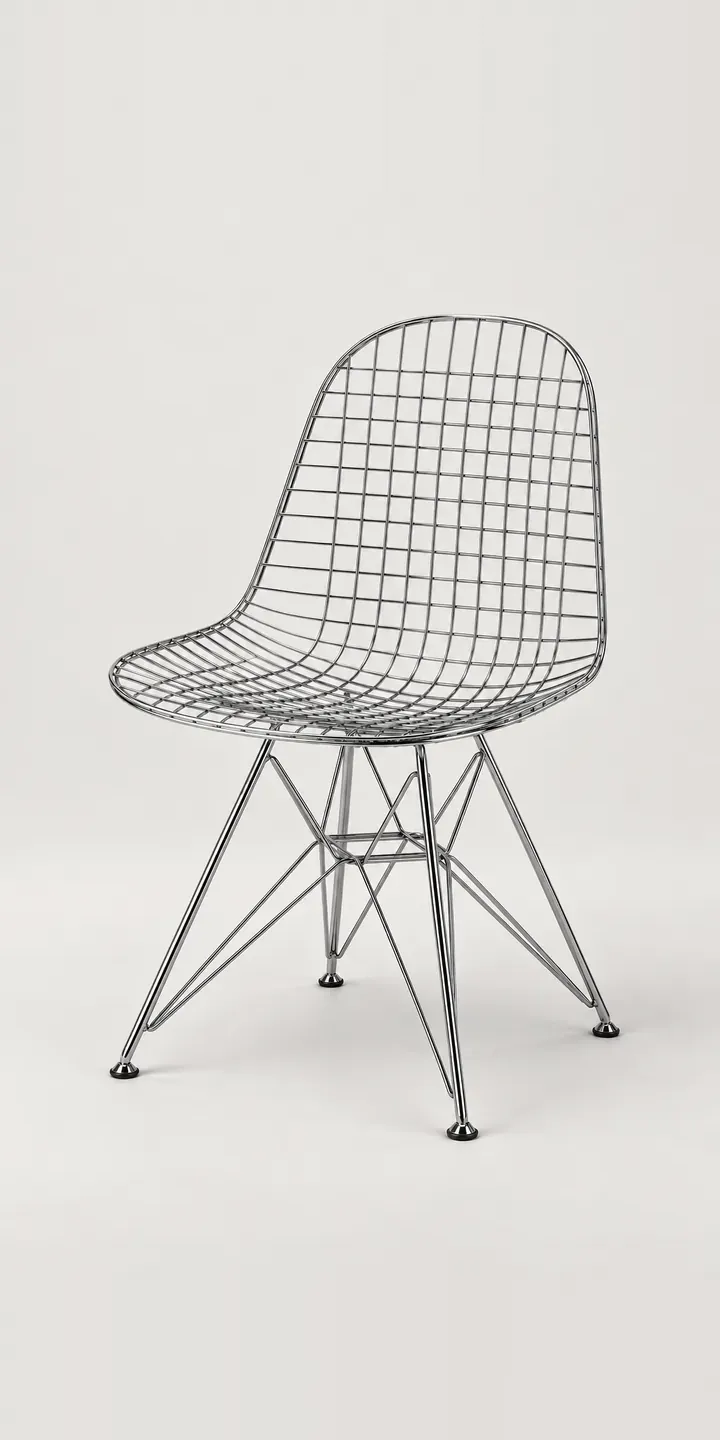
Steel Mesh Chair
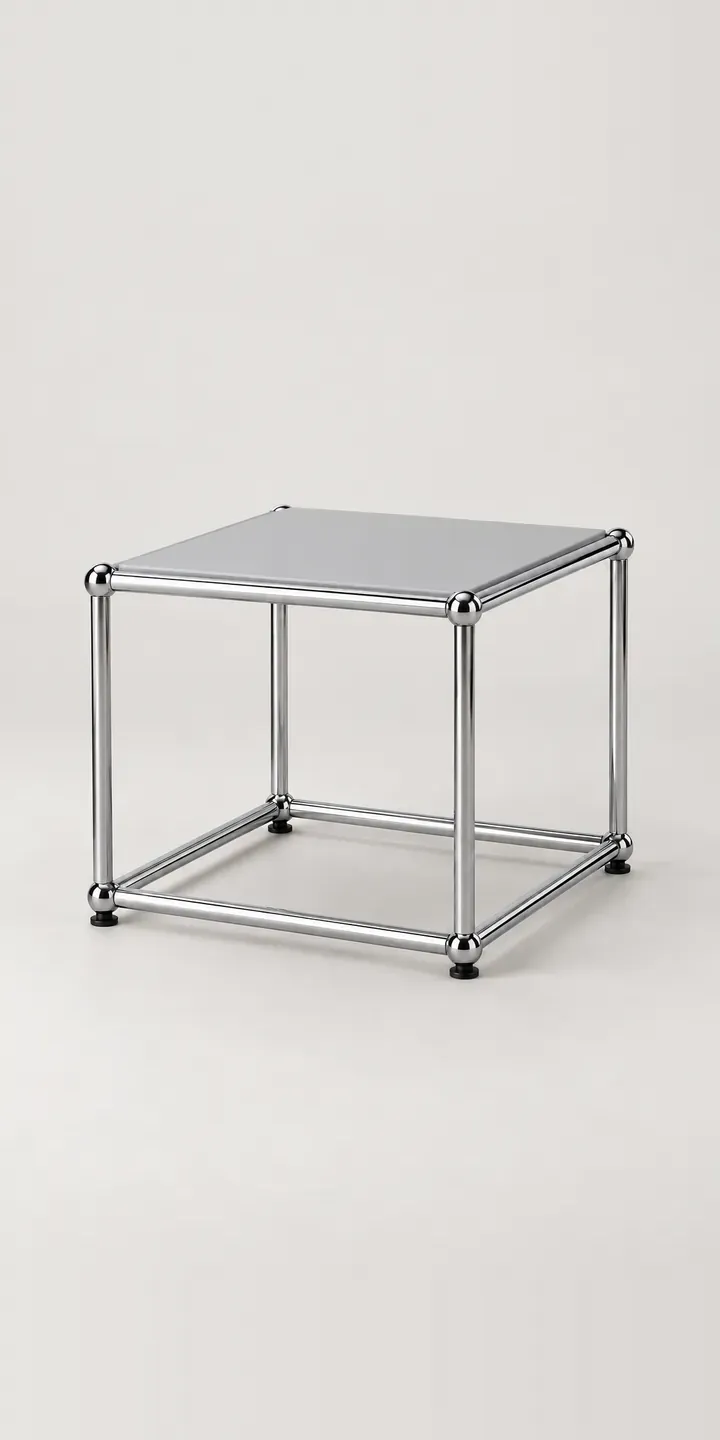
Steel Side Table
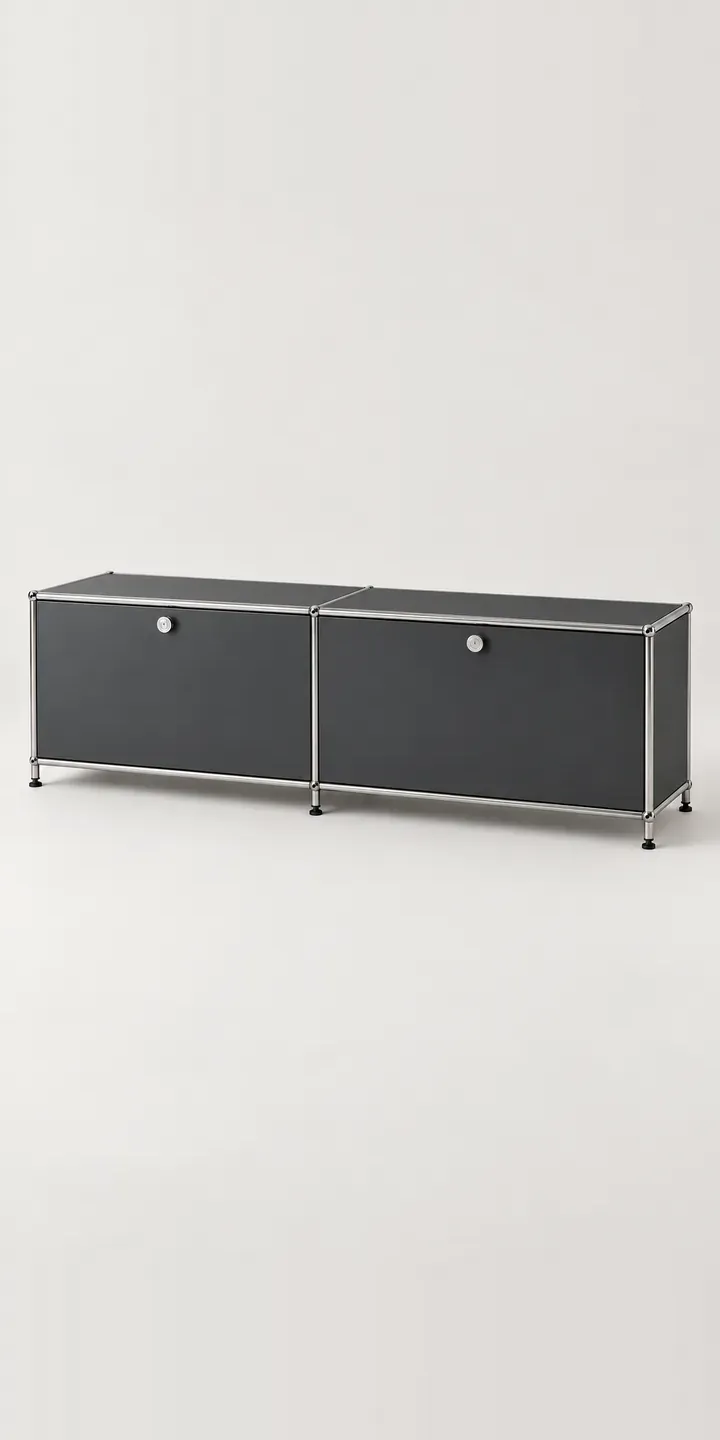
Steel Sideboard
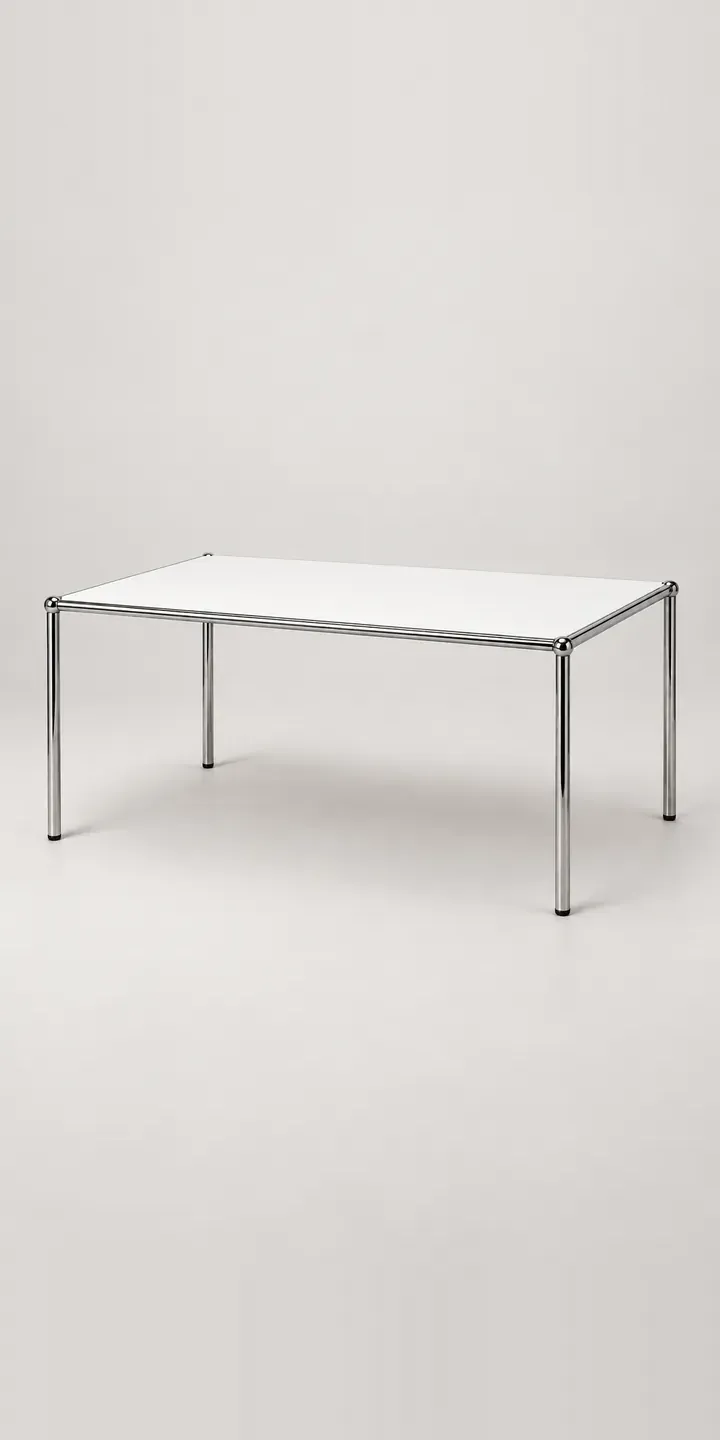
Steel Table
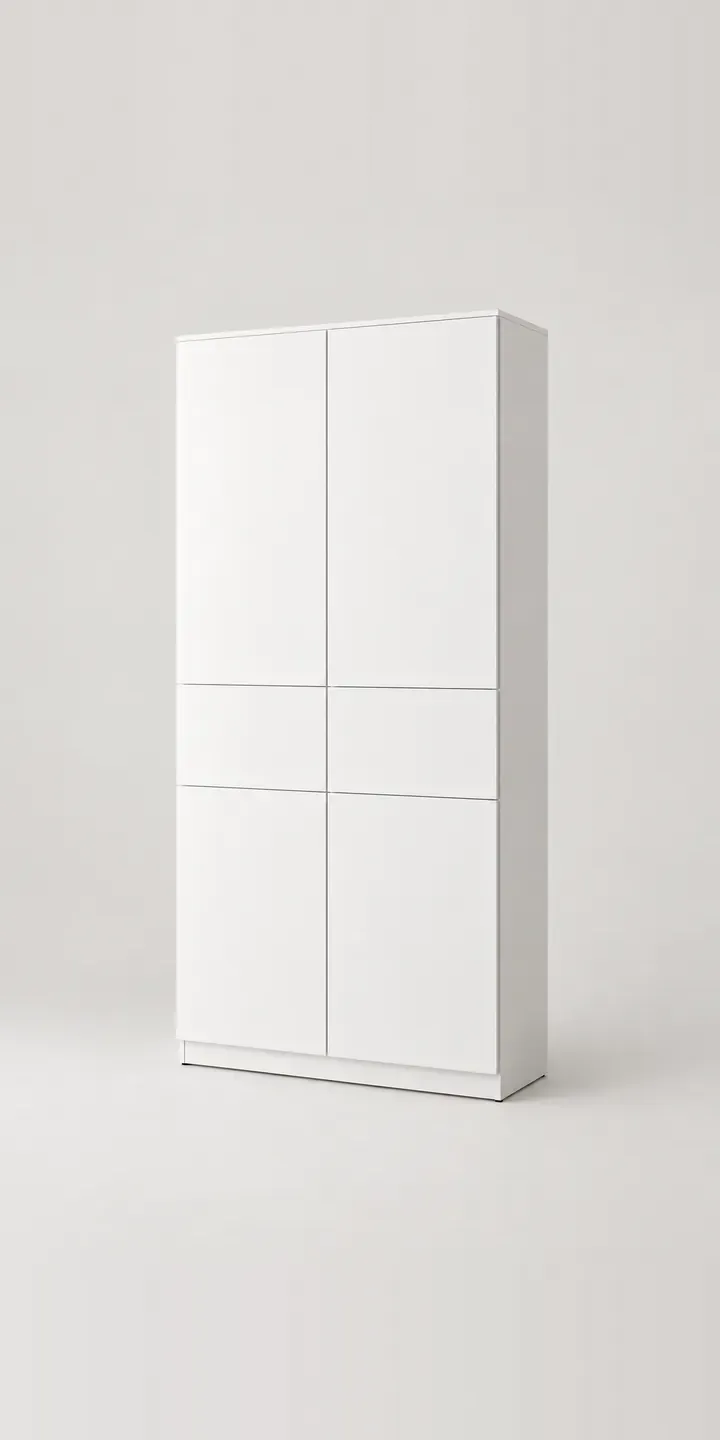
Storage Cabinets
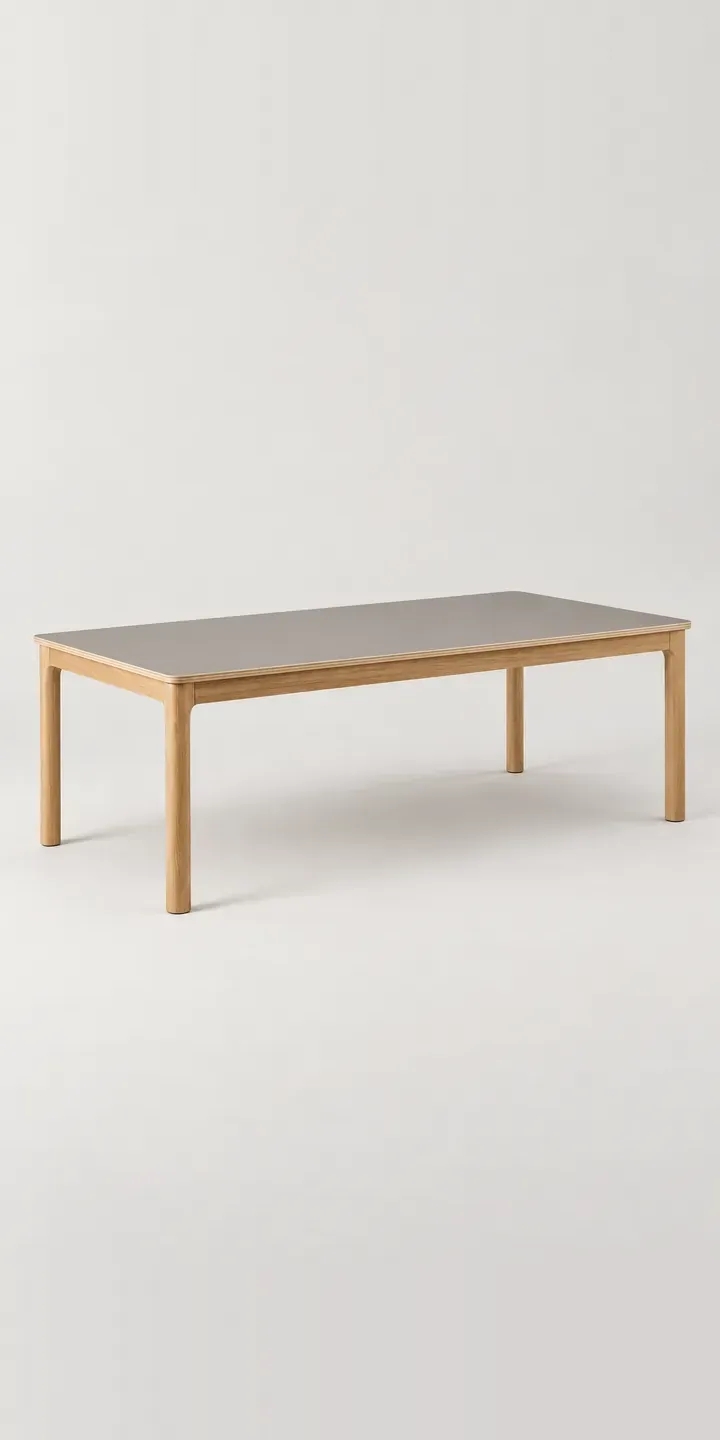
Studio Table
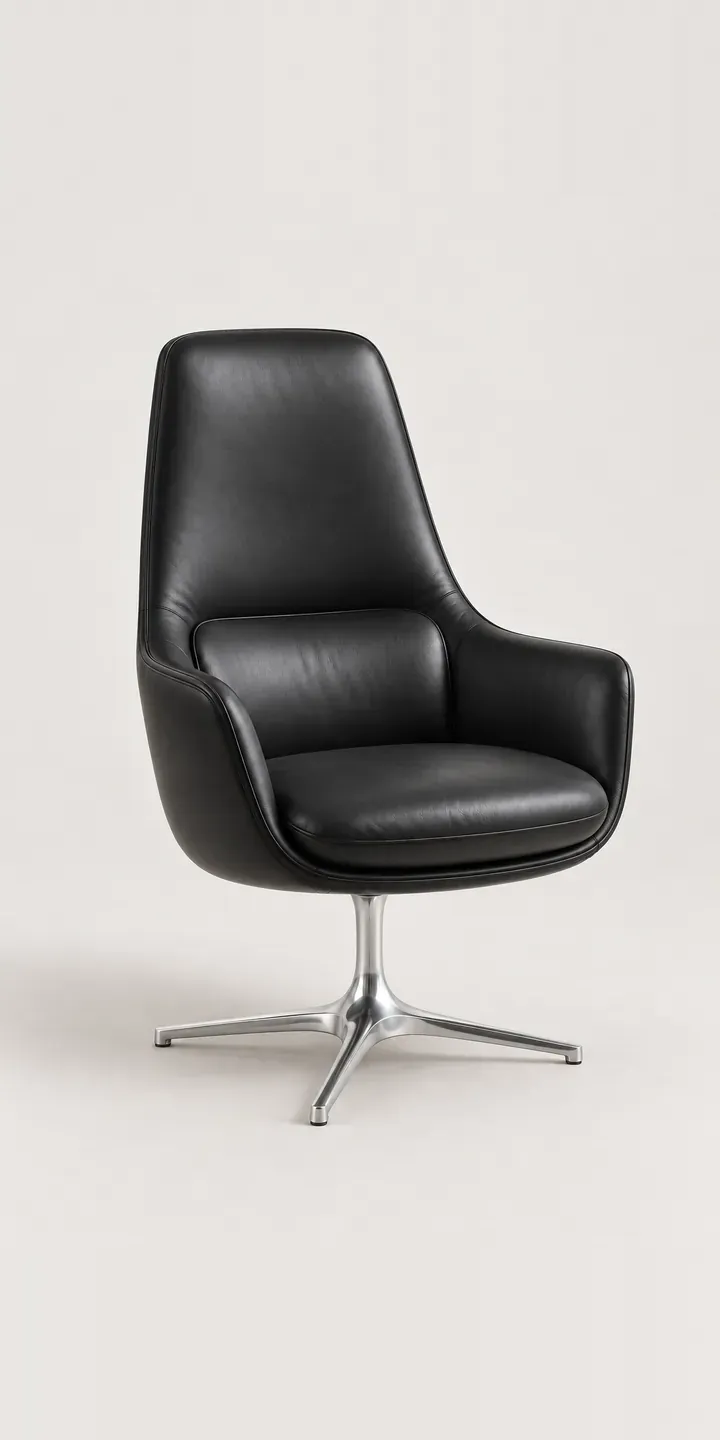
Swivel Armchair
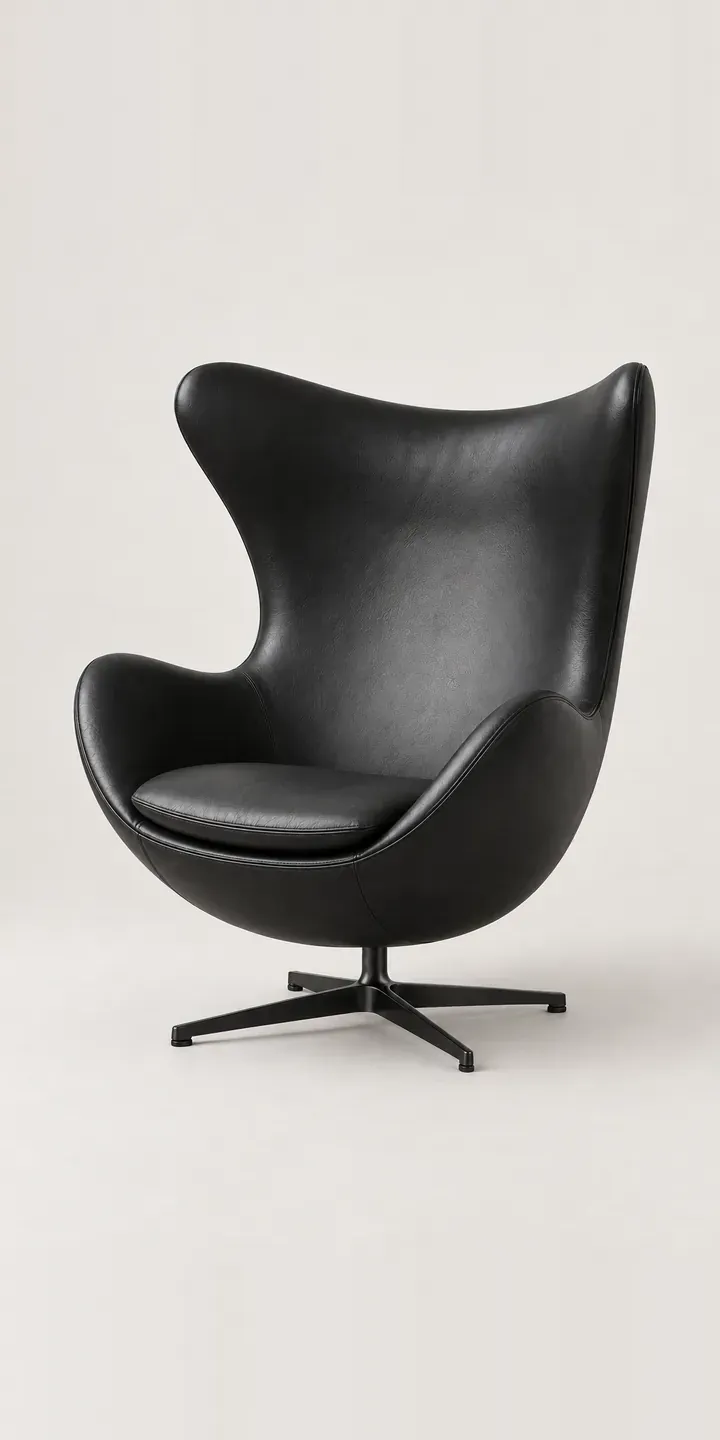
Swivel Egg Chair
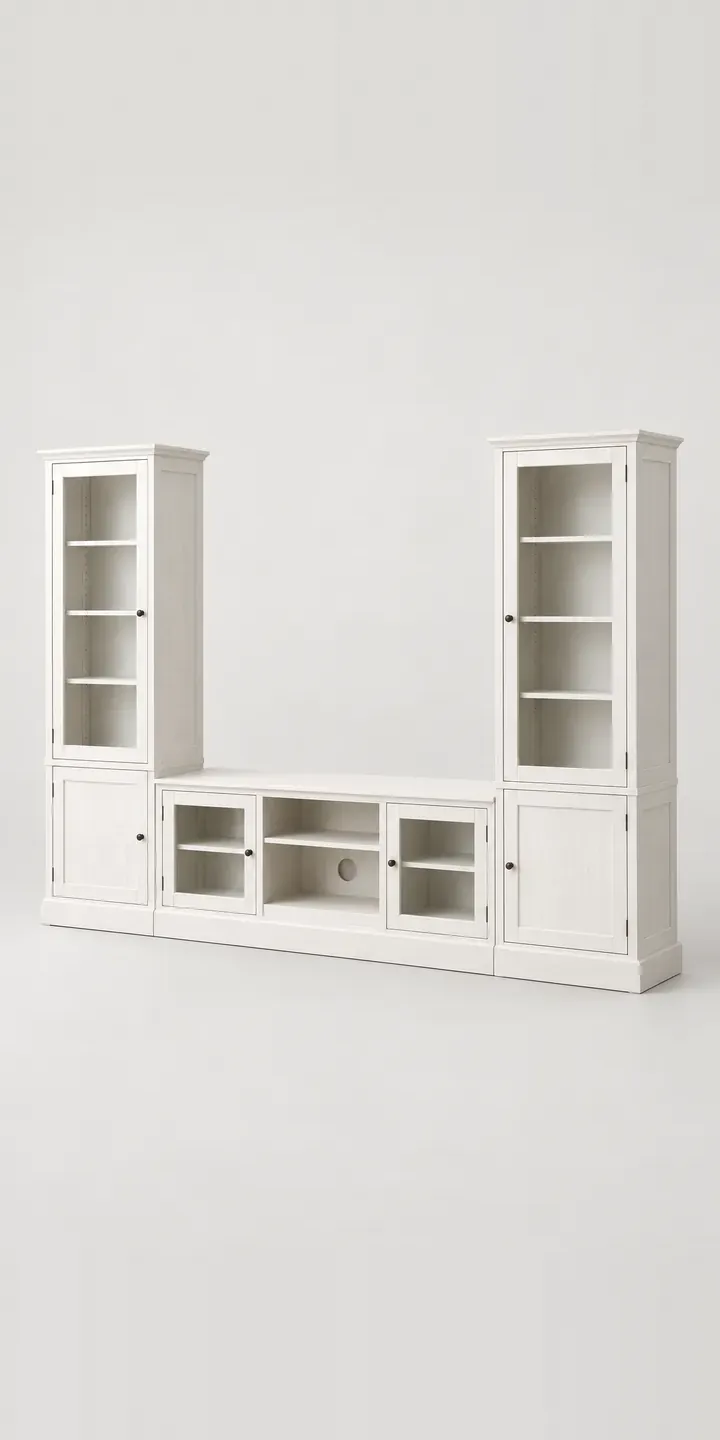
TV Storage Wall
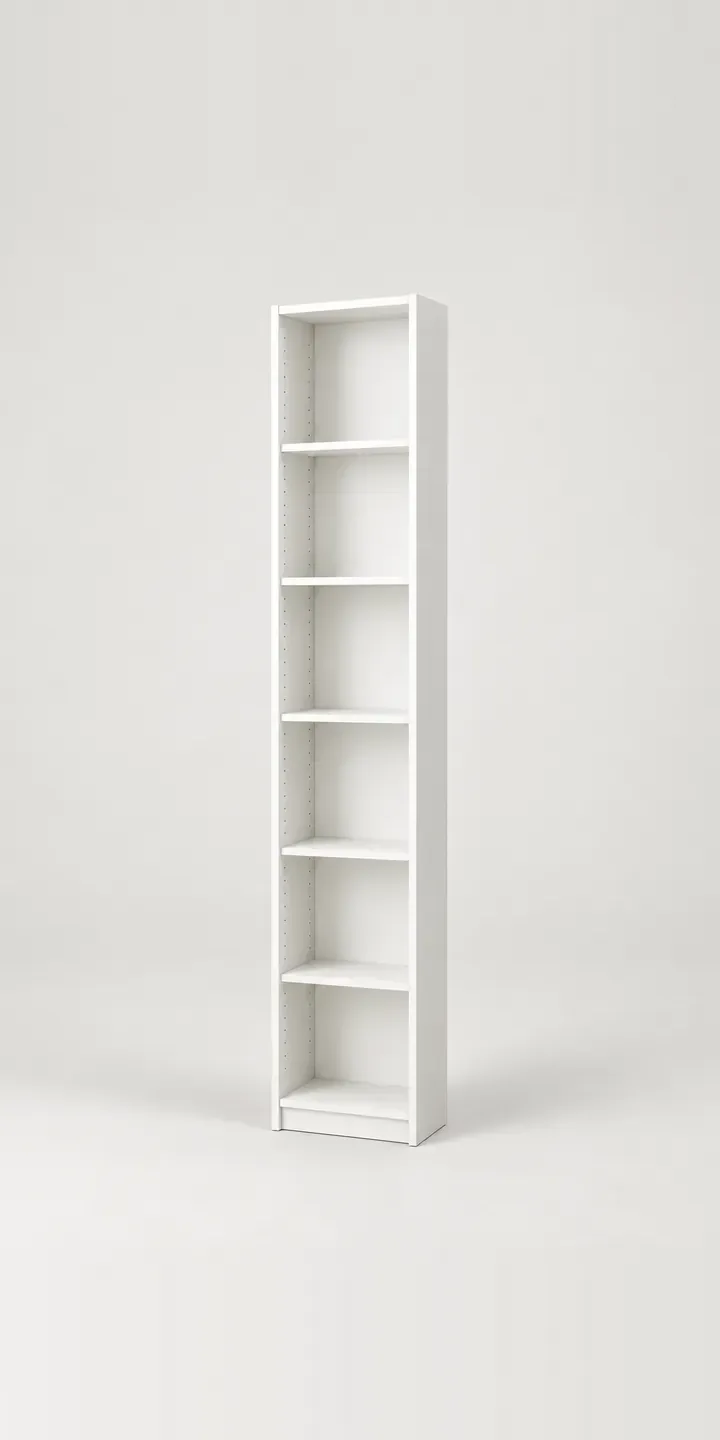
Tall Bookshelf
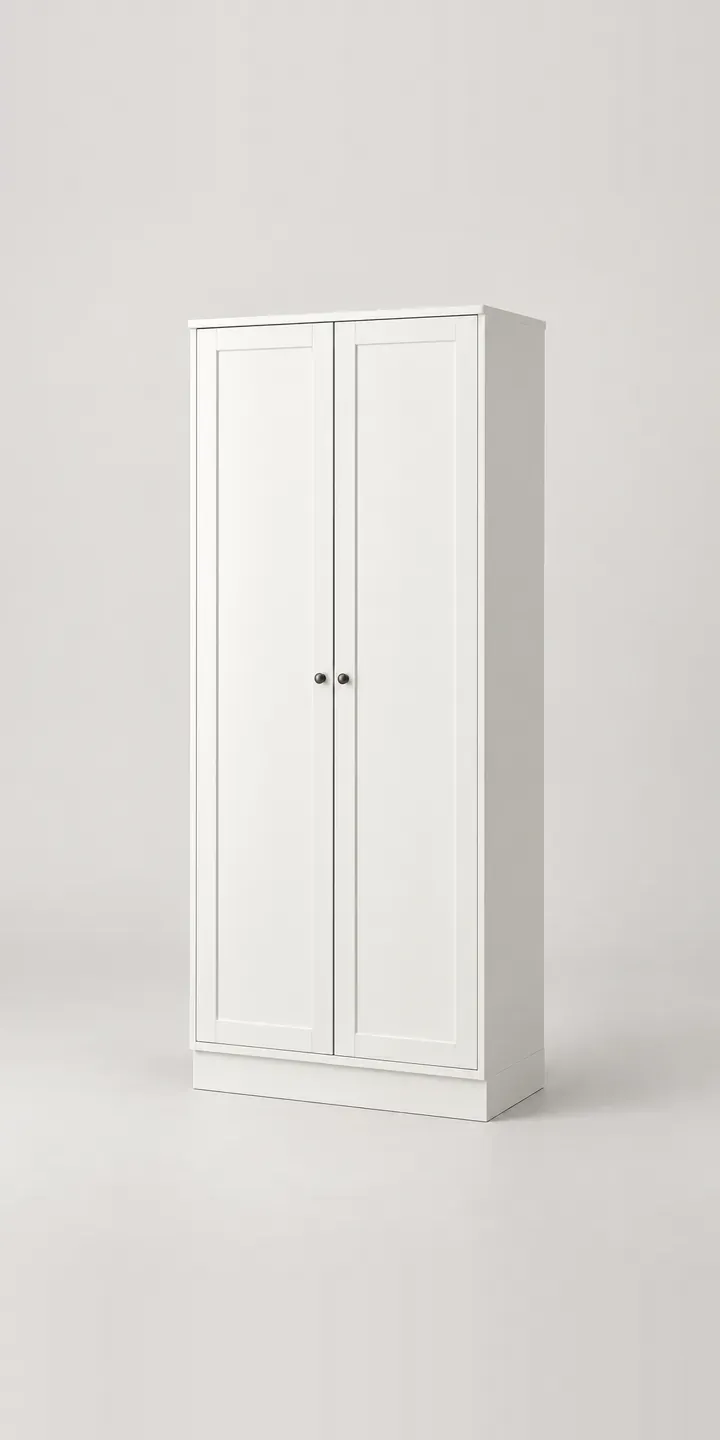
Tall Cabinet
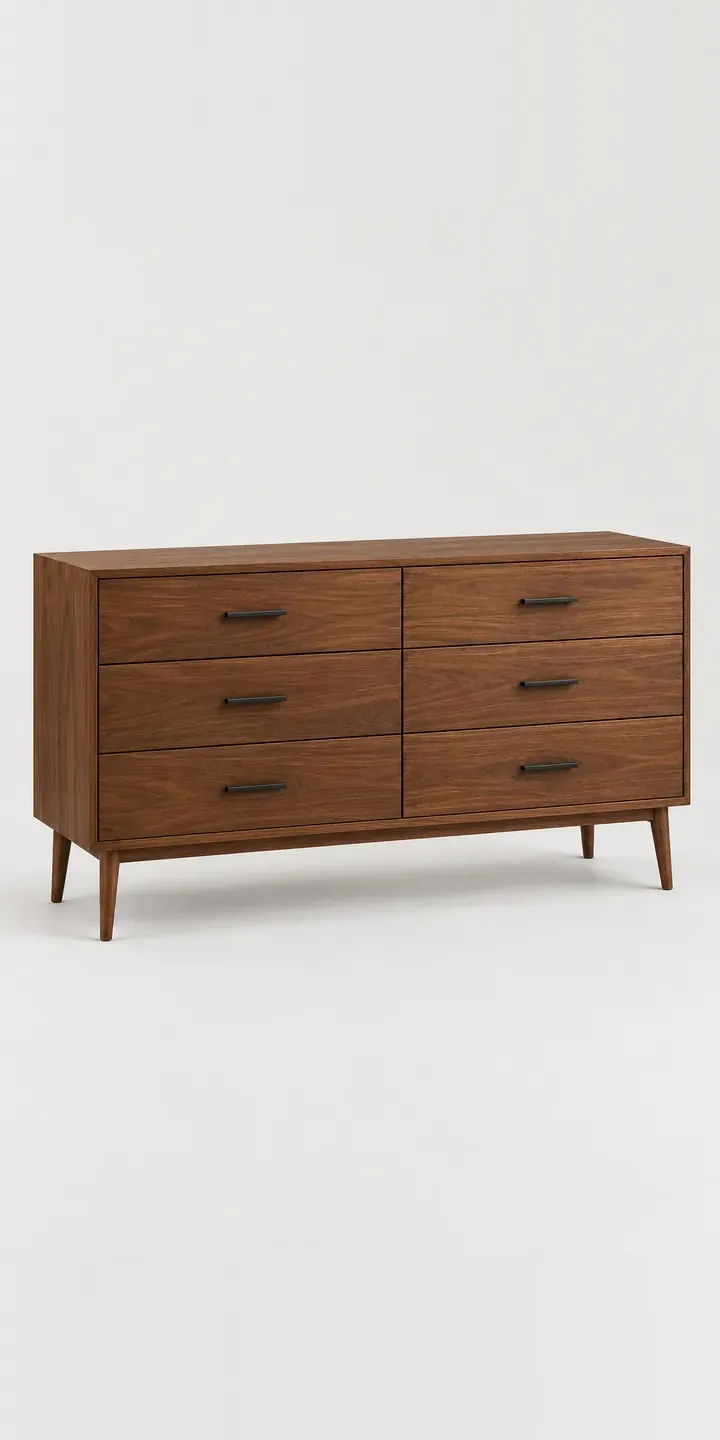
Tapered Leg Chest
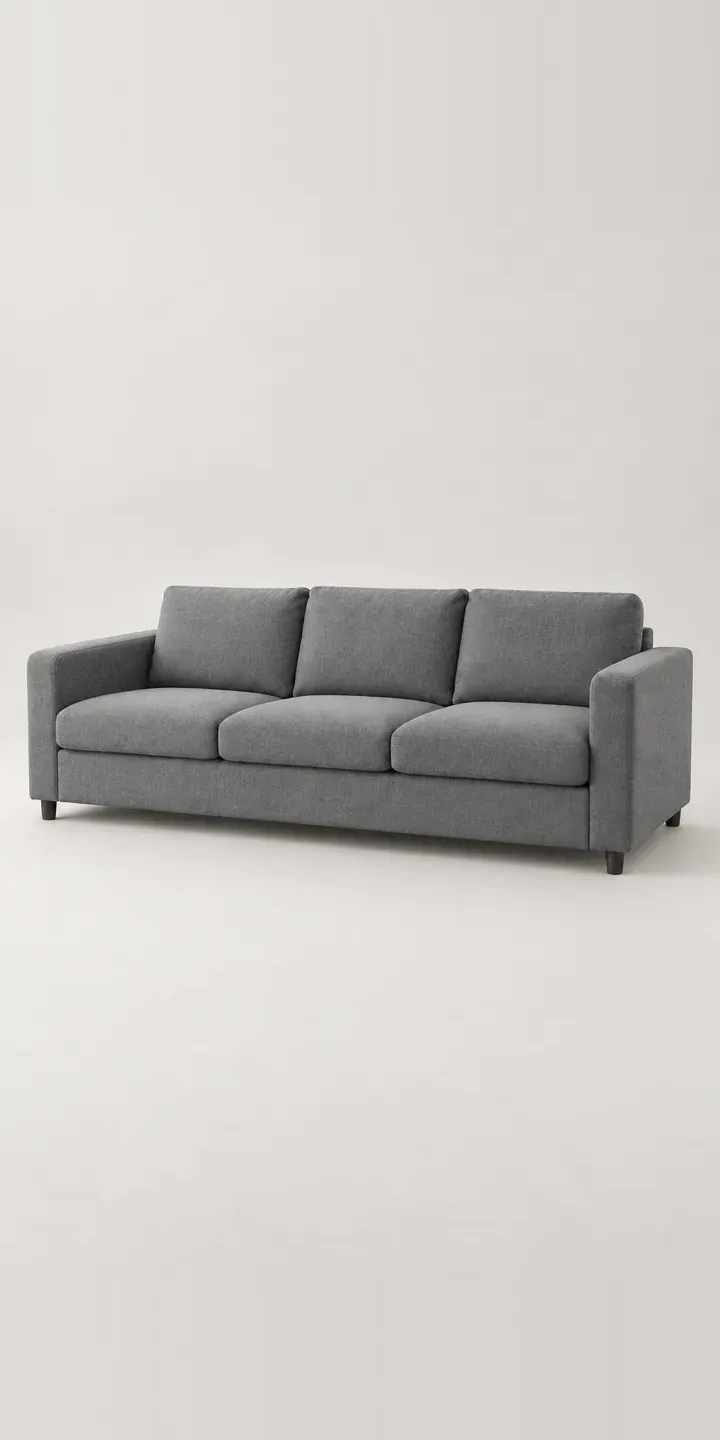
Three-Seat Sofa
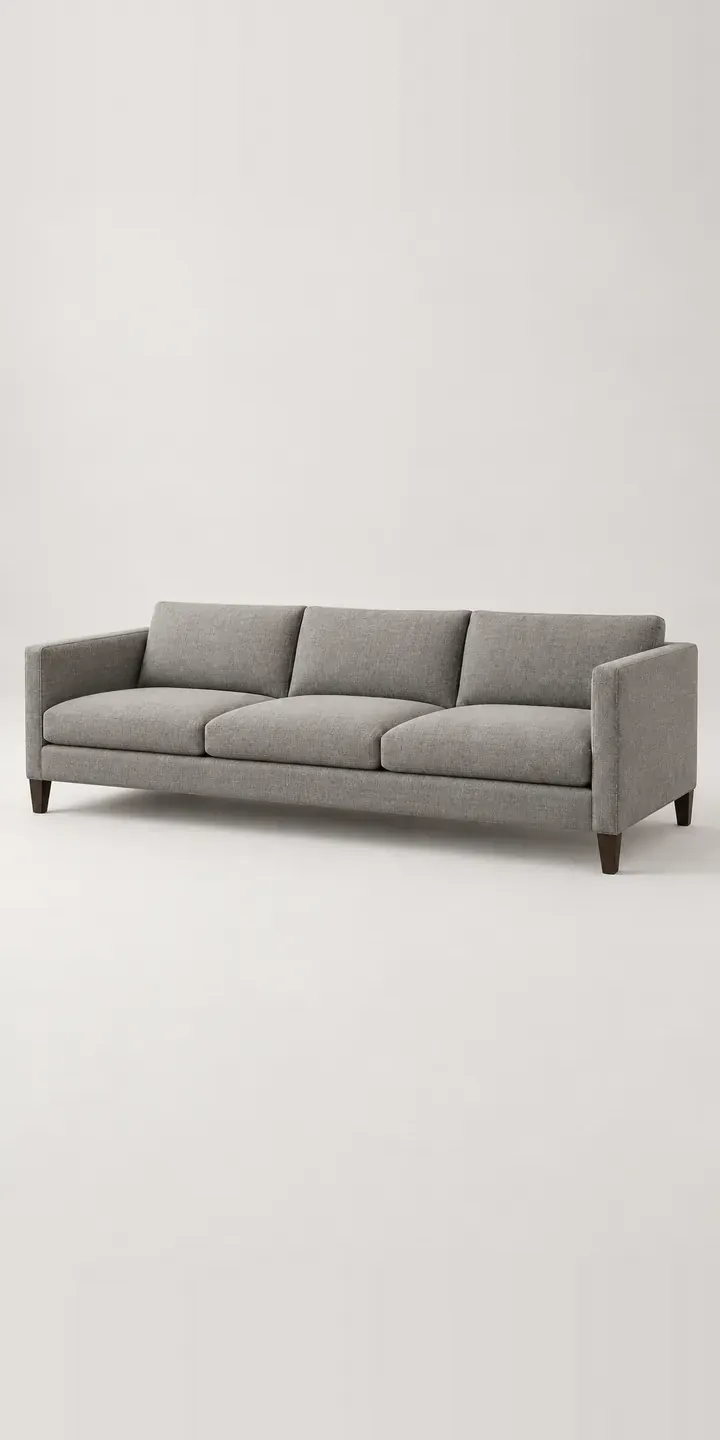
Track Arm Sofa
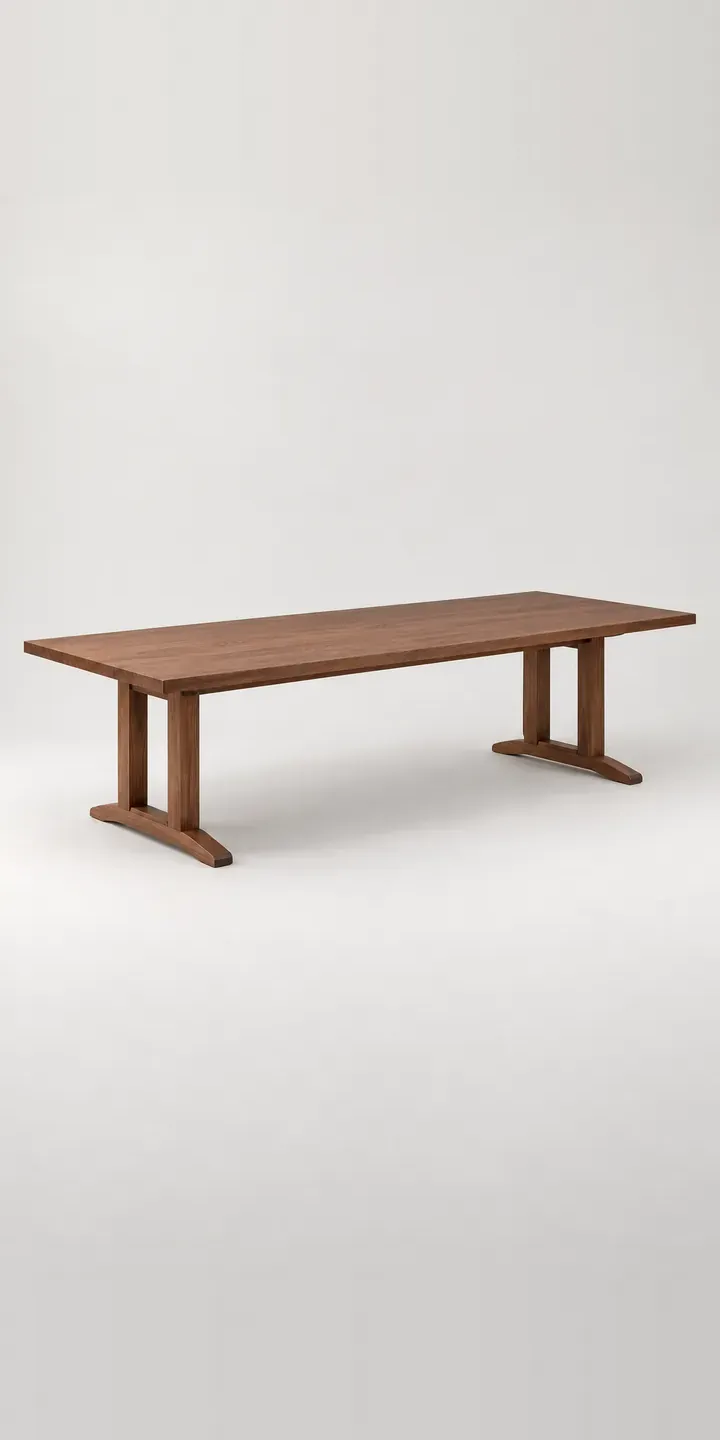
Trestle Table
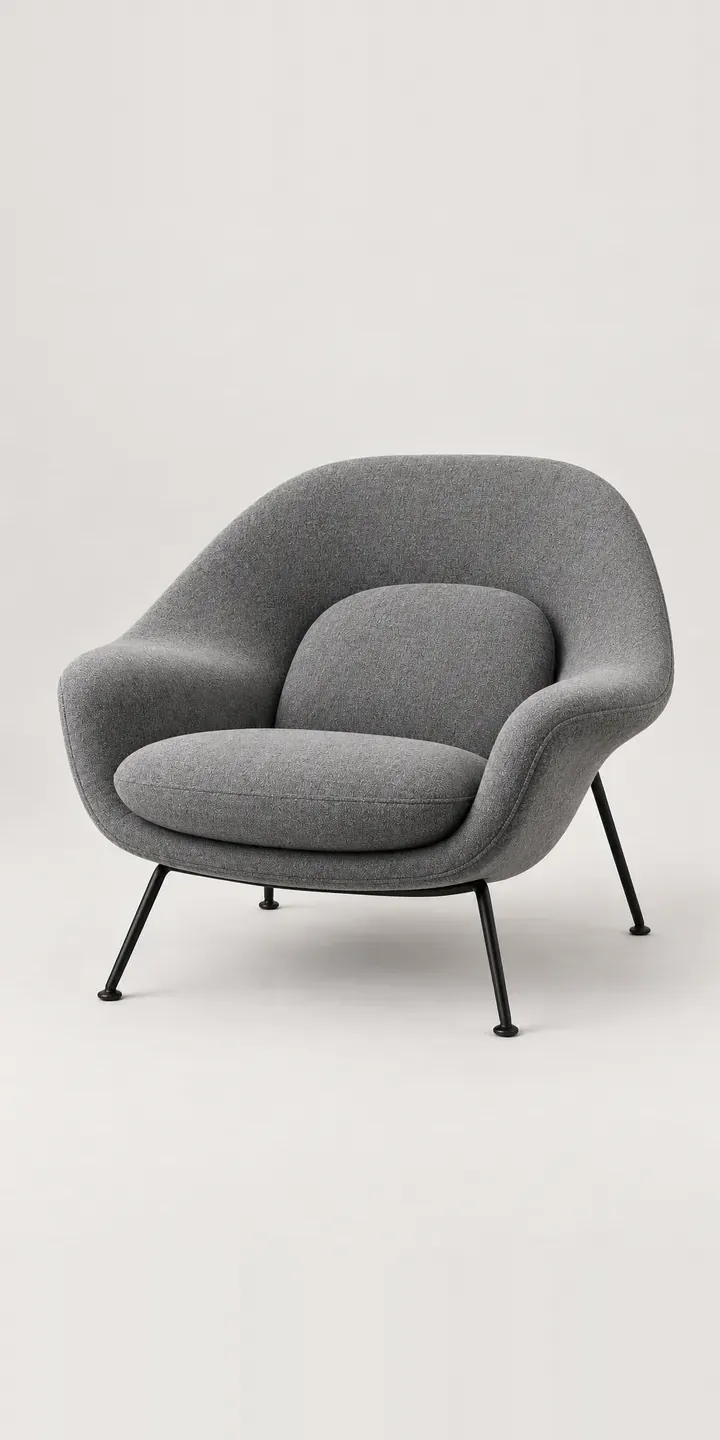
Tub Armchair
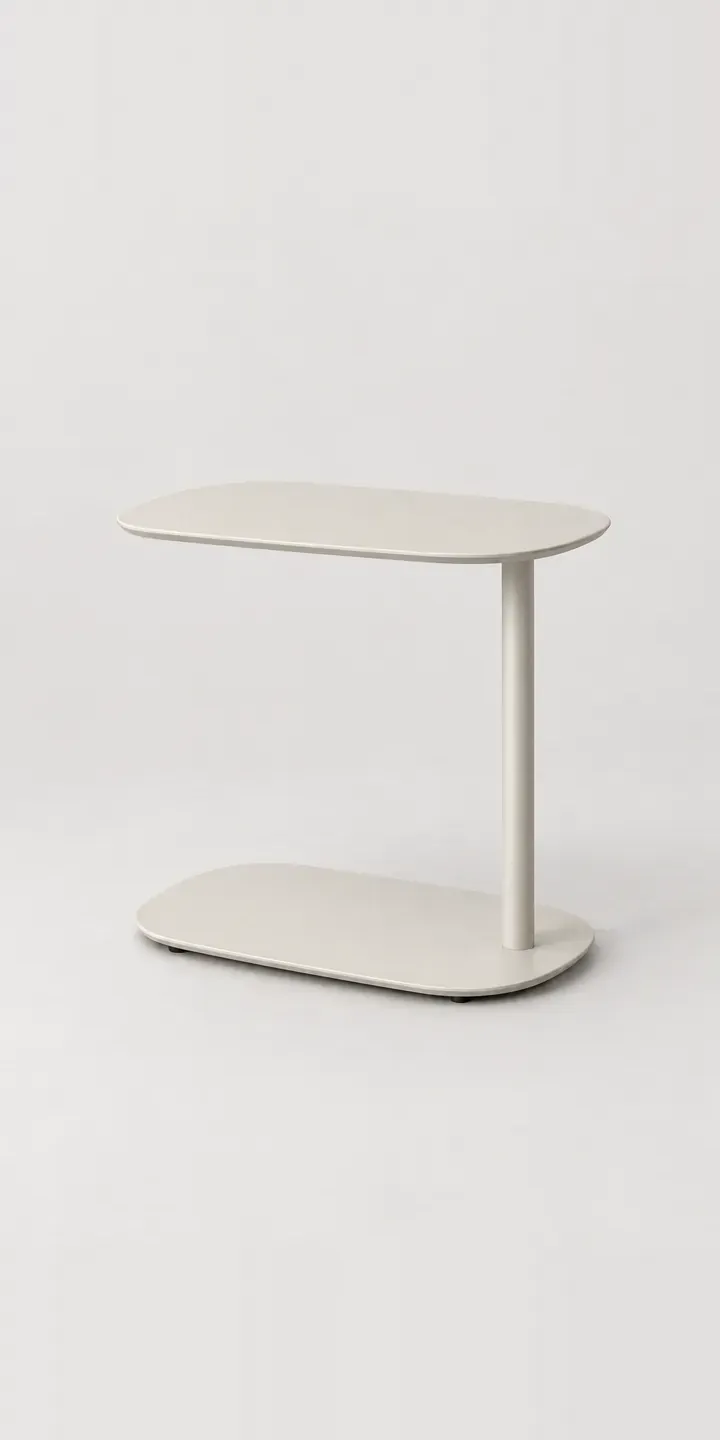
Two-Tier Side Table
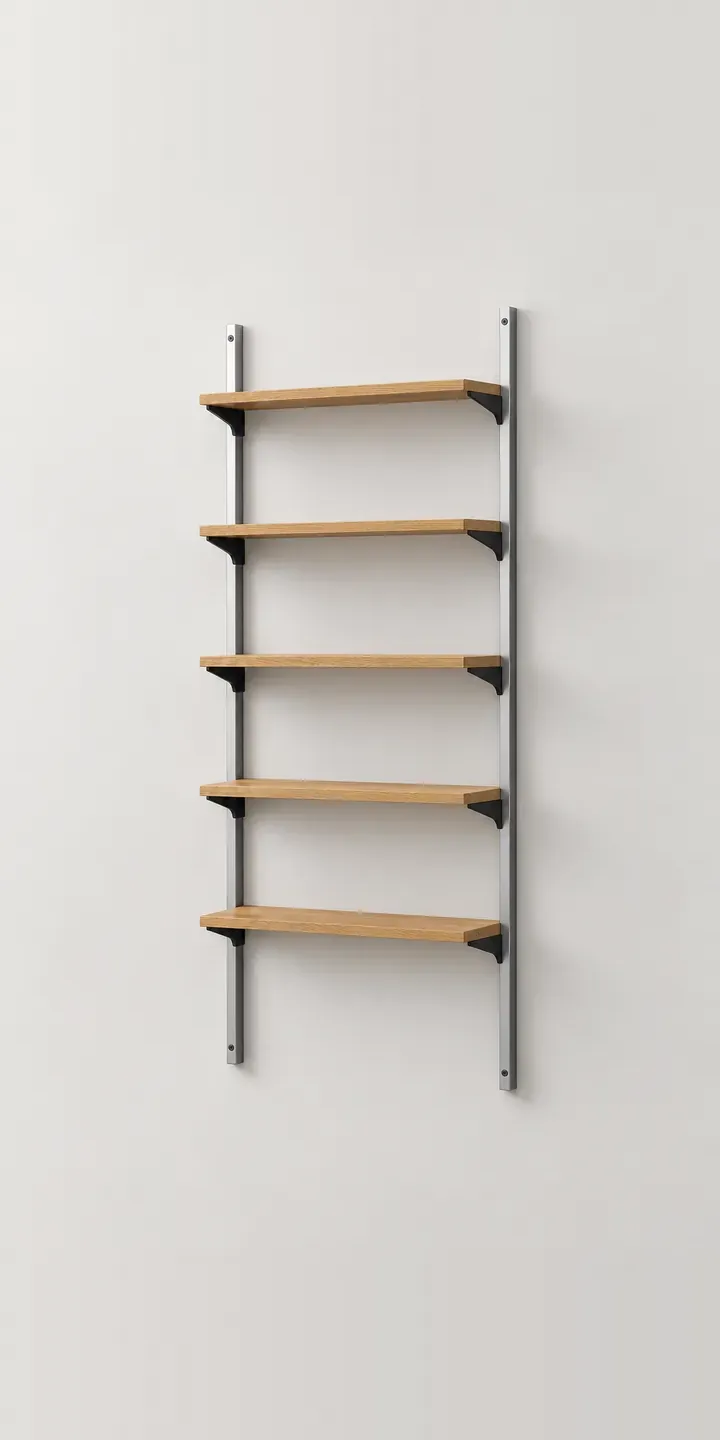
Wall Shelving
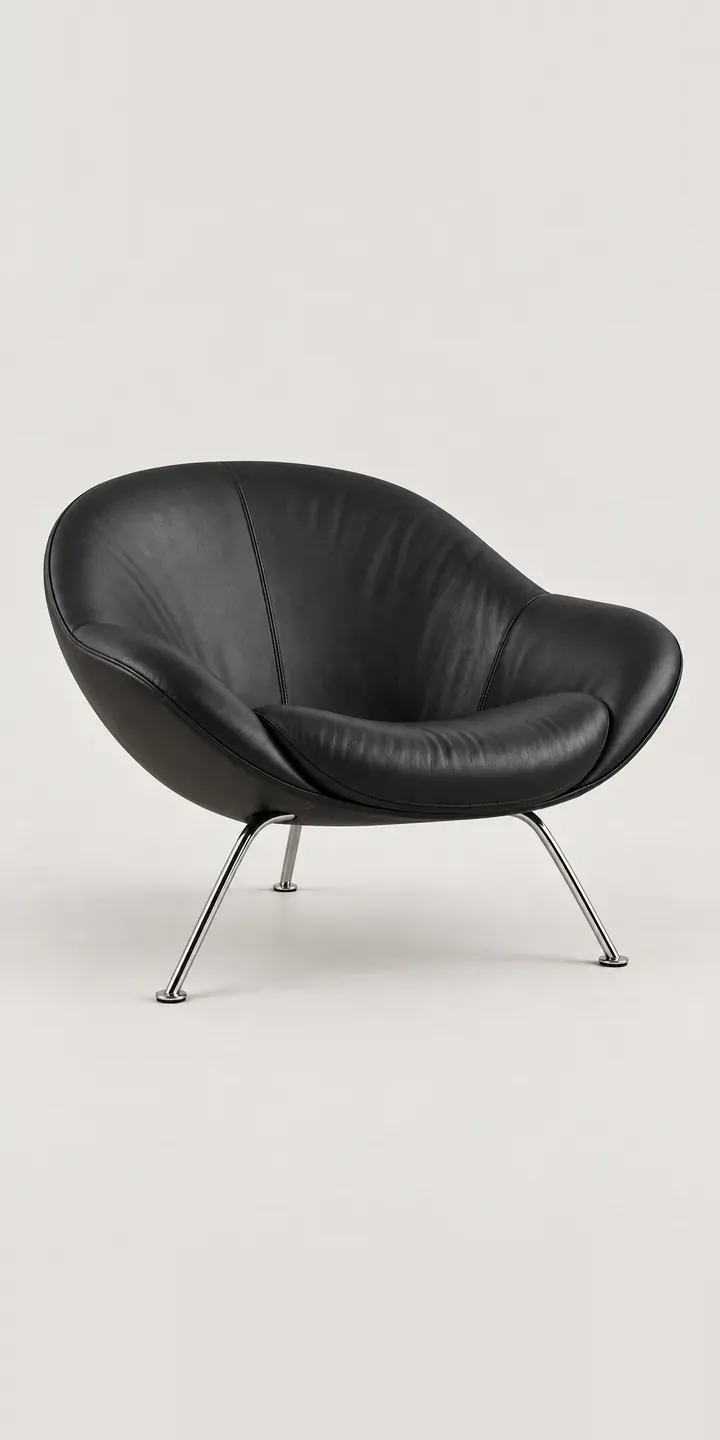
Wedge Lounge Chair
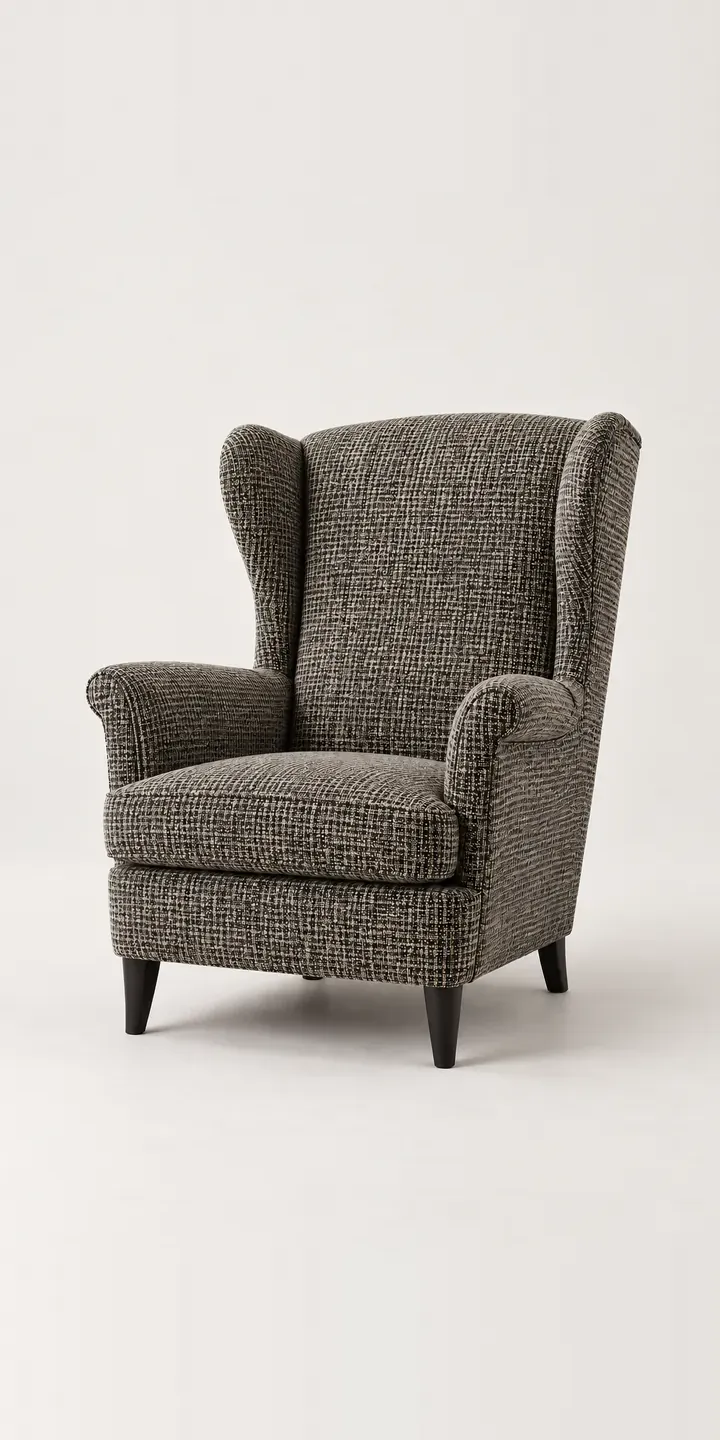
Wingback Chair
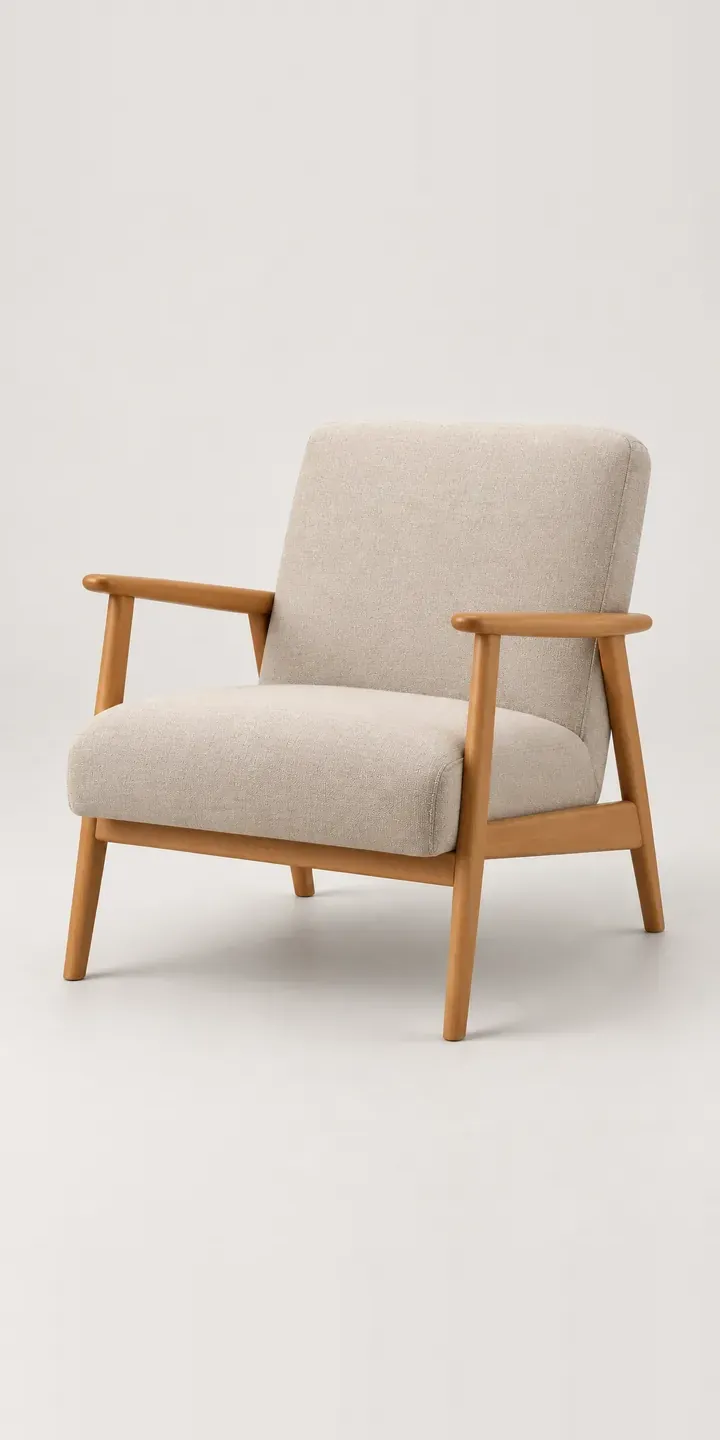
Wooden Arm Chair
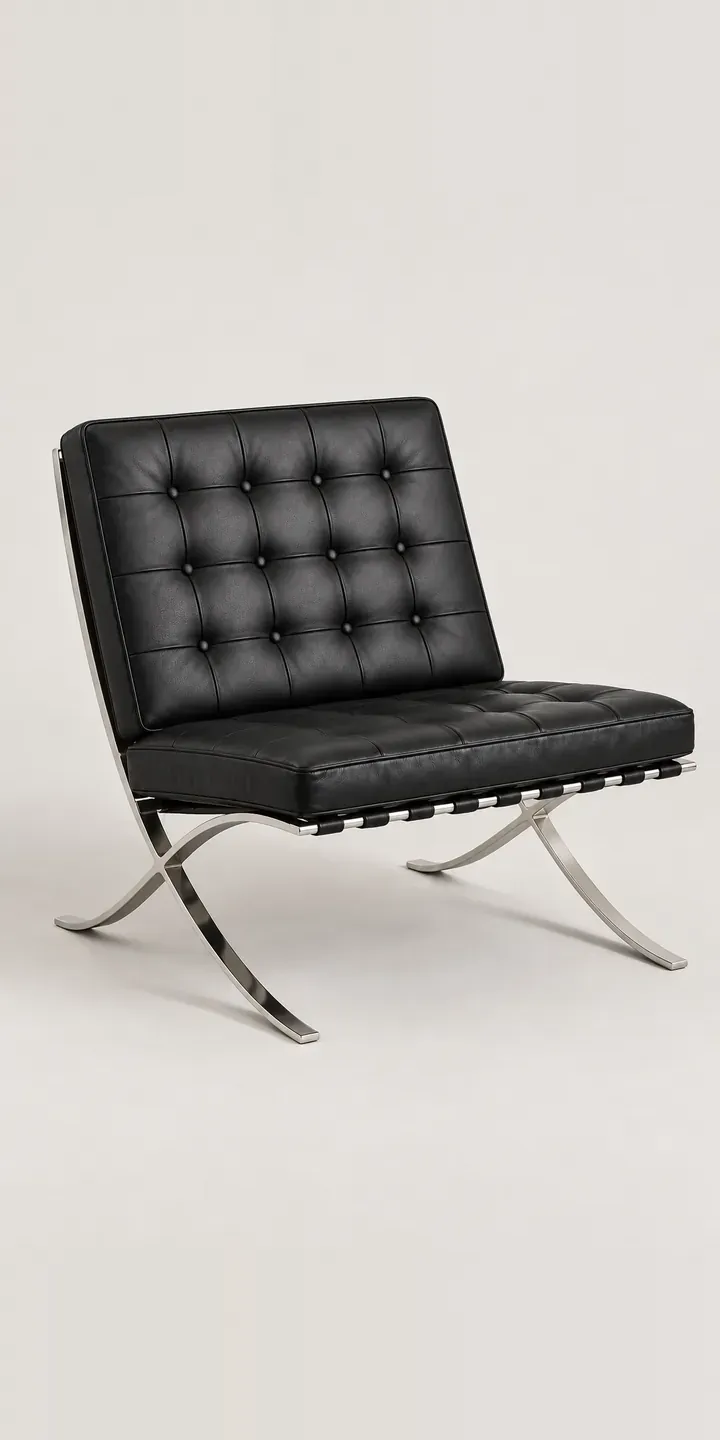
X-Frame Chair
Questions about furniture configurators
Can a configurator handle fabric grades and price bands on a sofa?
Yes. Fabrics are grouped by grade, and the price updates as the buyer moves between them. Each fabric carries its own care notes, rub rating where you publish one, and availability. The workshop receives the fabric code with the frame and size, so cutting and ordering cloth starts from accurate information.
Can buyers plan a modular sofa layout in the configurator?
They can arrange modules in a simple plan view, with rules that stop unbuildable joins, such as two left-arm pieces side by side. The overall size updates as they go. For complex ranges, 3D helps buyers see the result from the room, but a well-drawn 2D plan handles most layouts.
Is it worth configuring case goods like sideboards and chests?
Often yes, when the range offers several timbers, colours and handles. A sideboard in four finishes with three handle styles is already twelve versions to photograph, and layered images handle that cleanly. Internal options such as shelves or drawer dividers can sit in the spec without changing the picture.
Planning a furniture configurator?
Tell me about your range, how products are photographed today and where orders need to go. I will suggest the smallest useful first step, whether that is one image-based product or a full 3D catalogue.