This example sofa has deep seats, removable piped cushions and short wooden legs, and it comes in two, three or four seats. Pick a fabric colour and a length, and the summary keeps track of the build.
For a family sofa the choice is mostly practical. The buyer is checking whether it fits the wall and whether it will survive children, a dog and years of film nights. Darker greys and moss forgive marks; sand looks lighter and asks for more care. Length is the decision people most often get wrong, because a sofa that looks modest in a showroom can swallow a living room.
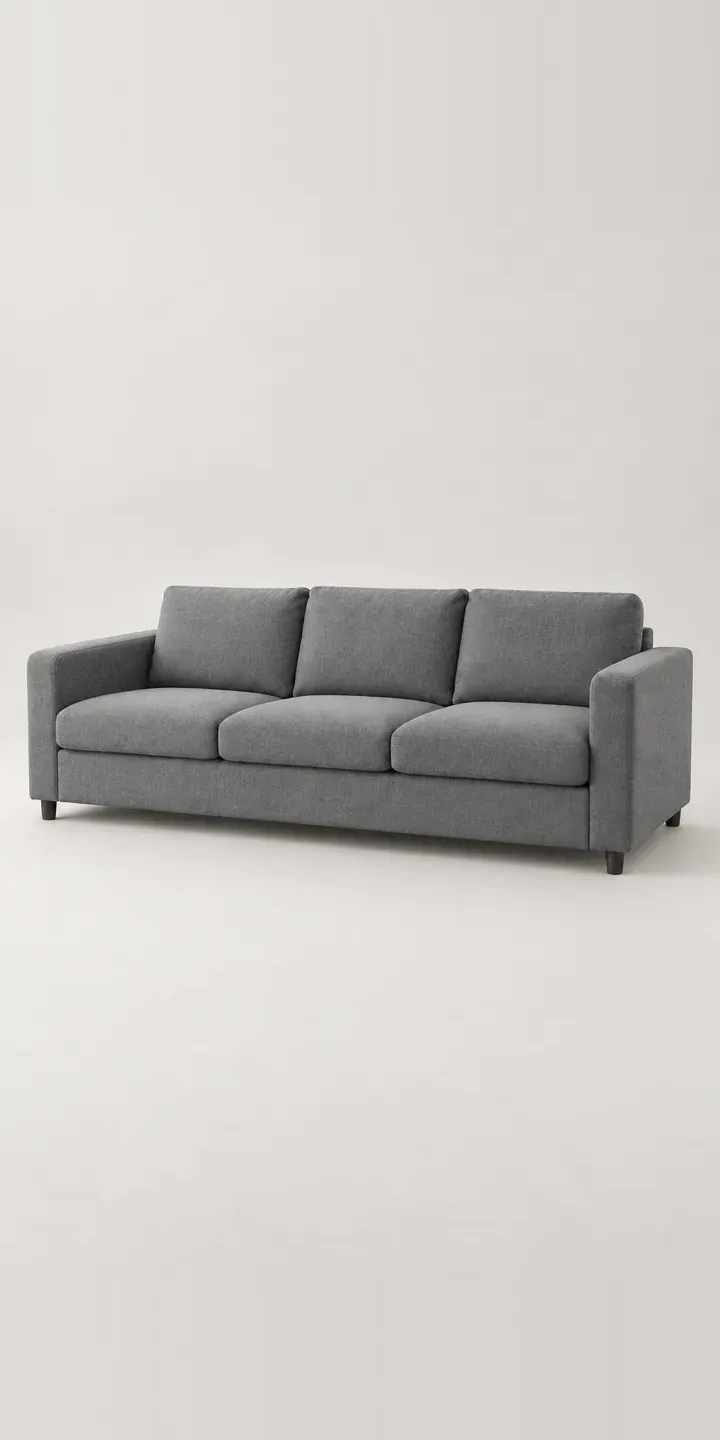
Furniture Configurator demo
Three-Seat Sofa
- Product
- Three-Seat Sofa
- Colour
- Mid Grey
- Size
- 2-seat
Illustrative product. The design and images are generated examples, not a real model for sale.
What you can configure
Length is the option here: two, three or four seats, captured in the summary. The image stays at one size in this demo, but a production version would show each, because proportion is half of what the buyer is judging. Fabric swatches cover mid grey, sand, dark grey and moss from six colours. Removable, piped cushions also make colour a longer-term choice, since covers can be replaced later.
- Colour: Mid Grey, Sand, Dark Grey, Moss
- Size: 2-seat, 3-seat, 4-seat
Why a configurator suits sofas
Eighteen sofas come out of six colours and three lengths, before a chaise or corner unit is added. Most retailers photograph one or two and show the rest as fabric squares. The buyer is then asked to picture a moss four-seater from a grey three-seater photo and a small piece of cloth. That gap is where hesitation, and returns, come from.
Size errors are the costliest problem in this category. A sofa delivered too long for the room, or too wide for the stairs, means a collection, a restocking cost and often a resale loss. Showing the overall width as the length changes, alongside the largest part's dimensions, moves that check to the configuration stage.
Modular ranges also carry margin in add-ons. A configurator makes it natural to add a chaise, a footstool or spare covers to the same build. For a family buyer, replacement covers in the same colour are a strong reason to choose this sofa, and the configurator is where that benefit becomes visible.
How a production version would be built
Because the sofa changes length, I would build it from repeating seat sections rather than whole photographs. Each module is rendered once per colour, then placed side by side, so a four-seater reuses the two-seater's assets plus extra sections. That keeps eighteen combinations to a manageable image set. Fabric codes, dimensions per length and module rules come from the retailer. A 3D product configurator becomes worth considering once chaises and corners join the range, and orders can feed a Shopify basket directly.
Build sheet for this range
- Colours in the full range: 6 (4 shown in this demo)
- Size choices: 3
- Combinations to support: 6 × 3 = 18
- Images for one photograph per combination at 3 angles: 54
- Images if sizes can be shown as separate layers, at 3 angles: 27
- Data each of the 18 combinations needs: a SKU or variant ID, price, stock or lead time, and any dimensions or specification that change
Questions about sofa configurators
Can the configurator show the overall width as the customer changes the number of seats?
That is one of the first things to build in. Each length carries its dimensions in the product data, and the summary updates width, depth and seat height as the buyer switches. A simple plan view with a scale bar helps people compare it against the wall they measured at home, which is where most sizing doubts get settled.
Can we sell spare cushion covers through the same configurator?
You can. Spare seat and back covers appear as add-ons in the chosen colour, with their own price and stock. On a family sofa with removable piped cushions this is a genuine selling point. Showing it in the configurator makes the cover system feel like part of the product rather than an afterthought.
How should we plan for chaise and corner modules later?
Structure the product data as modules from the start. Seats, arms, chaises and corners each become a component with dimensions and images. The first release can offer three straight lengths, and new modules slot in later without a rebuild. Retrofitting modularity is much harder than designing for it now.
Will a sofa configurator work with our existing Shopify store?
It will. Each colour and length maps to a Shopify variant or to line-item properties, so stock, price and checkout behave as normal. Larger modular ranges sometimes need custom pricing logic for combinations, which I would scope once I have seen how your range is structured.
More furniture configurator demos
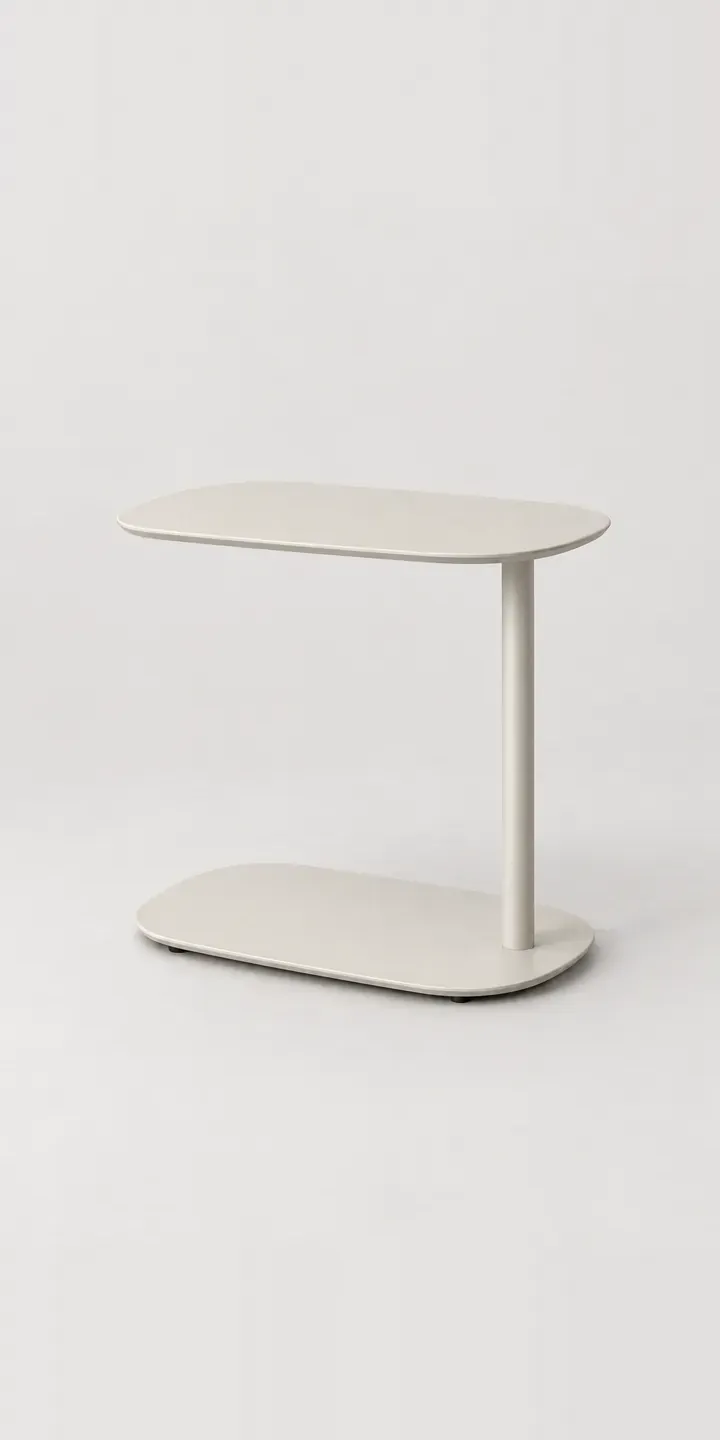
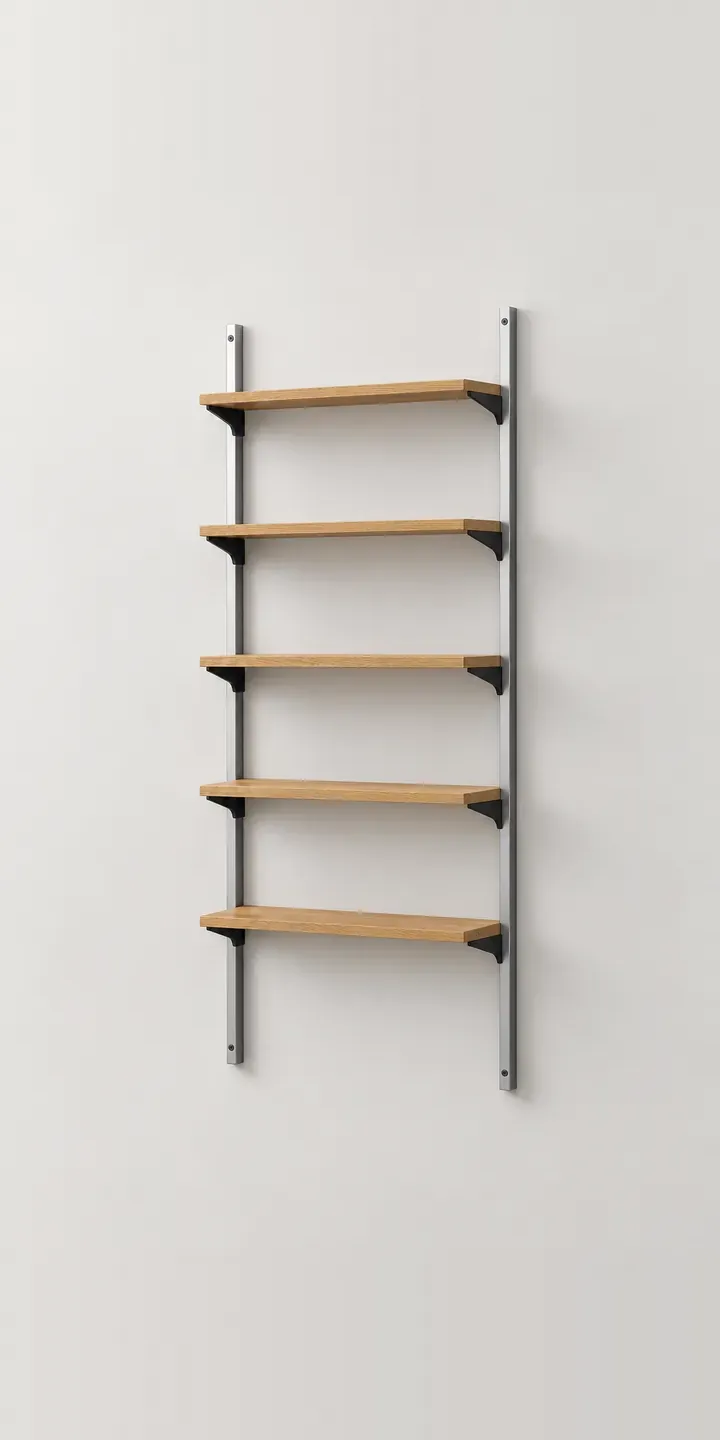
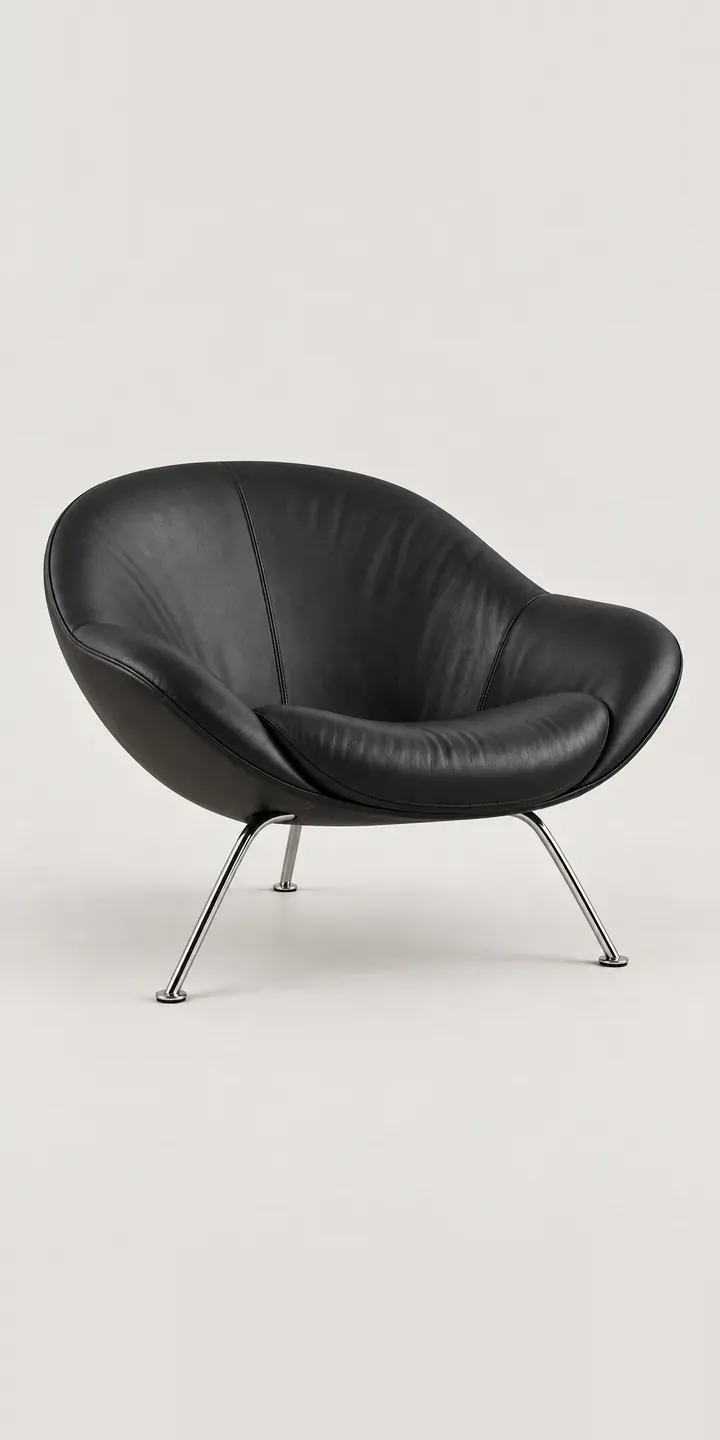
All furniture configurator demos
A configurator for your sofas
This demo uses an illustrative product. If you sell sofas, I can build the same experience around your own range, photography and ordering process, connected to Shopify, WooCommerce or a quote workflow. I reply to enquiries within two UK working days.