Kits, not single products, are what camera buyers put together. A body is chosen for sensor size, lens mount and video features, then paired with a lens, spare batteries, memory cards, a grip or a cage. Retro and rangefinder styles add body finish to the decision, usually silver or black, while cine cameras grow into rigs with monitors, power and media. Action and gimbal cameras are smaller purchases but still come with mounts, housings and spare batteries.
Most camera shops sell these as fixed bundles: body plus kit lens, perhaps a card. Buyers who want a different lens or the right battery grip end up on the phone. Others build a basket item by item and hope it all fits. Hybrid shooters are the hardest to serve, because their kit spans stills and video accessories that sit in different parts of the catalogue. Lens choice is often the real decision, and a fixed bundle hides it.
A camera configurator needs a compatibility map: which lenses fit which mount, which batteries and grips match each body, and which card formats each one takes. That data usually exists in a buying team's spreadsheet already. Imagery can be simple, one image per body finish with accessories shown as add-on thumbnails. Integration matters most, because bundles must keep stock accurate for every component. The example bodies below run from pocket compacts to full-frame cine cameras.
Cameras demos to try
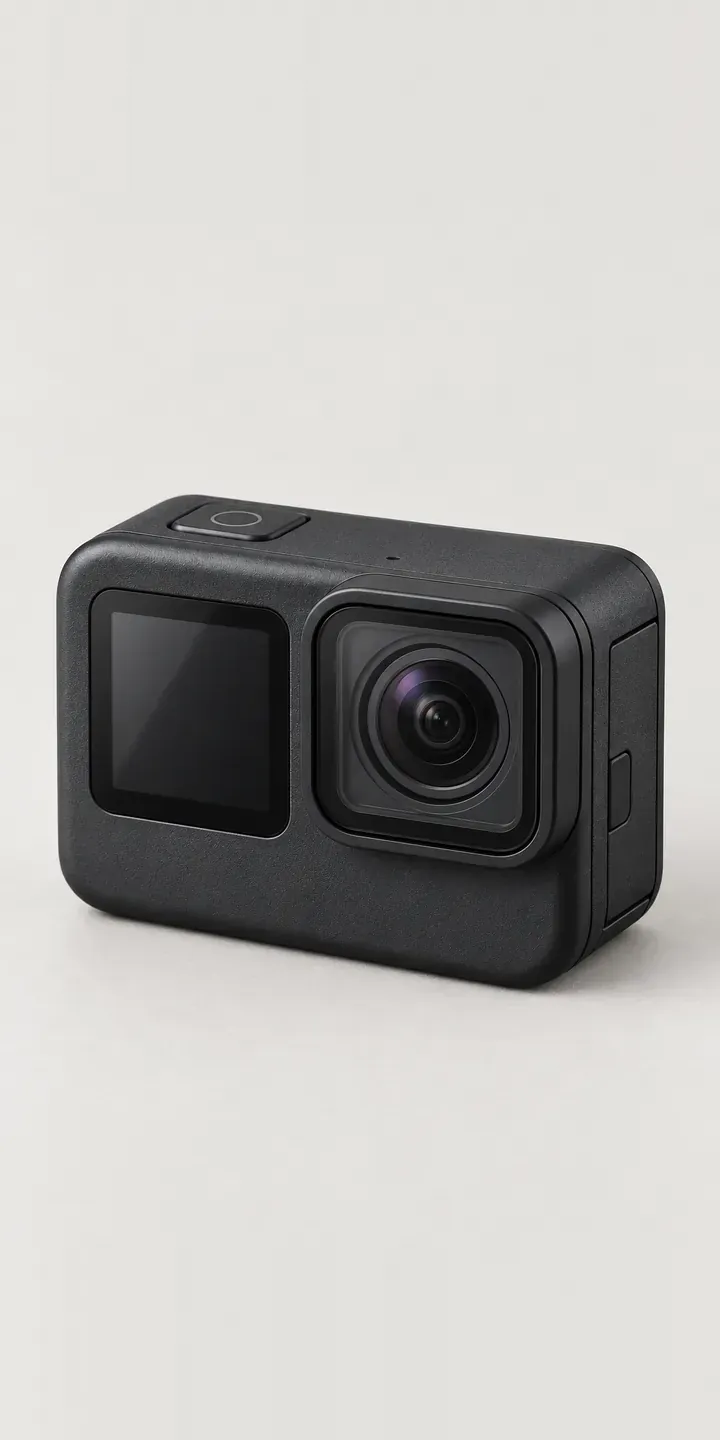
Action Camera
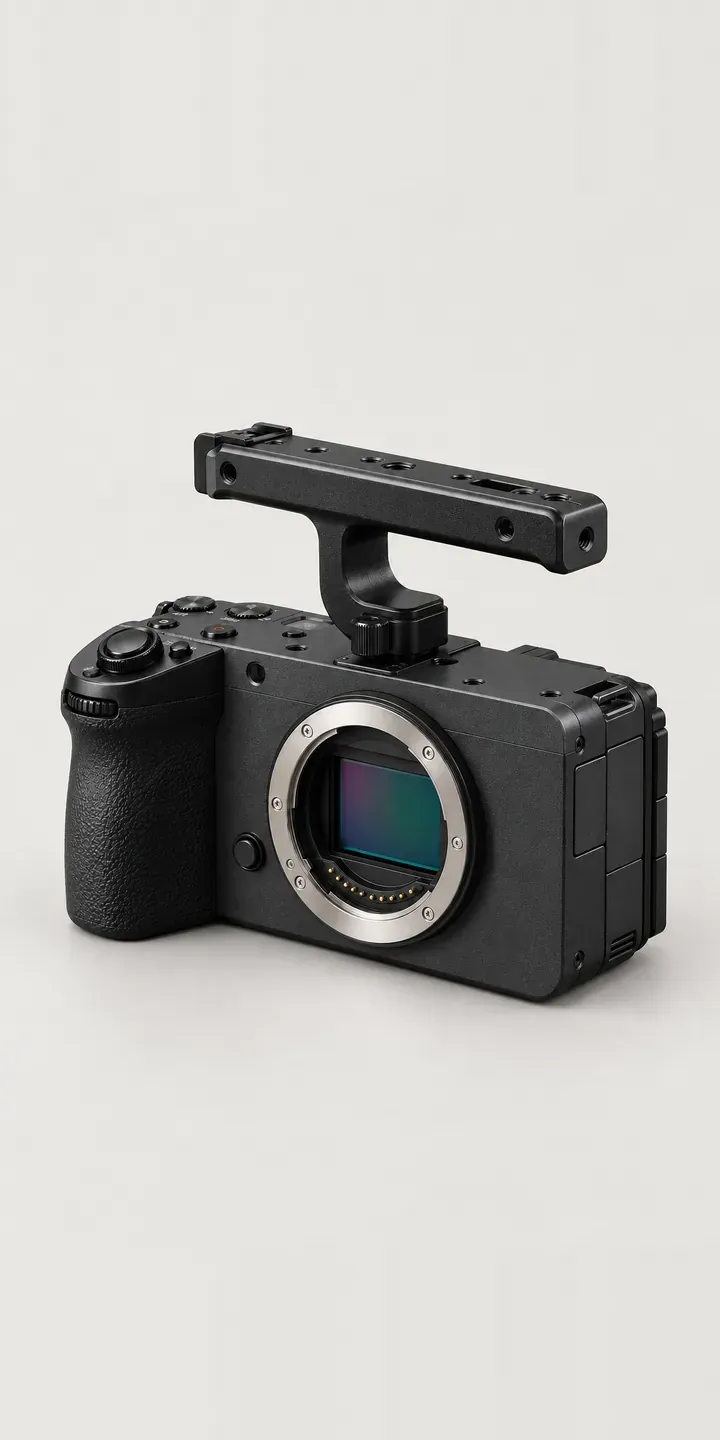
Compact Cine Camera
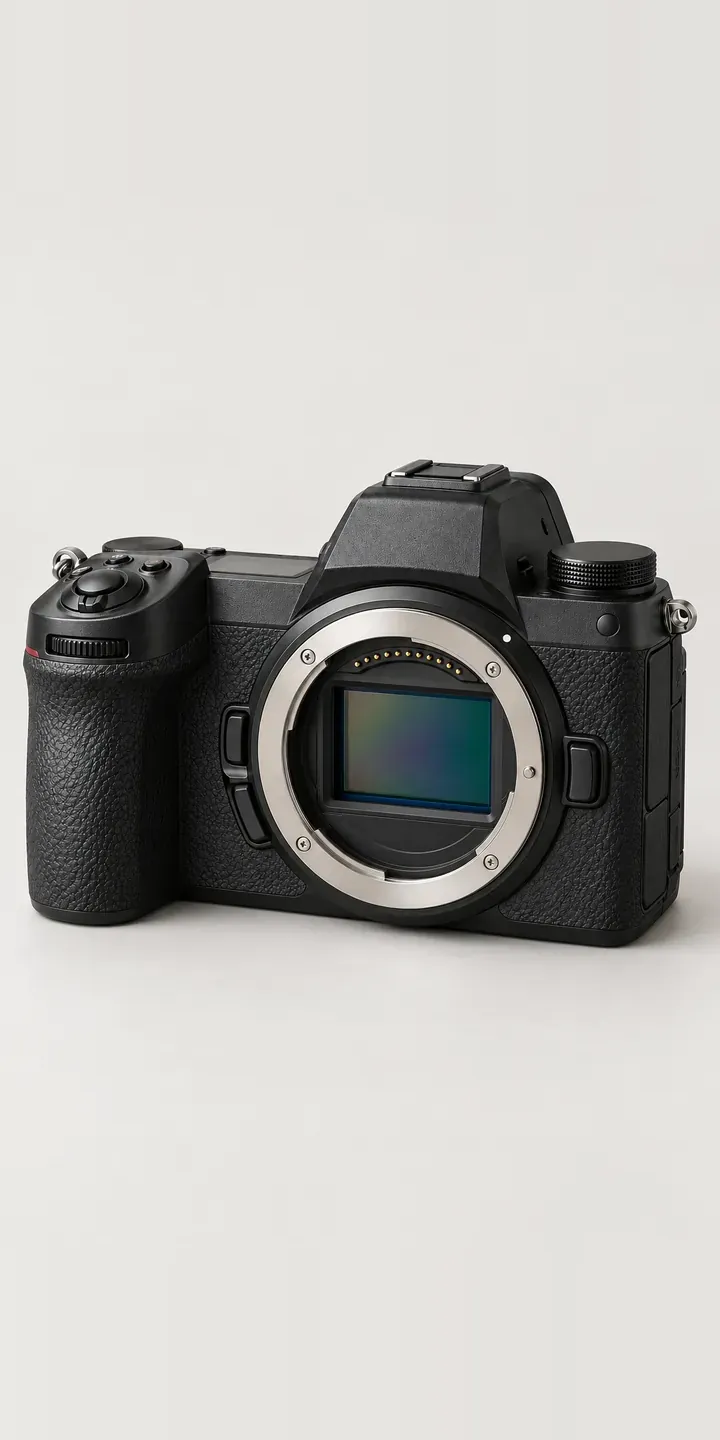
Enthusiast Camera
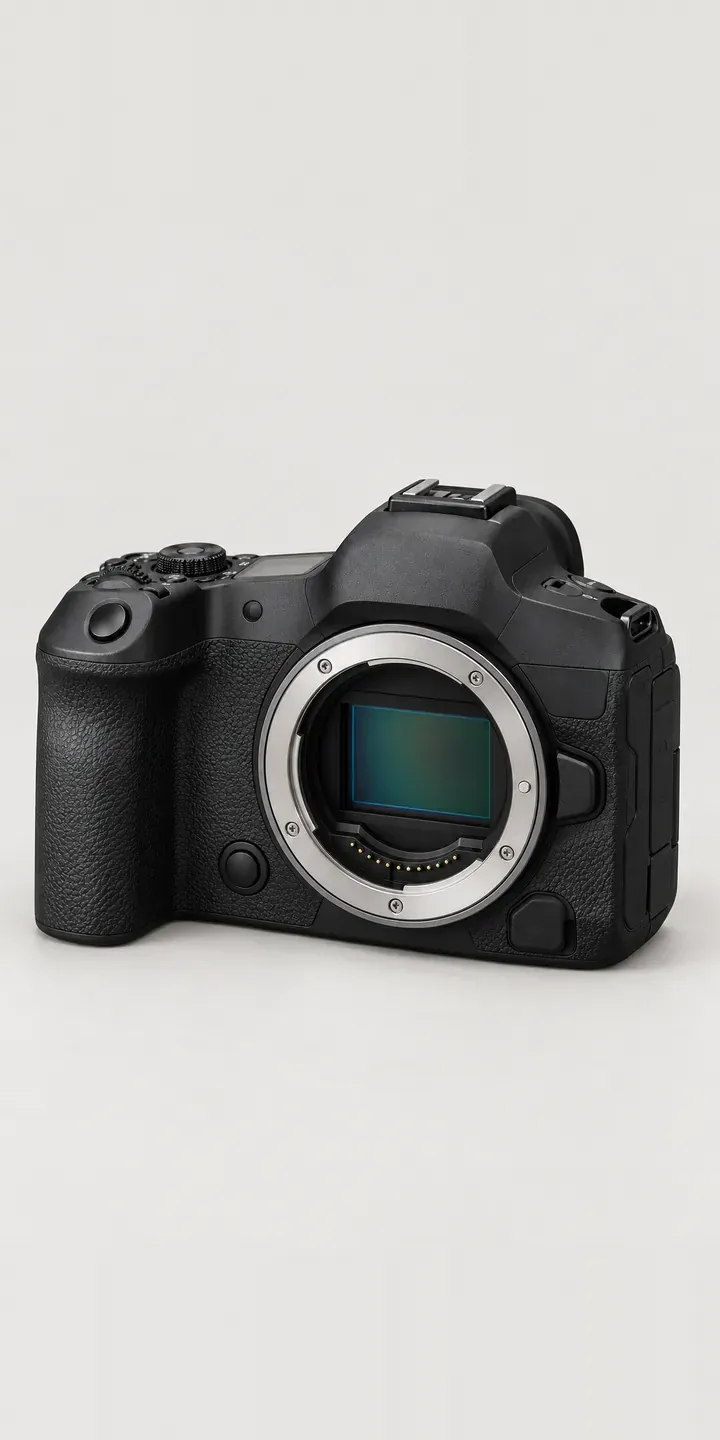
Full-Frame Camera
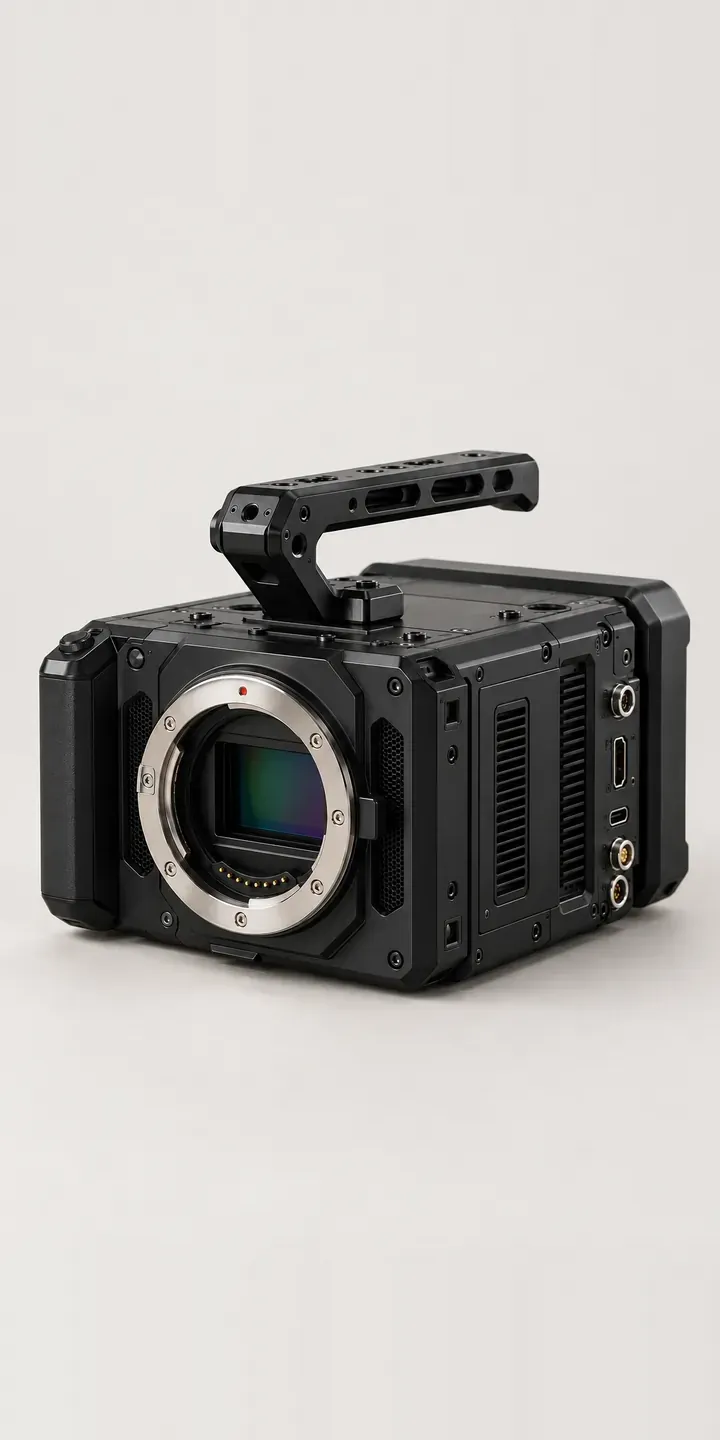
Full-Frame Cine Camera
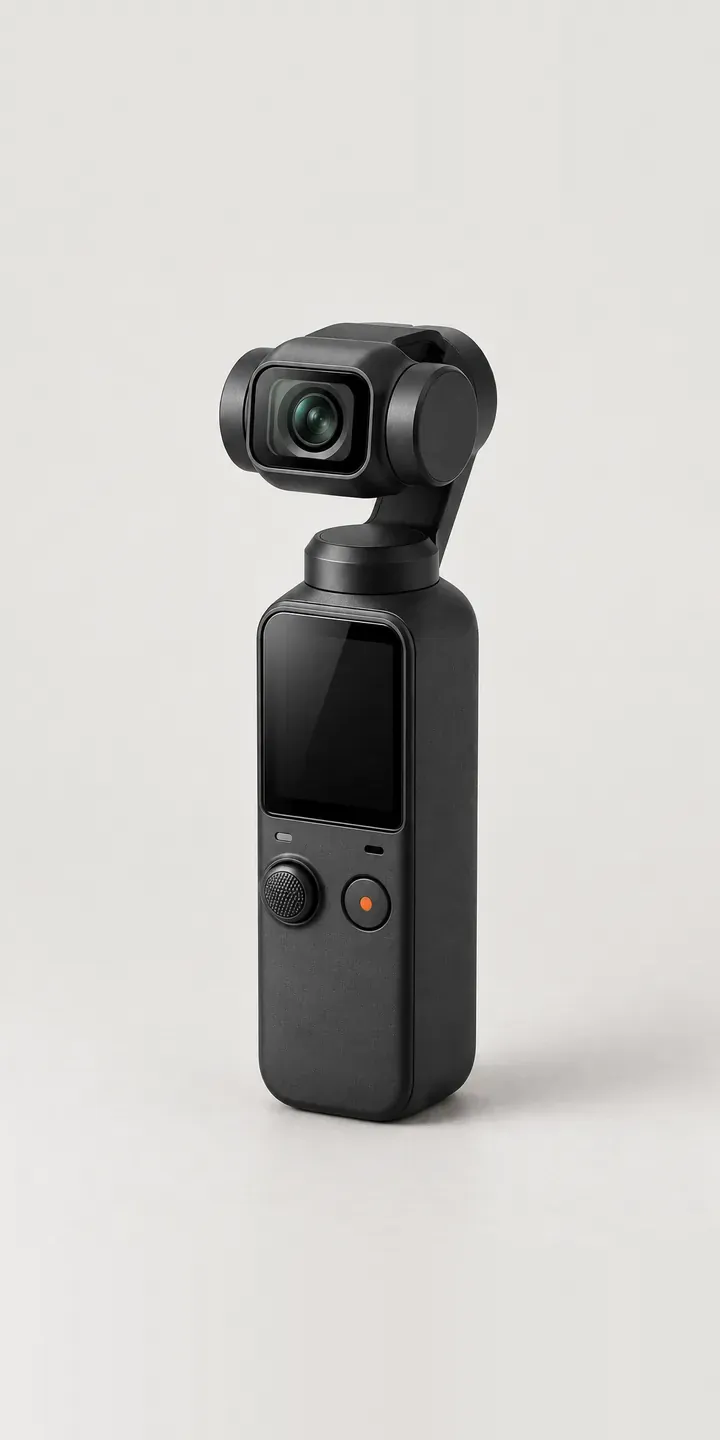
Gimbal Camera
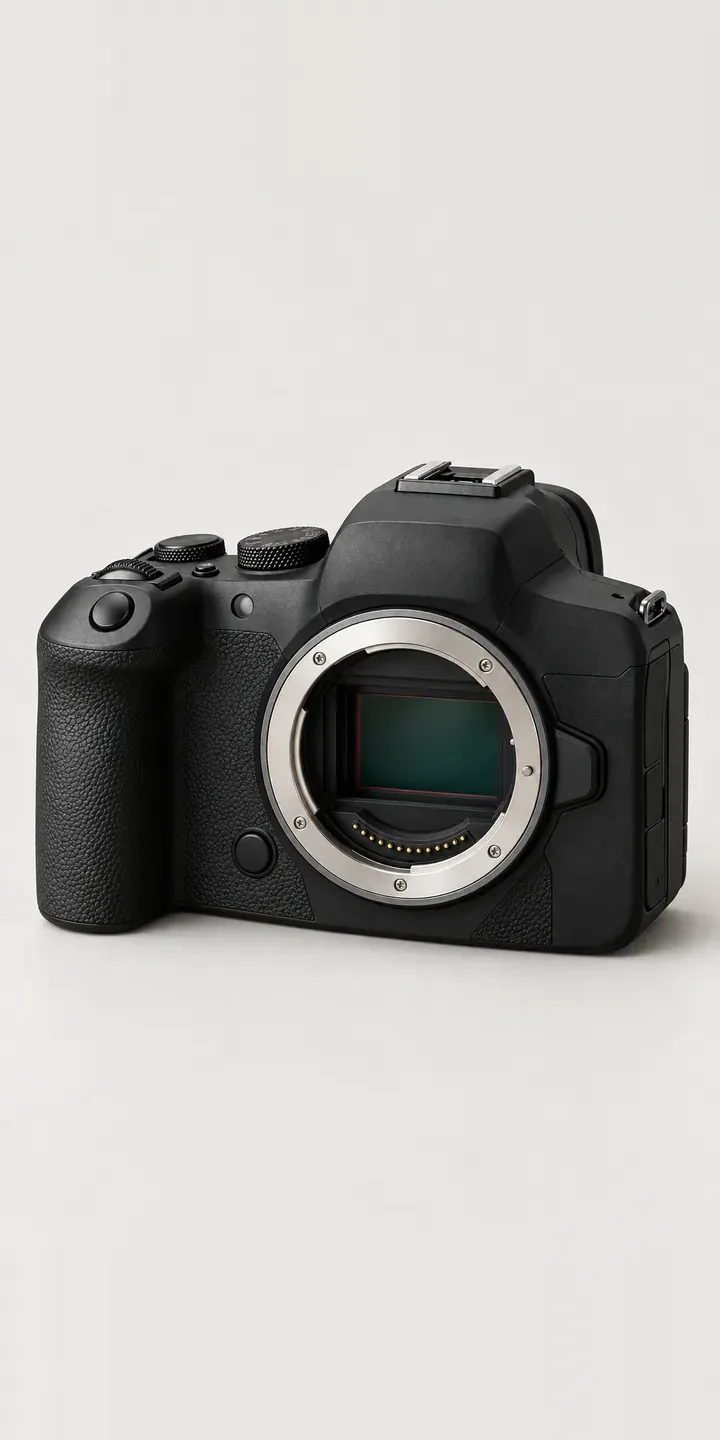
Hybrid Camera
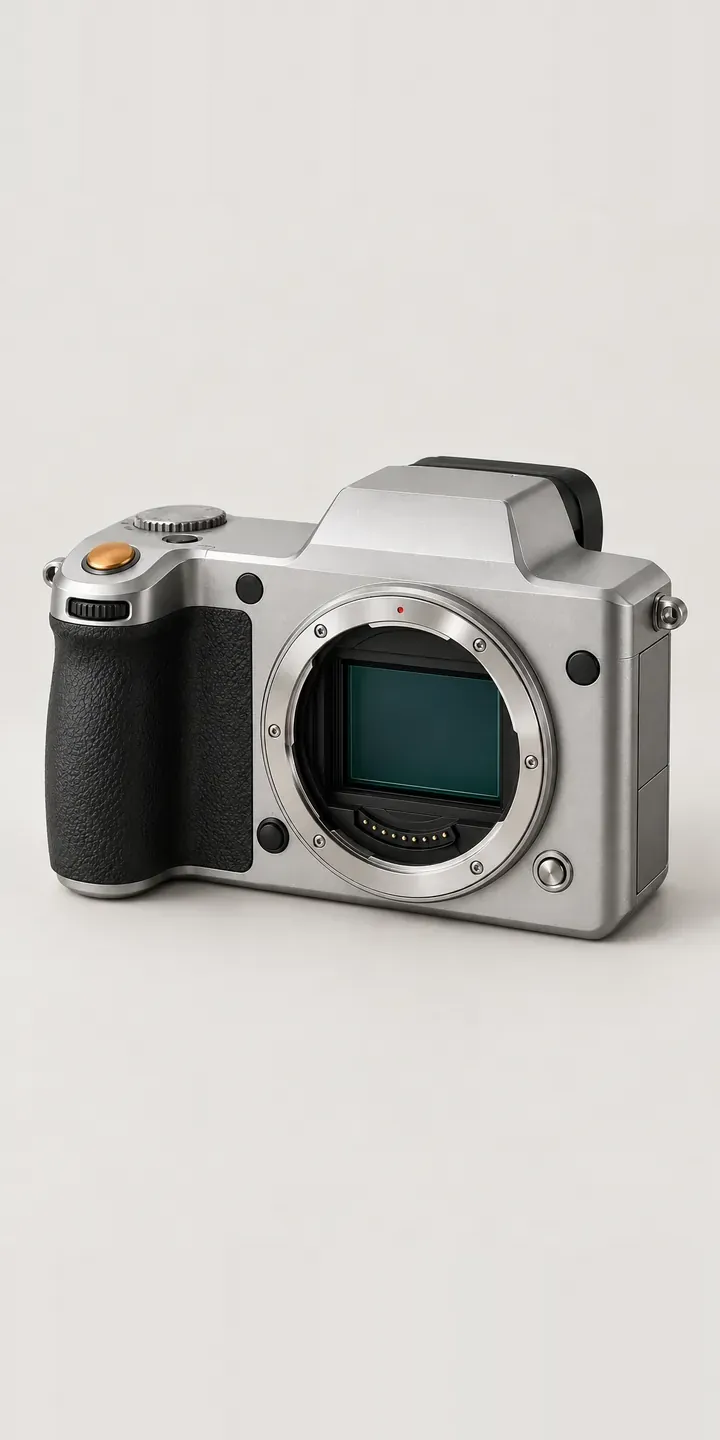
Medium Format Camera
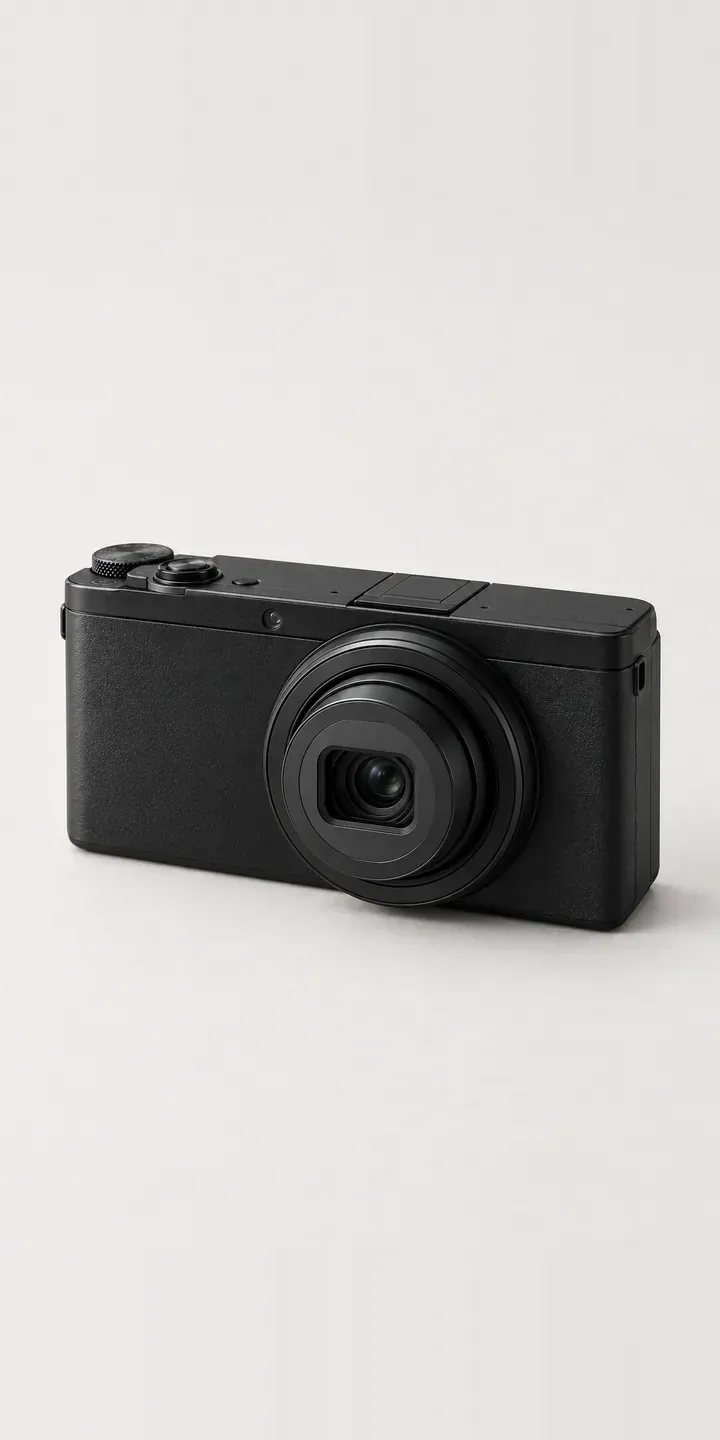
Pocket Compact
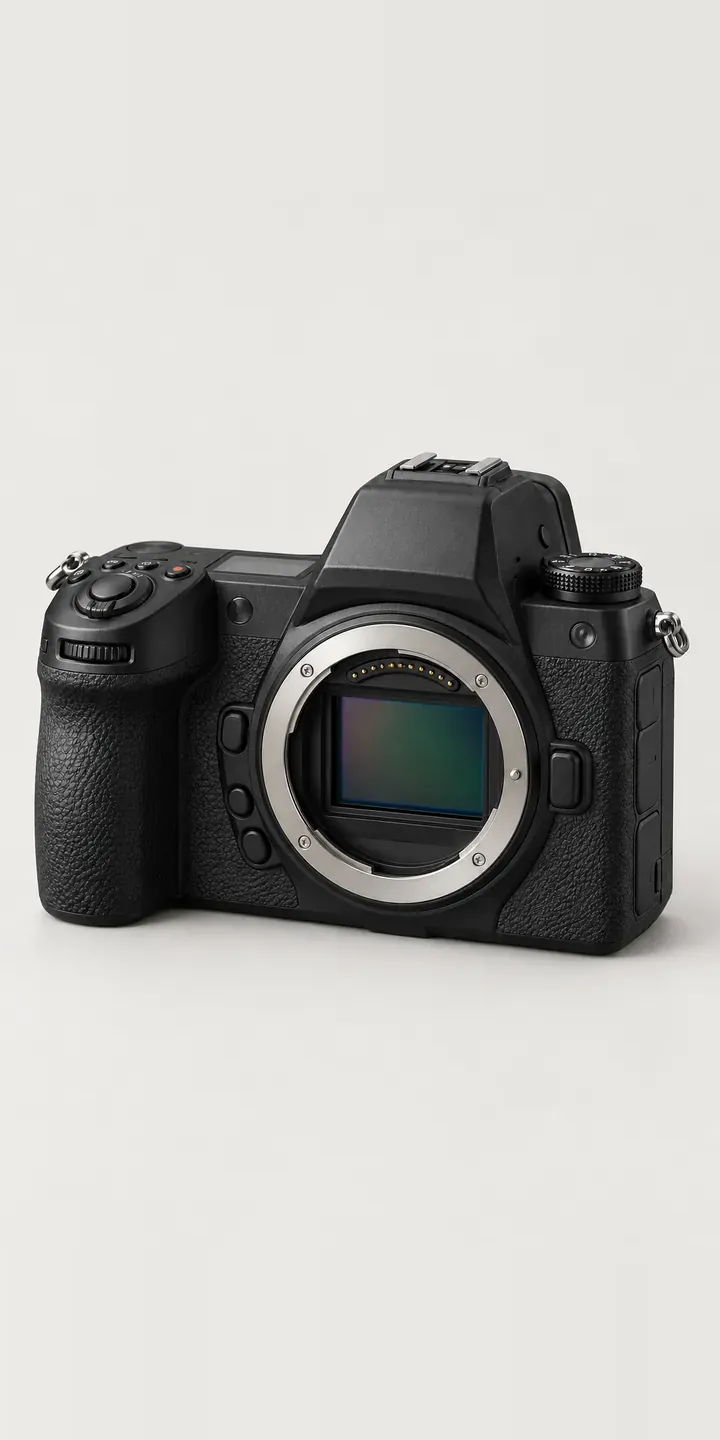
Pro Hybrid Camera
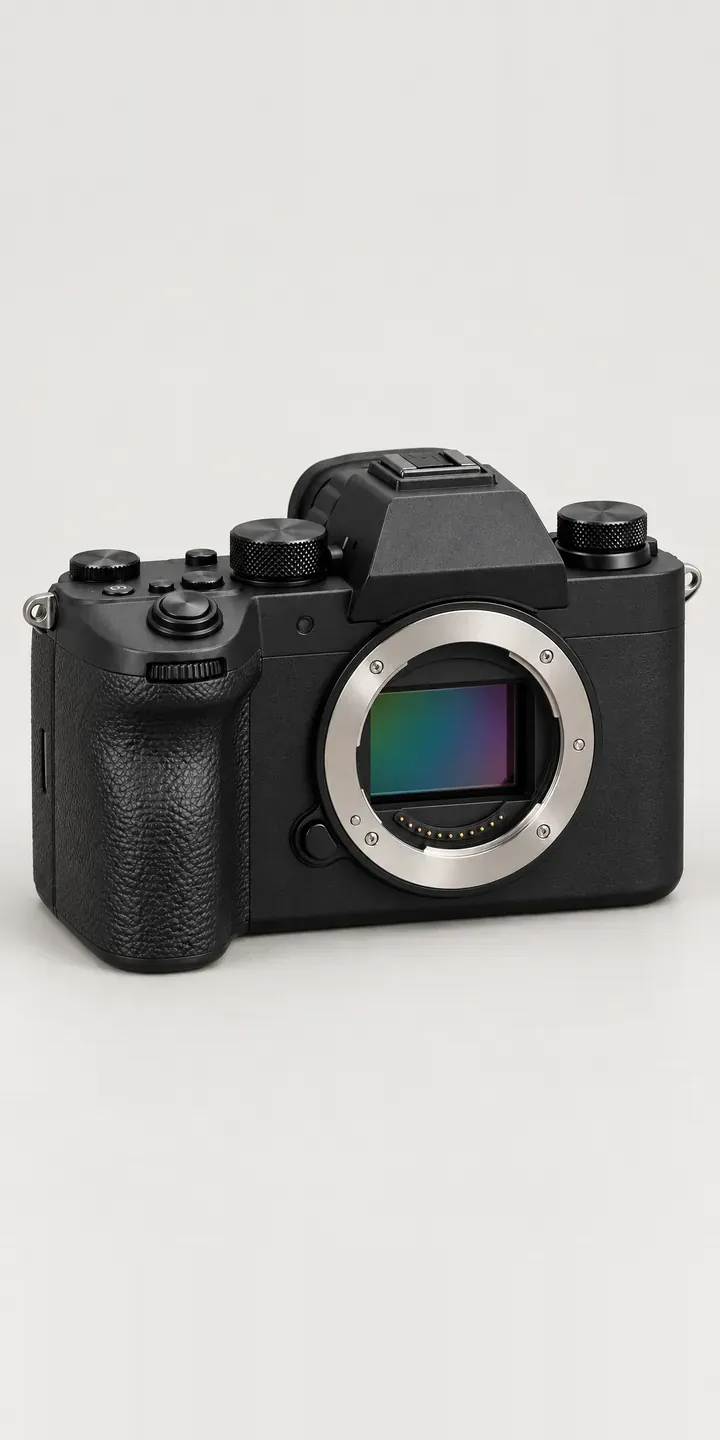
Pro Mirrorless
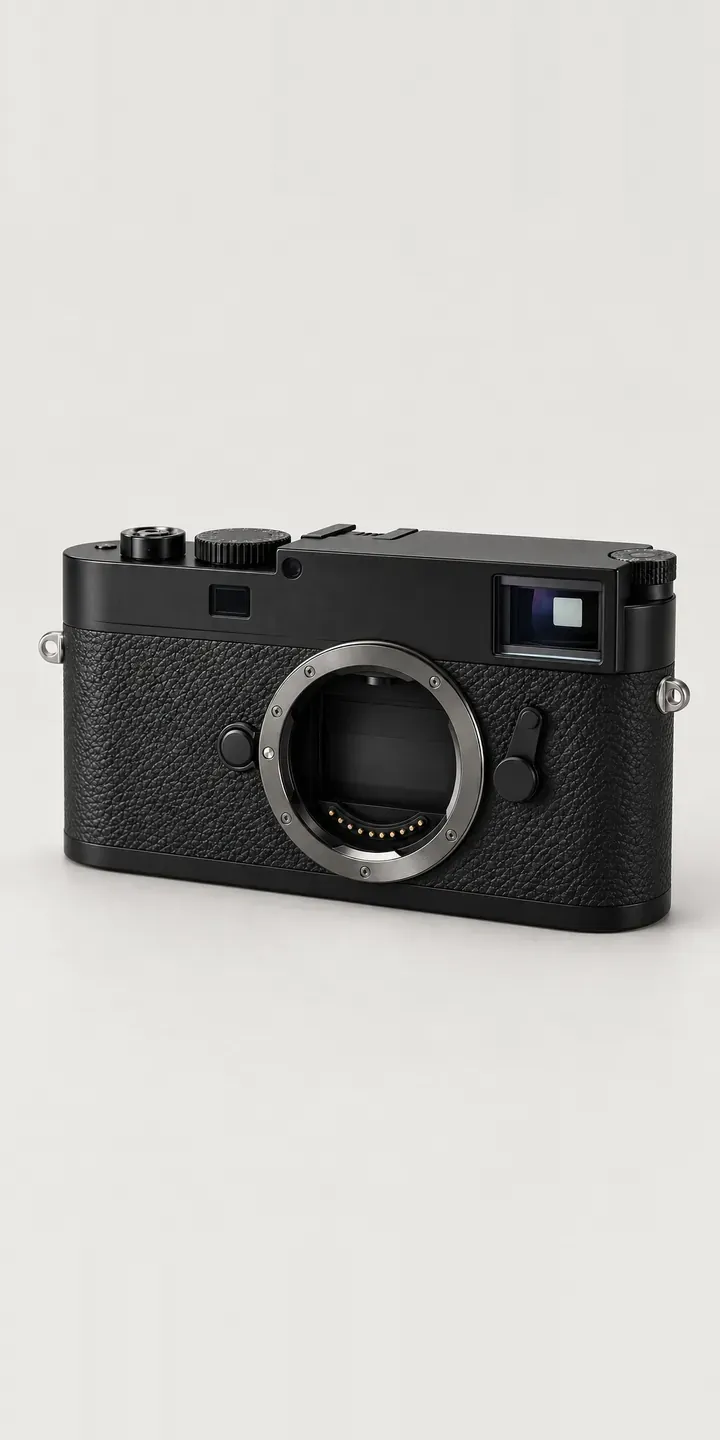
Rangefinder Camera
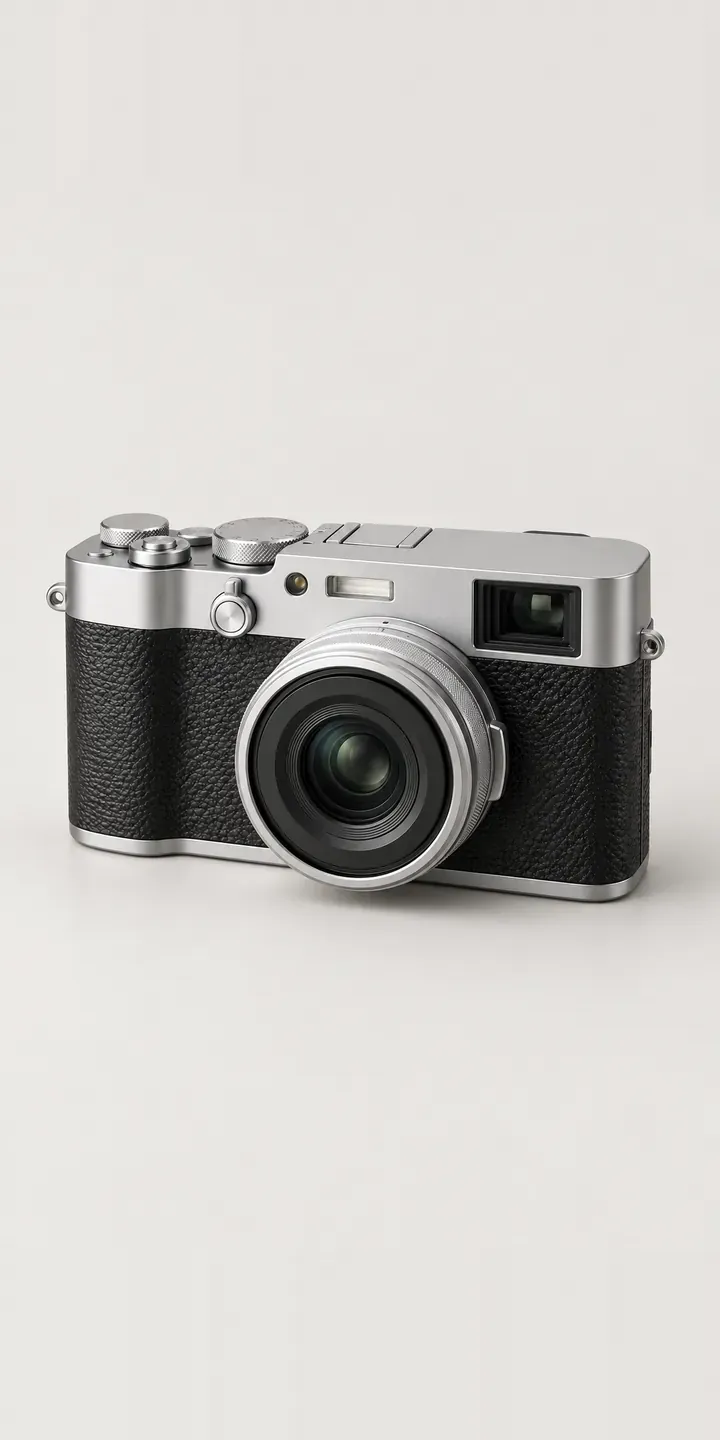
Retro Compact
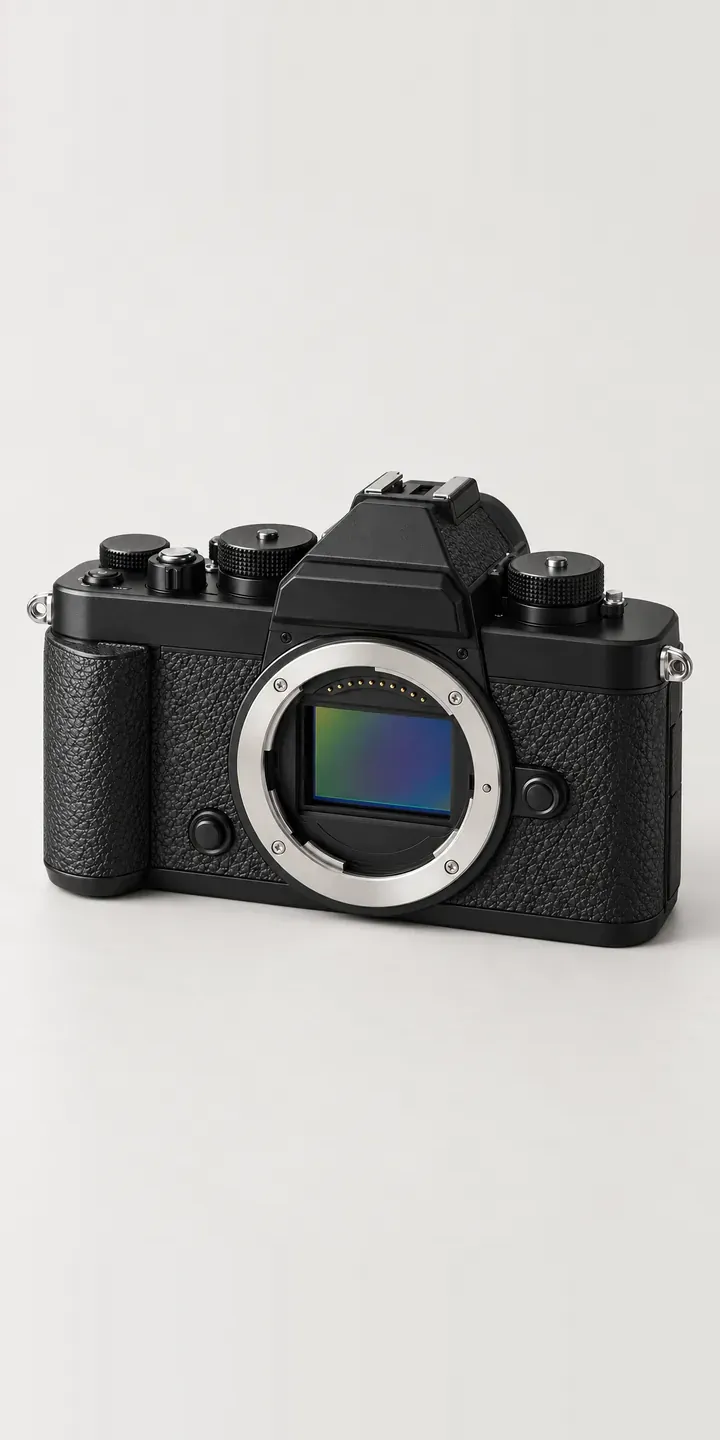
Retro Mirrorless
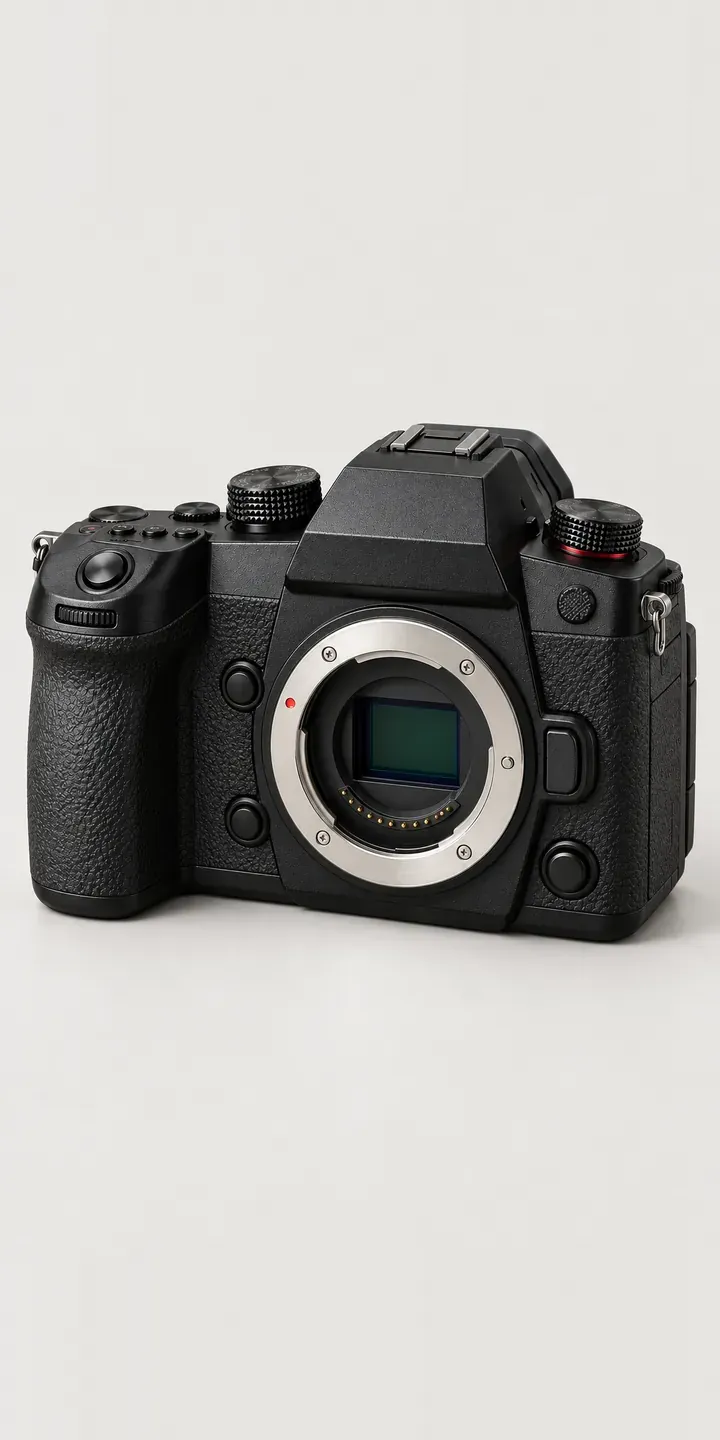
Video Hybrid Camera
Questions about camera configurators
Can a configurator build a camera kit with a lens, batteries and cards?
Yes. The buyer starts with a body, then sees only the lenses, batteries, grips and cards that suit it. The kit goes to the basket as separate lines, so each item keeps its own stock level and serial tracking. You can still offer a kit price if you discount bundles.
Can it handle cine cameras that are sold as rigs?
It can, and rigs are where configuration helps most. A cine buyer picks a body, then adds a cage, monitor, power solution and media in order, with rules preventing a battery plate that does not match the power system. Larger rigs often suit a quote request, since rental houses and production companies usually buy on account.
Do we need new photography for every body and finish?
Usually one clean image per body finish is enough, plus your existing accessory shots. Silver and black versions of a retro body are worth showing side by side, because the finish is a real part of the decision. 3D only becomes worth the extra work if buyers need to see how a rig assembles.
Planning a camera configurator?
Tell me about your range, how products are photographed today and where orders need to go. I will suggest the smallest useful first step, whether that is one image-based product or a full 3D catalogue.