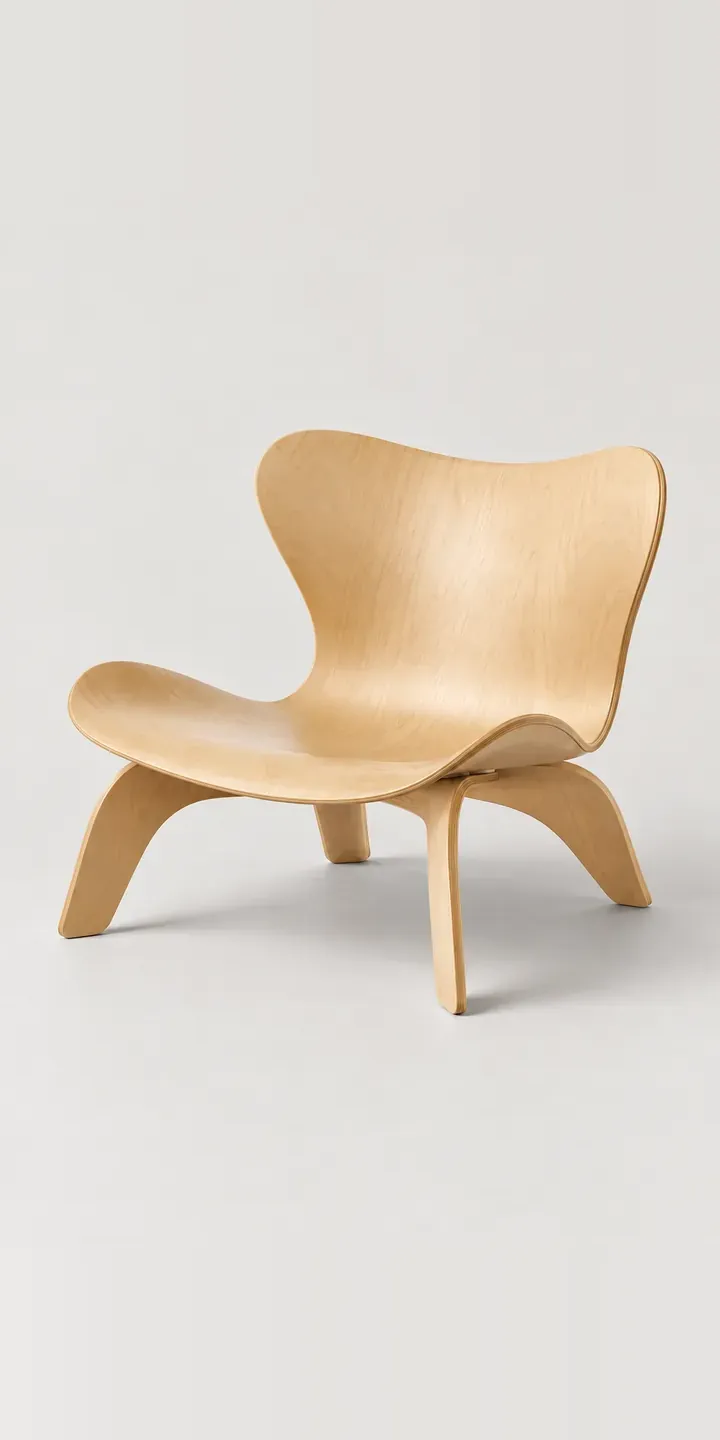
Moulded plywood, with thin plies visible along its curved edges, gives this illustrative lounge chair its character. Choose a veneer finish, decide on a seat pad, then request a quote.
Moulded plywood is bought for its form and its edges. The layered plies along the curve are part of the design, so the finish choice is really about the face. Natural birch gives a light Nordic feel, walnut and oak bring warmth, and black lets the shape read as pure silhouette. The seat pad question is about use. Without it the chair is a sculpture you sit on. With it, the chair becomes one you read in for an hour.
Furniture Configurator demo
Plywood Lounge Chair
- Product
- Plywood Lounge Chair
- Colour
- Natural Birch
- Cushion
- None
Illustrative product. The design and images are generated examples, not a real model for sale.
What you can configure
Four veneers are clickable: natural birch, walnut, black and oak, with ash grey and cherry in reserve. Leaving off or adding the seat pad updates the summary only. Black deserves a closer look. On plywood, a black finish can be a stain that lets the grain show or an opaque coating that hides it, and buyers care which.
- Colour: Natural Birch, Walnut, Black, Oak
- Cushion: None, Seat Pad
Why a configurator suits lounge chairs
A seat pad turns two options into a second product range. Once a pad exists, buyers want to choose its fabric or leather, and six veneers multiplied by a handful of pad covers quickly outgrows any photography plan. A configurator handles it by layering the pad over the shell, so each new cover is one image rather than one per veneer.
Design-led chairs are often sold by small specialist shops and gallery-style retailers, with limited floor space and a single example on display. The configurator lets them sell the walnut version while showing the birch one, and gives the buyer a confident view of a finish they cannot see in person. That matters for a chair bought largely on appearance.
Veneer also carries expectations. Buyers of moulded plywood know each shell differs slightly in figure, and they want reassurance that the veneer is real timber. Showing the edge and face up close for each finish, with the species named, answers that before anyone asks. Every one of the twelve versions deserves that treatment.
How a production version would be built
A 3D model is the better route here, since the compound curves and layered edge are hard to photograph consistently across six veneers. Each veneer is applied as a real timber texture, and the plies along the edge are modelled so they catch the light. The seat pad is a separate layer, which keeps pad covers independent of veneers. The retailer supplies veneer species, stain details, pad covers, dimensions and any finish and pad pairs not offered. More on the rendering approach is in my notes on 3D product visualisation.
Build sheet for this range
- Colours in the full range: 6 (4 shown in this demo)
- Cushion choices: 2
- Combinations to support: 6 × 2 = 12
- Images for one photograph per combination at 3 angles: 36
- Images if cushion options can be shown as separate layers, at 3 angles: 24
- Data each of the 12 combinations needs: a SKU or variant ID, price, stock or lead time, and any dimensions or specification that change
Questions about lounge chair configurators
Can the seat pad be offered in different fabrics?
Yes. The pad sits on its own layer above the shell, so each pad cover is one new image that works with every veneer. Buyers choose the shell finish and then the pad, and rules can block pairings you would rather not sell. This demo records the pad choice without changing the image.
How do you show the layered plywood edge in each finish?
With a close detail render along the curved edge, using a model that includes the individual plies. The edge is the signature of moulded plywood, so it deserves its own view rather than a few pixels in the main image. Each finish gets the same detail angle for a fair comparison.
Will a black finish still show the wood grain?
That depends on how your workshop finishes it, and the configurator should show the truth. A black stain usually lets the grain show through, while lacquer or paint hides it. I render the finish to match a physical sample, and add a close detail so buyers see exactly what they will get.
Can a small design shop run a configurator on Shopify?
Yes. On Shopify, veneer and pad choices map to variants or line item properties, so the shop's existing checkout, stock and pricing keep working. A configurator for one chair with twelve combinations is a modest build, and it can grow with your range. I reply within two UK working days of an enquiry.
More furniture configurator demos
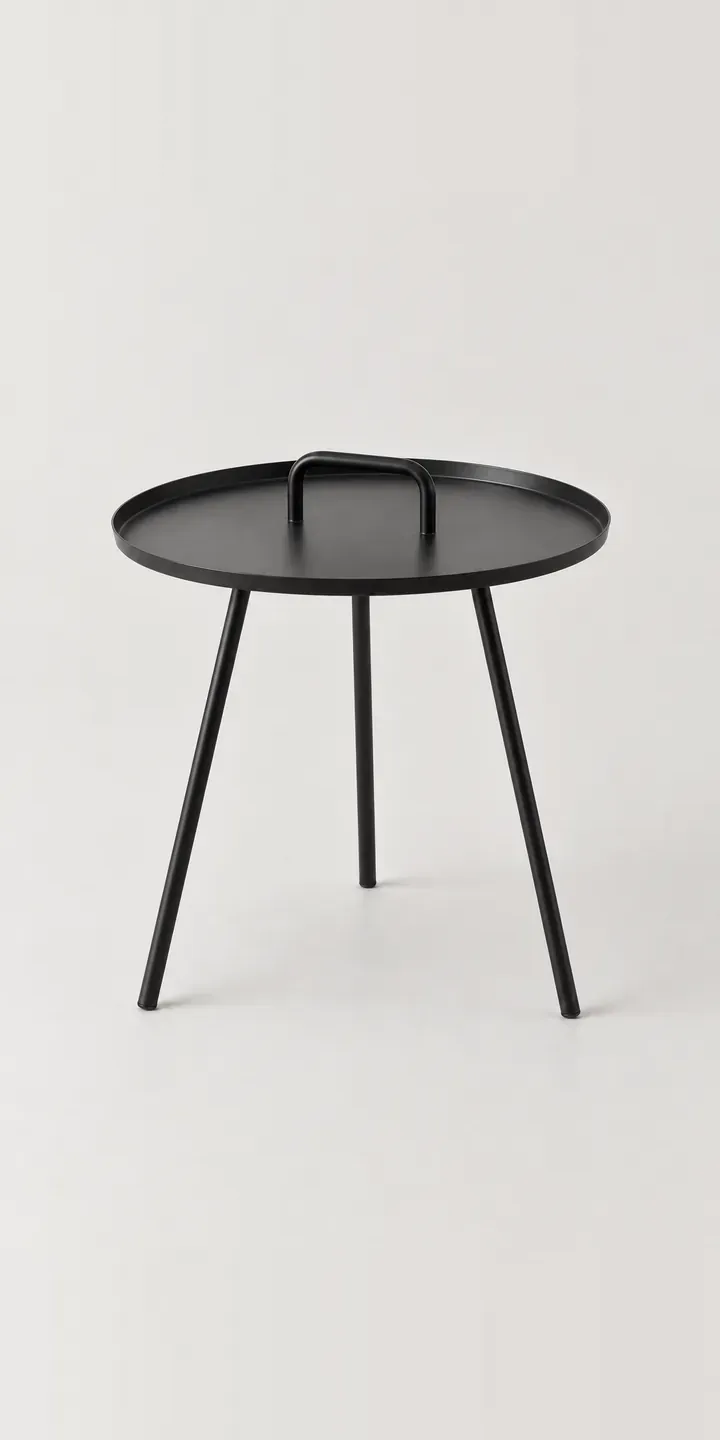
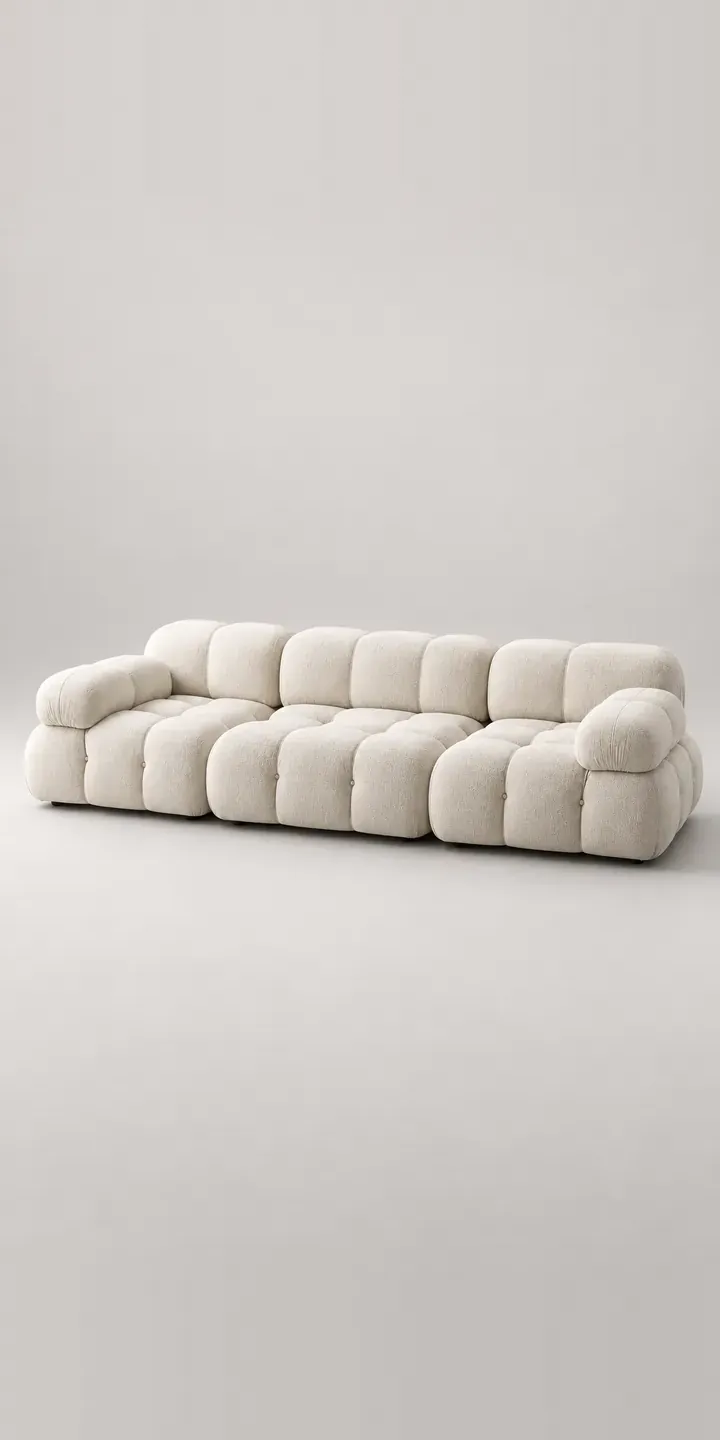
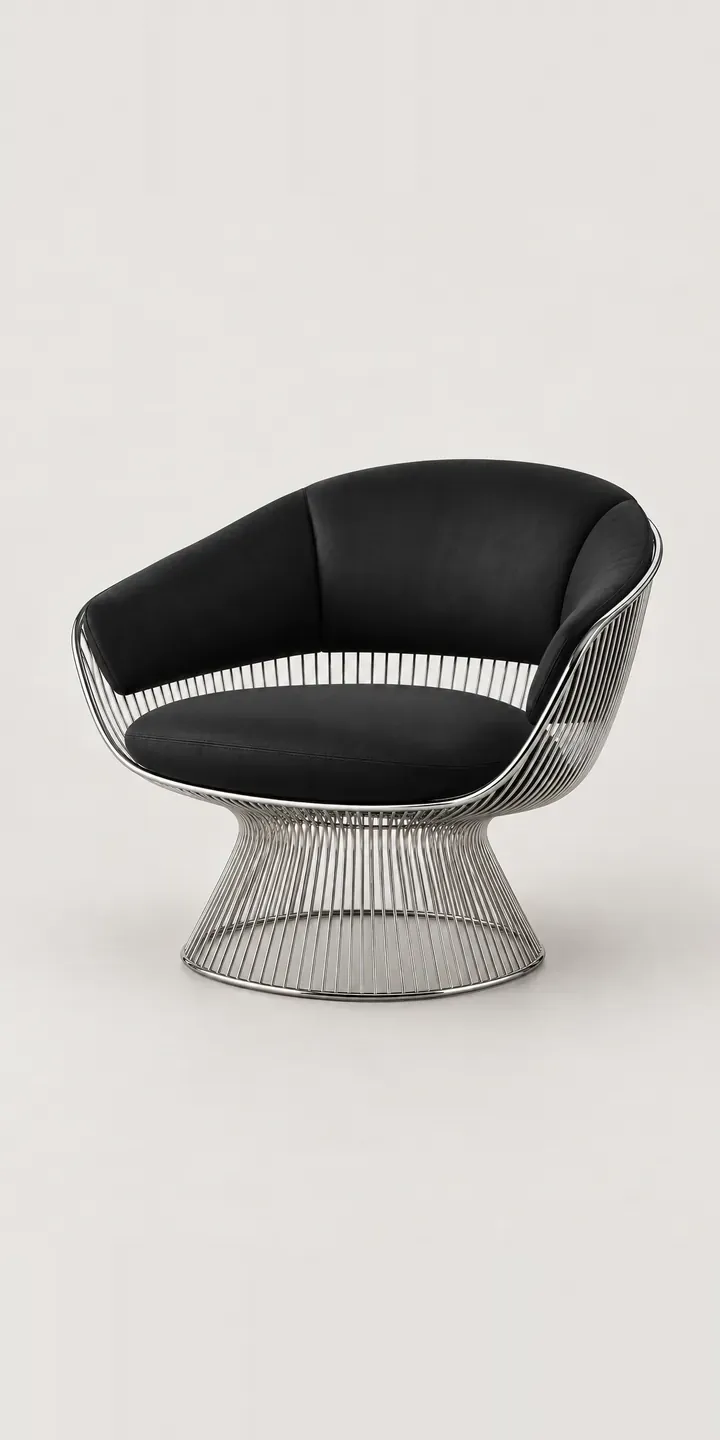
All furniture configurator demos
A configurator for your lounge chairs
This demo uses an illustrative product. If you sell lounge chairs, I can build the same experience around your own range, photography and ordering process, connected to Shopify, WooCommerce or a quote workflow. I reply to enquiries within two UK working days.