Nobody buys a bathroom tap in isolation. It is chosen in chrome, brushed brass, matt black or gunmetal, and then the shower set, waste and bath filler have to match it. Basins come down to material, mounting (countertop, inset or wall-hung) and tap hole position. Freestanding baths add shape, external finish and whether a deck-mounted or floor-standing filler suits the plumbing. Shower sets bring their own choices: head size, rail or riser, and how many spray modes are worth having.
Matching is where a bathroom basket falls apart. A customer orders brushed brass taps from one listing, then finds the shower rail is only shown in chrome, or that the basin they like has no tap hole. Showrooms solve this in person with finish boards and displays. Online, the buyer is left cross-referencing product codes across tabs, and many leave to ask a plumber or a showroom instead.
A bathroom configurator depends on compatibility data more than imagery: tap hole counts, deck or wall mounting, waste types, water pressure requirements and which finishes exist for each fitting. Plan consistent photography so a brass tap on one page matches the brass shower on the next. Many retailers want the end result to be a saved bathroom specification that a fitter or showroom can quote against. The example products below span taps, basins, baths and showers.
Bathroom demos to try
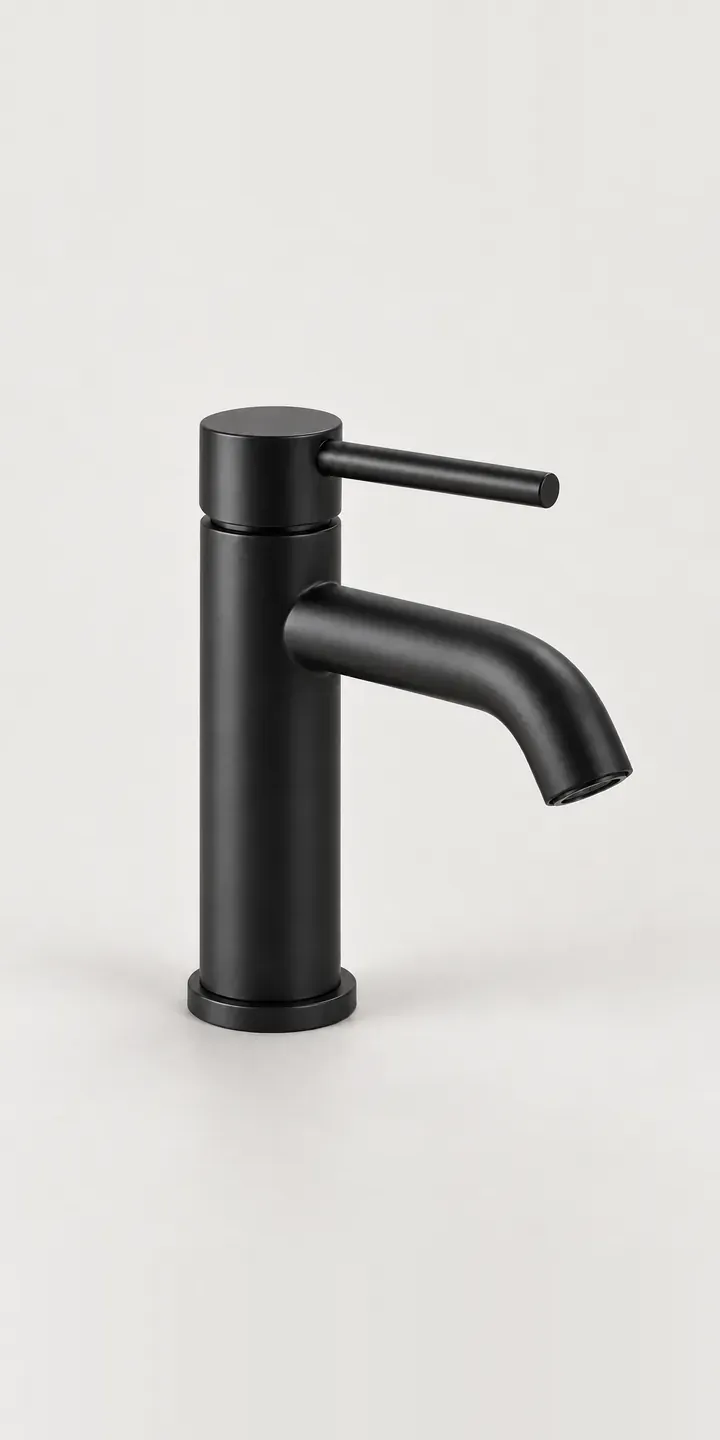
Angular Basin Tap
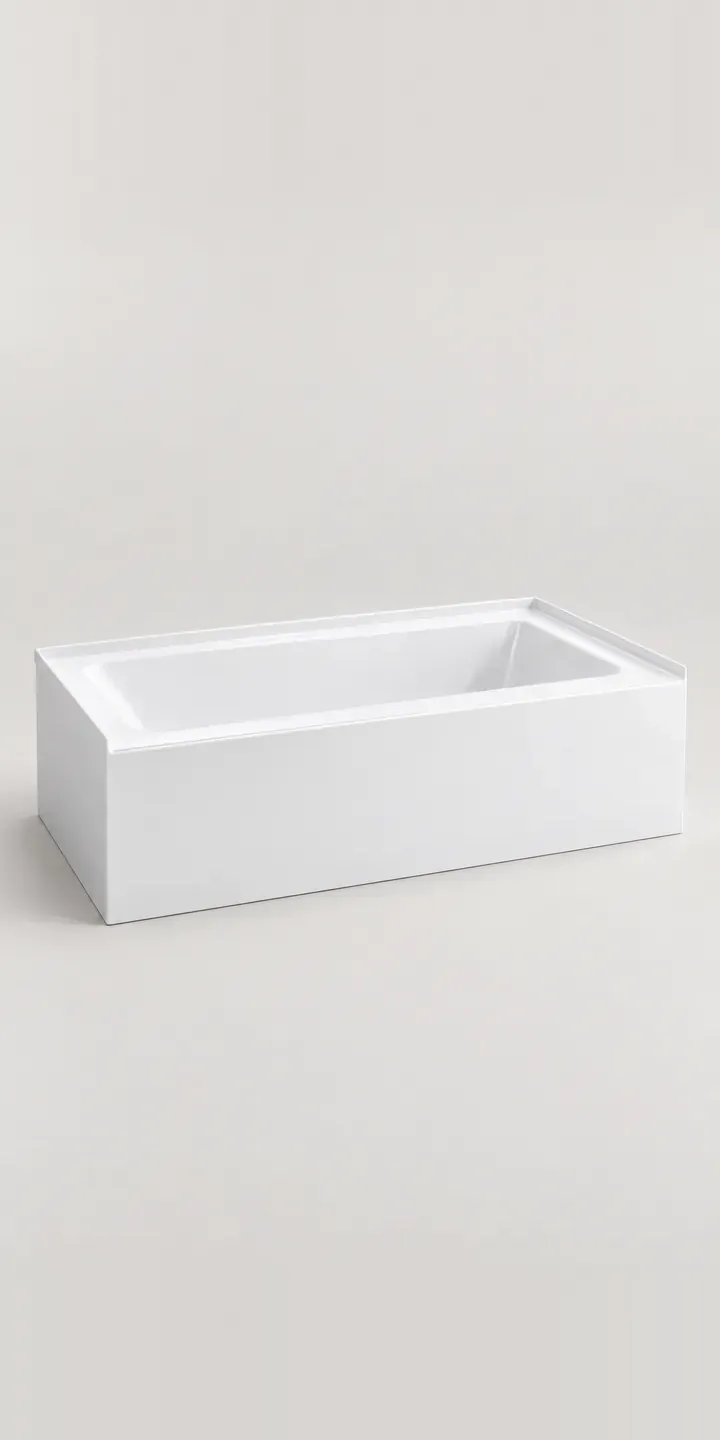
Apron Front Bath
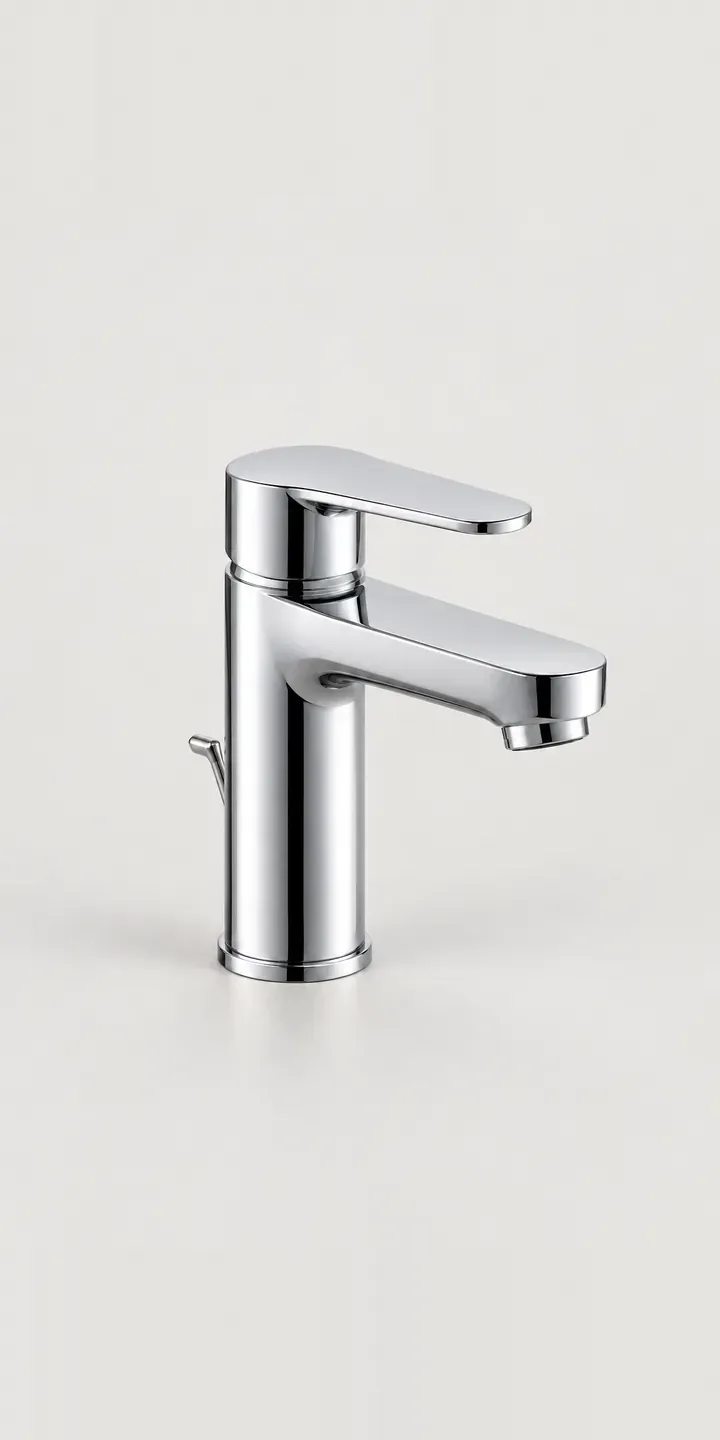
Column Basin Tap
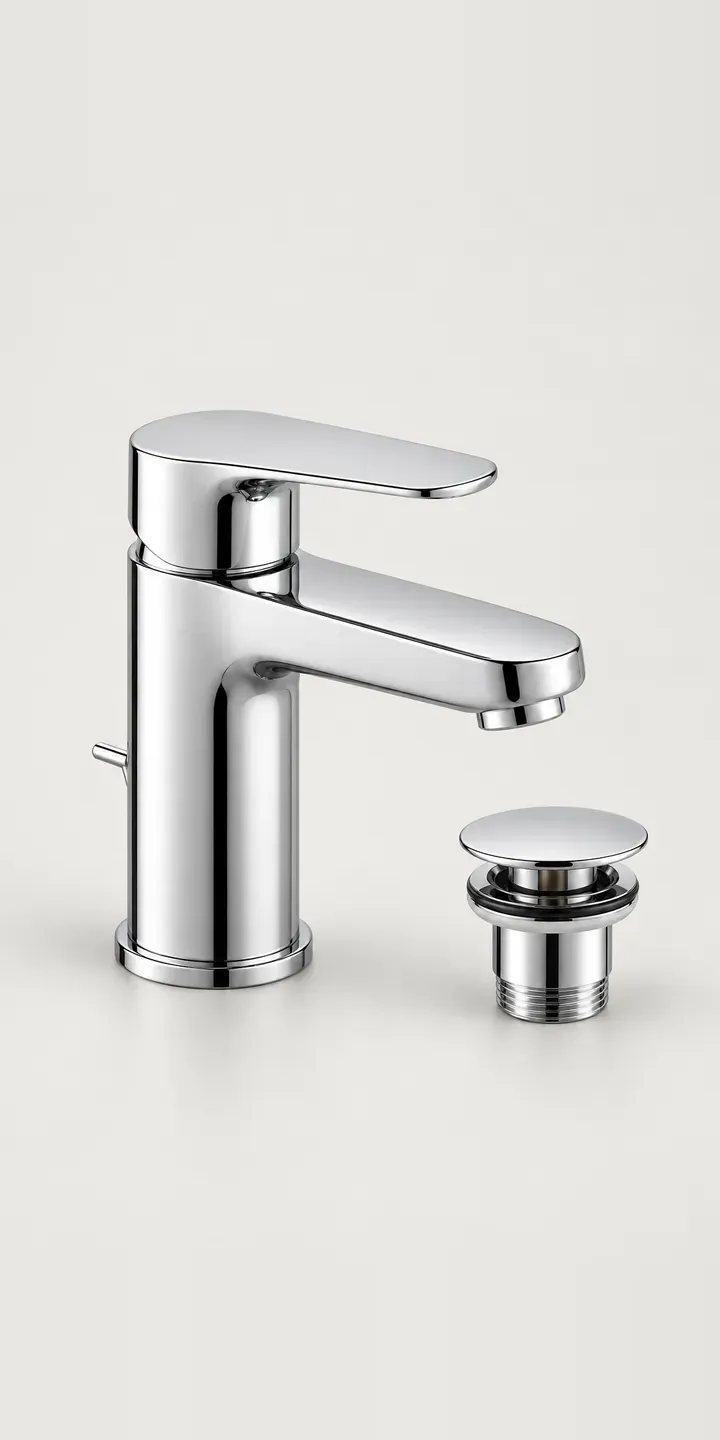
Compact Basin Mixer
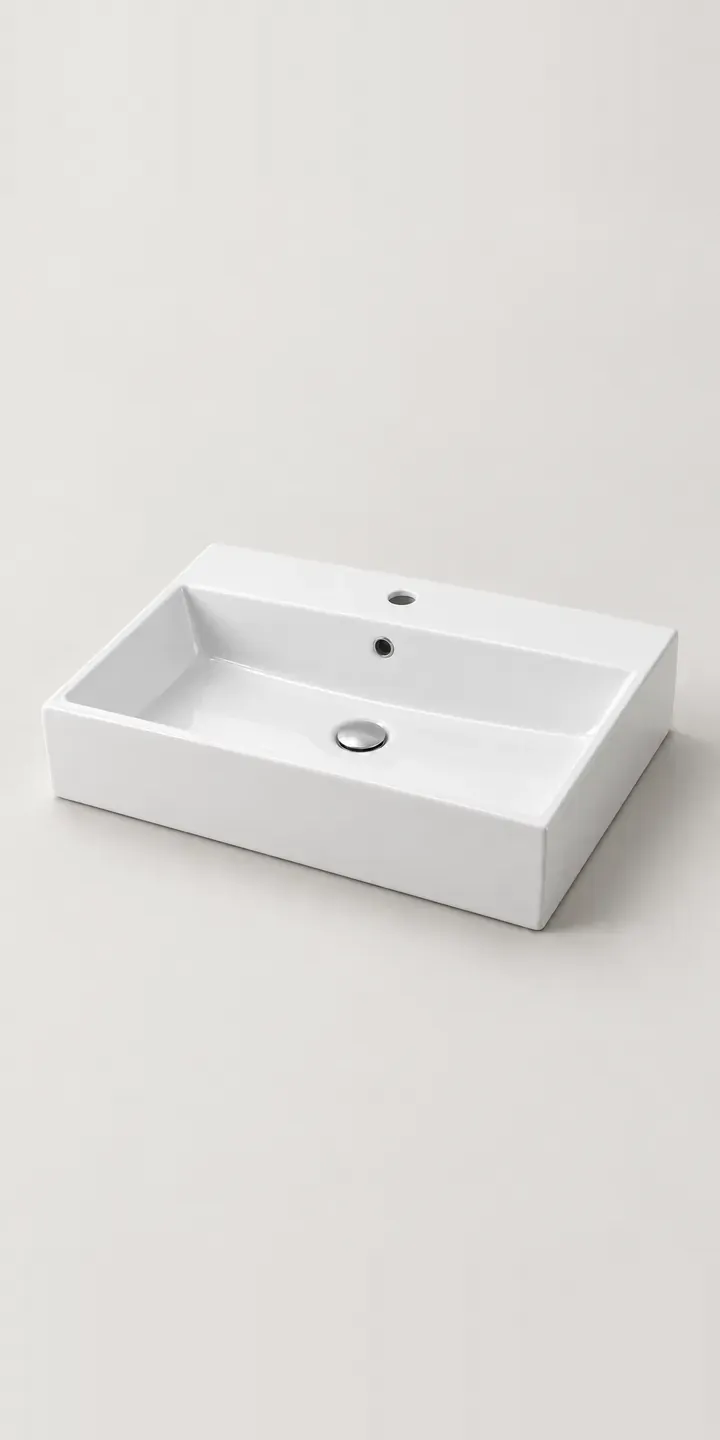
Console Basin
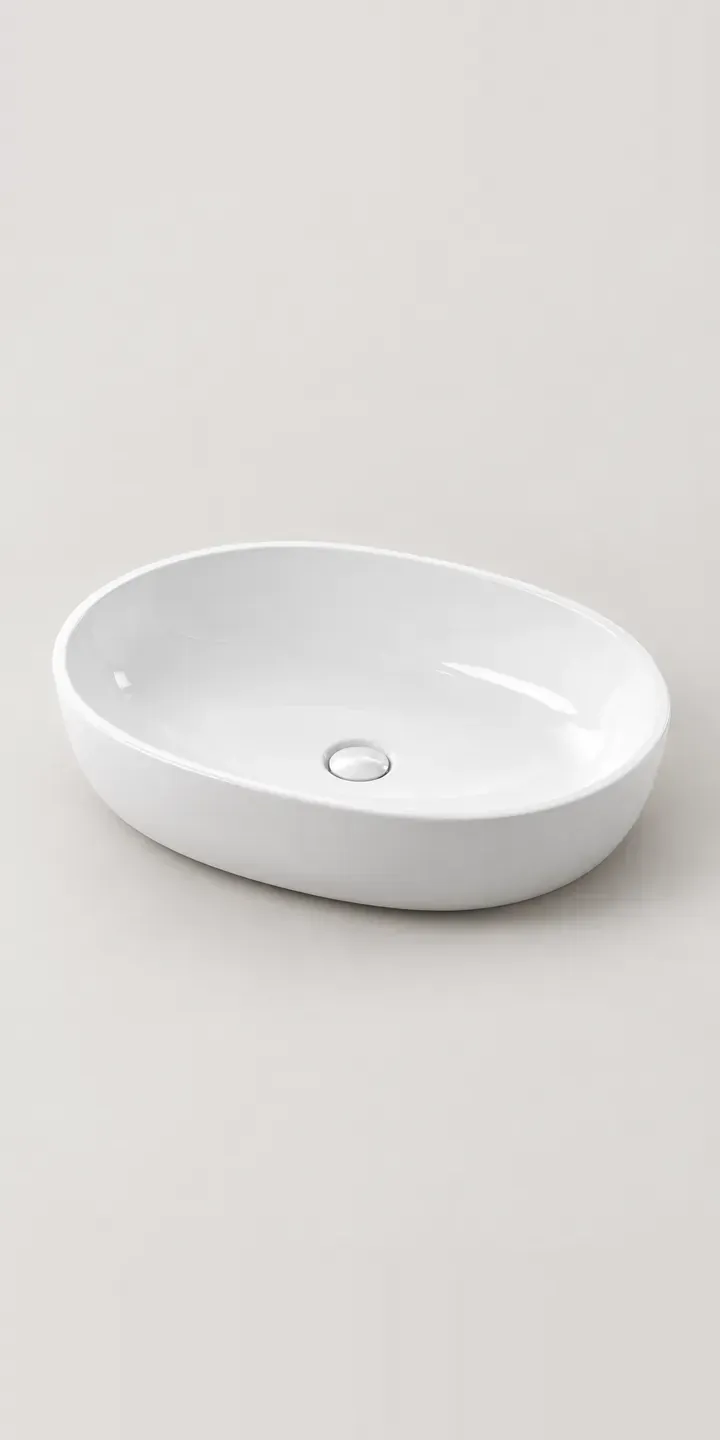
Countertop Basin
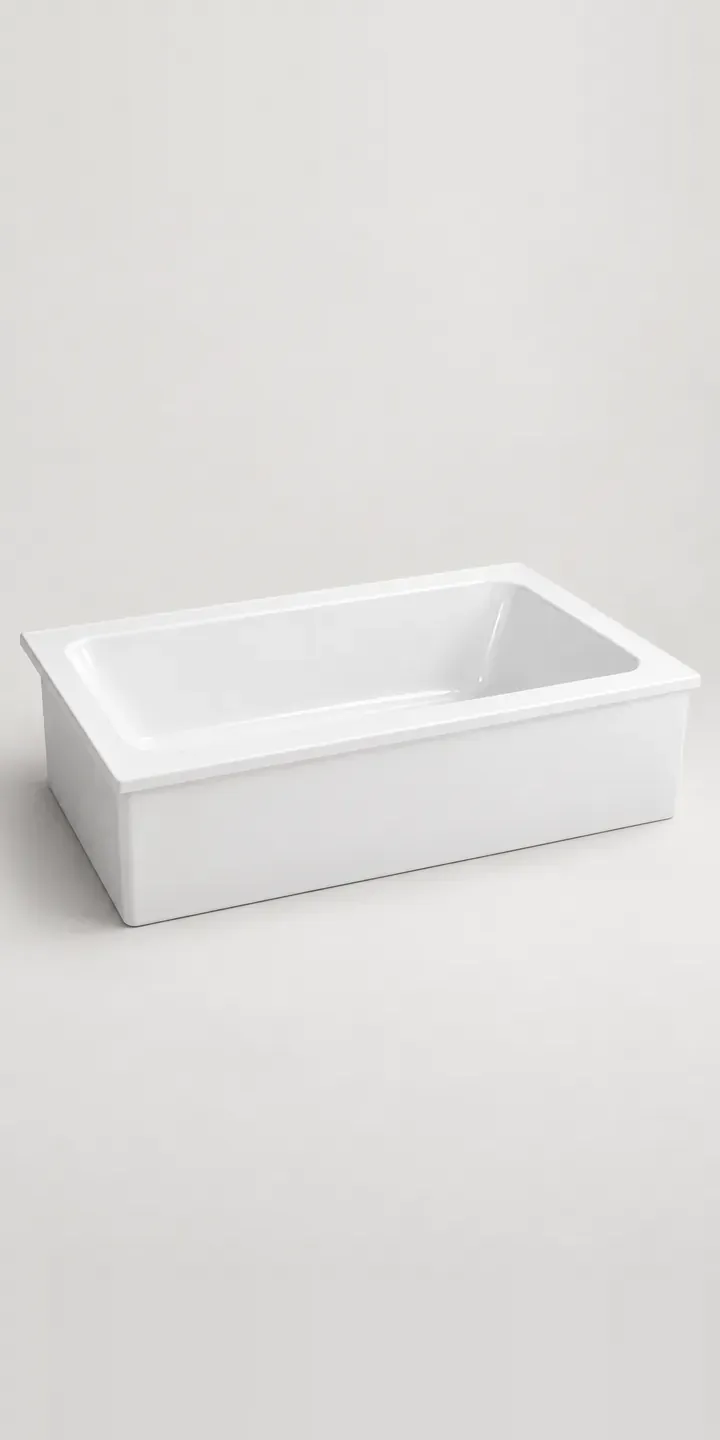
Deck-Mount Bath
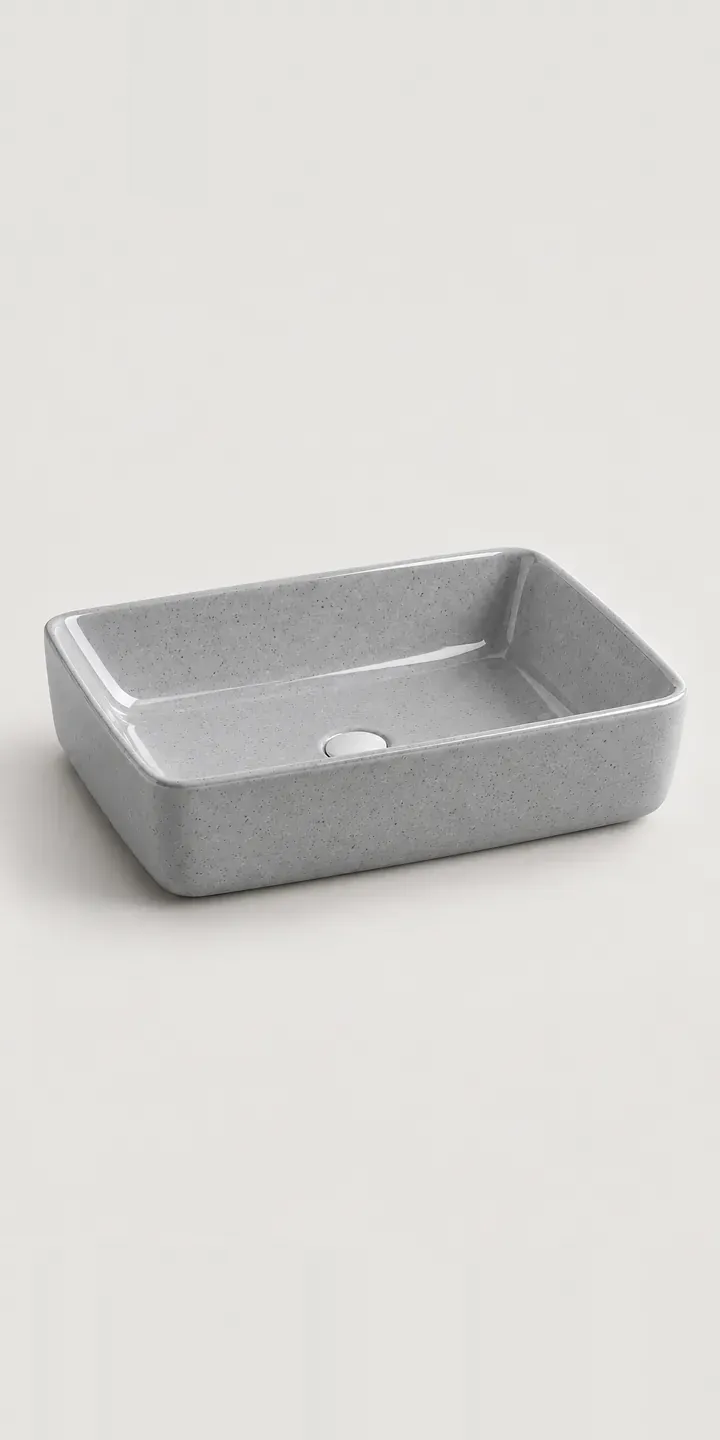
Deep Bowl Basin
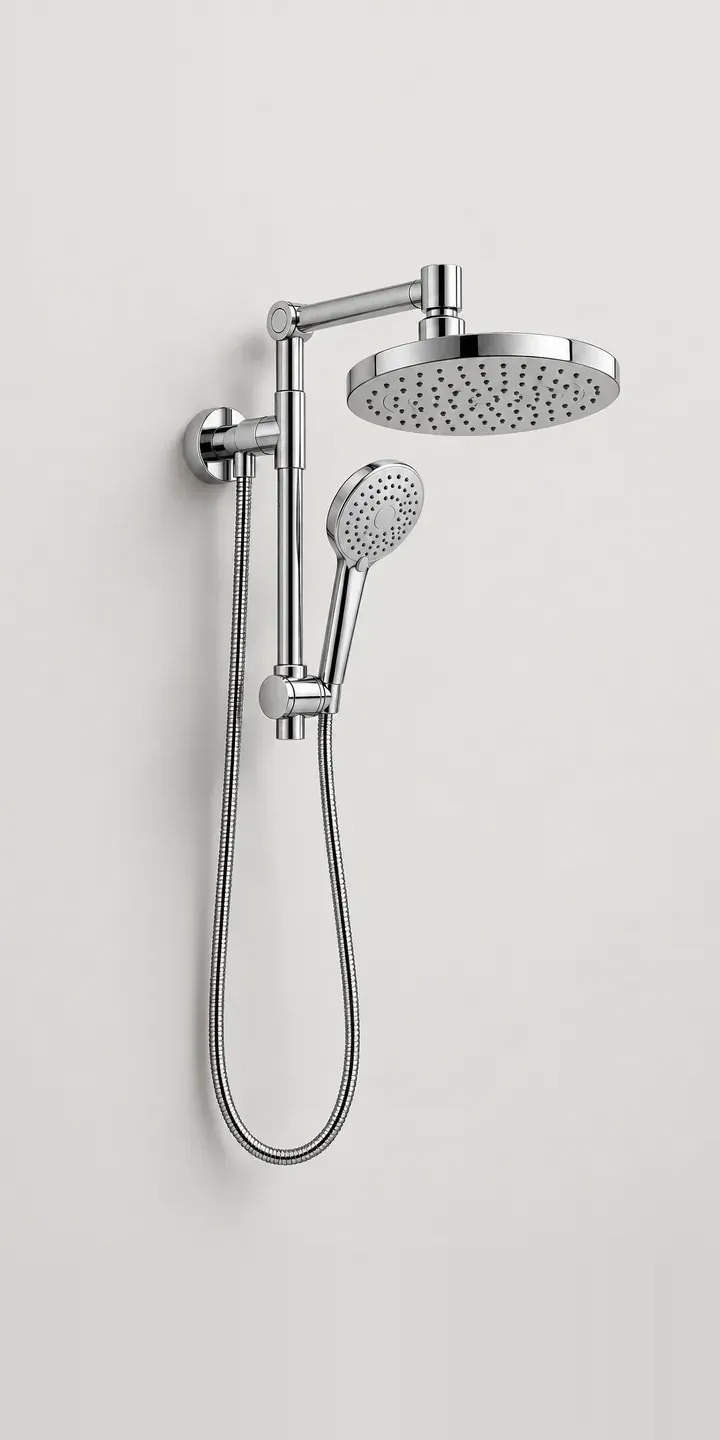
Dual-Head Rail Set
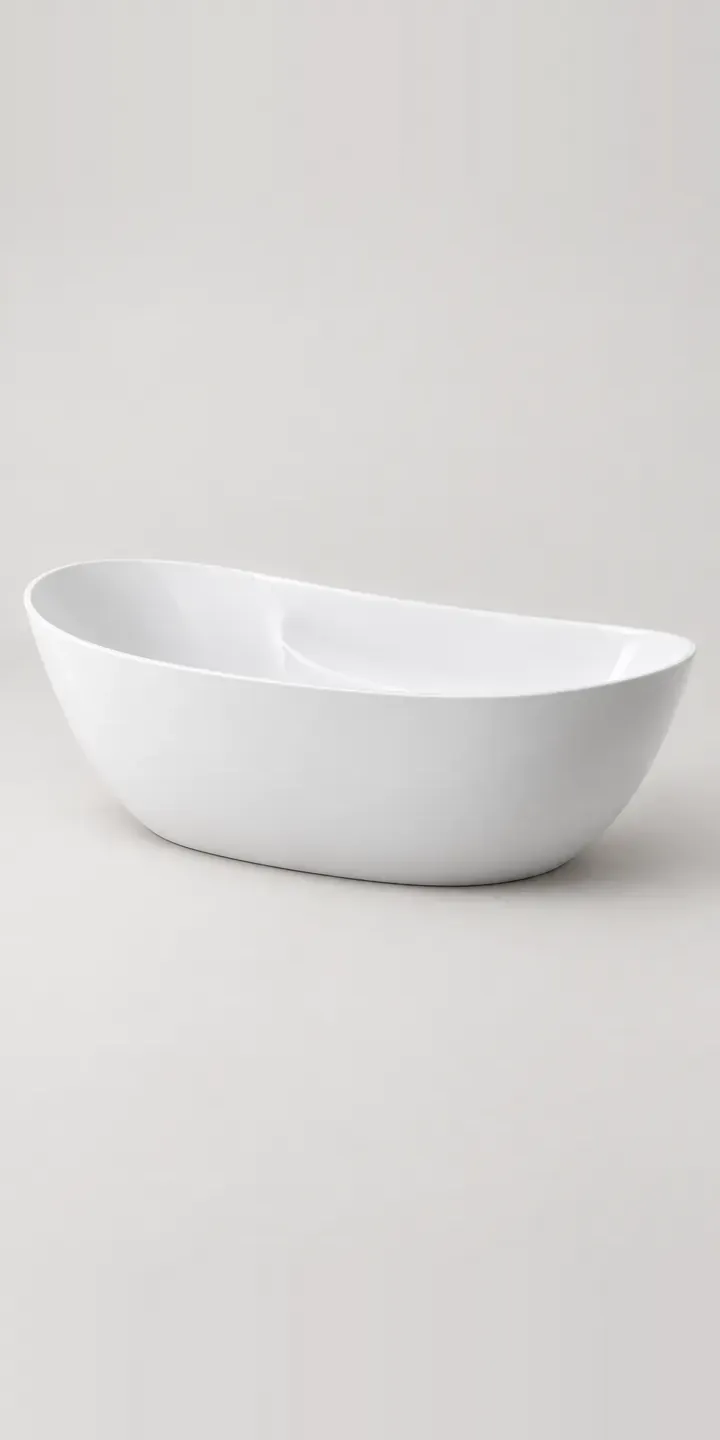
Flowing Oval Bath
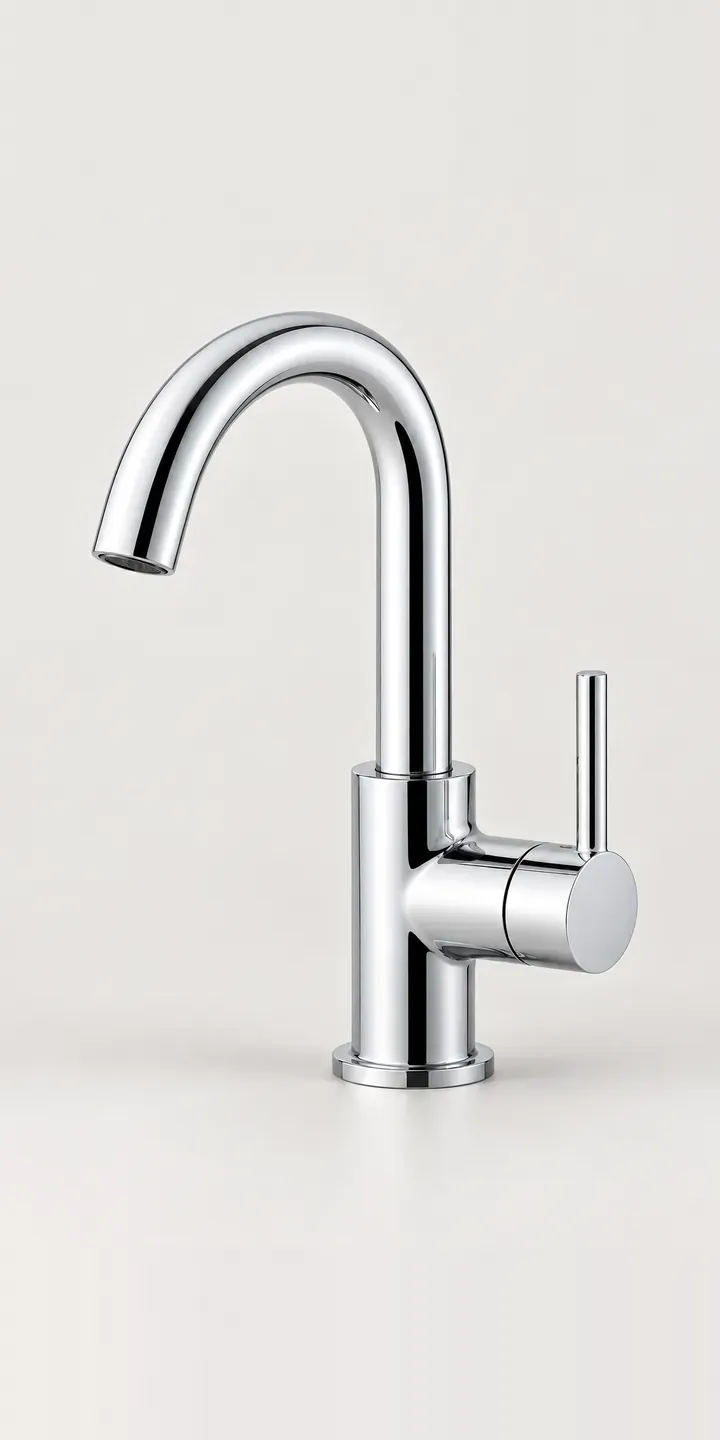
Lever Basin Tap
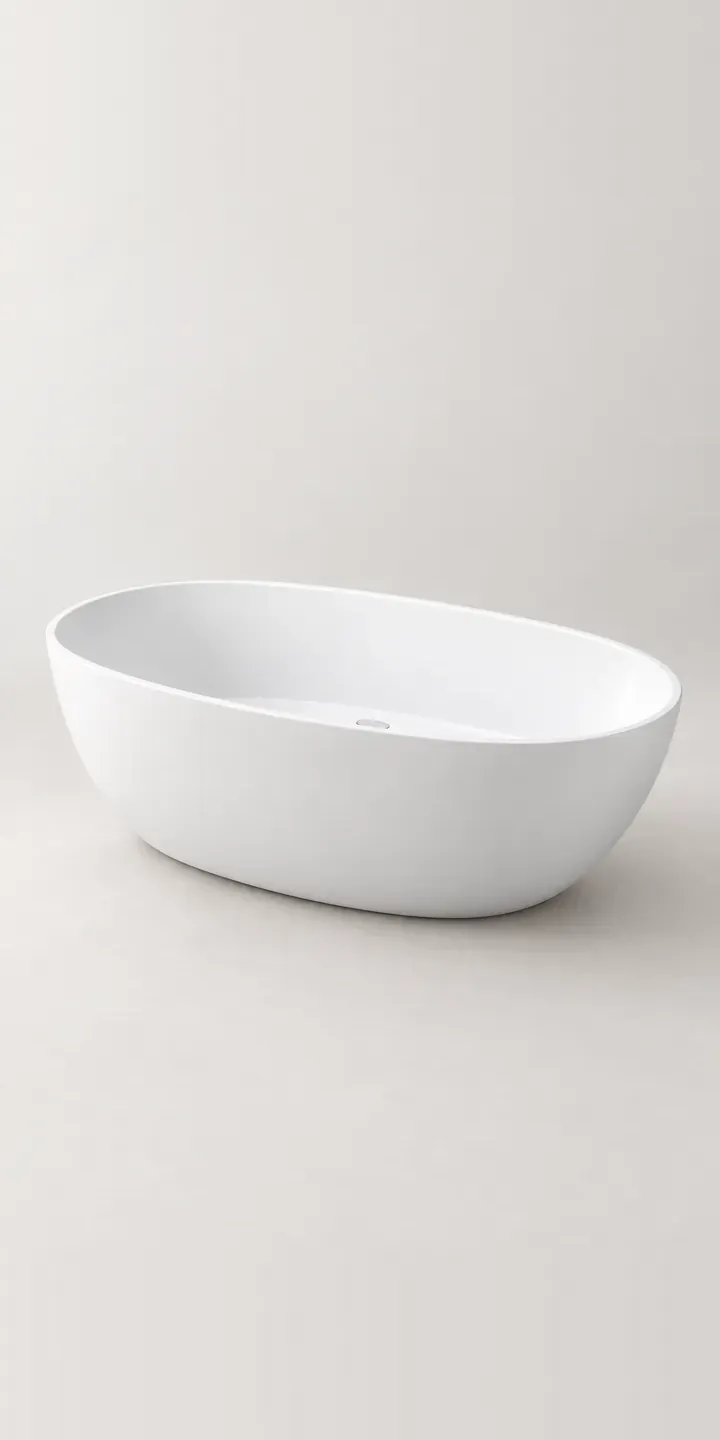
Mineral Cast Bath
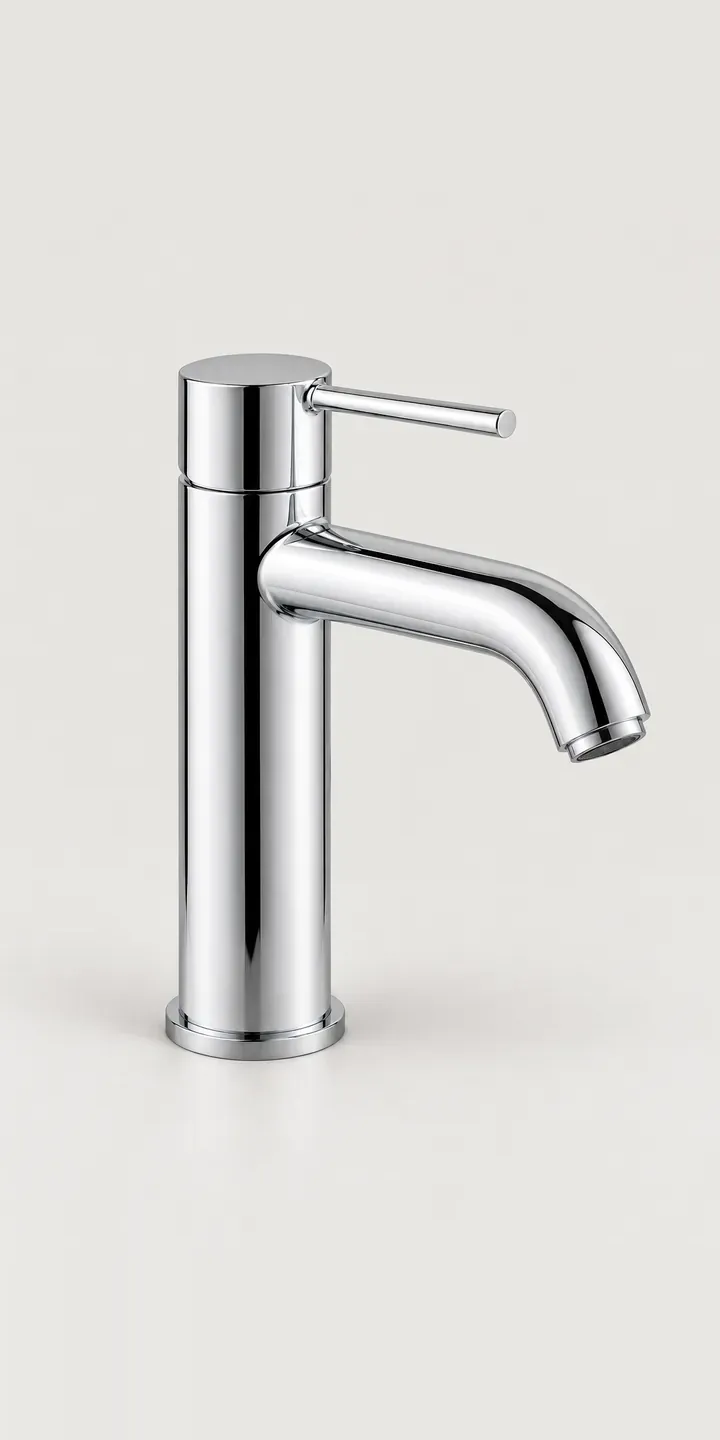
Minimal Basin Mixer
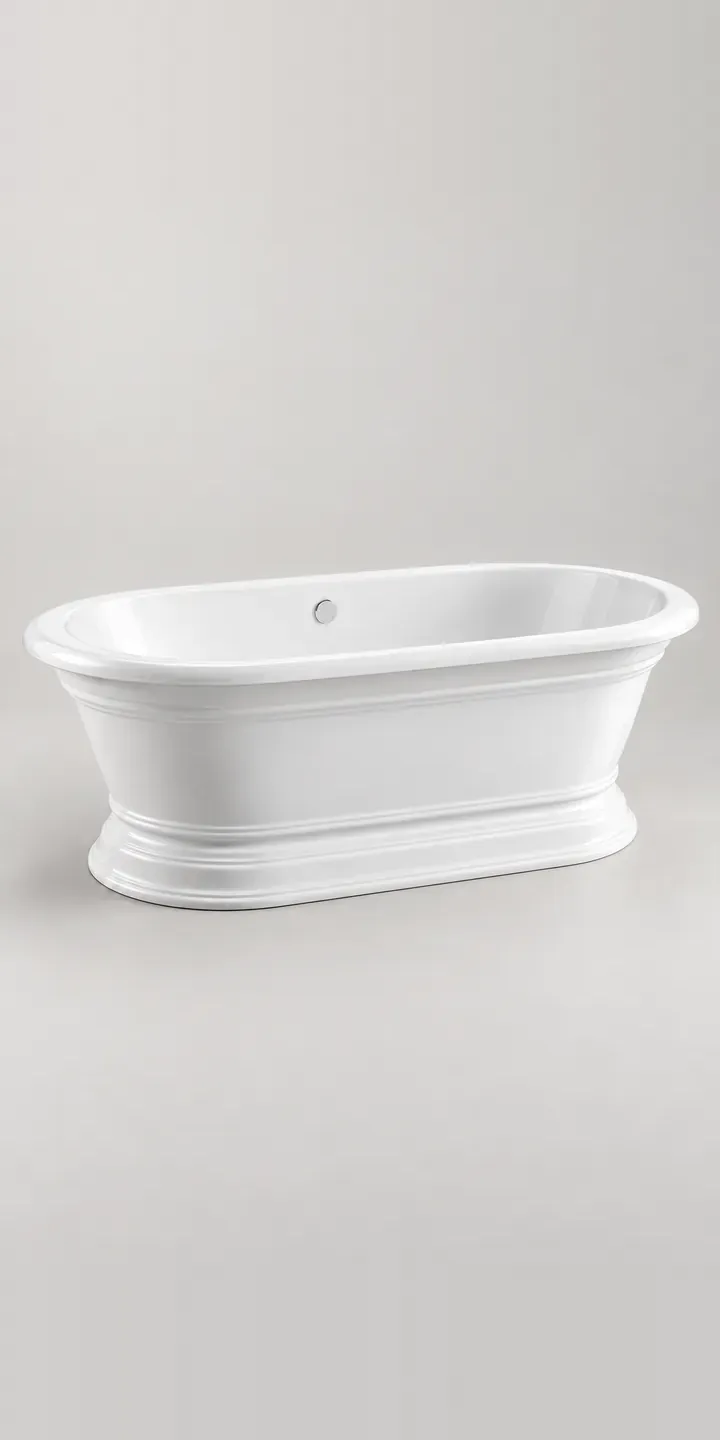
Moulded Oval Bath
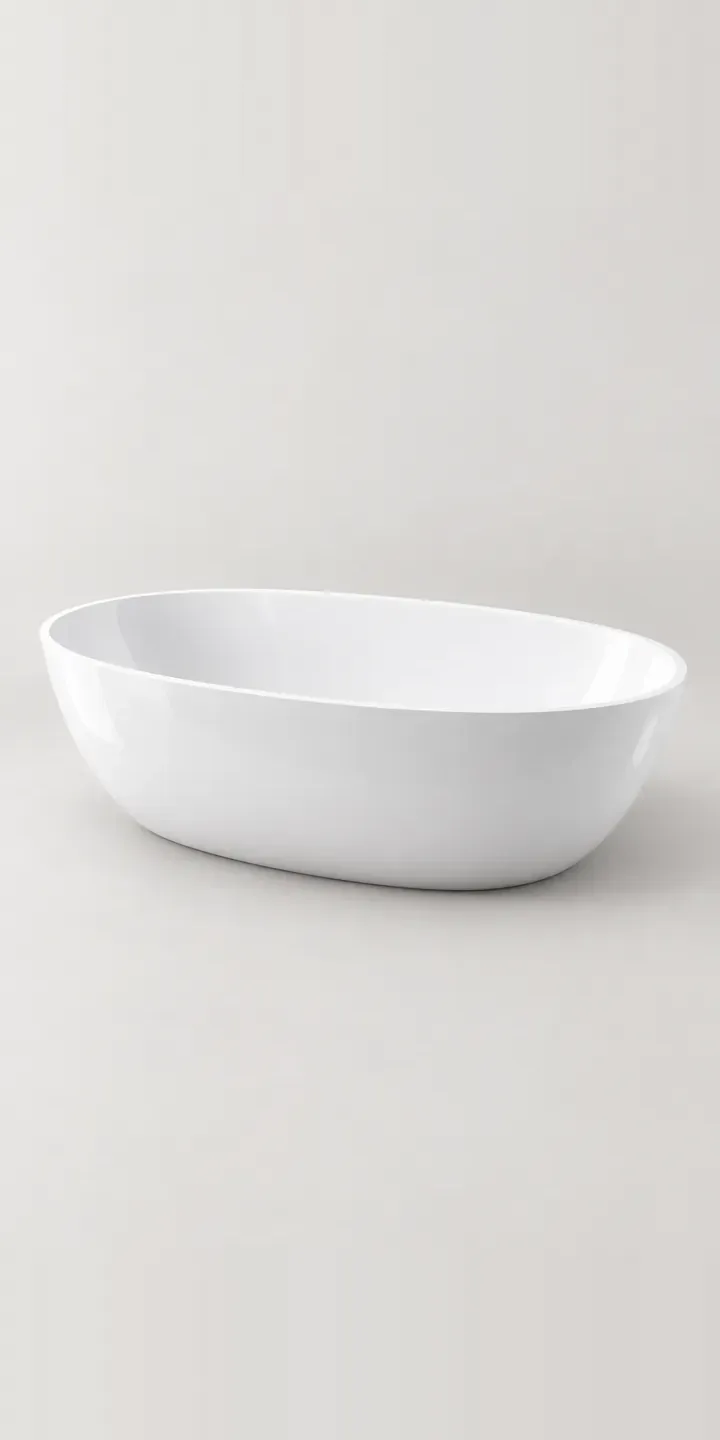
Oval Soaking Bath
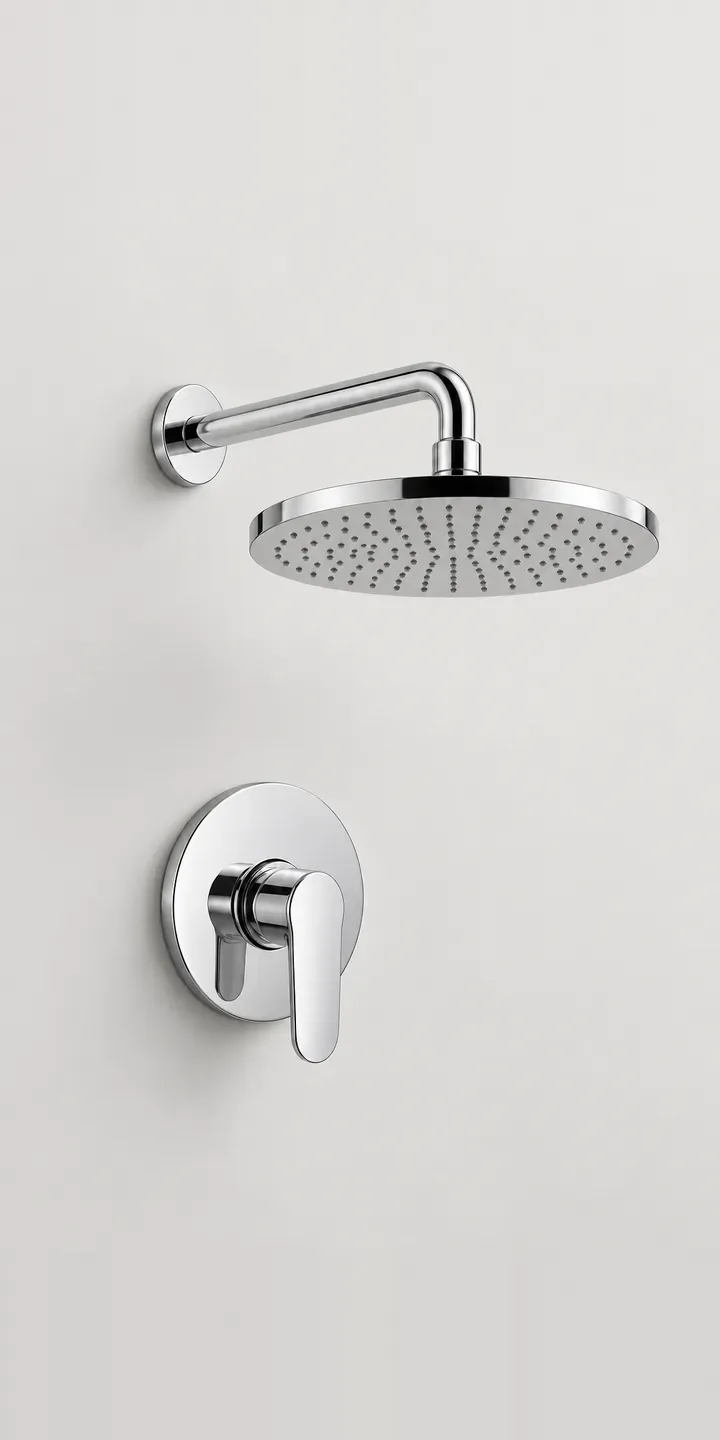
Overhead Spray Set
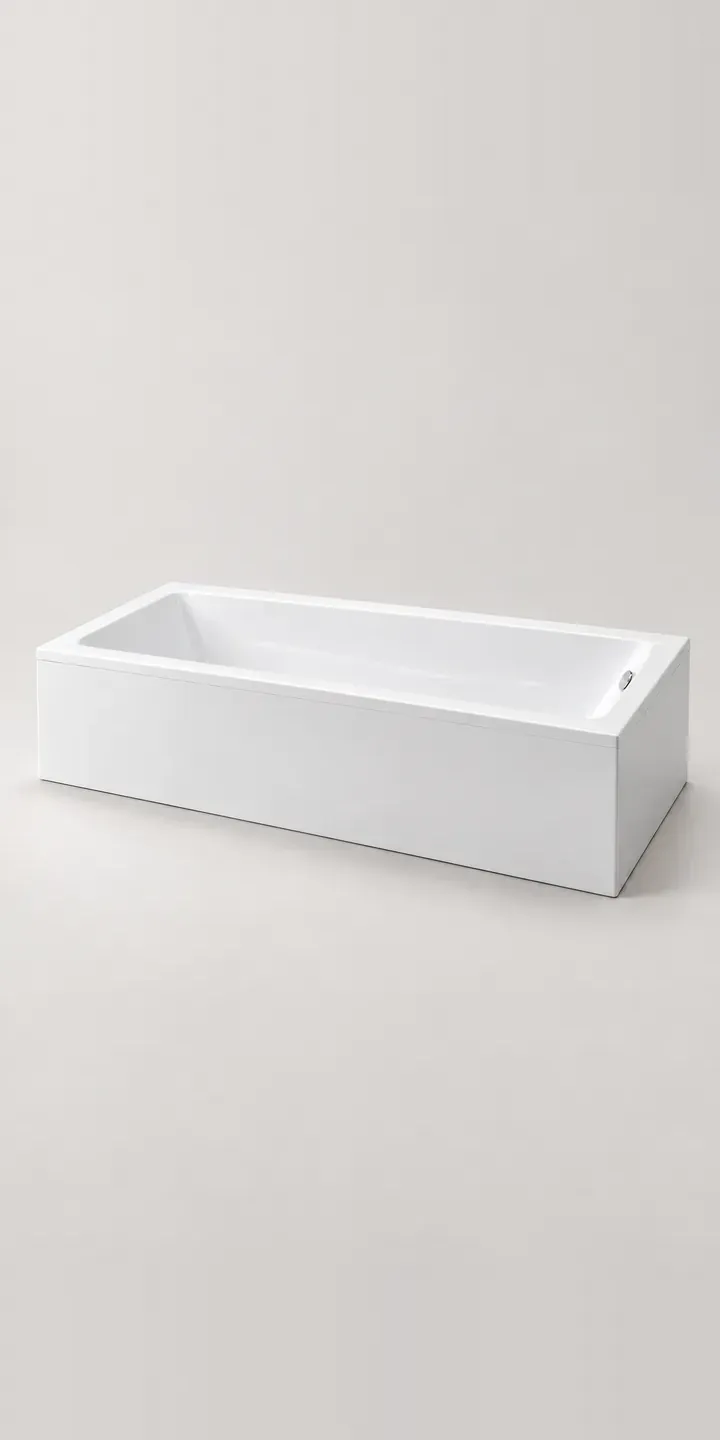
Panelled Bath
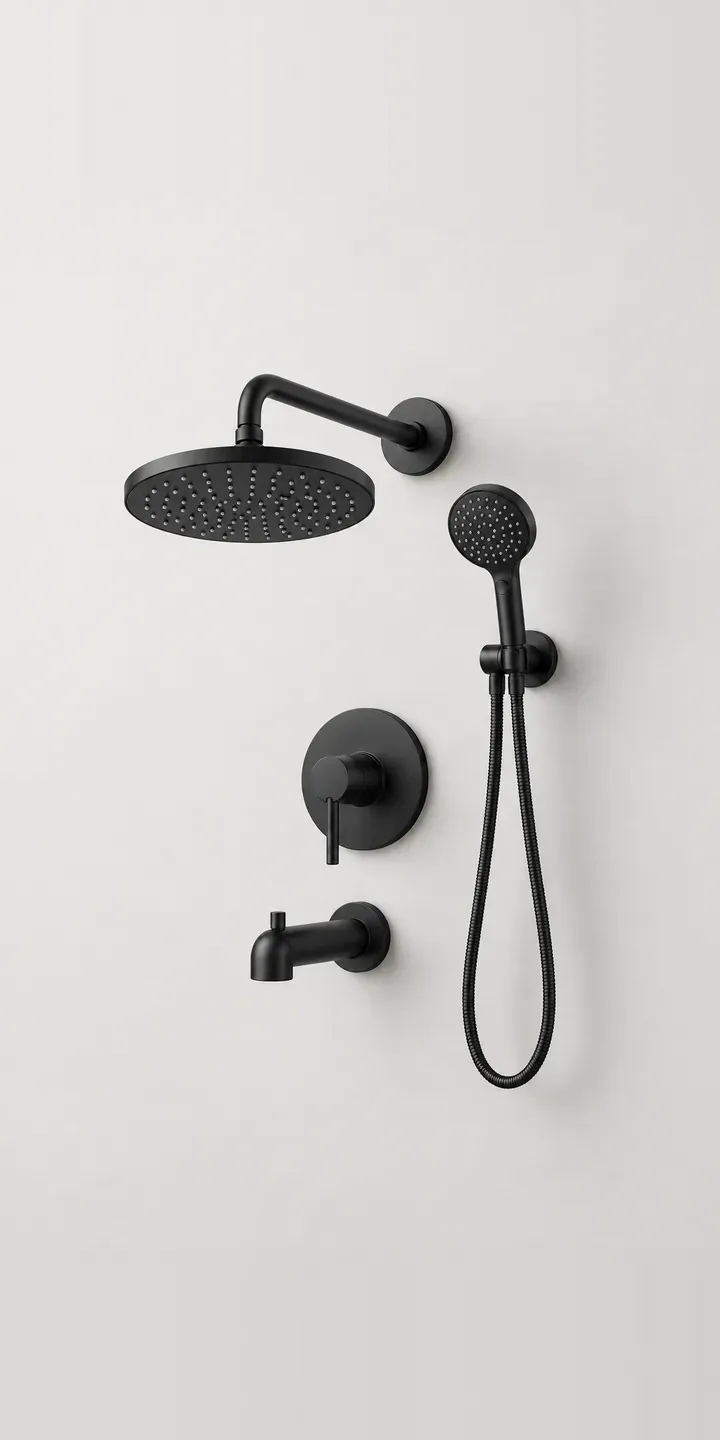
Rain Head Set
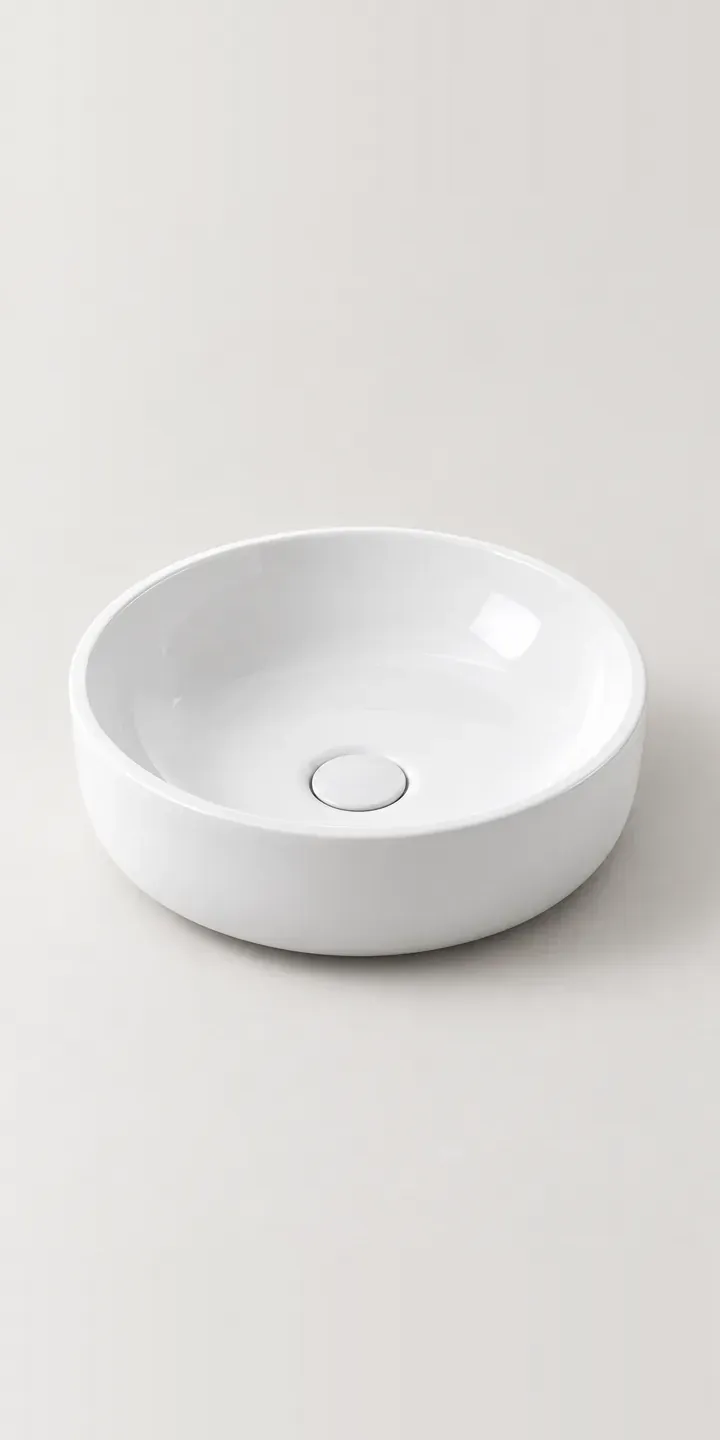
Round Bowl Basin
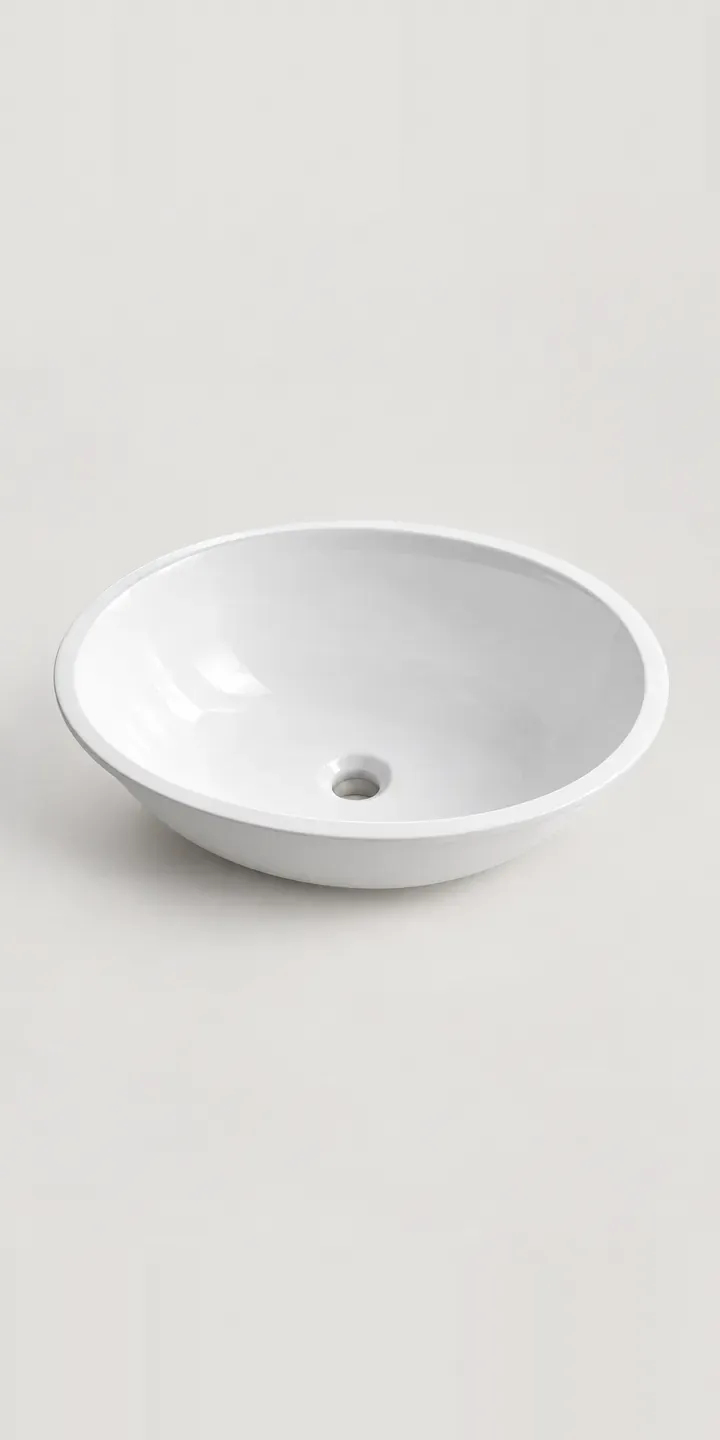
Rounded Inset Basin
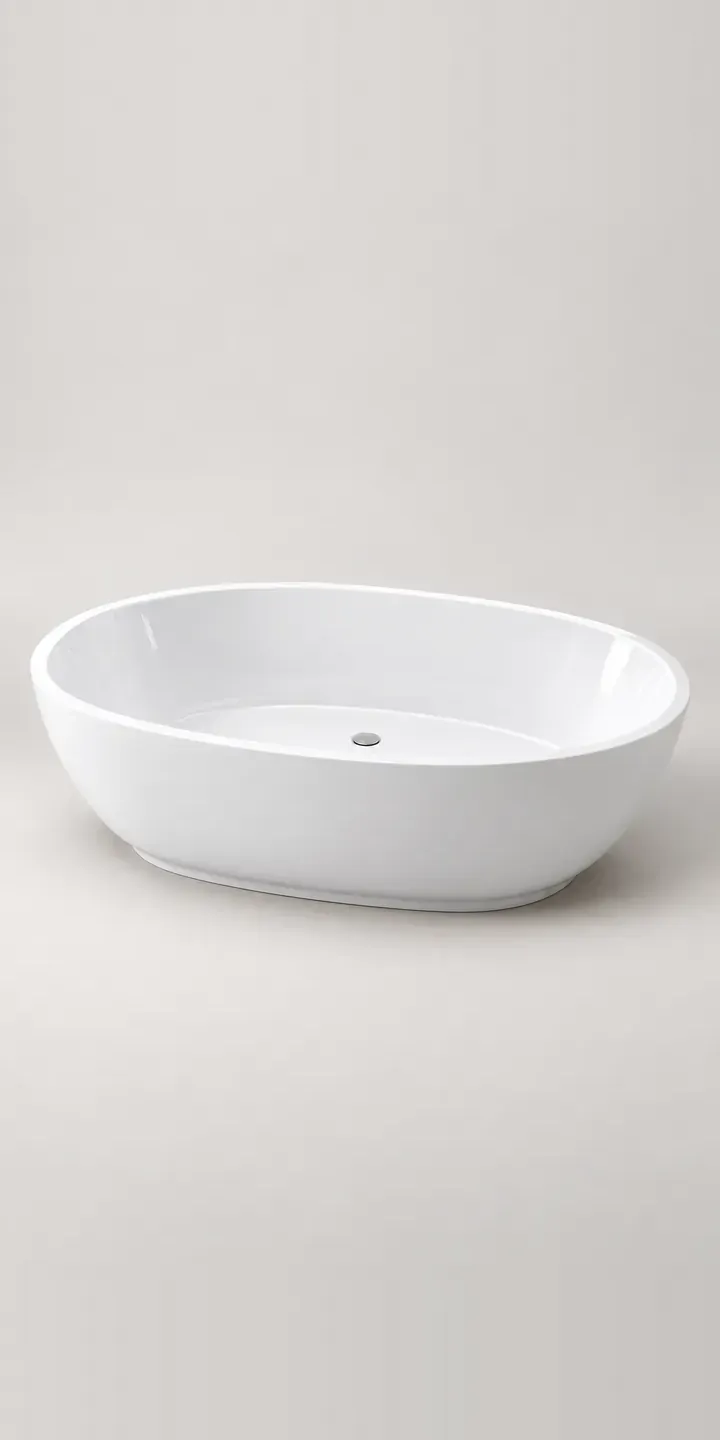
Rounded Soaking Tub
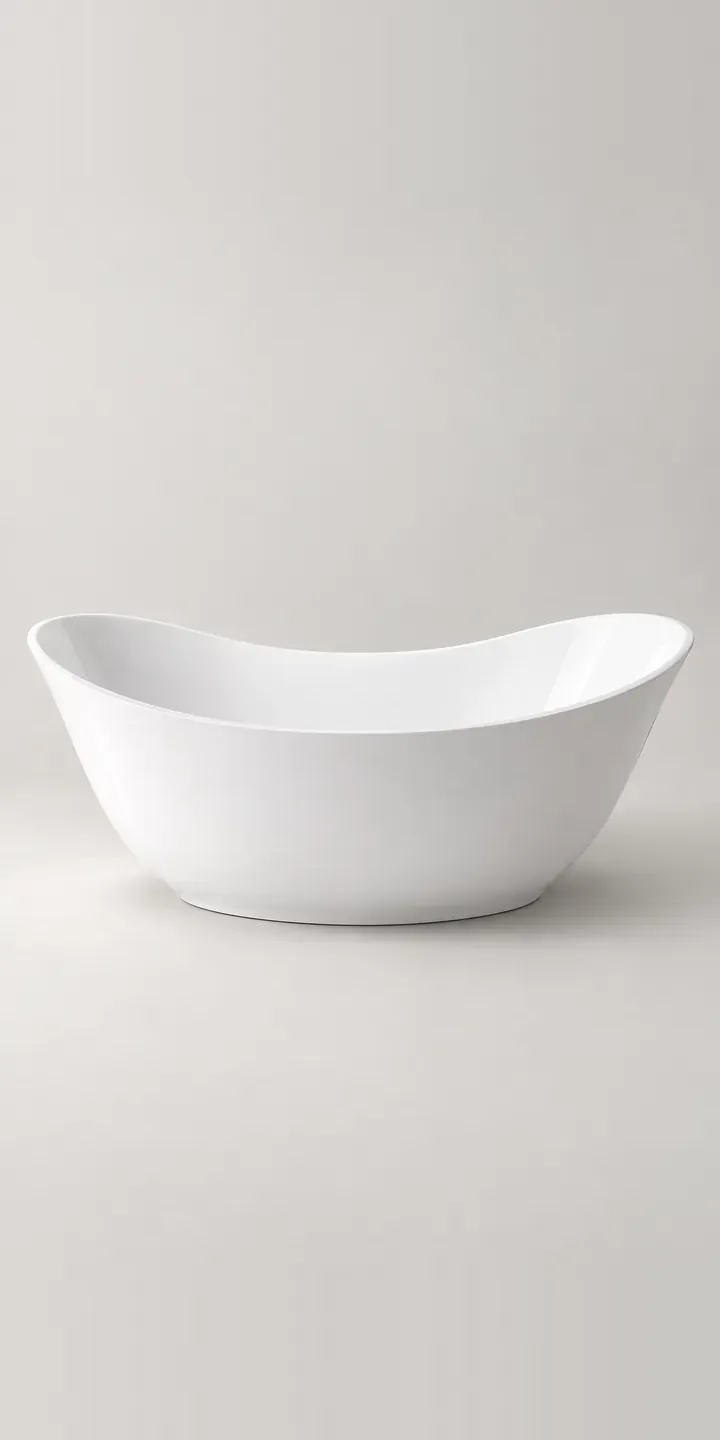
Sculpted Bath
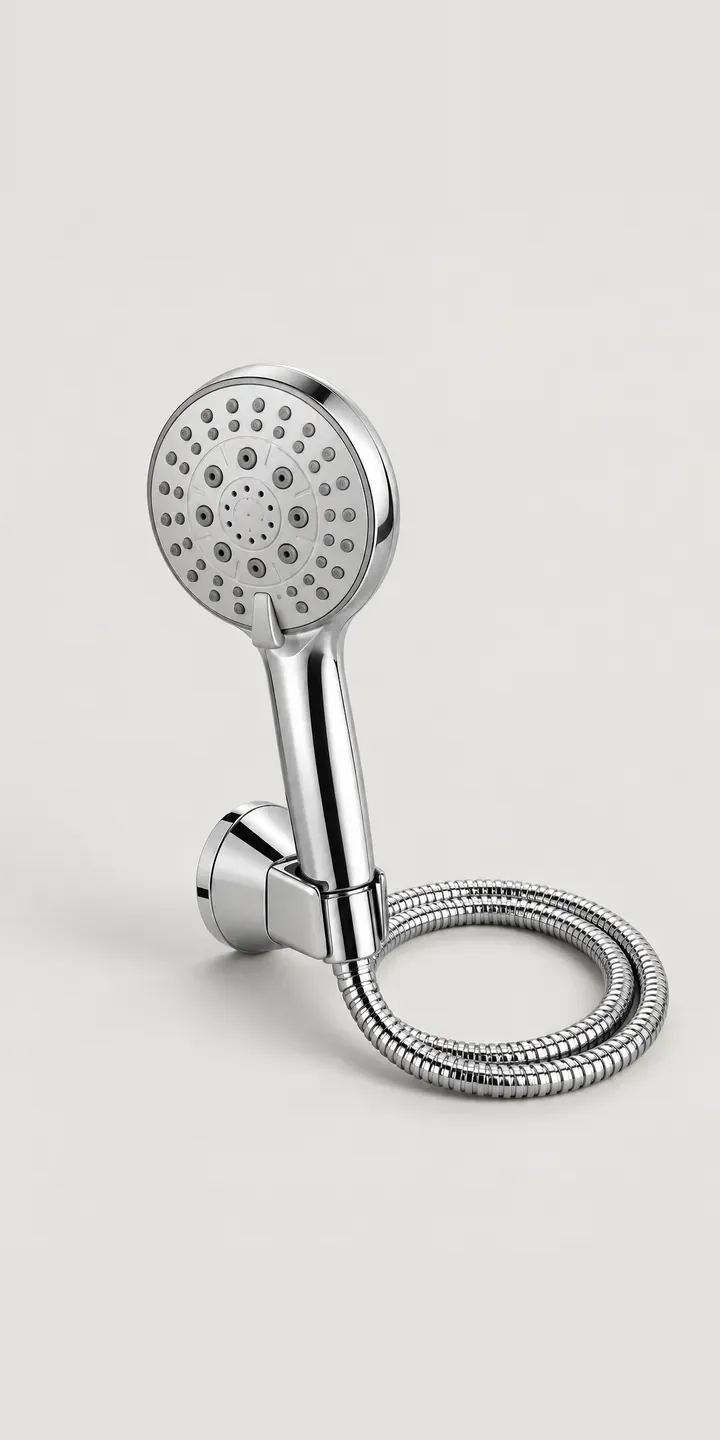
Six-Mode Hand Spray
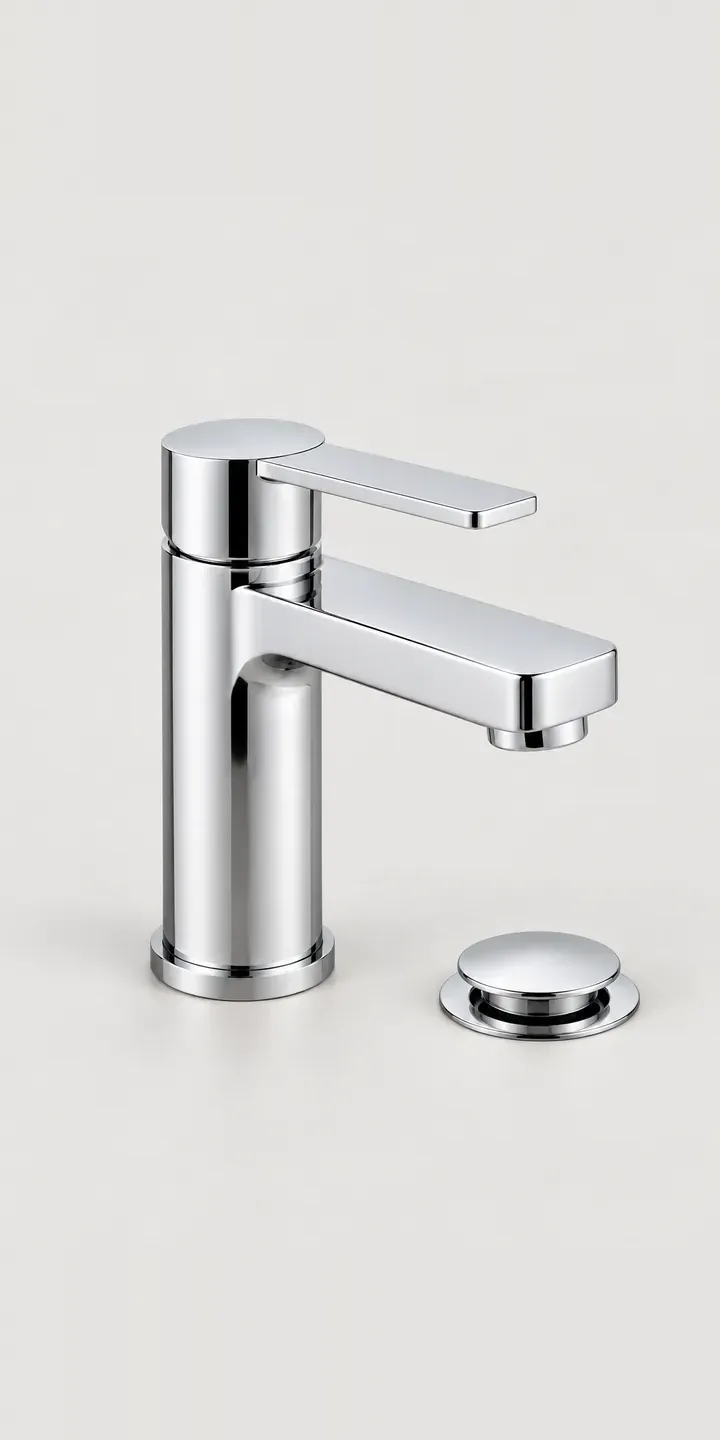
Slim Basin Tap
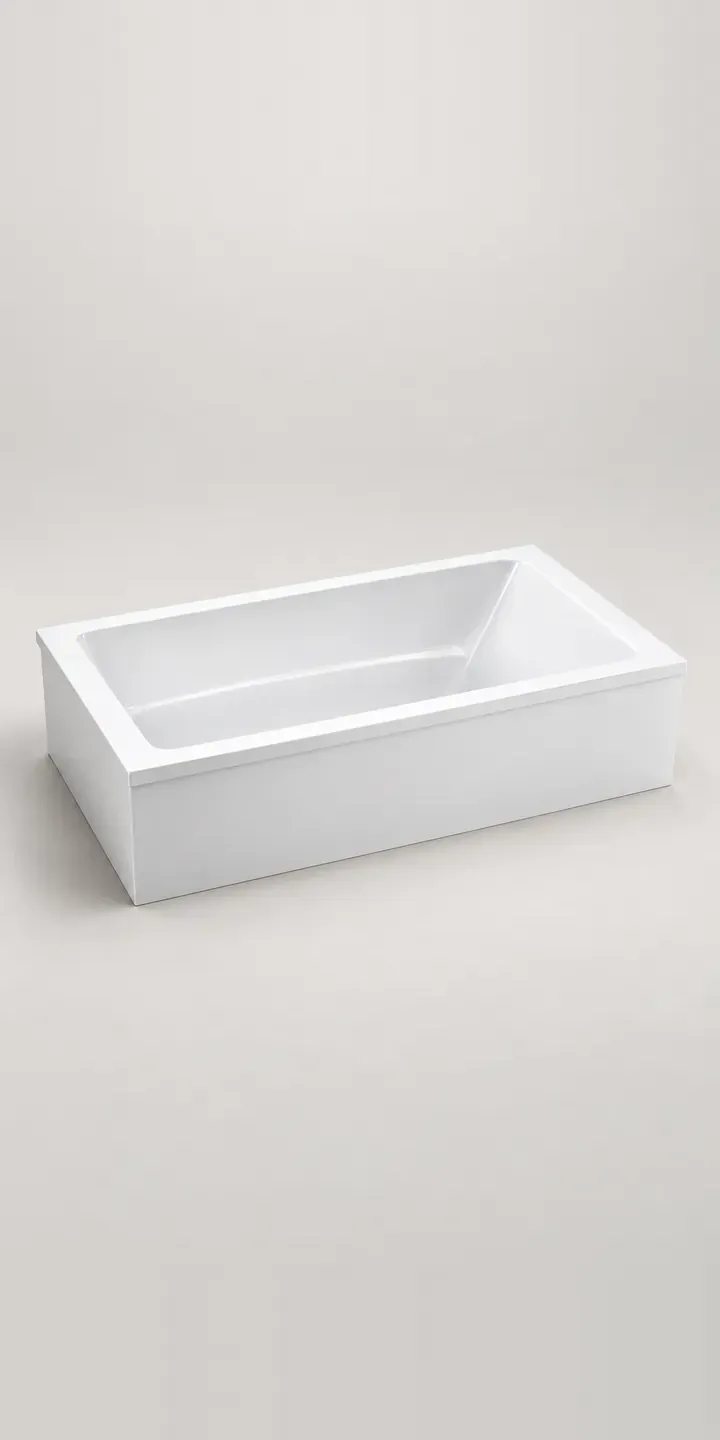
Sloped-Back Bath
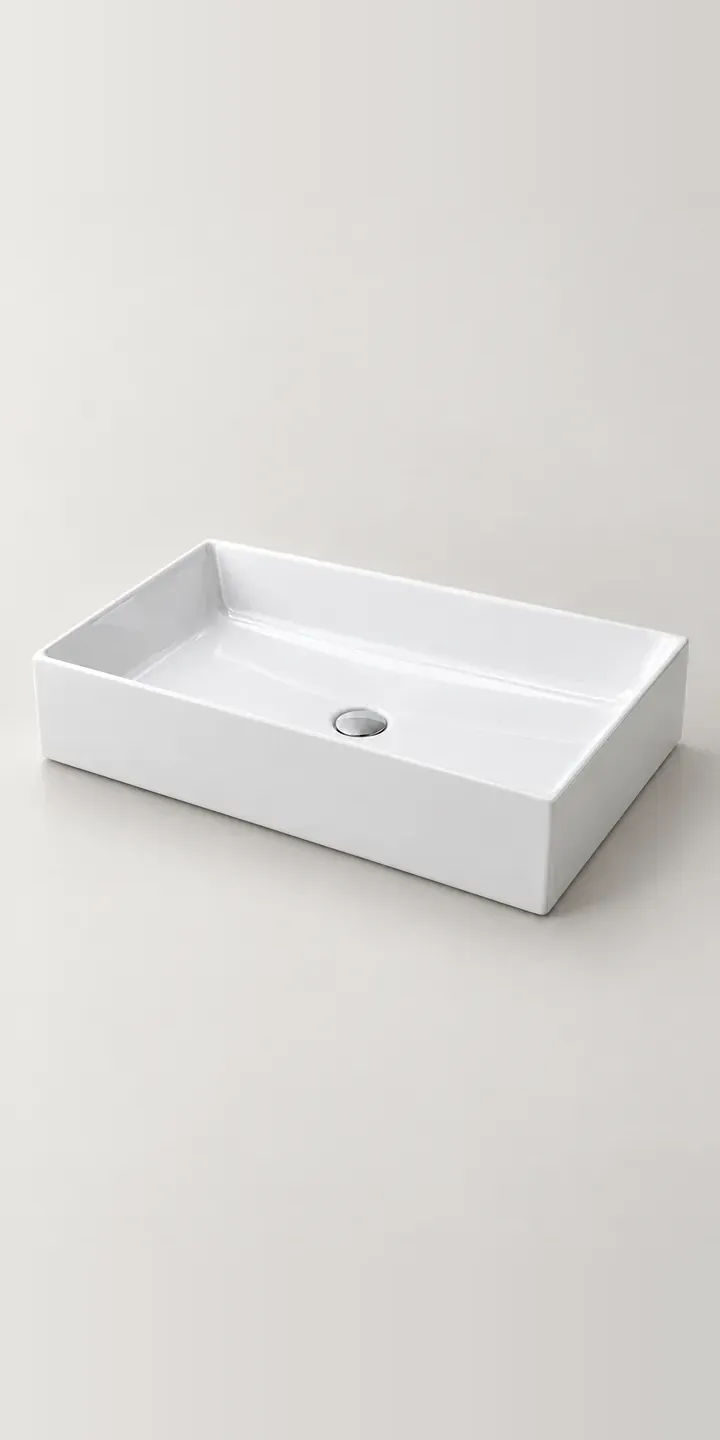
Small Vanity Basin
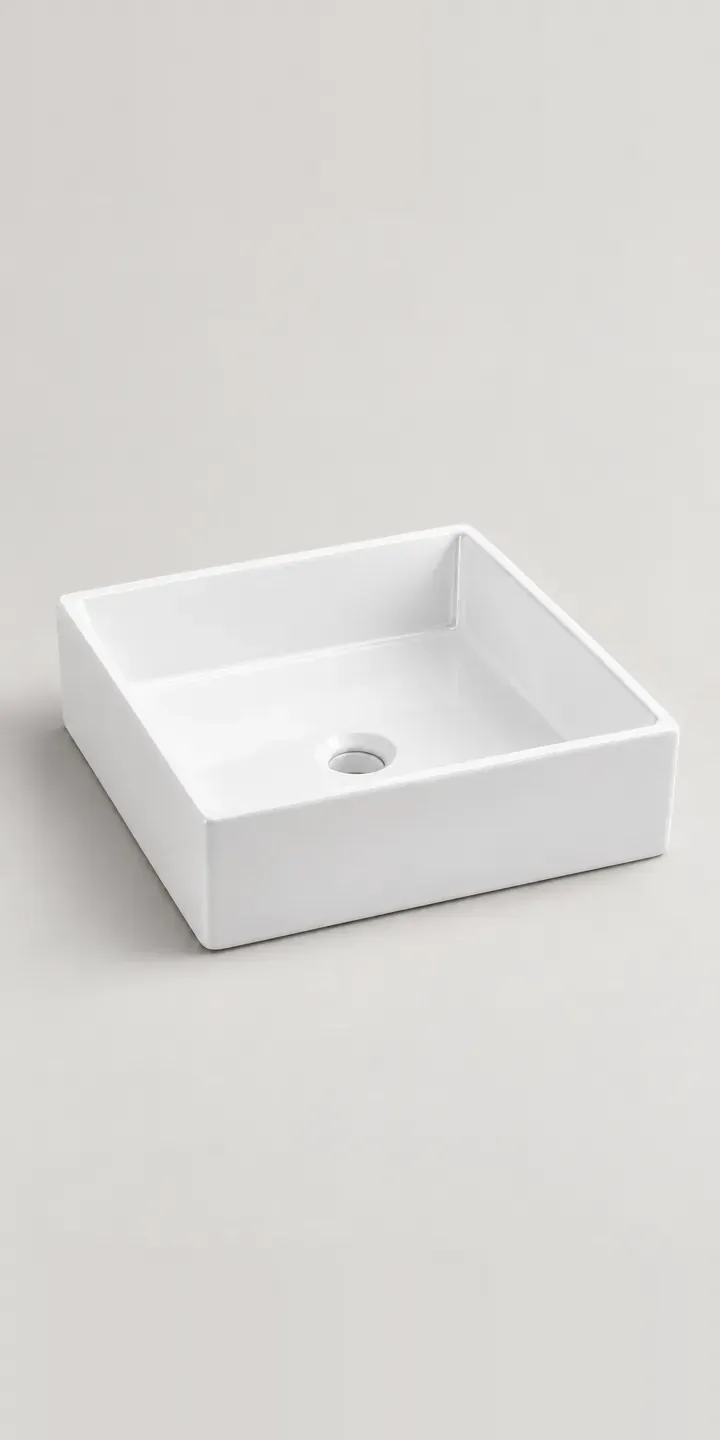
Square Block Basin
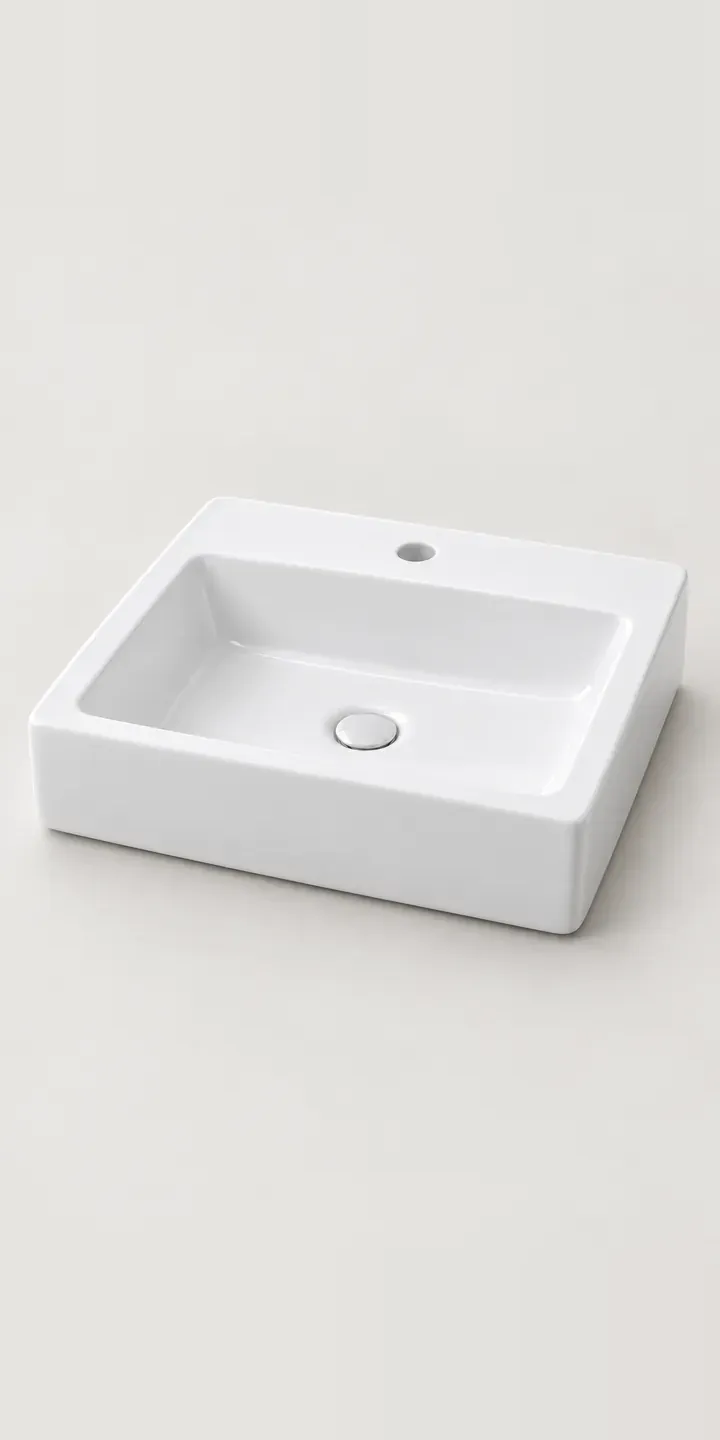
Square Shelf Basin
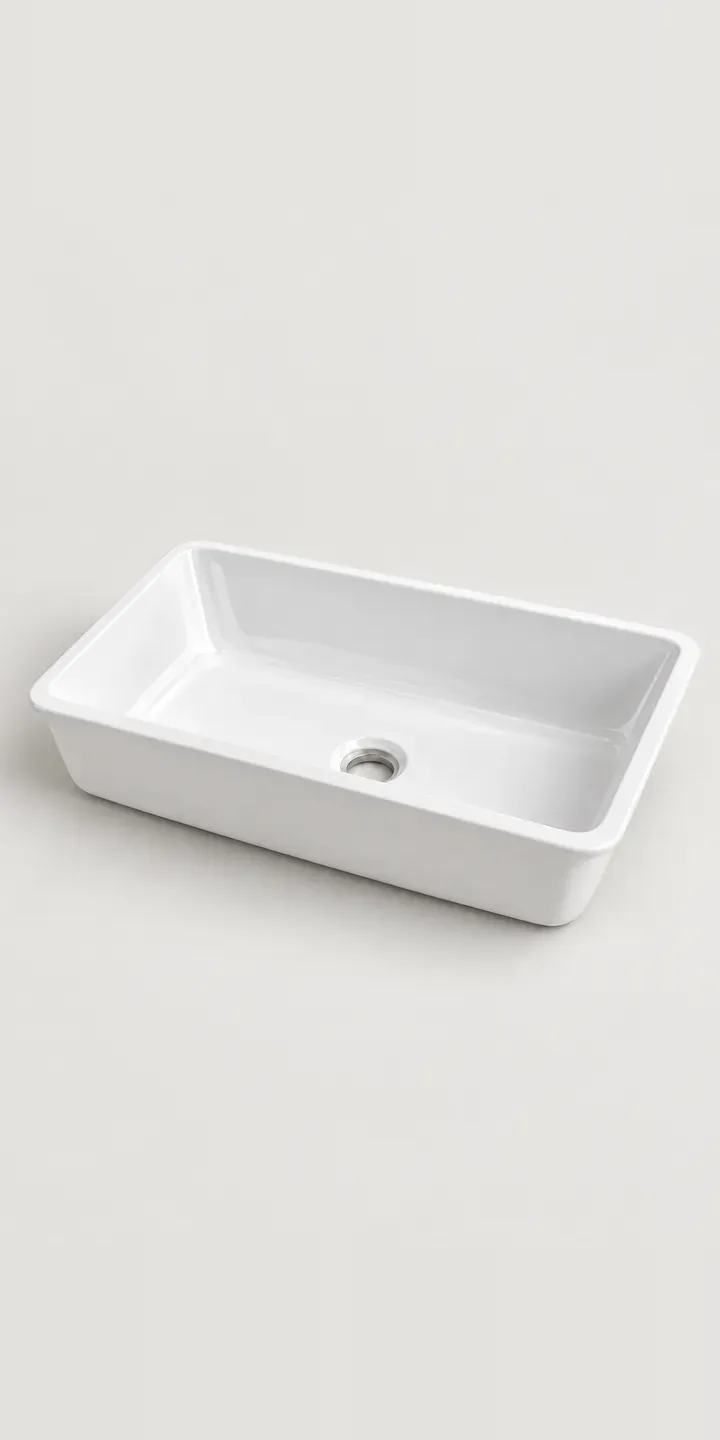
Squared Inset Basin
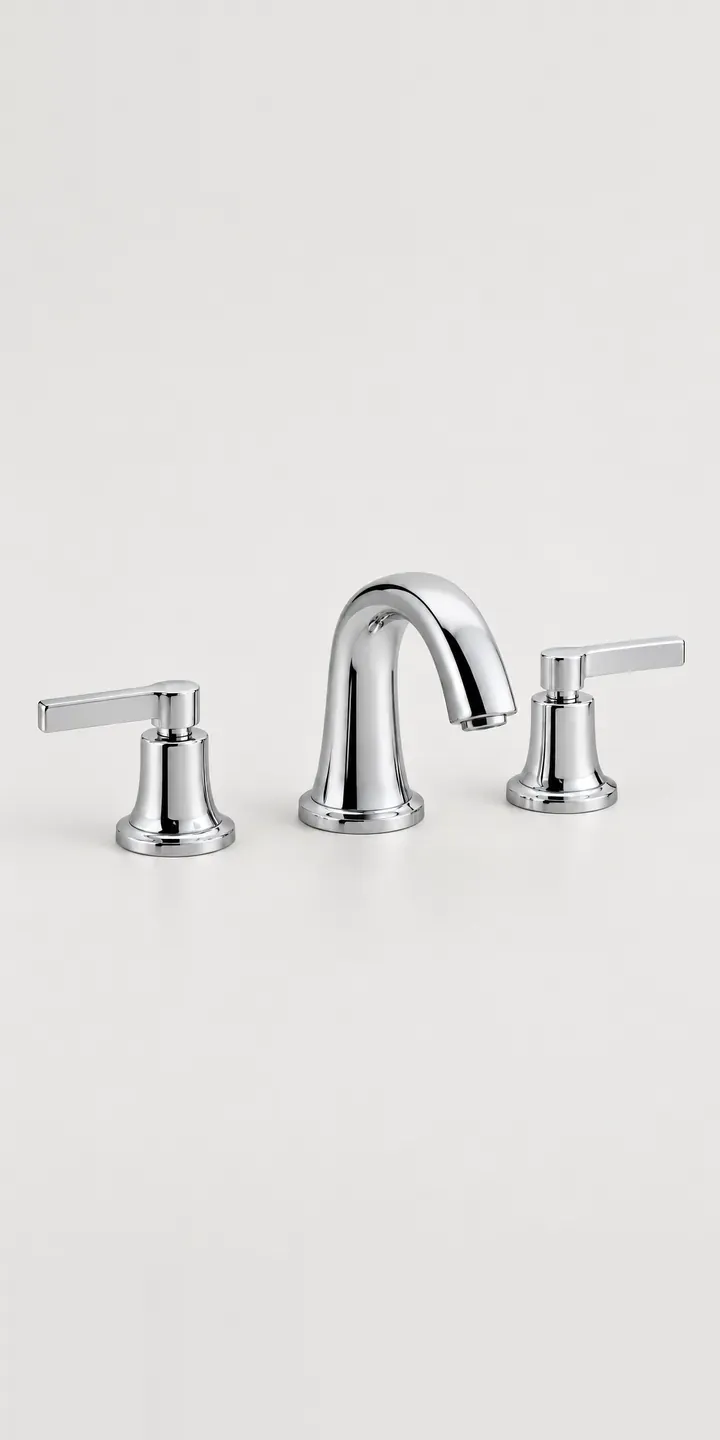
Three-Hole Basin Set
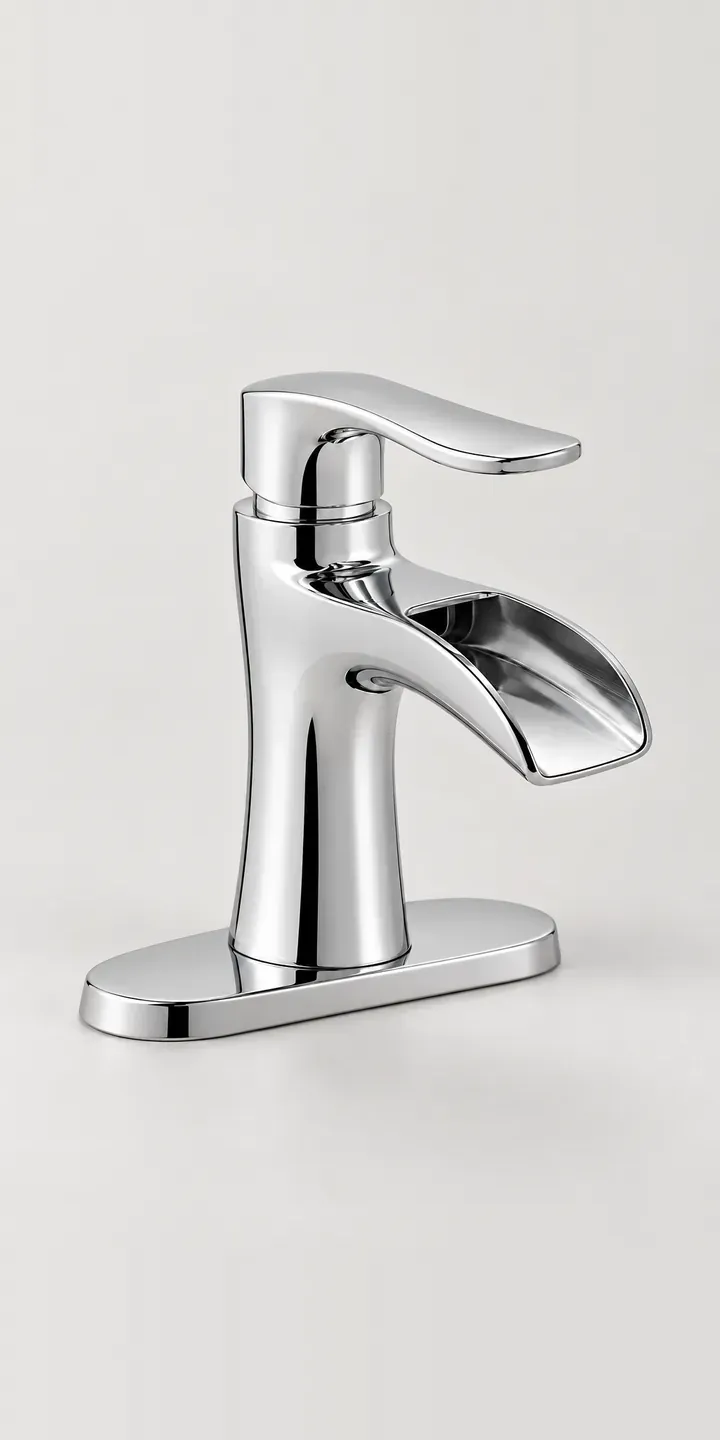
Waterfall Basin Tap
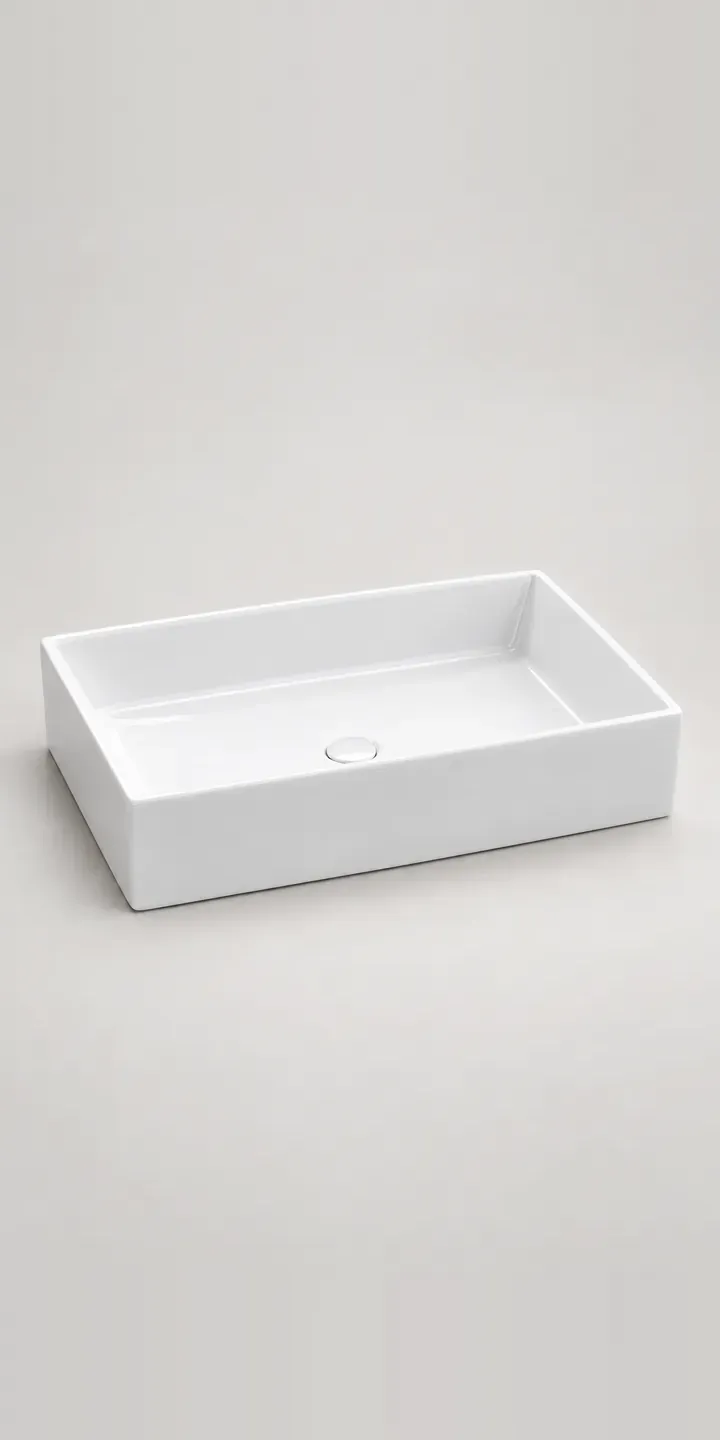
Wide Block Basin
Questions about bathroom configurators
Can a configurator keep tap and shower finishes matched across the bathroom?
Yes. Once a finish is picked, every compatible tap, shower set and waste is shown in it. Items not made in it are flagged rather than silently swapped. This relies on finish codes being consistent across your catalogue, which is often the first clean-up job before building.
Can it stop a customer pairing a basin with the wrong tap?
It can, if the data says how many tap holes each basin has and how each tap mounts. A one-hole basin then only shows monobloc mixers, and a basin with no hole points the buyer towards wall-mounted taps. Low-pressure warnings for certain showers and mixers can be handled the same way.
Can a fitter or showroom use the configured spec?
That is often the most useful outcome. The buyer saves the bathroom as a list of product codes and finishes, then shares it with an installer or sends it as a quote request. The showroom sees exactly what was chosen and can check sizes and plumbing before ordering, which avoids a wrong-finish delivery later.
Planning a bathroom configurator?
Tell me about your range, how products are photographed today and where orders need to go. I will suggest the smallest useful first step, whether that is one image-based product or a full 3D catalogue.