Each glaze on this illustrative deep bowl basin is speckled, and the bowl itself has no overflow. The configurator lets you choose a glaze and a tap-hole option.
Speckled and reactive glazes are bought for their character, and character means variation. No two basins will match the photograph exactly. Buyers of this kind of piece usually accept that, and some actively want it, but they need to understand it before ordering. The other decision is practical: a basin without an overflow needs the right waste and a little care in use.

Bathroom Configurator demo
Deep Bowl Basin
- Product
- Deep Bowl Basin
- Colour
- Ash Grey
- Tap Hole
- None
Illustrative product. The design and images are generated examples, not a real model for sale.
What you can configure
Ash grey leads the four glazes on show, followed by gloss white, charcoal and sand, from six in all, with no tap hole or one. Ash grey shows the speckle most clearly. The hole option goes into your summary without altering the photograph. On a deep bowl, the waste and the tap's reach deserve more thought than on a shallow basin.
- Colour: Ash Grey, Gloss White, Charcoal, Sand
- Tap Hole: None, 1 hole
Why a configurator suits basins
For studio and small-batch ceramic makers, the product page has two jobs. It must show what a glaze generally looks like, and make clear that the delivered piece will differ. A configurator can show several real examples of each glaze, so the buyer sees the spread of variation rather than one idealised shot.
That honesty matters commercially. Returns on handmade basins are costly, because each piece is fragile and often made to order. When buyers see the range of speckle and tone in advance, fewer feel misled when the basin arrives. The configurator can also confirm the piece is made to order and give a lead time per glaze.
No overflow is the other practical point. It needs an unslotted waste, and many buyers do not know the difference. Six glazes and two hole options give twelve basins, and each order should include the right waste in the right finish. A maker selling direct cannot afford to answer the same plumbing question by email for every sale.
How a production version would be built
For a handmade range I would photograph several finished pieces per glaze. Renders tend to make reactive glazes look too uniform. The configurator shows a main image and a strip of real examples. From the maker I would need glaze names, SKUs, lead times per glaze and the compatible waste for a basin without an overflow. Orders can take a deposit through WooCommerce or go to a quote. The MMU Knowledge Transfer Partnership I worked on produced an image-based configurator, released in 2019.
Build sheet for this range
- Colours in the full range: 6 (4 shown in this demo)
- Tap Hole choices: 2
- Combinations to support: 6 × 2 = 12
- Images for one photograph per combination at 3 angles: 36
- Images if tap holes can be shown as separate layers, at 3 angles: 24
- Data each of the 12 combinations needs: a SKU or variant ID, price, stock or lead time, and any dimensions or specification that change
Questions about basin configurators
How do you show a glaze that varies from piece to piece?
With several real photographs per glaze, not one. A main image shows a typical piece, and a strip of three or four examples shows the range of speckle and tone. A short line confirms that each basin is unique. Buyers then judge the glaze by its range, which is how they will receive it.
Will the right waste be added for a basin with no overflow?
It will. Because this basin has no overflow, the configurator adds an unslotted waste by default, in the finish the customer chooses, with a note explaining why. If the range includes basins with overflows, the same rule picks a slotted waste for those, so the logic is built once and reused.
Should a handmade basin be rendered or photographed?
Photographed, in most cases. Renders are excellent for consistent factory glazes, but reactive and speckled glazes look flat and uniform when rendered. Real photographs of finished pieces carry the depth and irregularity buyers are paying for. Rendering can still help in room sets where the basin is small in frame.
Can customers reserve a specific piece rather than a glaze?
They can, if you photograph finished stock individually. Each piece becomes its own item with its own images, and once it sells it disappears from the configurator. Many studios run both: one-off pieces for immediate sale, and a made-to-order option for each glaze with a stated lead time.
More bathroom configurator demos
Dual-Head Rail Set

Flowing Oval Bath
Lever Basin Tap
Mineral Cast Bath
Minimal Basin Mixer
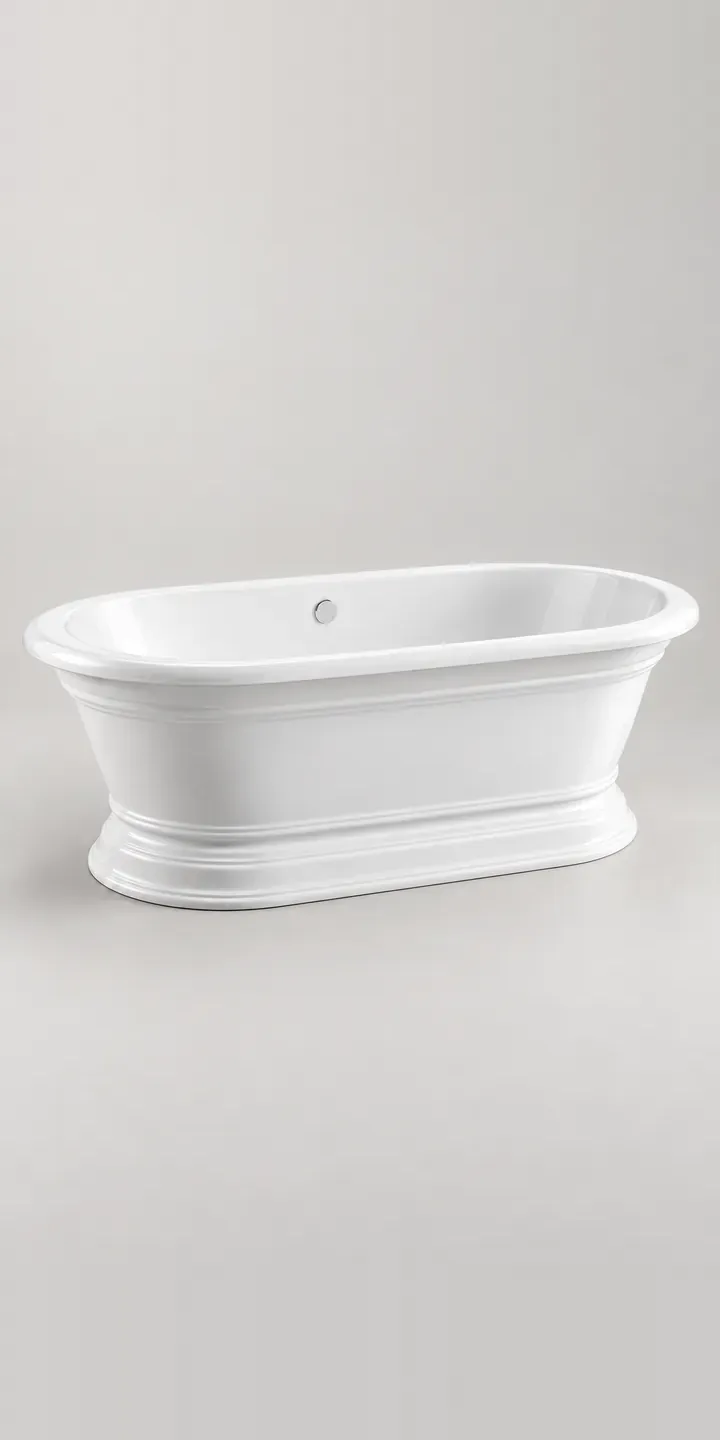
Moulded Oval Bath
All bathroom product configurator demos
A configurator for your basins
This demo uses an illustrative product. If you sell basins, I can build the same experience around your own range, photography and ordering process, connected to Shopify, WooCommerce or a quote workflow. I reply to enquiries within two UK working days.