A watch is chosen on the parts its owner sees every day. Dial colour and finish come first, whether sunray, matte, textured or skeletonised. Then the strap or bracelet: steel, rubber, leather, fabric, or a quick-release system that lets the owner swap later. Case size, lug width, bezel insert and crystal shape decide how it sits on the wrist, and divers add depth rating and lume colour to the list.
Combinations are where watch retail runs out of photographs. Four dials across three straps already means a dozen versions to shoot, and most retailers manage two or three. Buyers then email to ask how the green dial looks on rubber, or wait until they can see it in a shop. Microbrands taking pre-orders face the same gap, with no way to show buyers the exact watch they are reserving months ahead of delivery.
Reference codes are the backbone of a watch build, alongside dial and strap options, case sizes and the combinations the brand does not offer. Layered imagery suits watches well: the head shot once per dial, the strap as a separate layer. Limited editions and allocations need rules tied to stock. The build might end in a basket, a pre-order or an authorised dealer, and it should map cleanly to Shopify variants if you sell direct. The example watches below run from divers to a digital model.
Watches demos to try
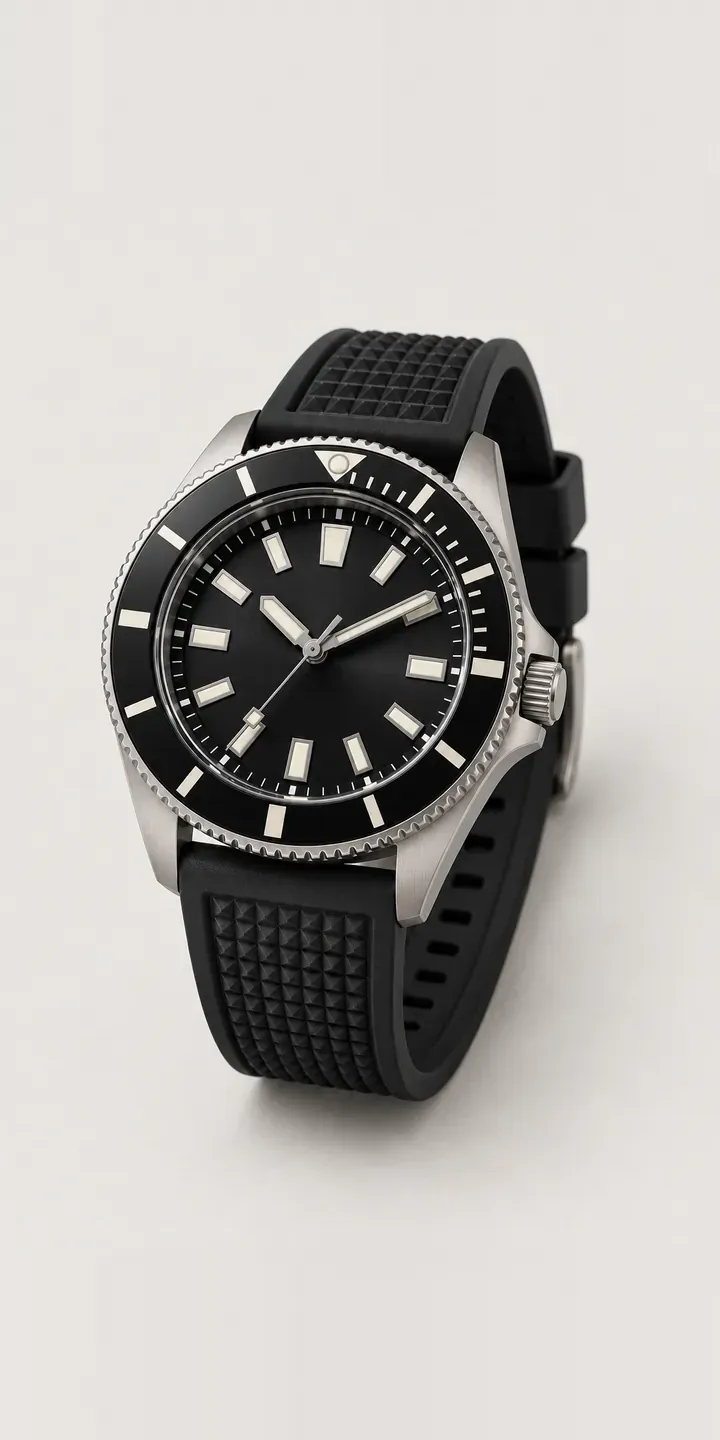
Automatic Diver
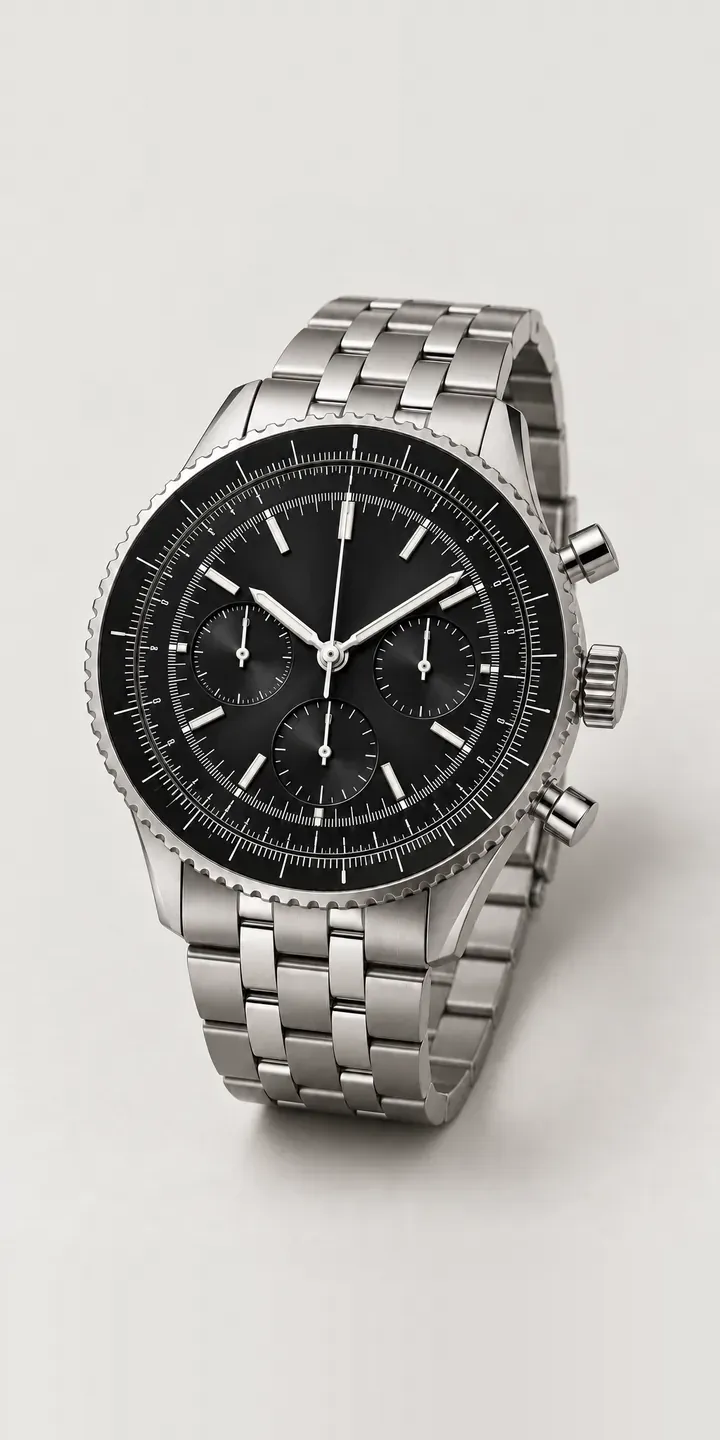
Aviator Chronograph
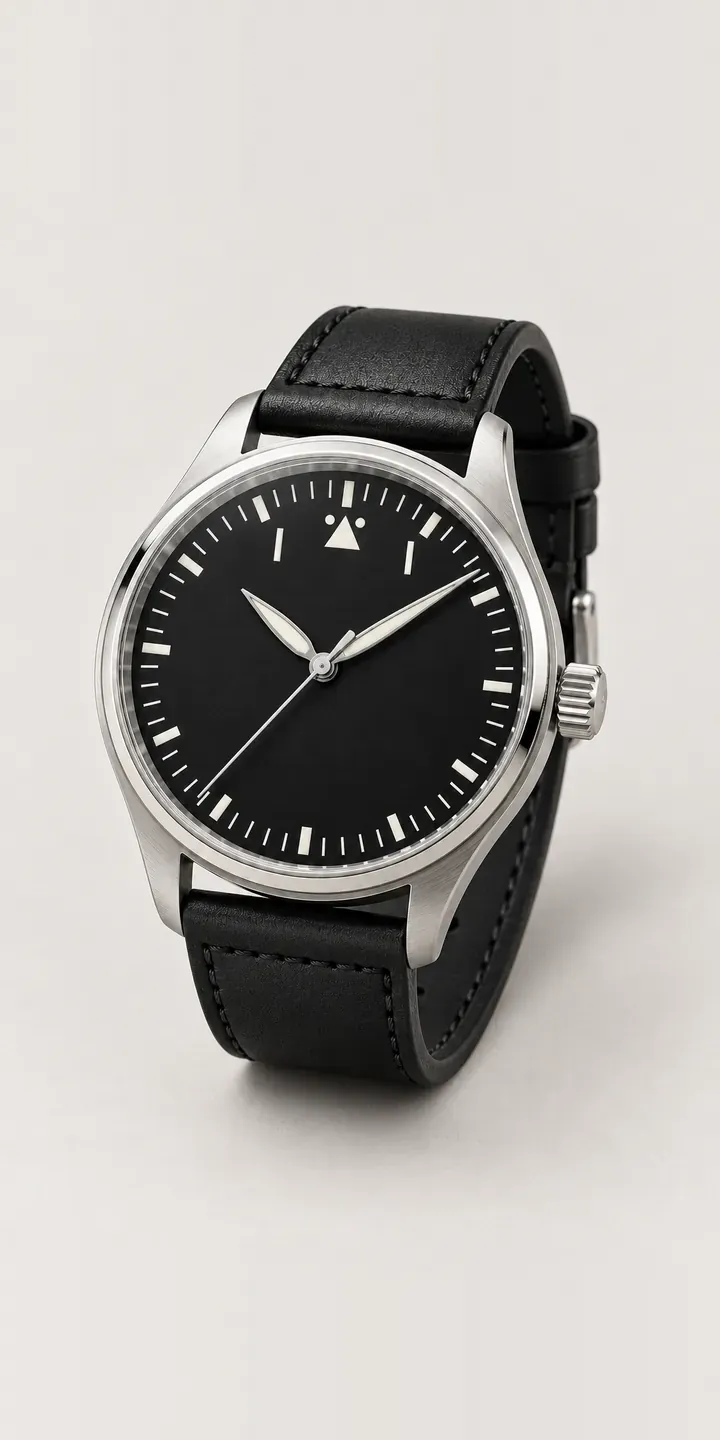
Aviator Watch
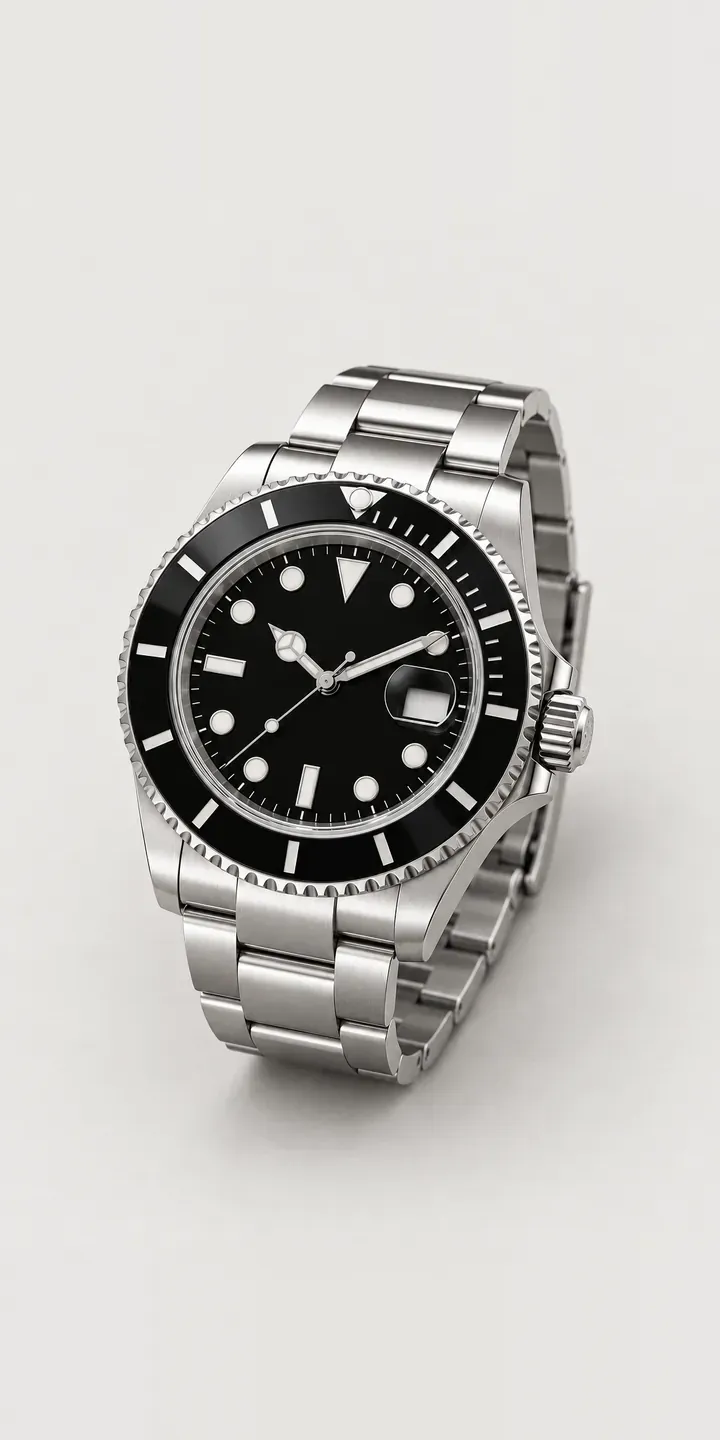
Ceramic Diver
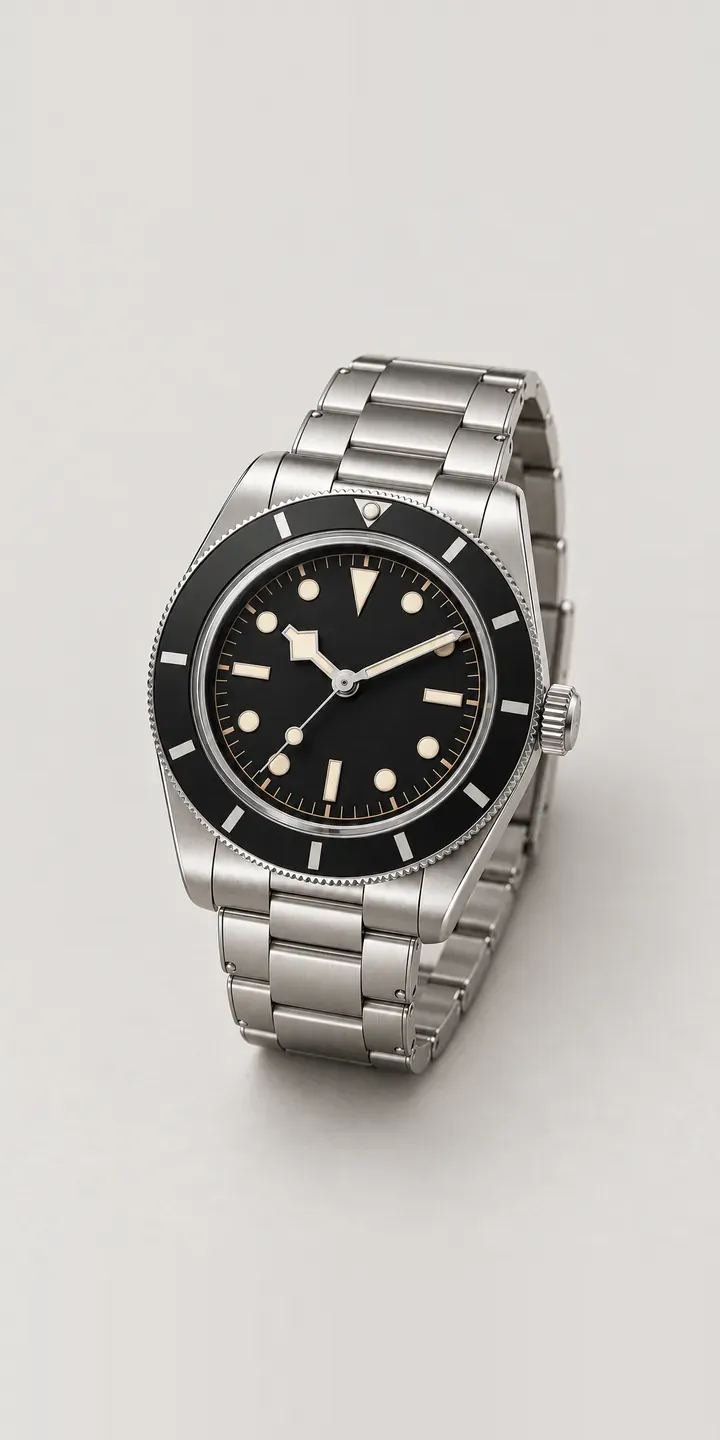
Compact Diver
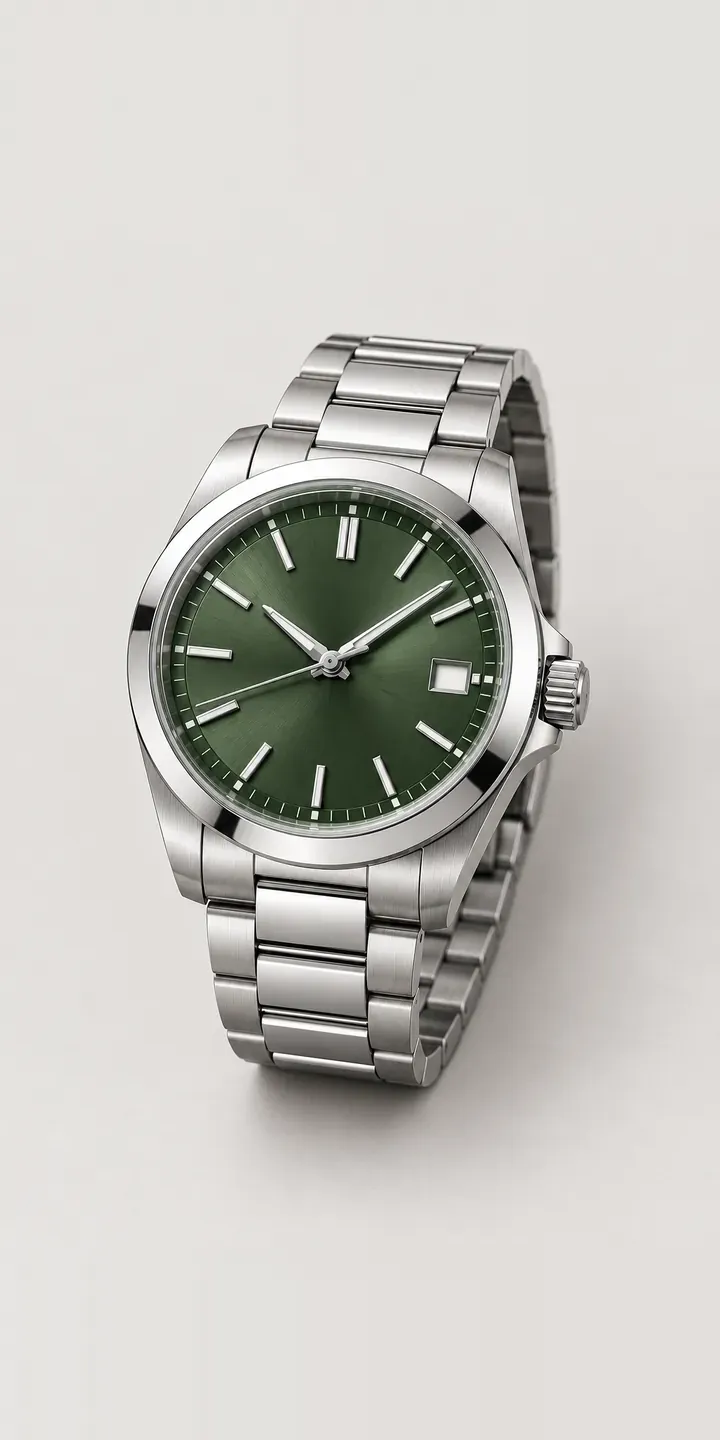
Everyday Automatic
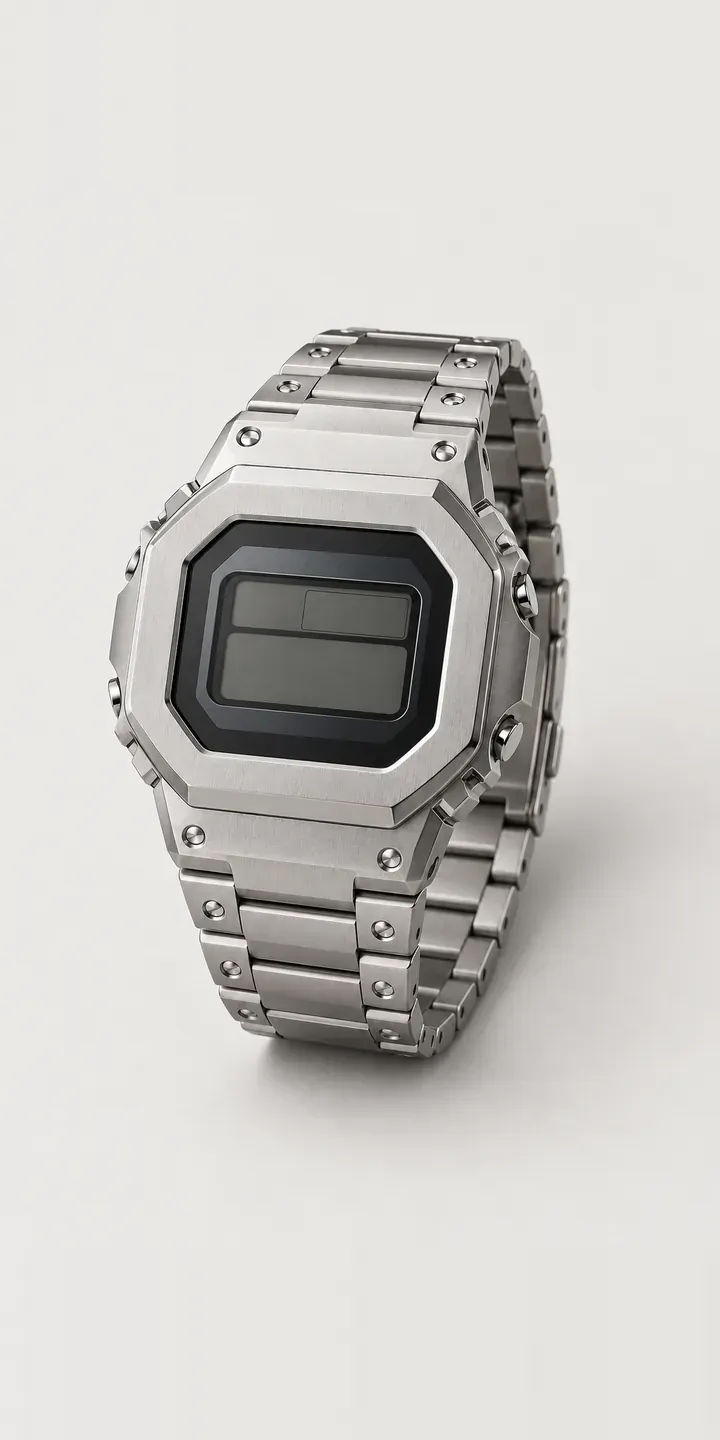
Metal Digital Watch
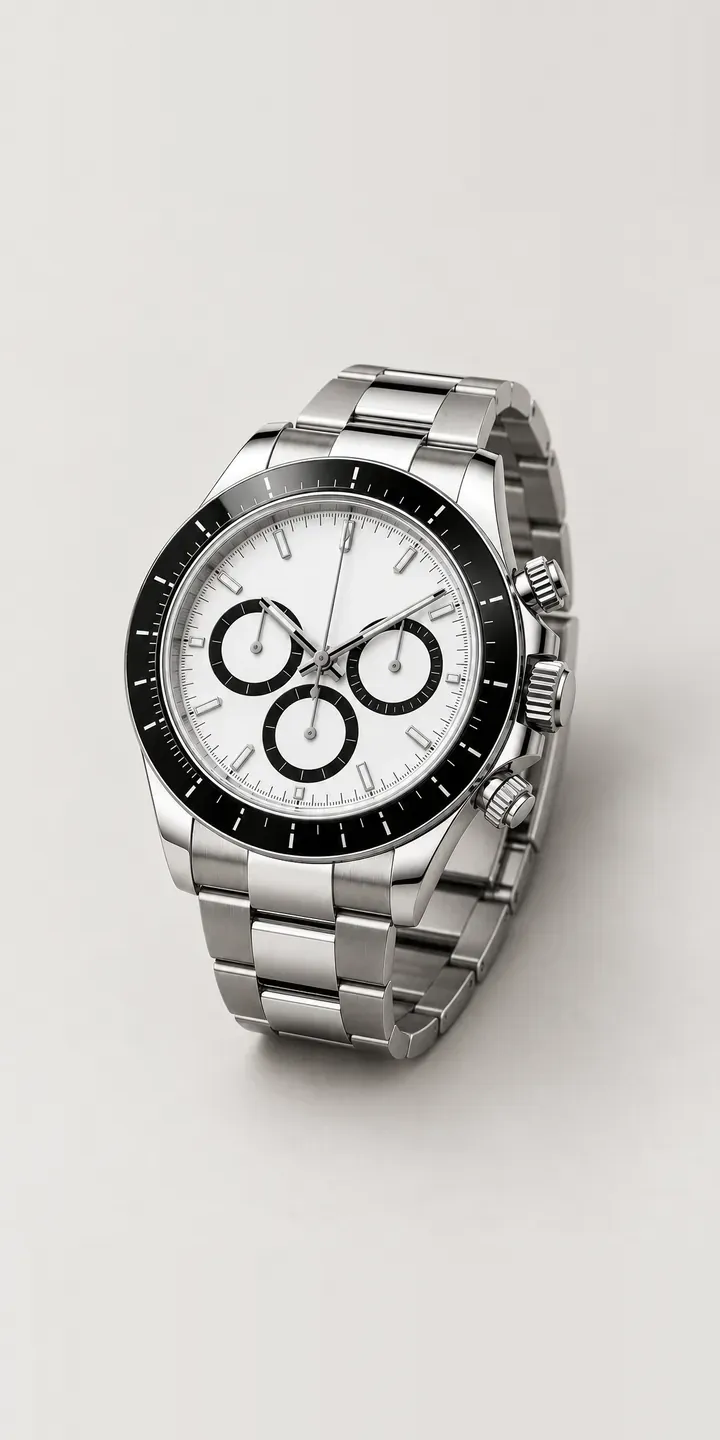
Racing Chronograph
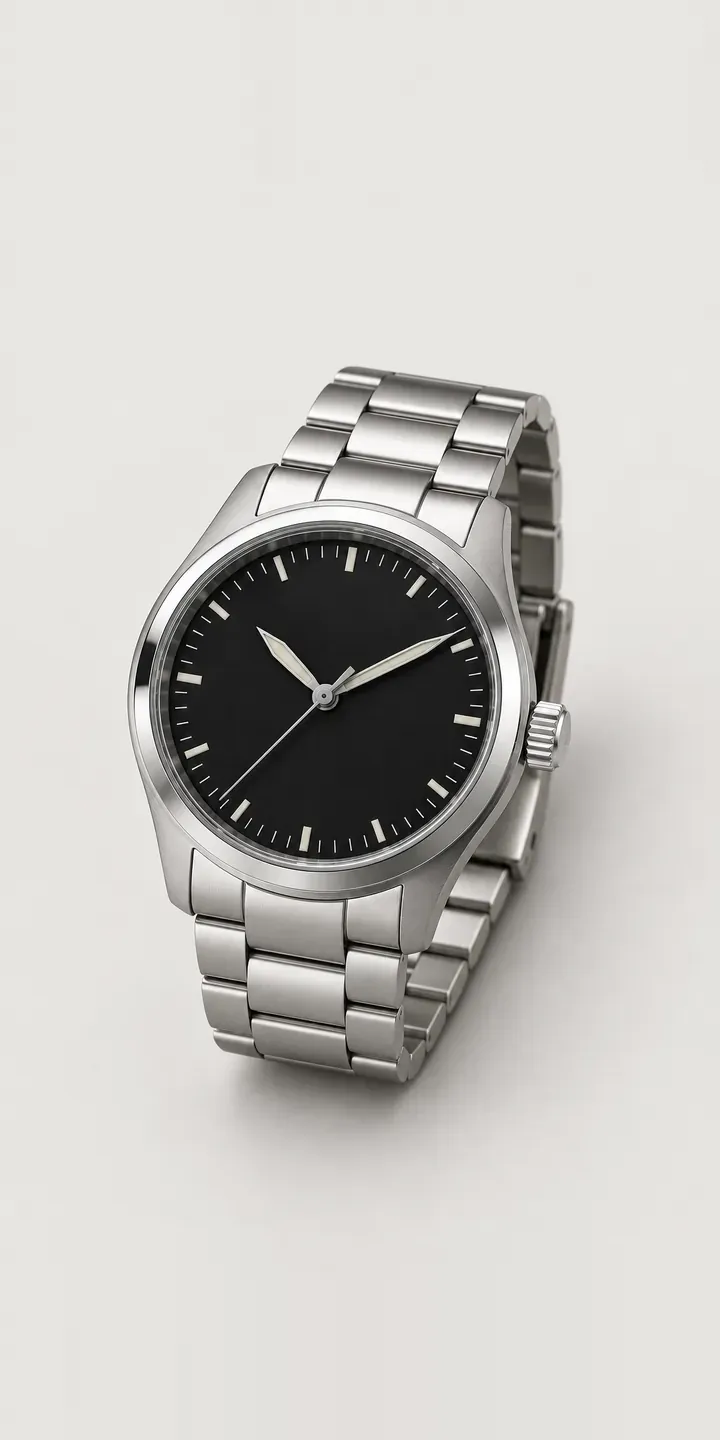
Service Watch
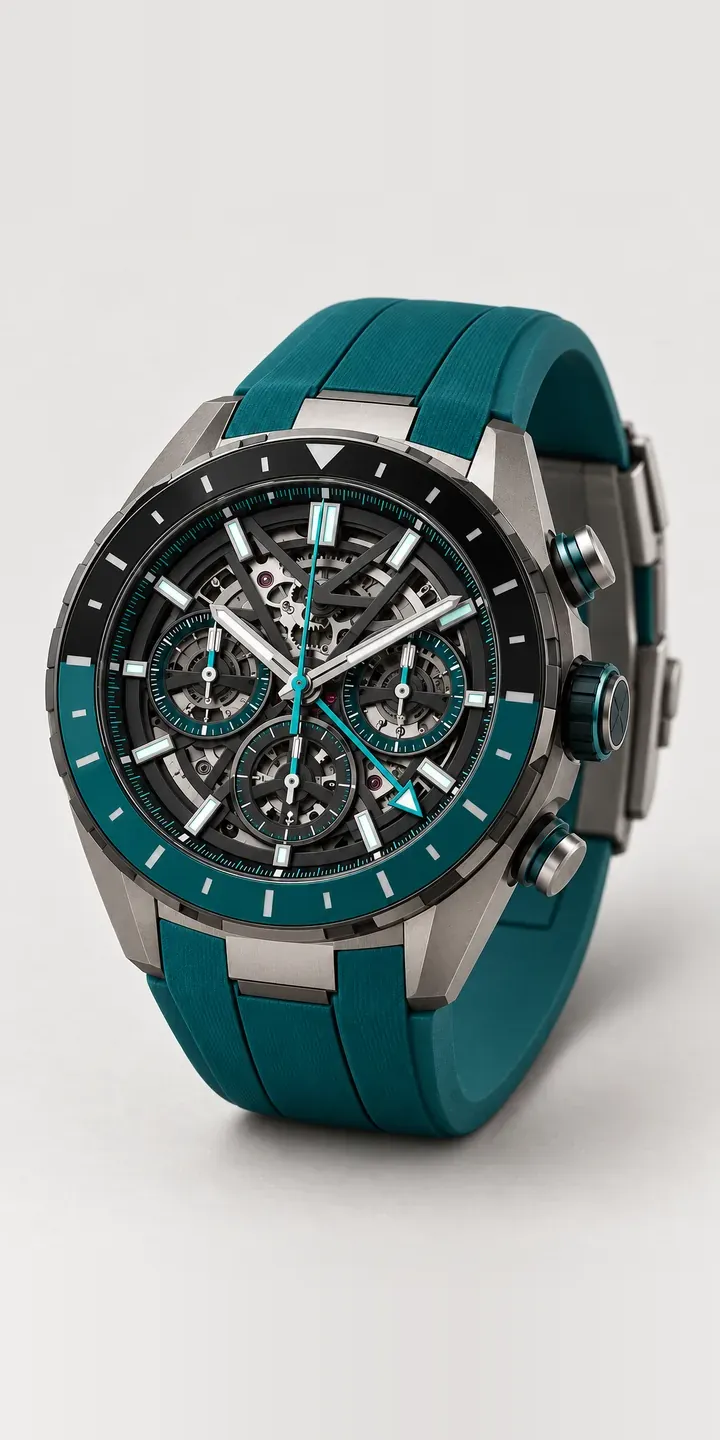
Skeleton Chronograph
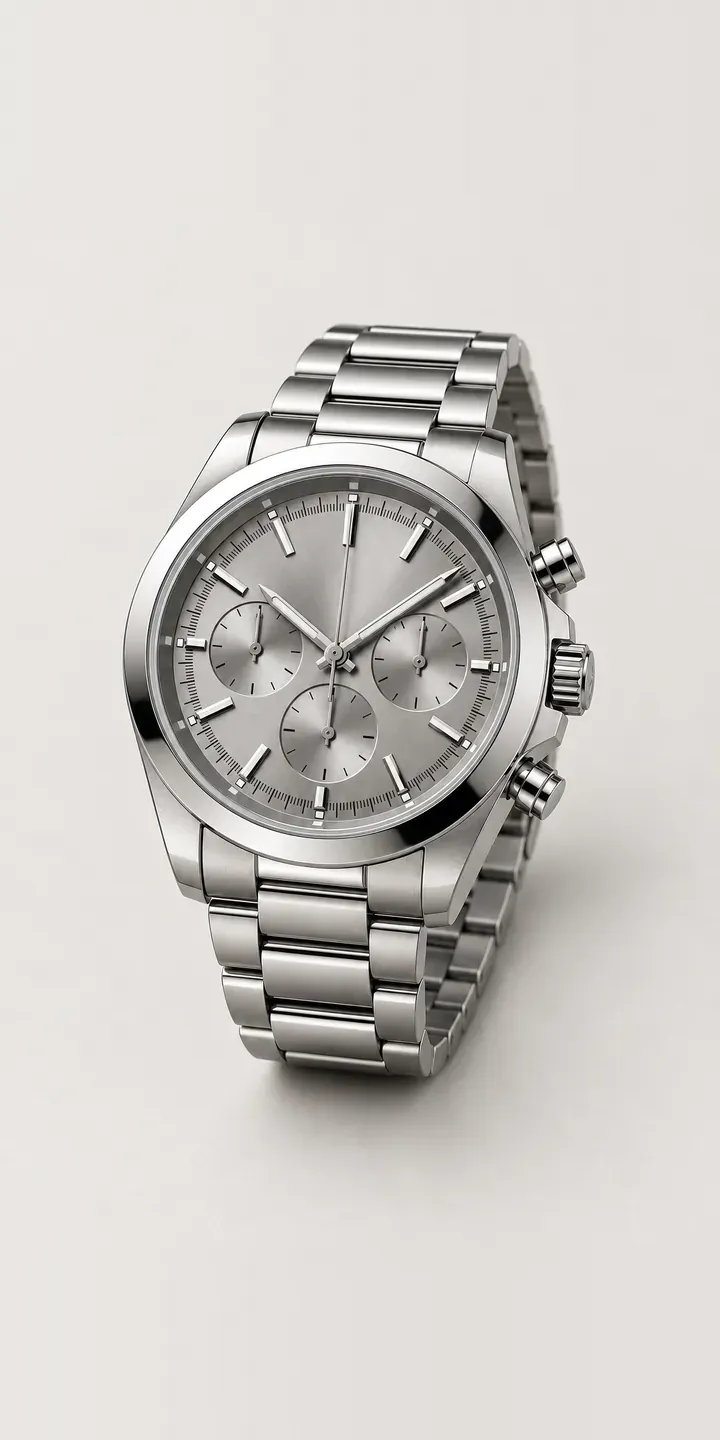
Sports Chronograph
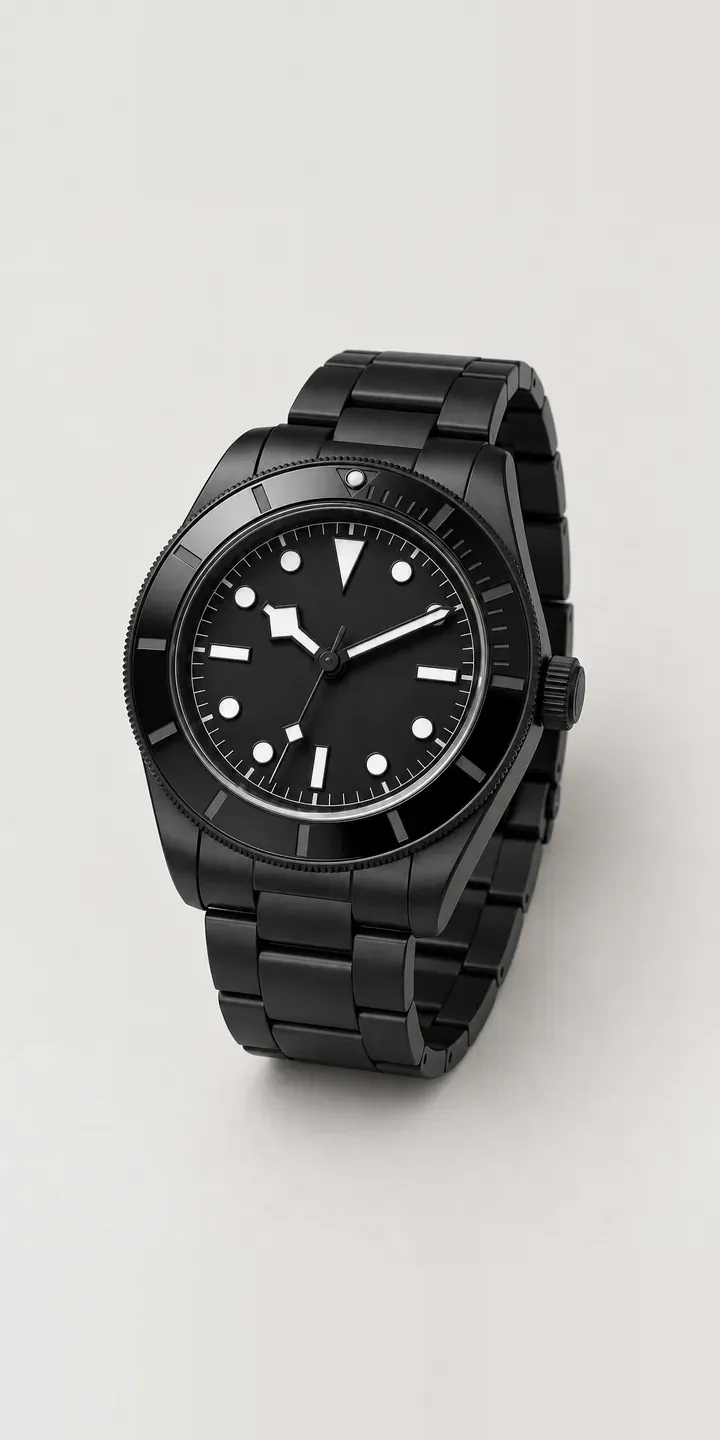
Stealth Diver
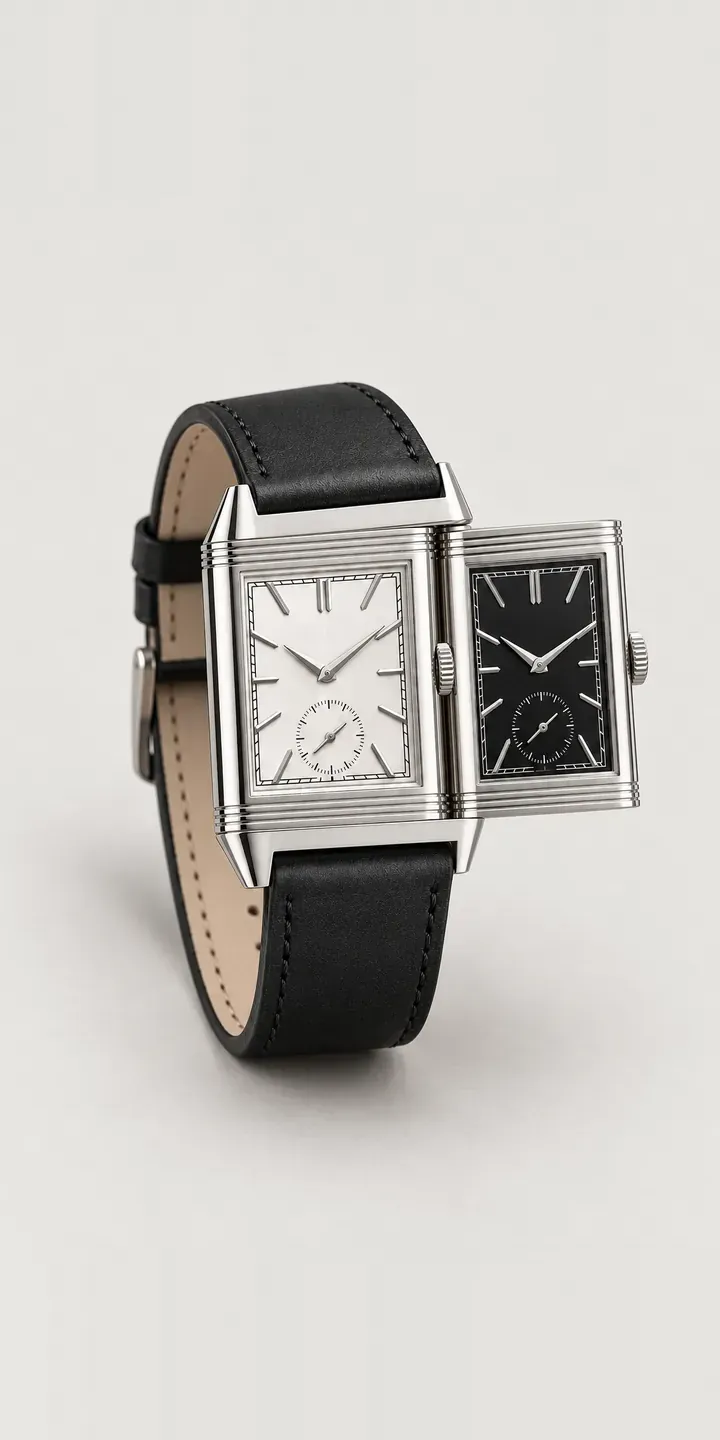
Swivel Dress Watch
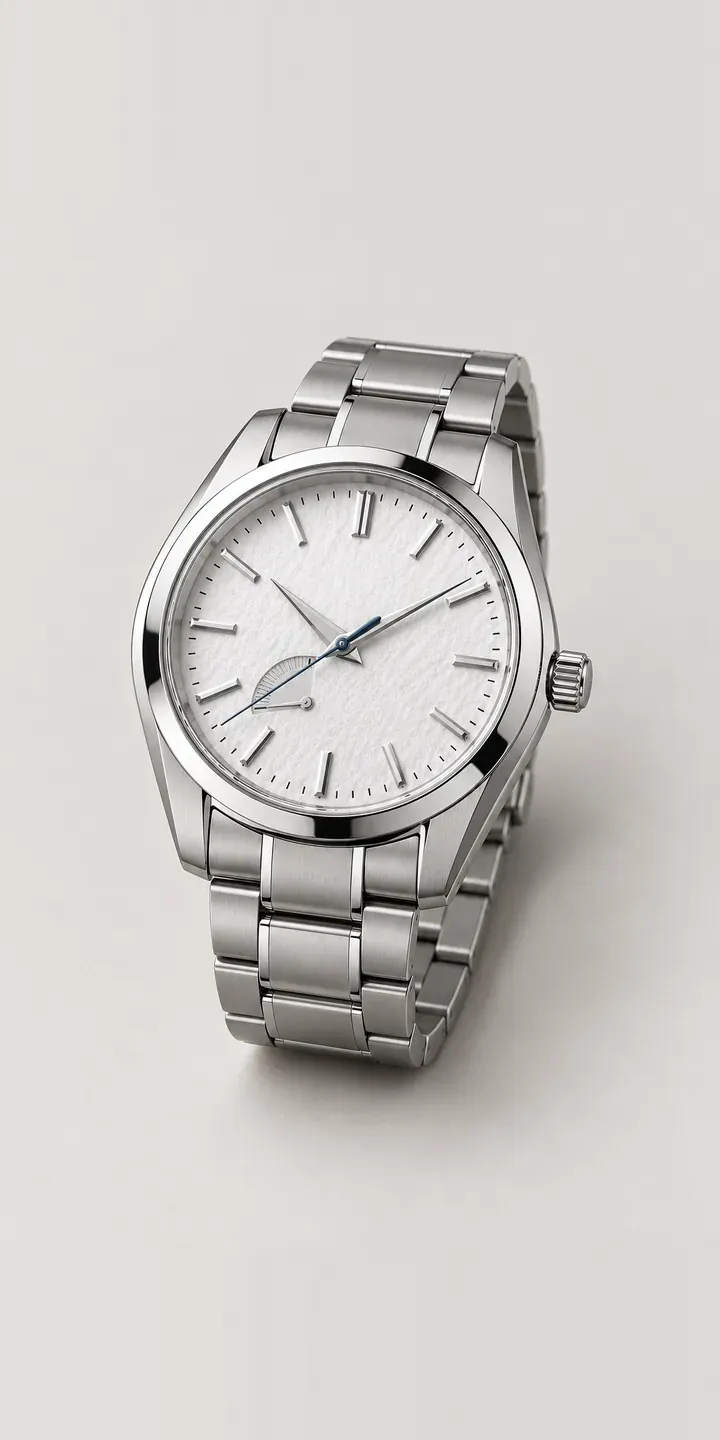
Textured Dress Watch
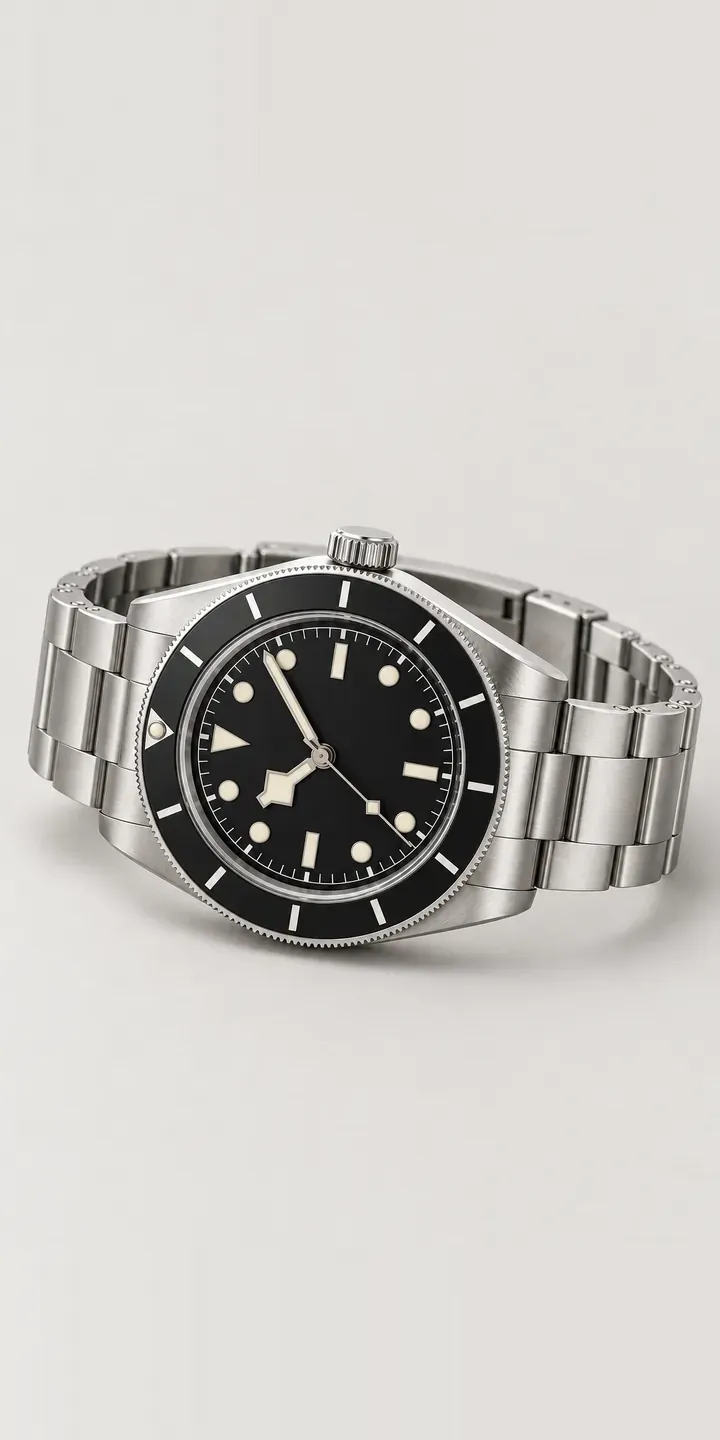
Vintage Diver
Questions about watch configurators
Can a watch configurator handle different case sizes as well as dials?
Yes. Case size becomes an option that can change the image scale or add a second view, with lug width and strap sizes following automatically. Rules stop a strap made for one case size appearing on another. The order carries the full reference, so the retailer or brand ships exactly the watch the buyer chose.
Can it work for authorised dealers rather than direct sales?
It can. The configured watch can be sent to a chosen dealer as an enquiry or reservation, with the reference attached. Brands that sell only through dealers keep that relationship and still see which dials and straps buyers are choosing. Direct checkout can be switched on in markets where the brand sells online.
How do we show lume and dial finishes that change with light?
A second view helps: a dark shot for lume, an angled shot for sunray or textured dials. Each dial then has two or three images rather than one. That costs more photography up front but answers the questions buyers otherwise email about, and it suits higher-value pieces where finish drives the decision.
Planning a watch configurator?
Tell me about your range, how products are photographed today and where orders need to go. I will suggest the smallest useful first step, whether that is one image-based product or a full 3D catalogue.