Here, an illustrative steel diver with a ceramic bezel insert and a magnifying lens over the date can be switched between dial colours and case sizes. The finished build goes to a quote request, which suits a watch that is often sold by enquiry.
On a diver, dial and bezel are read as one block of colour. Buyers judge whether the ceramic insert matches the dial or contrasts with it, and that is hard to tell from a single hero image. Size is the other worry. One millimetre between 40 and 41 mm is a small number with a lot of opinions attached, mostly about how the lugs and bracelet sit.
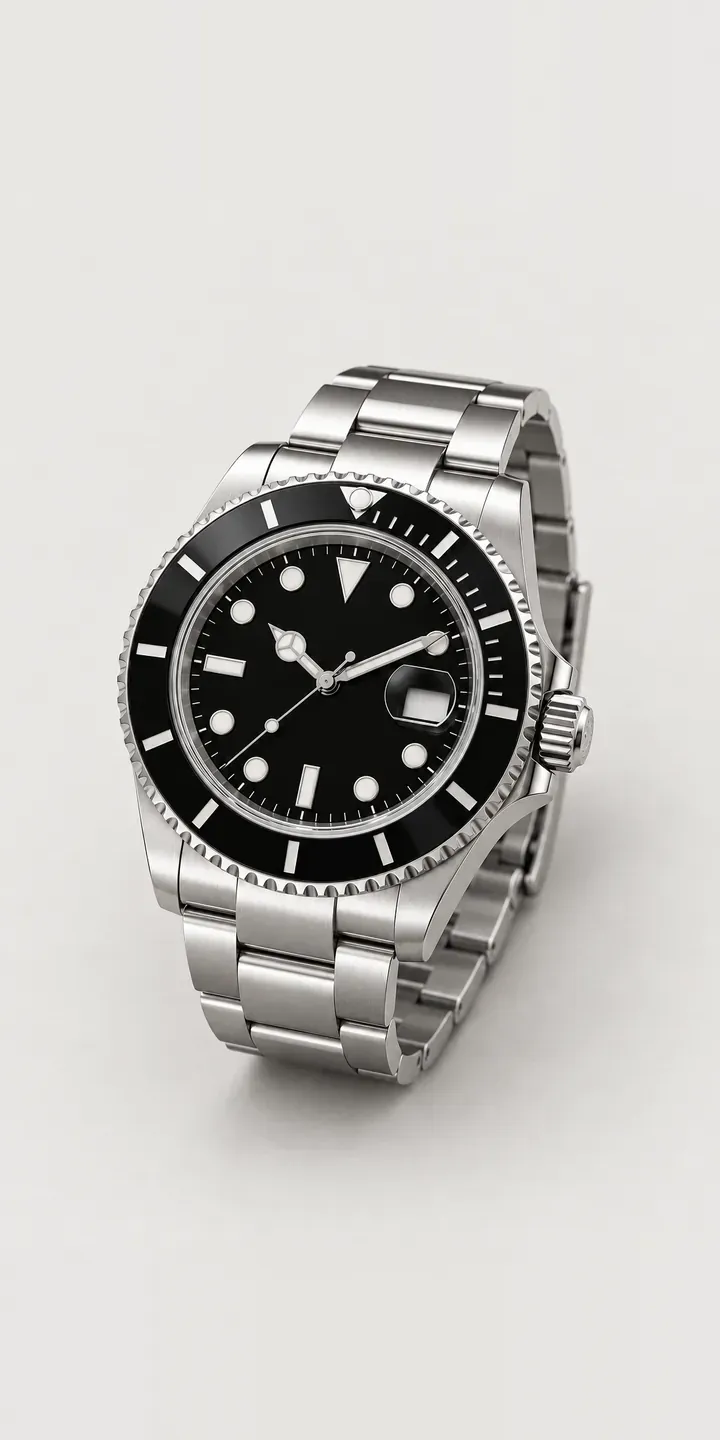
Watches Configurator demo
Ceramic Diver
- Product
- Ceramic Diver
- Colour
- Black
- Size
- 40 mm
Illustrative product. The design and images are generated examples, not a real model for sale.
What you can configure
Black, blue, green and grey dials can be compared here, from a range of six completed by burgundy and white. Size is offered as 40 mm or 41 mm and passes into the summary, while the image stays at one size for now. Each swatch swaps a complete photoreal image, so the ceramic insert is always seen against the chosen dial in the same light.
- Colour: Black, Blue, Green, Grey
- Size: 40 mm, 41 mm
Why a configurator suits dive watches
Ceramic divers are rarely impulse buys. Customers research for weeks, compare dial and bezel pairings across forums and boutiques, then ask a retailer which references can actually be supplied. A configurator gives that research a home on the retailer's own site, with accurate images and the retailer's own availability attached.
It also changes what the enquiry contains. When demand outstrips supply, a sale often starts as a registration of interest rather than a basket. A configured enquiry names the dial, size and reference with the customer's details. The sales associate can then follow up with the right watch in mind. That is far better than an email asking whether the green one is available.
Two sizes across six dials means twelve references for a single model. A retailer carrying several diver families multiplies that quickly, and every reference needs images, availability and price kept in step. Holding them in one structured product record means a reference can move from available to waiting list without anyone touching a product page.
How a production version would be built
For a ceramic diver I would usually start image-based, using renders rather than photographs. Ceramic and polished steel reflect the whole studio, so a controlled render keeps the insert's gloss consistent across all twelve versions. This is where 3D product visualisation pays off even without a 3D configurator. The retailer provides reference codes, dial and size names, availability status and whether each reference sells online or by enquiry. Enquiries can feed a CRM so associates see the configured watch, and online sales map to a Shopify or WooCommerce variant.
Build sheet for this range
- Colours in the full range: 6 (4 shown in this demo)
- Size choices: 2
- Combinations to support: 6 × 2 = 12
- Images for one photograph per combination at 3 angles: 36
- Images if sizes can be shown as separate layers, at 3 angles: 24
- Data each of the 12 combinations needs: a SKU or variant ID, price, stock or lead time, and any dimensions or specification that change
Questions about dive watch configurators
Can the configurator handle references sold only by enquiry or waiting list?
Yes. Each reference can carry a status: buy now, enquire, register interest or unavailable. The button and form change to match, so a customer is never offered a basket for a watch you allocate by hand. Configured enquiries can go straight into your CRM with the reference attached.
Is a one millimetre size difference worth showing in a configurator?
On a diver, usually yes. The extra millimetre often comes with a different lug shape and bracelet width, which changes how the watch wears more than the diameter suggests. Showing both sizes on one wrist at true scale answers the question directly, and listing lug-to-lug length helps buyers compare with watches they already own.
How do you stop a ceramic bezel looking flat or washed out in images?
Lighting is almost the whole answer. Ceramic has a deep gloss that disappears under flat light and blows out under harsh light. I use one controlled set-up, rendered or photographed, with a deliberate highlight across the insert. Every dial is then lit identically, so the bezel reads the same across all twelve versions.
Can a watch configurator read availability from our existing stock system?
In most cases, yes. I integrate configurators with Shopify, WooCommerce and CRM or ERP systems, so availability can come from the system you already use. The exact approach depends on what that system exposes. Integration work is one of the factors that shapes the cost, and my replies go out within two UK working days.
More watch configurator demos
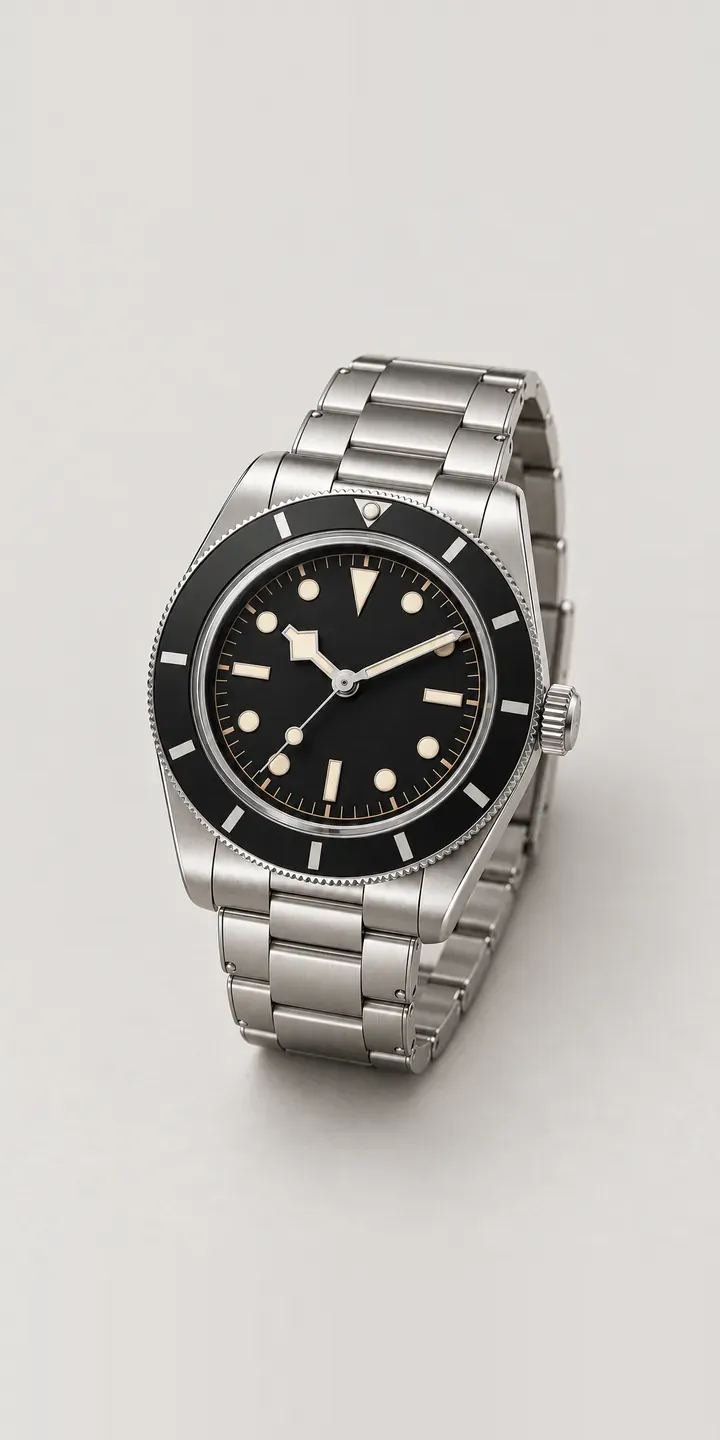
Compact Diver
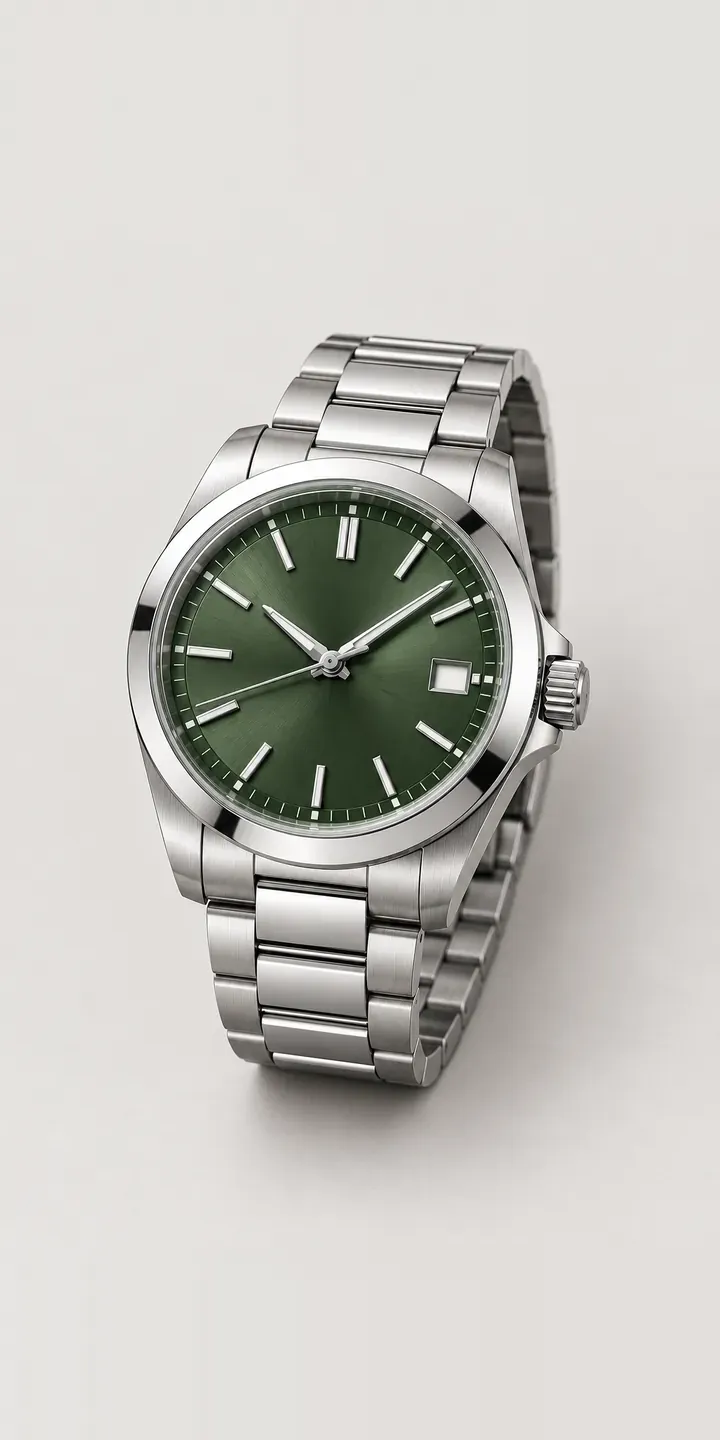
Everyday Automatic
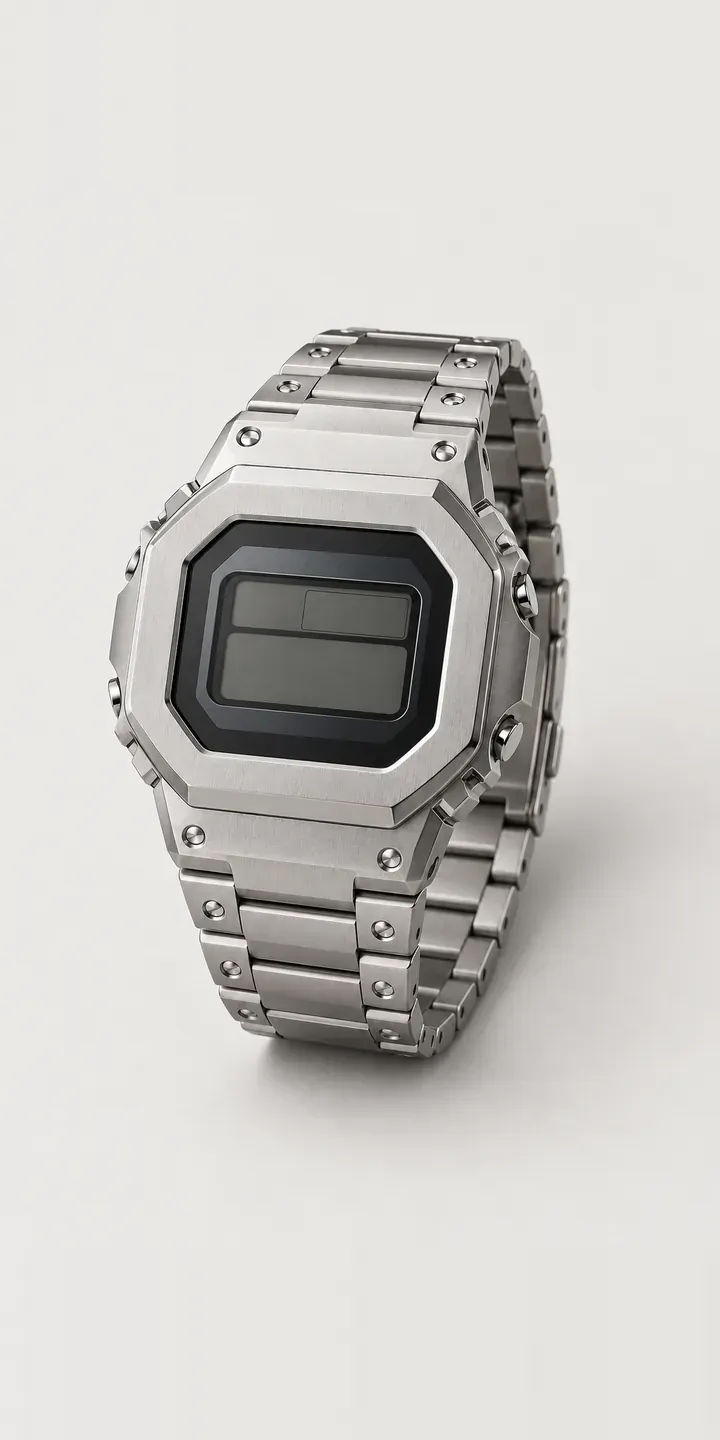
Metal Digital Watch
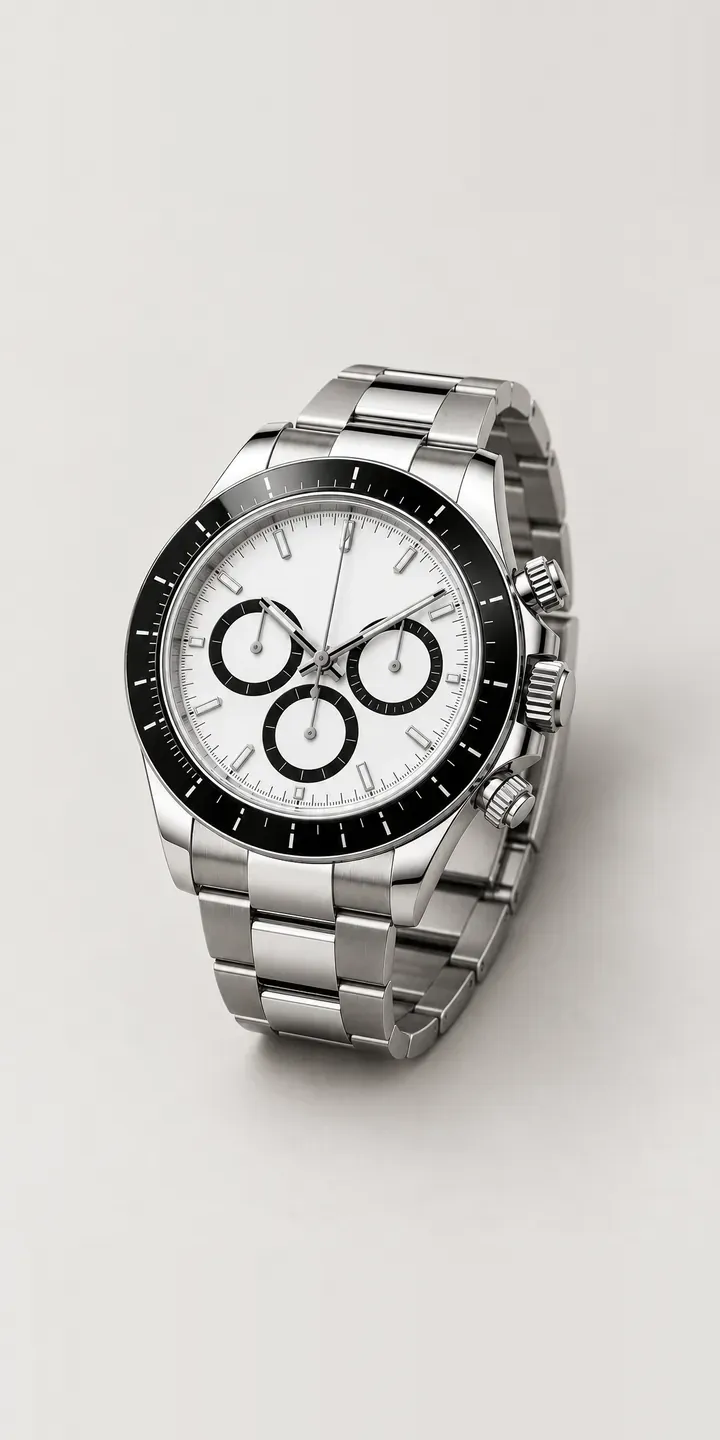
Racing Chronograph
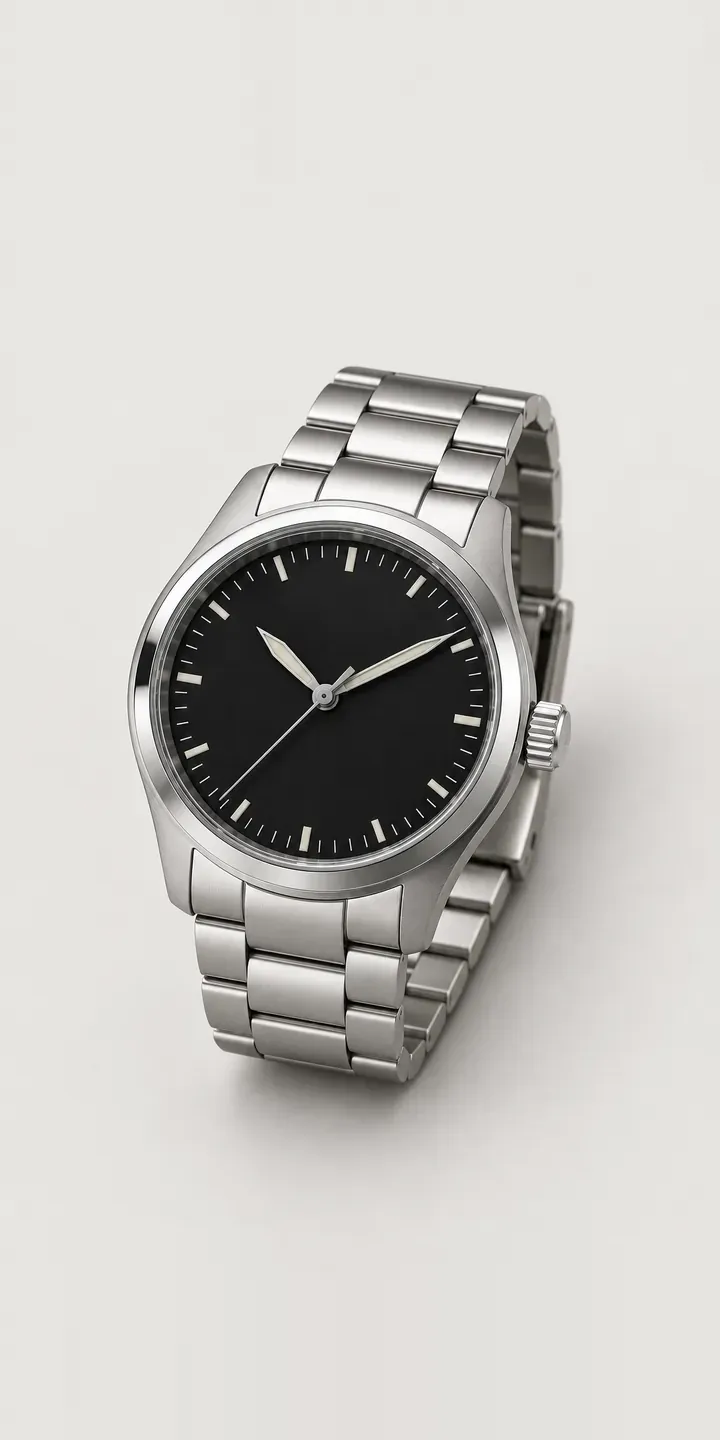
Service Watch
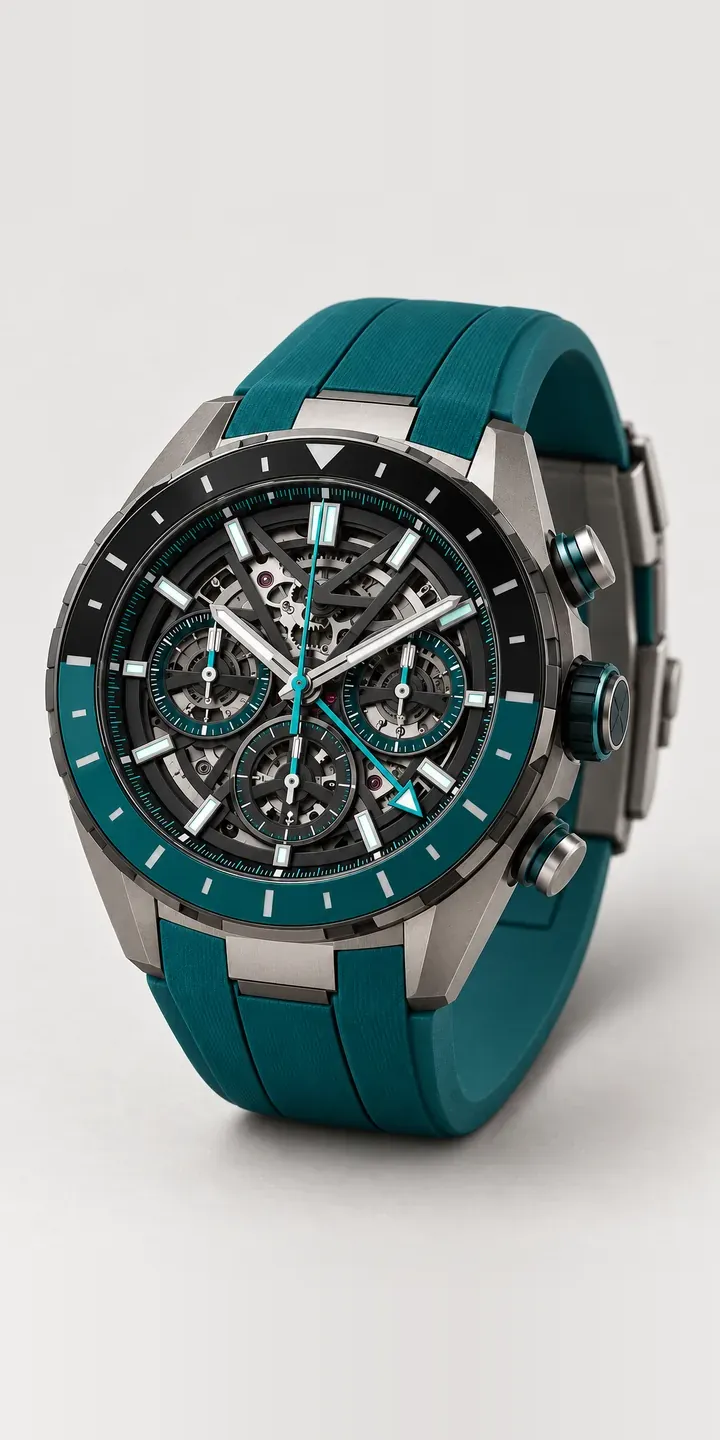
Skeleton Chronograph
A configurator for your dive watches
This demo uses an illustrative product. If you sell dive watches, I can build the same experience around your own range, photography and ordering process, connected to Shopify, WooCommerce or a quote workflow. I reply to enquiries within two UK working days.