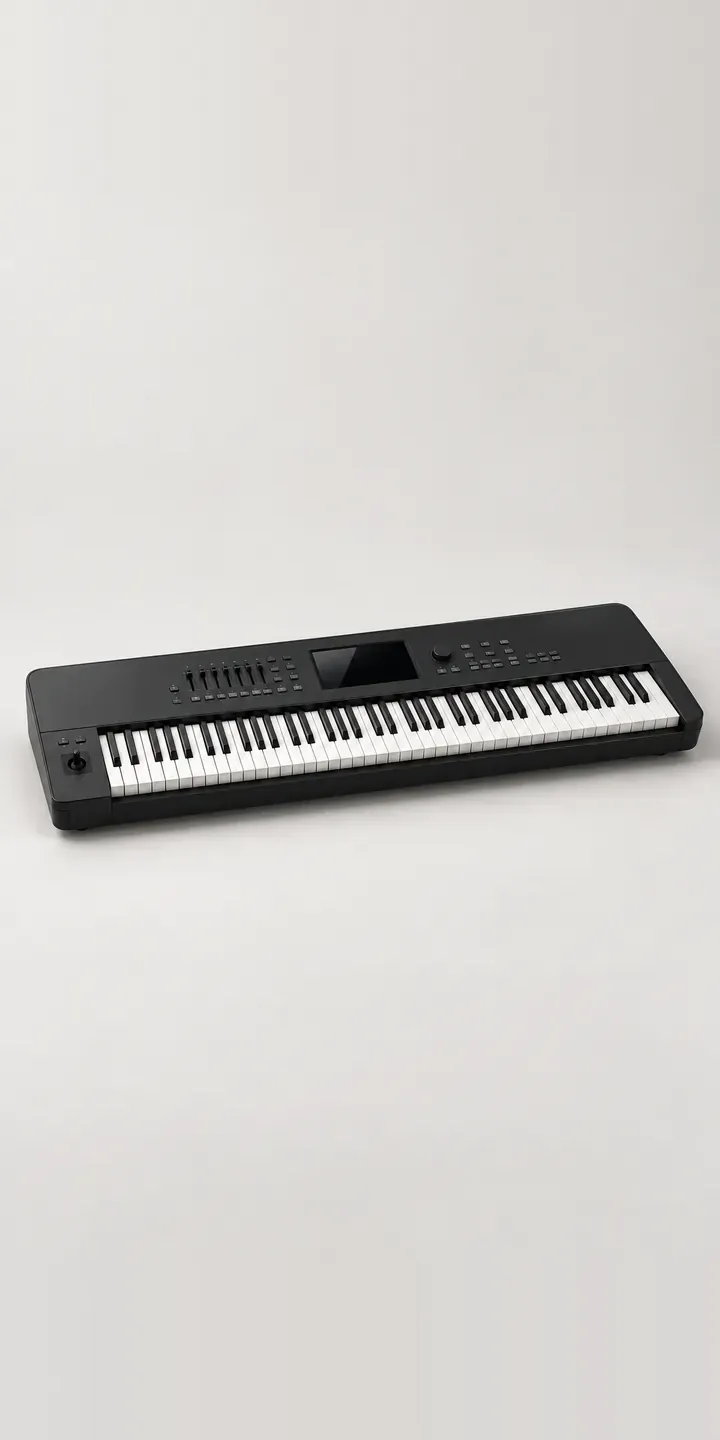
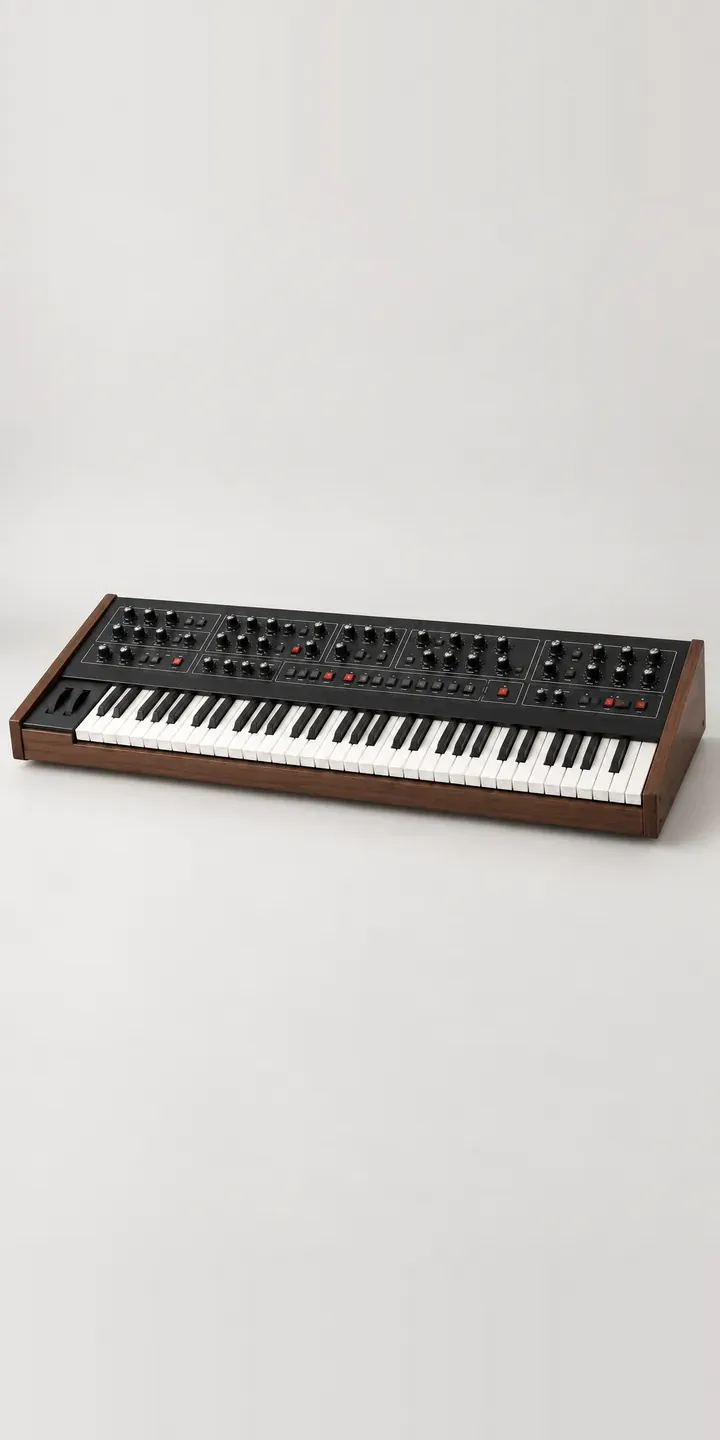
This page runs a working configurator for an illustrative production keyboard, the kind of workstation that sits at the centre of a home studio. Choose a panel finish and a key count, and the summary records exactly what you would ask a dealer to supply.
Most people shopping for a workstation have already compared sound engines and sequencer features. What stalls them is physical. An 88-key board is a piece of furniture that dictates the desk, the stand and whether it ever leaves the room. A 61 travels and fits beside a laptop but loses the lower octaves a pianist reaches for. The finish then has to live with the speakers, the desk and the rest of the room.
Music Configurator demo
Production Keyboard
- Product
- Production Keyboard
- Colour
- Matte Black
- Keys
- 61 Keys
Illustrative product. The design and images are generated examples, not a real model for sale.
What you can configure
Four of the six finishes are live in the demo: matte black, silver, deep blue and wine red. Each image keeps one angle, so only the panel colour moves. The key count sits beside it as 61, 73 or 88. The photo stays at one length for now, and a production build would give each key count its own image. On a workstation that choice decides split points, playing range and whether the instrument suits a desk or a stand.
- Colour: Matte Black, Silver, Deep Blue, Wine Red
- Keys: 61 Keys, 73 Keys, 88 Keys
Why a configurator suits keyboards
Six finishes across three key counts gives eighteen versions of one instrument. Each length needs its own shot because the proportions change, and keyboards are awkward to light: long, low and covered in small controls that catch reflections. Most music retailers end up showing one black 61-key image and a line of text saying other versions exist.
That gap costs sales in both directions. A buyer who wanted a wine red 73 cannot see it, so they either settle or wait. Another orders an 88 without grasping how much desk it takes, then arranges a return on a heavy, bulky box. Showing the exact version, with key count stated beside the finish, deals with both problems on the product page.
Workstations also carry accessories that depend on length: stands, dust covers, gig bags and flight cases. When the configurator knows the key count, it can offer only the cover and case that fit. The order arrives complete and correct, and the shop avoids the follow-up email asking which bag suits the 73.
How a production version would be built
A production build for a keyboard range starts from one image per key count, because the chassis length changes the whole composition. Panel colours can then be photographed per length, or produced as masked colour layers when the finishes are flat paints rather than wood. Walnut and cream would need their own shots, since grain and warm tones do not recolour convincingly. The retailer provides SKUs per finish and length, accessory compatibility, and any combinations not offered. On Shopify each choice maps to a variant, so stock and basket behave as normal.
Build sheet for this range
- Colours in the full range: 6 (4 shown in this demo)
- Keys choices: 3
- Combinations to support: 6 × 3 = 18
- Images for one photograph per combination at 3 angles: 54
- Images if key counts can be shown as separate layers, at 3 angles: 27
- Data each of the 18 combinations needs: a SKU or variant ID, price, stock or lead time, and any dimensions or specification that change
Questions about keyboard configurators
Can the configurator show which finishes come in which key counts?
Yes. Not every finish has to be offered in every length. If walnut is only built as an 88, choosing walnut greys out the 61 and 73 with a short note, or switching to 61 removes walnut from the swatches. The rule lives in the product data, so it can change when production does.
Do wood finishes like walnut need to be photographed separately?
Usually, yes. Flat paints such as matte black or deep blue can often be produced as colour layers from one master shot. Real wood or wood-effect panels have grain, and recolouring grey into walnut looks false at close range. I would photograph or render the wood versions properly and recolour only the solid finishes.
Will customers see when a key count is out of stock?
Yes. Stock is read for each finish and length from your shop or stock system, so a sold-out wine red 73 shows as unavailable or back-ordered the moment it is chosen. Buyers can then pick another length or register interest. That beats discovering the problem in a dispatch email two days later.
Can we add the same configurator to every keyboard in our range?
Yes. The configurator is driven by product data rather than built per model, so one template can serve a whole range of workstations and stage boards. Each model supplies its own finishes, key counts and images. Adding a new keyboard then means preparing assets and data, not new development. Cost depends on how many product families you carry.
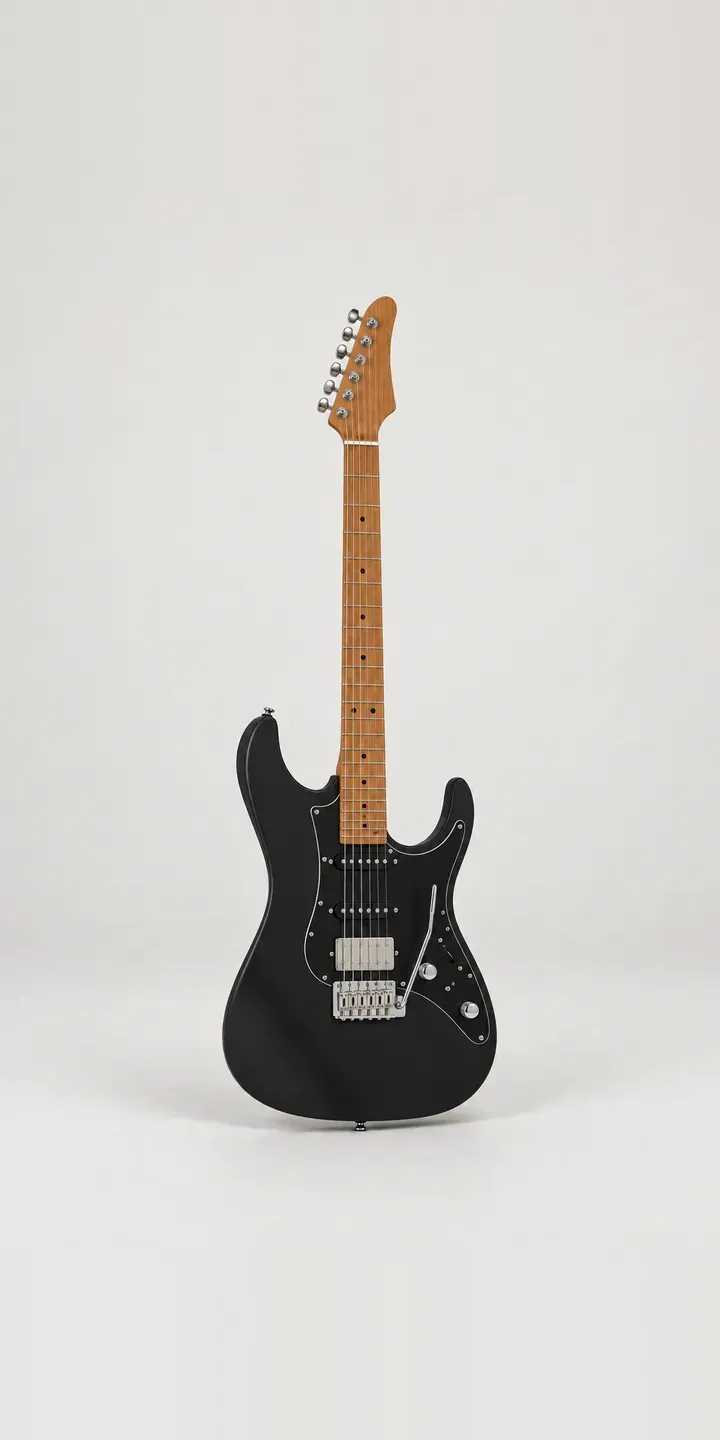
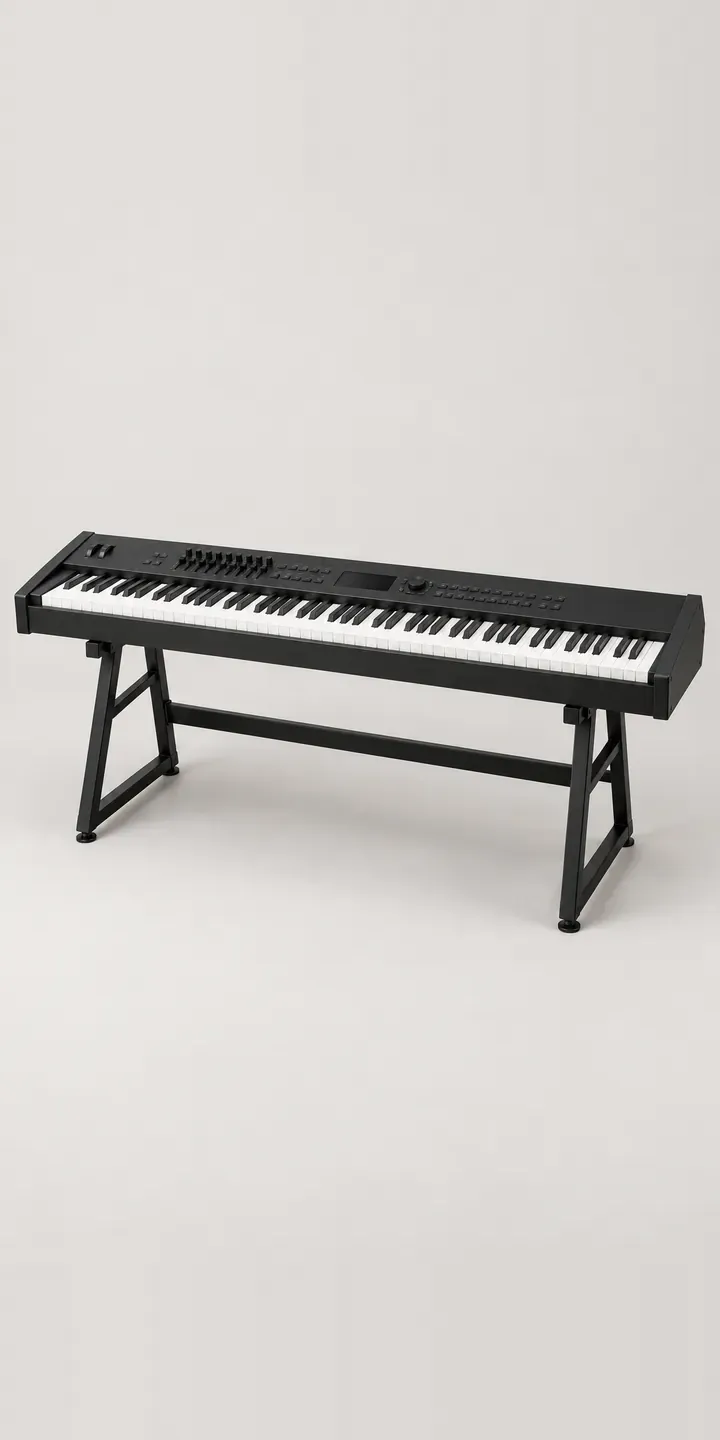
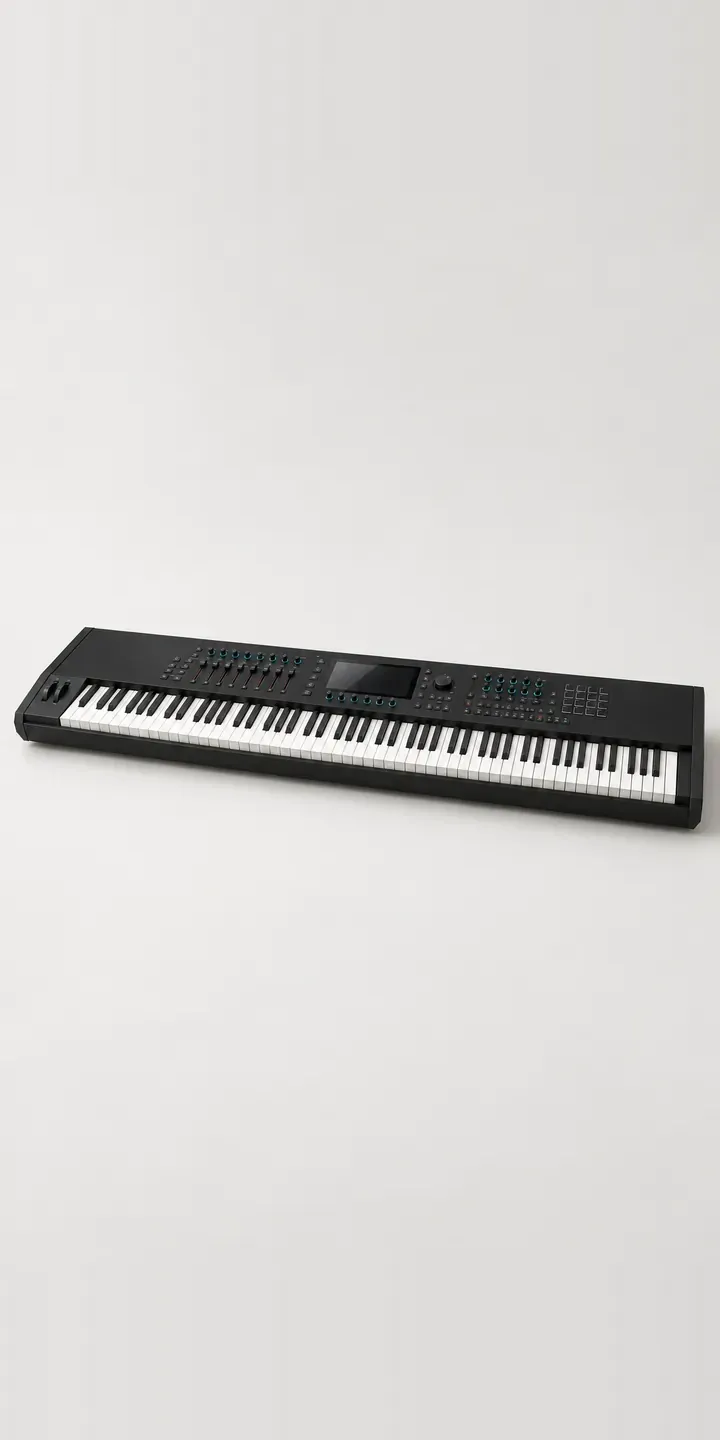
More musical instrument configurator demos

All musical instrument configurator demos
A configurator for your keyboards
This demo uses an illustrative product. If you sell keyboards, I can build the same experience around your own range, photography and ordering process, connected to Shopify, WooCommerce or a quote workflow. I reply to enquiries within two UK working days.