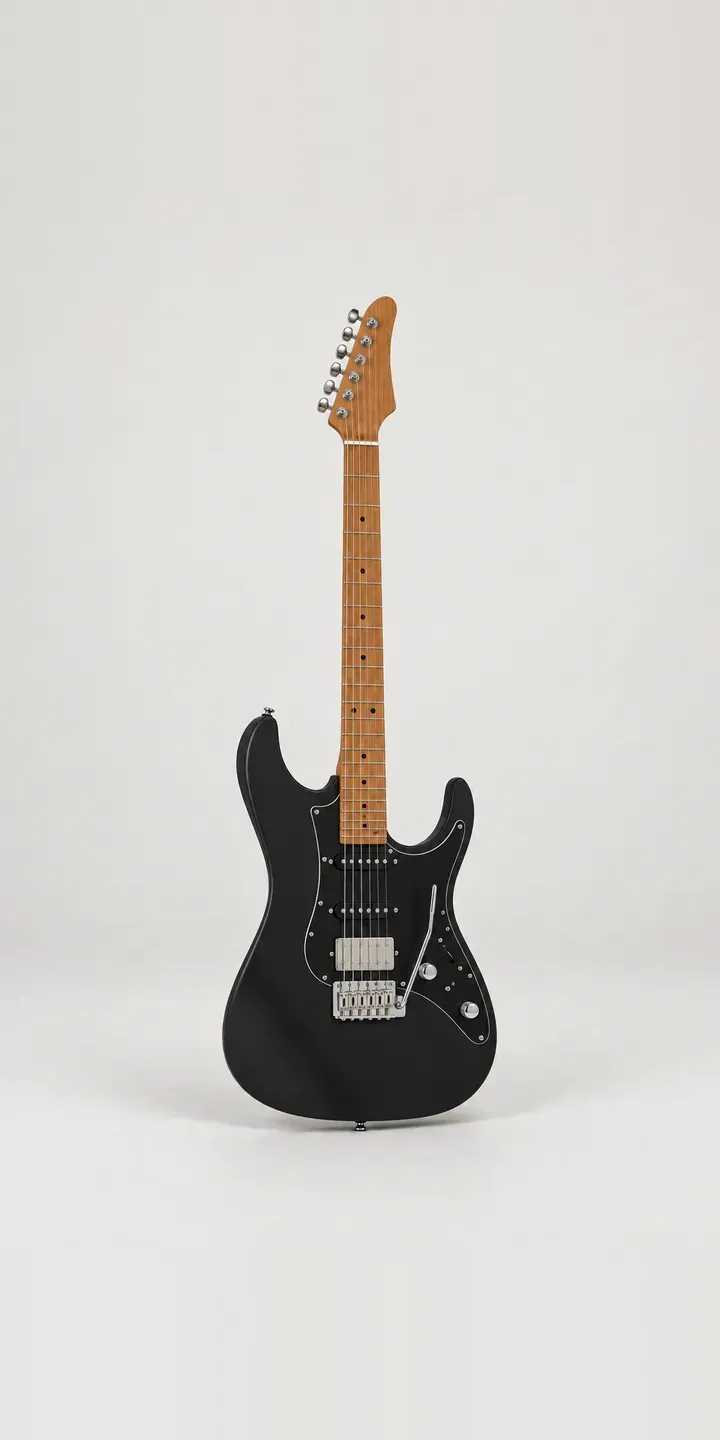
This configurator shows an illustrative solid-body electric guitar with a roasted maple neck and a tremolo bridge. Pick a body finish and right- or left-handed, and the summary records the guitar for a quote.
Solid-body electrics are often assembled from separate parts: body, neck, pickguard, bridge and pickups. That is why buyers treat them as something to put together rather than a fixed model. The opaque finishes here, from flat black to seafoam and burnt orange, are classic custom colours. Buyers choose them knowing the neck, pickguard and hardware will change the overall look as much as the paint.
Music Configurator demo
Solid-Body Electric
- Product
- Solid-Body Electric
- Colour
- Flat Black
- Hand
- Right
Illustrative product. The design and images are generated examples, not a real model for sale.
What you can configure
Flat black, cream, seafoam and burnt orange are live in the demo, while slate blue and silver complete the six. The angle stays fixed, so the caramel-toned roasted maple neck and the tremolo bridge with its saddles are the same in every image. Hand is right or left. This demo does not change the picture for hand, though a production build would carry a true left-handed image.
- Colour: Flat Black, Cream, Seafoam, Burnt Orange
- Hand: Right, Left
Why a configurator suits guitars
Six finishes and two hands make twelve guitars. Add three pickguard colours, two neck options and two hardware finishes and the count passes a hundred and forty. Nobody photographs that. Parts-based guitars are where layered configurators earn their keep, because each part is captured once and combined on screen.
Opaque finishes help. Flat black, cream and seafoam are solid colours with no grain to preserve, so they can be produced as accurate colour layers over one master body shot. New colours become a data change rather than a photoshoot, which suits makers who release seasonal or limited finishes. Seafoam and burnt orange still deserve a check against a painted sample.
Parts builders and custom workshops benefit most. Their customers already arrive with a spec in mind, often pieced together from forum threads and several browser tabs. A configurator that enforces what fits, such as which bodies are routed for a tremolo, catches mistakes before a part is cut or painted, and gives the workshop an order it can build from.
How a production version would be built
A production version would be layered. The body is photographed once in a neutral finish, with each colour created as a masked layer, then the neck, pickguard, bridge, pickups and knobs are each shot as separate transparent images from the same camera position. Left-handed versions need their own set. The maker supplies the parts list, compatibility rules, SKUs and stock per part. Orders can go to a basket or straight to a workshop job sheet, and structured product data keeps the rules maintainable as the parts list grows.
Build sheet for this range
- Colours in the full range: 6 (4 shown in this demo)
- Hand choices: 2
- Combinations to support: 6 × 2 = 12
- Images for one photograph per combination at 3 angles: 36
- Images if hands can be shown as separate layers, at 3 angles: 24
- Data each of the 12 combinations needs: a SKU or variant ID, price, stock or lead time, and any dimensions or specification that change
Questions about guitar configurators
Can customers choose body colour, pickguard and neck separately?
Yes. Each is a separate layer in an image-based build, so any body finish can sit under any pickguard and neck. The summary lists each part with its own code, which is what a workshop needs. The configurator can also suggest classic pairings while still allowing unusual ones.
Can the configurator stop impossible combinations?
Yes. Rules sit in the product data: a hardtail bridge needs a body without a tremolo rout, a particular pickup layout needs a matching pickguard, and some finishes are only offered on certain bodies. Incompatible choices are greyed out with a short reason, so the buyer understands the limit rather than meeting an error.
How does left-handed work with layered images?
Every layer needs a left-handed counterpart, shot or rendered properly rather than mirrored. That doubles the asset count, but only once. After that, any new colour or part added in both hands is available to every combination. Makers who rarely build left-handed can restrict it to a smaller set of parts.
What do you need from us to get started?
A list of the parts and finishes you sell, any rules about what fits together, and whatever photography or CAD you already have. From that I can say which parts can be layered from existing images and which need new shots. I reply to enquiries within two UK working days.
More musical instrument configurator demos
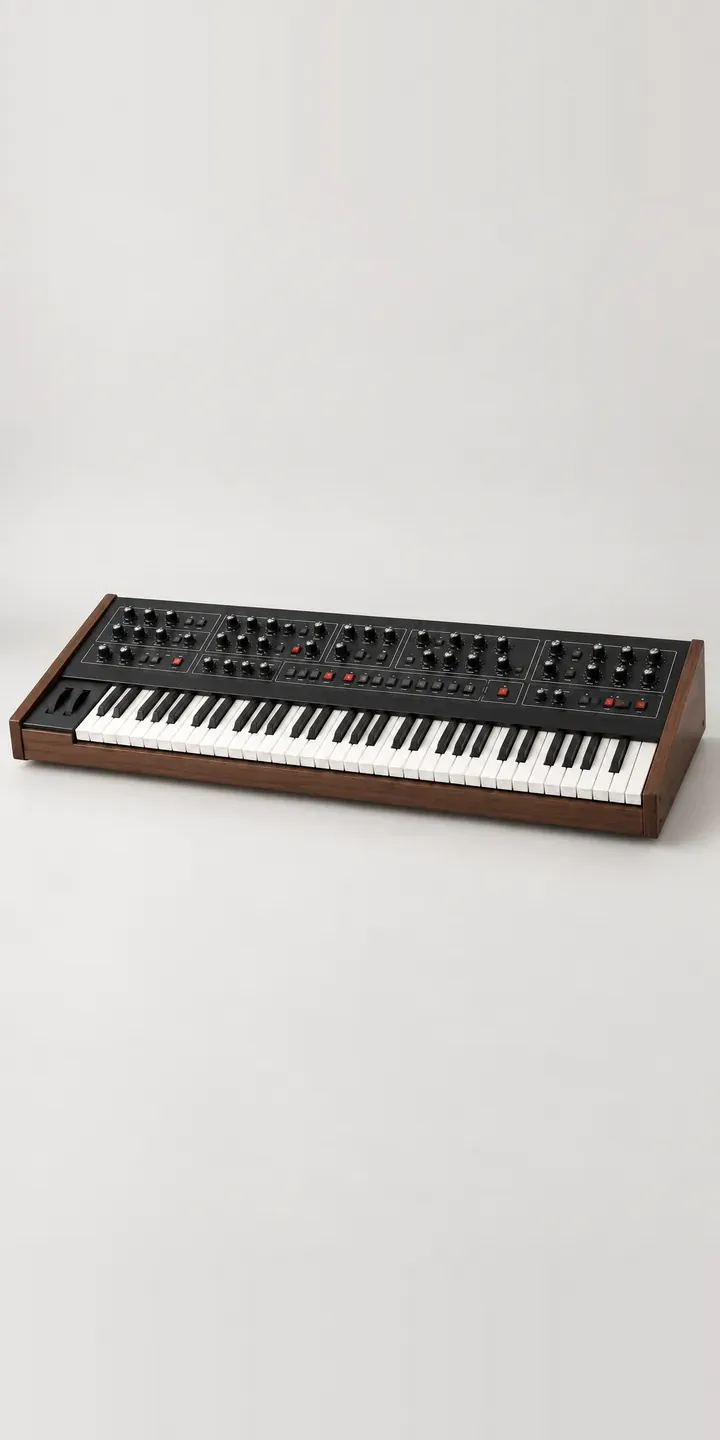
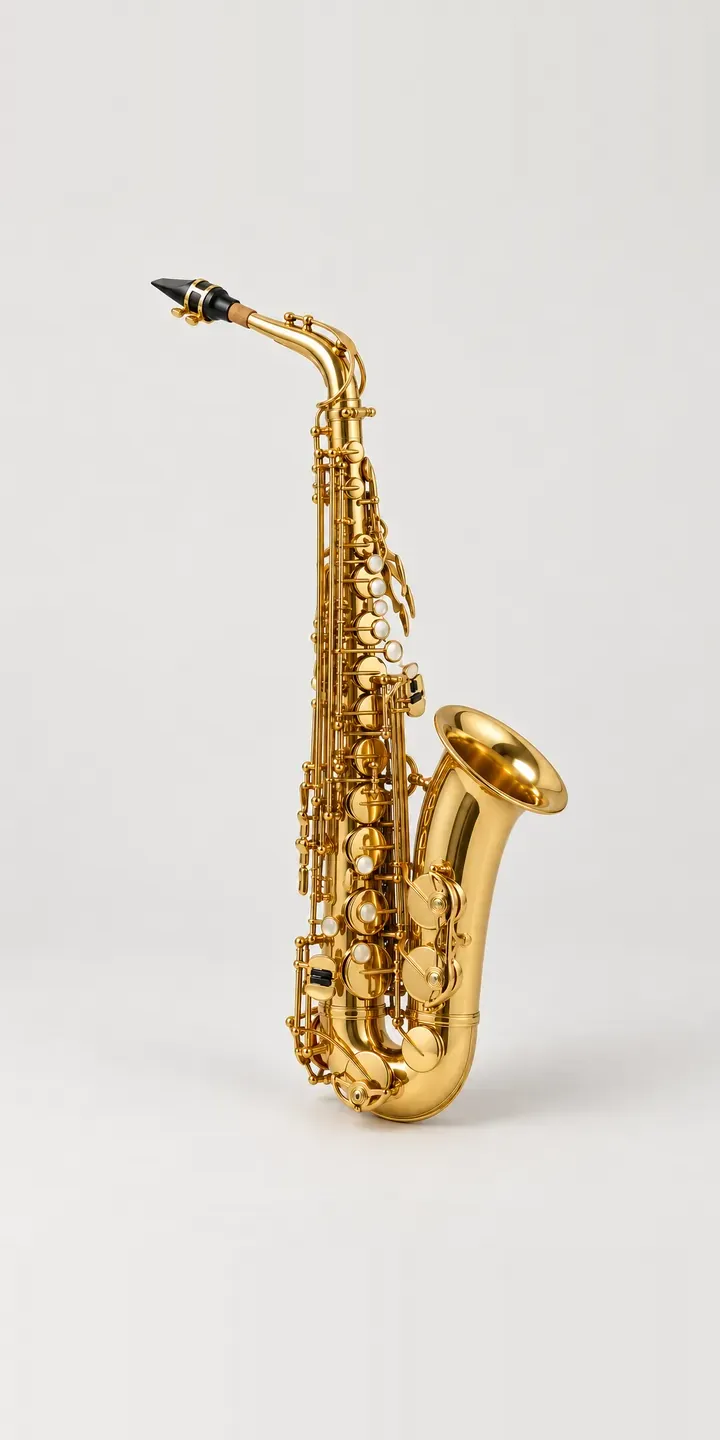
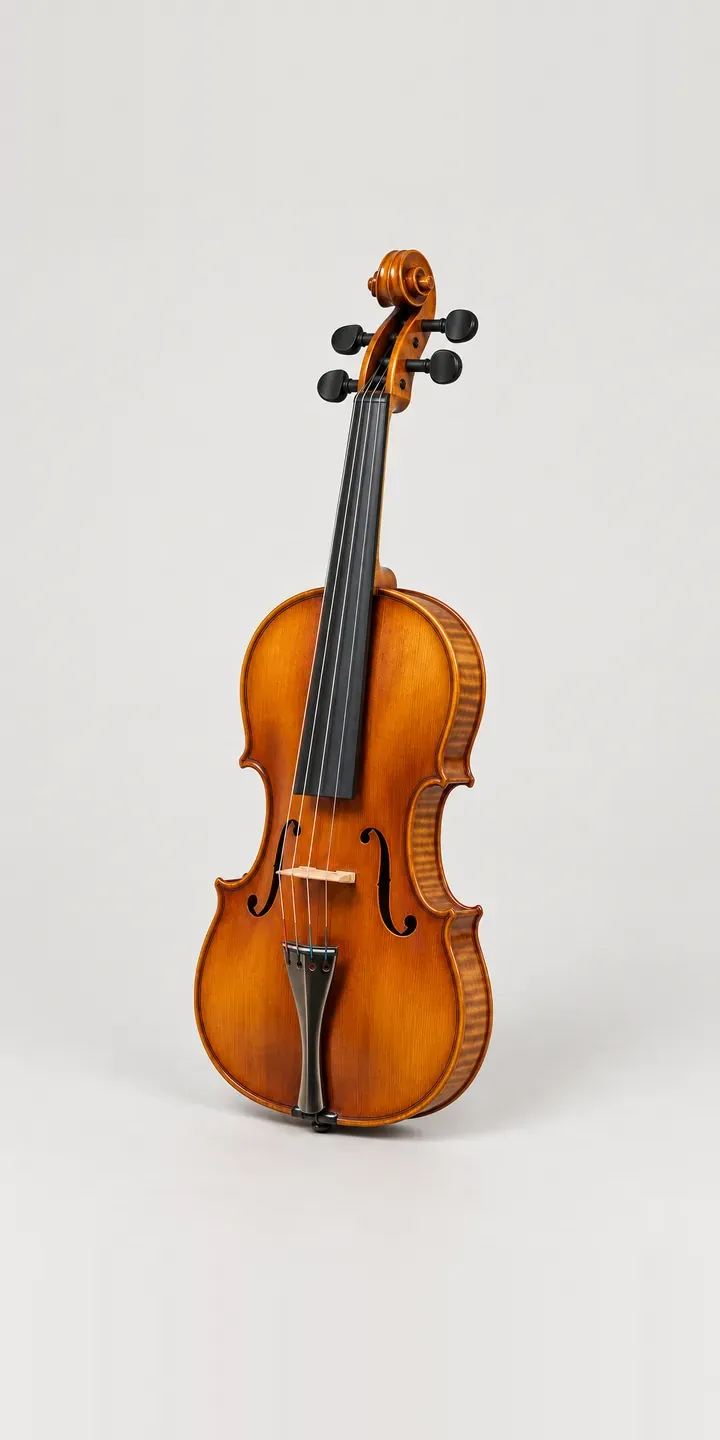
All musical instrument configurator demos
A configurator for your guitars
This demo uses an illustrative product. If you sell guitars, I can build the same experience around your own range, photography and ordering process, connected to Shopify, WooCommerce or a quote workflow. I reply to enquiries within two UK working days.