Here you can configure an illustrative touchscreen synthesizer. Choose the finish and the key count, and the summary is ready to send as a quote, which is how many institutional buyers prefer to order.
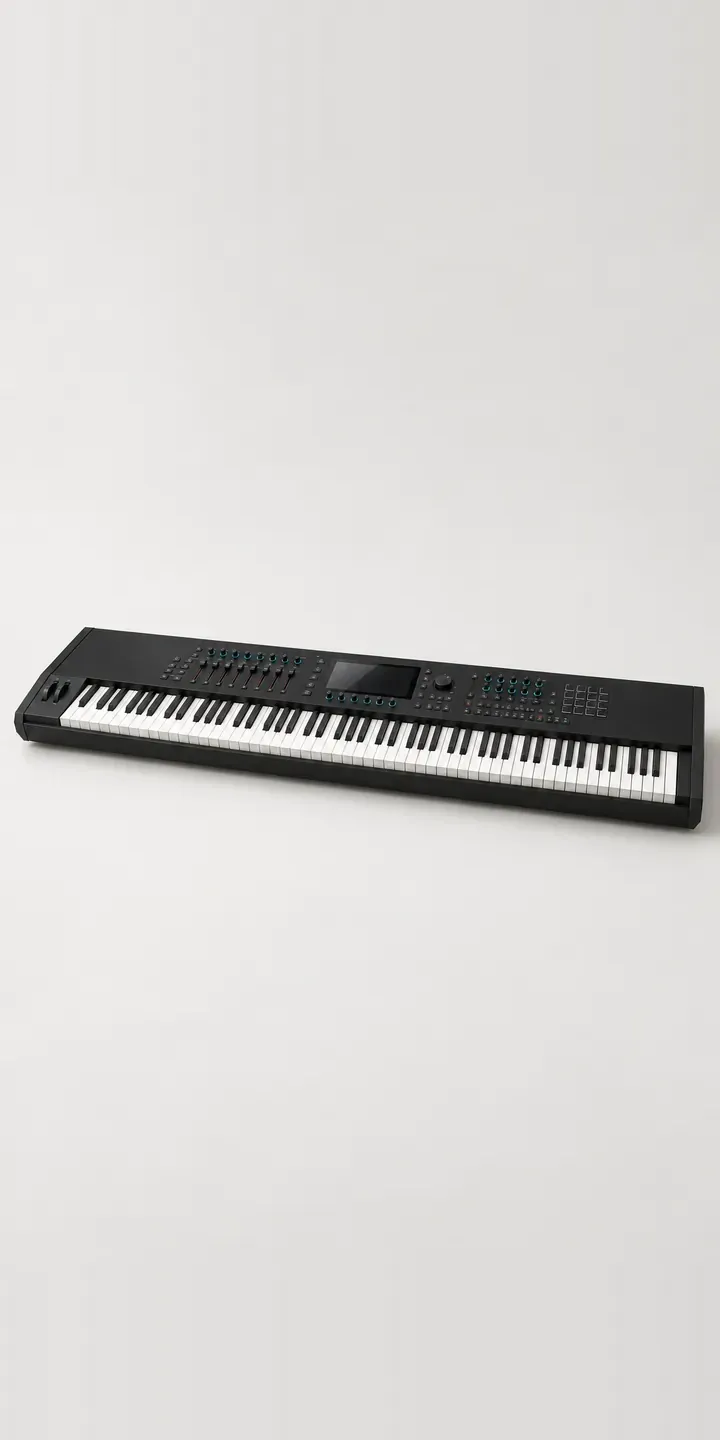
The touchscreen changes how this kind of keyboard is used. Patch lists, splits and set changes sit on one screen, which suits players running a full show from a single instrument, such as keys players in a theatre pit. For those buyers the decision is often about space and consistency: whether an 88 fits the pit, and whether every keyboard in a department or hire fleet should match.
Music Configurator demo
Touchscreen Synth
- Product
- Touchscreen Synth
- Colour
- Matte Black
- Keys
- 61 Keys
Illustrative product. The design and images are generated examples, not a real model for sale.
What you can configure
The live finishes are matte black, silver, gloss white and deep red. Dark grey and steel blue complete the six. Every image is shot from the same angle, so the central touchscreen, the knobs around it and the sliders beside it stay in place while the colour changes. Key count is 61, 76 or 88, logged in the summary rather than pictured. In a pit or classroom, that choice affects floor space and what repertoire the instrument can cover.
- Colour: Matte Black, Silver, Gloss White, Deep Red
- Keys: 61 Keys, 76 Keys, 88 Keys
Why a configurator suits synths
A good share of touchscreen synths are bought by organisations rather than individuals: schools, colleges, theatres and hire companies. They rarely buy one at a time, and they rarely pay by card. They want a quote listing several units, often in mixed key counts, to put through a purchase order.
A product configurator built for that buyer ends in a multi-line quote. The head of music adds four 61-key units for teaching rooms and one 88 for the performance space, all in matte black, and submits once. The supplier receives a clean list ready to price, rather than an email that needs three replies to clarify.
Finish matters to these buyers for practical reasons. Theatres often prefer matte finishes that do not throw stage light back at the audience, and hire companies want units that look identical so they can be swapped between jobs. Offering six finishes still serves the individual player, while the configurator can steer bulk orders towards the colours kept in stock.
How a production version would be built
A production version for this keyboard would use one base image per key count, with finishes as colour layers for the flat paints and a separate shoot for gloss white. The screen itself is best replaced with a clean interface capture, composited in, so it stays sharp and current after firmware updates. Data needed includes SKUs, stock per finish, trade pricing rules and quantity breaks. The quote can be pushed into a CRM or ERP, and education buyers can download a PDF to attach to a purchase order.
Build sheet for this range
- Colours in the full range: 6 (4 shown in this demo)
- Keys choices: 3
- Combinations to support: 6 × 3 = 18
- Images for one photograph per combination at 3 angles: 54
- Images if key counts can be shown as separate layers, at 3 angles: 27
- Data each of the 18 combinations needs: a SKU or variant ID, price, stock or lead time, and any dimensions or specification that change
Questions about synth configurators
Can a school request a quote for several keyboards with different key counts?
Yes. The configurator can work as a list of configurations, each with its own finish, key count and quantity. Submitting sends a single quote request covering every line. The buyer can also download a PDF of the request for their finance team, which helps when spending has to be approved before an order is placed.
How do you show the touchscreen without glare or an outdated interface?
I photograph or render the keyboard with the screen off, then composite a clean interface capture into the screen area. That avoids reflections and moiré, and when a firmware update changes the interface, only that layer needs replacing. The same approach works for any instrument with a display.
Can matte black and dark grey be told apart on a phone screen?
With care, yes. Close dark finishes need consistent exposure and a neutral background, and they benefit from a detail view where the panel meets the keys. I would also label them clearly in the swatch and summary, so nobody relies on a small thumbnail to tell them apart.
Can the configurator connect to our ERP for stock and trade pricing?
Yes. I integrate configurators with CRM and ERP systems as well as Shopify and WooCommerce. Stock levels and trade price lists can be read from the ERP so quotes reflect what is available, and submitted requests can be written back as draft orders. The exact approach depends on what your system exposes.
More musical instrument configurator demos

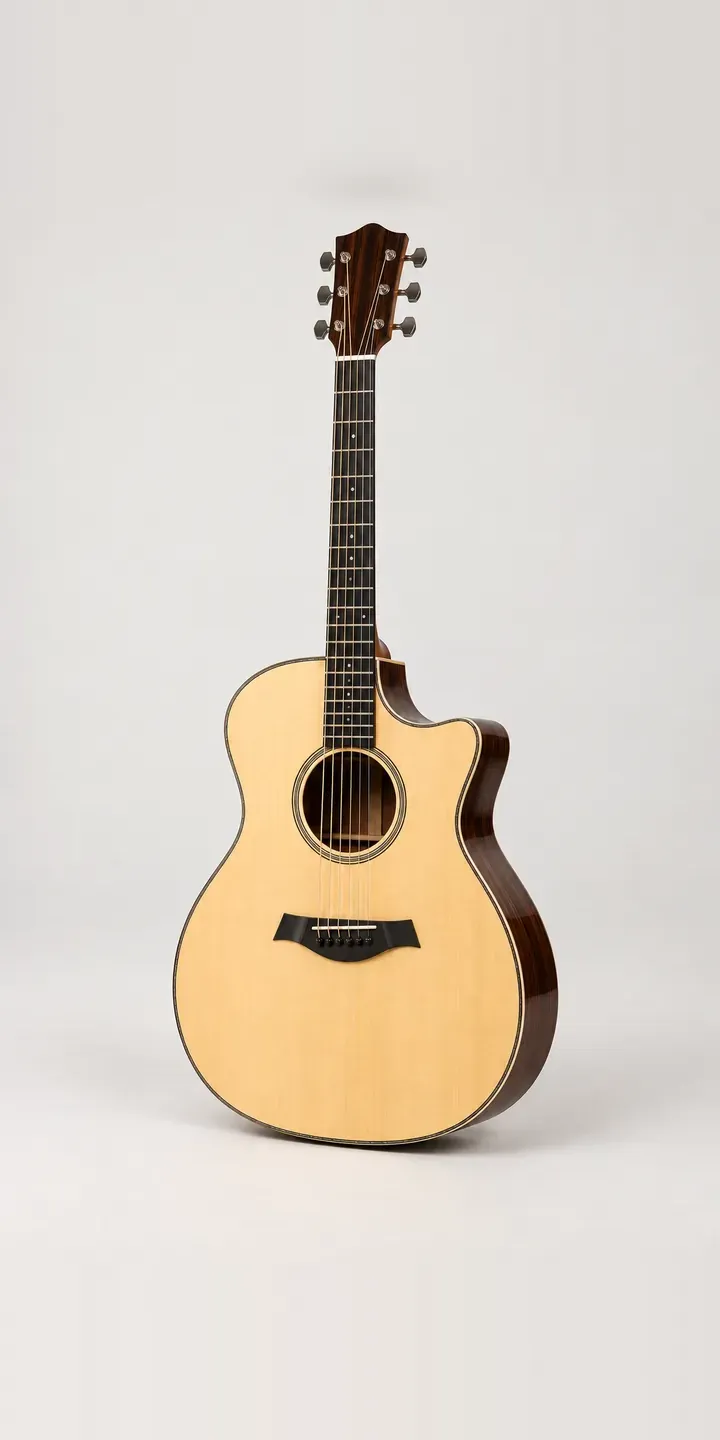
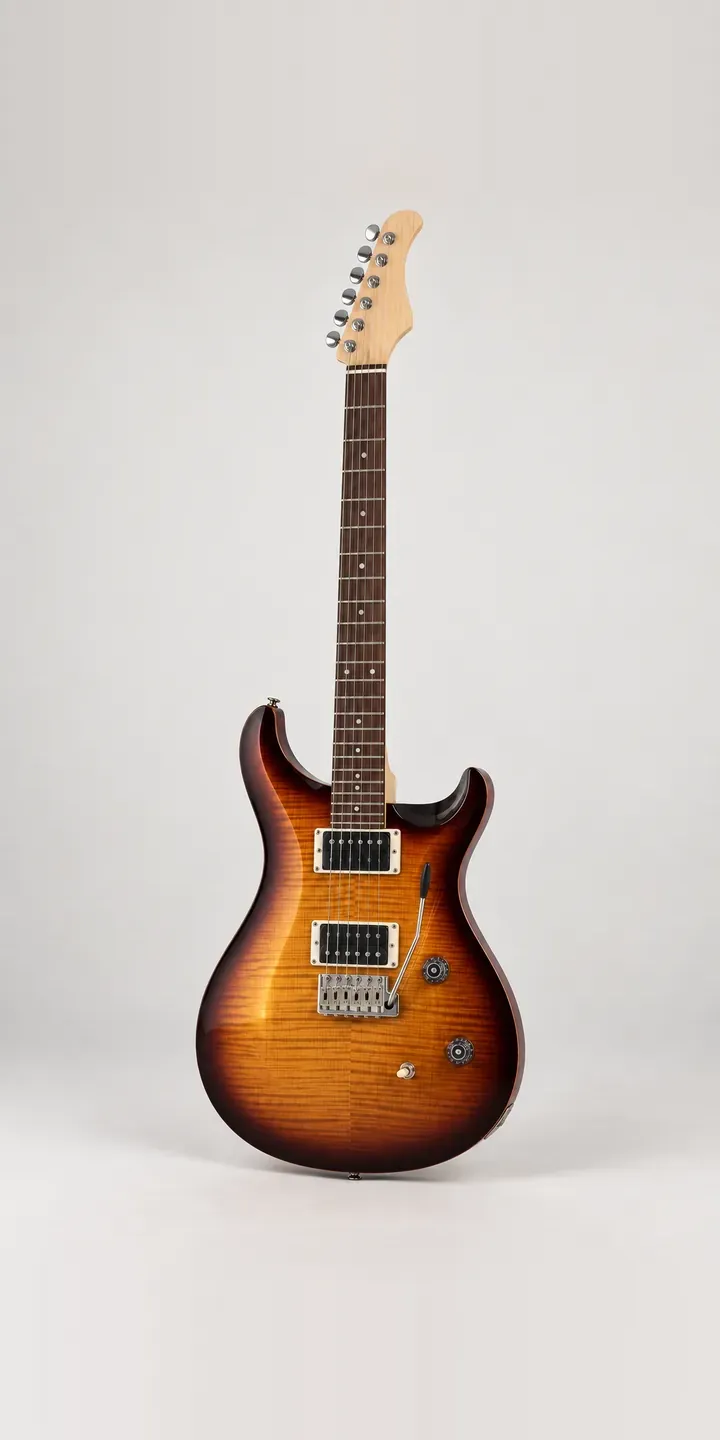
All musical instrument configurator demos
A configurator for your synths
This demo uses an illustrative product. If you sell synths, I can build the same experience around your own range, photography and ordering process, connected to Shopify, WooCommerce or a quote workflow. I reply to enquiries within two UK working days.