This demo configures an illustrative cutaway acoustic-electric guitar. Pick a finish and choose a gig bag or hard case, and the summary shows the complete package ready for a quote.
Buyers of a cutaway acoustic-electric usually play in public: open mics, café sets, church services and function gigs. The cutaway gives access to the upper frets, and the pickup means they can plug straight into a PA. Their decision is less about tonewoods than about look and protection. Shaded edge and tobacco suit a vintage stage, satin black disappears under lights, and the case choice reflects how far the guitar travels.
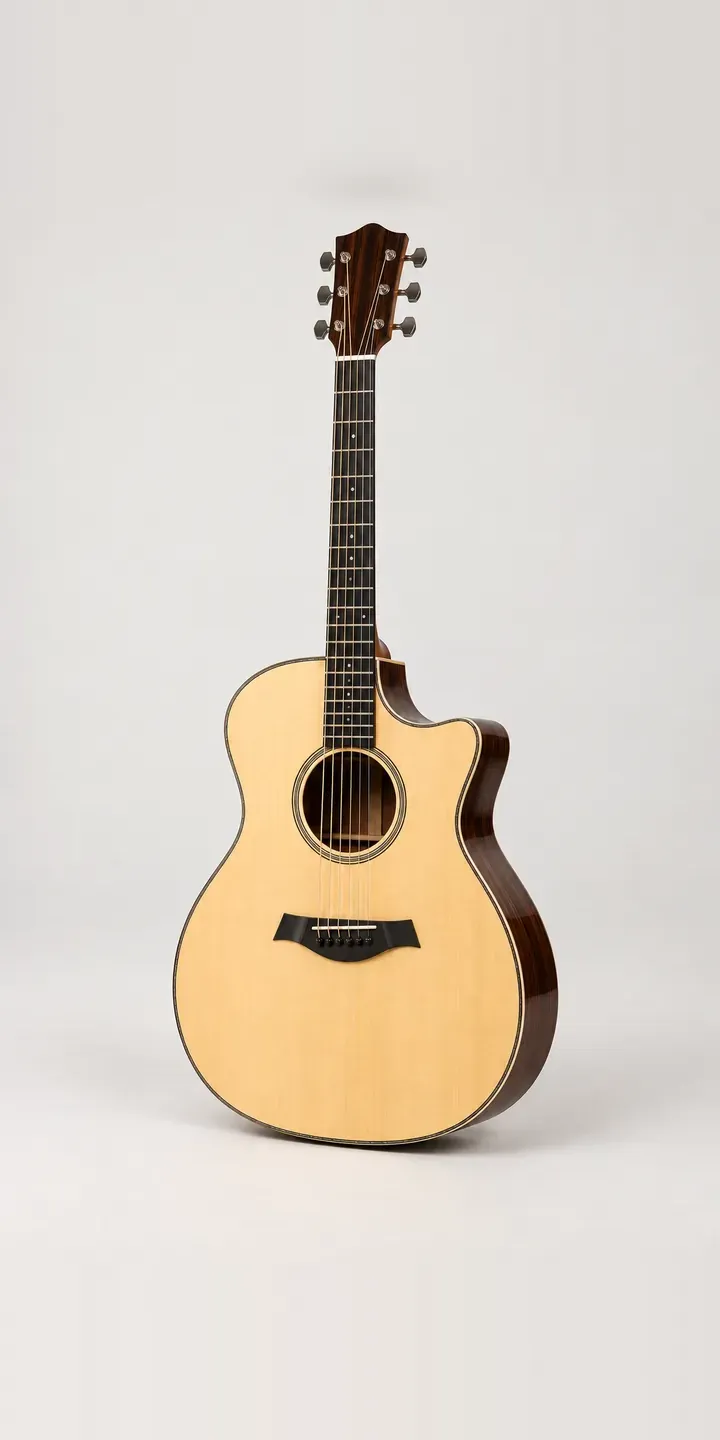
Music Configurator demo
Cutaway Acoustic
- Product
- Cutaway Acoustic
- Colour
- Natural
- Case
- Gig Bag
Illustrative product. The design and images are generated examples, not a real model for sale.
What you can configure
The demo shows natural, shaded edge, satin black and tobacco. Honey amber and steel blue complete the range of six. Each image holds the same angle, so the sharp upper-bout cutaway and the inlaid rosette look the same across finishes. Case is recorded as gig bag or hard case. It does not change the guitar image in this demo, and a production build would show the case as a second picture.
- Colour: Natural, Shaded Edge, Satin Black, Tobacco
- Case: Gig Bag, Hard Case
Why a configurator suits guitars
Cases are an easy add-on to sell and an easy one to miss. A buyer who checks out without one often buys a cheap bag elsewhere, or none at all. Putting the case inside the configurator, as part of choosing the guitar, makes it a natural decision rather than a cross-sell banner below the fold.
Twelve combinations come from six finishes and two cases, but only six need guitar photography. The case is a separate product with its own image, so the configurator can pair any finish with either case without a combined shot. That makes this one of the cheaper products to configure well.
The hard case also changes delivery. A guitar shipped in its own hard case, inside an outer box, is far better protected than one shipped in a gig bag. Some retailers use the configurator to encourage the hard case for mail order, or include it on higher-value finishes, which cuts transit damage and the returns that follow.
How a production version would be built
Here the build is straightforward. One image per finish, shot or rendered from the same angle, covers the guitar. Each case gets its own image, shown as a second view or a small inset when selected. Satin black should be shot separately rather than recoloured, because satin and gloss reflect light so differently. The retailer supplies SKUs for guitars and cases, any finish-and-case bundles with their own codes, and stock. On WooCommerce the guitar and case can be added together as linked products.
Build sheet for this range
- Colours in the full range: 6 (4 shown in this demo)
- Case choices: 2
- Combinations to support: 6 × 2 = 12
- Images for one photograph per combination at 3 angles: 36
- Images if cases can be shown as separate layers, at 3 angles: 24
- Data each of the 12 combinations needs: a SKU or variant ID, price, stock or lead time, and any dimensions or specification that change
Questions about guitar configurators
Should the case option change the main product image?
Not usually. The guitar is what the buyer is studying, so it stays as the main image. Selecting a case adds a second view showing that case, ideally open with the guitar inside so the fit is obvious. That keeps the photography simple and still answers what the case looks like.
Can the configurator show the pickup and preamp controls?
Yes, as a detail view. Acoustic-electric buyers want to see where the controls sit, whether there is an onboard tuner and where the output jack is. A close-up image or a hotspot on the main view can point these out. The specification text comes from your product data, so it stays accurate across models.
Can it handle ex-demo and B-stock guitars?
Yes. Ex-demo and B-stock guitars can appear as individual listings that match the chosen finish, each with its own photos and a short note on any marks. Buyers see the new option and the reduced alternative together. When a used item sells, it drops out of the configurator automatically through the stock link.
Can it run on our existing guitar shop website?
Most likely. I integrate configurators with Shopify and WooCommerce, and with quote forms or CRM systems for shops on other platforms. The configurator sits on the product page, reads your existing products and variants, and adds the chosen guitar and case to the normal basket. Checkout, payments and shipping stay as they are.
More musical instrument configurator demos
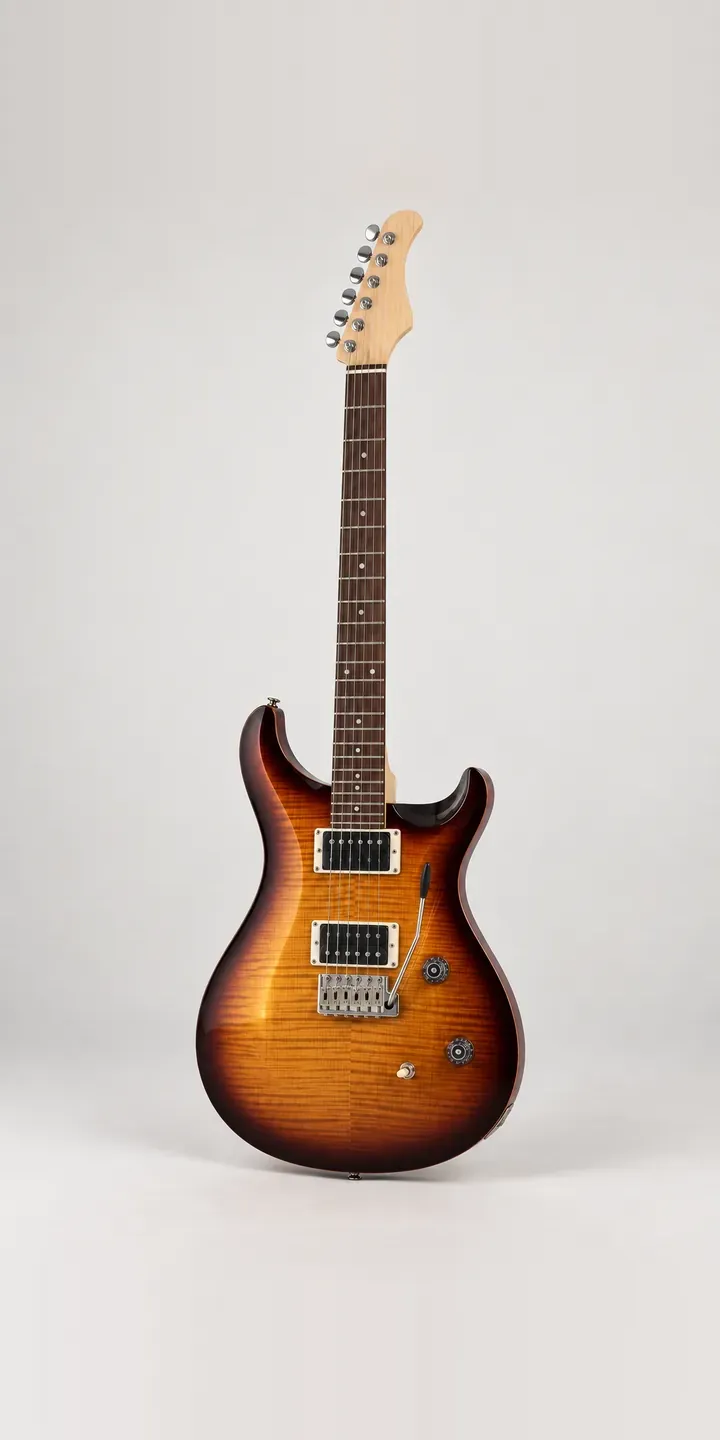
Double-Cut Electric
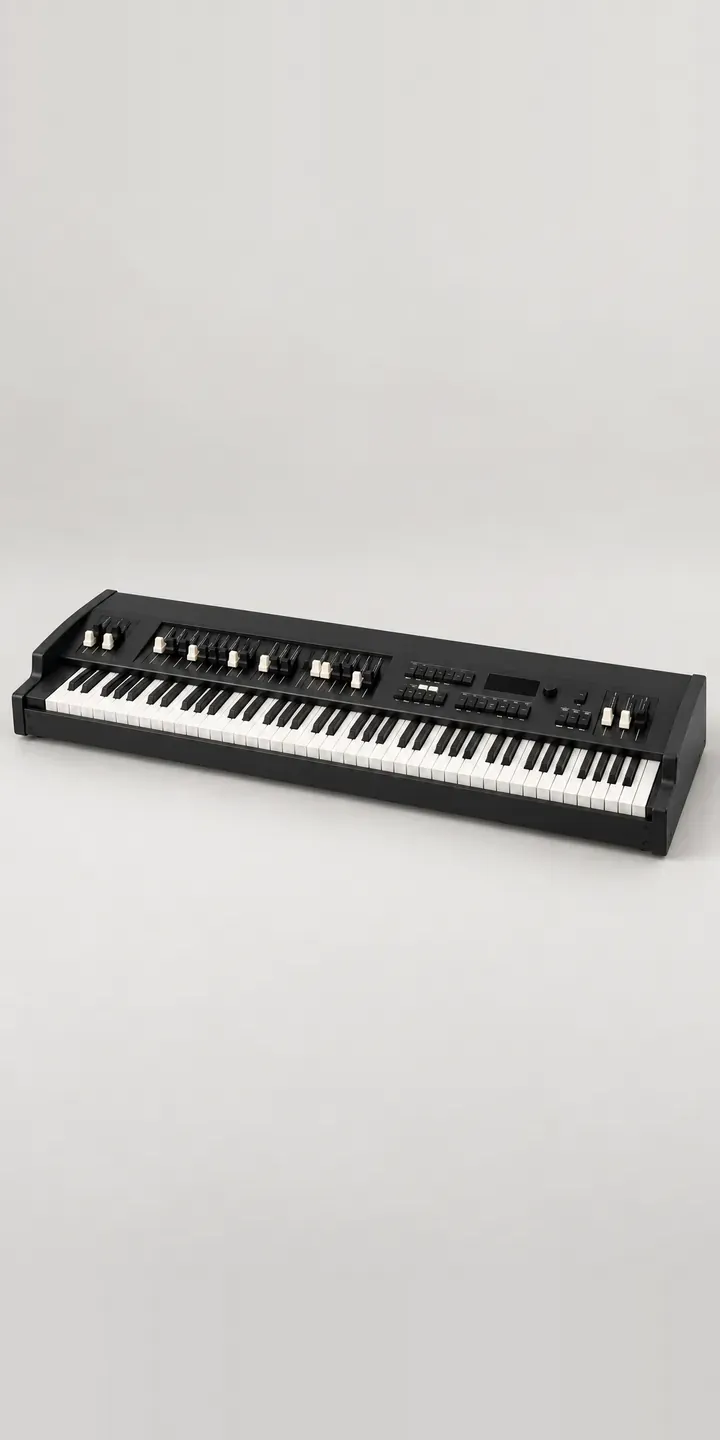
Drawbar Organ
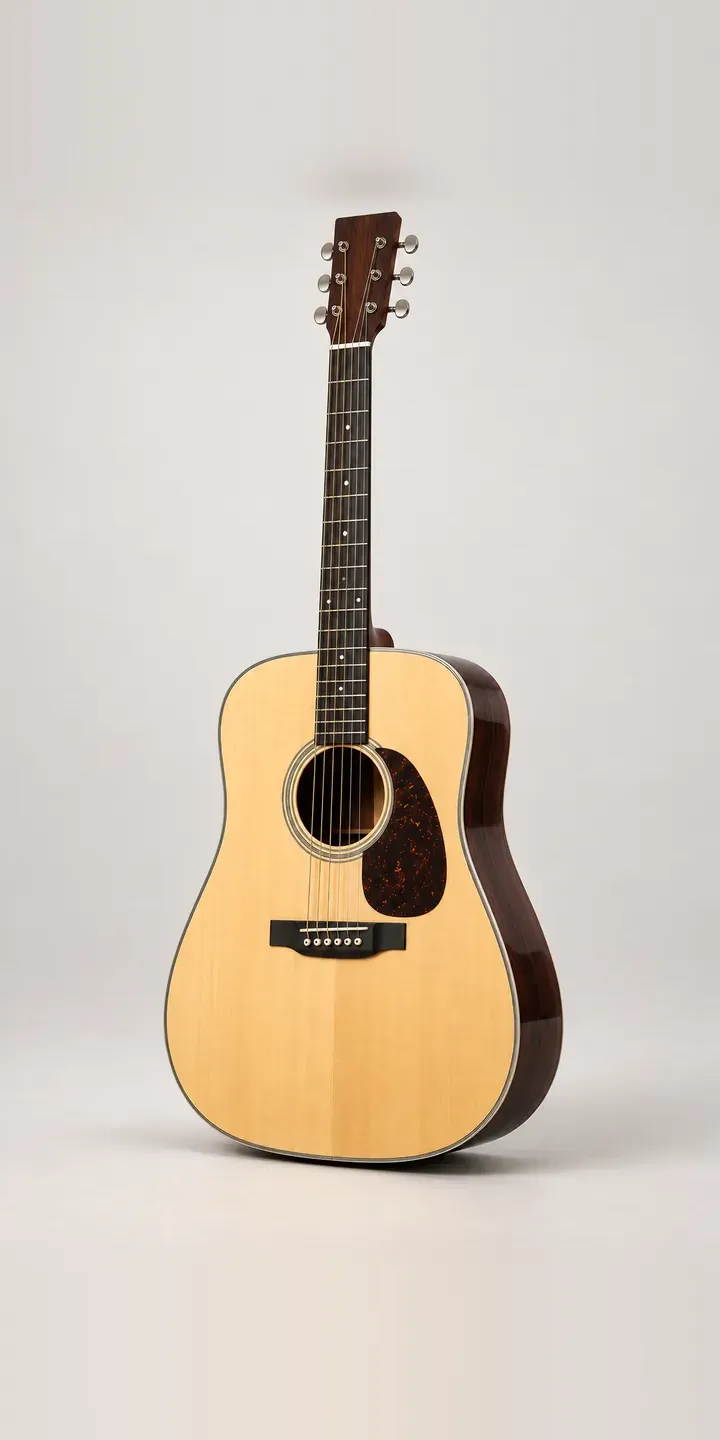
Dreadnought Guitar
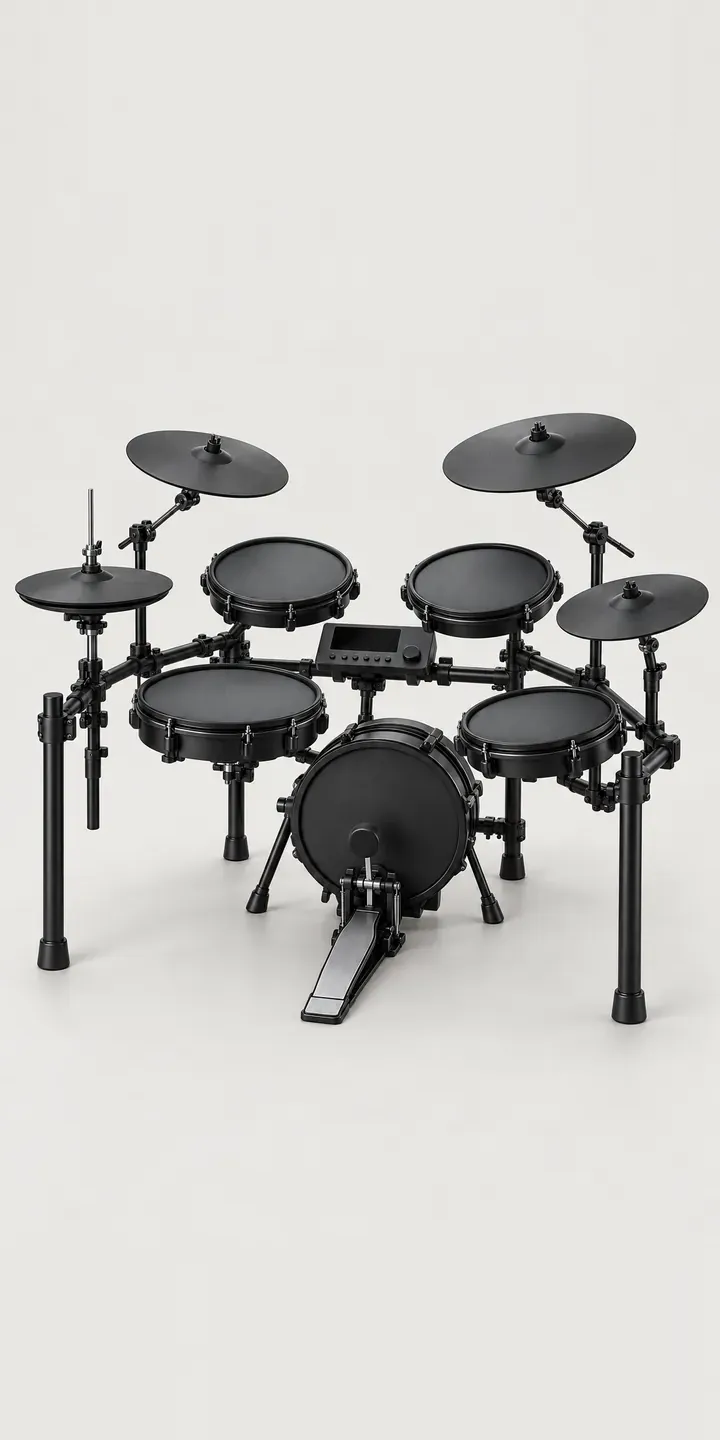
Electronic Drum Kit
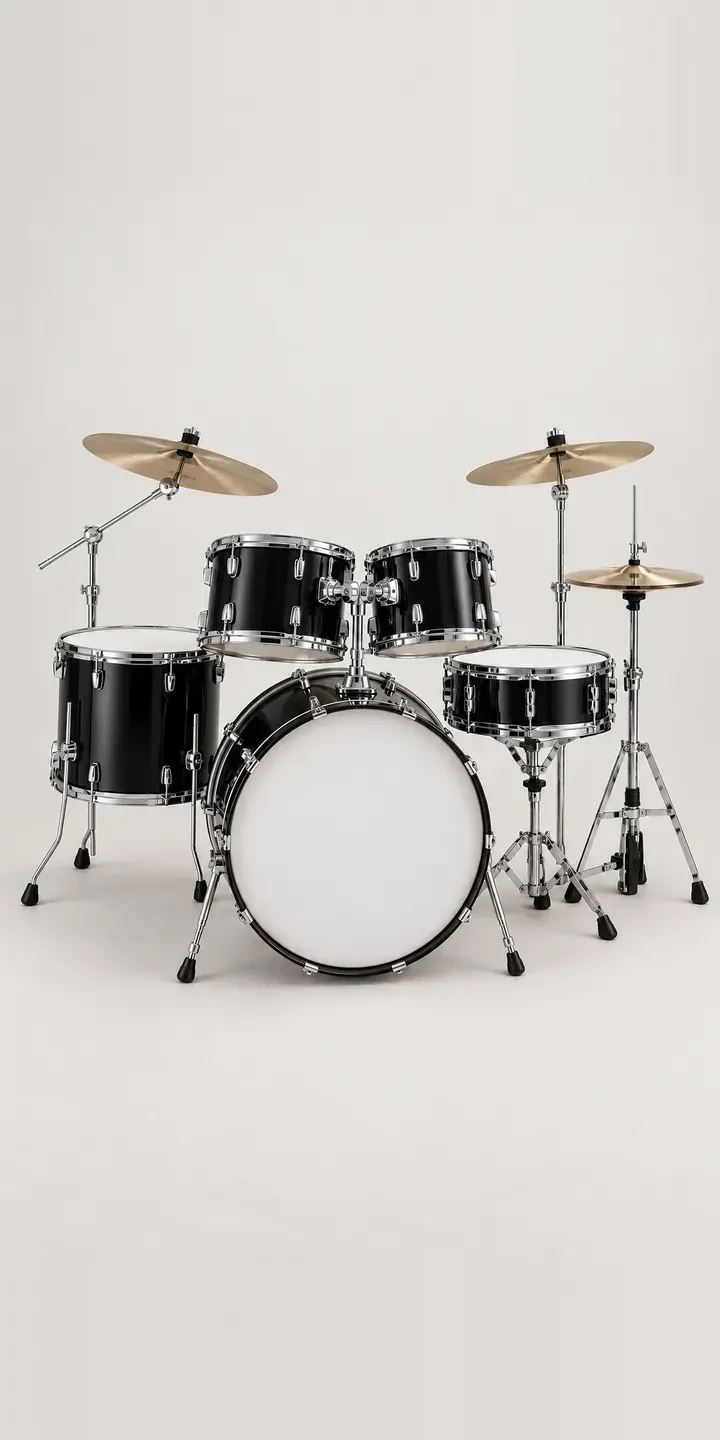
Five-Piece Drum Kit
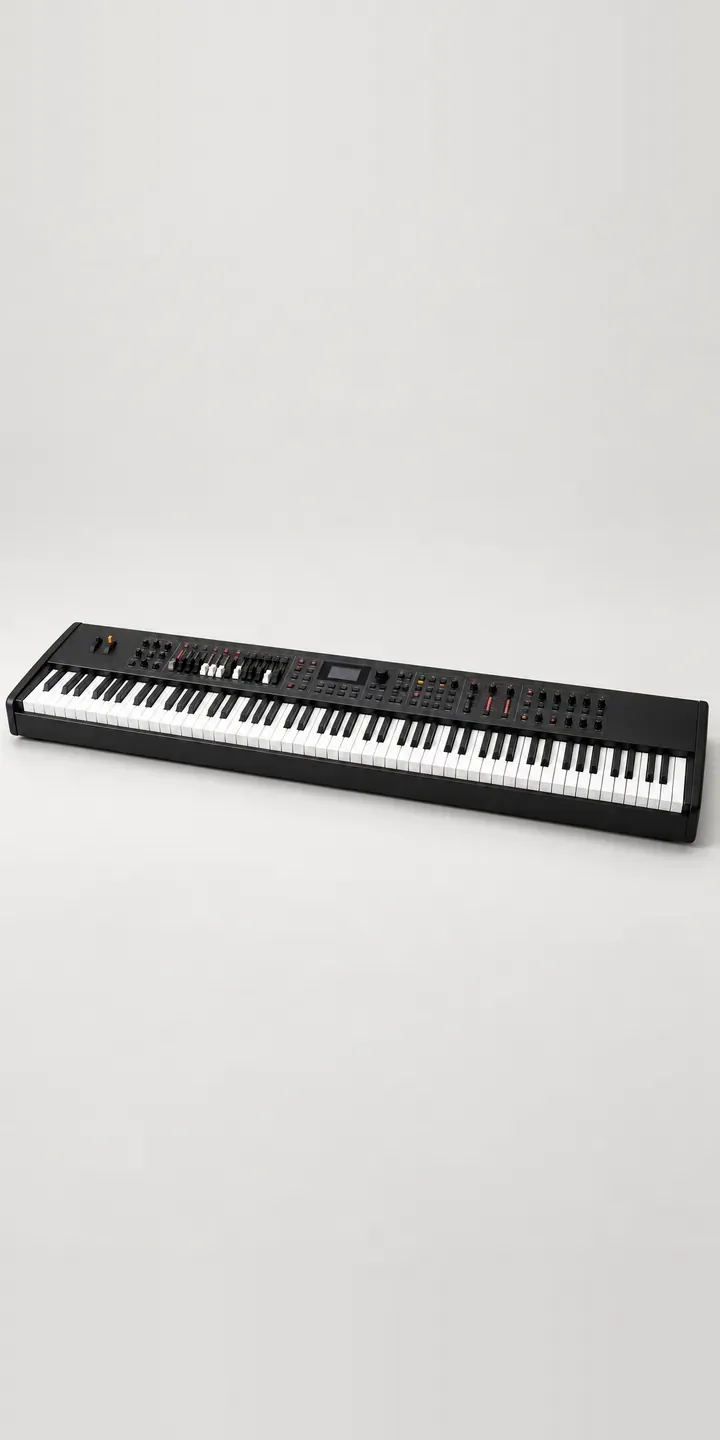
Gigging Keyboard
All musical instrument configurator demos
A configurator for your guitars
This demo uses an illustrative product. If you sell guitars, I can build the same experience around your own range, photography and ordering process, connected to Shopify, WooCommerce or a quote workflow. I reply to enquiries within two UK working days.