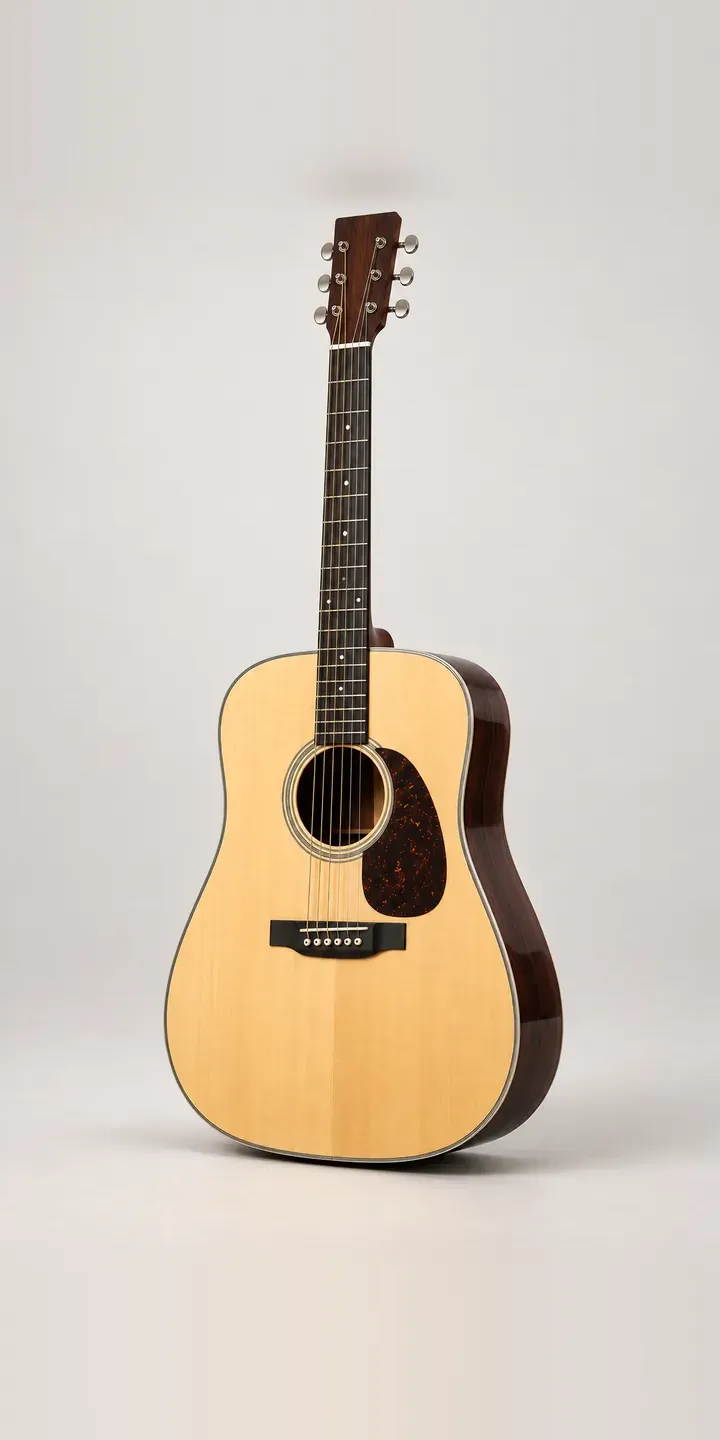
This is a working configurator for an illustrative dreadnought acoustic guitar. Choose a top finish and a right- or left-handed build, and the summary holds the specification you would send to a guitar shop or maker.
Dreadnought buyers usually know the body shape they want: big, loud and strong in the bass for strumming and flatpicking. The open decision is how the guitar should look and whether it can be had in their hand. Natural gloss shows the spruce grain, sunburst frames it, black hides it completely, and aged toning gives a new top the warmth of an older instrument. Left-handed players face the extra frustration that most shops hold one lefty dreadnought, if any.
Music Configurator demo
Dreadnought Guitar
- Product
- Dreadnought Guitar
- Colour
- Natural Gloss
- Hand
- Right
Illustrative product. The design and images are generated examples, not a real model for sale.
What you can configure
The demo shows natural gloss, sunburst, black and aged toning, while cherry red and white complete the range. The same three-quarter angle is used throughout, and the inlaid rosette and seated bridge pins are identical in every image, so finish is the only change. Hand is recorded as right or left. It does not flip the image in this demo, and on a production build it should not simply mirror it either.
- Colour: Natural Gloss, Sunburst, Black, Aged Toning
- Hand: Right, Left
Why a configurator suits guitars
Six finishes in two hands is twelve guitars. A typical shop stocks the natural and perhaps the sunburst, right-handed only, and directs everyone else to a special order. The left-handed customer then has to commit to a guitar they have only seen reversed in their head. Some give up and restring a right-handed guitar, which rarely plays well.
A configurator makes the special order feel like a normal purchase. The lefty sees a true left-handed image in the finish they chose, the shop receives a clean order with hand and finish stated, and the maker gets it without the back-and-forth emails that usually come before a custom build.
Acoustic guitars also attract careful buyers who research for weeks. They compare tops, bracing and neck profiles before deciding. Giving them an accurate view of each finish under consistent light is what moves them from browsing to ordering. That applies most to aged toning, which can look anywhere between pale honey and deep amber in uncalibrated photos.
How a production version would be built
For an acoustic range, I would start with one photograph or render per finish in each hand. Finishes like black and cherry red can be produced as layers, but natural and toned tops need real images because the grain carries the look. Left-handed versions should be shot properly, or rendered from CAD, rather than mirrored. The maker supplies model codes, available finishes per hand and any lead time for left-handed builds. Stocked guitars can map to Shopify variants, with made-to-order versions routed to a quote request instead.
Build sheet for this range
- Colours in the full range: 6 (4 shown in this demo)
- Hand choices: 2
- Combinations to support: 6 × 2 = 12
- Images for one photograph per combination at 3 angles: 36
- Images if hands can be shown as separate layers, at 3 angles: 24
- Data each of the 12 combinations needs: a SKU or variant ID, price, stock or lead time, and any dimensions or specification that change
Questions about guitar configurators
Can we show left-handed guitars by mirroring the right-handed photo?
It is tempting, but it rarely survives a close look. Any headstock logo or truss rod cover lettering reads backwards, and the grain and saddle look wrong to experienced players. A proper left-handed shot or CAD render costs more once, then serves every finish that can be layered over it.
Will aged toning look accurate on screen?
It can be close with care. Toned tops are among the hardest finishes to reproduce, because small shifts in white balance push them towards yellow or orange. Shooting beside a reference card and checking the result against the real guitar keeps it honest. A second close view of the top also helps buyers judge the colour.
Can we offer a factory-fitted pickup as an option on the dreadnought?
Yes, as a second option set. If fitting a pickup adds an end-pin jack or a control panel on the side, a detail view can appear when it is selected. The summary records the choice for the workshop, and the price difference sits in the product data rather than on the page.
Do we need separate product pages for left- and right-handed models?
No. Hand is an option on one product page, mapped to separate variants or SKUs underneath, as set out in my guide to configurator product data. Reviews, description and search ranking stay on a single URL, while stock and lead times remain accurate for each hand.
More musical instrument configurator demos
Electronic Drum Kit
Five-Piece Drum Kit
Gigging Keyboard
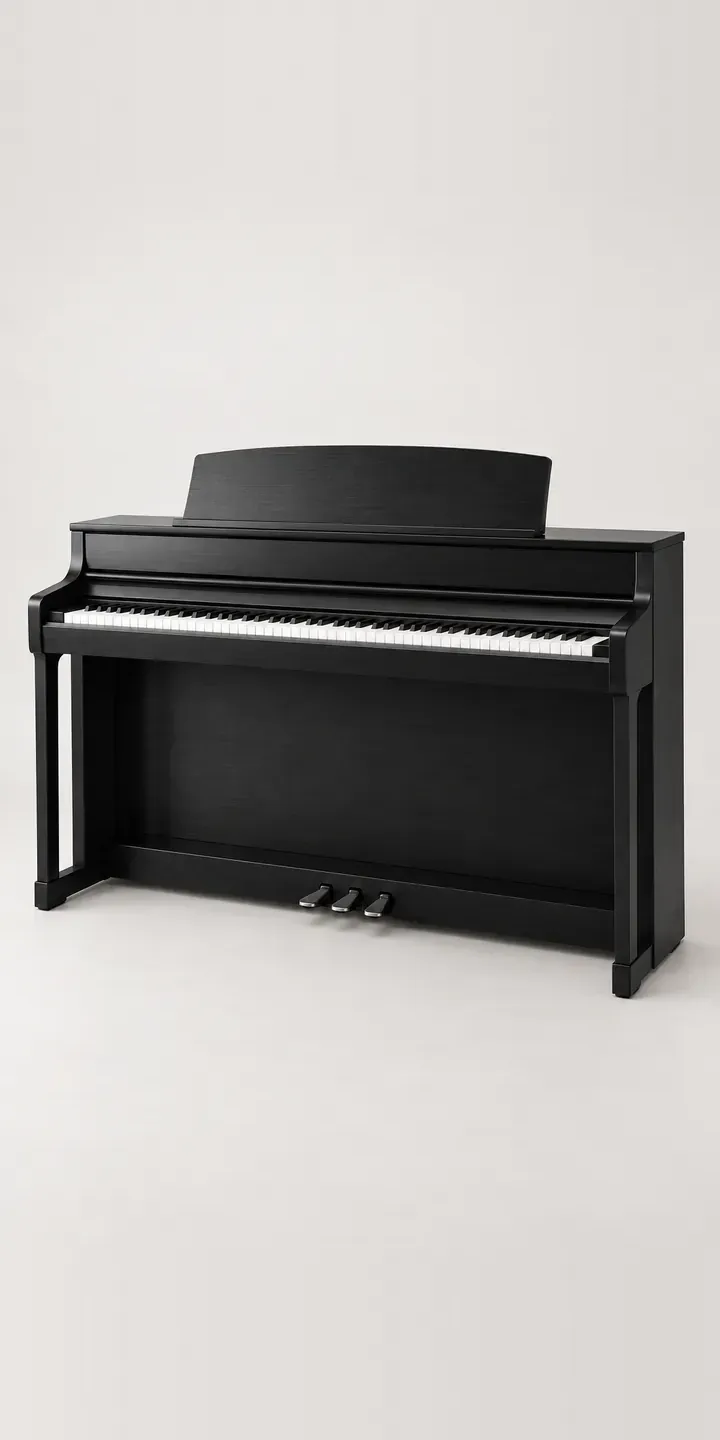
Home Digital Piano
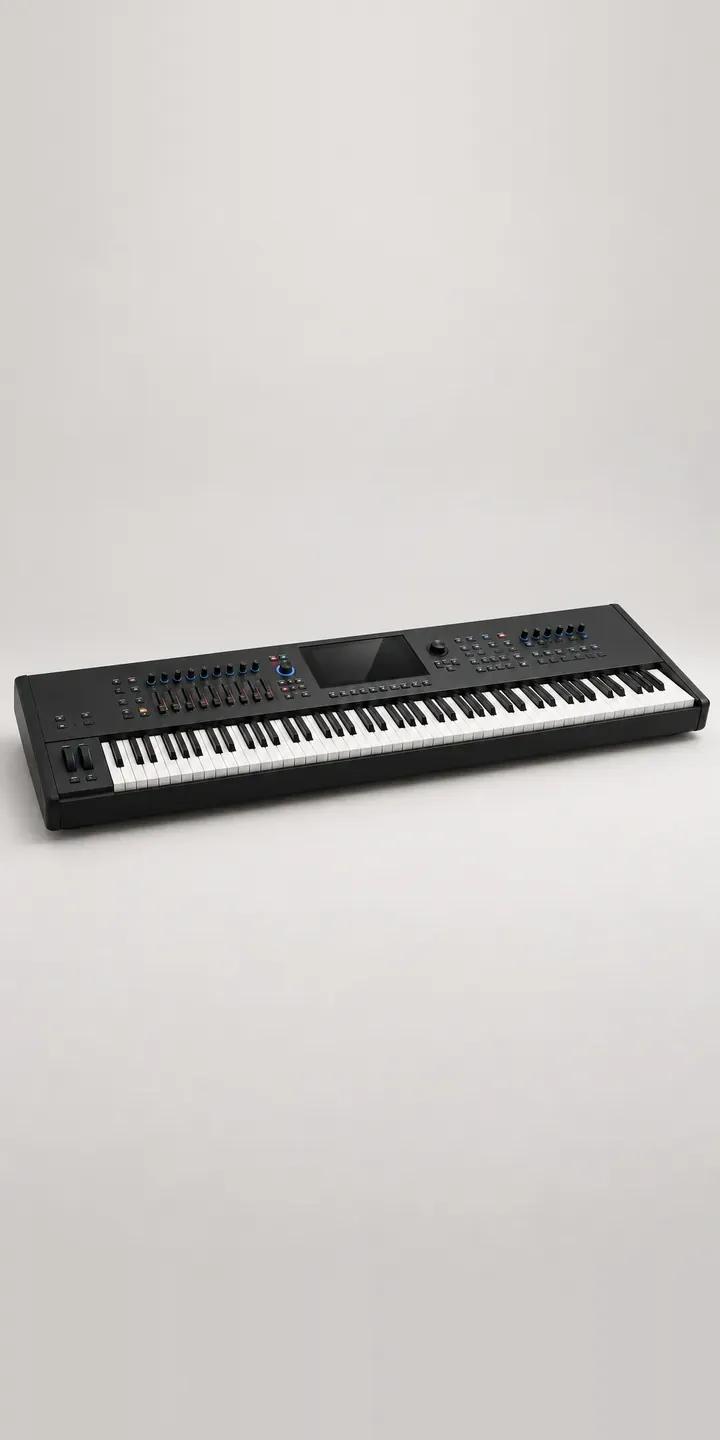
Performance Synth
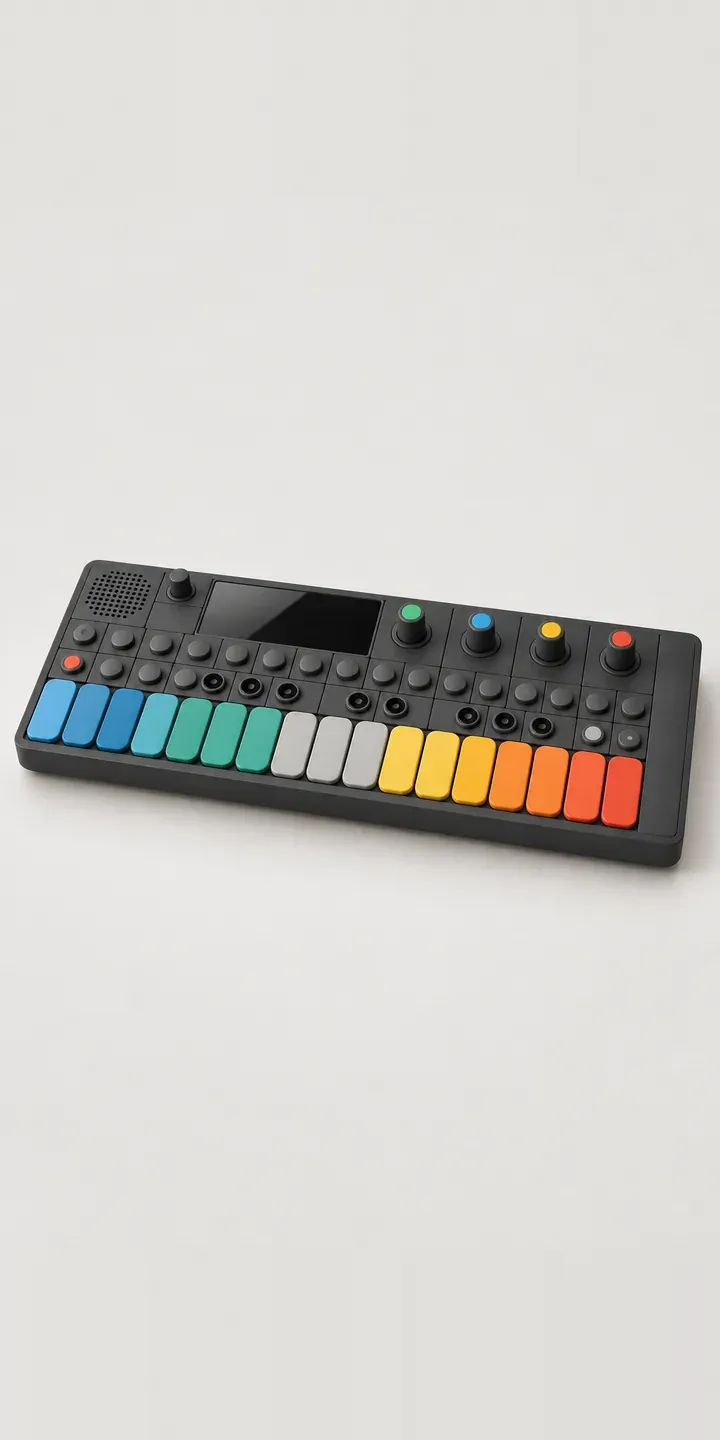
Pocket Synth
All musical instrument configurator demos
A configurator for your guitars
This demo uses an illustrative product. If you sell guitars, I can build the same experience around your own range, photography and ordering process, connected to Shopify, WooCommerce or a quote workflow. I reply to enquiries within two UK working days.