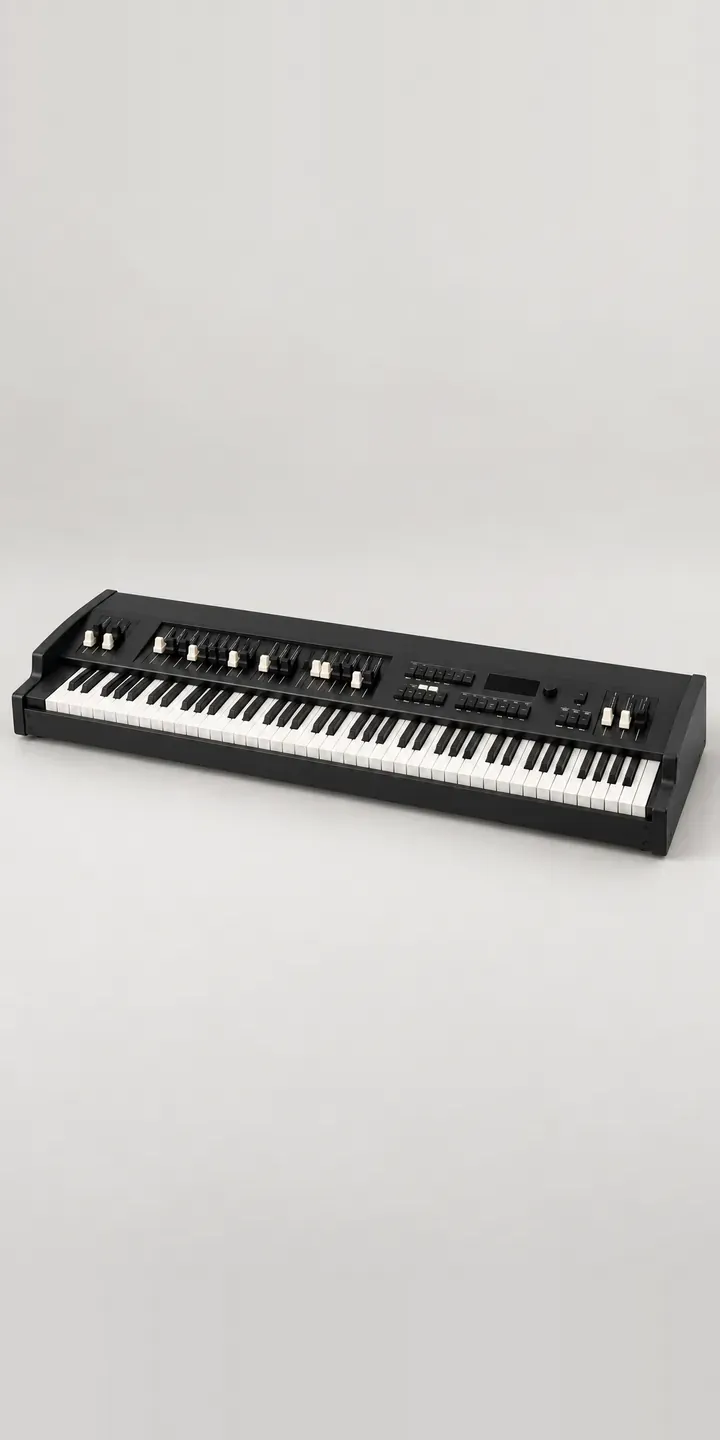
Below is a working configurator for an illustrative portable drawbar organ. Select a cabinet finish and either one or two manuals, and the build summary is ready to send as a quote request.
Organists buy with a particular sound in mind, so the real decision is about form. A single manual is lighter, faster to set up on a bar stage and enough for many players who split the keyboard. A second manual brings back the classic two-handed approach, with independent registrations for each hand, at the cost of weight and van space. Finish matters more here than on most keyboards, because buyers of this instrument care how it looks beside a valve amp.
Music Configurator demo
Drawbar Organ
- Product
- Drawbar Organ
- Colour
- Matte Black
- Manuals
- Single
Illustrative product. The design and images are generated examples, not a real model for sale.
What you can configure
The demo shows matte black, oxblood, ivory and walnut. Two further finishes, seafoam and grey, sit in the full range. Every image uses the same three-quarter view, so the drawbars and waterfall keys stay unchanged while the cabinet colour moves. The manuals option records single or double. In this demo it does not change the picture, but a production build would show the extra tier, since a second manual changes the instrument's height and presence.
- Colour: Matte Black, Oxblood, Ivory, Walnut
- Manuals: Single, Double
Why a configurator suits organs
Drawbar organs are a specialist purchase. Few shops keep more than one on the floor, and fewer still stock every finish in both manual configurations. With six finishes and two manual options there are twelve versions, and a player in Inverness cannot easily see the oxblood double before committing.
Many of these instruments are built in small batches or to order. That makes a product configurator useful as a specification tool rather than a shop window. The buyer chooses finish and manuals, the dealer receives a structured request, and the maker can see whether walnut doubles or black singles are pulling demand before cutting cabinets.
There is also a second-hand market to compete with. Many players consider a vintage console or a used portable before a new instrument. A configurator that shows the exact new organ, in a finish the used market cannot offer, gives the dealer a reason to quote rather than lose the player to a classified advert.
How a production version would be built
For an organ, the manual count is the option that needs its own base image, because a second keyboard changes the height and profile. I would photograph or render a single and a double, then produce each finish for both. Painted finishes such as ivory and seafoam suit masked colour layers, while walnut needs real grain. The maker supplies model codes, finish names, lead times per finish and any combinations they will not build. Requests can go to a quote form, a dealer inbox or a CRM, with accessories such as stands and pedals listed as separate lines.
Build sheet for this range
- Colours in the full range: 6 (4 shown in this demo)
- Manuals choices: 2
- Combinations to support: 6 × 2 = 12
- Images for one photograph per combination at 3 angles: 36
- Images if manuals can be shown as separate layers, at 3 angles: 24
- Data each of the 12 combinations needs: a SKU or variant ID, price, stock or lead time, and any dimensions or specification that change
Questions about organ configurators
Can a double-manual version be shown without a full second photoshoot?
Partly. If you have CAD data for the cabinet and keybed, the double can be rendered and each finish applied in software. Without CAD, one photograph per manual configuration in a base finish is enough, with other painted finishes produced as colour layers. Walnut and other real-wood finishes still benefit from a proper shot of the actual veneer.
Can the configurator show different lead times for each finish?
Yes. Lead time is stored against each combination, so a stocked black single can show as available now while an oxblood double shows its build time. Buyers see the trade-off before they submit. That avoids the awkward call where a dealer explains, after the deposit, that the chosen finish is several weeks away.
Can accessories like an expression pedal or stand be added to the request?
Yes. Accessories sit as a separate step after the instrument, with only compatible items offered. For a portable organ that might include an expression pedal, a stand sized for one or two manuals, and a soft or hard case. Each one appears as its own line in the quote, so the dealer can price the full rig in one reply.
Can buyers hear the organ as well as see it?
Yes. Short audio clips can sit beside the configurator, recorded with a few typical drawbar registrations. They do not change with the finish, but they answer the first question any organist has. Audio files are light, so they load quickly on a phone, and each clip can be labelled with the drawbar setting used.
More musical instrument configurator demos
Dreadnought Guitar
Electronic Drum Kit
Five-Piece Drum Kit
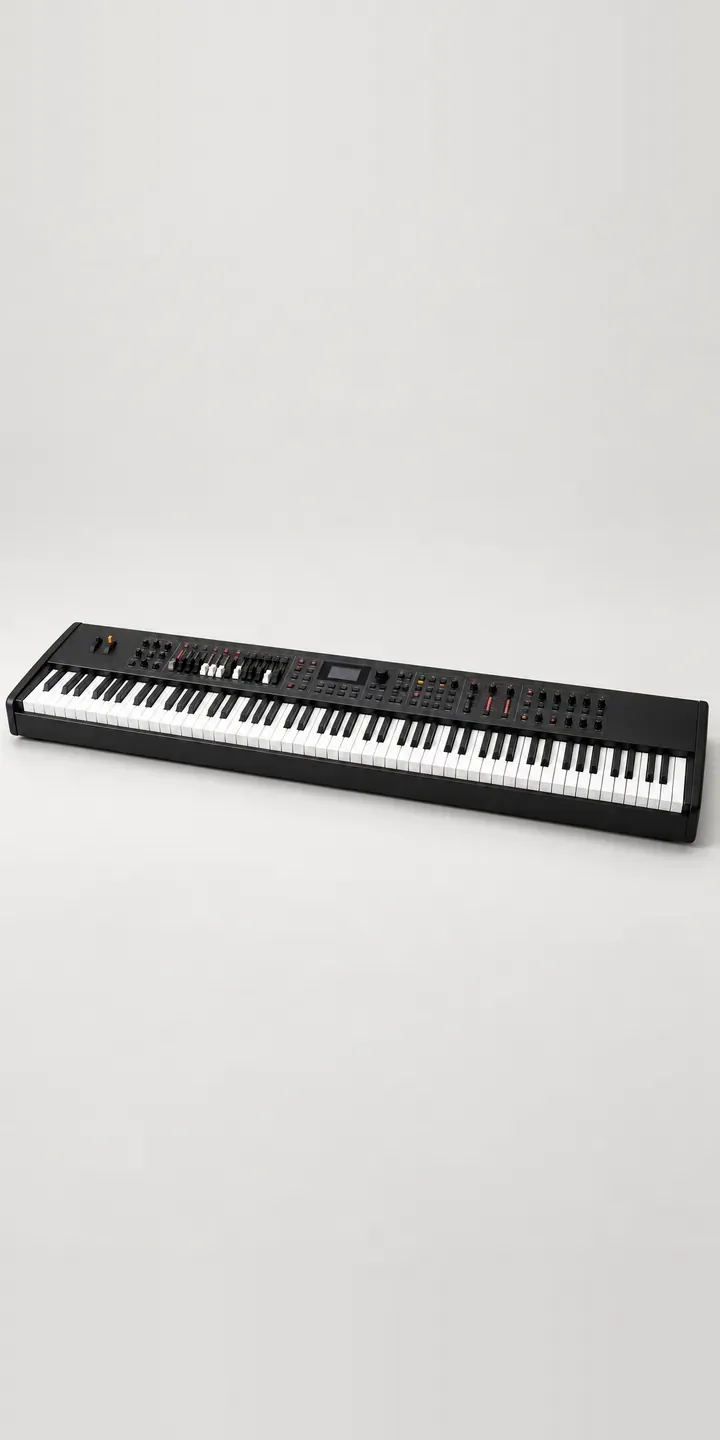
Gigging Keyboard
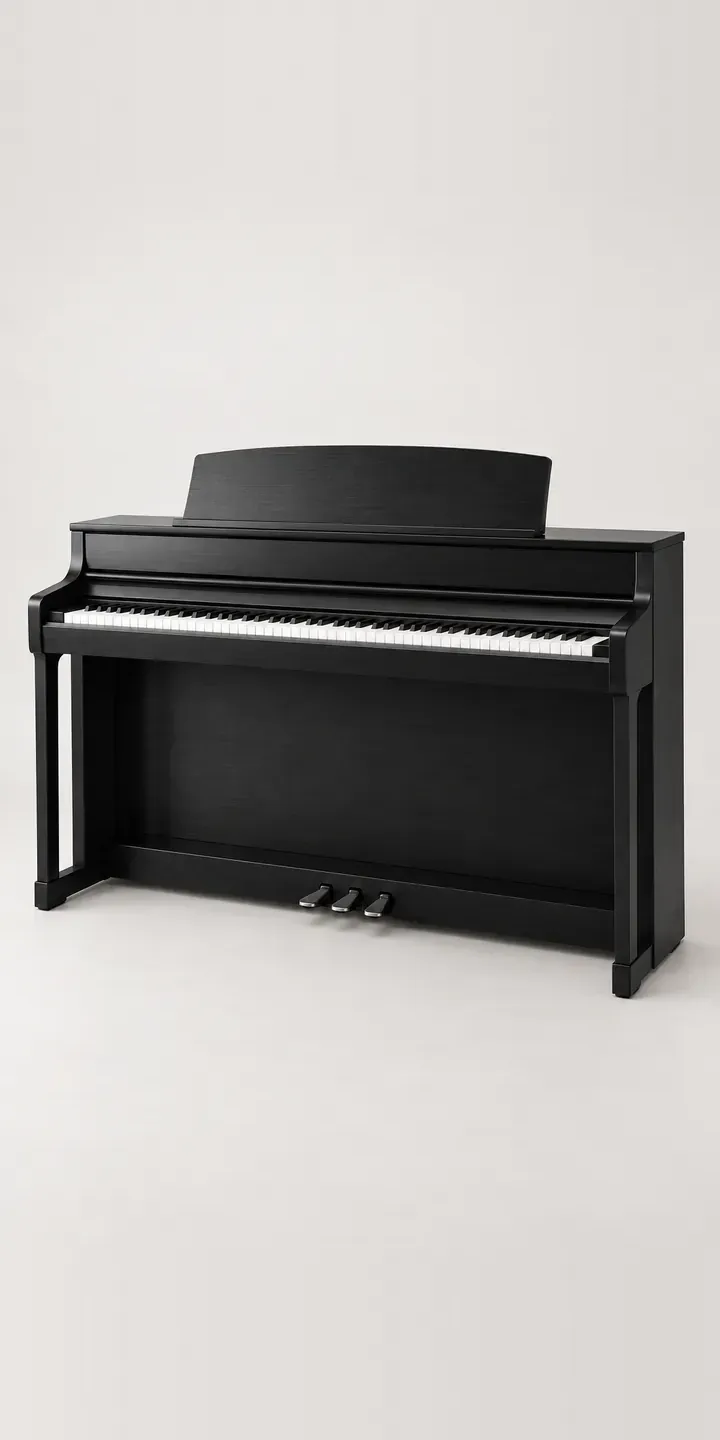
Home Digital Piano
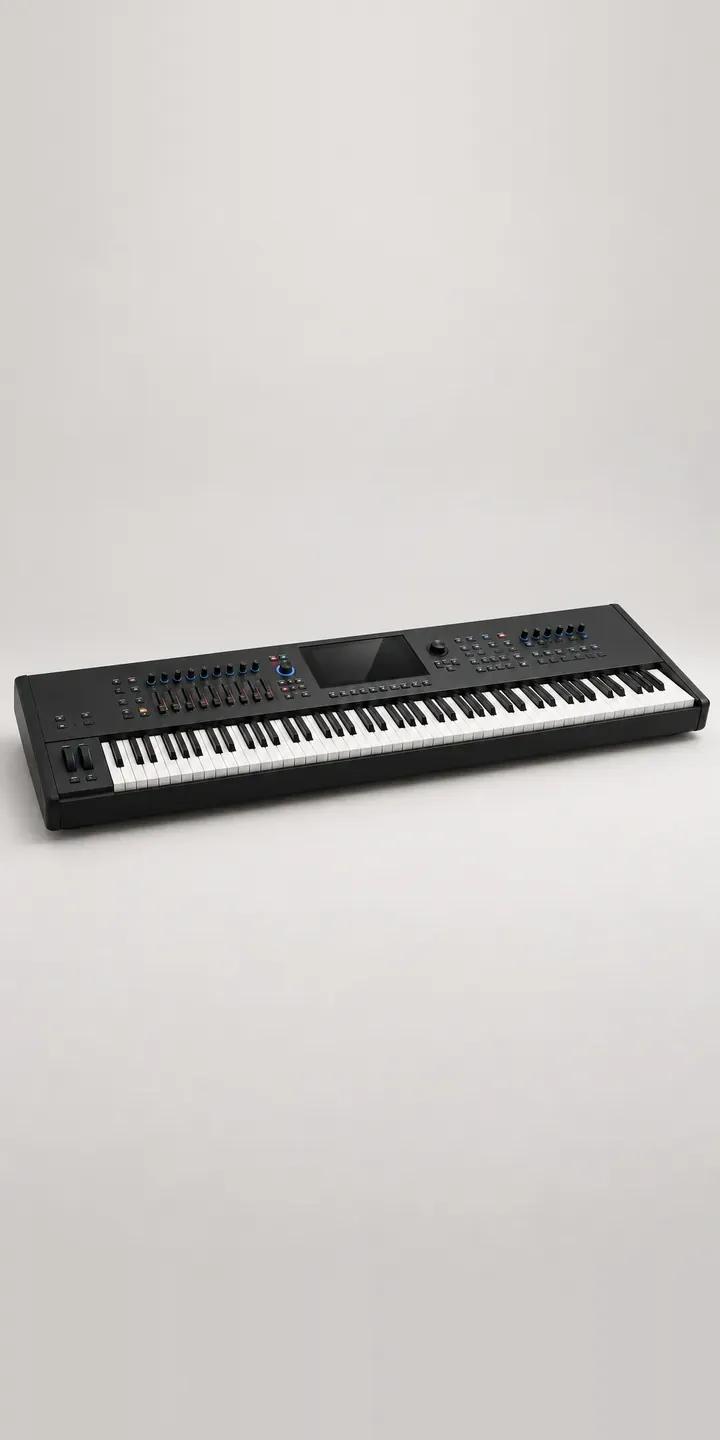
Performance Synth
All musical instrument configurator demos
A configurator for your organs
This demo uses an illustrative product. If you sell organs, I can build the same experience around your own range, photography and ordering process, connected to Shopify, WooCommerce or a quote workflow. I reply to enquiries within two UK working days.