On this page is a working configurator for an illustrative alto saxophone. Pick a finish, add a gig bag or hard case, and the build goes to a dealer as a quote request.
Saxophonists argue about finishes more than almost any other instrumentalists. Some hear a difference between lacquer and plating, while others insist it is purely visual. Either way, the finish is a long-term decision. Gold lacquer is the familiar choice, silver plate brightens the look but needs polishing, black nickel suits darker stages, and dark lacquer gives a vintage warmth. Players stepping up from a student horn often see the finish as the visible sign of the upgrade.
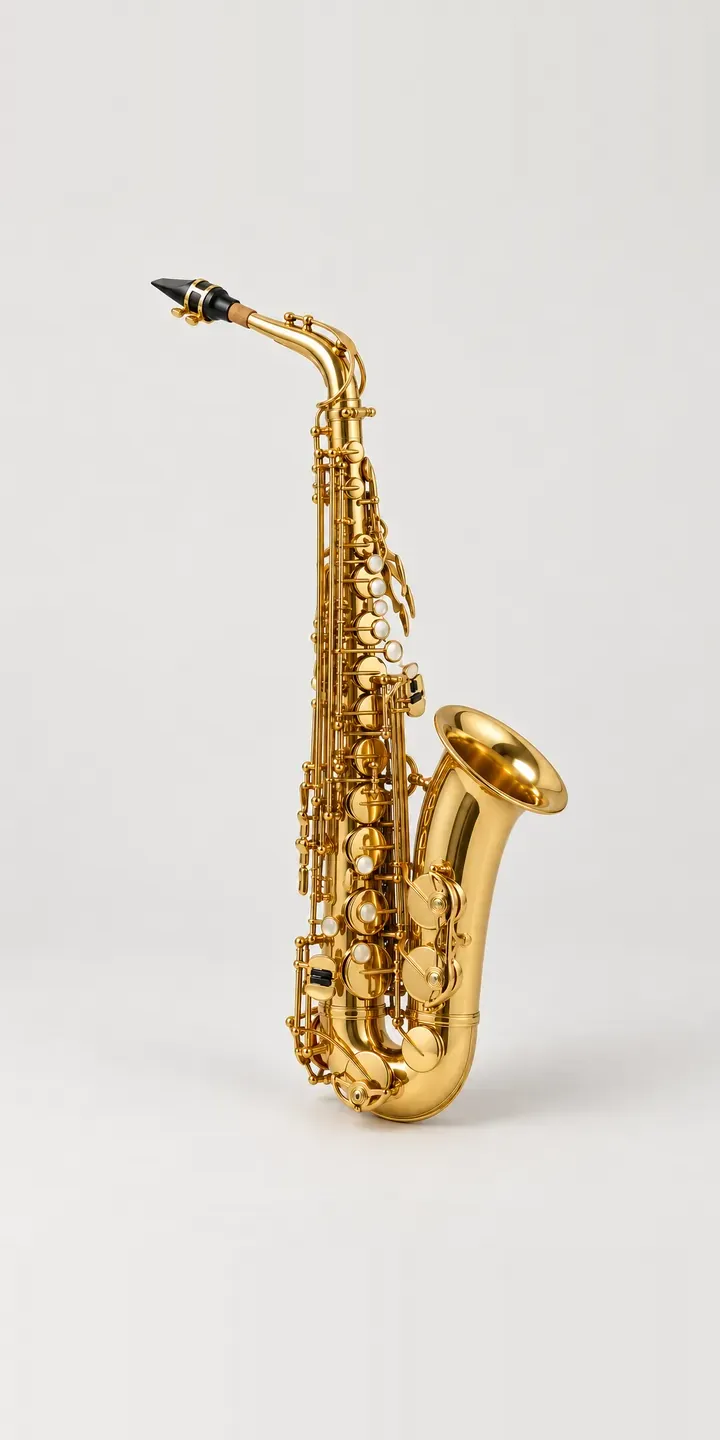
Music Configurator demo
Brass Saxophone
- Product
- Brass Saxophone
- Colour
- Gold Lacquer
- Case
- Gig Bag
Illustrative product. The design and images are generated examples, not a real model for sale.
What you can configure
Gold lacquer, silver plate, black nickel and dark lacquer are switchable here, with copper and raw brass also in the range. The same view holds the curved neck and the rows of key cups and rods steady, so plating and lacquer can be compared directly. Case is gig bag or hard case. The case is listed in the summary for now, with a separate case photo the obvious production addition.
- Colour: Gold Lacquer, Silver Plate, Black Nickel, Dark Lacquer
- Case: Gig Bag, Hard Case
Why a configurator suits saxophones
Saxophones are hard to photograph. Every finish is reflective, the body is curved, and the keywork throws highlights and shadows in all directions. Six finishes means six careful shoots, and many retailers settle for a single gold lacquer image with the other options listed in text.
That leaves the buyer guessing about the finishes that cost more and sell less. Black nickel and dark lacquer look very different in a dim bar from how they look on a white background, and silver plate can read almost white in a poorly lit photo. A configurator that shows each finish consistently, with a close-up of the keywork, gives those options a fair chance.
The case choice links to how the player travels. A shaped hard case protects the keywork on flights and in car boots, while a gig bag suits players who walk or cycle to rehearsal. Offering both inside the configurator, rather than leaving the case to a separate search, means fewer horns reach the repair bench with bent keys from inadequate protection.
How a production version would be built
For a saxophone range, rendering from CAD is often the best route, because reflective metals are easier to control in 3D than in a studio. Each finish becomes a material on the same model, with consistent highlights. Where CAD is not available, a careful photo per finish with a light tent and controlled reflections works. Cases are photographed separately. The retailer supplies finishes, case SKUs, mouthpiece upgrades if offered, and dealer or stock data. Orders can route to a quote, a basket or a dealer, and CAD-based product visualisation can produce the stills from one model.
Build sheet for this range
- Colours in the full range: 6 (4 shown in this demo)
- Case choices: 2
- Combinations to support: 6 × 2 = 12
- Images for one photograph per combination at 3 angles: 36
- Images if cases can be shown as separate layers, at 3 angles: 24
- Data each of the 12 combinations needs: a SKU or variant ID, price, stock or lead time, and any dimensions or specification that change
Questions about saxophone configurators
How do you photograph silver plate and gold lacquer without reflections spoiling the shot?
With a light tent or large diffusion panels surrounding the horn, so reflections become soft gradients rather than visible studio equipment. Each finish needs its own lighting adjustments, because silver plate reflects far more than dark lacquer. Rendering from CAD avoids the problem entirely if accurate models exist.
Can the configurator explain care differences between finishes?
Yes, and it is helpful. A short note beside each swatch can say that silver plate tarnishes and needs polishing, that raw brass will develop a patina, and that lacquer asks for the least upkeep. Buyers who understand the maintenance are less likely to return a horn that changed colour after a few months.
Can mouthpiece and ligature upgrades be added?
Yes. They sit as an optional step after the finish and case, with only compatible alto mouthpieces offered. Many players upgrade the mouthpiece at the same time as the horn, so presenting a few curated options at that moment suits them better than a separate catalogue page they may never find.
Can a dealer use the configurator in the shop on a tablet?
Yes. The configurator runs in a browser, so it works on a tablet at the counter. A dealer who stocks only gold lacquer can show a customer every other finish, save the build and send the request from the shop floor. The customer gets a link to the configuration, and the order is logged against that dealer.
More musical instrument configurator demos
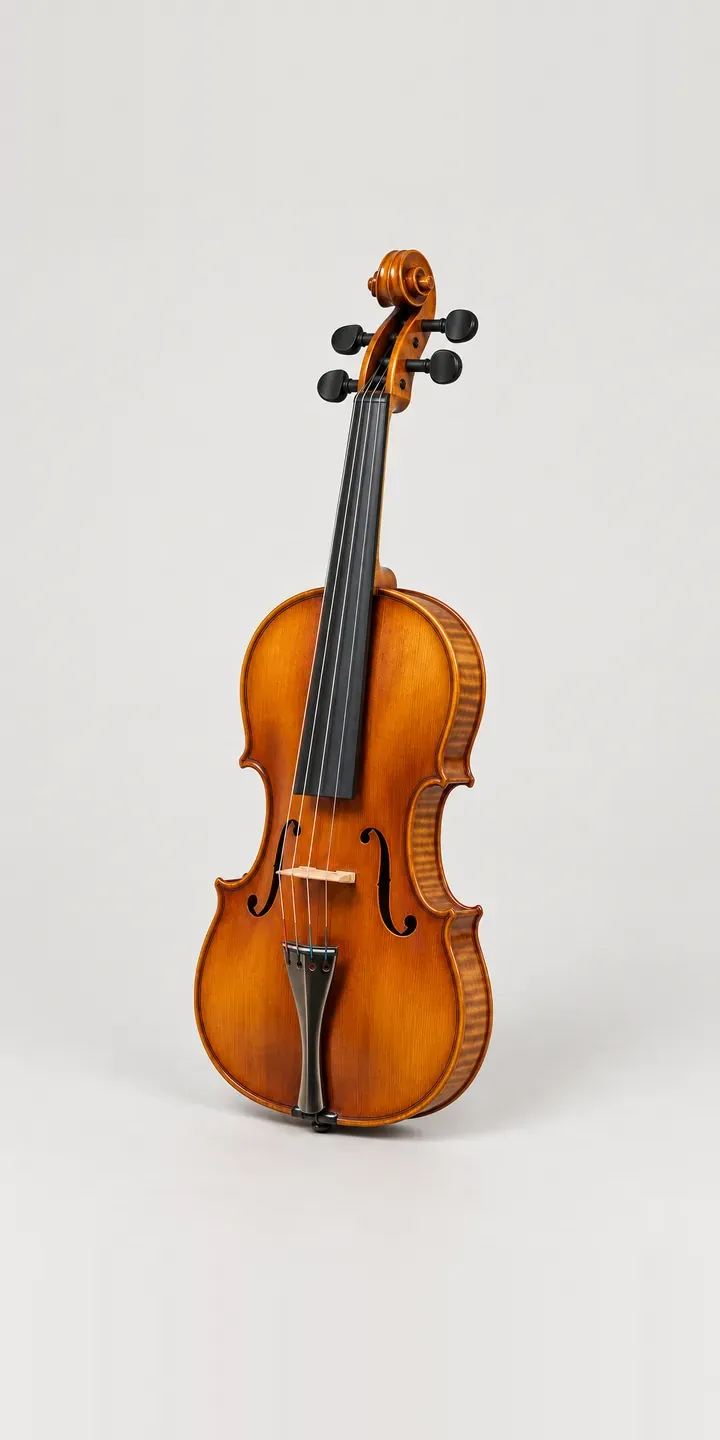
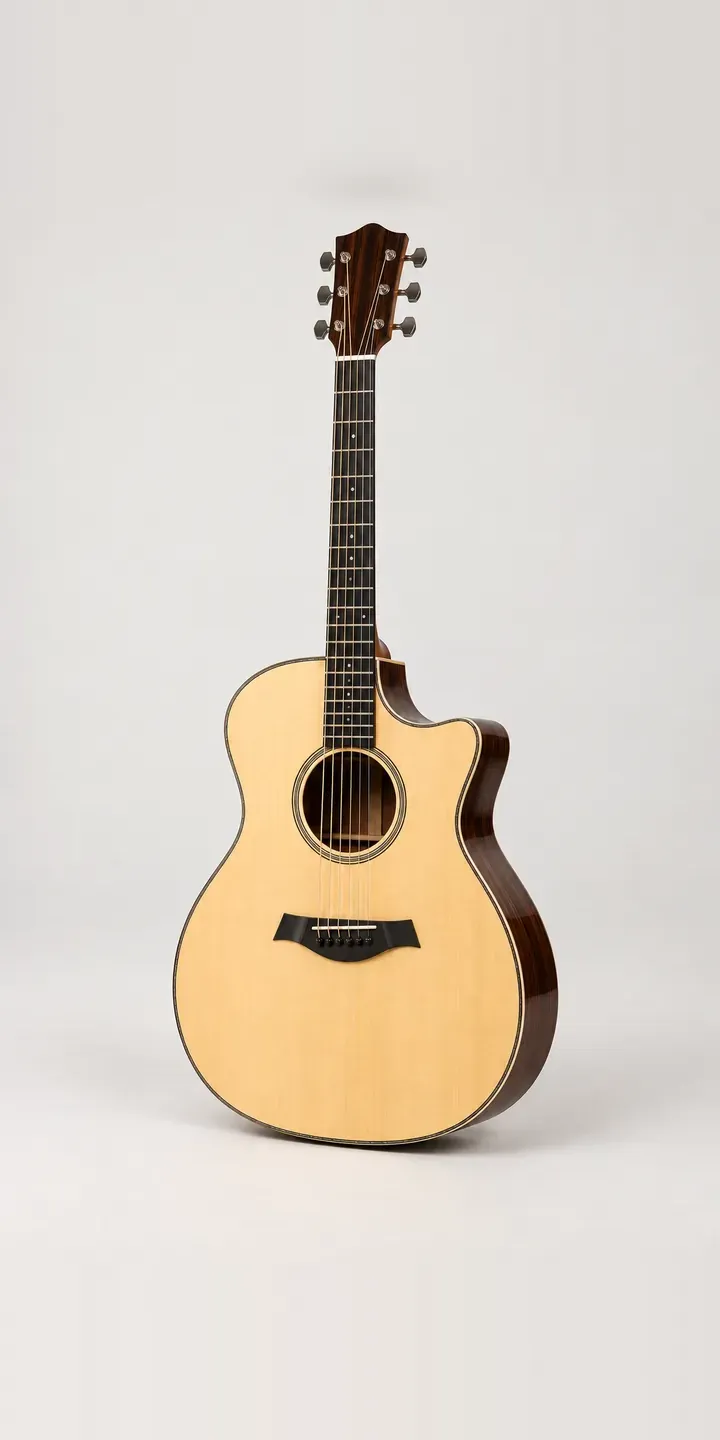
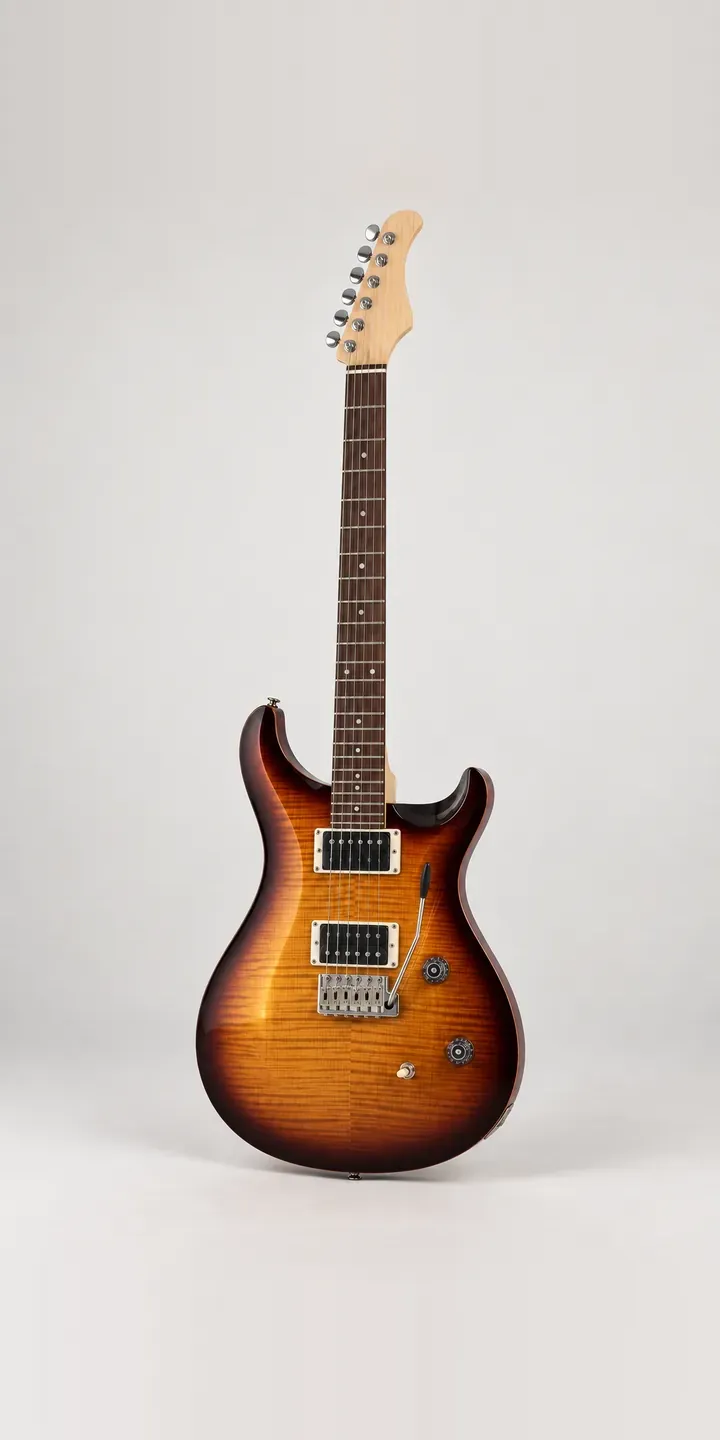
All musical instrument configurator demos
A configurator for your saxophones
This demo uses an illustrative product. If you sell saxophones, I can build the same experience around your own range, photography and ordering process, connected to Shopify, WooCommerce or a quote workflow. I reply to enquiries within two UK working days.