Fit and finish drive most appliance choices. For a freestanding fridge-freezer that means height, width, door hinge side and a finish such as cream, pastel or stainless steel. For a built-in or fitted dishwasher, the questions are whether it takes a furniture door, which control panel shows, and whether it suits a tall or standard niche. Floorcare and garment care add colourways, accessory packs and docking options to the list.
Doubt about fit is what sends appliance buyers to the phone. They find a colour they like, then cannot confirm that the integrated model matches their cabinet height, or that a stacked washer and dryer will clear a cupboard. Kitchen studios and independent retailers pick up the call, and an online sale becomes a manual one. Robot and stick vacuums stall for another reason: buyers cannot tell which tool kit, dock or mop pad comes in which bundle.
A good appliance configurator is built on clean product data: dimensions, niche sizes, energy labels, finish codes and the accessories that apply to each model. Plan for images of every finish from the same angle, plus dimension drawings that update with the selection. Decide early whether the configured result goes to a basket, a kitchen designer or a dealer. The example appliances below run from a retro fridge-freezer to a steam closet.
Appliances demos to try
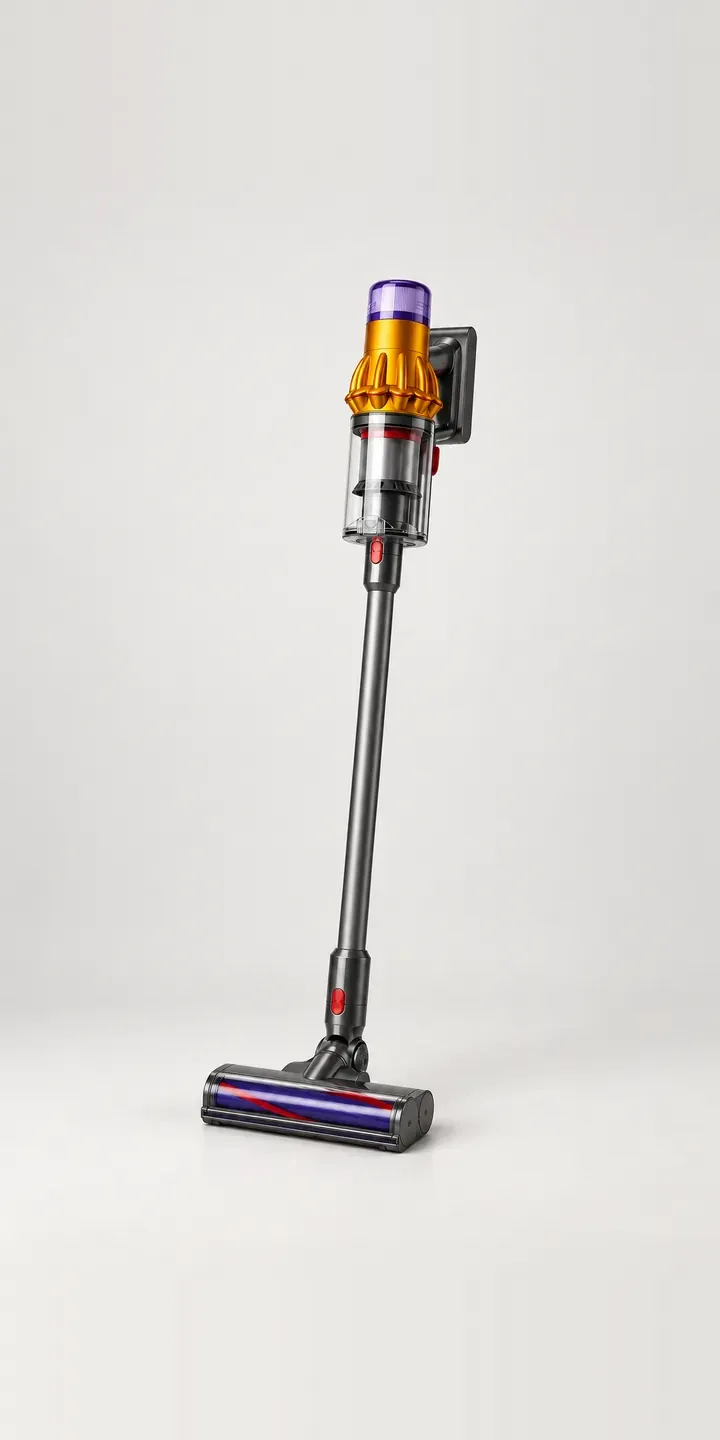
Bagless Stick Vacuum
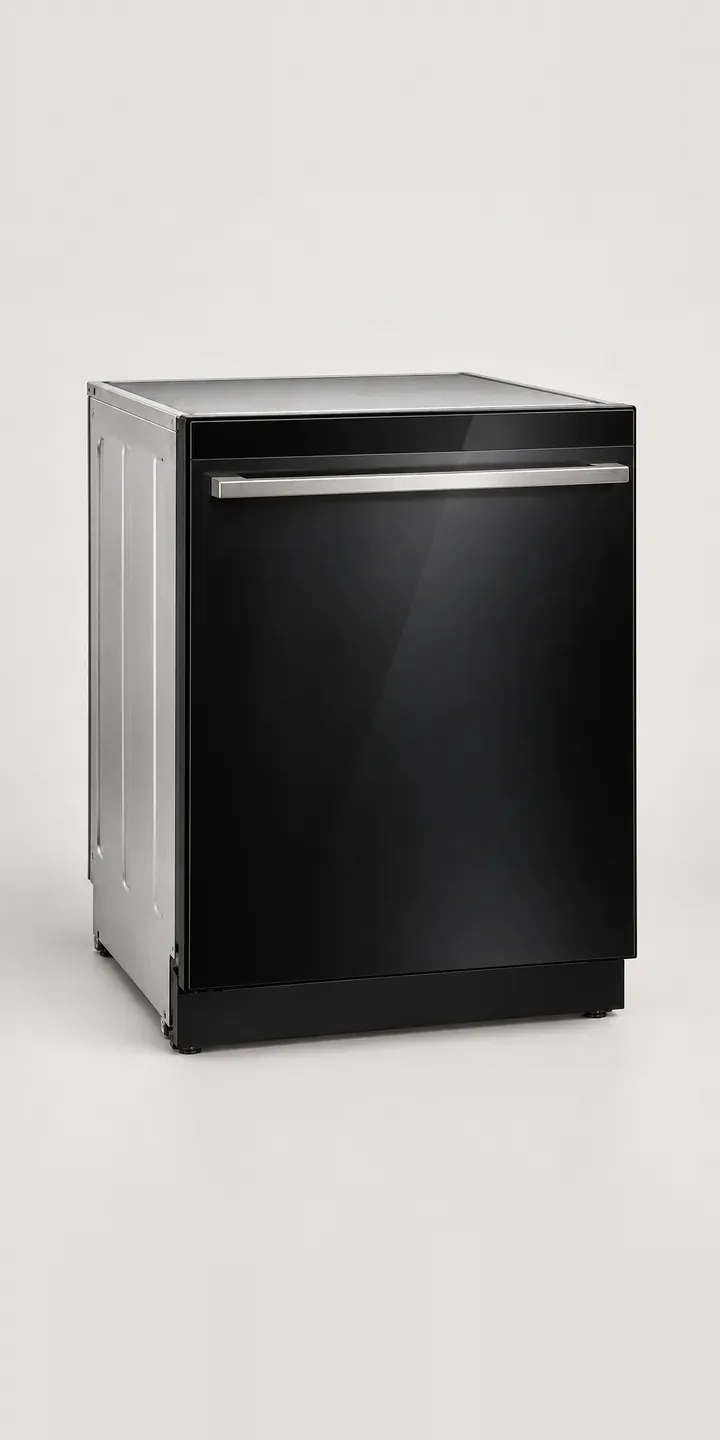
Built-In Dishwasher
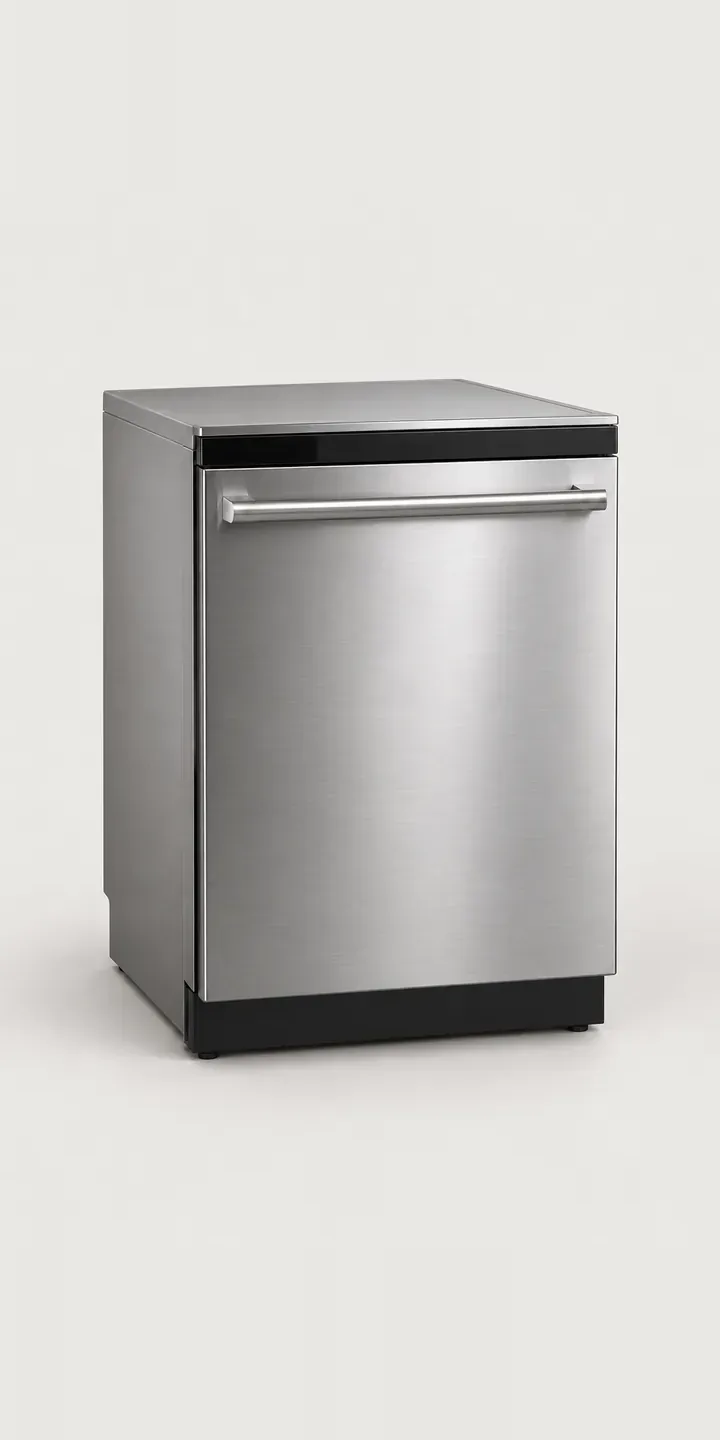
Fitted Dishwasher
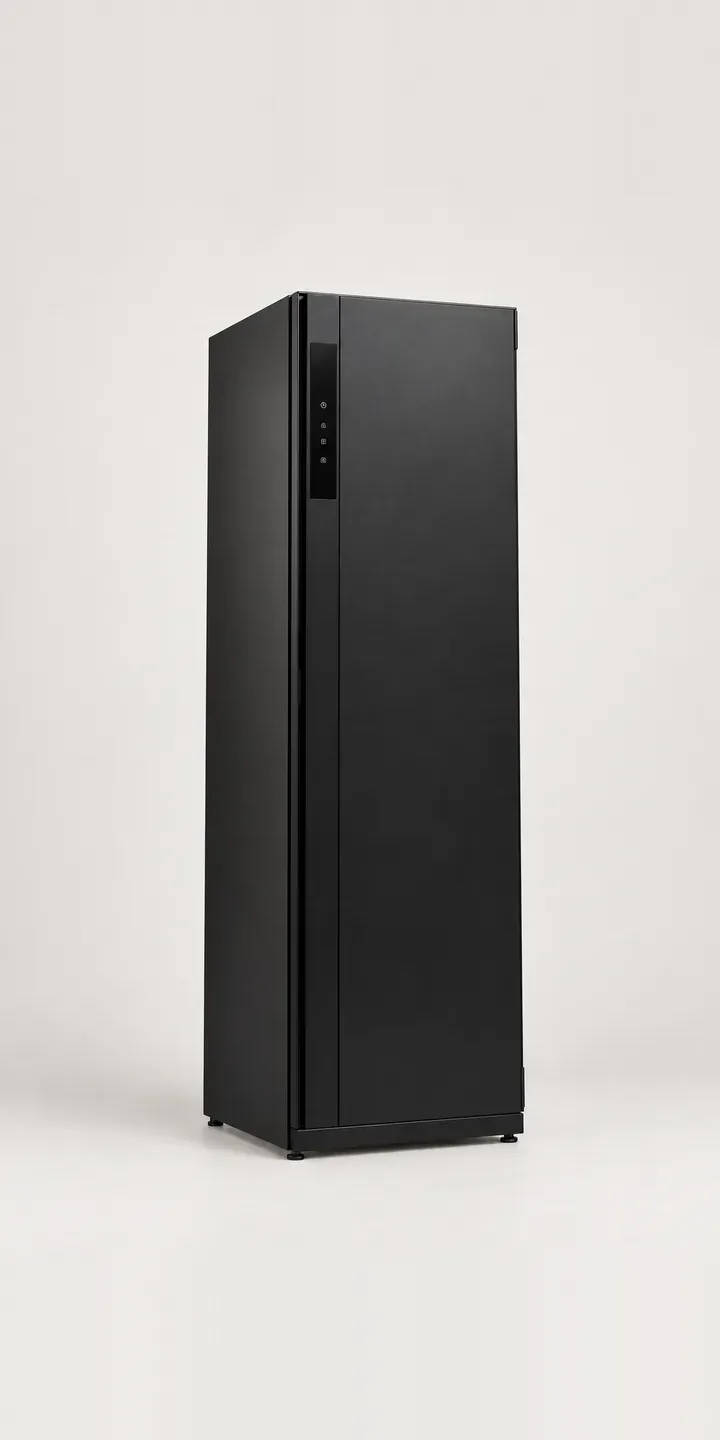
Garment Care Cabinet
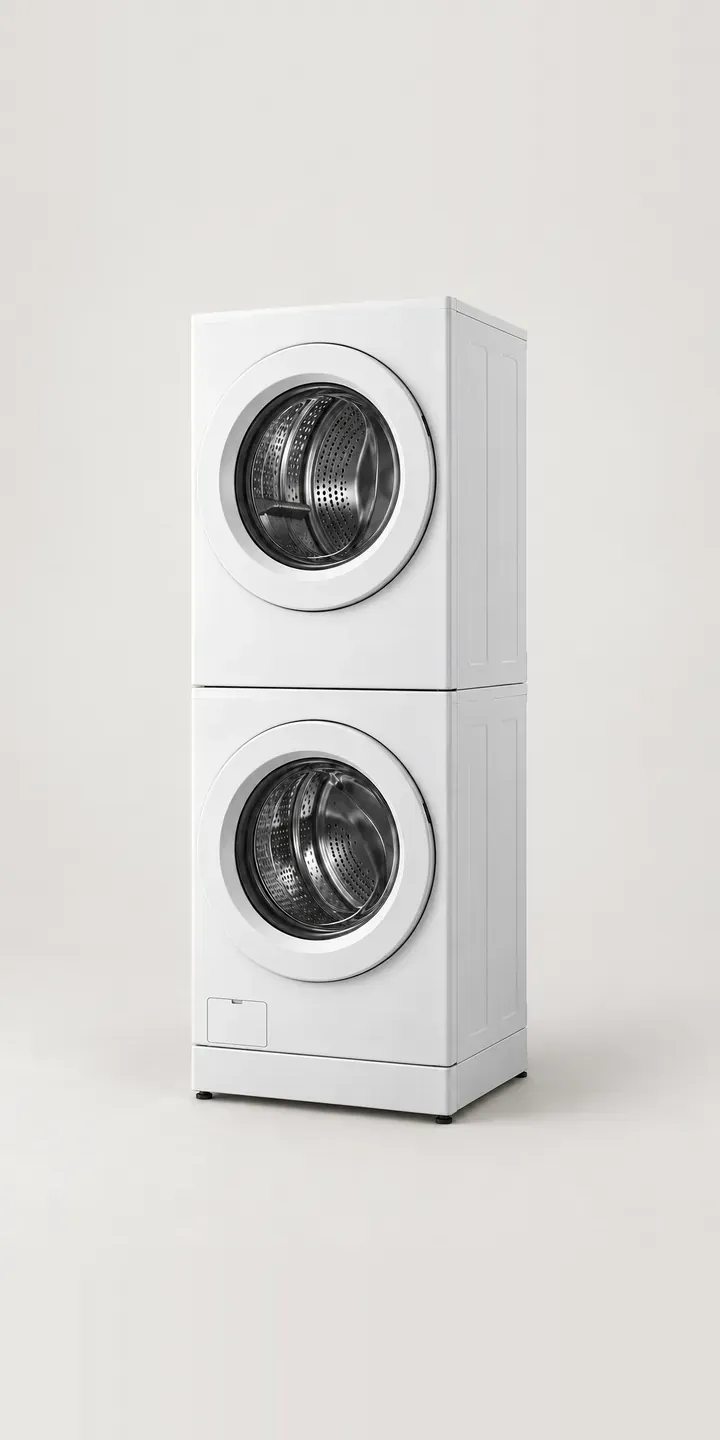
Laundry Tower
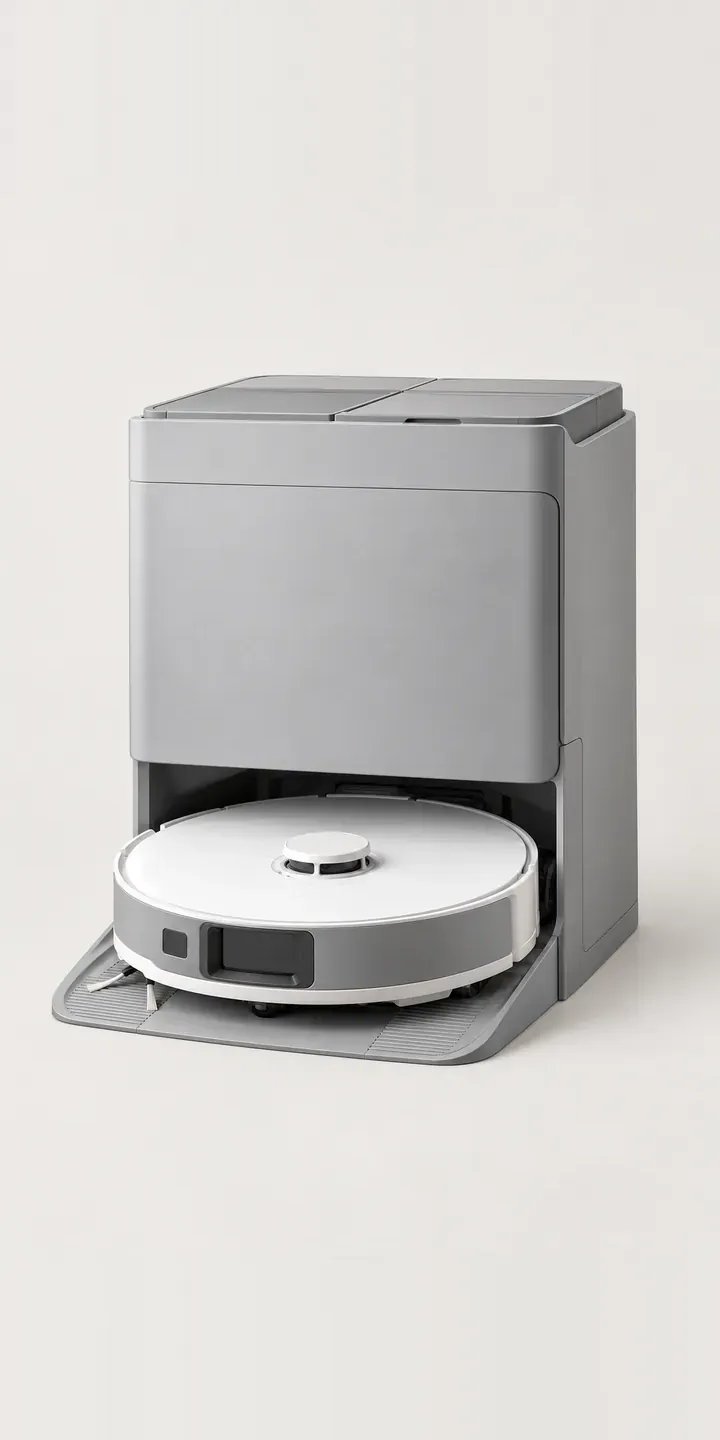
Mopping Robot Vacuum
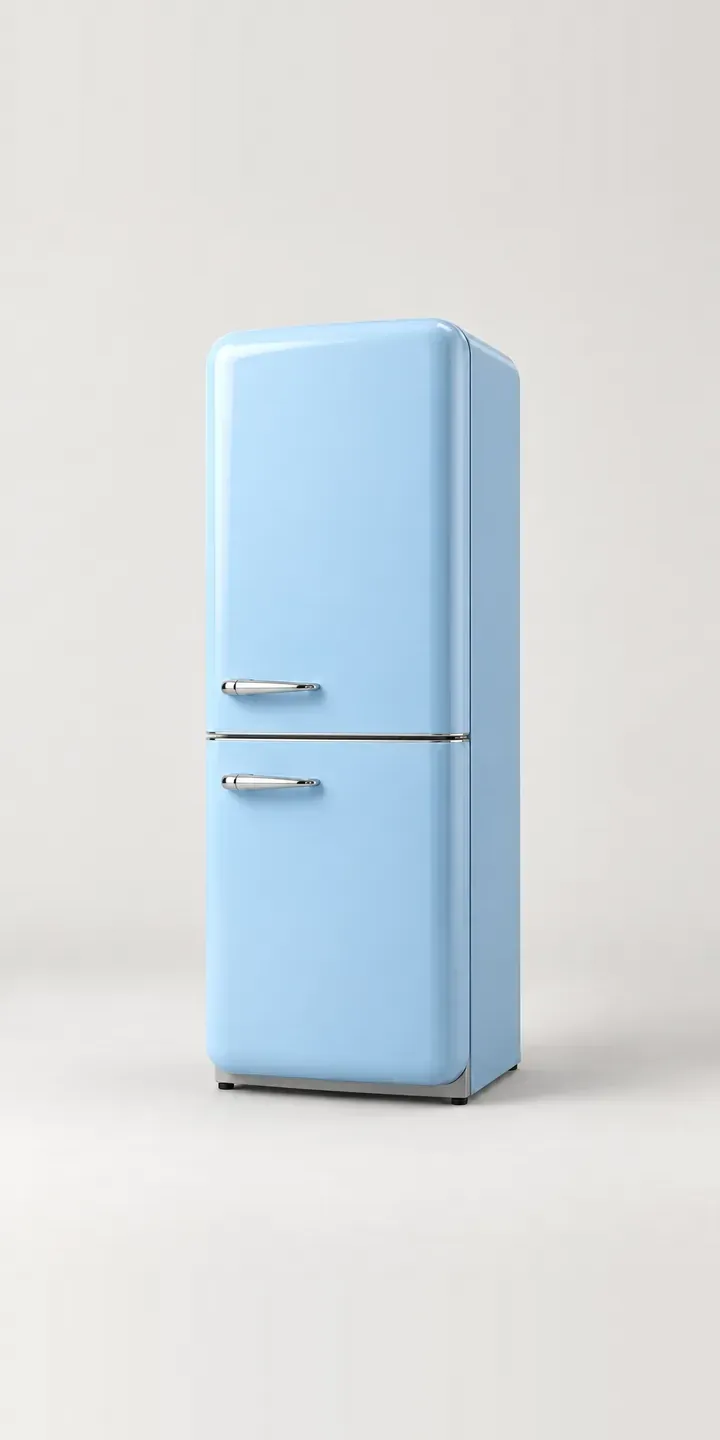
Retro Fridge-Freezer
Questions about home appliance configurators
Can a configurator check whether an integrated dishwasher fits the customer's kitchen?
It can check against the dimensions you publish. The buyer enters niche height and width, and the configurator shows which models fit, or flags a problem with door height or plinth depth. It cannot measure the room, so it works best with clear guidance on where to measure. The fit rules come from your installation data, not guesswork.
How do we show several colour finishes on a fridge-freezer without a full photo shoot each time?
Shoot or render the appliance once in a neutral setup, then produce each finish from the same camera position. Retro and pastel finishes are worth checking against a physical sample, because saturated colours drift on screen. When a new seasonal colour arrives, you add one image set rather than reshooting the range.
Can configured appliances be sold through retailers rather than direct?
Yes. The configurator can end with a dealer locator or an enquiry sent to the nearest stockist, carrying the model code and finish. That suits brands who sell through kitchen studios or independent retailers and do not want to undercut them online. The same front end can still sell spares and accessories direct.
Planning a home appliance configurator?
Tell me about your range, how products are photographed today and where orders need to go. I will suggest the smallest useful first step, whether that is one image-based product or a full 3D catalogue.