An illustrative backpacking tent with a near-flat roofline, set up so you can change the fly colour and the sleeping capacity, then send the result as a quote request. A crossbar pole gives the roof its shape, and a colour-coded hub shows where it locks in.
People buying a lightweight tent are trading living space against carried weight. A flatter roof tends to give more usable headroom towards the ends, which matters when two people sit up to cook or wait out rain. Colour is a practical decision too. A bright fly is easy to find in poor visibility, while a muted one draws less attention on a wild pitch.
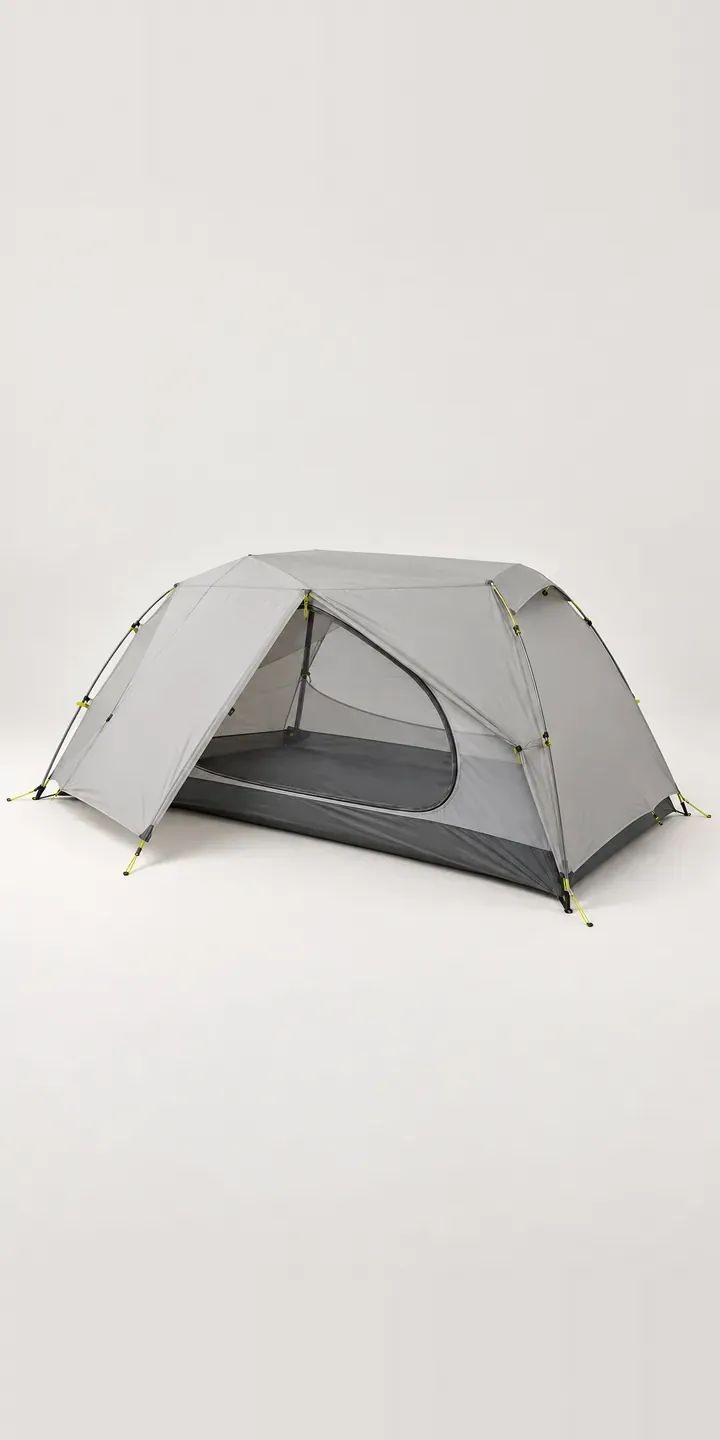
Outdoor Configurator demo
Flat Roof Tent
- Product
- Flat Roof Tent
- Colour
- Pale Grey
- Capacity
- 1 Person
Illustrative product. The design and images are generated examples, not a real model for sale.
What you can configure
Four of the six fly colours are in the demo: pale grey, sea green, mustard and graphite. Clay and navy would follow in a full build. Capacity runs from one to three people and is recorded in the summary, though the image stays the same here. A production version would give each capacity its own image, because a three person tent has a longer floor and a different pitched shape.
- Colour: Pale Grey, Sea Green, Mustard, Graphite
- Capacity: 1 Person, 2 Person, 3 Person
Why a configurator suits tents
Six fly colours across three capacities makes eighteen versions of one tent. Few outdoor retailers photograph all eighteen pitched, so the product page shows one colour and a swatch strip. Buyers are left guessing how mustard reads against heather, or whether graphite looks almost black in shade.
Capacity is the choice most likely to go wrong. Someone picks the one person model to save weight, then finds there is no room for a wet pack inside. A configurator can put floor plan, packed size and minimum weight next to each capacity, using the brand's own figures. The comparison then happens before checkout rather than after the first trip.
Tents are also seasonal stock. Brands commit to colour quantities months before spring, and distributors want to know what will sell. Pre-orders taken through a configurator show which colours and capacities are pulling demand, early enough to adjust the next production run. Specialist shops can run the same tool on their own sites, fed by the brand's product data.
How a production version would be built
An image-based build suits a tent well. Layering is less useful than on many products, because the fly is almost the whole visible tent and capacity changes the pitched shape. So each colour and capacity combination is rendered or shot from the same three-quarter angle, giving eighteen images. From the brand I would need SKUs, colour names, capacities and the specification figures for each size. On WooCommerce or Shopify each combination maps to a variant, so stock and price follow it into the basket.
Build sheet for this range
- Colours in the full range: 6 (4 shown in this demo)
- Capacity choices: 3
- Combinations to support: 6 × 3 = 18
- Images for one photograph per combination at 3 angles: 54
- Images if capacities can be shown as separate layers, at 3 angles: 27
- Data each of the 18 combinations needs: a SKU or variant ID, price, stock or lead time, and any dimensions or specification that change
Questions about tent configurators
Can a configurator show the inner tent and the fly separately?
It can, and it is worth doing. Many buyers want to see the inner on its own for warm nights, or check where the mesh panels sit. That is an extra view per capacity rather than a separate configurator. If the inner comes in one colour across the range, it needs only one image per size, which keeps the asset list short.
How do I show the size difference between one, two and three person versions?
Use the same camera position and a fixed reference object, such as a sleeping mat or a pair of trekking poles, in every image. Buyers judge scale from familiar kit far better than from a dimension table. I would also place the floor plan and packed size beside the capacity selector, pulled from your product data.
Will the fly colour look right on screen?
Close, but outdoor fabrics are tricky. Coated nylon and polyester shift colour between direct sun and shade, and some flies glow slightly when lit from inside. I would show each colour in neutral daylight and suggest offering fabric swatches for the less common colours, such as mustard or clay.
Can my stockists use the configurator on their own websites?
Yes. It can be embedded on a stockist's site with their own basket, or with a link back to yours, while the product data stays in one place. When a colour sells out or a new capacity arrives, every stockist sees the change at once. Dealer prices can be shown per shop if your systems supply them.
More outdoor gear configurator demos
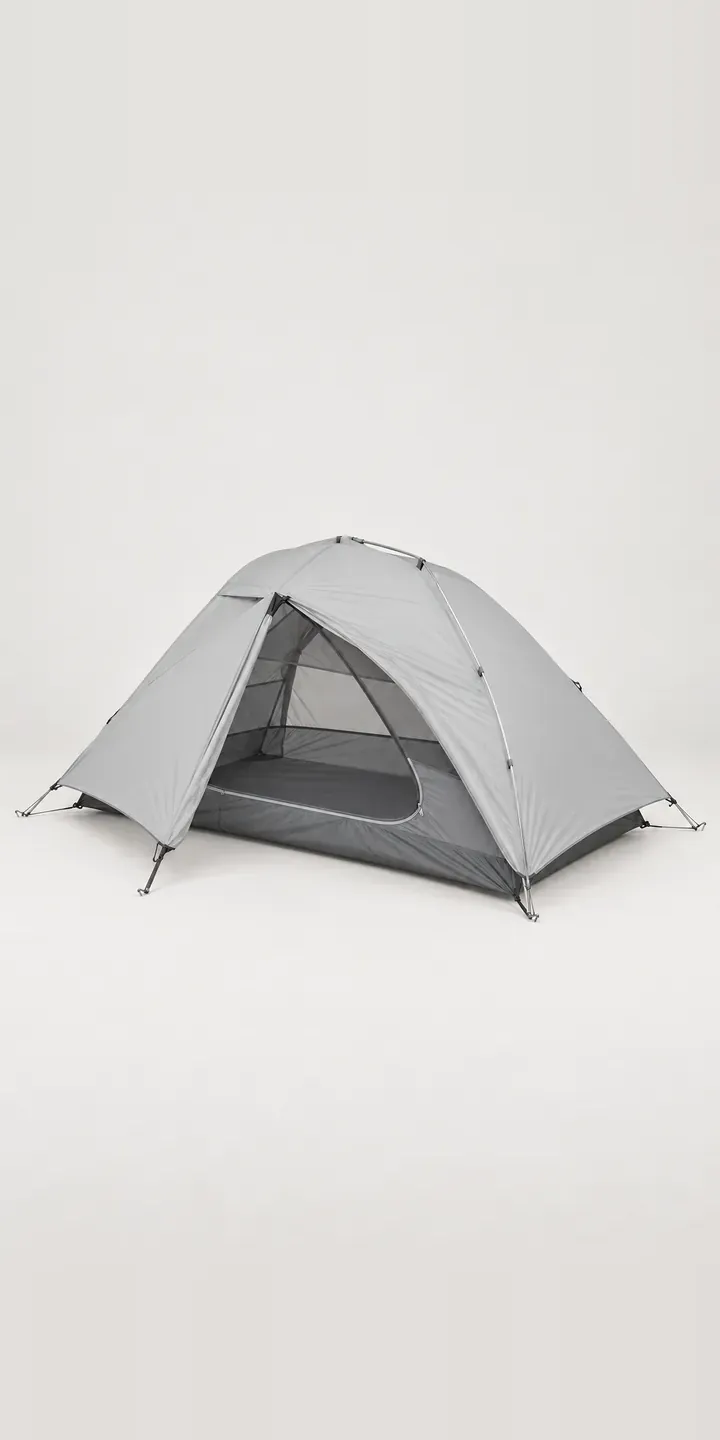
Low-Profile Tent
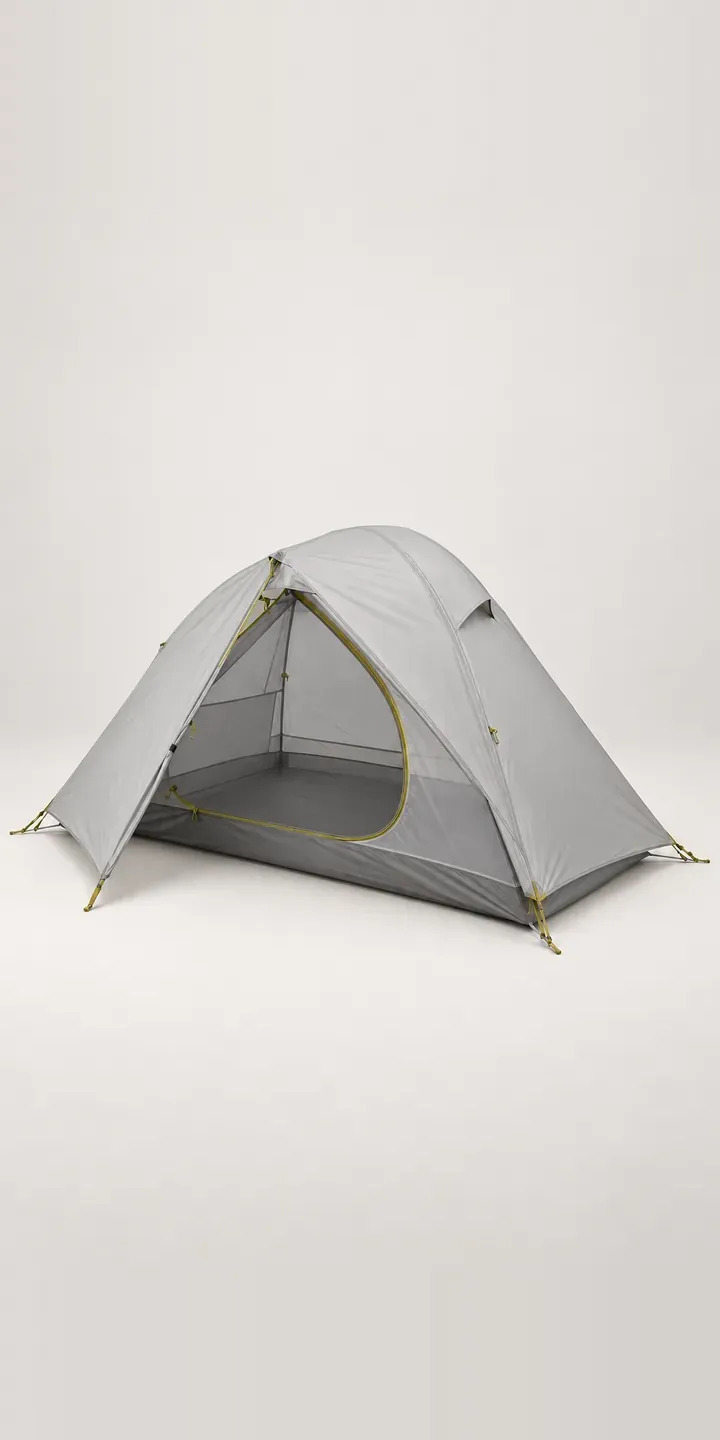
Single-Pole Tent
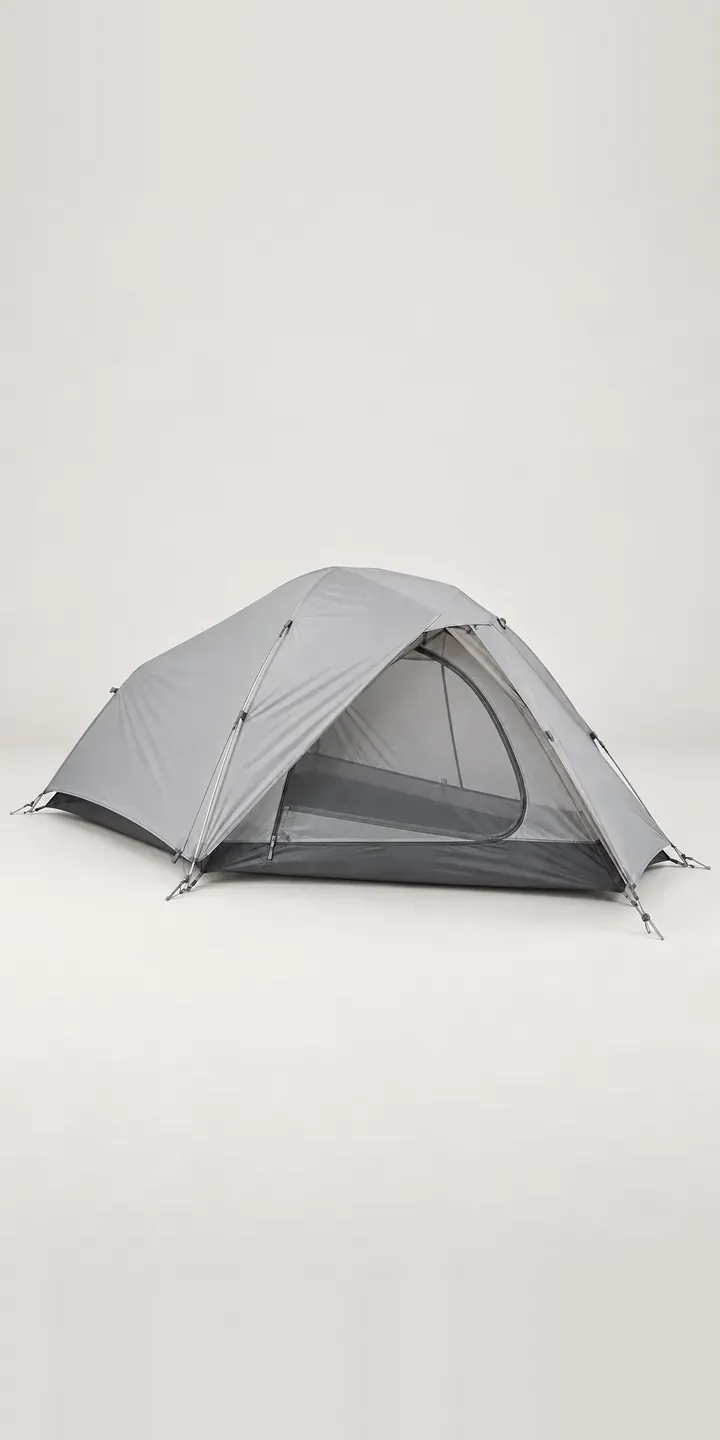
Trekking Dome Tent
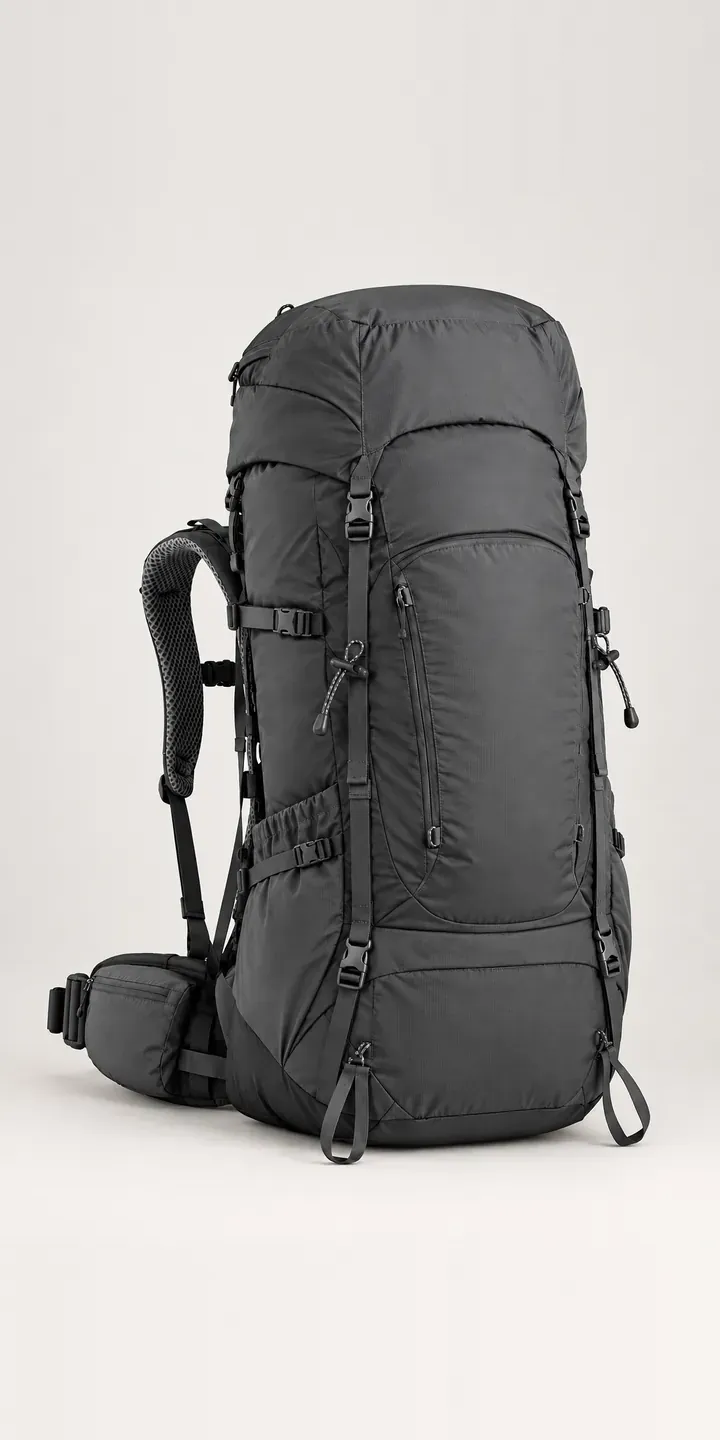
Trekking Rucksack
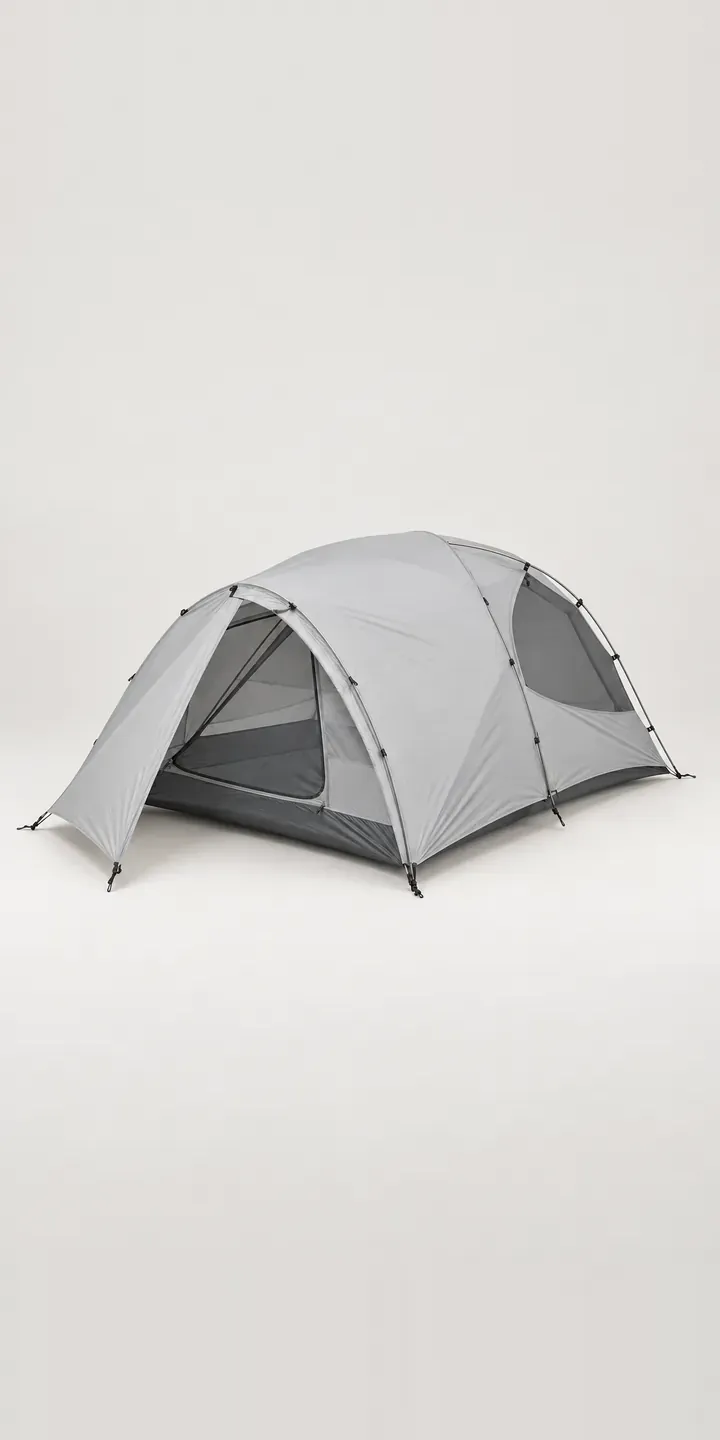
Two-Door Tent
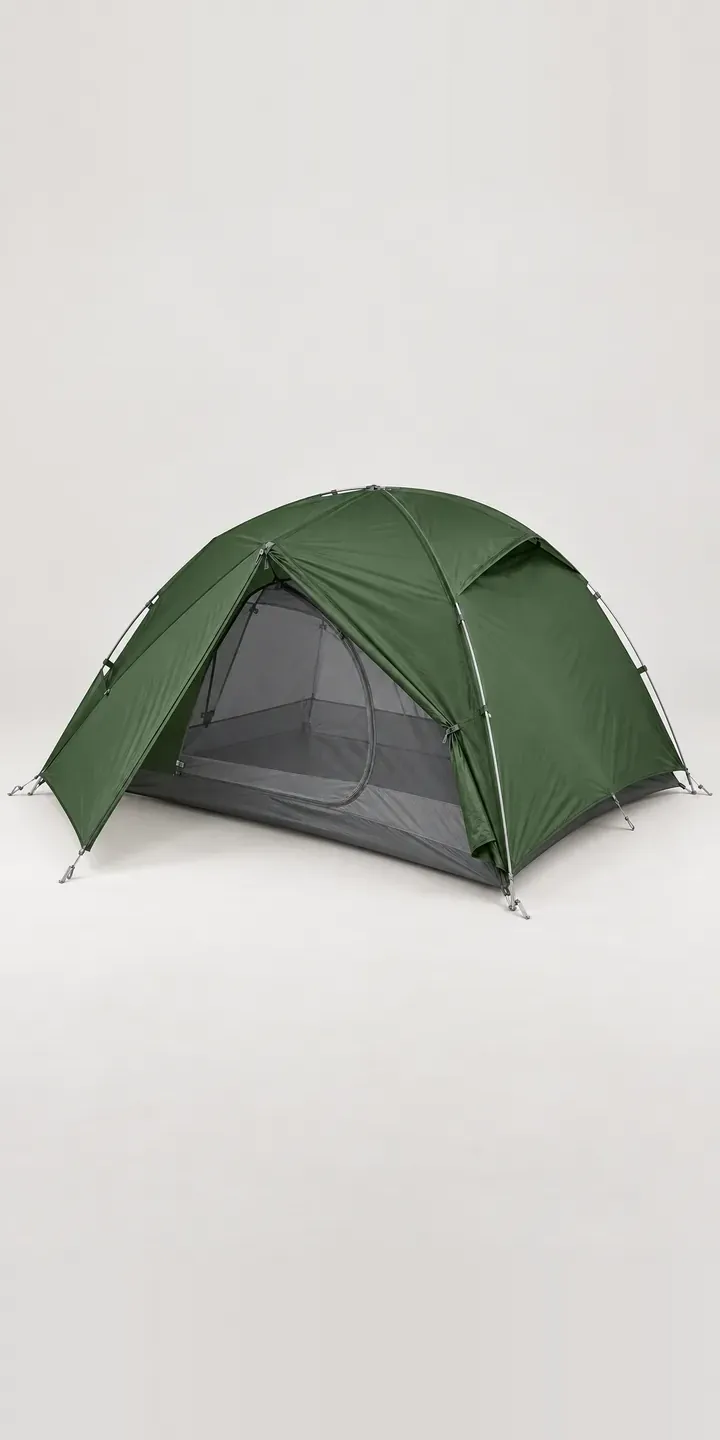
Two-Person Dome Tent
All outdoor gear configurator demos
A configurator for your tents
This demo uses an illustrative product. If you sell tents, I can build the same experience around your own range, photography and ordering process, connected to Shopify, WooCommerce or a quote workflow. I reply to enquiries within two UK working days.