This illustrative tent sits low to the ground on a crossed-pole dome frame, the shape people choose for exposed pitches. Four fly colours and a choice of one or two person sit in the demo, and the finished build goes out as a quote request.
Buyers of a low tent are usually planning for weather first. They want something that sheds wind on a moor or a high col, with a vestibule big enough to cook under when it rains. Colour carries more weight than it seems. Many wild campers in Britain prefer muted greens and greys that sit quietly in the hills, while others want a fly they can pick out from a ridge.
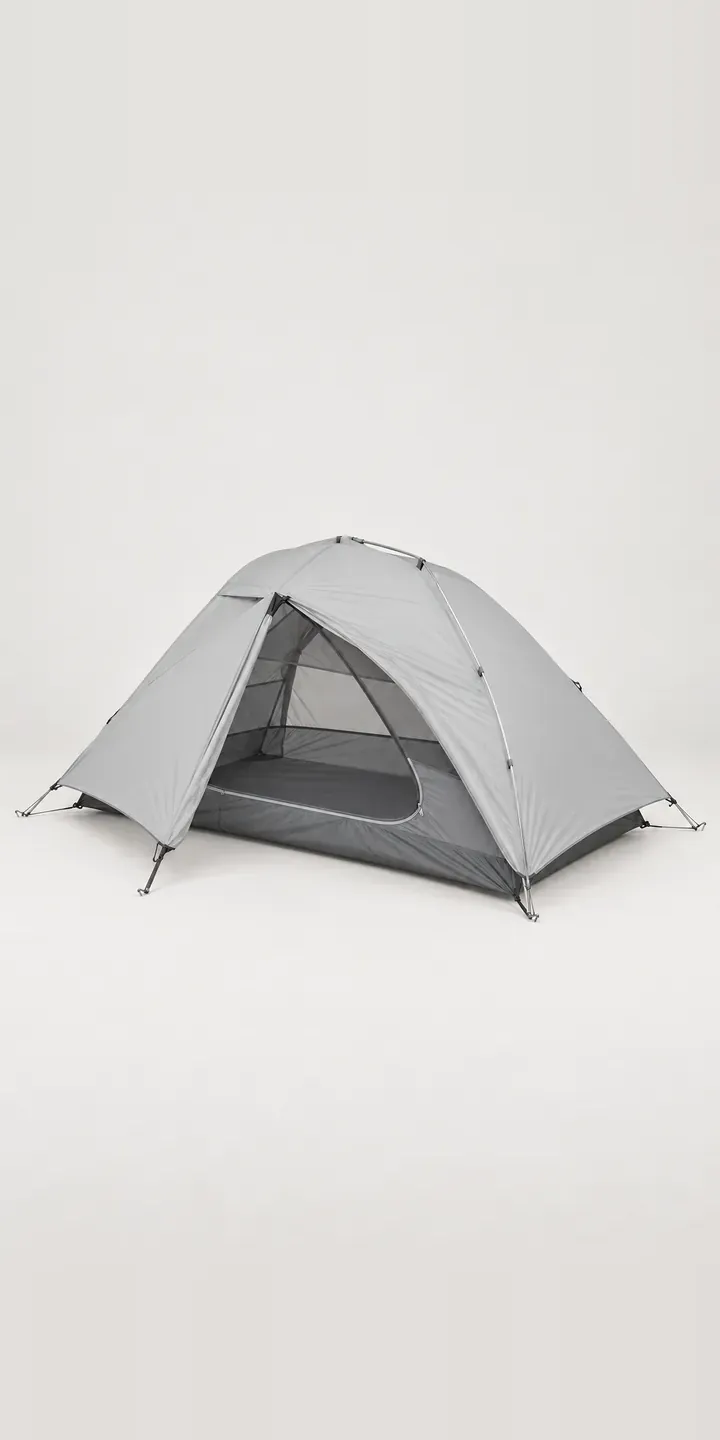
Outdoor Configurator demo
Low-Profile Tent
- Product
- Low-Profile Tent
- Colour
- Silver Grey
- Capacity
- 1 Person
Illustrative product. The design and images are generated examples, not a real model for sale.
What you can configure
The demo shows silver grey, lichen, brick and smoke blue, out of six colours that also include sand and charcoal. Capacity is one or two person. The choice appears in the summary, though the image stays the same here. On a low tent the gap between solo and two person matters more than usual, because a low ceiling makes floor width the main source of comfort.
- Colour: Silver Grey, Lichen, Brick, Smoke Blue
- Capacity: 1 Person, 2 Person
Why a configurator suits tents
With only two capacities the range looks small on paper. It grows quickly once every colour needs pitched shots. Weather, light and site access make field shoots slow. Many brands settle for one colour photographed outdoors and flat swatches for the rest, so a buyer never sees lichen or brick on the actual tent.
A low-profile shape also raises questions that can be answered next to the image. Buyers want to know whether they can sit up, whether a pack fits in the porch, and whether the two person is worth the extra weight for one tall walker. Placing the brand's figures for inner height, porch depth and packed weight beside each capacity cuts down on pre-sale emails and on returns from people who expected more room.
For specialist outdoor shops, the configurator is also a way to stock less and sell more. A shop can hold one or two colours on the floor and sell the rest to order, with every option shown accurately. Availability can sit beside each colour, so a buyer knows which ship now and which come with the next delivery.
How a production version would be built
A production build would use one rendered or photographed image per colour and capacity, all from the same low camera angle that shows the profile. For tents I would add a second view from the door side with the vestibule open, because that is where buyers judge living space. Each image is tied to a SKU, colour name, capacity and the spec figures buyers compare. The data maps to Shopify or WooCommerce variants, and stockists can embed the same tool. Dealer embeds are a standard part of my product configurator work.
Build sheet for this range
- Colours in the full range: 6 (4 shown in this demo)
- Capacity choices: 2
- Combinations to support: 6 × 2 = 12
- Images for one photograph per combination at 3 angles: 36
- Images if capacities can be shown as separate layers, at 3 angles: 24
- Data each of the 12 combinations needs: a SKU or variant ID, price, stock or lead time, and any dimensions or specification that change
Questions about tent configurators
Can a configurator show the tent with the door open and closed?
Yes. Door states are a view option rather than a product option, so they add images per colour but no new SKUs. For a low tent I would show the door closed, the door rolled back over the vestibule, and the inner alone. That covers the questions buyers ask most about ventilation and porch space.
Should I photograph tents outdoors or render them?
Rendering usually wins inside the configurator. Every colour sits in identical light, and a new colour can be added without re-pitching anything. Outdoor photography still earns its place in the gallery around it. A common approach is renders for the swatches and two or three real-world photographs alongside for context.
How do I stop buyers ordering a one person tent that is too small for them?
Show it, then state it. Use the same reference kit in every image, such as trekking poles and a sleeping mat, and place inner length, width and peak height beside the capacity choice. If your range has a long version or a height guideline, the configurator can point taller buyers towards it.
How long does it take to build a tent configurator?
For one tent family with existing images, it is usually a matter of weeks rather than months. Most of the time goes on preparing consistent assets and agreeing the product data, not on code. Rendering every colour from scratch adds time. I reply to enquiries within two UK working days with a plan for your range.
More outdoor gear configurator demos
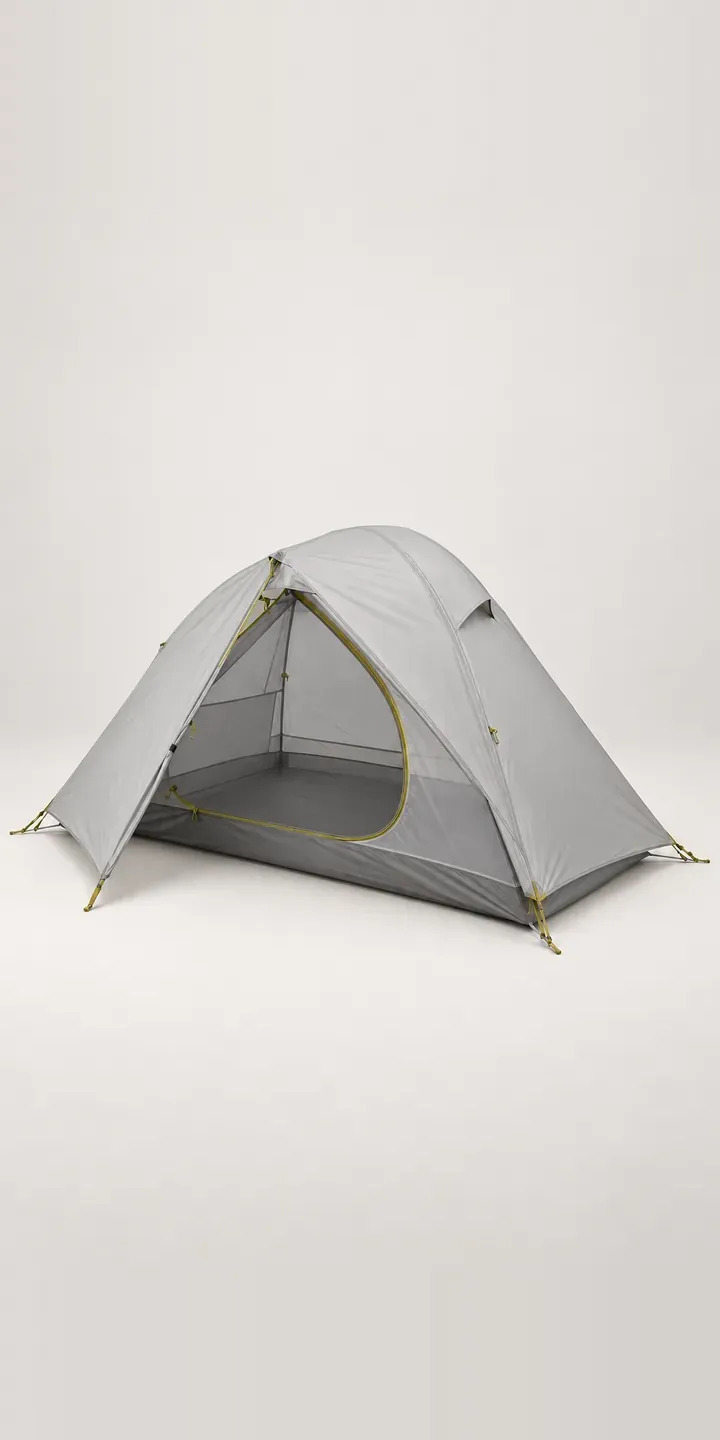
Single-Pole Tent
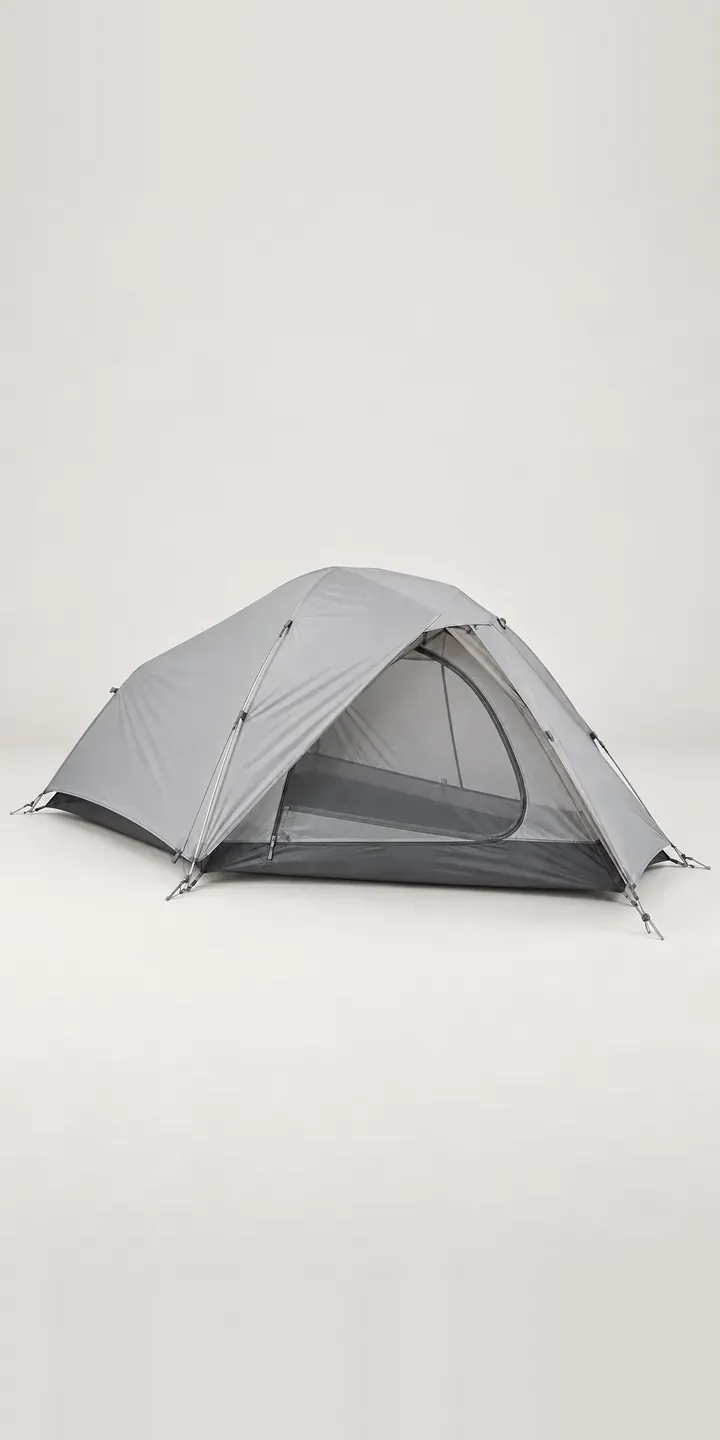
Trekking Dome Tent
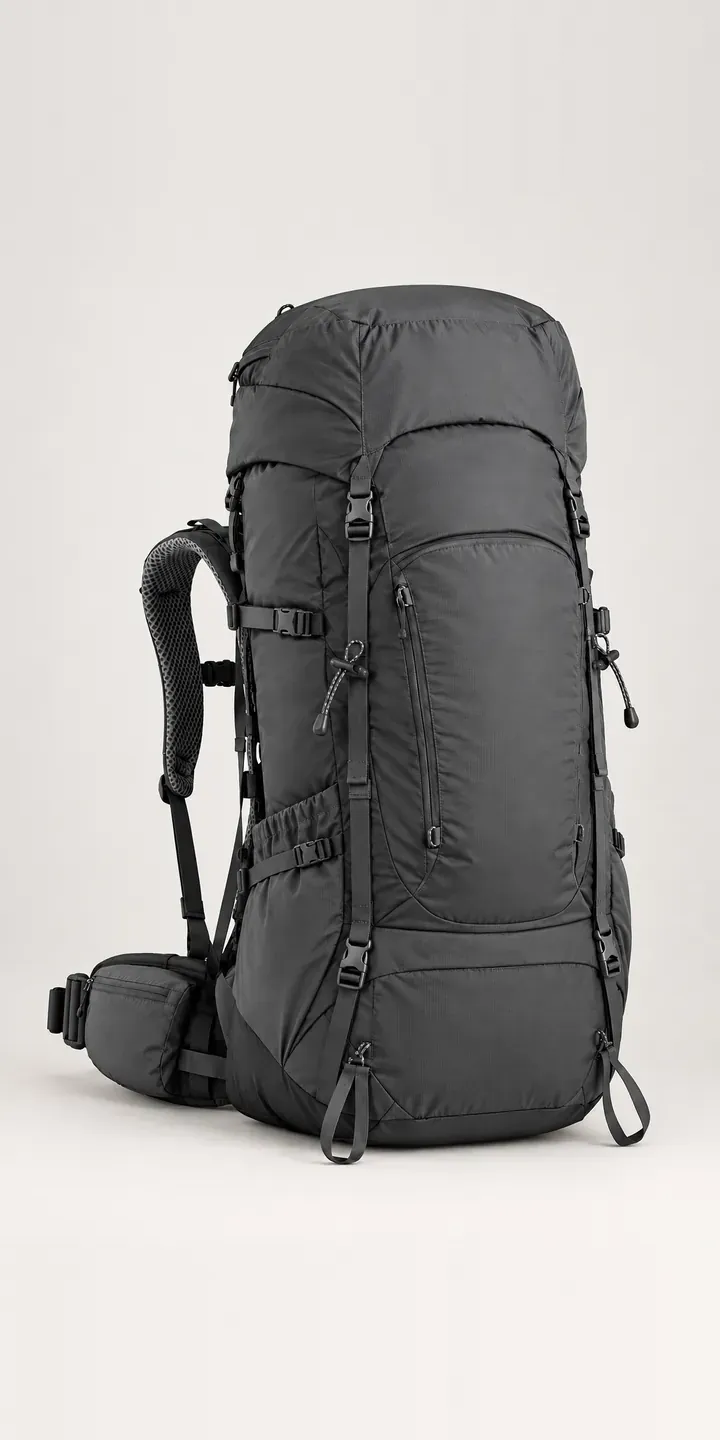
Trekking Rucksack
Two-Door Tent
Two-Person Dome Tent
Compact Dome Tent
All outdoor gear configurator demos
A configurator for your tents
This demo uses an illustrative product. If you sell tents, I can build the same experience around your own range, photography and ordering process, connected to Shopify, WooCommerce or a quote workflow. I reply to enquiries within two UK working days.