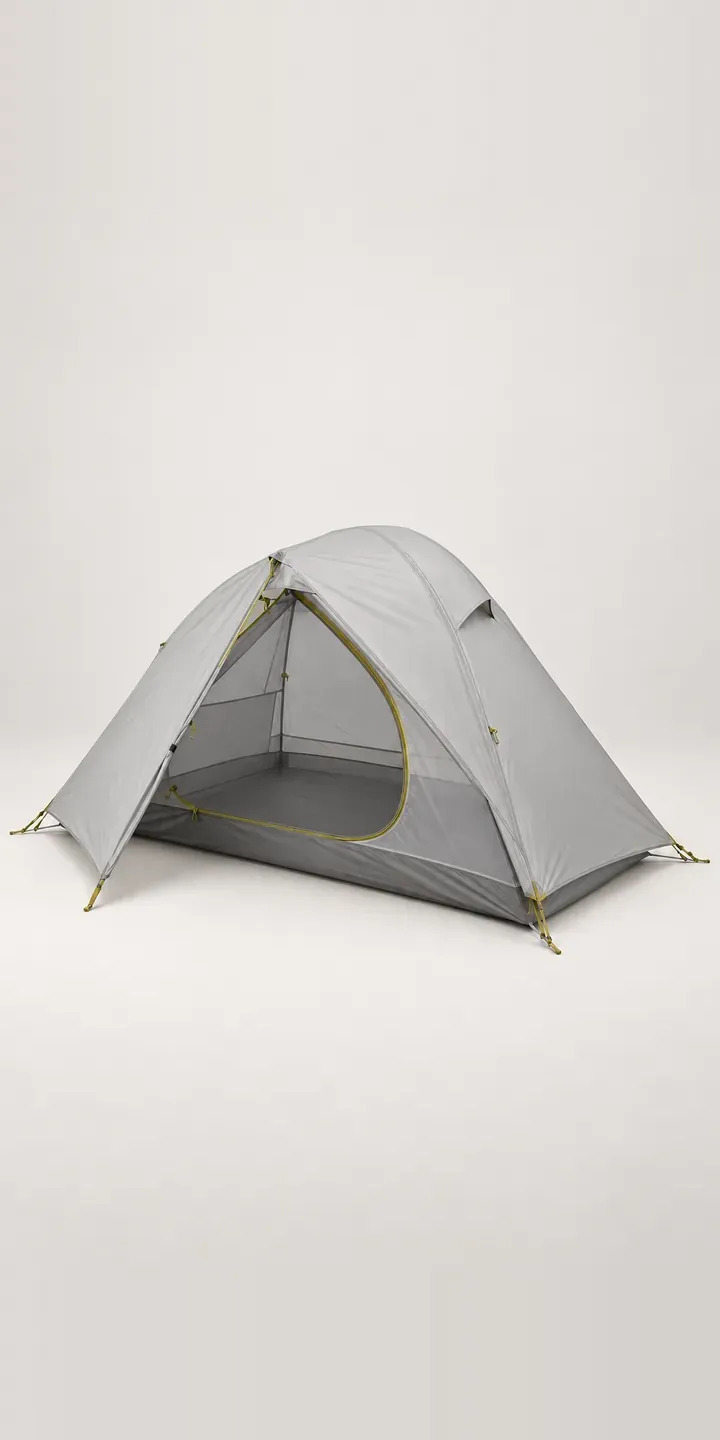
The illustrative backpacking tent in this demo is built around one hubbed pole. Flysheet colour and capacity, from one to three people, are the two choices, and both land in the order summary.
A single hubbed pole frame pitches quickly: one connected structure, clipped and tensioned, with fewer parts to lose. Buyers of this kind of tent value speed and simplicity, often arriving at camp late or in poor weather. They also look closely at liveable space, because a hub frame can pull the walls out steeply. Features like side doors and a large ceiling pocket show how the tent will feel once they are inside.
Outdoor Configurator demo
Single-Pole Tent
- Product
- Single-Pole Tent
- Colour
- Ash Grey
- Capacity
- 1 Person
Illustrative product. The design and images are generated examples, not a real model for sale.
What you can configure
Ash grey, golden, teal and rust are shown, from six that also include khaki and charcoal. A fixed angle keeps the hubbed pole tensioning the fly and the oversized ceiling pocket behind the mesh in the same place. Capacity is one, two or three person. One photo serves all three capacities in the demo, whereas a production build would show each pitched size.
- Colour: Ash Grey, Golden, Teal, Rust
- Capacity: 1 Person, 2 Person, 3 Person
Why a configurator suits tents
Many tent brands sell mostly through independent outdoor shops. Those shops place seasonal orders in mixed colours and capacities, often by spreadsheet or phone. Six colours and three capacities give eighteen lines per model, and errors in a pre-season order are expensive to undo once stock has shipped.
A trade configurator lets the stockist build the order visually. The buyer selects colours and capacities, enters quantities per line, and sees case-pack rules applied automatically. The brand receives a clean order that can flow into its ERP, and the stockist can check a colour on screen before committing to a full case. Fewer corrections reach the sales team, and fewer pallets are reworked in the warehouse.
The same configurator, without trade pricing, then works on the consumer site. Individual buyers see the same colours and capacities and end in a basket or a dealer locator, while the brand keeps one set of product data for both audiences. Seasonal colours can be launched to trade first and released to the public later.
How a production version would be built
The image-based version would photograph each capacity pitched in one colour from a fixed angle, then produce other colours as masked flysheet layers. A second view through the mesh shows the ceiling pocket and interior. Trade ordering needs extra data: case-pack sizes, trade price lists by customer, and order windows. The brand supplies that alongside SKUs, dimensions and weights. Trade orders can be written to the ERP, and consumer orders go to WooCommerce or Shopify. Each audience sees only the prices and options meant for it.
Build sheet for this range
- Colours in the full range: 6 (4 shown in this demo)
- Capacity choices: 3
- Combinations to support: 6 × 3 = 18
- Images for one photograph per combination at 3 angles: 54
- Images if capacities can be shown as separate layers, at 3 angles: 27
- Data each of the 18 combinations needs: a SKU or variant ID, price, stock or lead time, and any dimensions or specification that change
Questions about tent configurators
Can independent retailers use the configurator to place wholesale orders?
Yes. A trade login shows trade prices, case-pack quantities and order windows, and lets the retailer build a multi-line order by colour and capacity. The order goes to your ERP or sales team as structured lines. Consumer visitors never see the trade view or its prices.
Can the configurator show how the single pole goes together?
Yes. A short sequence of images or a looping clip can show the hub frame unfolding, clipping in and tensioning the fly. For a tent sold on speed of pitch, this does more than any description. It sits as a secondary view, so the main image remains the pitched tent in the chosen colour.
Do warm colours like golden and rust photograph accurately?
They need more care than cool colours, because small white balance errors push them towards orange or brown. A neutral studio shot is the reference, checked against a physical swatch. Without that check, golden can drift towards khaki on screen and the two colours become hard to tell apart.
Can new seasonal colours be released to trade before consumers?
Yes. Each colour can carry separate release dates for trade and consumer audiences. Stockists can pre-order during the trade window, then the colour appears on the public configurator on launch day. It removes the need for separate product pages or manual switching on the day.
More outdoor gear configurator demos
Trekking Dome Tent
Trekking Rucksack
Two-Door Tent
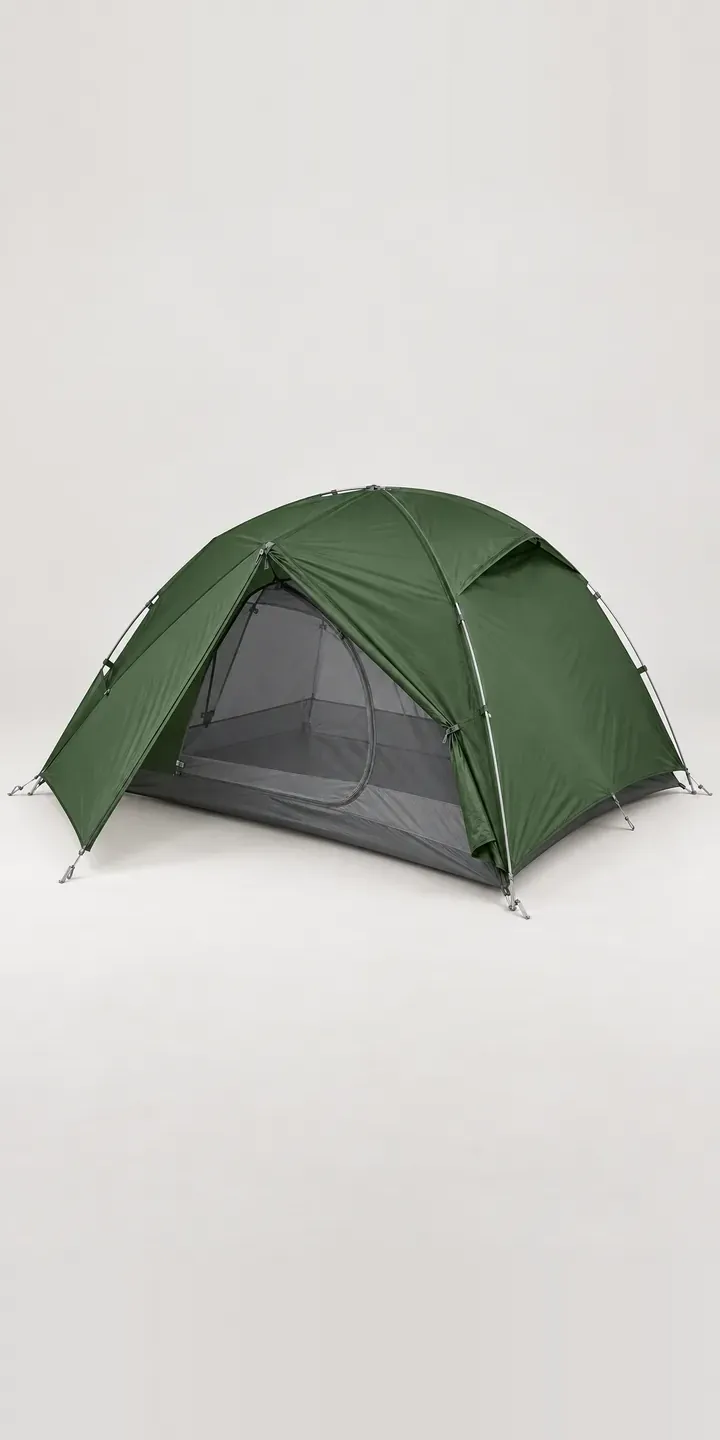
Two-Person Dome Tent
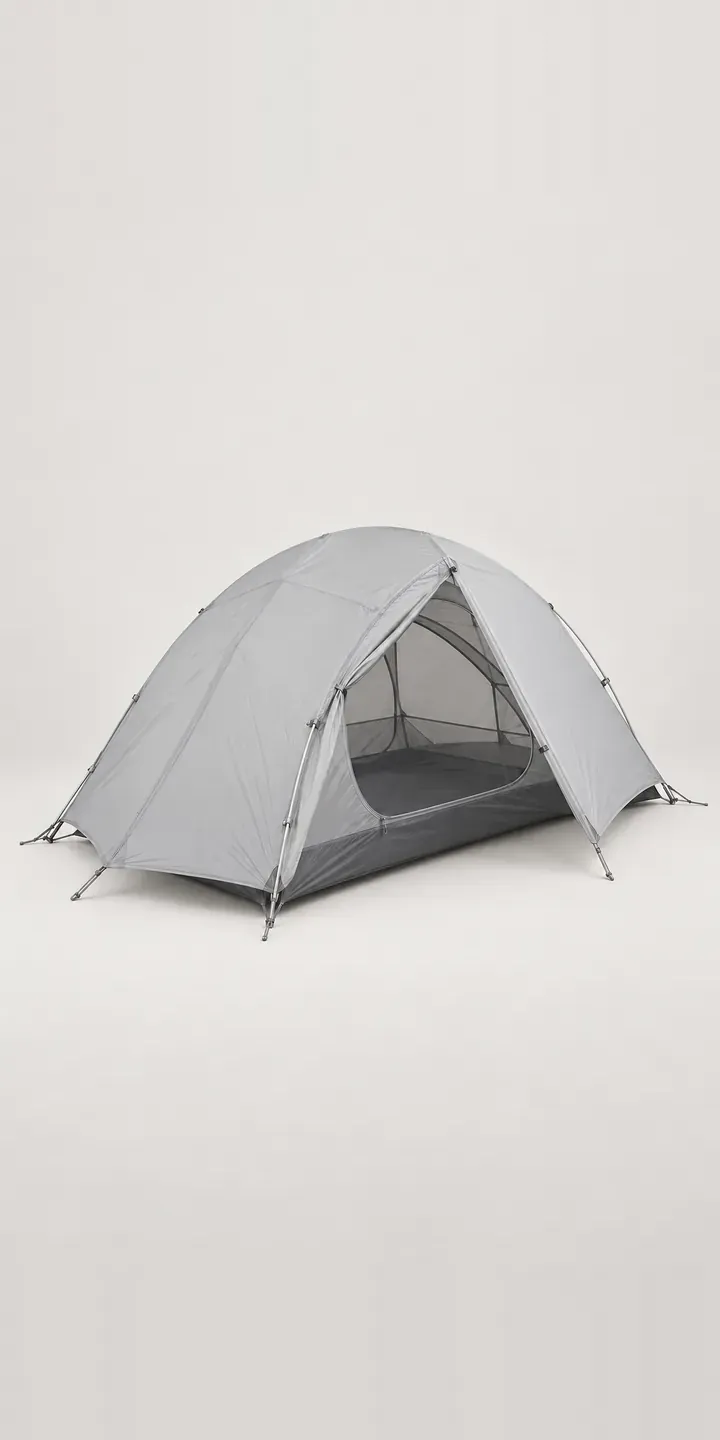
Compact Dome Tent
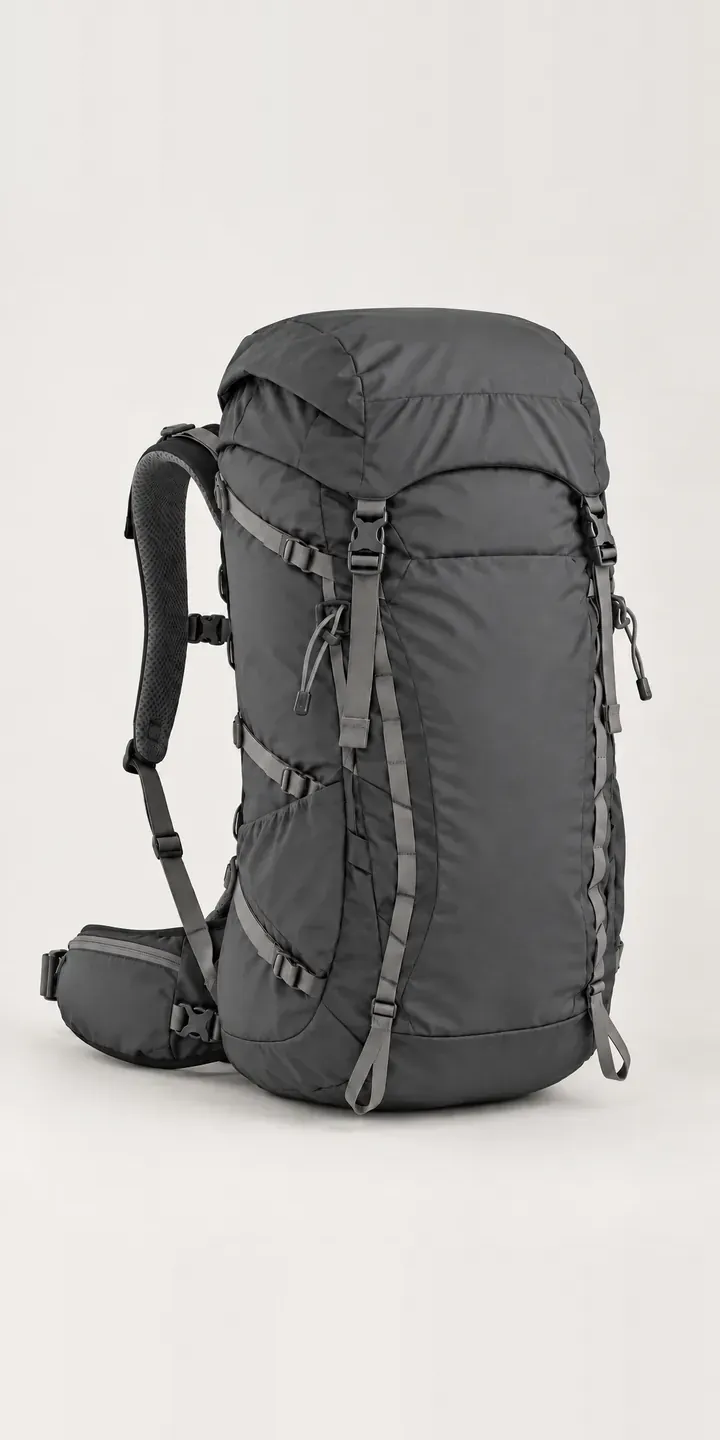
Day Hike Rucksack
All outdoor gear configurator demos
A configurator for your tents
This demo uses an illustrative product. If you sell tents, I can build the same experience around your own range, photography and ordering process, connected to Shopify, WooCommerce or a quote workflow. I reply to enquiries within two UK working days.