Footwear is configured part by part. A trainer has an upper, overlays, laces, lining, midsole and outsole, and customers notice every one. Boots bring leather type, welt construction, lace hooks and sole compound into play. Running shoes are bought on cushioning, heel-to-toe drop and fit, with colourway a close second. Width fittings, half sizes and insole choices decide whether a shoe actually suits the wearer.
Sizing worries and sheer numbers hold footwear back. Buyers fret about how one brand's last compares with another's, and returns follow when the worry proves right. On the colour side, a trainer with five panels in eight colours has thousands of possible versions, which no brand will photograph. Most settle for a few set colourways and lose the buyer who wanted gum soles under a navy suede upper.
A footwear configurator usually works best as layered imagery, with each panel shot or rendered separately on the same angle and combined in the browser. Plan the panel list, the colours allowed on each, and the rules that stop combinations the factory cannot produce. Size guidance, width options and made-to-order lead times need to sit beside the choices. Shoes are a strong case for 3D product visualisation once a range grows, since buyers want to turn them over. Trainers, boots, running shoes, a clog and a sandal make up the examples below.
Footwear demos to try
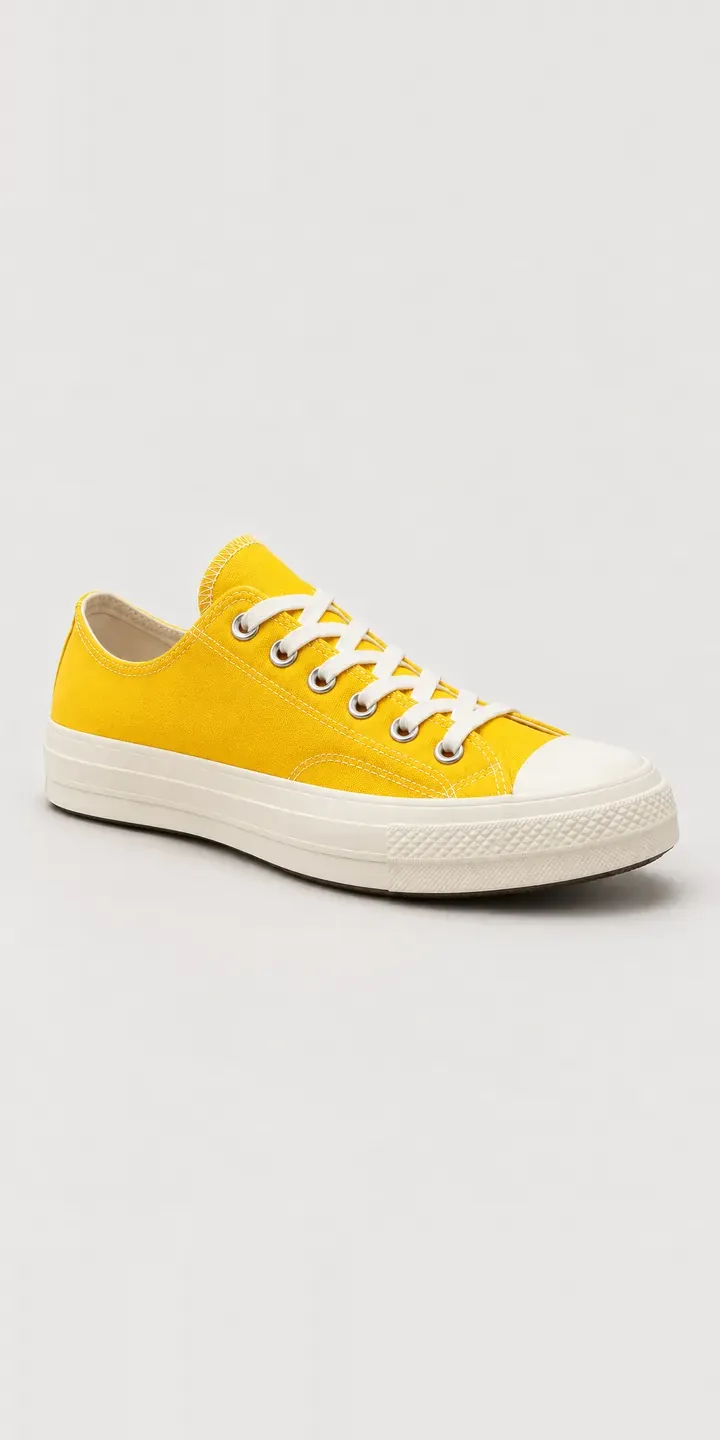
Canvas Low-Top
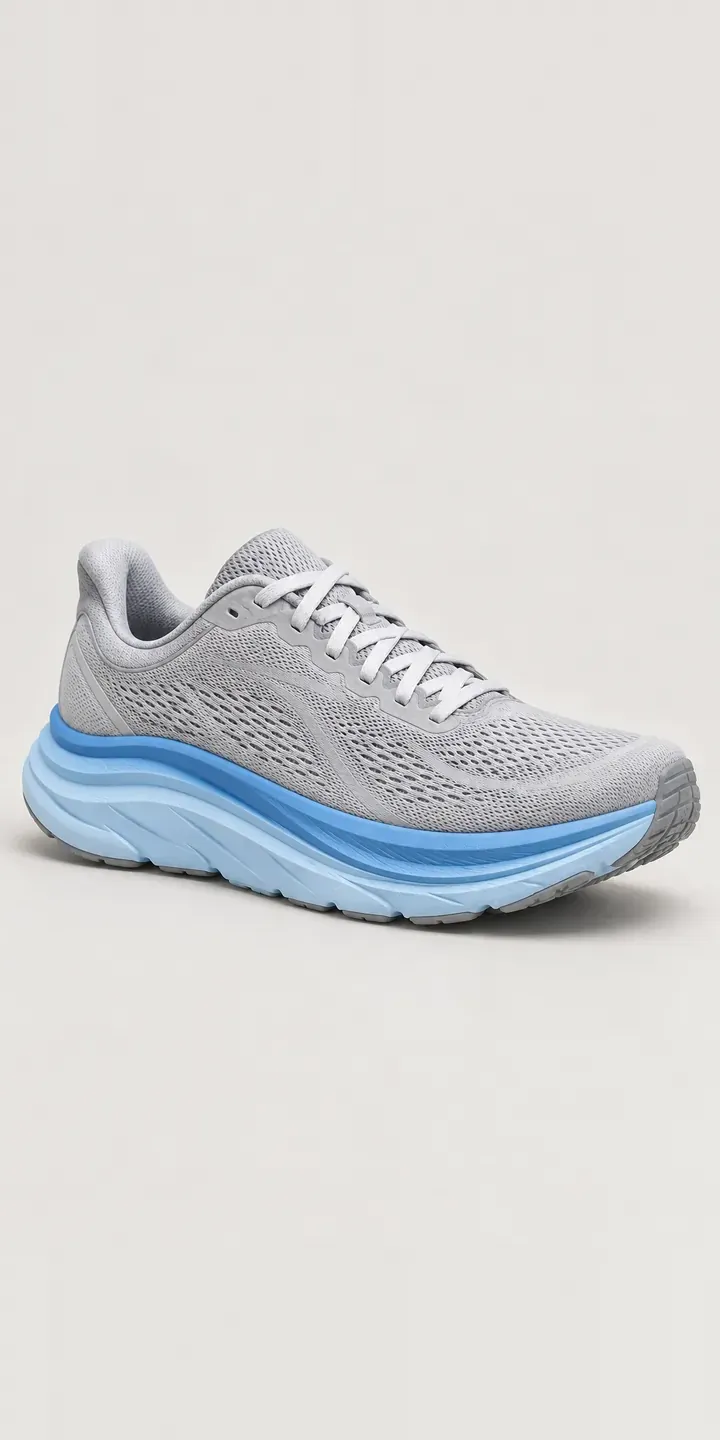
Cushioned Road Shoe
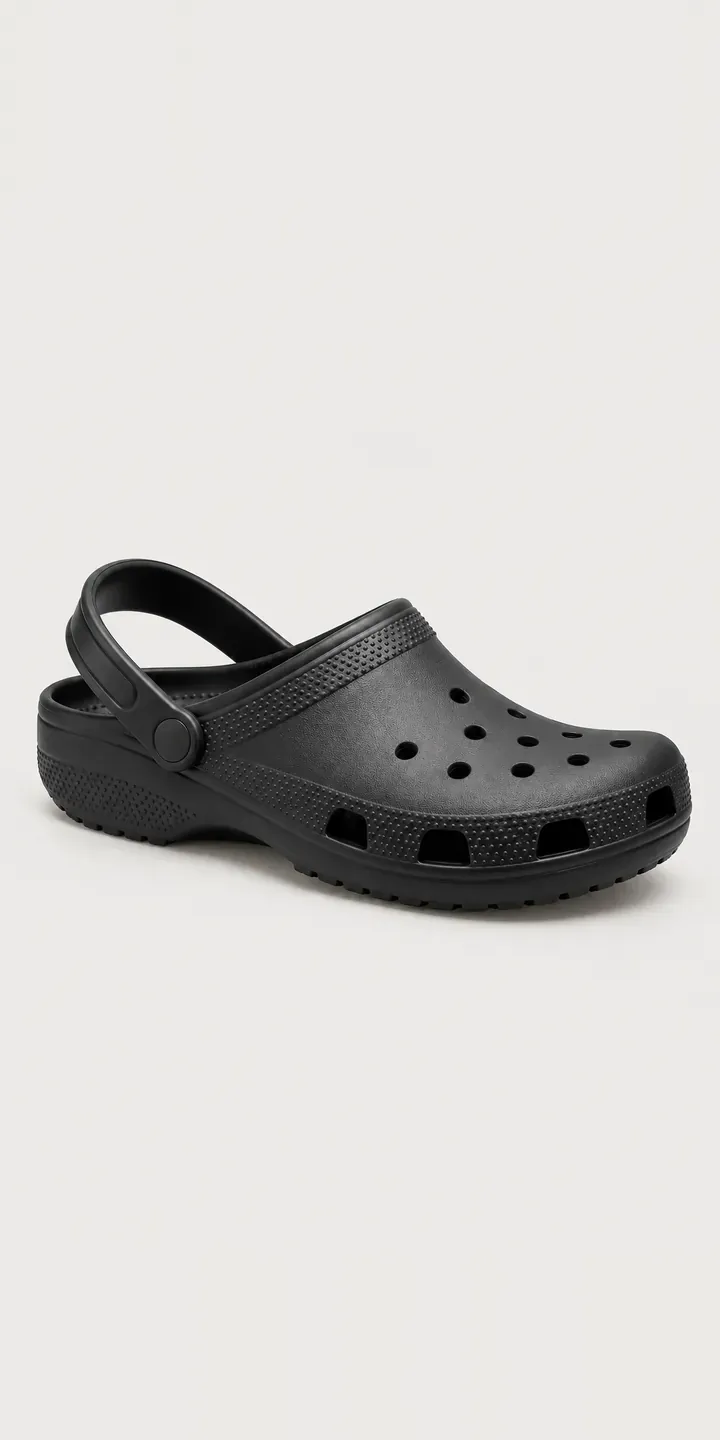
Foam Clog
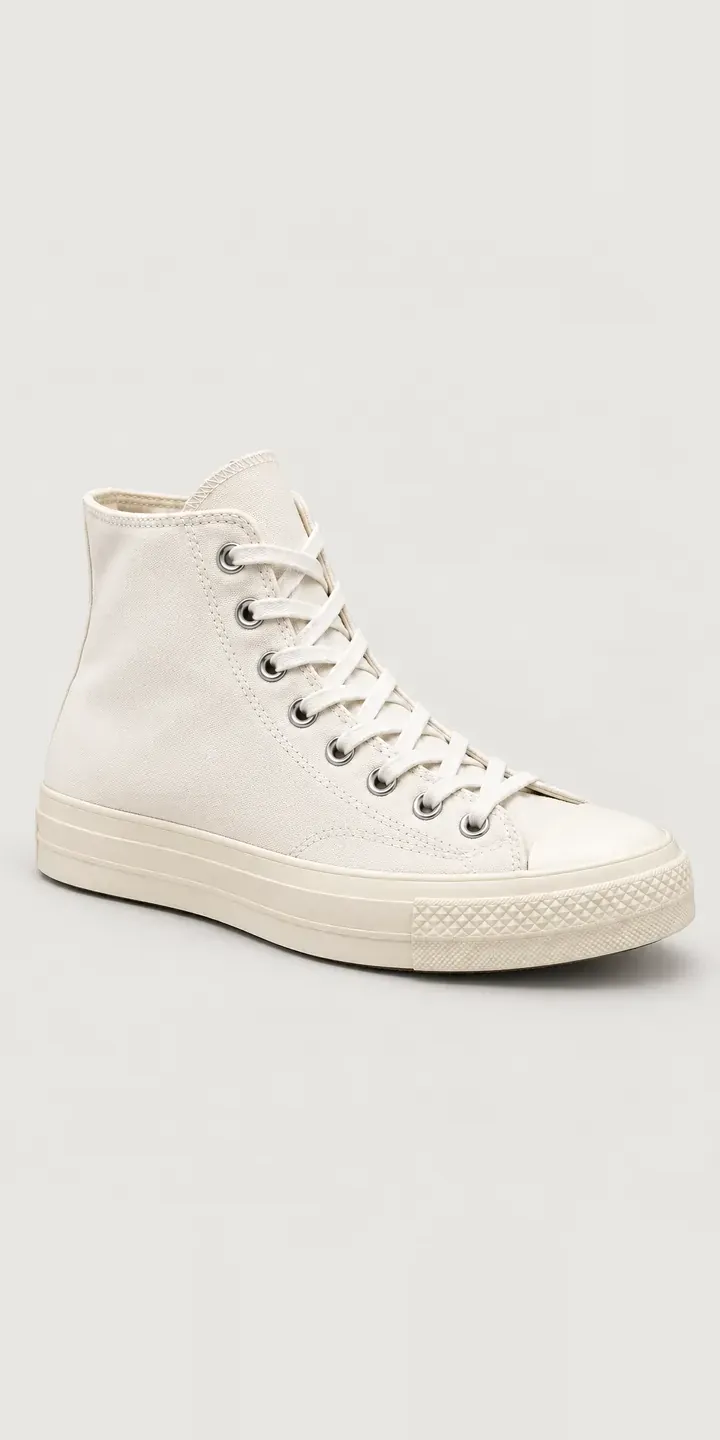
High-Top Canvas
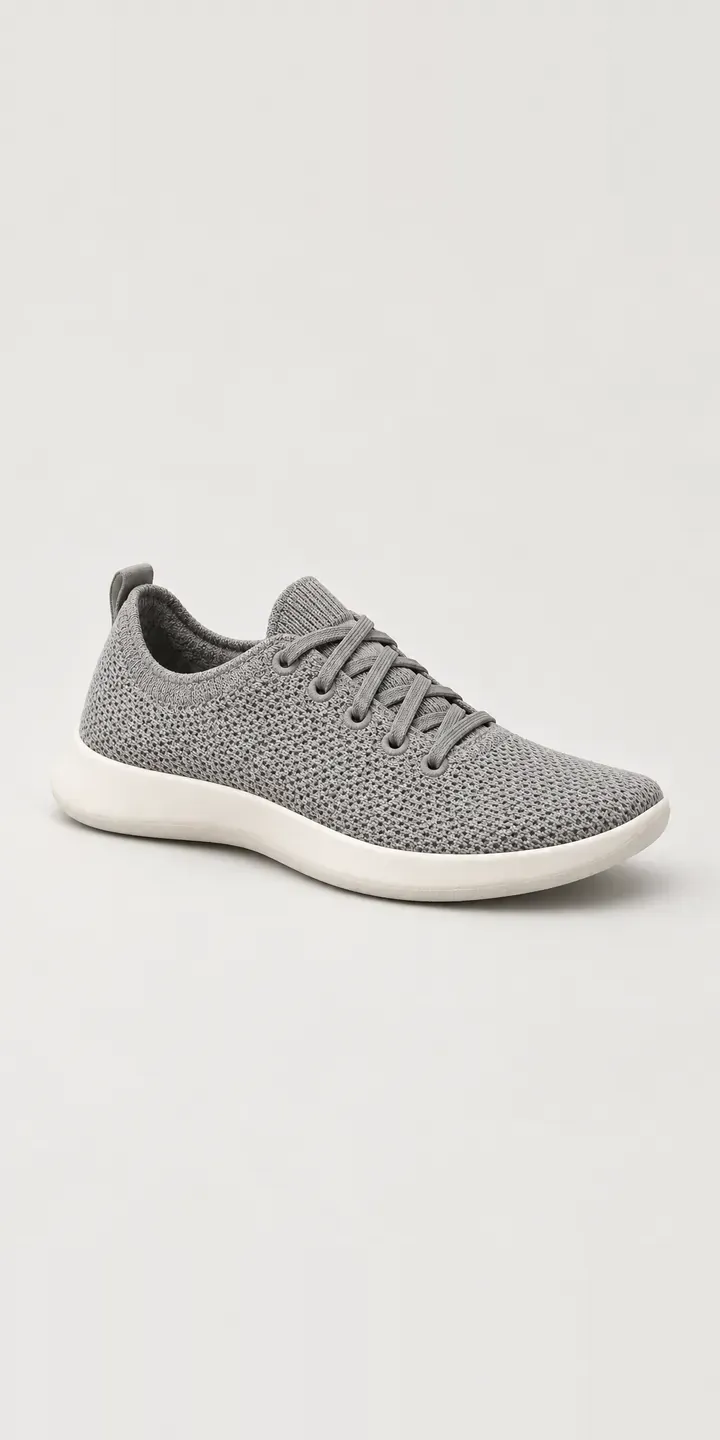
Knit Everyday Sneaker
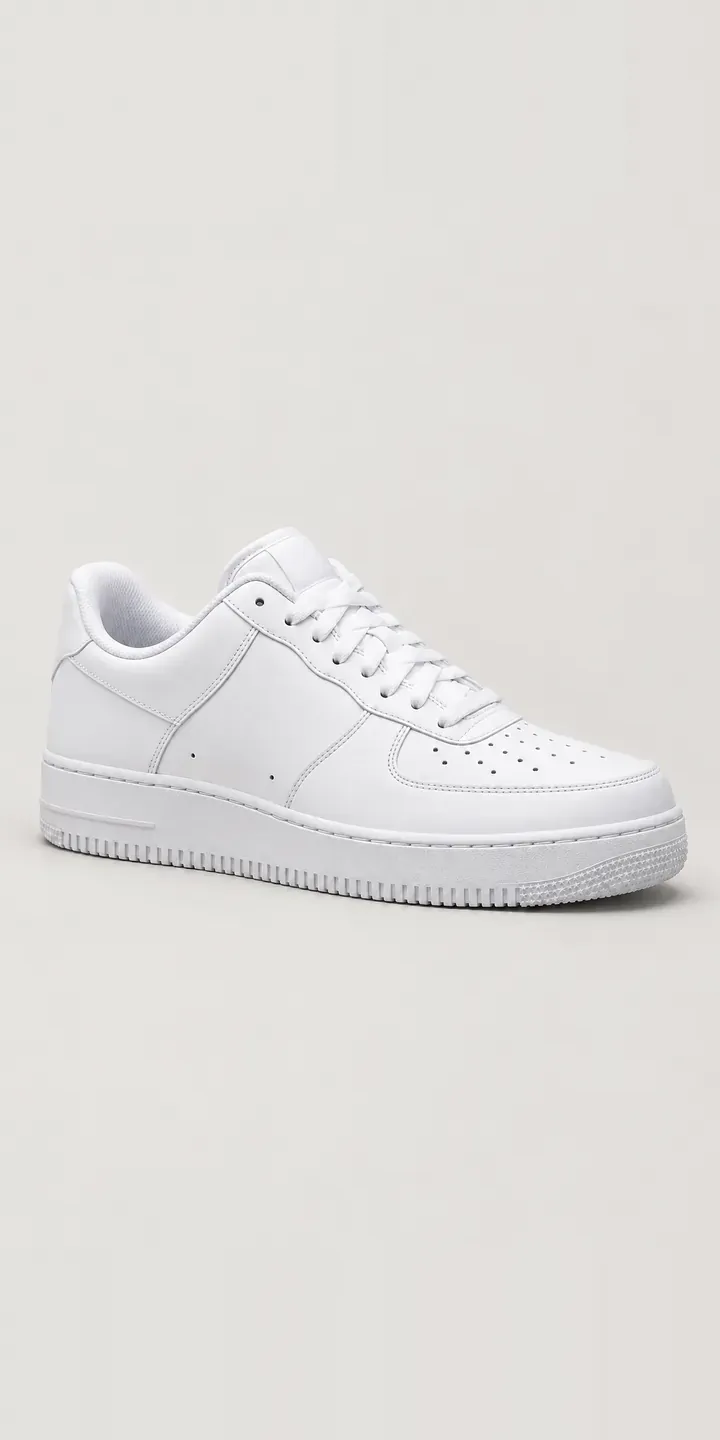
Leather Court Trainer
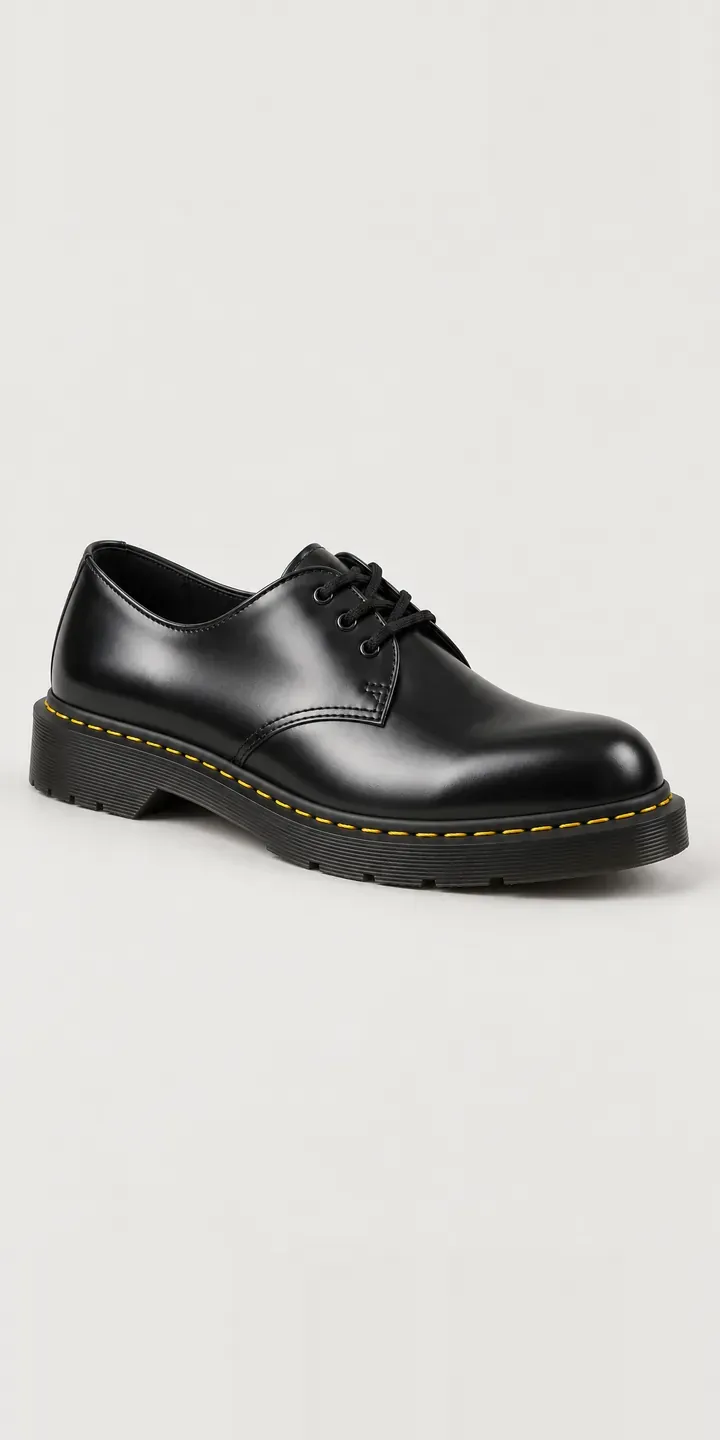
Leather Derby
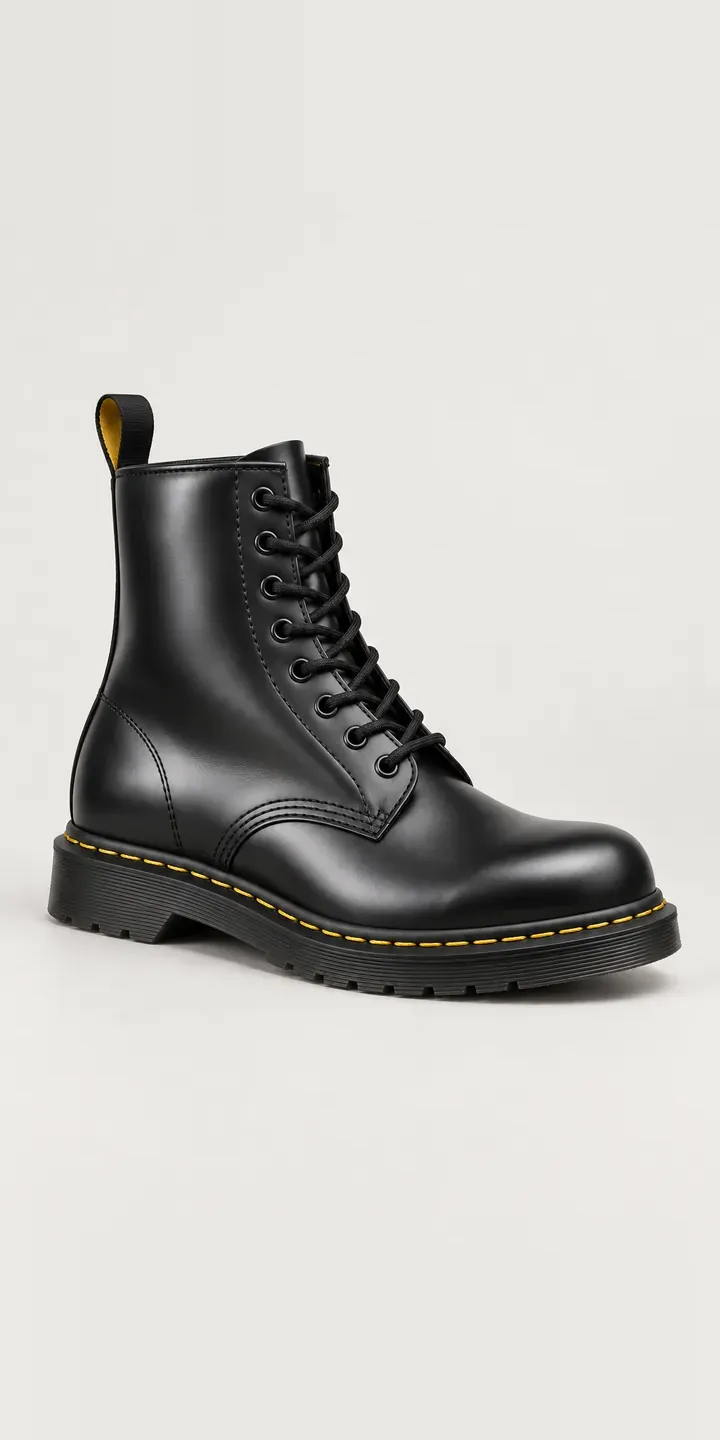
Leather Work Boot
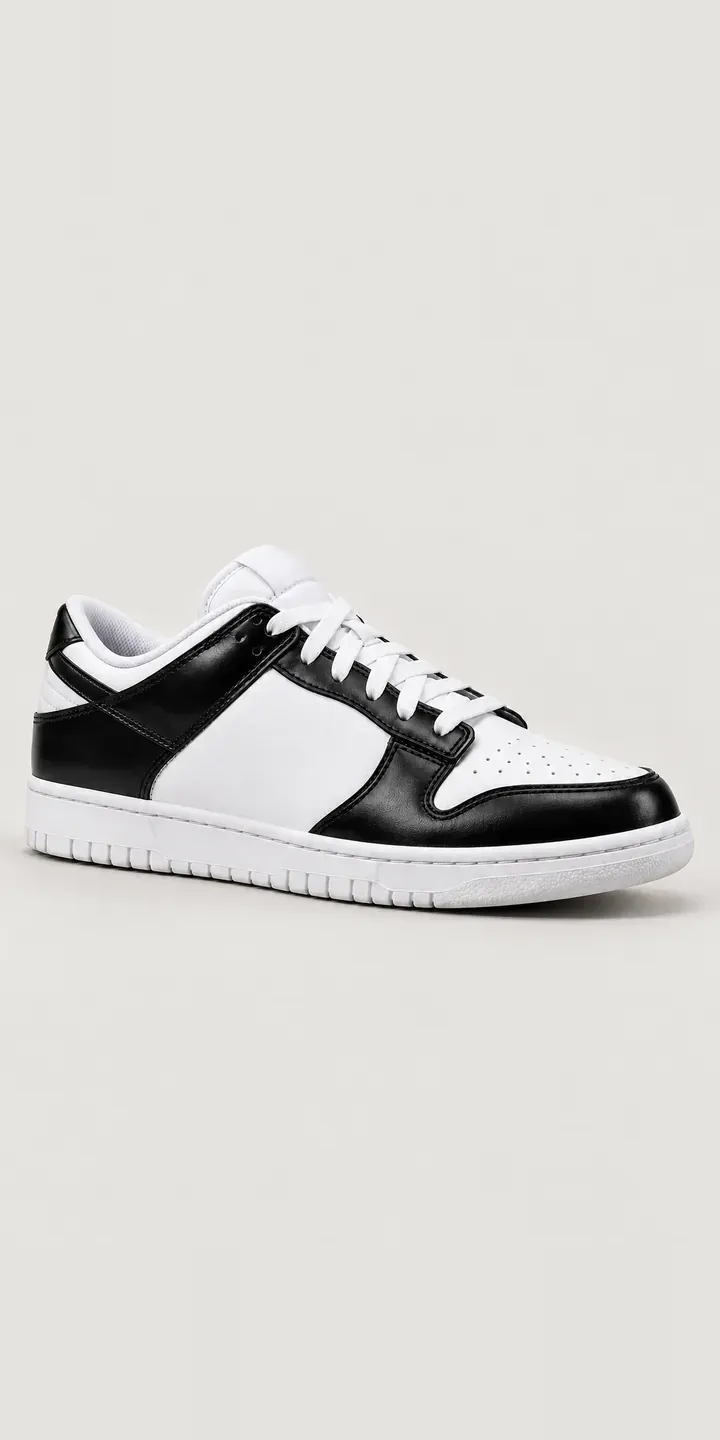
Low Court Sneaker
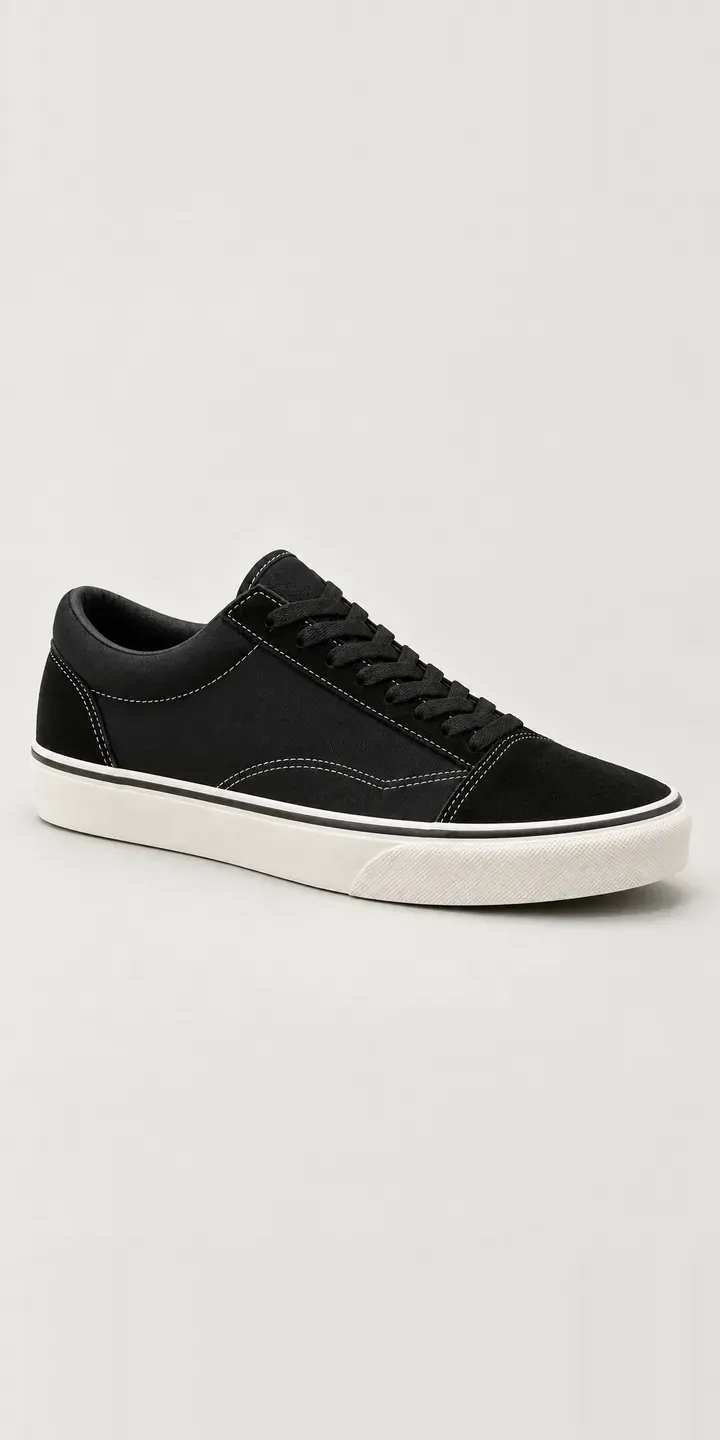
Low Skate Shoe
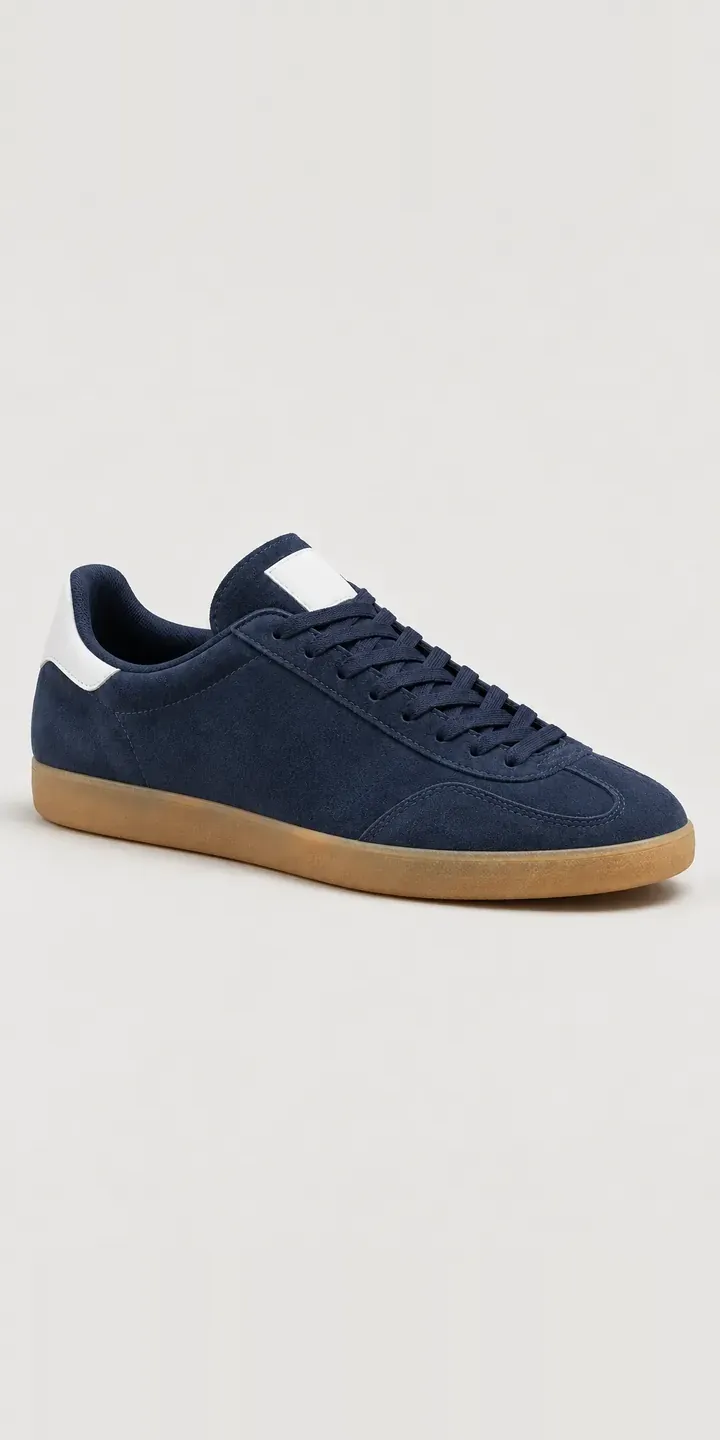
Low Suede Trainer
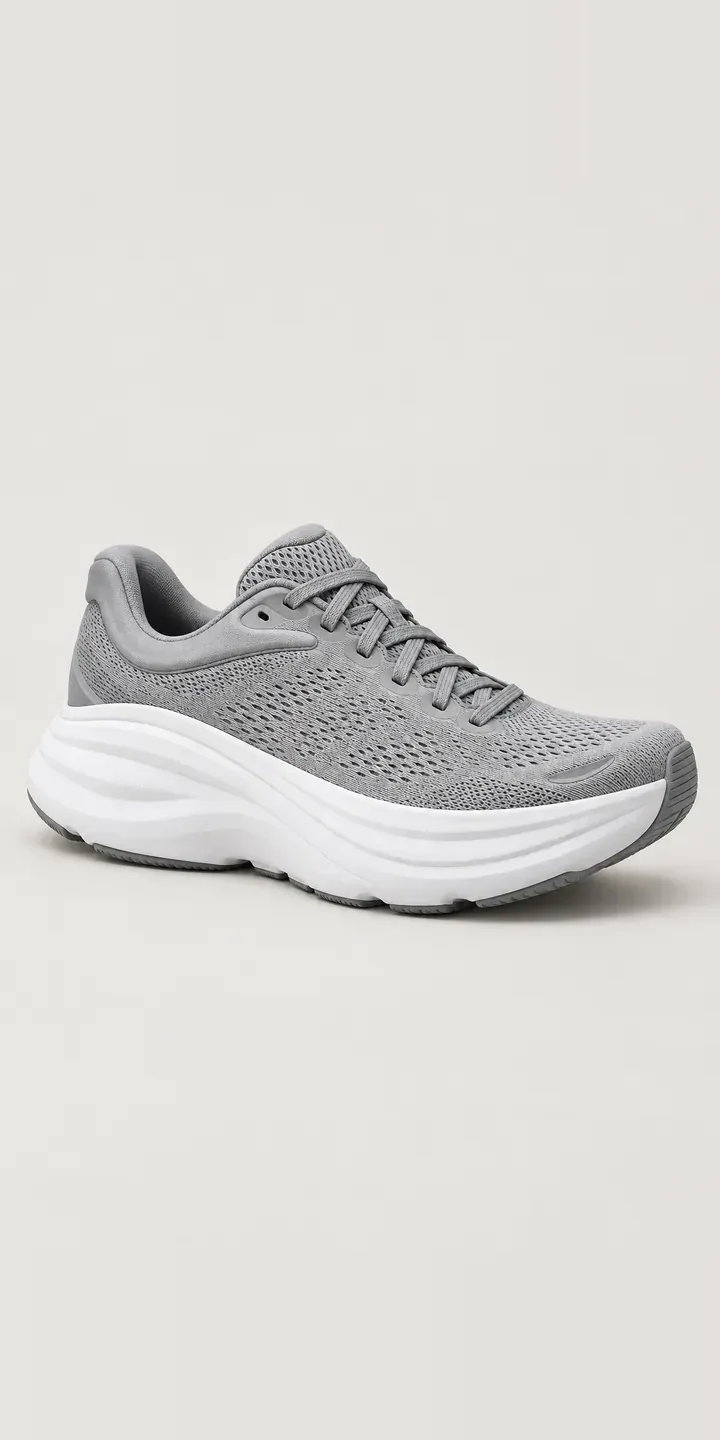
Max Cushion Trainer
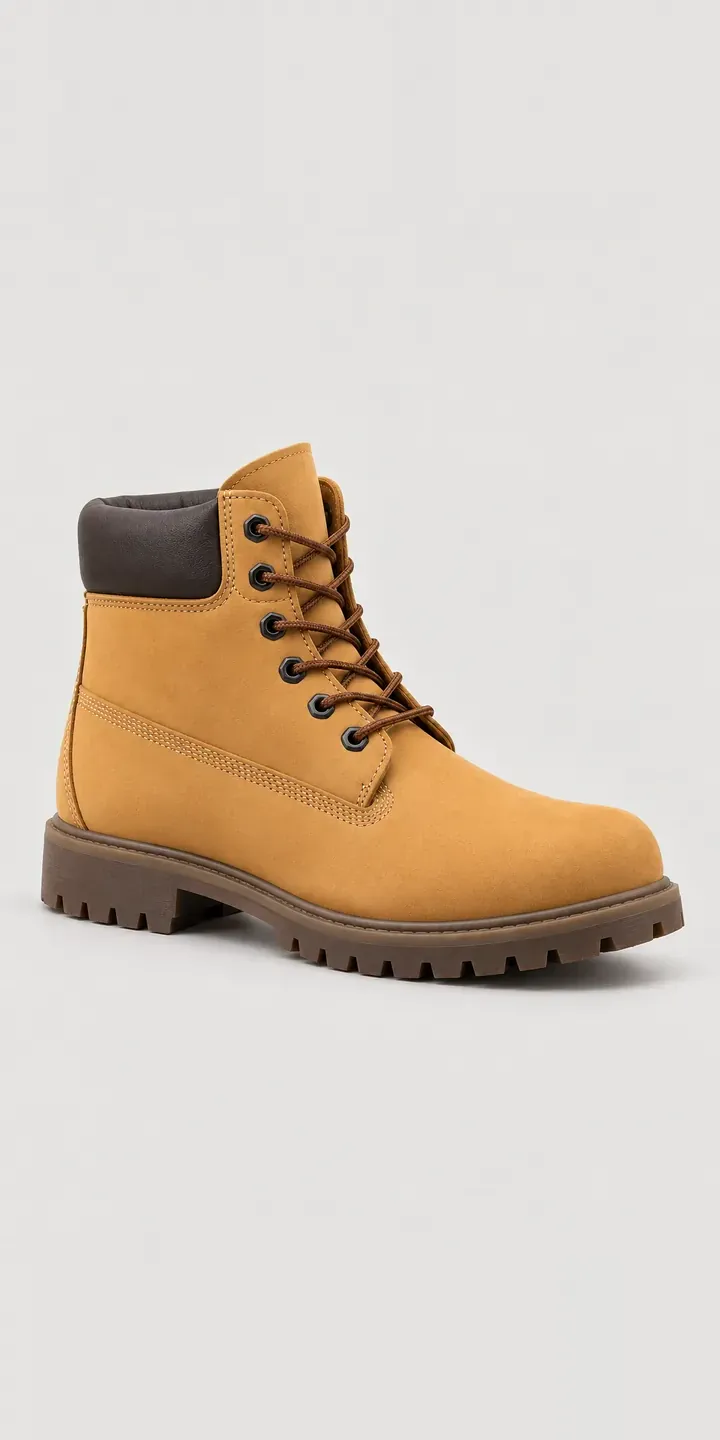
Nubuck Work Boot
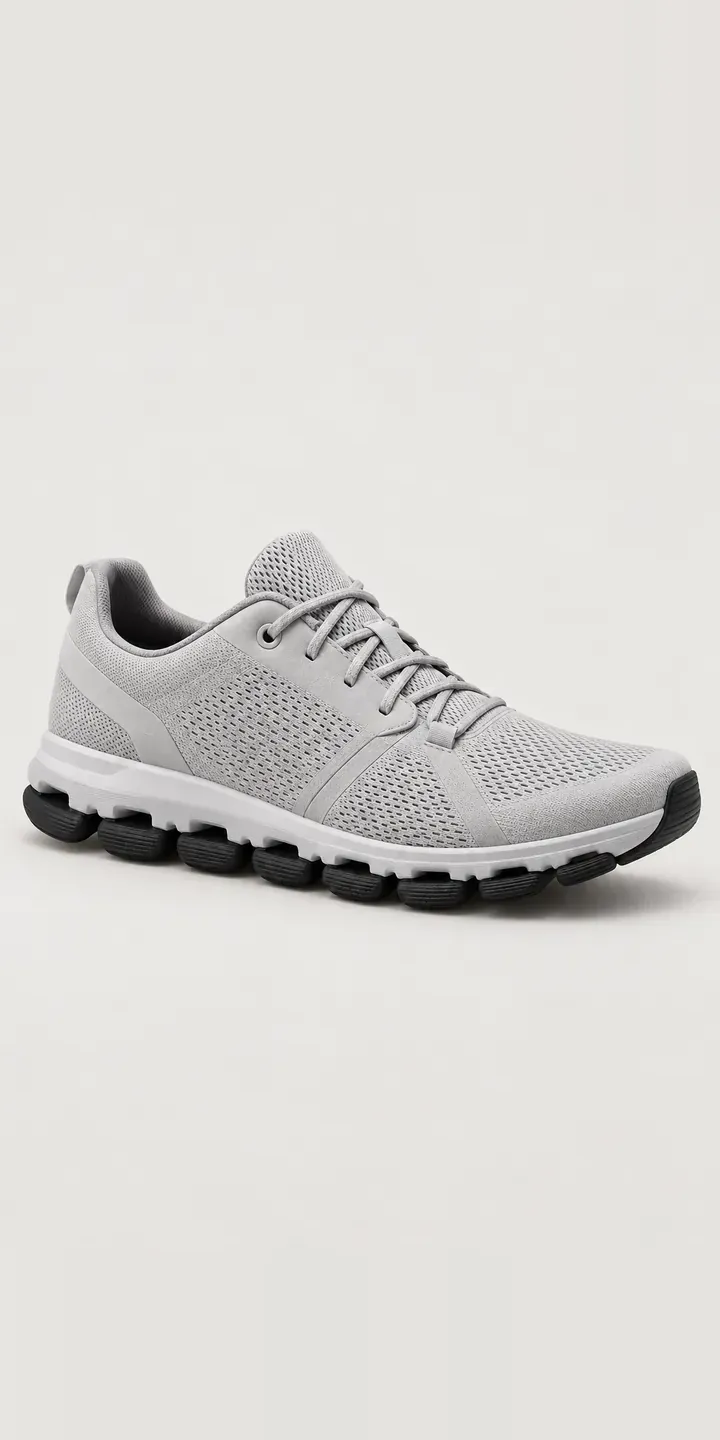
Pod Sole Sneaker
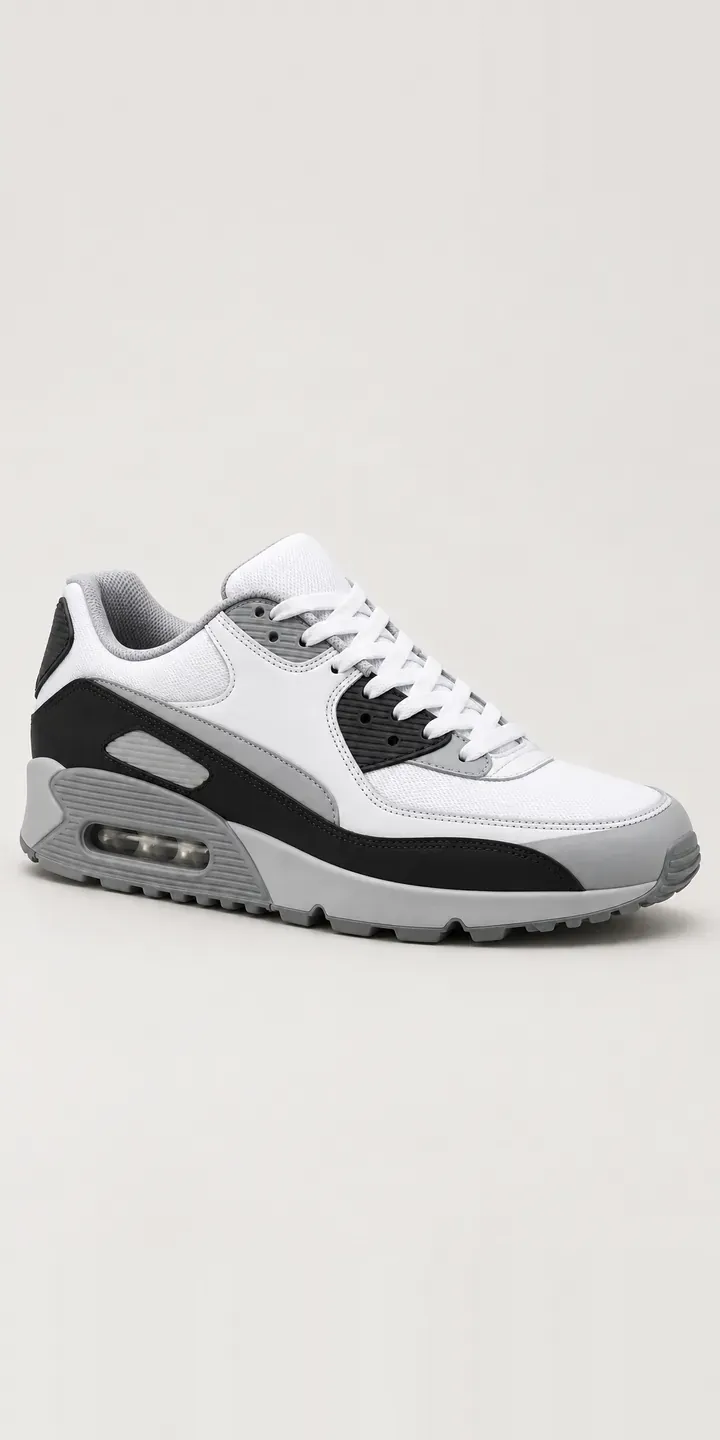
Retro Layered Trainer
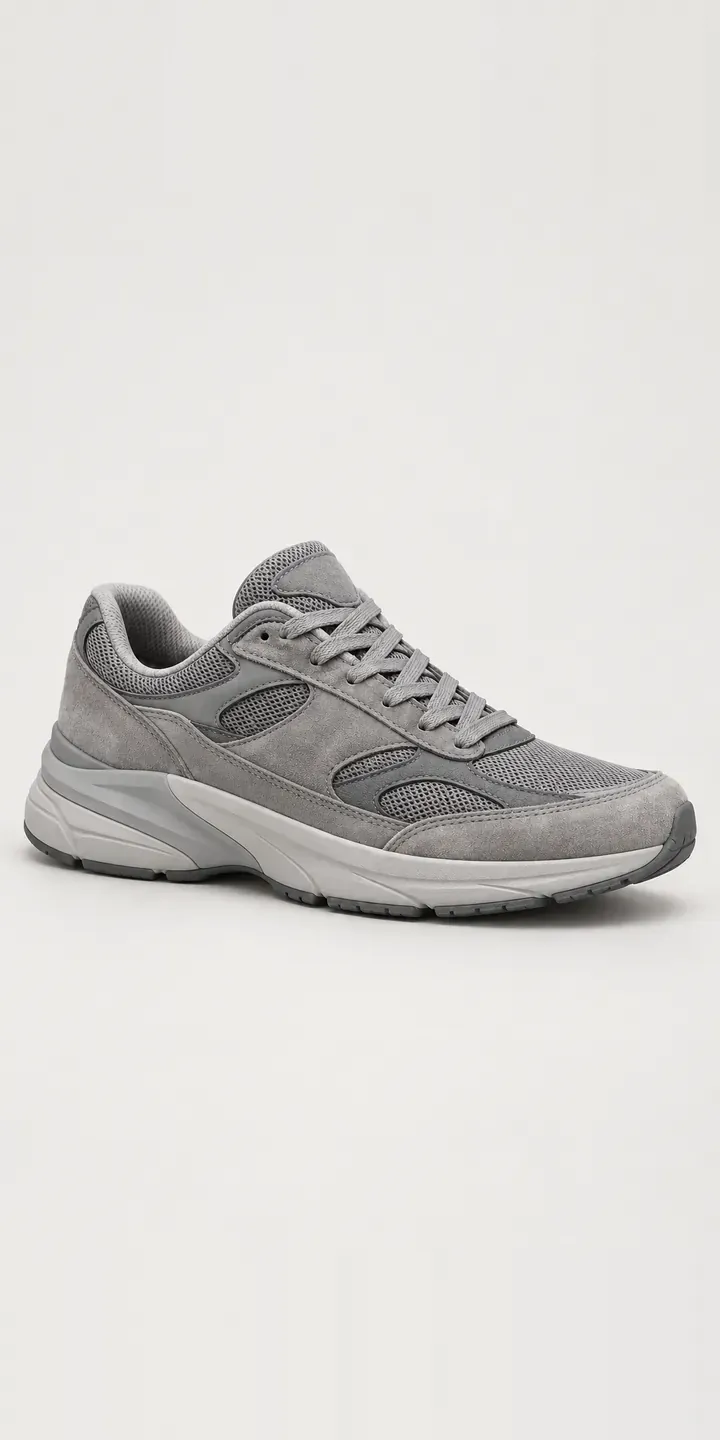
Retro Suede Trainer
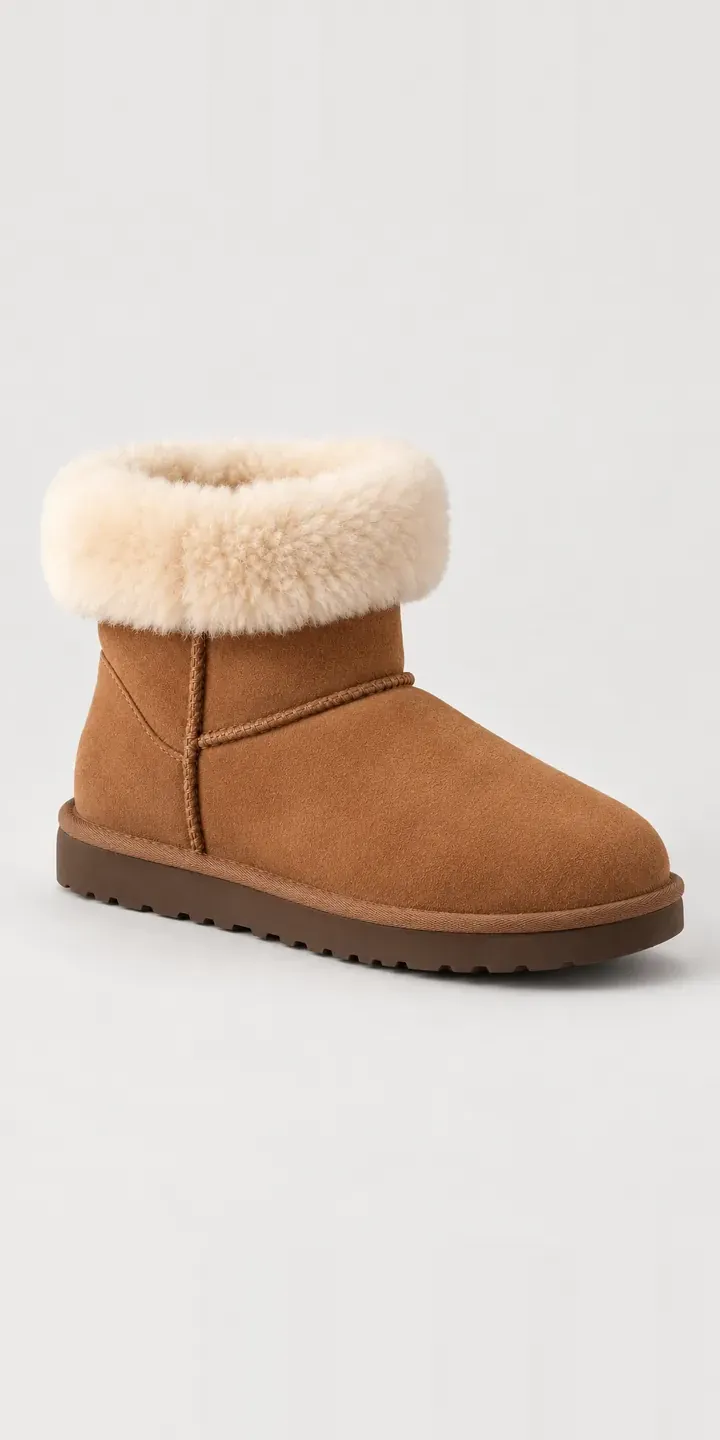
Shearling Mini Boot
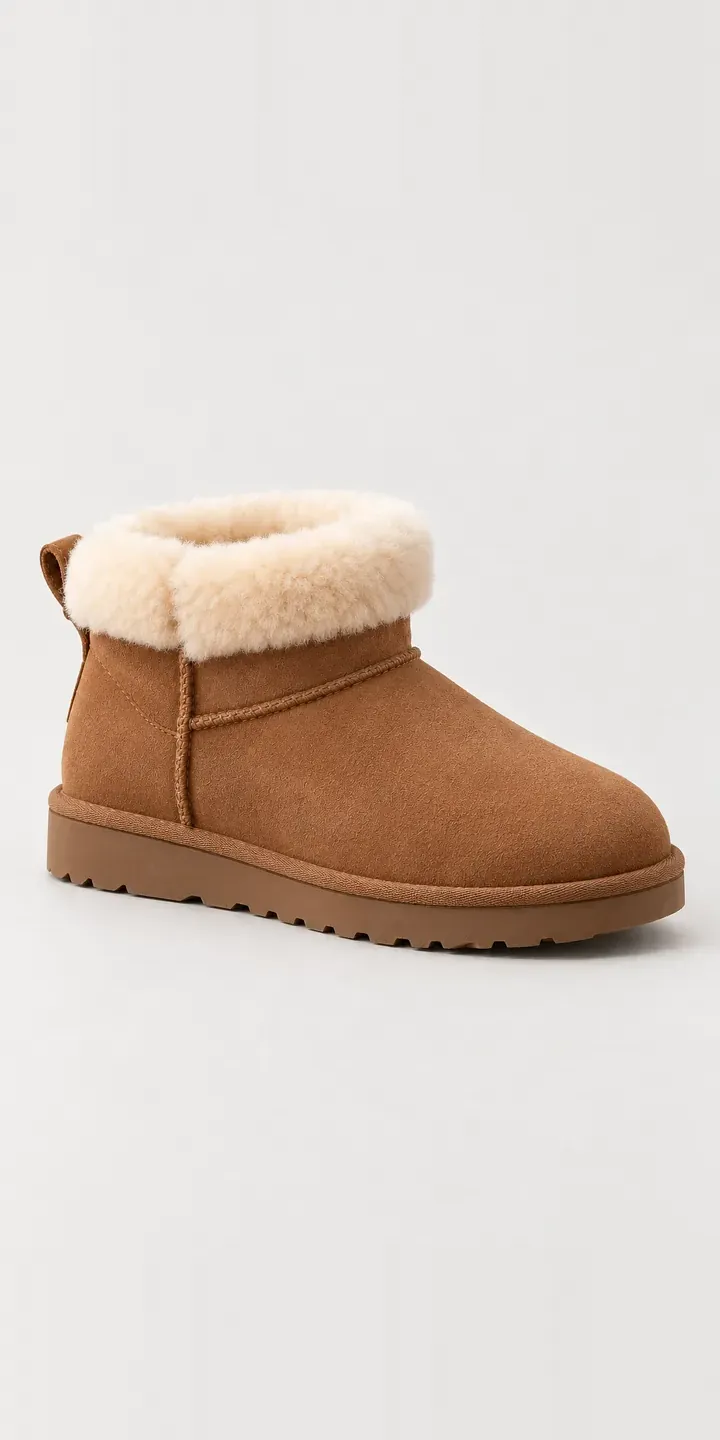
Sheepskin Ankle Boot
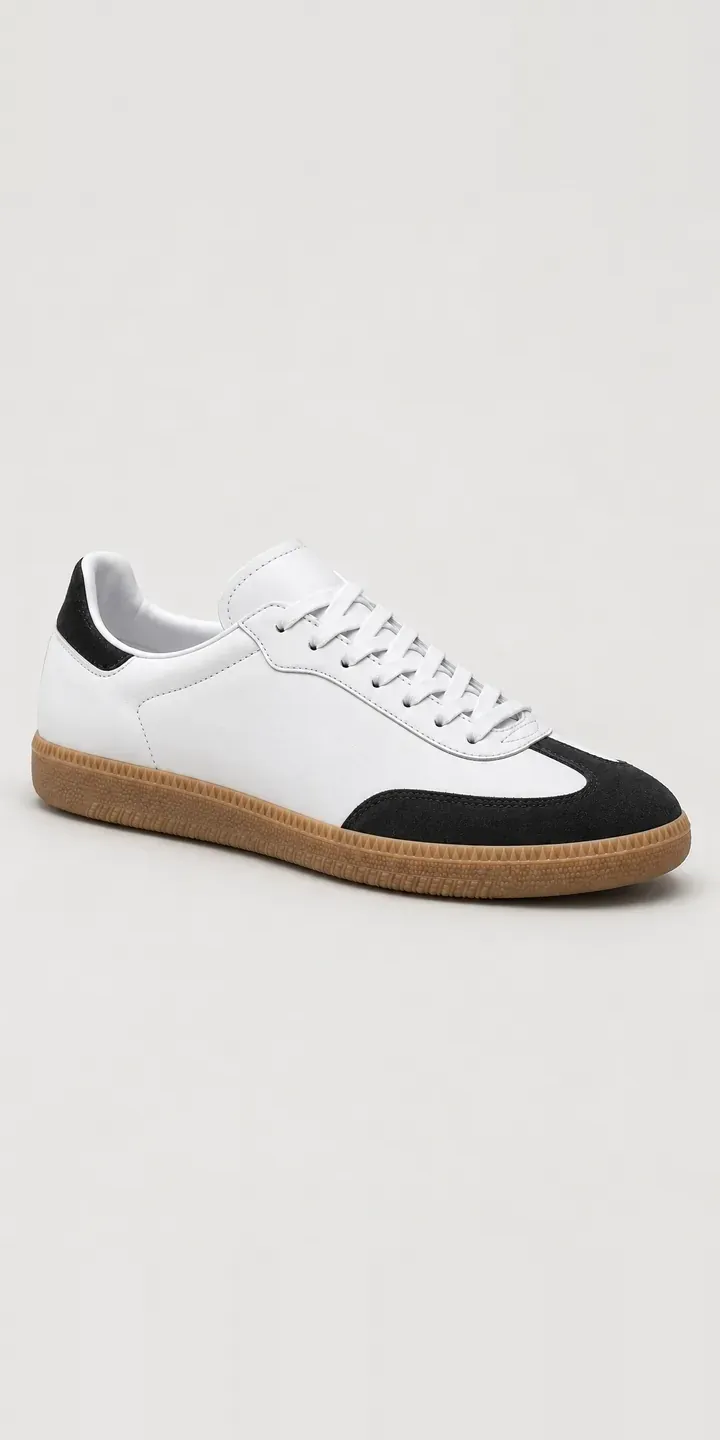
Terrace Trainer
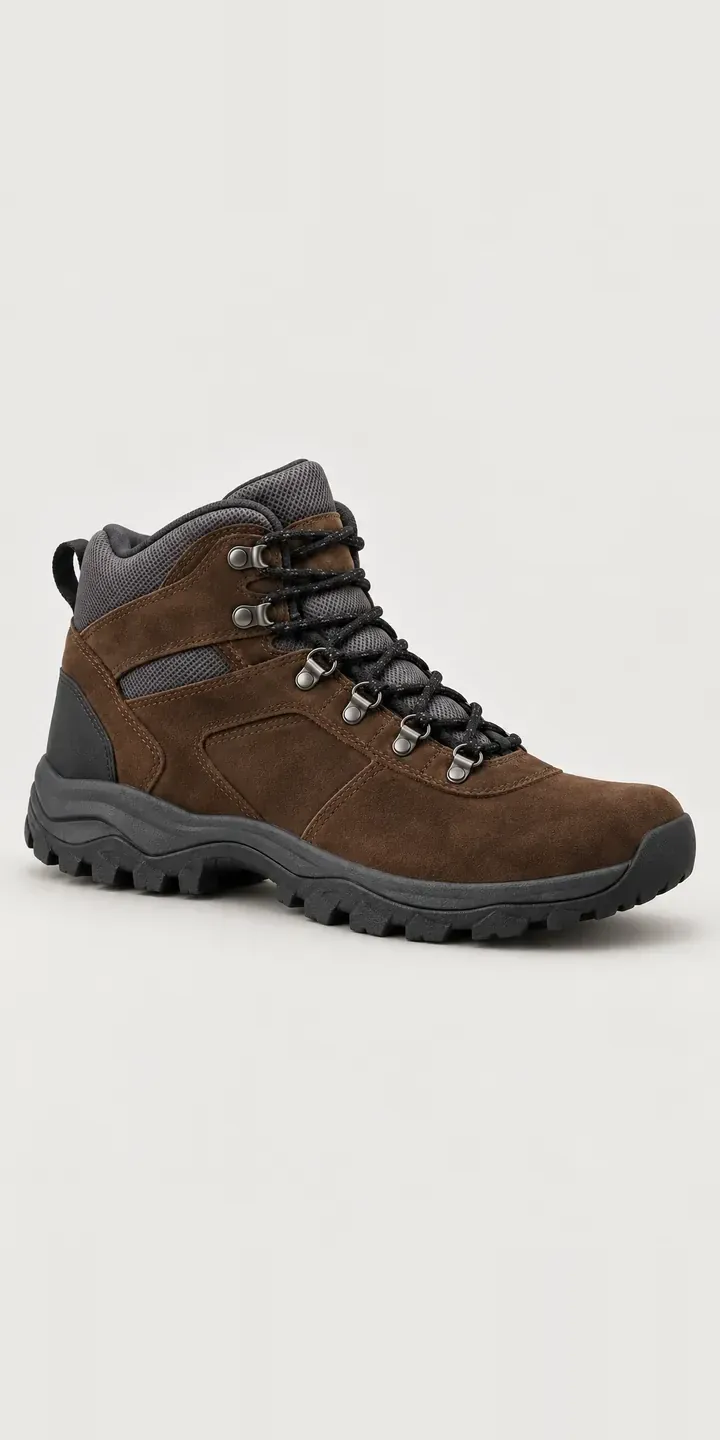
Trail Walking Boot
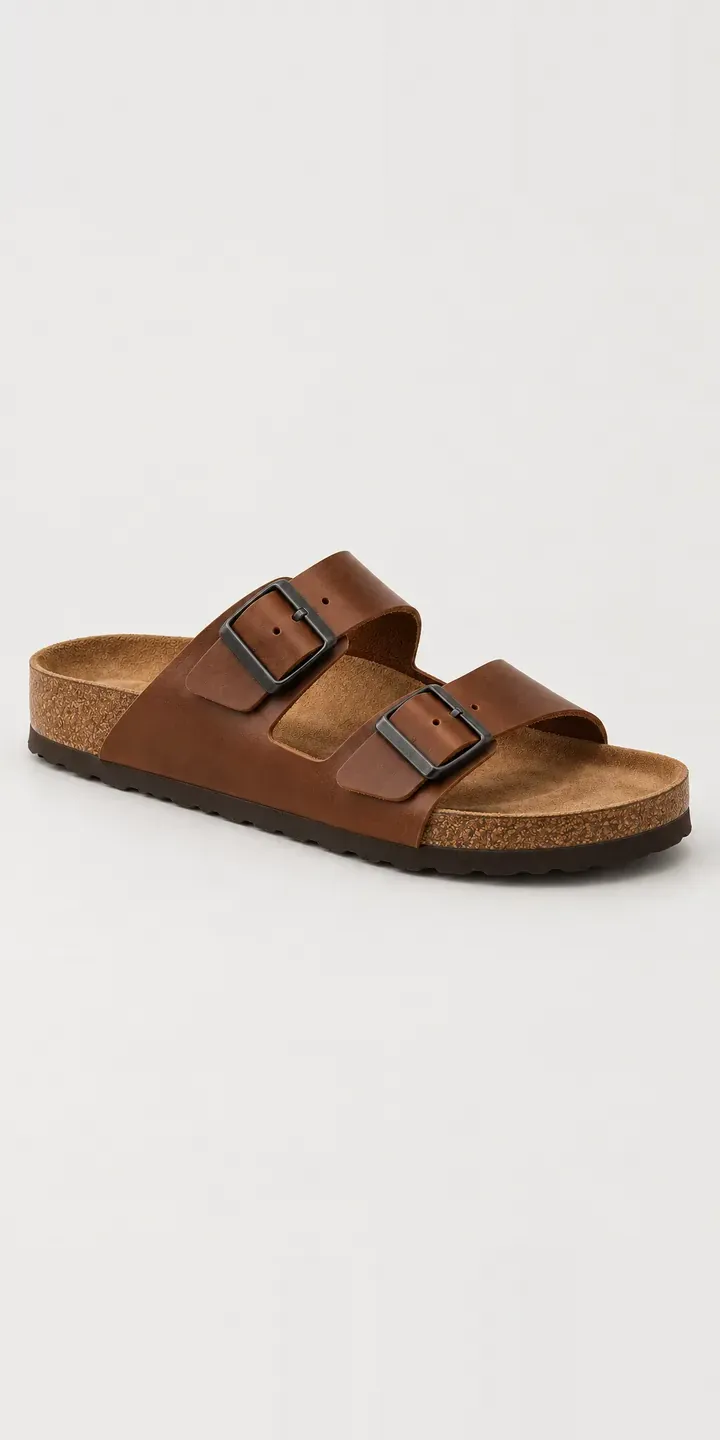
Two-Strap Sandal
Questions about footwear configurators
How do we offer many panel colours without photographing every shoe?
Shoot or render each panel separately in each colour from a fixed camera position, then let the configurator stack them. Ten panels in eight colours becomes eighty images rather than an impossible number of full shots. Shadows and stitching need care so the composite looks like a real shoe, which is mostly a job for good source files.
Can a configurator help with sizing and width?
It can guide, using your own size chart and fit notes per last, and it can ask for width or half sizes where you offer them. It will not replace trying a shoe on. What it does well is capture the right size and width in the order, so made-to-order pairs are built to the correct spec first time.
Can customised shoes go through our normal Shopify checkout?
Yes. Standard colourways map to variants, and custom builds go through as a product with the full panel spec attached as line item properties. The factory or workshop receives a clear list of panels, colours and size. Lead time can be shown before checkout so buyers know a custom pair takes longer.
Planning a footwear configurator?
Tell me about your range, how products are photographed today and where orders need to go. I will suggest the smallest useful first step, whether that is one image-based product or a full 3D catalogue.