Colourway, size and fit come first for apparel buyers, then trims such as hood type, zip colour, lining and embroidery placement. Outerwear adds technical detail: shell fabric, waterproof rating, insulation fill and taped seams. Denim has its own language of wash, rise, leg shape and inside leg. For brands selling to teams, clubs and companies, logo placement and quantities enter the picture too.
Selling clothing online already works well for single colourways in stock sizes. It stalls when the range multiplies. A jacket in eight colours with three zip trims and an optional embroidered logo has too many combinations to photograph. The product page shows the hero colour and lists the rest as text. Teamwear and corporate orders stall harder, falling back to spreadsheets, email proofs and long threads about who ordered which size.
A clothing configurator starts with the trim matrix: which colours, zips, linings and logos can be combined, and where personalisation can sit. Flat-lay or ghost-mannequin images make layered compositing practical, with body, trims and logos as separate layers. Size runs and minimum order quantities need rules if trade buyers are involved. Shopify handles stock colourways well, so the configurator usually sits on top of it rather than replacing it. Twelve garments follow, from shells and puffers to field jackets, a hoodie and jeans.
Fashion demos to try
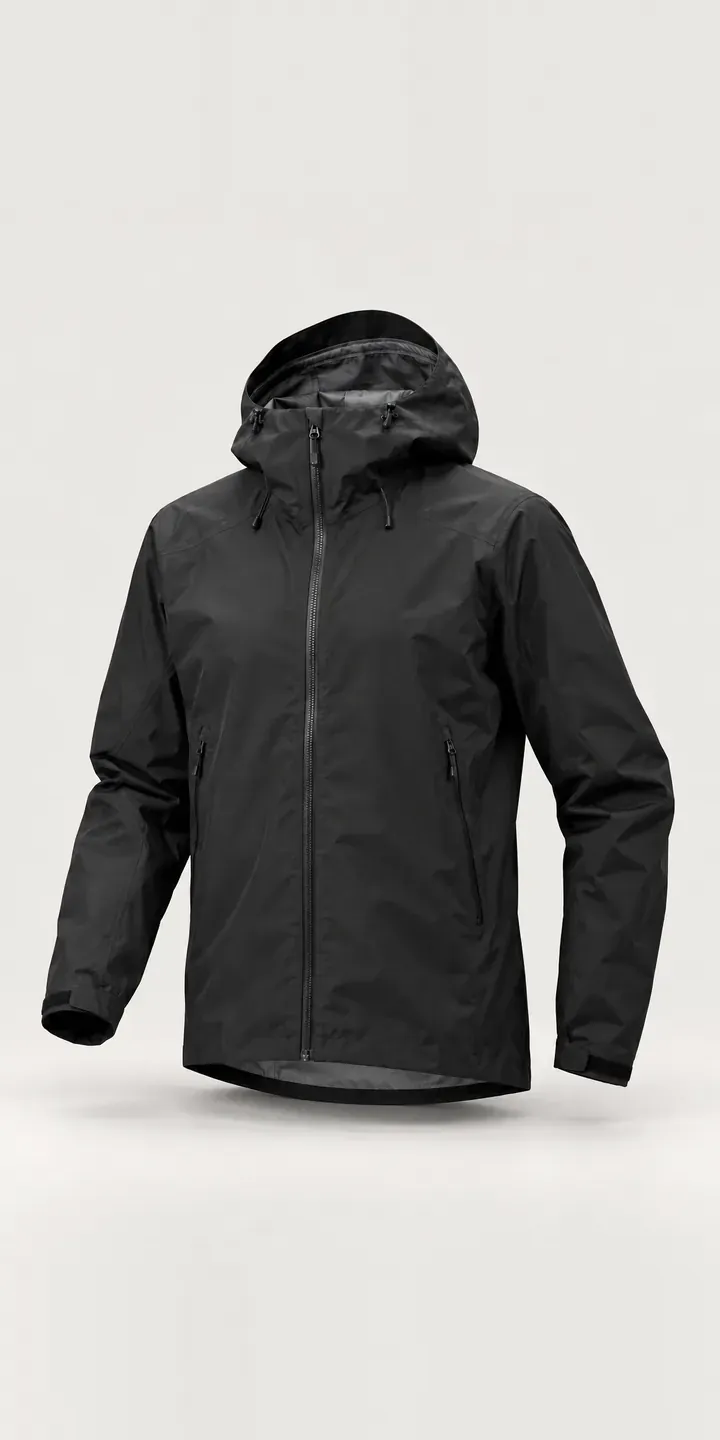
Alpine Shell Jacket
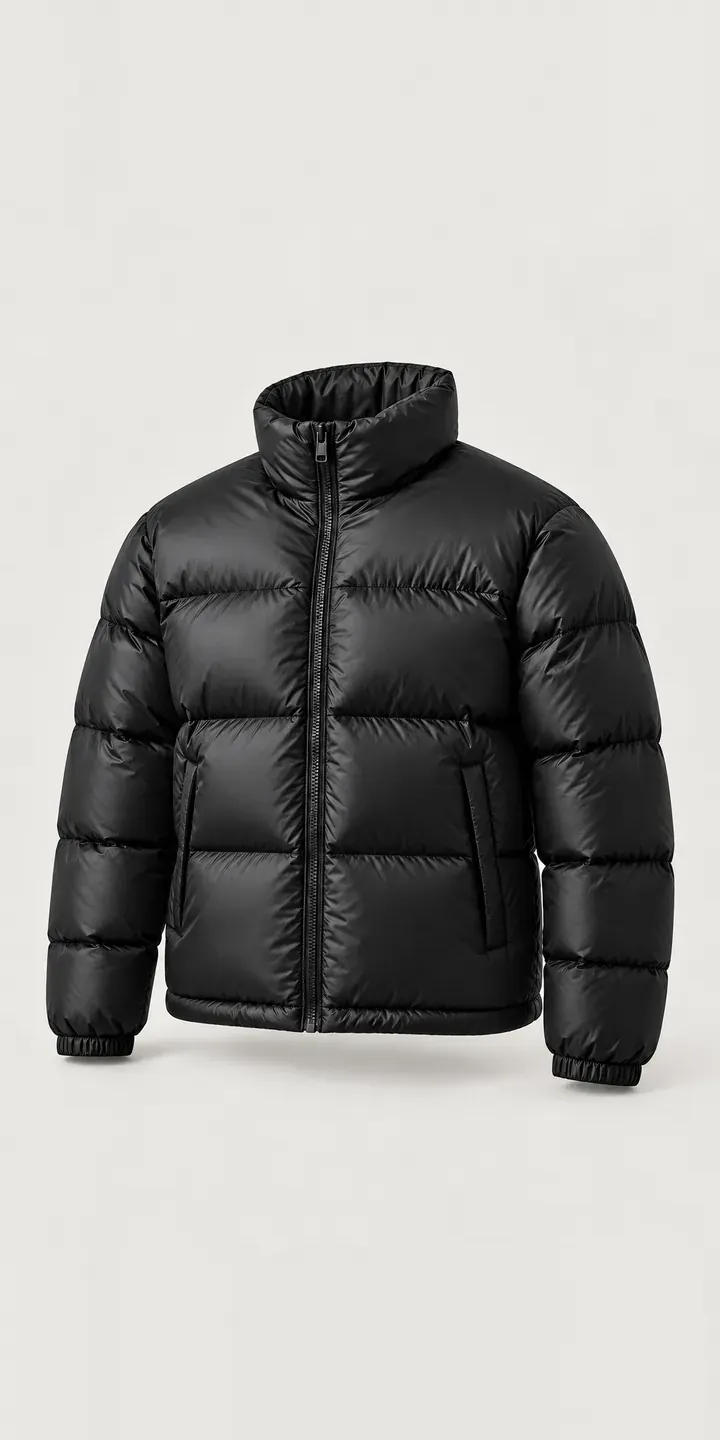
Box-Quilt Puffer
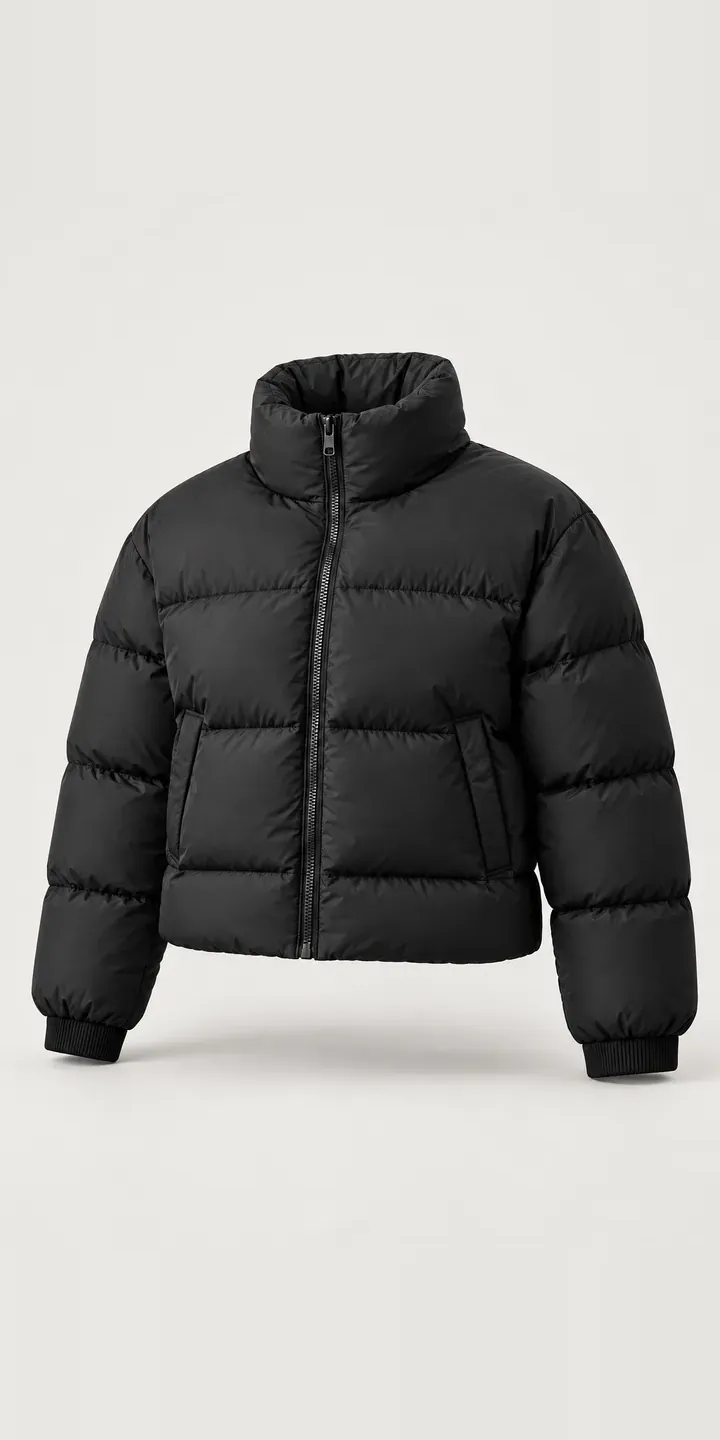
Cropped Puffer
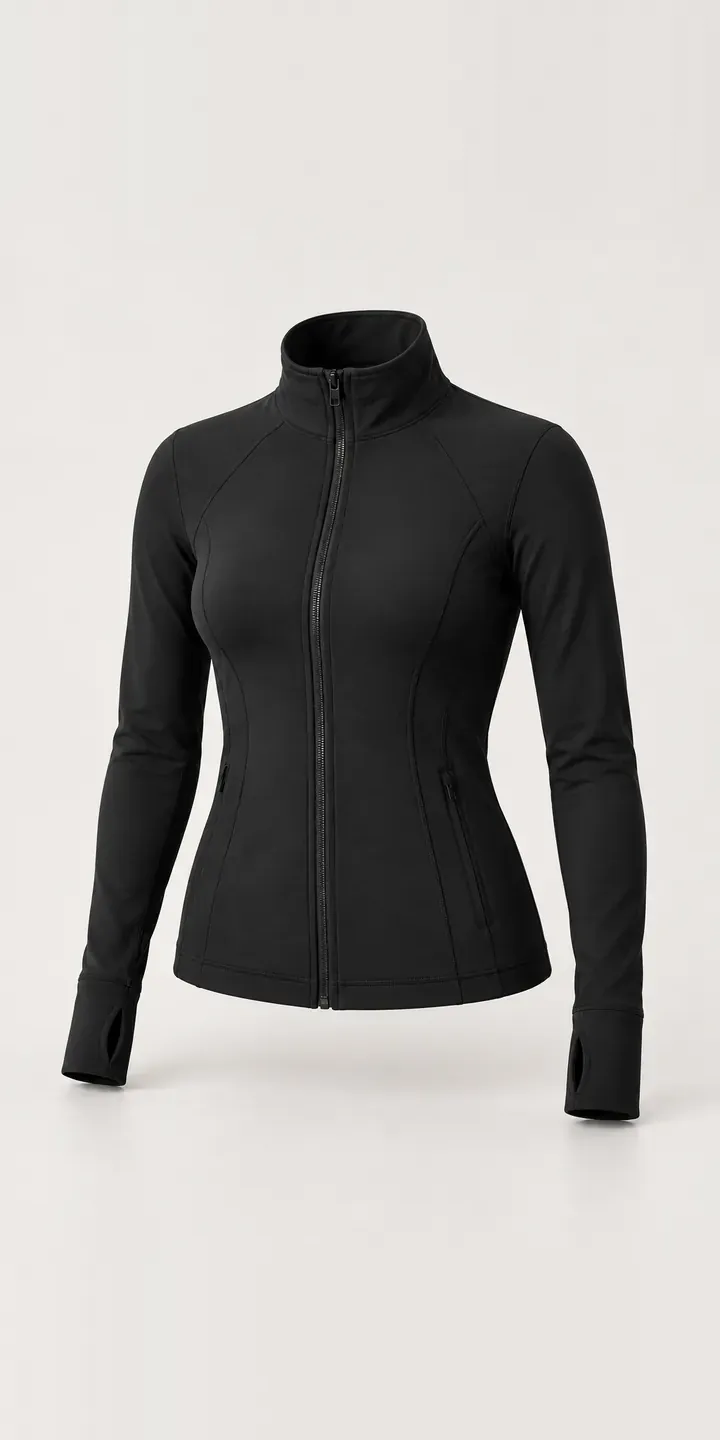
Fitted Studio Jacket
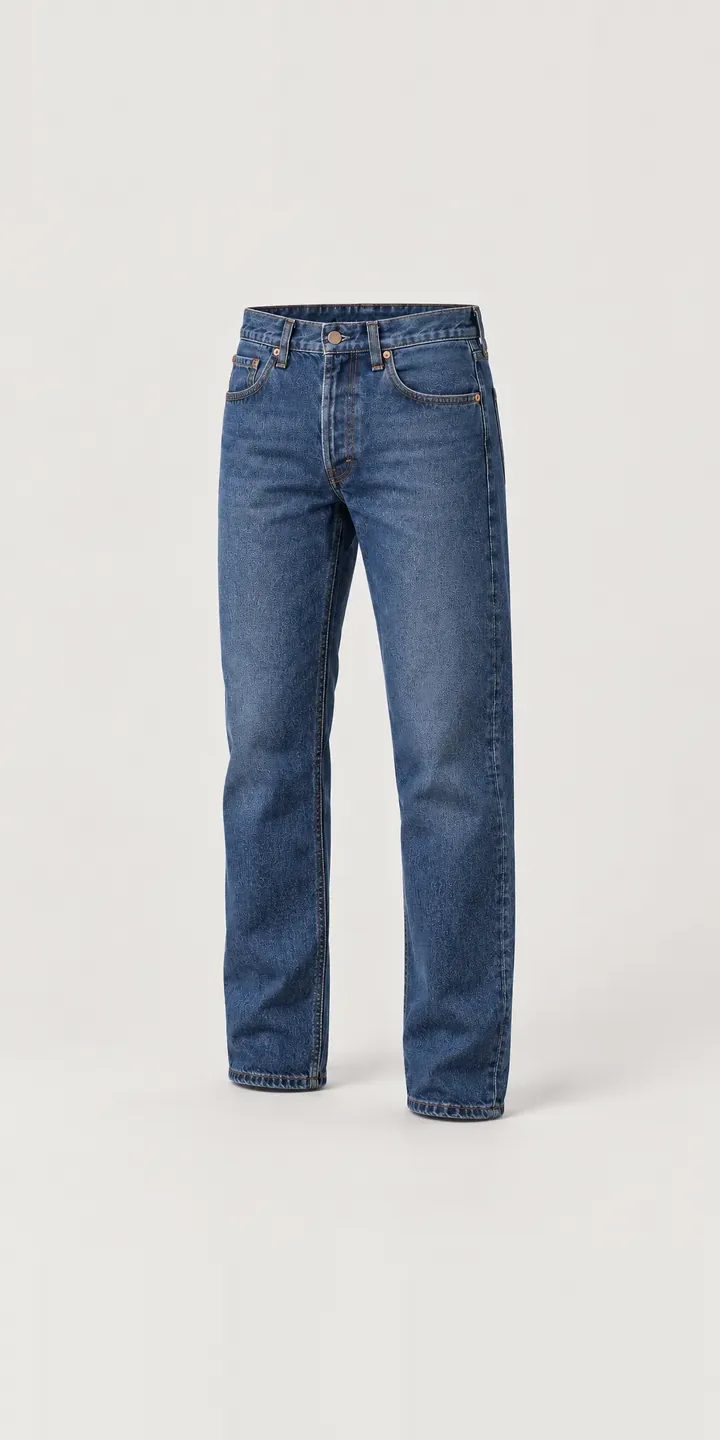
Five-Pocket Jeans
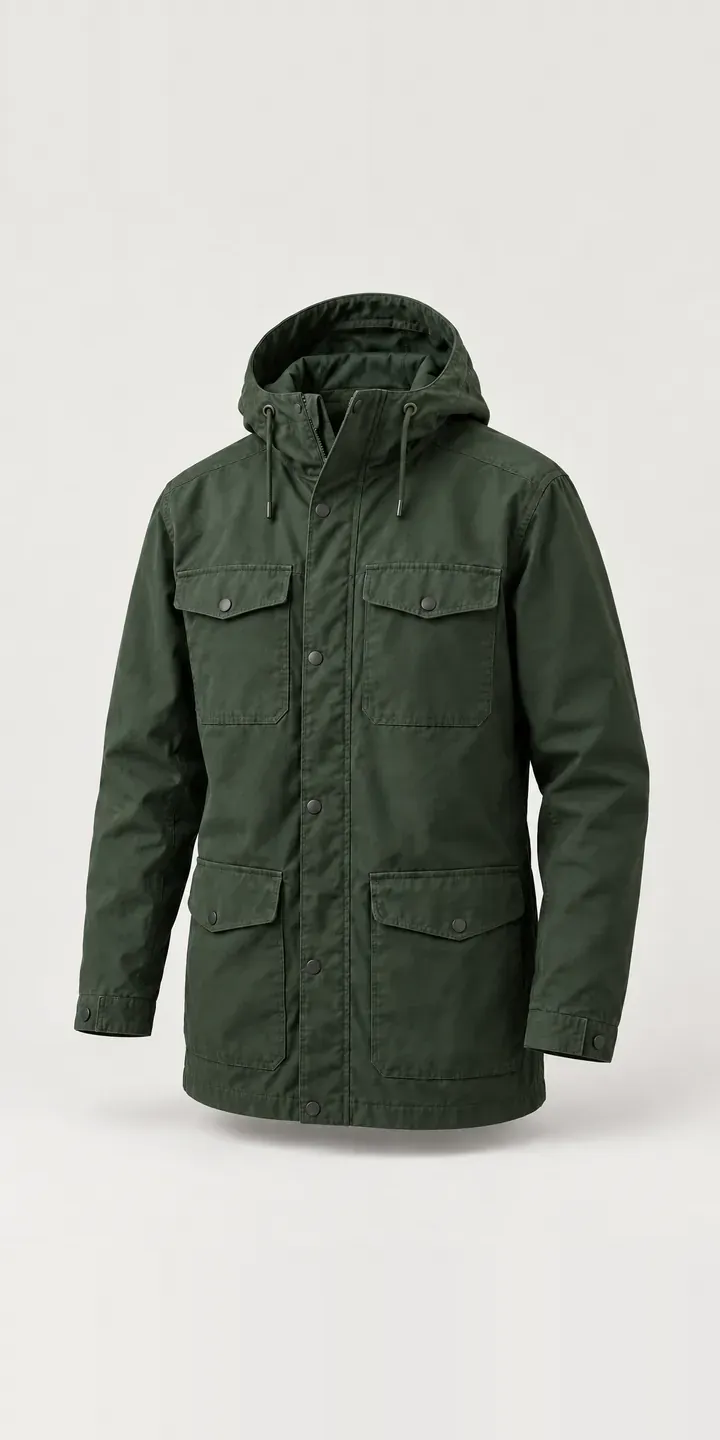
Hooded Field Jacket
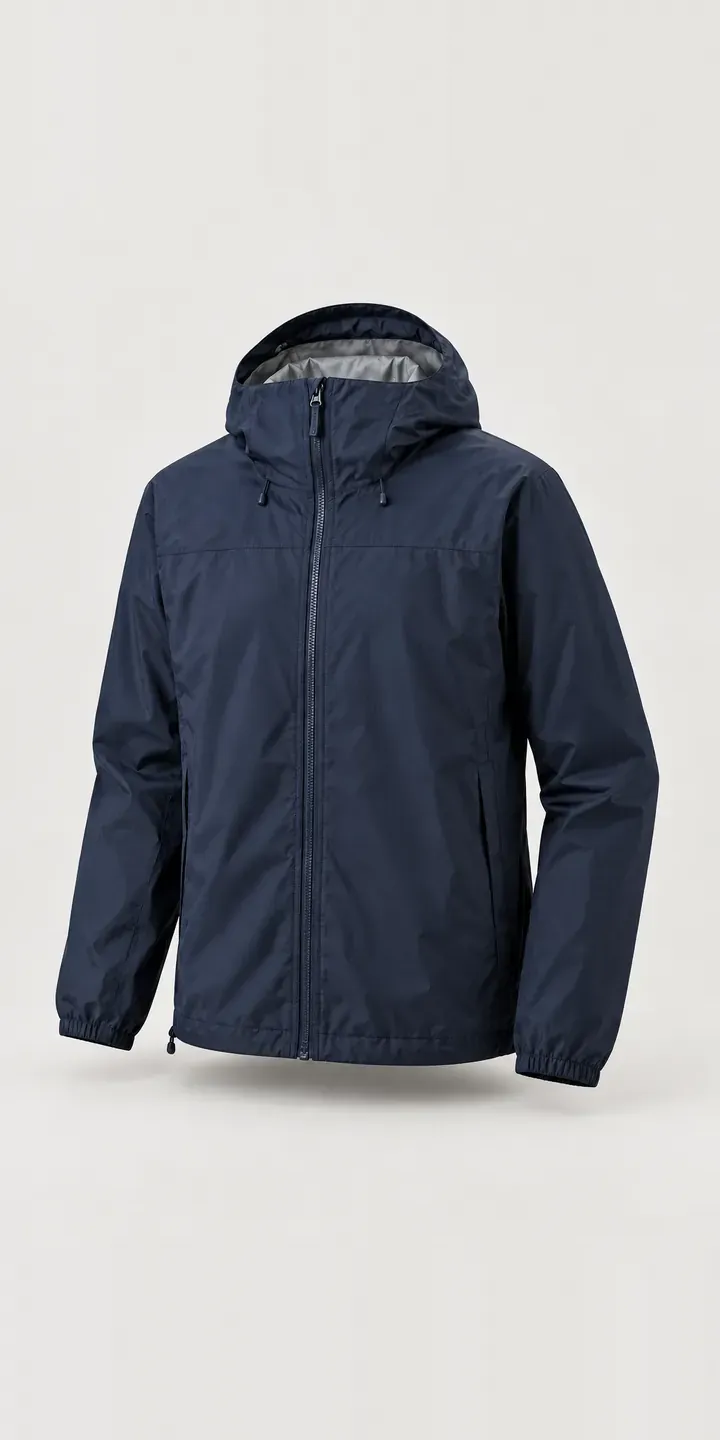
Hooded Shell Jacket
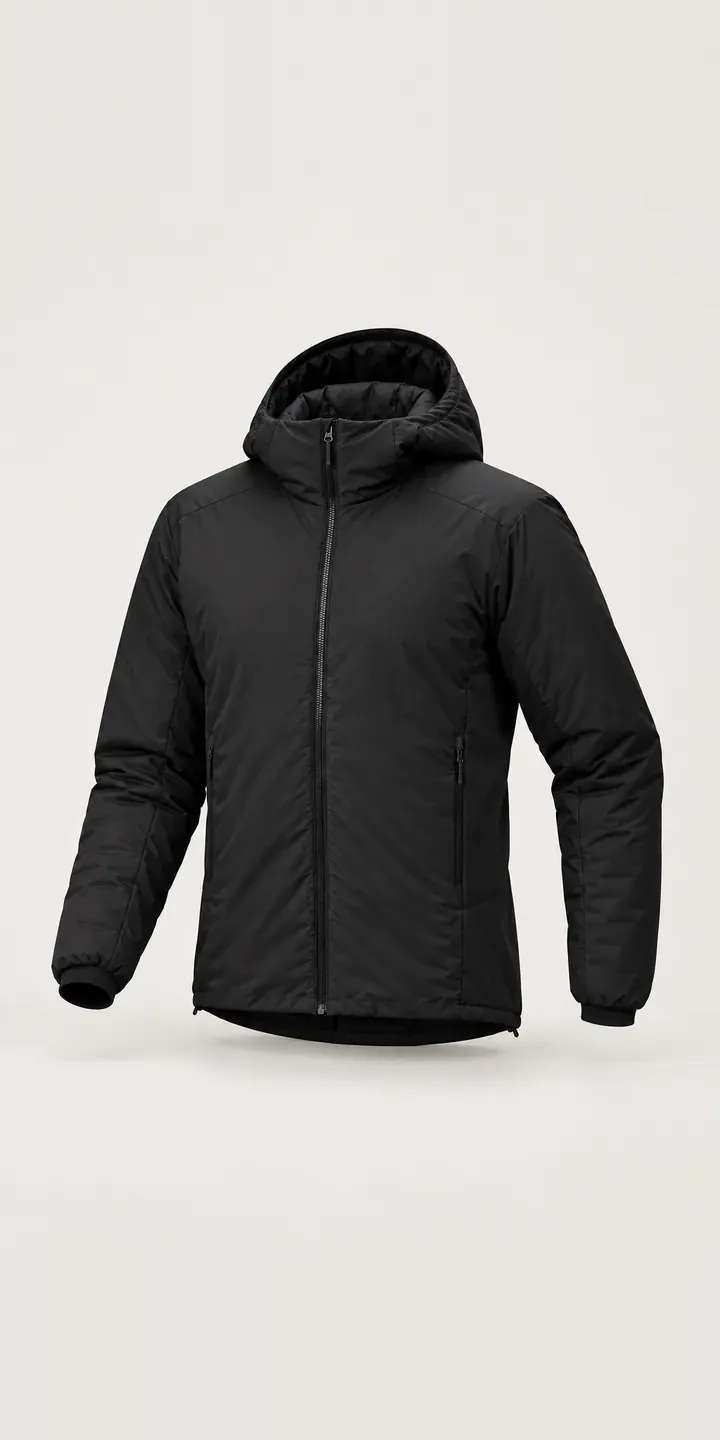
Insulated Hood Jacket
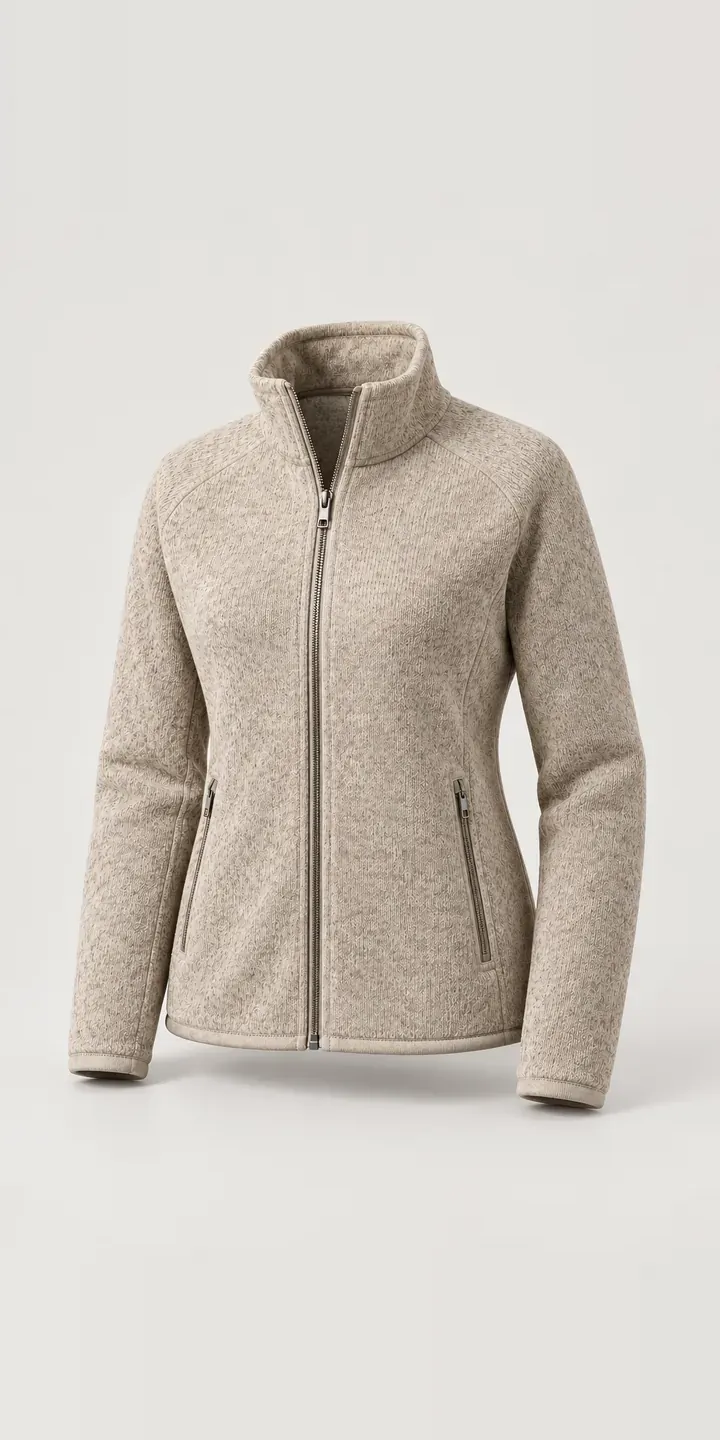
Knit-Look Zip Jacket
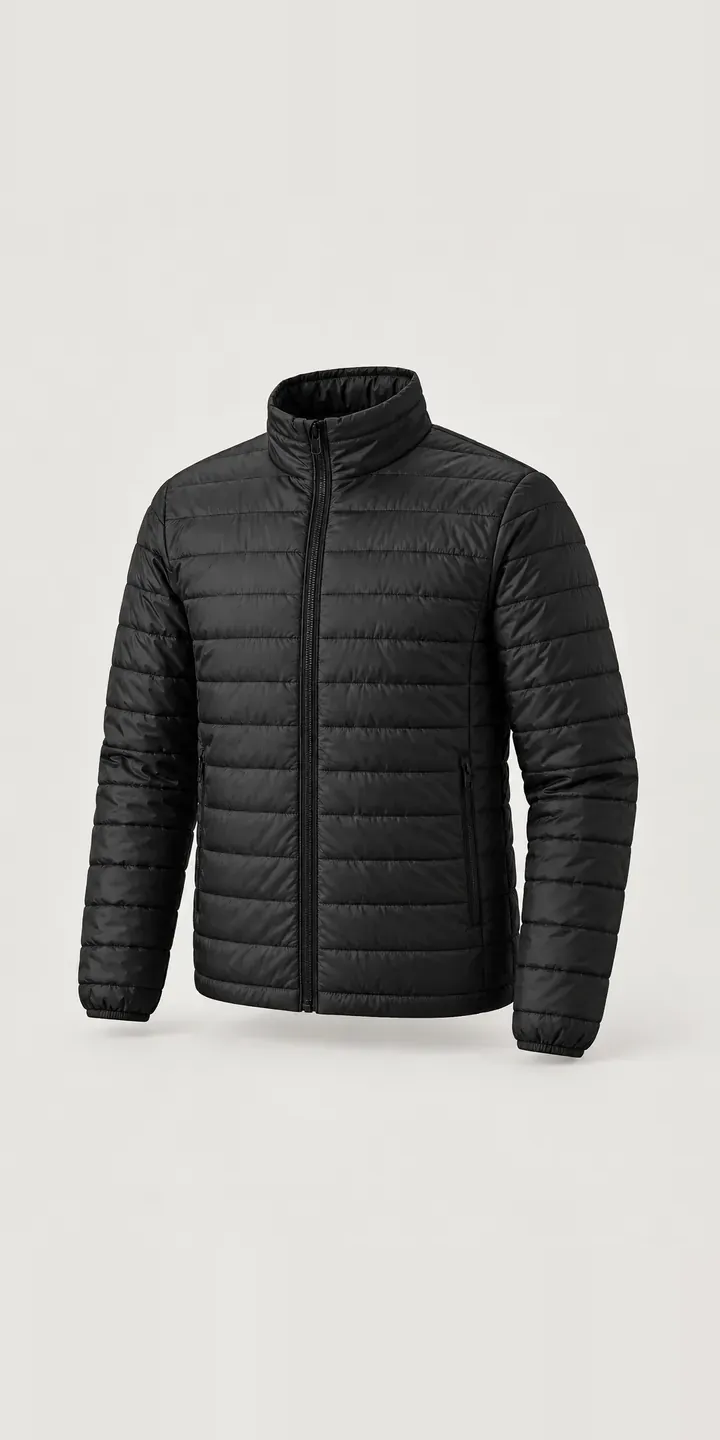
Quilted Jacket
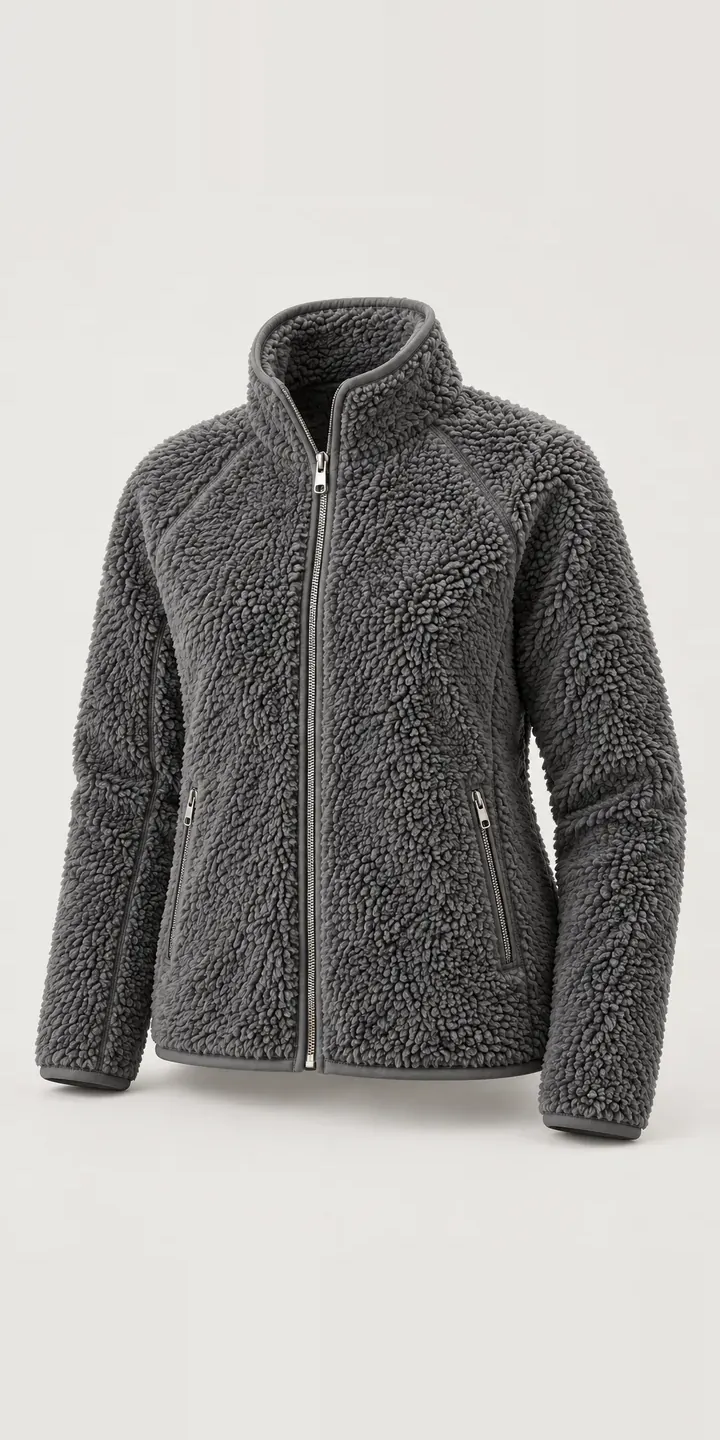
Sherpa Zip Jacket
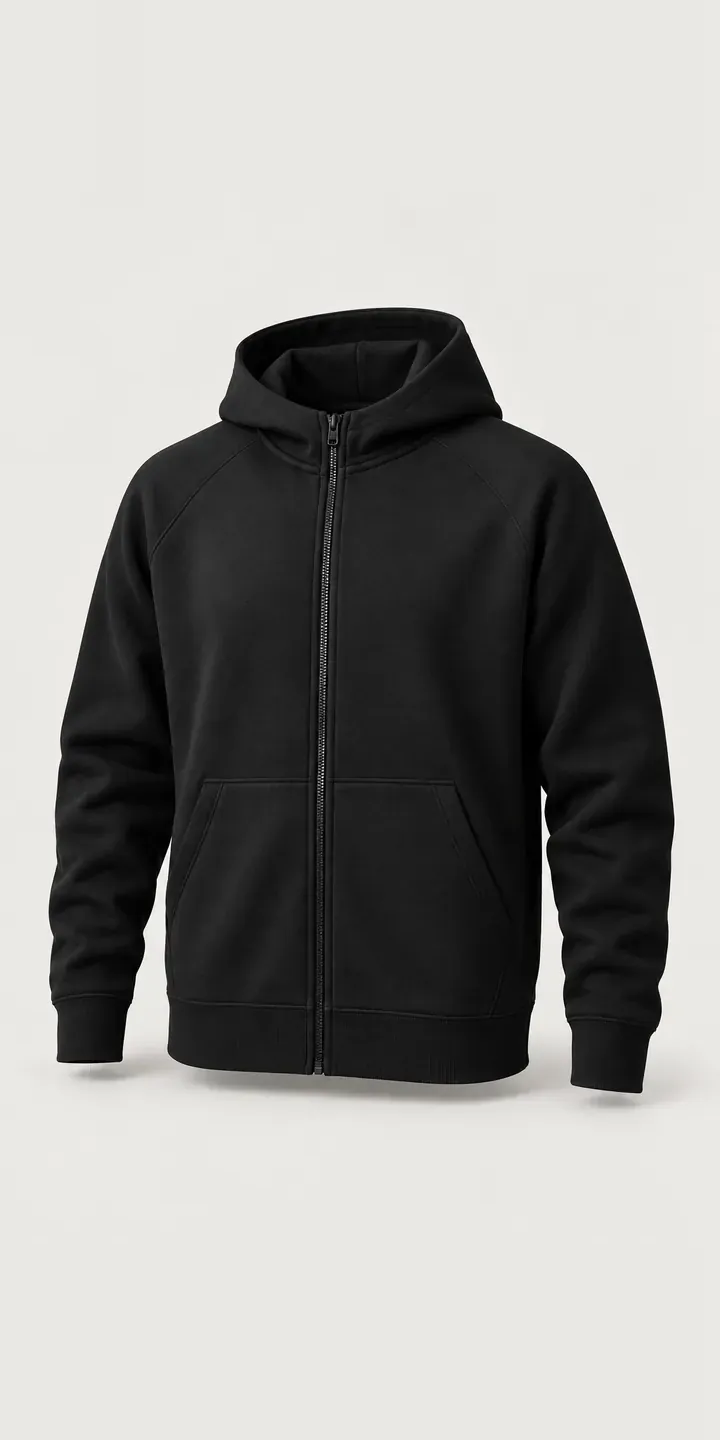
Zip Hoodie
Questions about fashion configurators
Can a configurator show a jacket with a logo in the right position?
Yes. The logo is placed on the garment image at the positions you allow, such as left chest or back yoke, and scaled to the embroidery or print area. The buyer sees a realistic preview, and the order carries the artwork file with its position. Most brands still send a digital proof before production on large orders.
How do we handle team orders with mixed sizes?
The buyer configures the garment once, then enters quantities per size in a grid. Names or numbers can be added per row if you offer them. The order arrives as one build with a size breakdown, which is far easier for production than a spreadsheet attached to an email. Minimum quantities can be enforced at this step.
Will a configurator slow down our product pages?
It should not. An image-based configurator loads the first view straight away and fetches other colourways as the buyer clicks, with images compressed and sized for each screen. Product pages keep their normal content and structured data, so the configurator sits within the page rather than replacing what already ranks in search.
Planning a fashion configurator?
Tell me about your range, how products are photographed today and where orders need to go. I will suggest the smallest useful first step, whether that is one image-based product or a full 3D catalogue.