Riders build up a motorcycle in layers. Paint scheme and trim level come first, then the accessory packs that shape how the bike is used. Touring riders add panniers, a top box, crash bars and a taller screen. Sport riders look at quickshifters and exhausts, and adventure riders at skid plates and off-road tyres. Seat height options and lowering kits matter to riders who need both feet on the ground at a junction.
Motorcycle sales mostly happen at dealers, and online configuration is where the decision starts. Momentum is lost when the rider cannot see the bike with the luggage fitted, or cannot work out the price of a full touring build. Without that, they arrive at the dealer with a vague idea and a long list of questions, and some never make the visit. Others wait for a show or demo day to see the accessories in person.
Paint and trim data, accessory compatibility by model and year, and clear pricing for packs and individual parts form the base. Accessories that change the silhouette, such as panniers or screens, are worth showing on the bike. That points towards layered imagery for small ranges and 3D configuration for larger ones. The end point is usually a dealer enquiry or test ride booking with the full build attached. The example bikes below span adventure, sport and naked styles.
Motorcycles demos to try
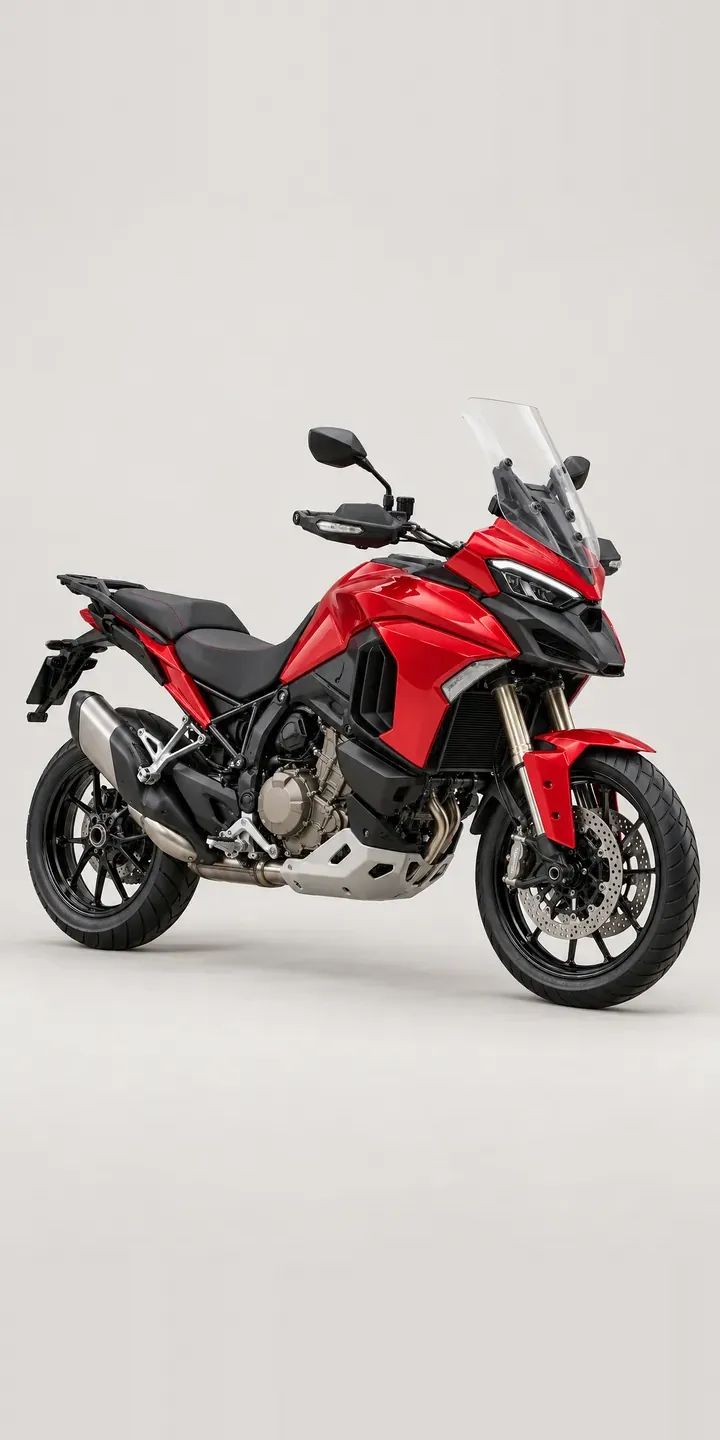
Adventure Tourer
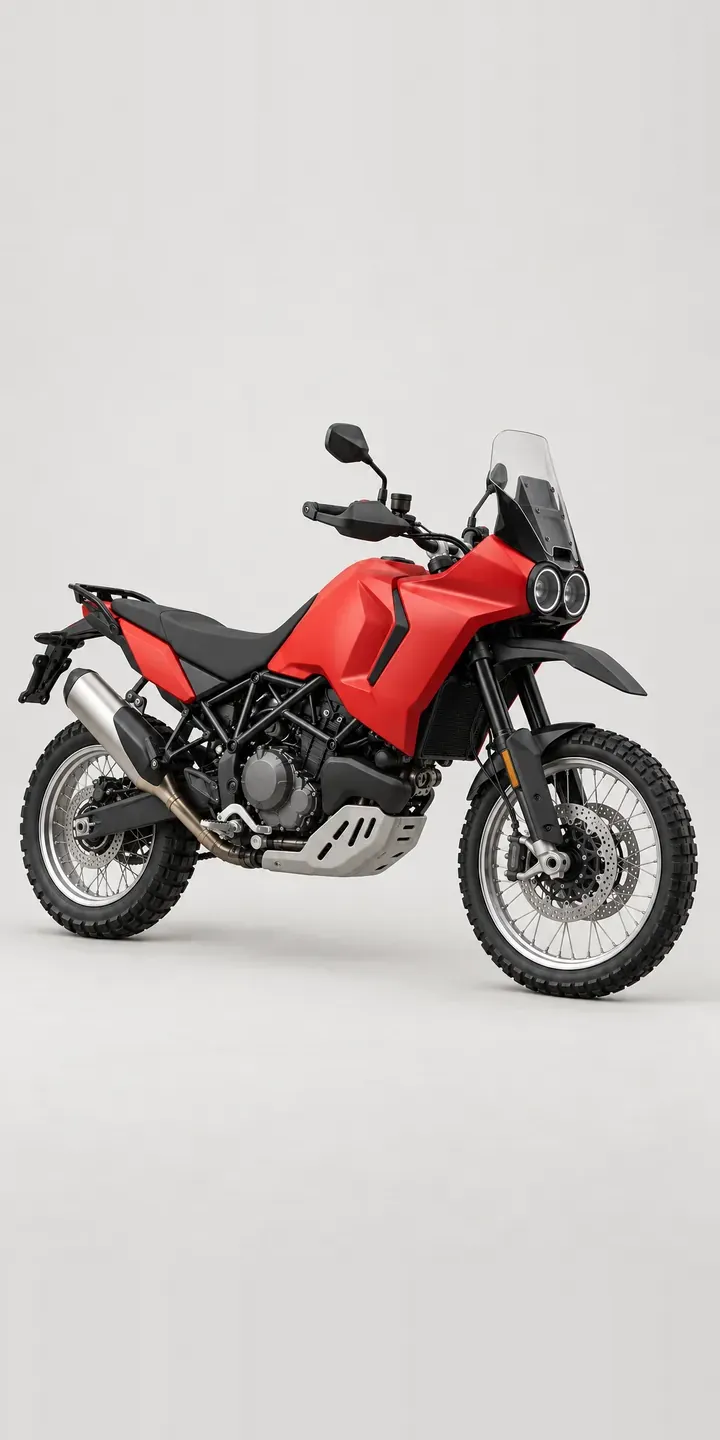
Dirt Adventure Bike
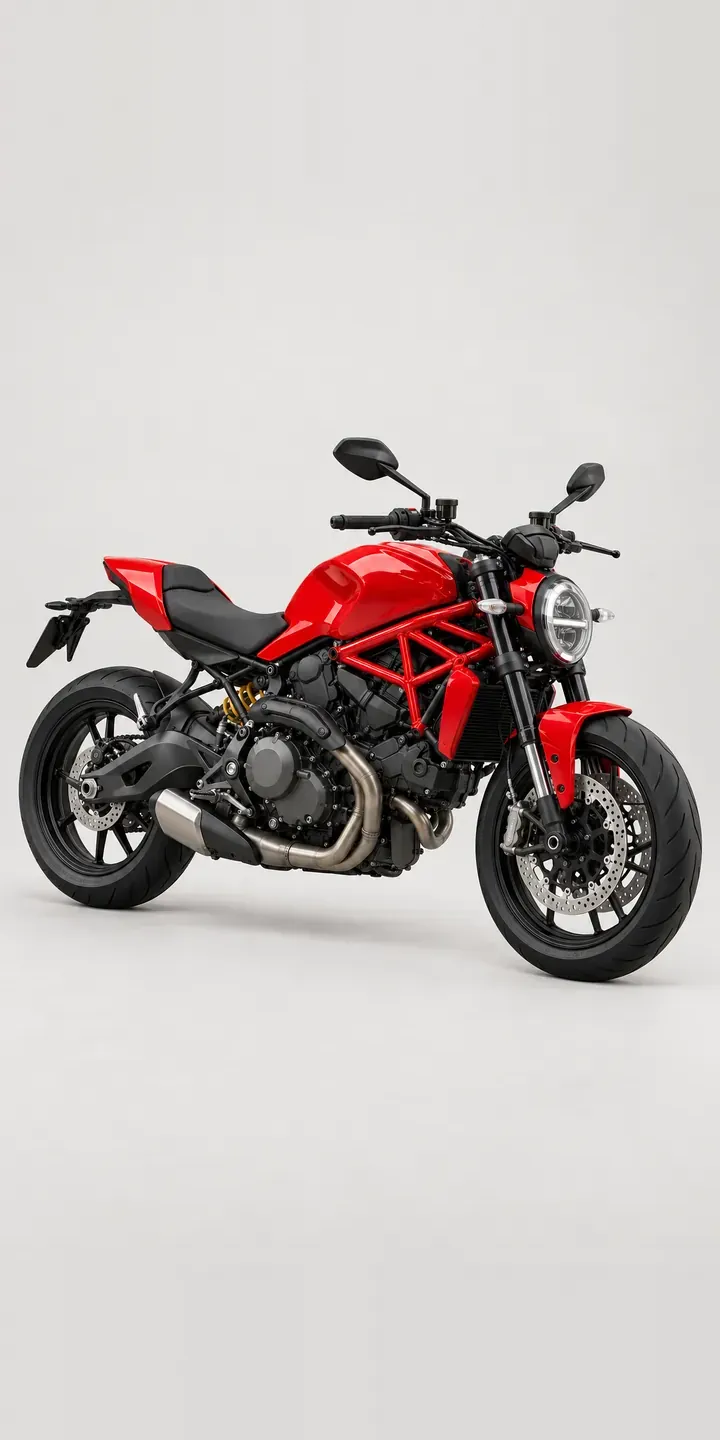
Naked Roadster
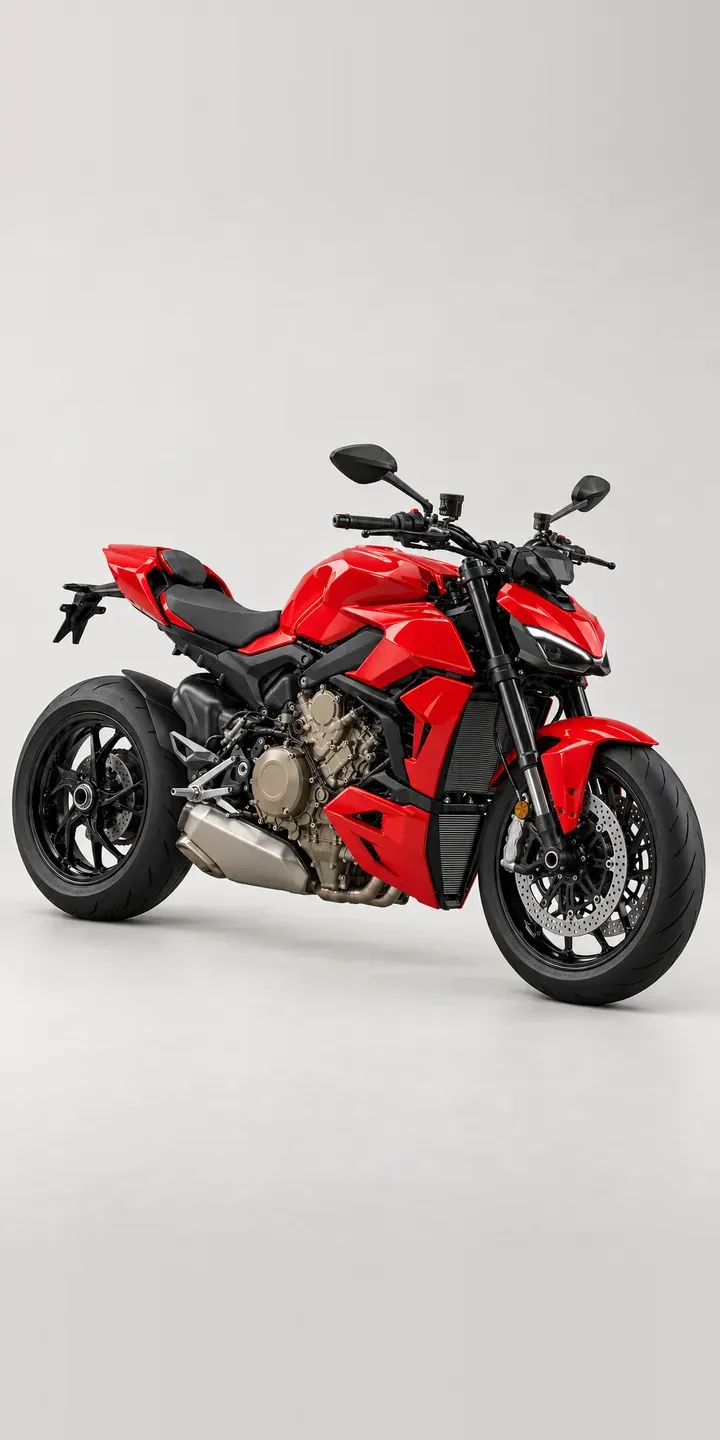
Naked Sport Bike
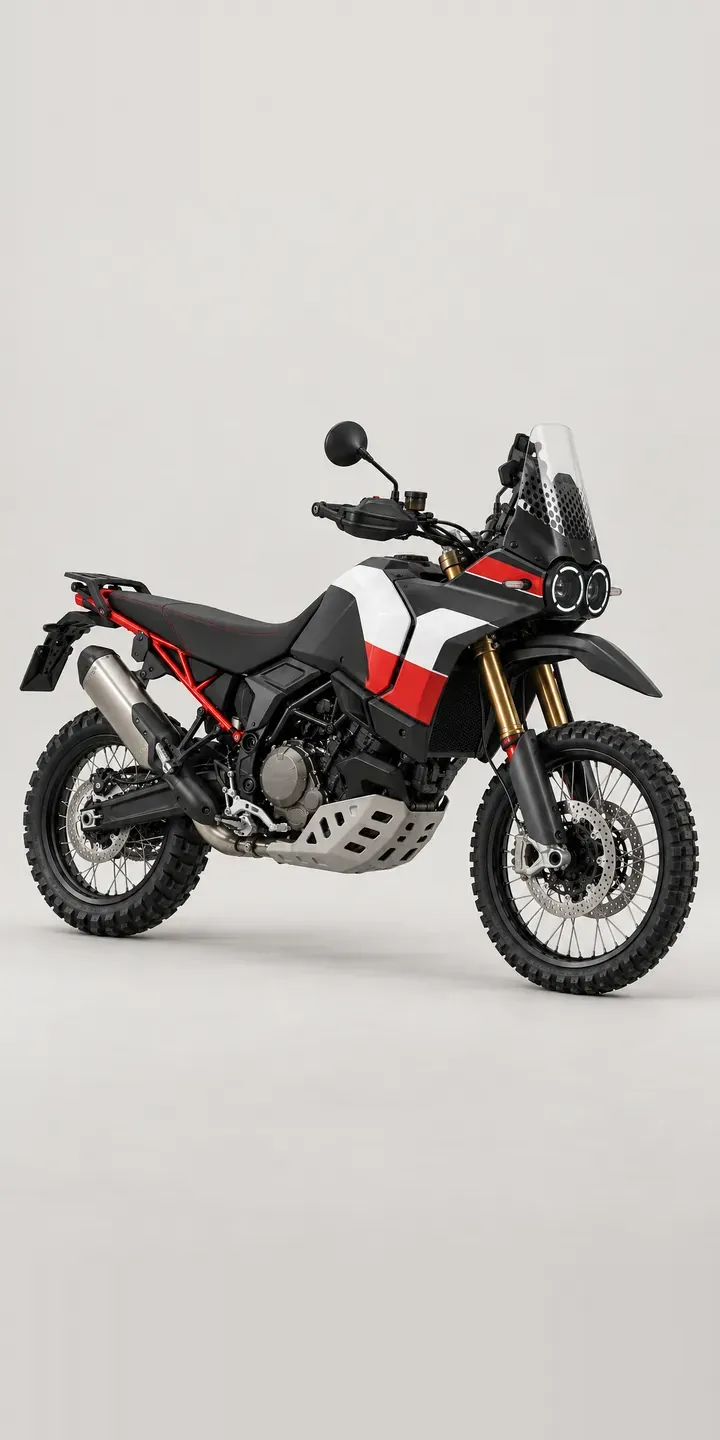
Raid Adventure Bike
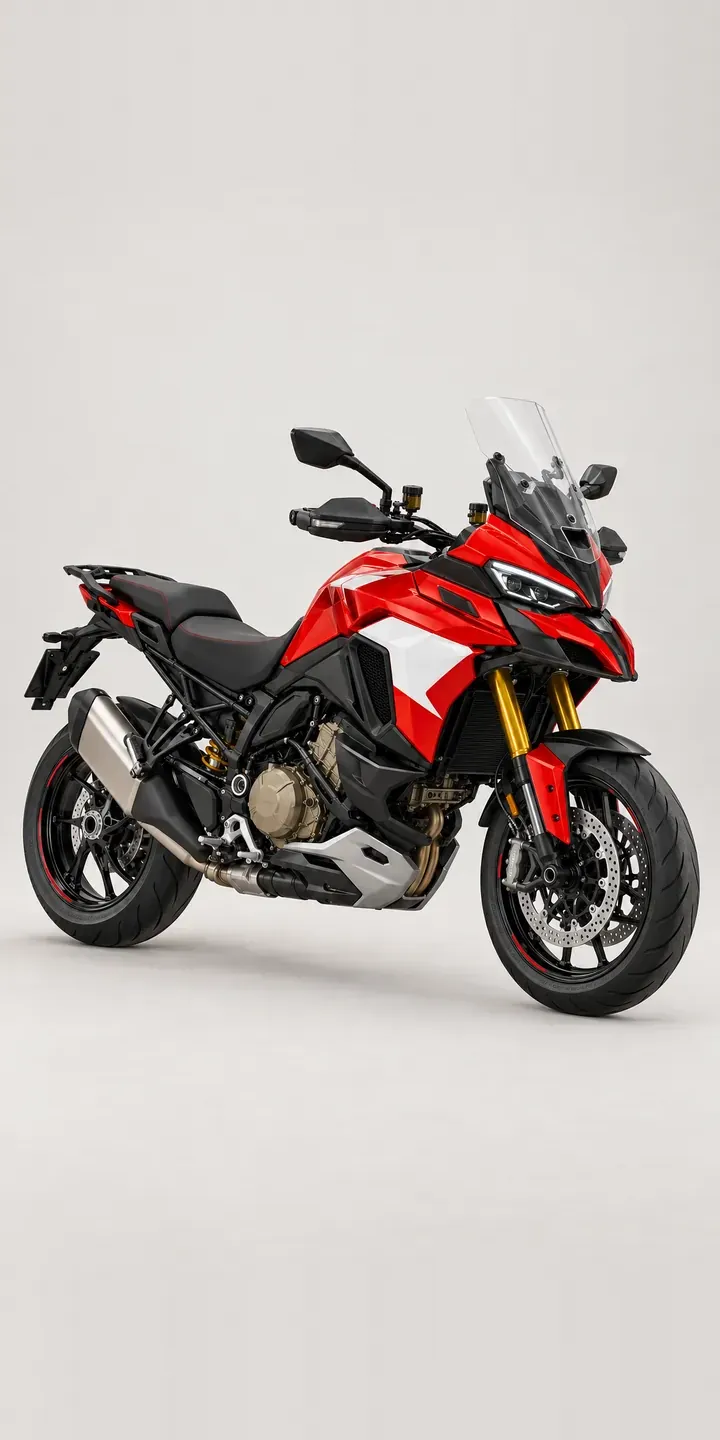
Sport Adventure Bike
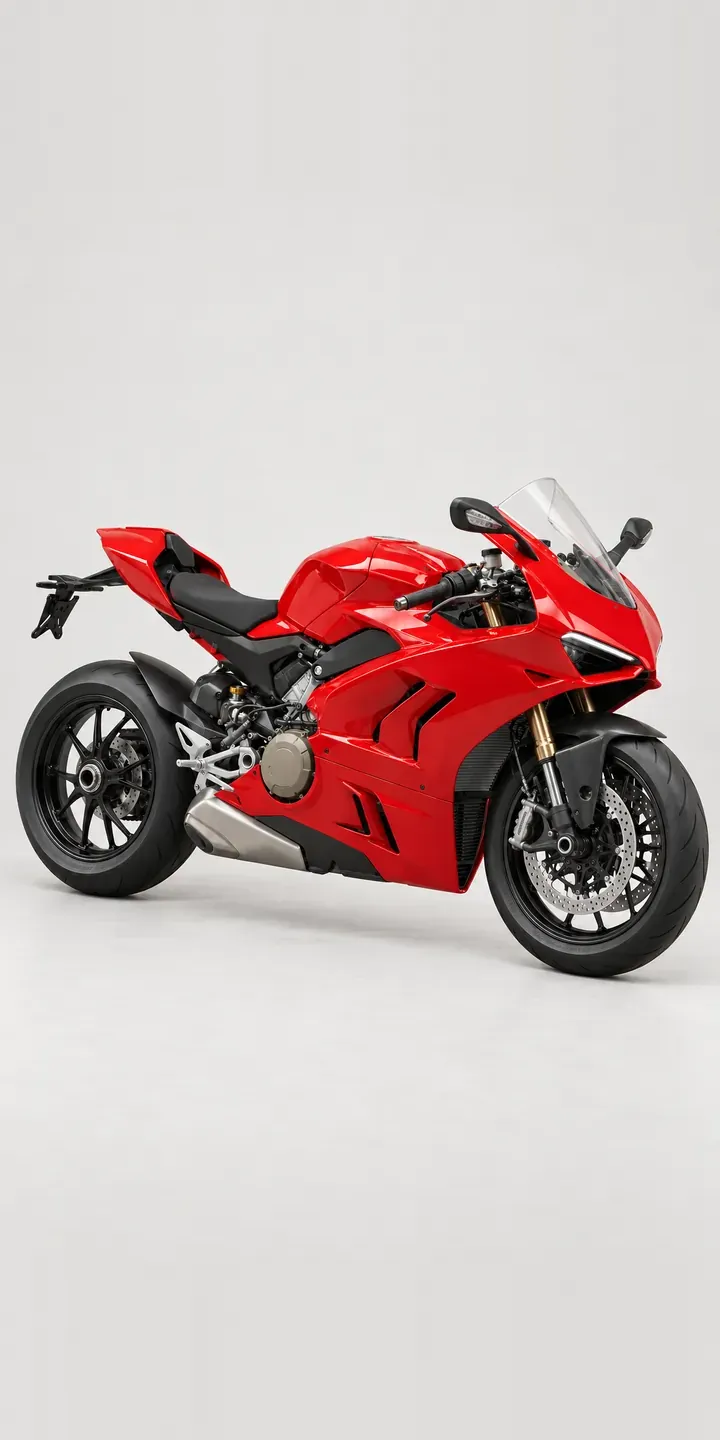
Sport Superbike
Questions about motorcycle configurators
Can a configurator show a motorcycle with panniers and a top box fitted?
Yes. Luggage and protection parts can be layered onto the bike image from the same angle, so the rider sees the touring version they plan to ride. A rear three-quarter view helps here, since that is where luggage shows most. For ranges with many accessories, 3D makes this easier to maintain.
Can the configured bike go to a dealer rather than a basket?
That is the usual setup. The rider chooses a dealer, and the build arrives as an enquiry with model, paint, packs and accessories listed. Dealers get a warmer lead, and the brand sees which specs are in demand by region. Test ride bookings can sit on the same page.
How do we handle accessories that only fit certain model years?
Each accessory carries the models and years it fits in the product data, and the configurator only offers compatible parts for the chosen bike. When a new model year arrives, the team updates the compatibility table. It is the same data your parts department already needs, organised so the website can use it.
Planning a motorcycle configurator?
Tell me about your range, how products are photographed today and where orders need to go. I will suggest the smallest useful first step, whether that is one image-based product or a full 3D catalogue.