Meet an illustrative everyday automatic: a three-hand watch with a polished bezel bevel and a date window at three o'clock. Set the dial colour and case size, and the configured watch can be sent straight to a quote.
For a watch meant to be worn daily, size causes more hesitation than colour. Three millimetres sounds trivial on a spec sheet, yet 38 mm and 41 mm sit very differently on a slim wrist. Dial colour still matters. Emerald and deep blue are the choices people talk about, while silver and black are the ones many end up wearing for years.
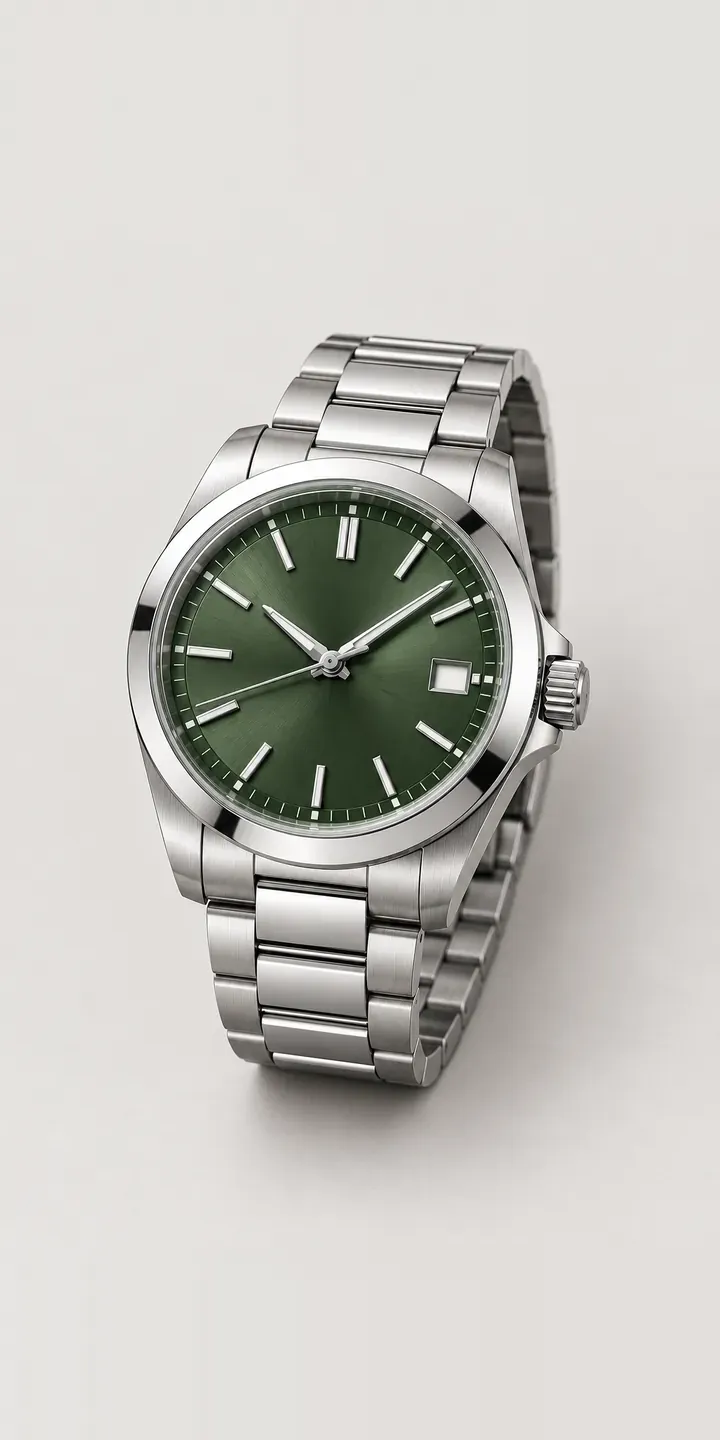
Watches Configurator demo
Everyday Automatic
- Product
- Everyday Automatic
- Colour
- Emerald
- Size
- 38 mm
Illustrative product. The design and images are generated examples, not a real model for sale.
What you can configure
Emerald, deep blue, black and silver are on show, four of the six dials in the range, with copper and grey to follow in production. Size can be set to 38 mm or 41 mm and is written to the summary, but the picture does not rescale in this demo. A production version would show both sizes against one wrist, because proportion is what buyers are really trying to judge.
- Colour: Emerald, Deep Blue, Black, Silver
- Size: 38 mm, 41 mm
Why a configurator suits watches
Six dials in two sizes makes twelve watches that look almost identical in a standard packshot. Shot square-on against white, a 38 mm and a 41 mm become the same image at different zoom levels. That is why size dominates pre-sale emails for everyday watches, and why the wrong size is such a familiar reason for a return.
A configurator fixes the comparison by keeping scale honest. Each size is shown at true proportion on the same wrist, so the difference is visible rather than described. A simple wrist-measurement prompt helps further. A customer with a small wrist can be told, gently, that the smaller case is the intended fit.
For jewellers stocking several brands, the same structure tidies the order. Size, dial and reference code arrive together, so nobody has to match a customer's description against a supplier catalogue. The date window deserves thought too. Some buyers prefer a no-date dial, and where a range offers one the configurator can make it a clear choice instead of a separate listing.
How a production version would be built
Size is the part that needs care. Dial colours can be layered. The 38 mm and 41 mm cases, though, should be shot or rendered separately rather than scaled in software, since bezel width and lug length change with diameter. Rendering from one CAD model per size keeps all twelve images consistent. The retailer supplies reference codes, case dimensions including lug-to-lug length, and wrist-fit guidance. Choices map to Shopify variants, so stock and pricing stay where the team already manages them.
Build sheet for this range
- Colours in the full range: 6 (4 shown in this demo)
- Size choices: 2
- Combinations to support: 6 × 2 = 12
- Images for one photograph per combination at 3 angles: 36
- Images if sizes can be shown as separate layers, at 3 angles: 24
- Data each of the 12 combinations needs: a SKU or variant ID, price, stock or lead time, and any dimensions or specification that change
Questions about watch configurators
How can a configurator show the difference between a 38 mm and a 41 mm case?
Show both on the same wrist, from the same camera position, at true scale. A toggle between them makes the difference obvious in a way two separate packshots never do. Listing lug-to-lug length in the summary helps as well, because it predicts fit on a slim wrist better than case diameter alone.
Can I offer a no-date version without building a second configurator?
Yes. A no-date dial becomes another option on the same product, with its own image and reference code. Rules can restrict it to certain colours or sizes if production does. The customer sees one watch with a clear choice, rather than two near-identical listings competing with each other in search results.
Can the configurator show the watch on a wrist as well as on its own?
Yes, and for an everyday watch it should. A clean packshot shows dial detail such as the polished bevel and the date window, while a wrist view carries the size decision. Both views swap together when the customer changes dial or size, so the two images never disagree with each other.
What does a watch configurator need from my team?
Mostly product data and access to imagery. I need reference codes, dial names, case sizes, prices and any combinations you do not make. CAD files let me render rather than photograph. The budget depends on how many models and options are involved, and you will hear back from me within two UK working days.
More watch configurator demos
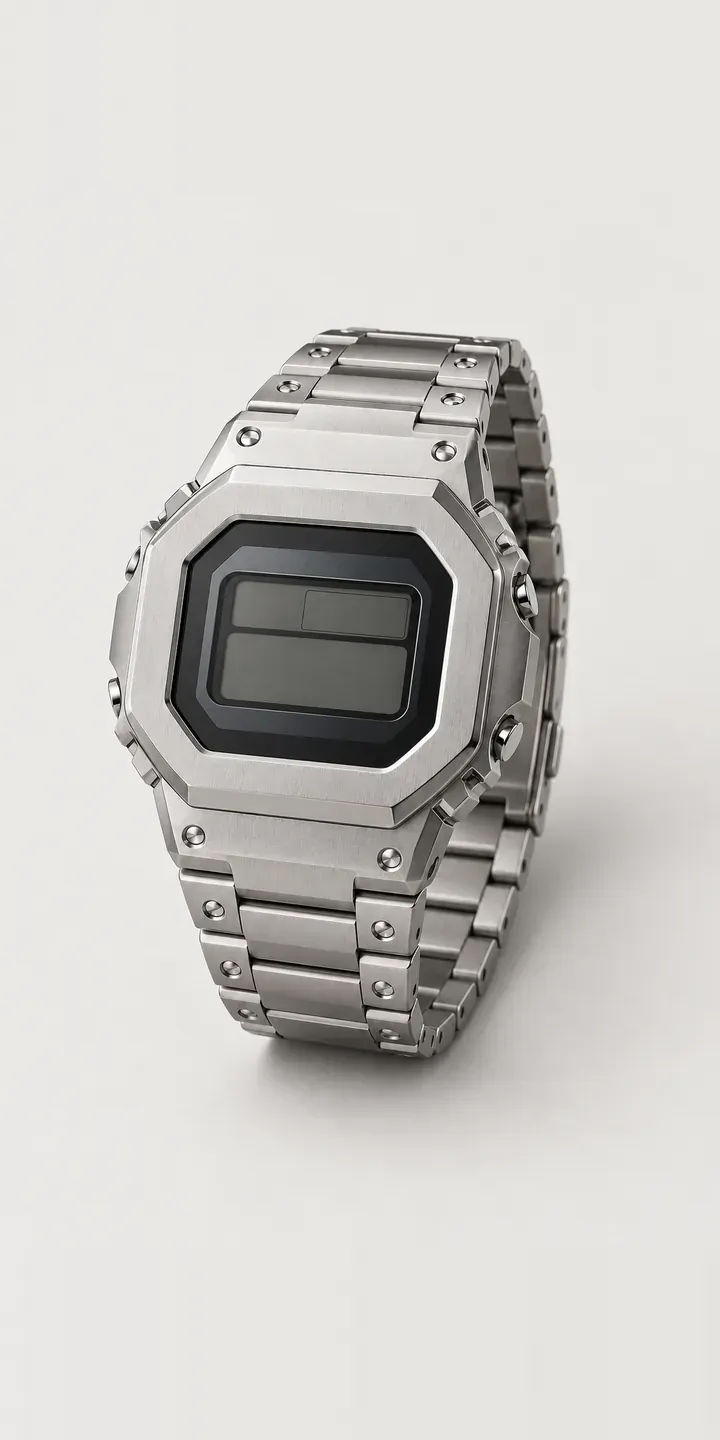
Metal Digital Watch
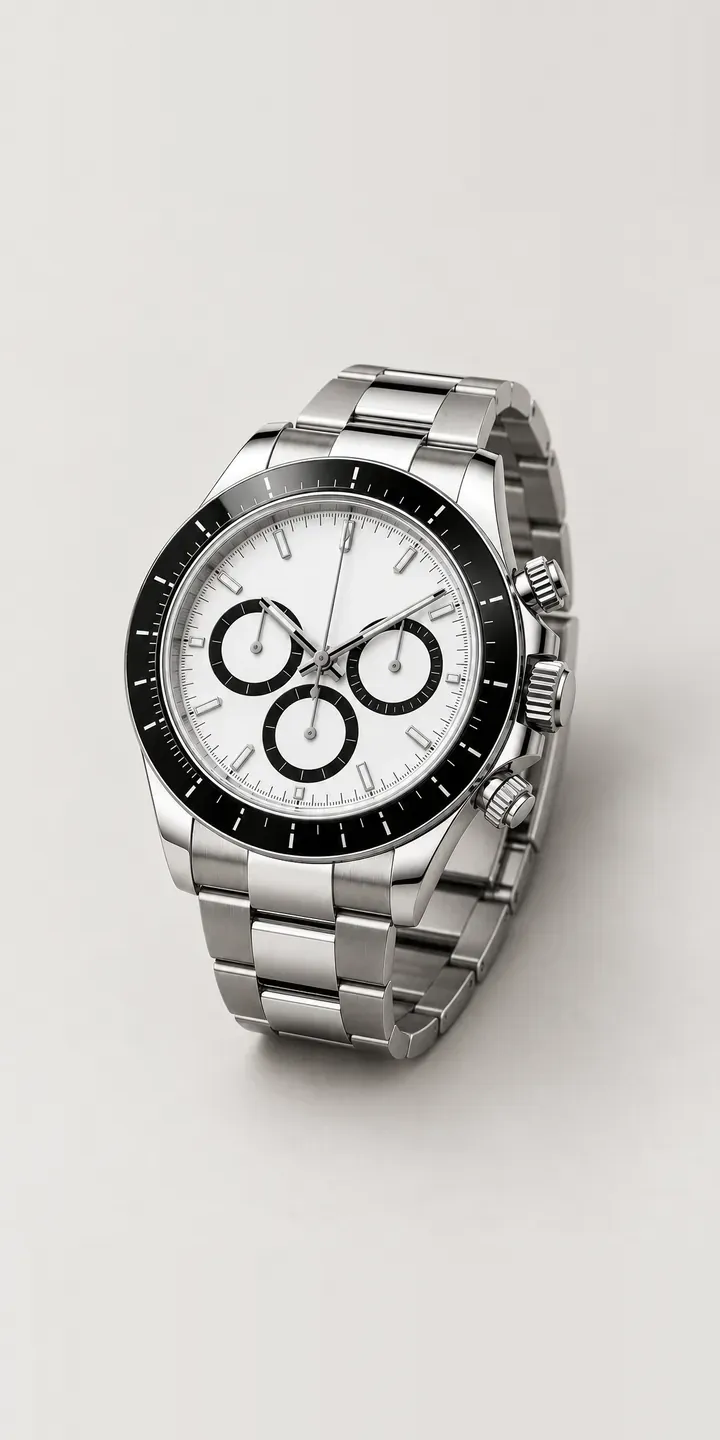
Racing Chronograph
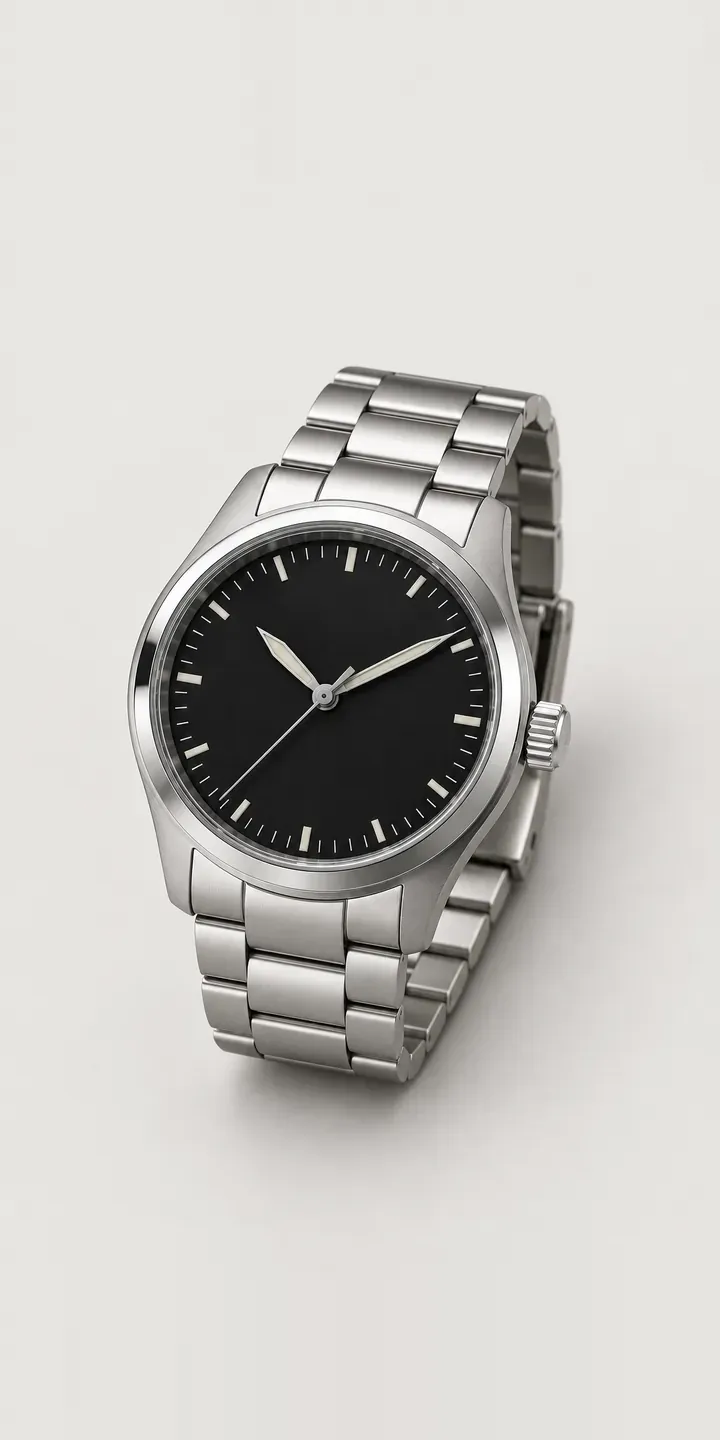
Service Watch
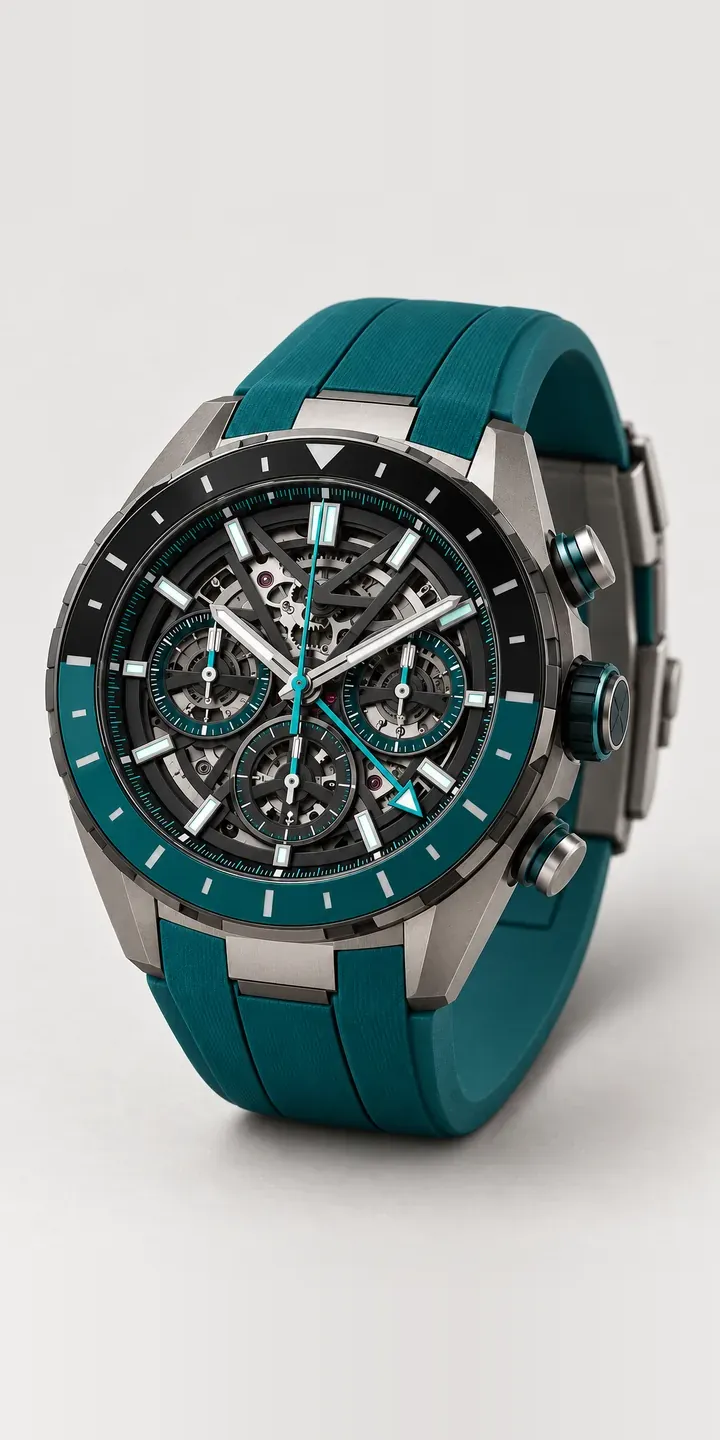
Skeleton Chronograph
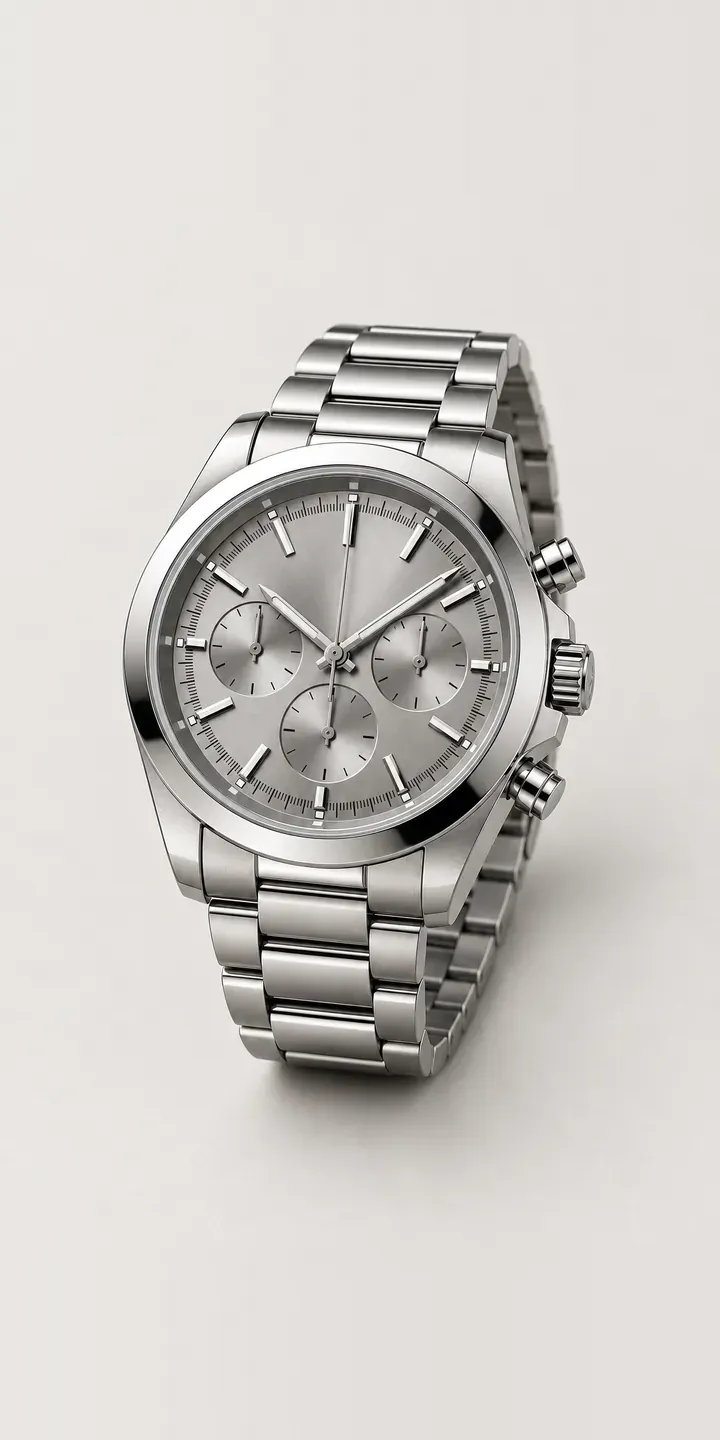
Sports Chronograph
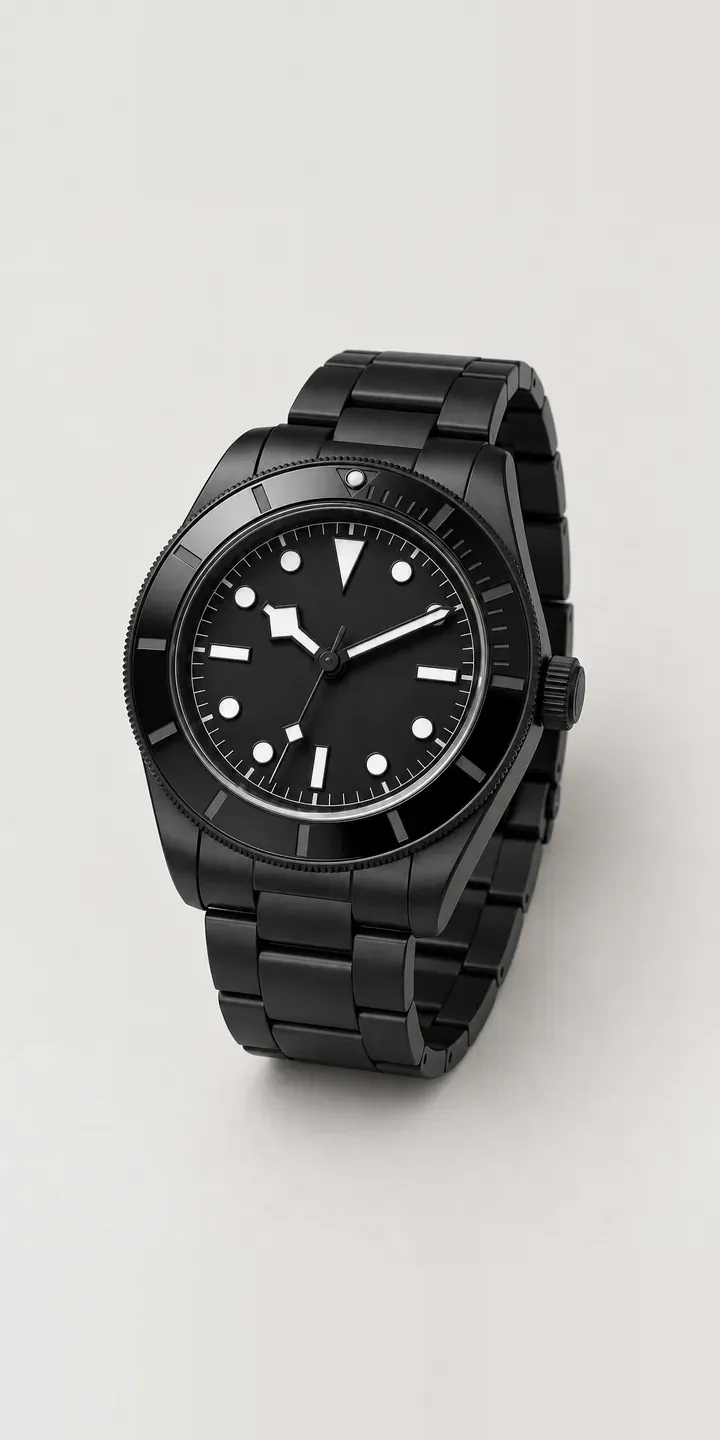
Stealth Diver
A configurator for your watches
This demo uses an illustrative product. If you sell watches, I can build the same experience around your own range, photography and ordering process, connected to Shopify, WooCommerce or a quote workflow. I reply to enquiries within two UK working days.