Lightweight e-bikes sit between a conventional mountain bike and a full-power e-MTB. This illustrative carbon trail e-bike is offered with a 360 Wh or 580 Wh battery in four of its six colours, and the configured build ends in a quote request.
The buyer is often an experienced rider who has resisted e-bikes because they did not want to lose the feel of the trail. Their questions are how close it rides to an unassisted bike and how far it will go. The smaller battery keeps the bike light and lively. The larger one gives more support on long days, at a cost in weight. Riders in this segment also want the bike to look like a mountain bike first.
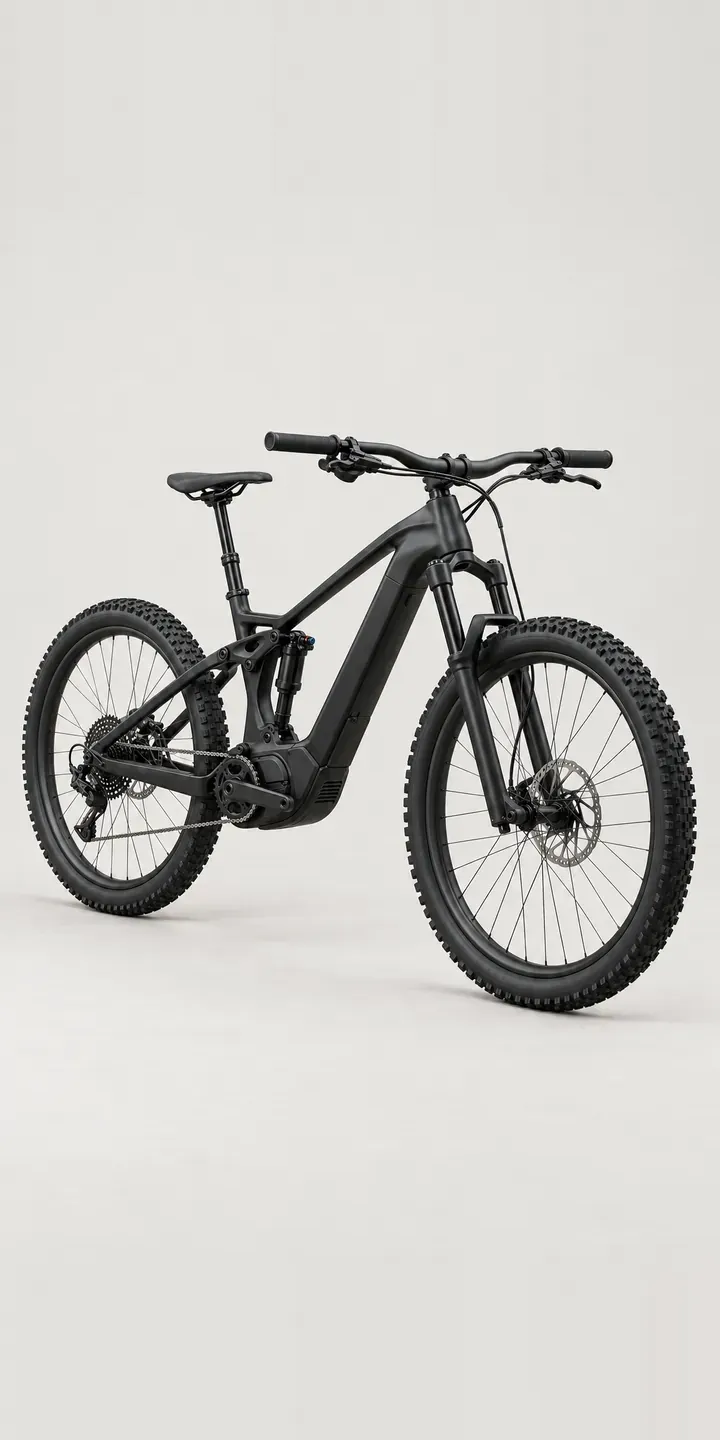
Cycling Configurator demo
Carbon Trail E-Bike
- Product
- Carbon Trail E-Bike
- Colour
- Matte Carbon
- Battery
- 360 Wh
Illustrative product. The design and images are generated examples, not a real model for sale.
What you can configure
Swatches switch between matte carbon, smoke grey, deep teal and ivory, with the flush battery cover and the nested shock in identical positions in every image. The battery choice sits in the summary and does not change the picture, which is true to the product: on a frame like this, the pack is hidden. A production build would explain the difference in weight and range beside the option.
- Colour: Matte Carbon, Smoke Grey, Deep Teal, Ivory
- Battery: 360 Wh, 580 Wh
Why a configurator suits e-bikes
Selling an invisible option is the main challenge. A rider choosing between 360 Wh and 580 Wh sees the same bike either way, so the configurator has to explain in words and numbers: system weight, a range guide from the brand's testing, and who each option suits. Done well, that answers the questions that otherwise go to a shop counter or a forum thread.
The colour range does more selling than on many e-bikes. Ivory, plum and mustard are unusual on a trail bike, and buyers who choose them want to see them properly. Shooting every finish under the same light, with a daylight view in a real setting, gives them the confidence to pick something other than carbon black.
Lightweight e-bikes also tend to replace an existing trail bike. A configurator can add a part-exchange step that collects the old bike's details and photos, so the shop can quote one combined deal instead of running two separate conversations. It also tells the shop what the rider is used to, which shapes the setup advice.
How a production version would be built
For a carbon frame I would lean on renders from CAD, because matte carbon and pale finishes like ivory are both hard to photograph consistently. My notes on 3D product visualisation cover when renders beat a studio shoot. The battery option is pure data: capacity, system weight, charger, range guidance and price. A part-exchange step adds a short form with photo upload, and the result goes to a quote in the shop's CRM. Brands can route the same build to a dealer or a direct basket, depending on how they sell.
Build sheet for this range
- Colours in the full range: 6 (4 shown in this demo)
- Battery choices: 2
- Combinations to support: 6 × 2 = 12
- Images for one photograph per combination at 3 angles: 36
- Images if batteries can be shown as separate layers, at 3 angles: 24
- Data each of the 12 combinations needs: a SKU or variant ID, price, stock or lead time, and any dimensions or specification that change
Questions about e-bike configurators
Should the battery option change the weight shown in the configurator?
Yes. Riders choosing a lightweight e-bike care about the total, so the configurator should update system weight when the battery changes, using figures from your own scales. It should state what the weight includes, such as pedals and frame size, so comparisons with other bikes are fair.
Can the configurator handle a part-exchange of the rider's current bike?
Yes. A short step collects make, model year, size and condition, plus a few photos. The request reaches the shop with the configured e-bike attached, so a combined quote comes back in one reply. Valuation stays with your team; the configurator just gathers what they need.
Will ivory and matte carbon look accurate on screen?
They need care. Ivory drifts towards white or yellow depending on white balance, and matte carbon shows its weave under some lighting but goes flat under other set-ups. Rendering from CAD with calibrated materials avoids most of that. When photographing, I check every image against the physical frame.
Can a lightweight e-bike and a full-power model share one configurator?
Yes. Each model keeps its own options and rules in data, and the configurator can open with a short choice between them. That helps riders unsure which category they need, and it lets the brand compare interest in the two side by side.
More bike configurator demos
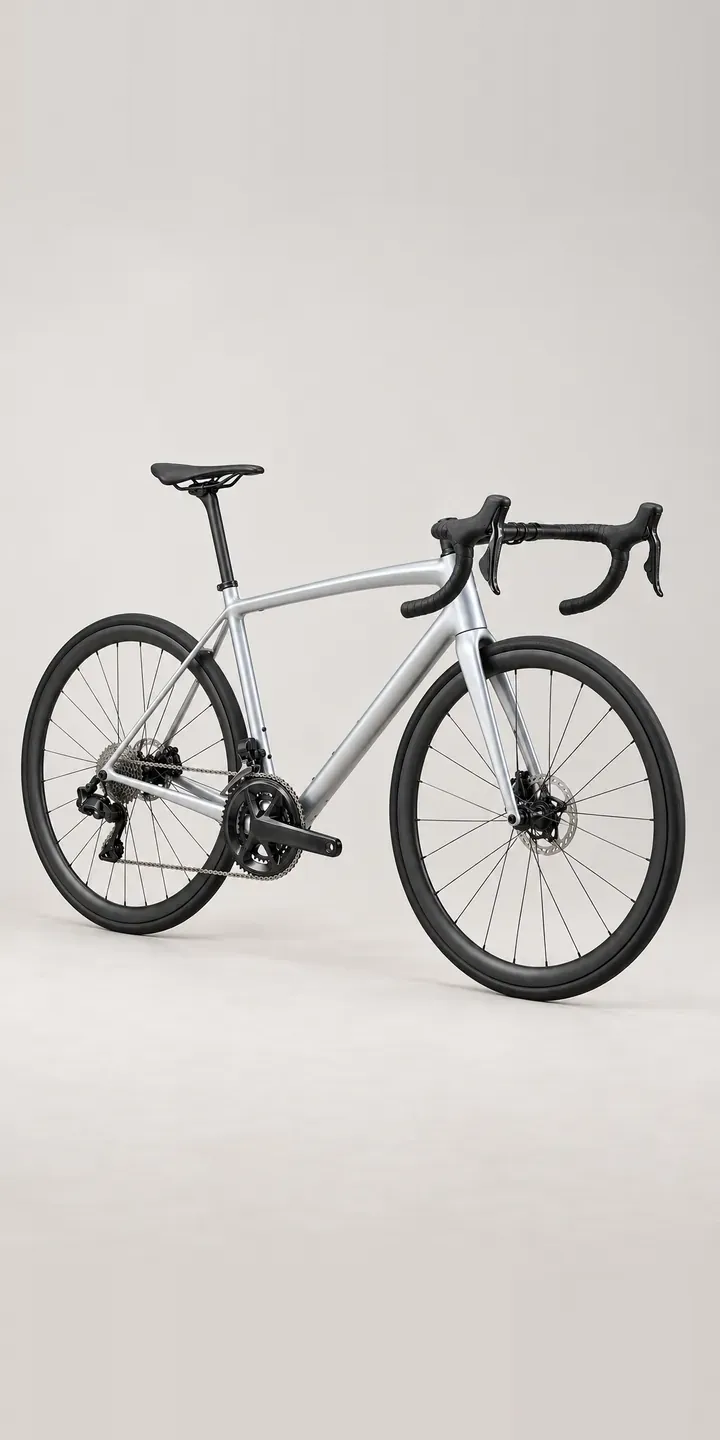
Climbing Road Bike
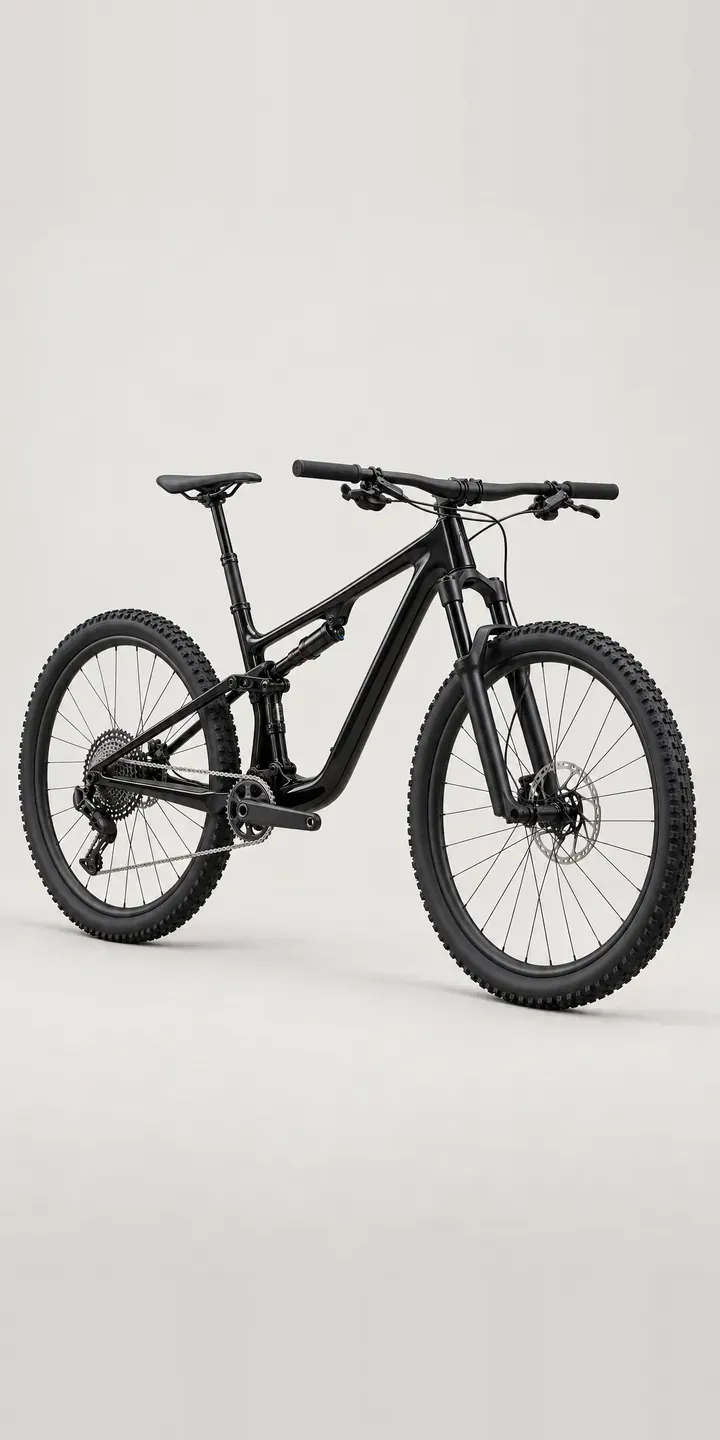
Cross-Country Bike
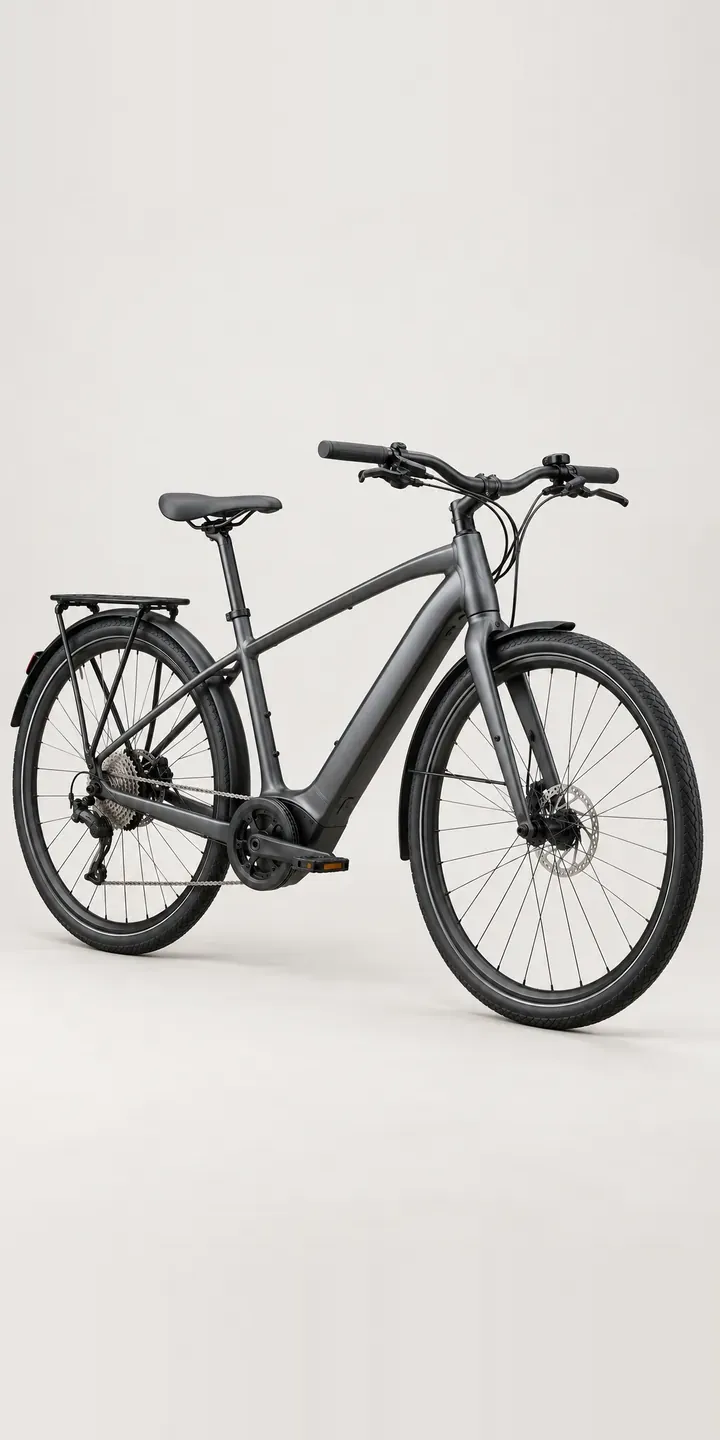
Electric City Bike
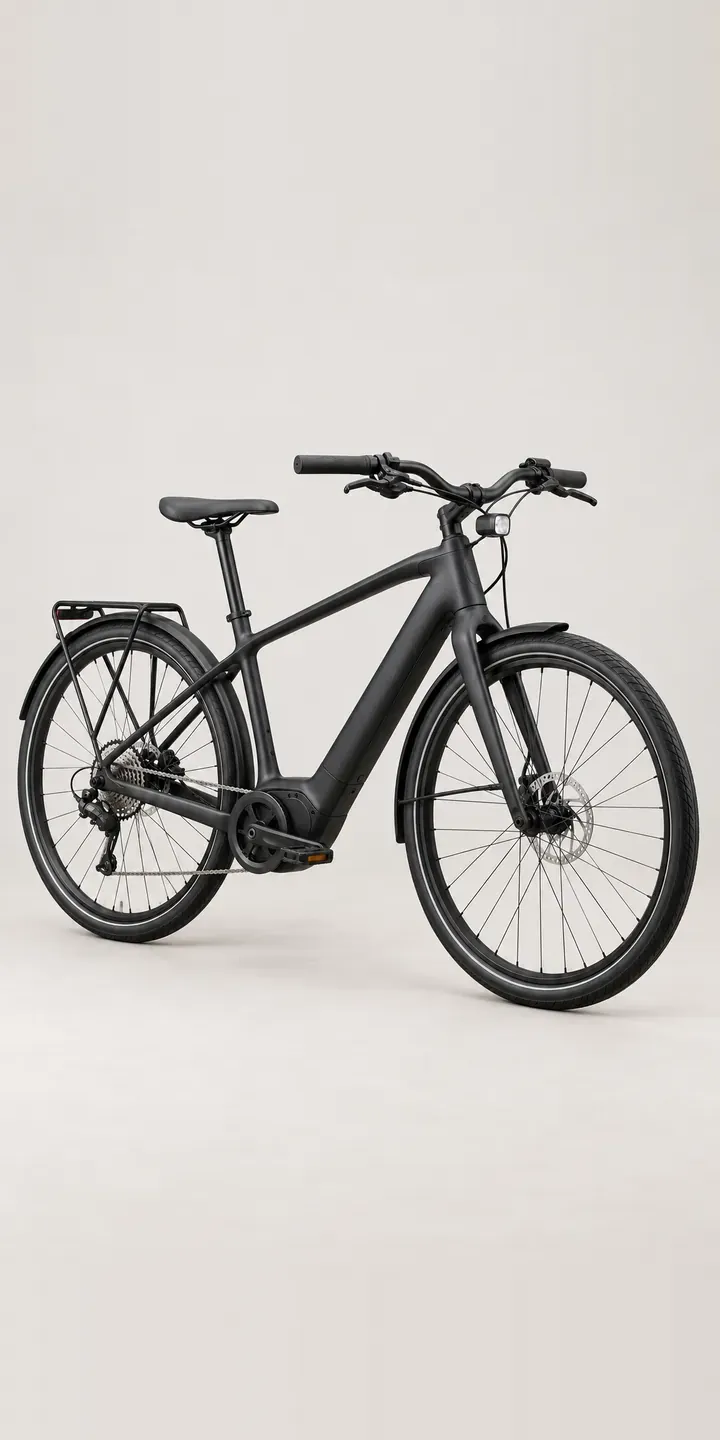
Electric Commuter
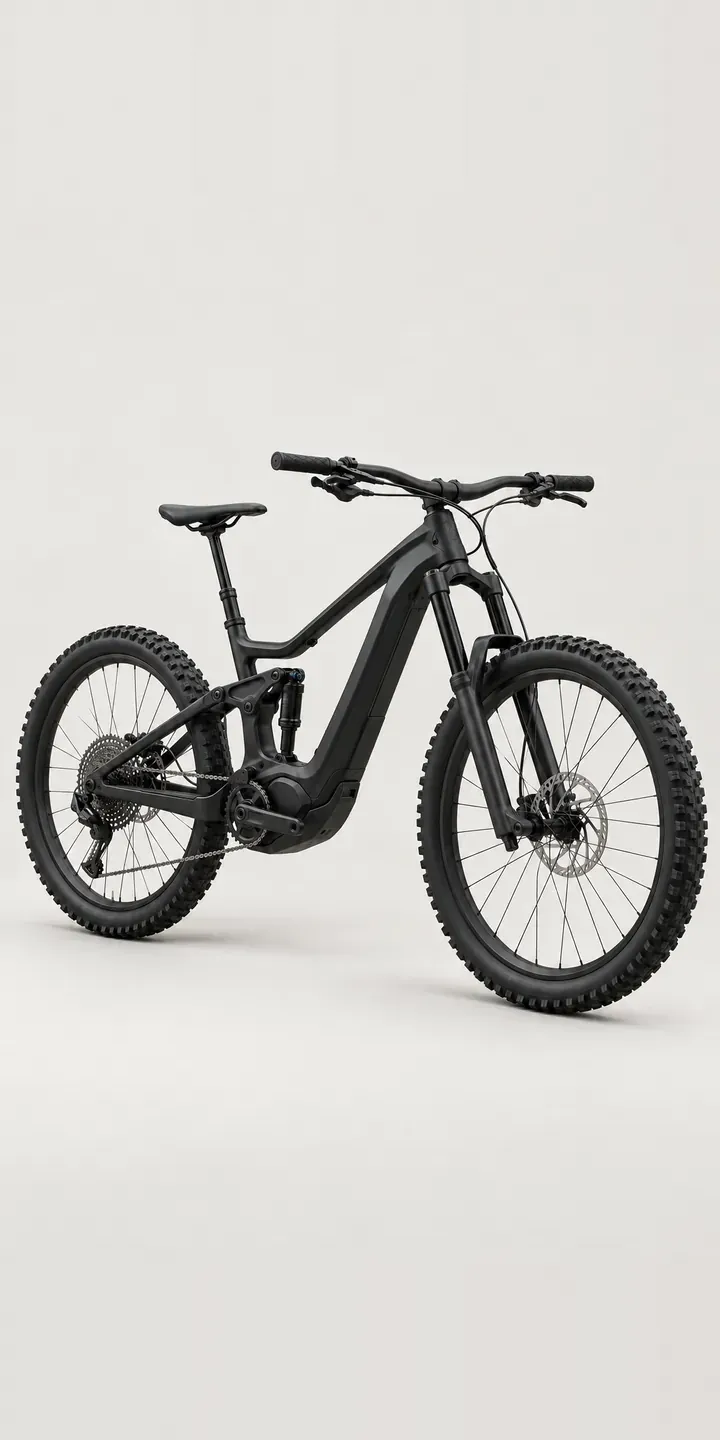
Electric Enduro Bike
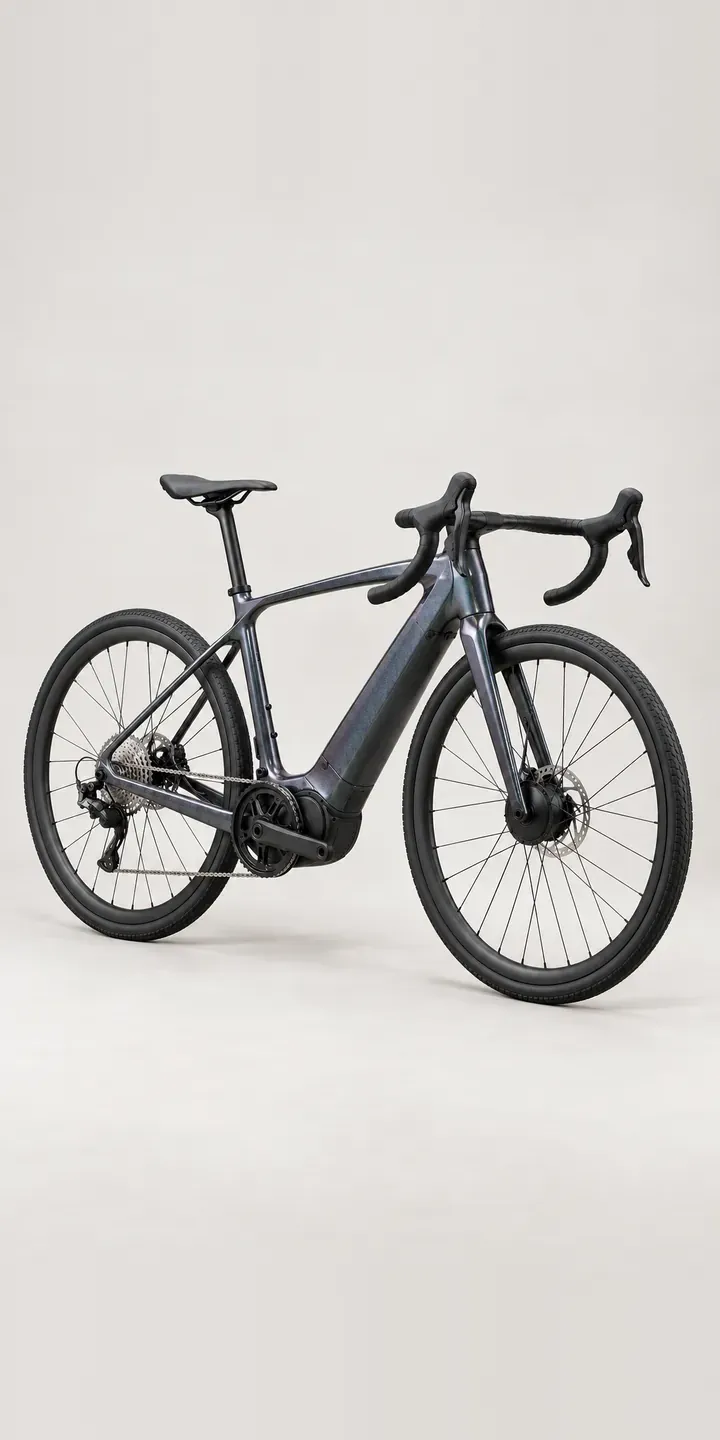
Electric Road Bike
A configurator for your e-bikes
This demo uses an illustrative product. If you sell e-bikes, I can build the same experience around your own range, photography and ordering process, connected to Shopify, WooCommerce or a quote workflow. I reply to enquiries within two UK working days.