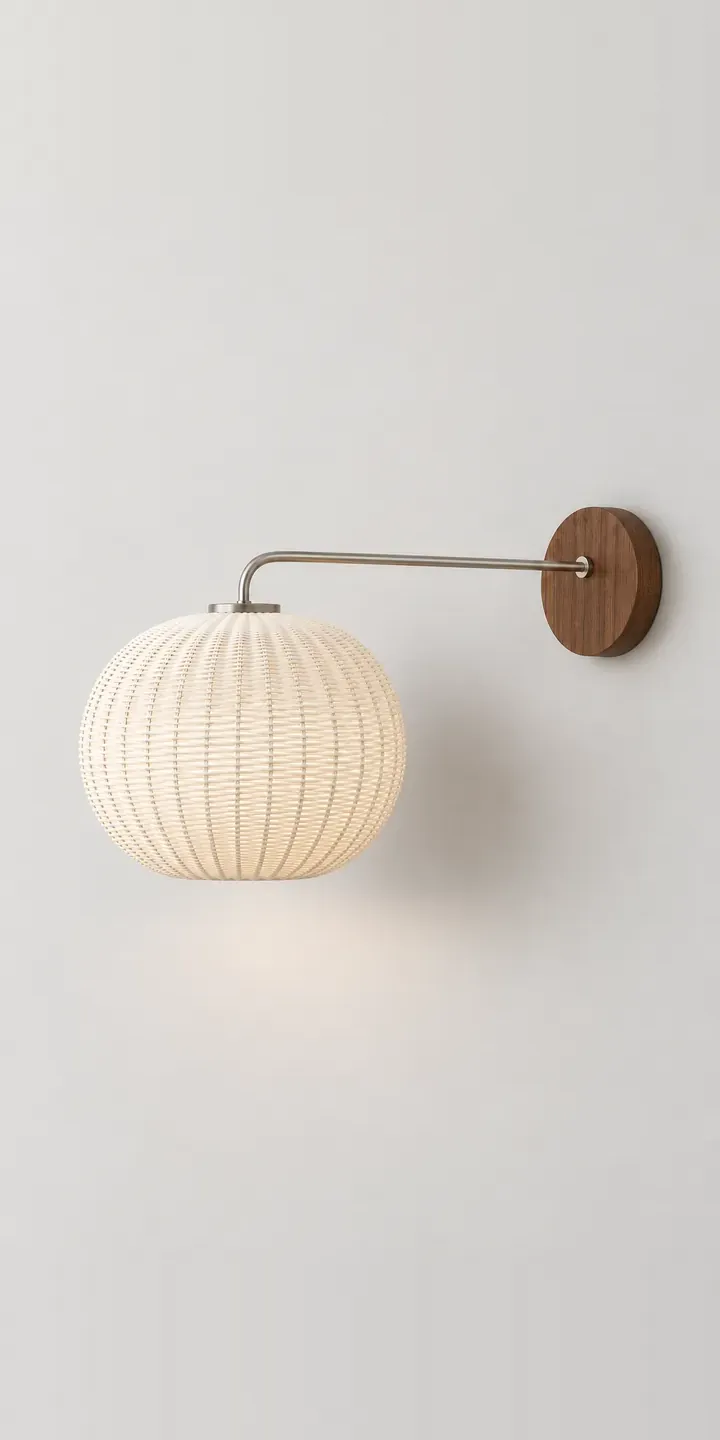
A round woven shade hangs from a thin arm fixed to a walnut wall mount in this illustrative wall lamp. Shade colour and arm length are the two choices, recorded together in the summary for a quote.
A woven wall lamp is chosen for texture as much as light. The weave softens the bulb and throws a patterned glow onto the wall, which is why these lamps suit hallways, landings and bedrooms. Buyers are also working out placement. The arm length decides how far the shade sits from the wall, and that matters above a bench, beside a bed or in a narrow corridor.
Lighting Configurator demo
Woven Wall Lamp
- Product
- Woven Wall Lamp
- Colour
- Ivory
- Arm
- Short
Illustrative product. The design and images are generated examples, not a real model for sale.
What you can configure
Shades come in ivory, black, sand and stone grey here, plus sage and terracotta in the full range. The walnut mount stays constant, so the swatches change only the shade. Arm length is short or long. A short arm keeps the shade close to the wall for tight spaces. A long arm reaches out over a bench or bedside table. The arm choice shows in the summary, though not yet in the image.
- Colour: Ivory, Black, Sand, Stone Grey
- Arm: Short, Long
Why a configurator suits wall lamps
Woven shades are difficult to sell from a single photograph. Texture disappears at thumbnail size, and natural materials vary slightly from piece to piece. A zoomable close-up of each colour lets the buyer see the weave properly. An honest note about handmade variation sets expectations before the parcel arrives.
Arm length is the practical risk. A long arm in a narrow hallway puts the shade where people walk. A short arm above a deep bench can leave the light too far back. Twelve combinations exist, and the ones that cause returns usually come down to projection rather than colour. Showing the projection in millimetres beside each option, with a side-on diagram, lets the buyer check the space with a tape measure first.
This kind of lamp also suits interior designers furnishing several rooms at once. A quote-based configurator lets them specify colour and arm per position, then send the list to a client or contractor. The order arrives as structured data rather than a page of notes.
How a production version would be built
Layering suits this lamp: the shade sits over an arm-and-mount layer, so each arm length needs one image and each colour one shade image. That keeps twelve combinations down to eight images. Shooting the weave needs raking light to show texture, and renders struggle to capture natural fibre convincingly, so photography is usually better here. Data needed: colour names, arm projection, shade diameter and whether each version is plug-in or hardwired. Retail buyers check out as normal and trade buyers request a quote, with saved configurations for designers.
Build sheet for this range
- Colours in the full range: 6 (4 shown in this demo)
- Arm choices: 2
- Combinations to support: 6 × 2 = 12
- Images for one photograph per combination at 3 angles: 36
- Images if arm lengths can be shown as separate layers, at 3 angles: 24
- Data each of the 12 combinations needs: a SKU or variant ID, price, stock or lead time, and any dimensions or specification that change
Questions about wall lamp configurators
How can buyers judge which arm length suits their wall?
Show the projection from the wall in millimetres beside each option, with a simple side-view diagram. It can also ask where the lamp is going, such as hallway, bedside or above seating, and suggest the usual choice. That turns a measurement into a recommendation the buyer can check with a tape measure.
Will the weave texture show on a phone screen?
Not at the default size, so a close-up is essential. A tap-to-zoom image cropped to the shade surface shows the weave and its colour properly. Raking light during the shoot brings out the texture, and the same lighting should be used for every colour so they compare fairly.
How should we handle natural variation in woven shades?
State it plainly in the configurator, near the colour swatches, and show it in photography rather than retouching it out. Buyers of natural materials generally accept variation when it is explained up front. It is the unexplained difference between photo and delivered shade that leads to complaints.
Could the walnut mount become a second option later?
Yes. If you later offer the mount in oak or a painted finish, it becomes another layer in the configurator. Because mount, arm and shade are separate images, a new mount finish means a handful of new photographs rather than reshooting every colour and arm combination.
More lighting configurator demos
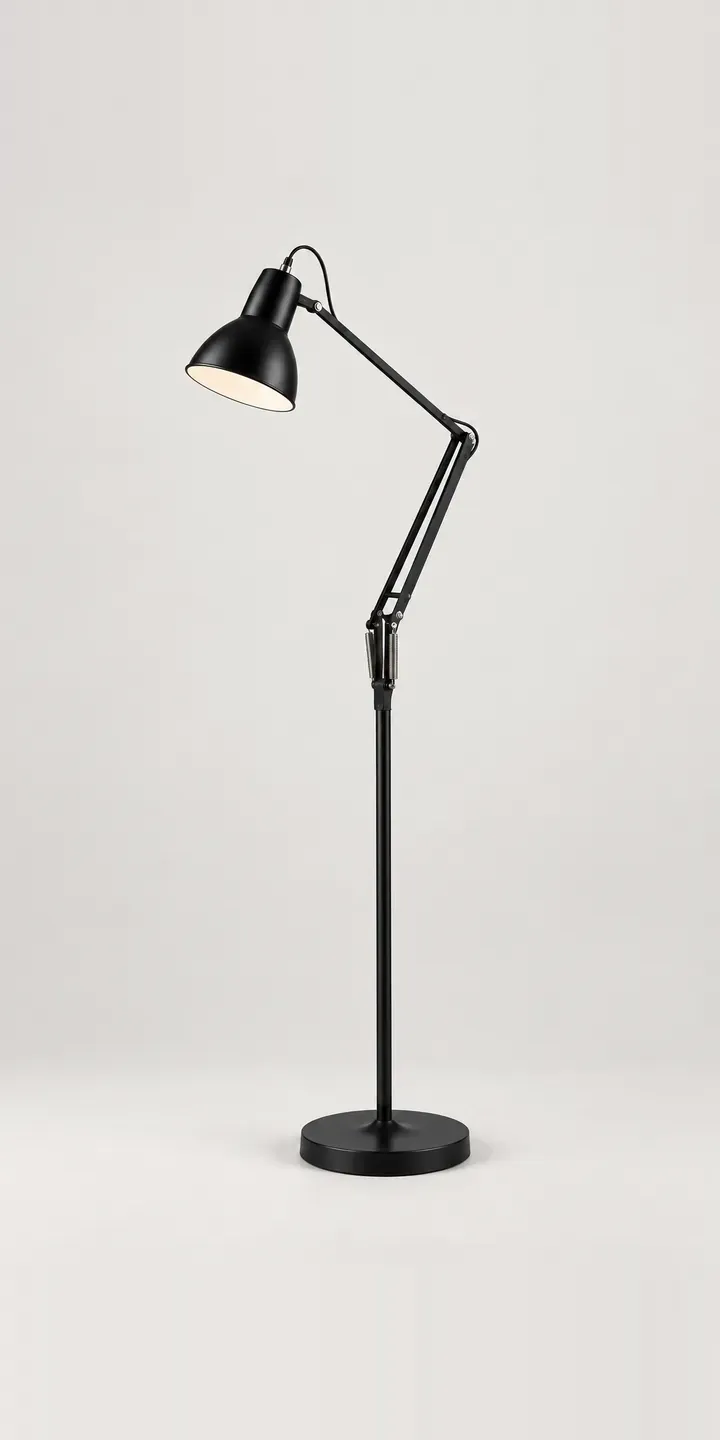
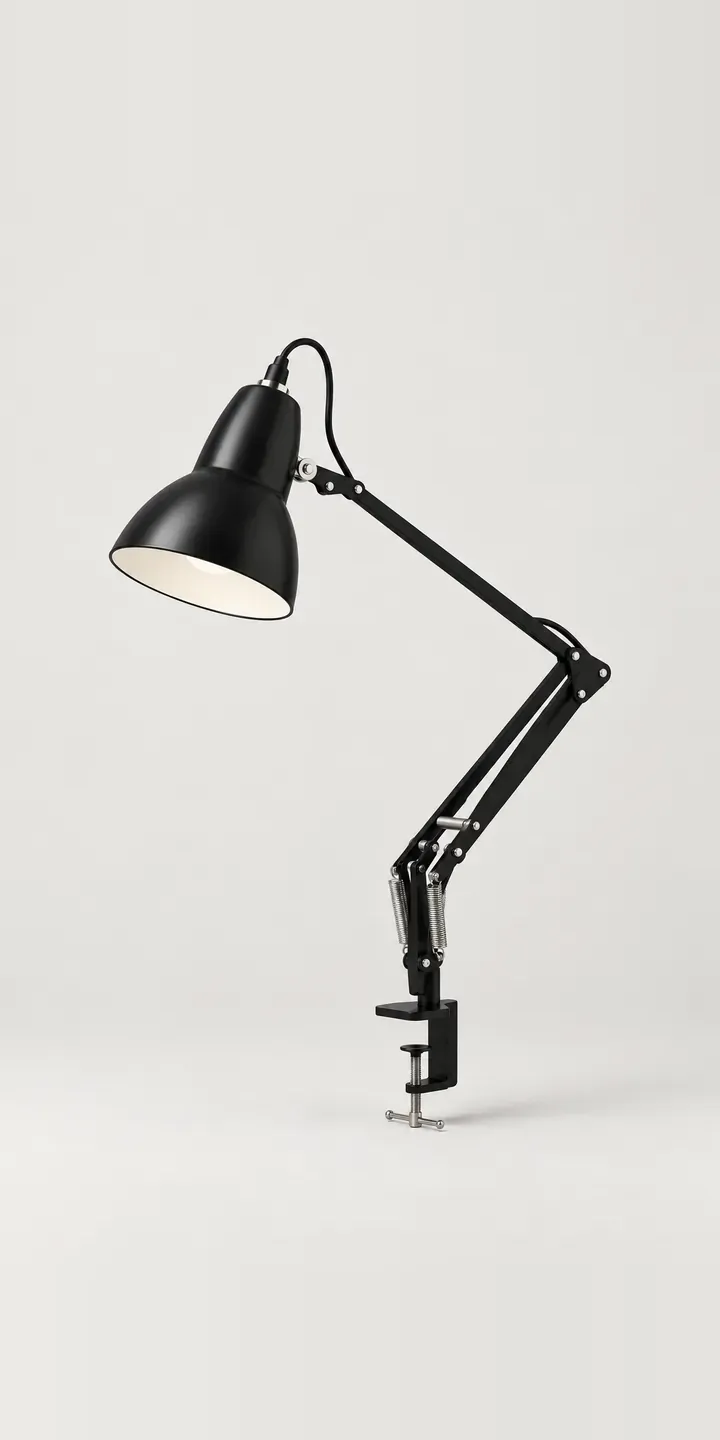
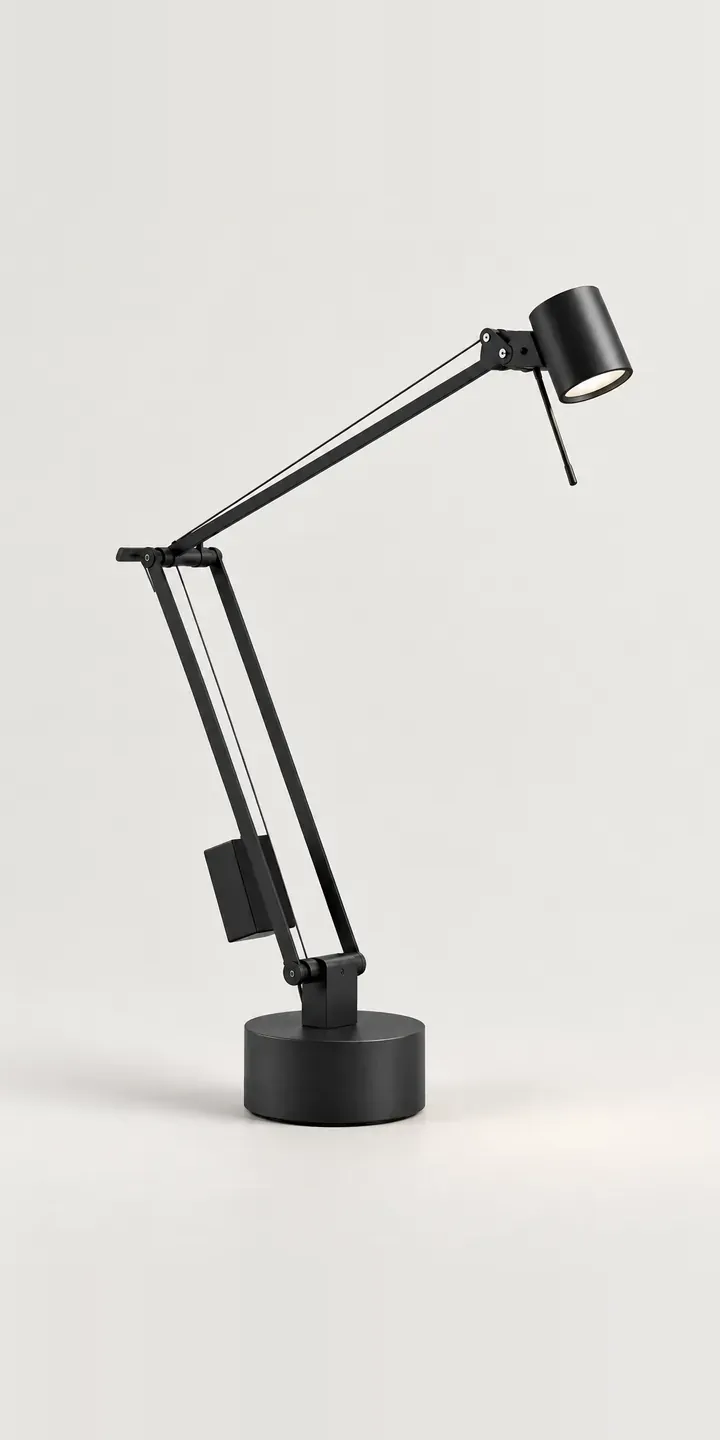
All lighting configurator demos
A configurator for your wall lamps
This demo uses an illustrative product. If you sell wall lamps, I can build the same experience around your own range, photography and ordering process, connected to Shopify, WooCommerce or a quote workflow. I reply to enquiries within two UK working days.