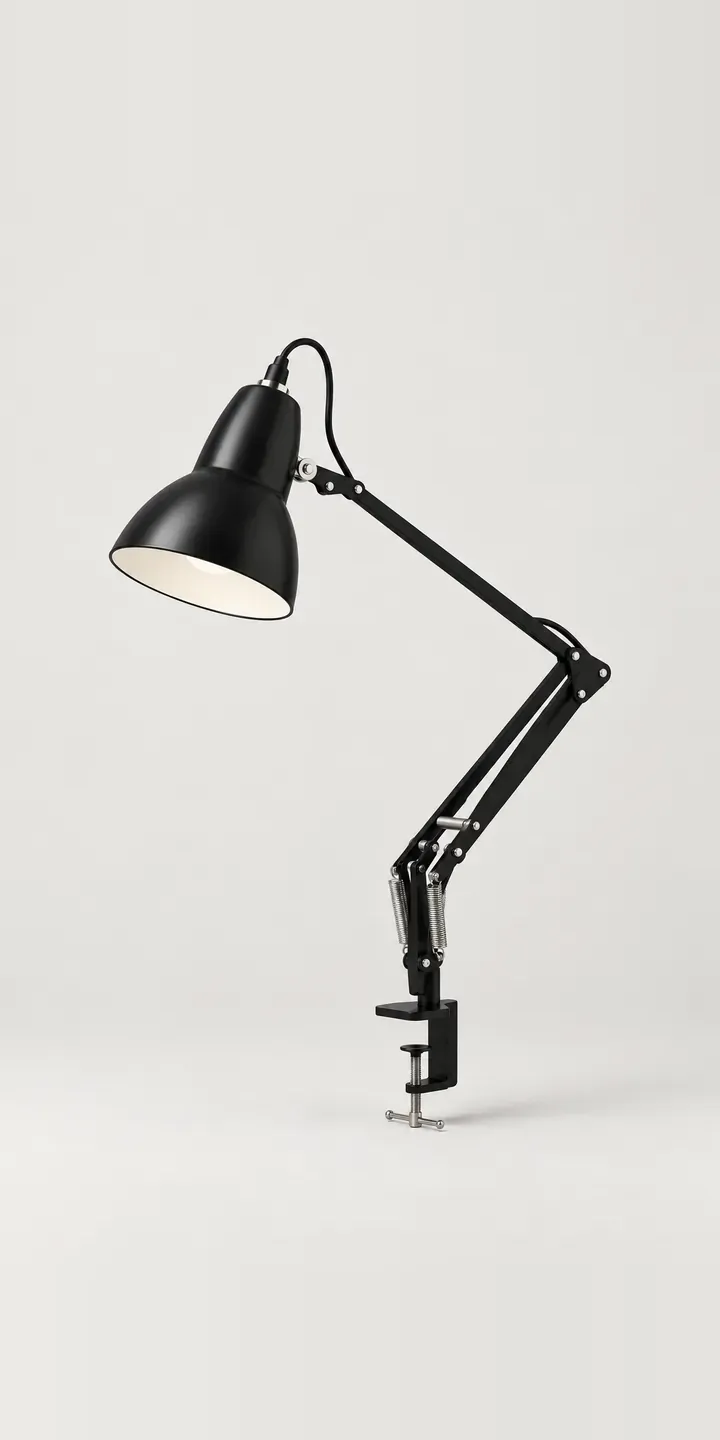
This demo configures an illustrative clamp lamp with spring-balanced arm joints and a threaded clamp that grips a bench edge. Set the colour and the cord length.
Clamp lamps are working tools. Jewellers, watch repairers, illustrators and model makers fix them to a bench and move the head constantly, so the arm has to hold position and reach the work. Colour is a smaller decision than in a living room, though it still matters in a studio that cares about its look. Cord length is the practical one, because benches rarely sit beside a socket.
Lighting Configurator demo
Clamp Desk Lamp
- Product
- Clamp Desk Lamp
- Colour
- Black
- Cord
- 2 m
Illustrative product. The design and images are generated examples, not a real model for sale.
What you can configure
The demo includes black, warm white, dove grey and bottle green, with ochre and brick red making six. Each image fixes the arm at one working angle, so only the finish changes. Cord length, 2 or 3 m, is chosen beside the colour and shown in the summary. Nothing changes in the picture, which is fair, since the cord only matters once the lamp is clamped in place.
- Colour: Black, Warm White, Dove Grey, Bottle Green
- Cord: 2 m, 3 m
Why a configurator suits desk lamps
Workshop and studio buyers often order several lamps at once, one per bench or desk, and they order again when they expand. A configurator that captures colour, cord length and quantity on each line makes that repeat order simple. Saved configurations mean the second order matches the first without anyone hunting for an old invoice.
Cord length is the most common practical complaint with bench lamps. A short cord means an extension lead trailing across a workshop floor, which nobody wants near tools. Asking how far the nearest socket is, and recommending the longer cord when in doubt, is a small addition that prevents an irritating return.
For a trade supplier, the six colours can also serve as identification: one colour per room or per team. A configurator that shows the whole range clearly, with consistent images, lets studios choose deliberately instead of defaulting to black. It also gives schools and colleges a formal written quote they can take to purchasing.
How a production version would be built
Twelve combinations is small enough for one image per colour, with cord length handled as data rather than imagery. A second image showing the clamp gripping a bench edge, with its maximum jaw opening from your specification, answers the fit question. The supplier provides colours, cord lengths, clamp capacity and any trade quantity pricing. Retail orders go to the basket. Studio and education orders go to a quote with quantities per line, which can pass into a CRM so repeat buyers are recognised.
Build sheet for this range
- Colours in the full range: 6 (4 shown in this demo)
- Cord choices: 2
- Combinations to support: 6 × 2 = 12
- Images for one photograph per combination at 3 angles: 36
- Images if cord lengths can be shown as separate layers, at 3 angles: 24
- Data each of the 12 combinations needs: a SKU or variant ID, price, stock or lead time, and any dimensions or specification that change
Questions about desk lamp configurators
Can a studio reorder the same lamp configuration months later?
Yes. Each configuration can be saved to an account or as a link, so the next order uses exactly the same colour and cord. For trade customers, previous orders can be listed for quick reordering. It keeps a studio's benches matching even when someone else places the second order.
Can schools and colleges order through the configurator?
Yes, through the quote route. Education buyers usually need a formal quotation for purchasing approval, so the configurator can produce one with lines, quantities and delivery details. Your team confirms pricing, and the order follows once the purchase order is raised.
Why offer two cord lengths rather than one long cord?
Because a long cord coiled on a bench gets in the way, and a short one may not reach. Two lengths let buyers choose for the room they have. The configurator can recommend one if they say how far the bench is from the socket, which removes the guesswork.
Do we need 3D to show how the arm moves?
Not necessarily. Three or four images of the arm at different working positions show its range well enough for most buyers. 3D adds value when a range has many arm lengths and heads to combine. For one lamp with twelve variants, 2D is quicker to build and loads faster on a phone.
More lighting configurator demos
Counterweight Lamp
Curved Floor Lamp
Drip Pendant
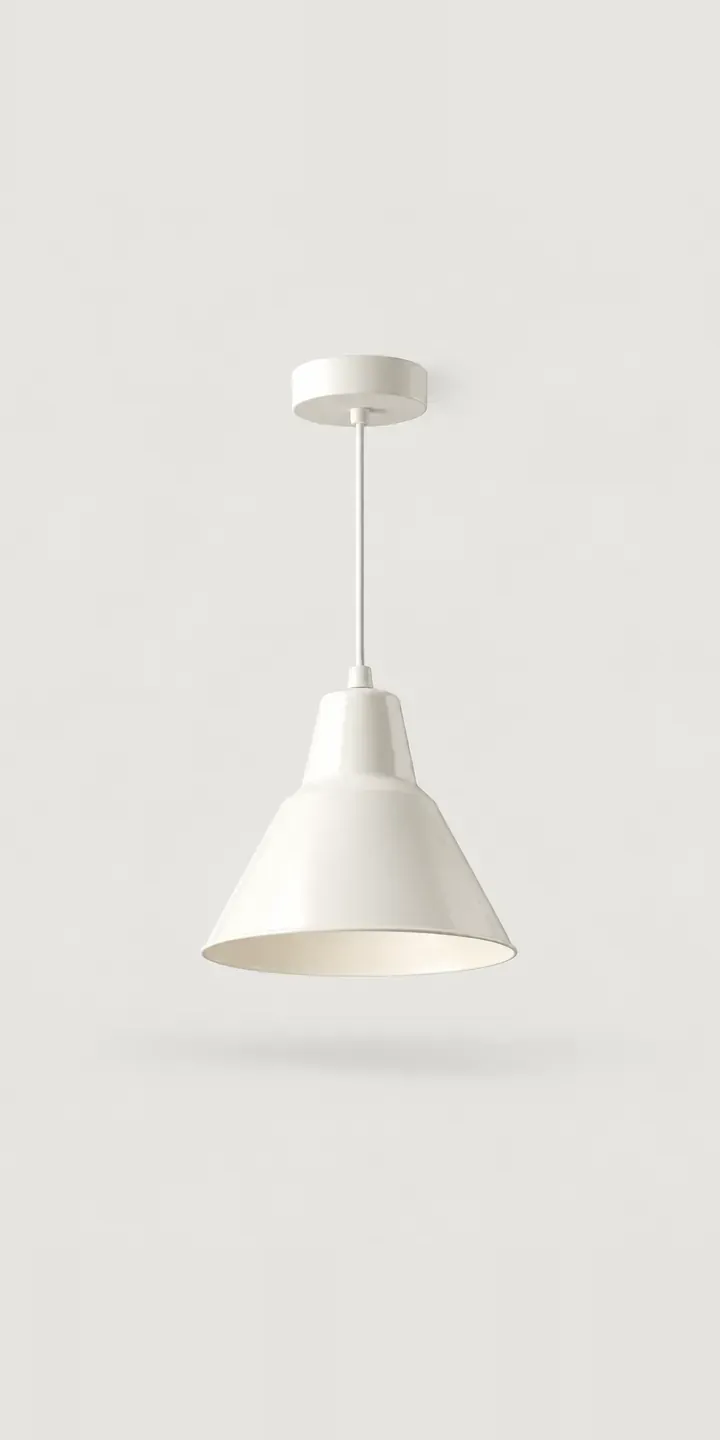
Enamel Cone Pendant
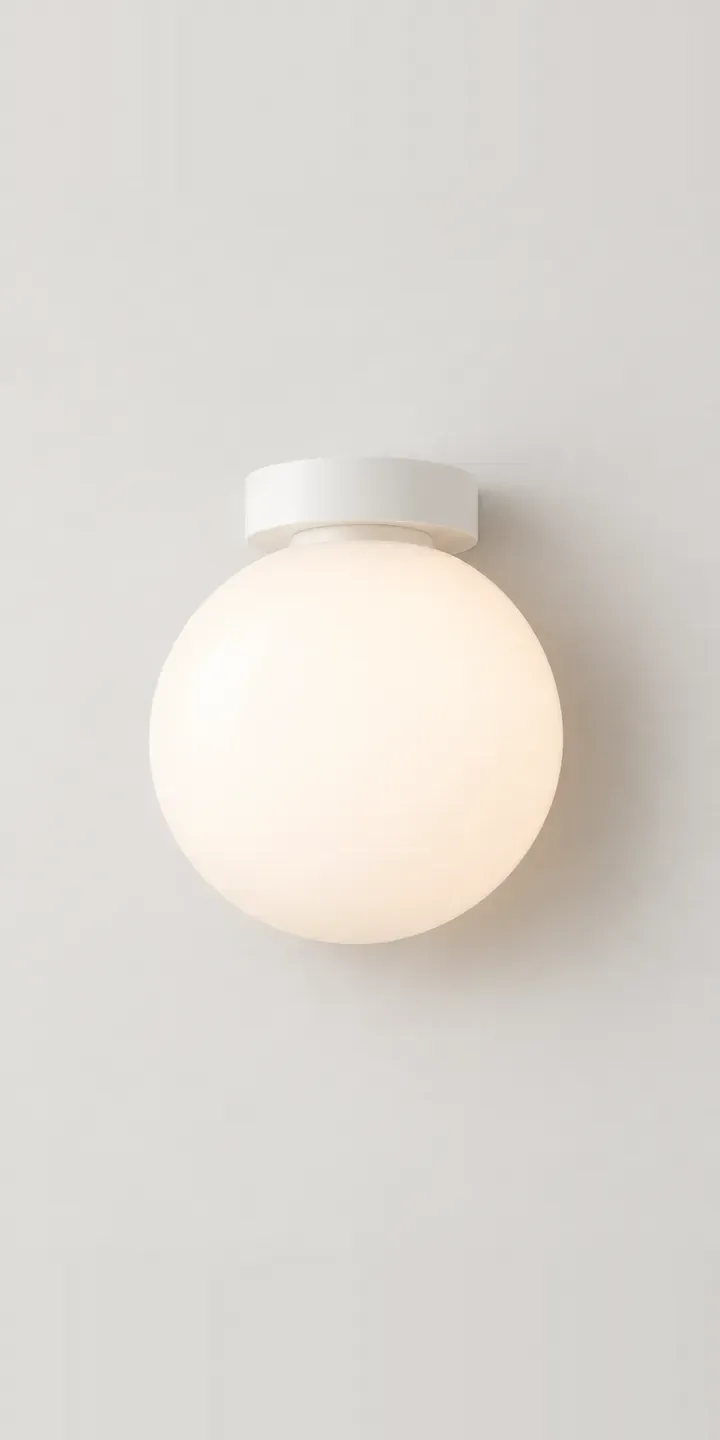
Flush Wall Globe
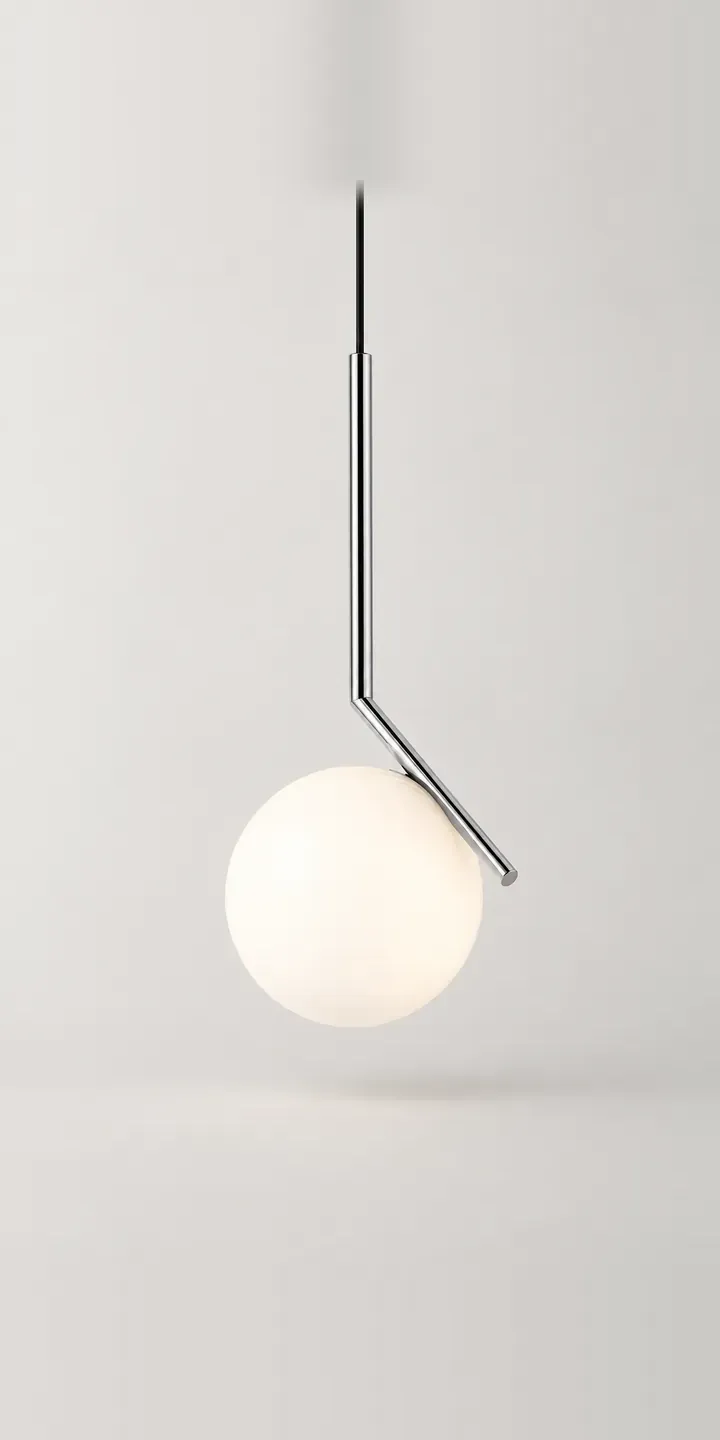
Framed Globe Pendant
All lighting configurator demos
A configurator for your desk lamps
This demo uses an illustrative product. If you sell desk lamps, I can build the same experience around your own range, photography and ordering process, connected to Shopify, WooCommerce or a quote workflow. I reply to enquiries within two UK working days.