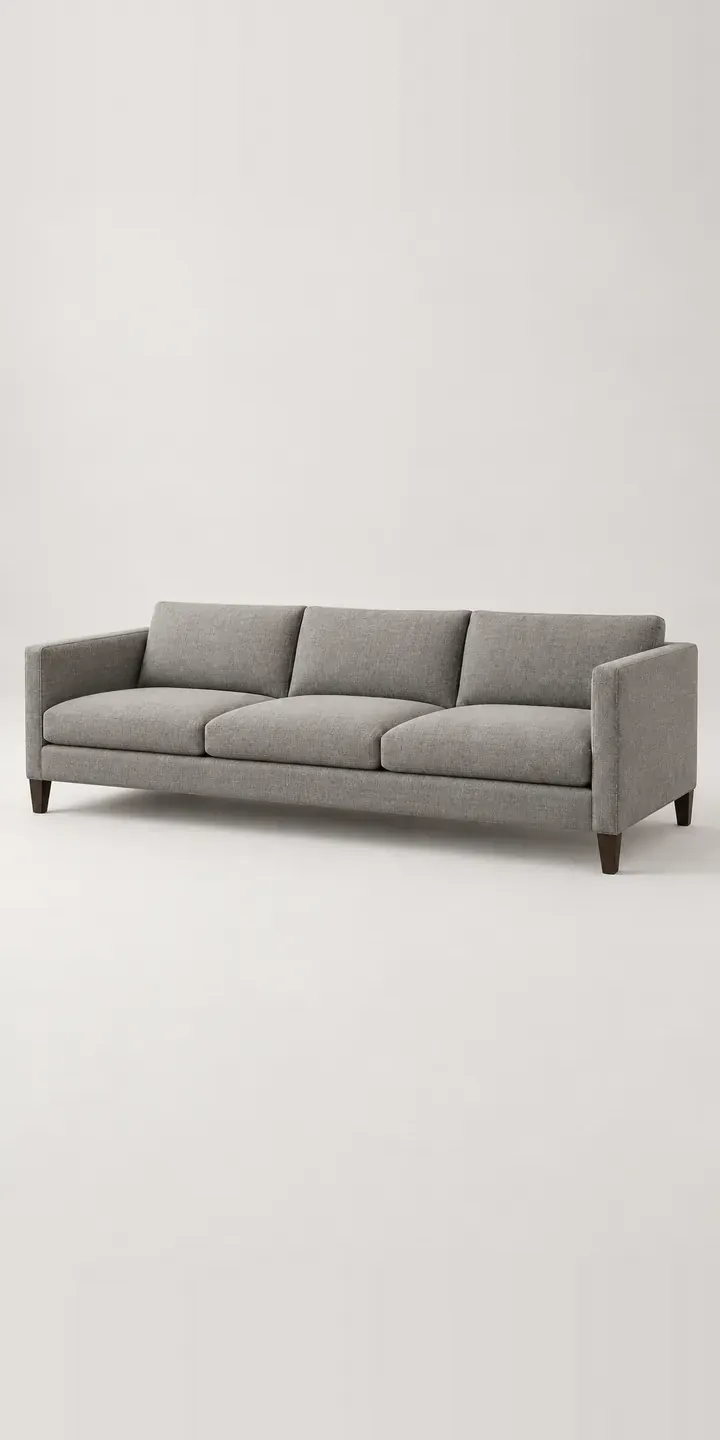
The sofa here is an illustrative design with slim track arms, crisp welt seams and dark wooden legs. Pick an upholstery colour and a length, and the configurator builds a summary to send as a quote.
Sofas are bought slowly. People order fabric samples, measure doorways, check the room twice and still worry about the colour. Length decides whether it fits the wall and seats the household. Fabric decides how it will look after three years of children, pets and sun through a south-facing window. Navy forgives marks, cream does not, and grey is what people choose when they cannot decide.
Furniture Configurator demo
Track Arm Sofa
- Product
- Track Arm Sofa
- Colour
- Neutral Grey
- Length
- 190 cm
Illustrative product. The design and images are generated examples, not a real model for sale.
What you can configure
Four of the six fabrics are switchable here: neutral grey, cream, charcoal and navy, with rust and olive to follow. Watch the flat top of the track arm. Its welt seam almost disappears on charcoal and stands out sharply on cream, while the dark wood leg does the opposite. Your length choice lands in the summary, while the picture is the same at every length in this demo.
- Colour: Neutral Grey, Cream, Charcoal, Navy
- Length: 190 cm, 220 cm, 250 cm
Why a configurator suits sofas
Upholstery is where variant counts become unmanageable. Six fabrics in three lengths is eighteen sofas, and most sofa retailers offer far more than six fabrics, across chairs, footstools and corner units too. Photographing every combination is impractical, so customers often see one hero colour and a small swatch. That gap is why so many buyers order samples and then wait.
A configurator closes it. Each fabric appears on the actual sofa shape. A customer can then judge how navy reads along a long track arm rather than on a five-centimetre square. Swatch requests still happen, but from a shortlist, which means fewer samples posted and faster decisions. The retailer also sees which fabrics are pulling interest each month.
Most upholstered sofas are made to order, with lead times measured in weeks. That makes the order itself precious: fabric, length, leg finish and cushion fill must be exactly right, because a mistake costs a remake. Structured configuration data, passed straight to the workshop, removes the rekeying where those mistakes start.
How a production version would be built
Sofas with large fabric ranges usually justify a 3D or render-based build. The sofa is modelled once, and each fabric is applied as a material with its colour, weave texture and sheen. Lengths become model variants. A smaller range can work in 2D, with one render per fabric and length. The inputs are fabric names and codes, price groups, lengths, leg options and lead times. Orders go to the basket on Shopify, or to a quote for trade and contract, with swatch requests from the same page. The seating configurator demo shows a related example.
Build sheet for this range
- Colours in the full range: 6 (4 shown in this demo)
- Length choices: 3
- Combinations to support: 6 × 3 = 18
- Images for one photograph per combination at 3 angles: 54
- Images if lengths can be shown as separate layers, at 3 angles: 27
- Data each of the 18 combinations needs: a SKU or variant ID, price, stock or lead time, and any dimensions or specification that change
Questions about sofa configurators
Can the configurator handle a range with dozens of fabrics?
Yes, and that is where 3D starts to pay off. Once the sofa is modelled, adding a fabric means preparing one material from a scan or swatch, not reshooting the sofa. Fabrics can be grouped by price band, performance or colour family, and customers can filter them. Hundreds of fabrics are manageable this way.
Can customers order fabric swatches from the same page?
They can. A swatch button beside each fabric adds it to a sample request, and the customer receives the swatches with a link back to their saved sofa. When they are ready, the configuration reopens with everything as they left it. That shortens the gap between sample and order.
Can it warn when a sofa will not fit through a doorway?
It can ask for doorway width and hall dimensions, then compare them with the sofa's depth and height. If access looks tight, it can suggest removable legs or a shorter length, or prompt the customer to call. The figures must come from your own delivery guidance, since access rules vary by model.
How does the configurator show made-to-order lead times?
Each fabric and length can carry its own lead time from your product data, and the summary shows the expected delivery window. When lead times change, your team updates them in the admin and the configurator follows. Clear lead times on the page reduce cancellations from customers who expected faster delivery.
More furniture configurator demos
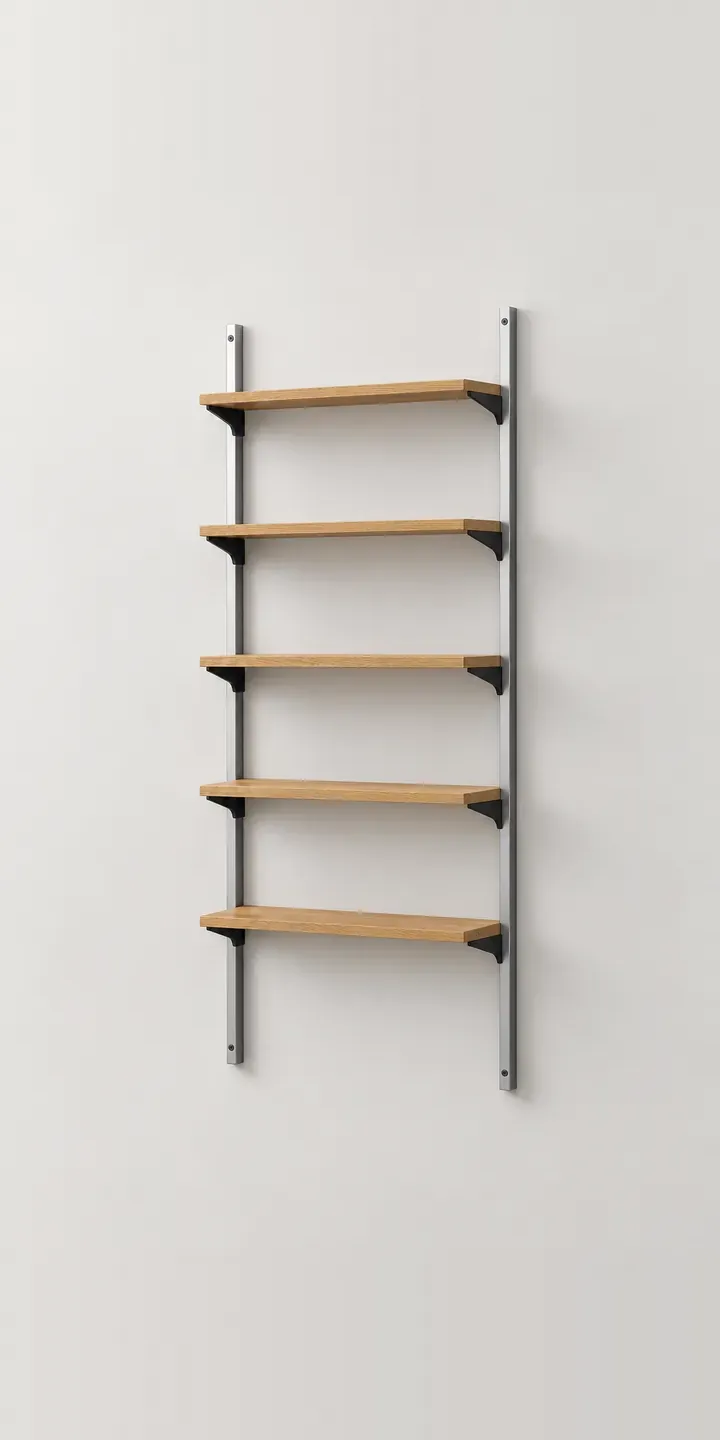
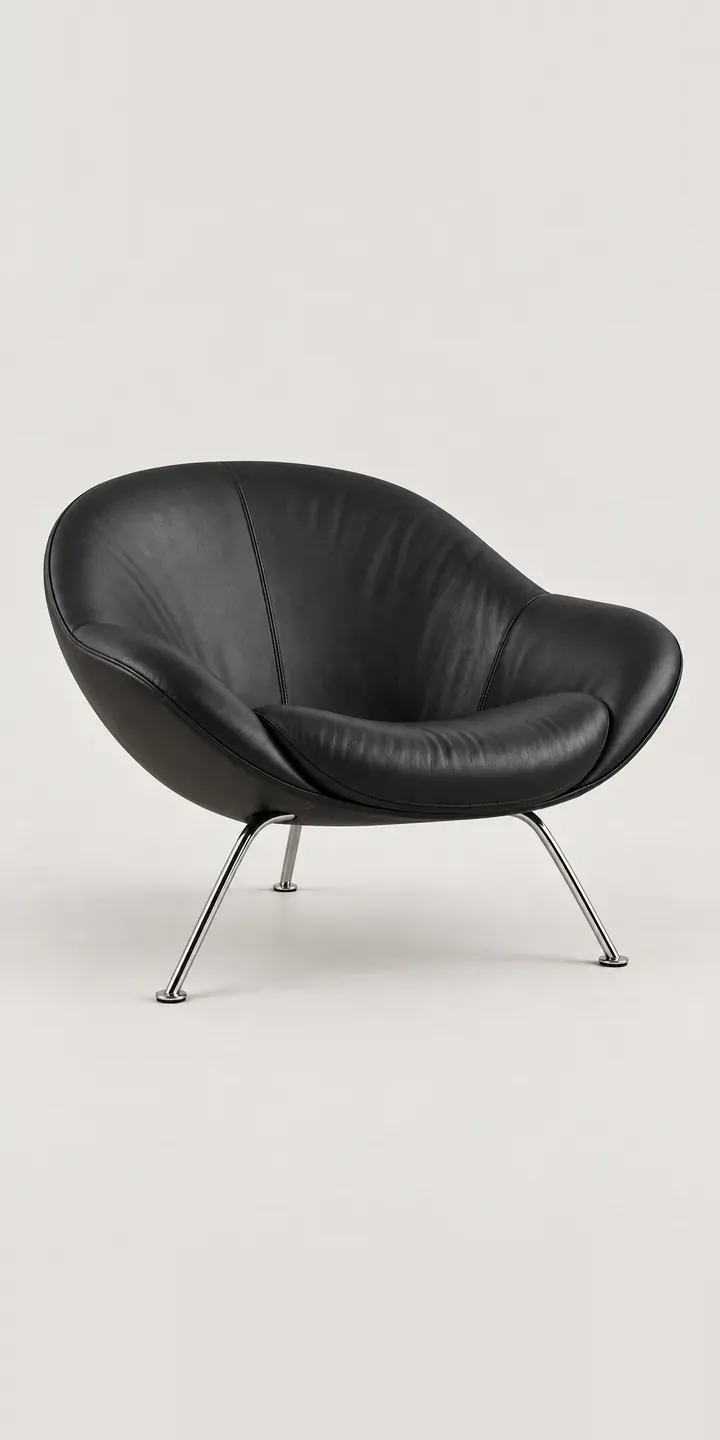
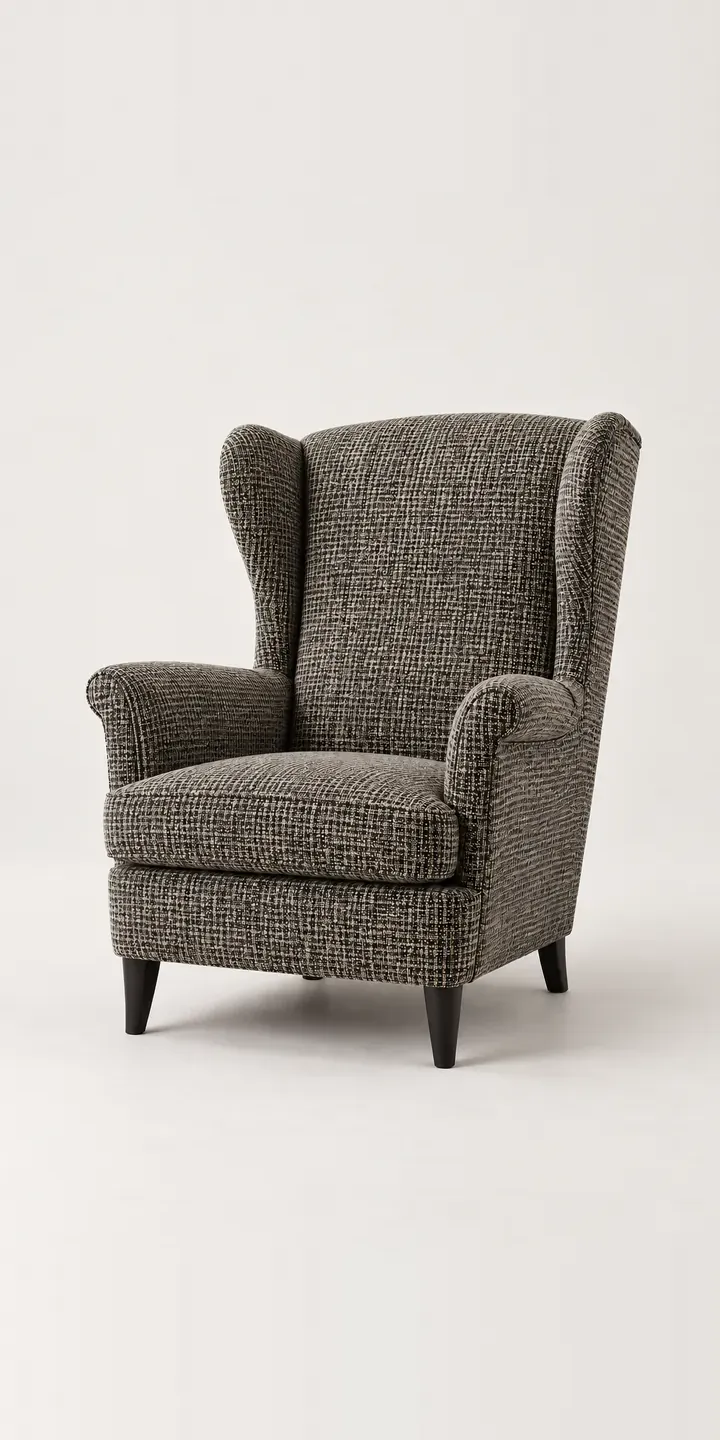
All furniture configurator demos
A configurator for your sofas
This demo uses an illustrative product. If you sell sofas, I can build the same experience around your own range, photography and ordering process, connected to Shopify, WooCommerce or a quote workflow. I reply to enquiries within two UK working days.