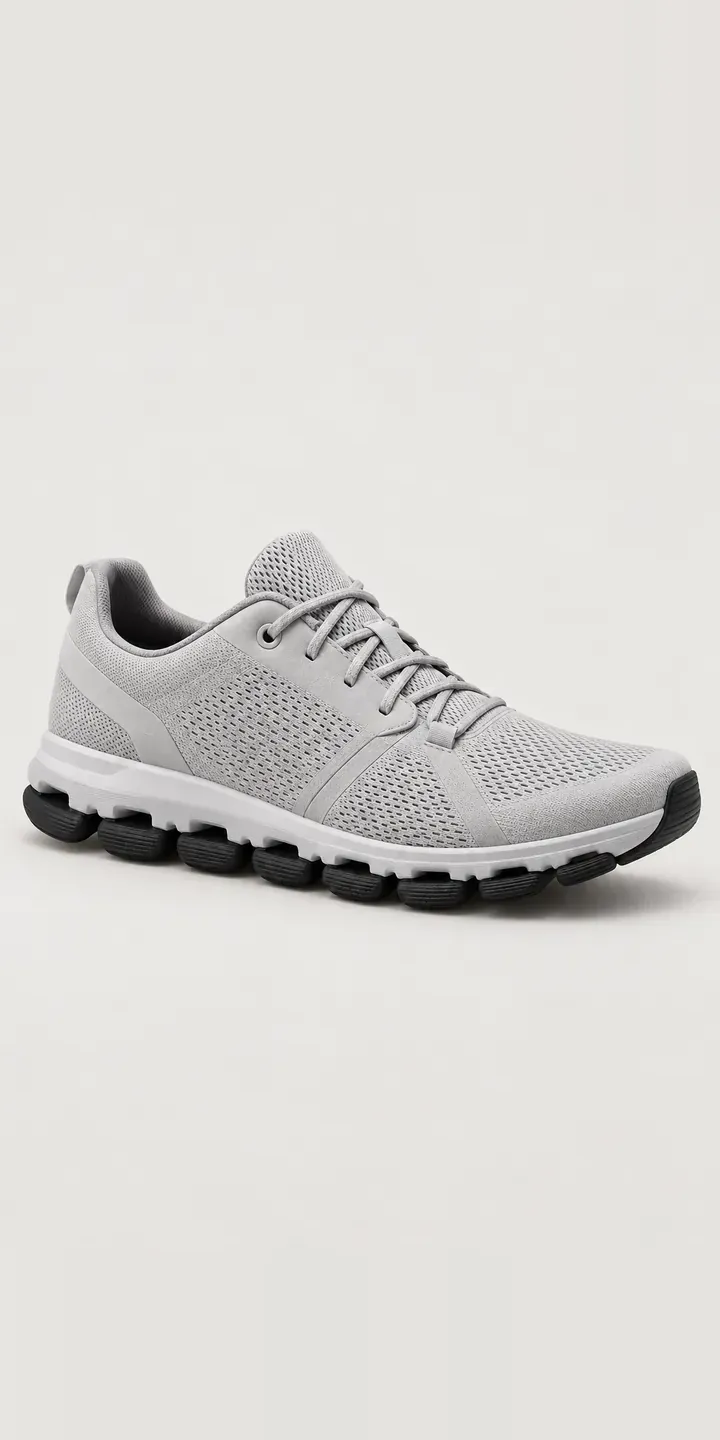
An illustrative knit sneaker with a pod sole is the product here. Its configurator covers colour and UK size, and ends in a quote request.
Comfort-led sneakers like this are often bought online by people who will never see them in a shop. They are paying for the feel underfoot, the weight in a travel bag and the look of the knit. None of it can be tested before ordering. The sole is part of the appeal here. Separate rubber pods replace a full outsole, and buyers want to see that as clearly as the upper.
Footwear Configurator demo
Pod Sole Sneaker
- Product
- Pod Sole Sneaker
- Colour
- Light Grey
- Size
- UK 6
Illustrative product. The design and images are generated examples, not a real model for sale.
What you can configure
Light grey, all black, white and navy are selectable, while sage and sand complete the six. Knit changes character with colour, so each swatch is a fresh photograph rather than a tint. The separate rubber pods with gaps between them stay in the same place each time. So does the line where the knitted upper meets the foam midsole. UK 6, UK 8 and UK 10 are saved without changing the picture.
- Colour: Light Grey, All Black, White, Navy
- Size: UK 6, UK 8, UK 10
Why a configurator suits sneakers
Direct-to-consumer footwear brands lose the fitting room. Their product page has to stand in for picking the shoe up, turning it over and feeling the knit. A single side profile cannot do that. The sole goes unseen, which is a real problem when the sole is part of what the brand is selling.
A configurator can hold a full view set per colour: side, top, sole and heel. Switching colour keeps the chosen view, so a buyer looking at the pods underneath can flick through every colour without losing their place. Knit texture also differs between dark and light colours, and a close view in each shade shows it honestly.
Pale colours bring a practical question. Light grey and white knit can mark, and buyers want to know how to clean them. Care notes beside the colour choice answer that at the right moment. For a brand with a narrow range and a strong comfort story, those small answers do much of the selling.
How a production version would be built
I would shoot or render four views per colour, all aligned so they swap cleanly. Rendering from a 3D model is worth considering for a knit sneaker, especially one sold in several seasonal colours. The brand may already hold CAD files, and new colours can then be produced without new samples. My page on 3D product visualisation covers how that works. The brand supplies colour names, SKUs by UK size, stock, and care and fit notes. Orders pass to Shopify or WooCommerce variants, so the checkout stays unchanged.
Build sheet for this range
- Colours in the full range: 6 (4 shown in this demo)
- Size choices: 3
- Combinations to support: 6 × 3 = 18
- Images for one photograph per combination at 3 angles: 54
- Images if sizes can be shown as separate layers, at 3 angles: 27
- Data each of the 18 combinations needs: a SKU or variant ID, price, stock or lead time, and any dimensions or specification that change
Questions about sneaker configurators
Can buyers see the sole in every colour without losing their place?
Yes. Views and colours are separate choices, so a buyer on the sole view stays there while switching colour. That needs every image aligned to the same framing, which is a photography or rendering discipline rather than a code one. In this demo each colour has a single side image.
Should we photograph each colour or render them from 3D files?
If you have accurate 3D models and good material scans of the knit, rendering is efficient and makes new colours quick. If not, photography is faster to start. Knit is one of the harder materials to render convincingly, so I would test one colour against a real sample before committing the whole range.
Can care instructions differ between colours?
They can attach to each colour rather than the whole style. Light grey and white might carry a cleaning tip, while black does not need one. The note appears as the colour is chosen, which is exactly when the buyer is thinking about how it will look after a few months.
Can we show fit notes from our own testing?
Yes. A short fit statement next to the size choice, such as true to size or roomy in the toe, does more than a general chart. If you track size exchanges, the wording can be updated as patterns emerge. The notes live in your product data, so the team edits them directly.
More footwear configurator demos
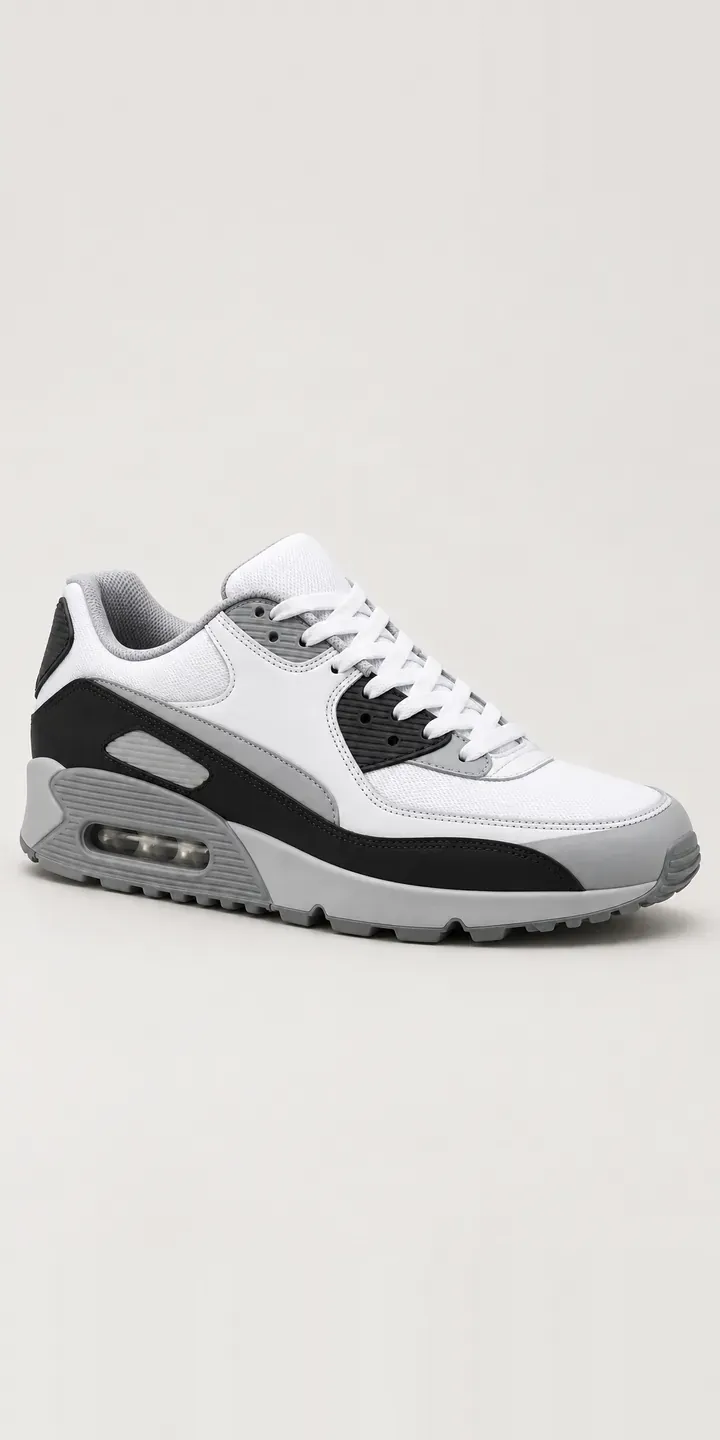
Retro Layered Trainer
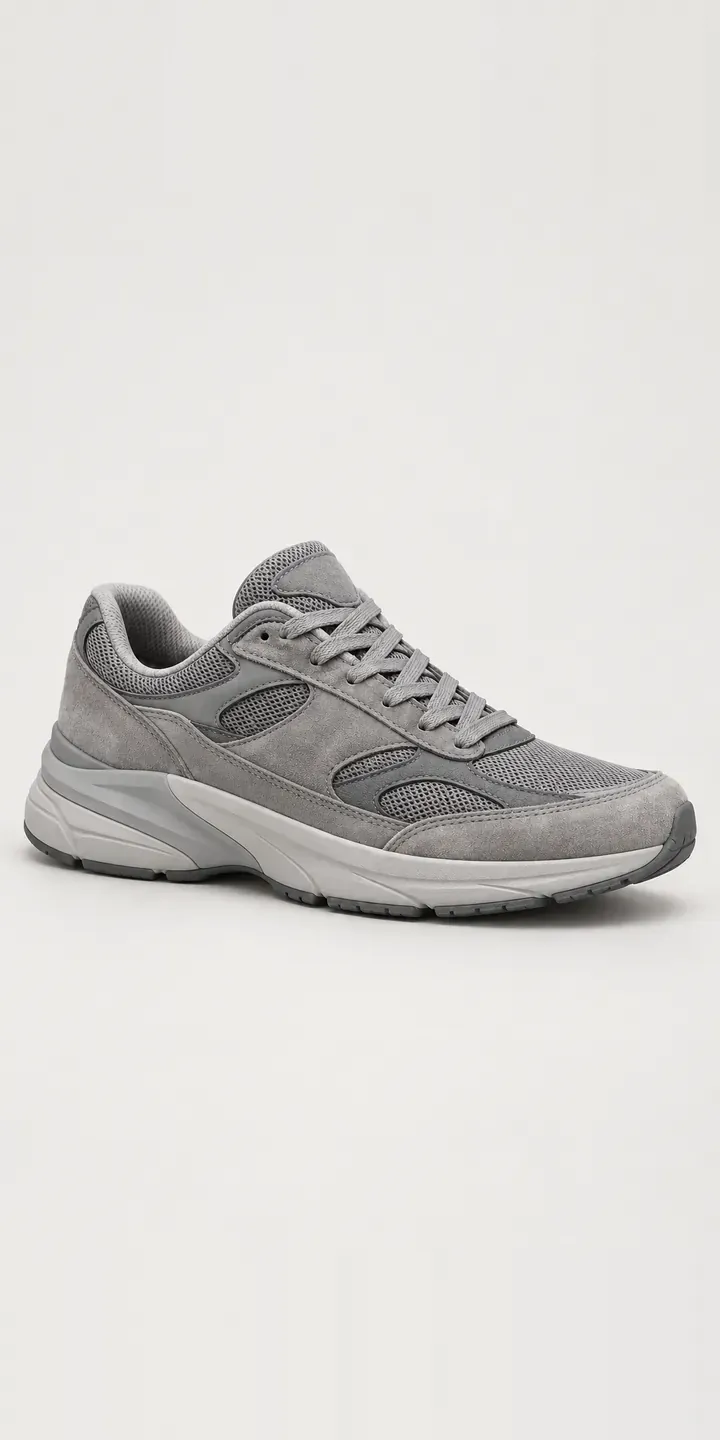
Retro Suede Trainer
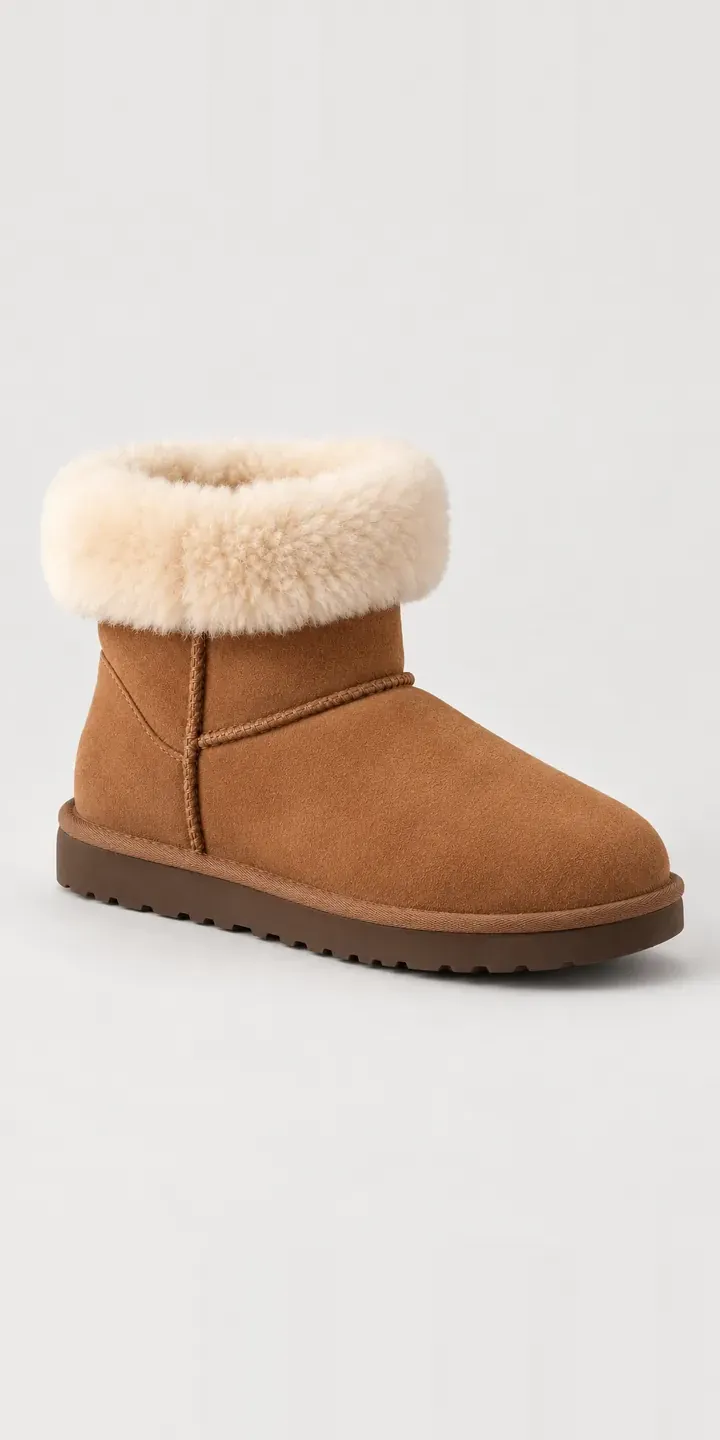
Shearling Mini Boot
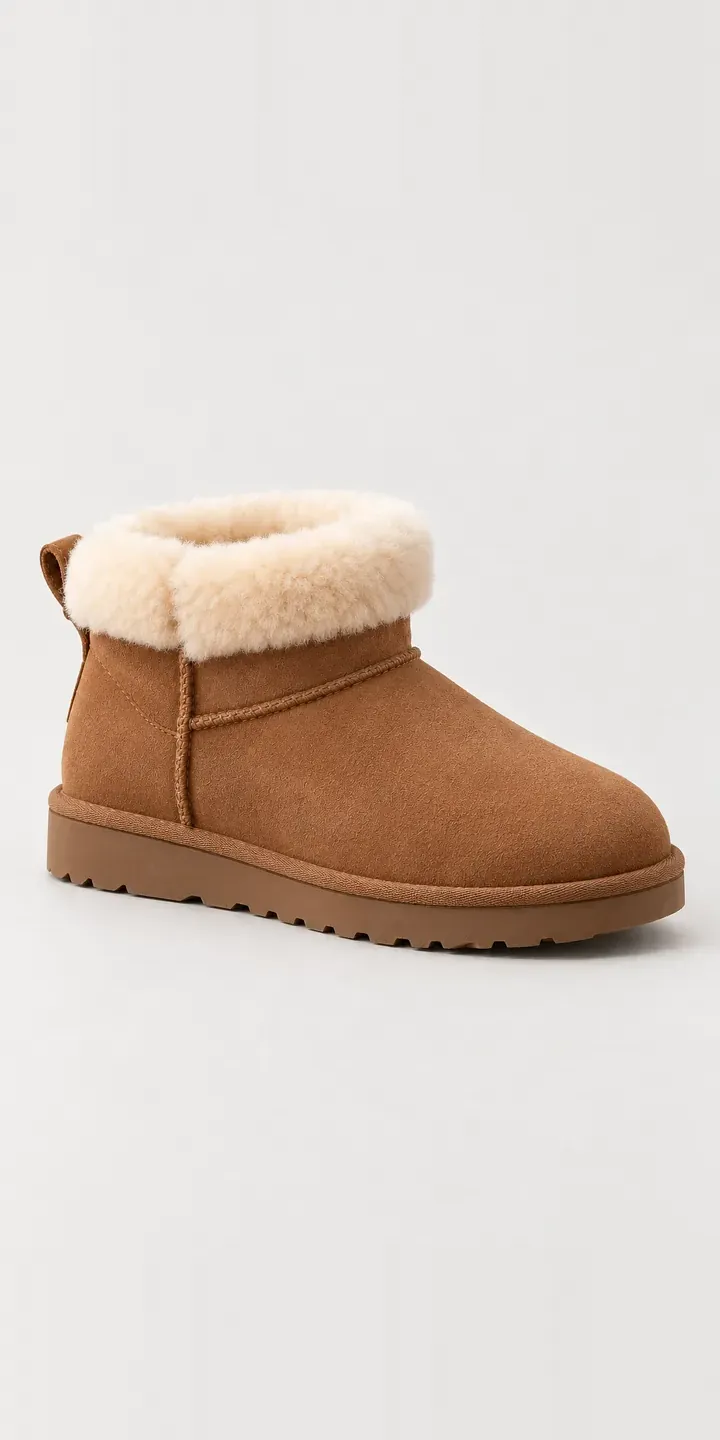
Sheepskin Ankle Boot
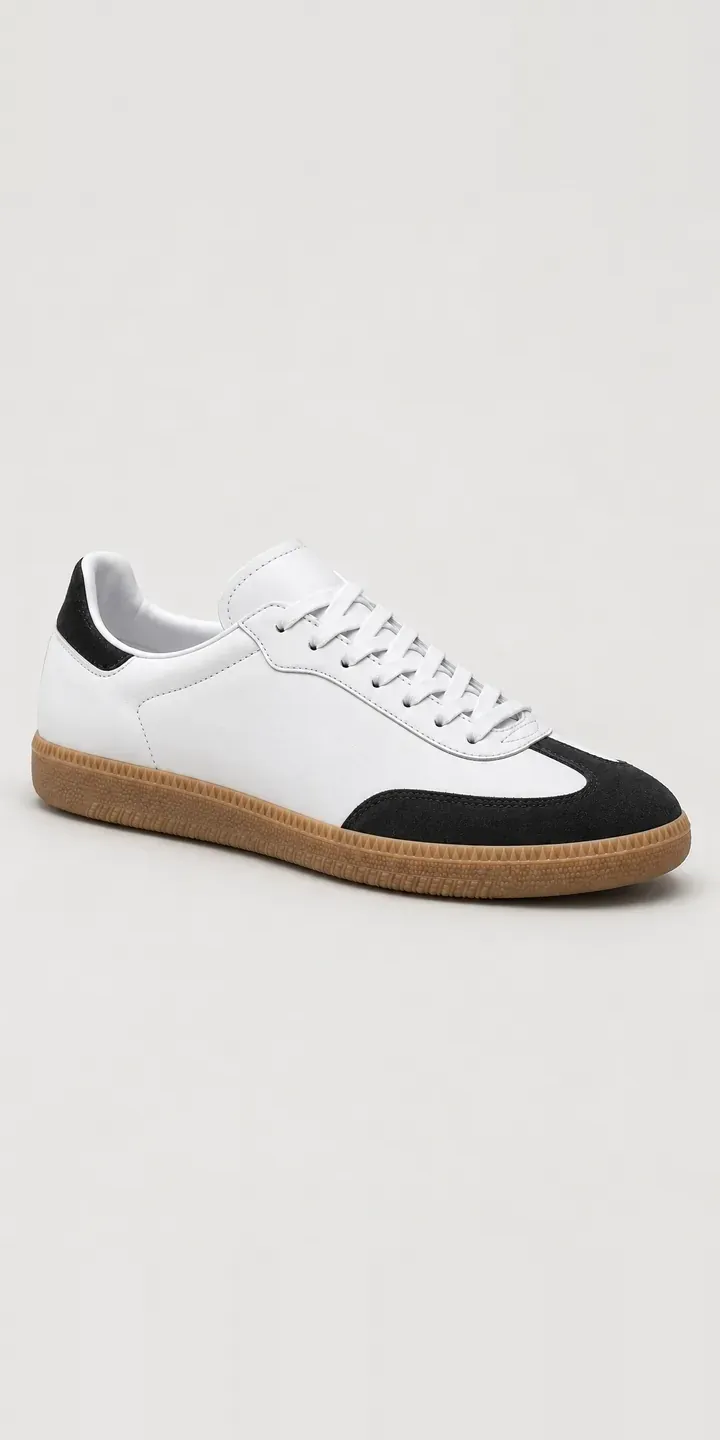
Terrace Trainer
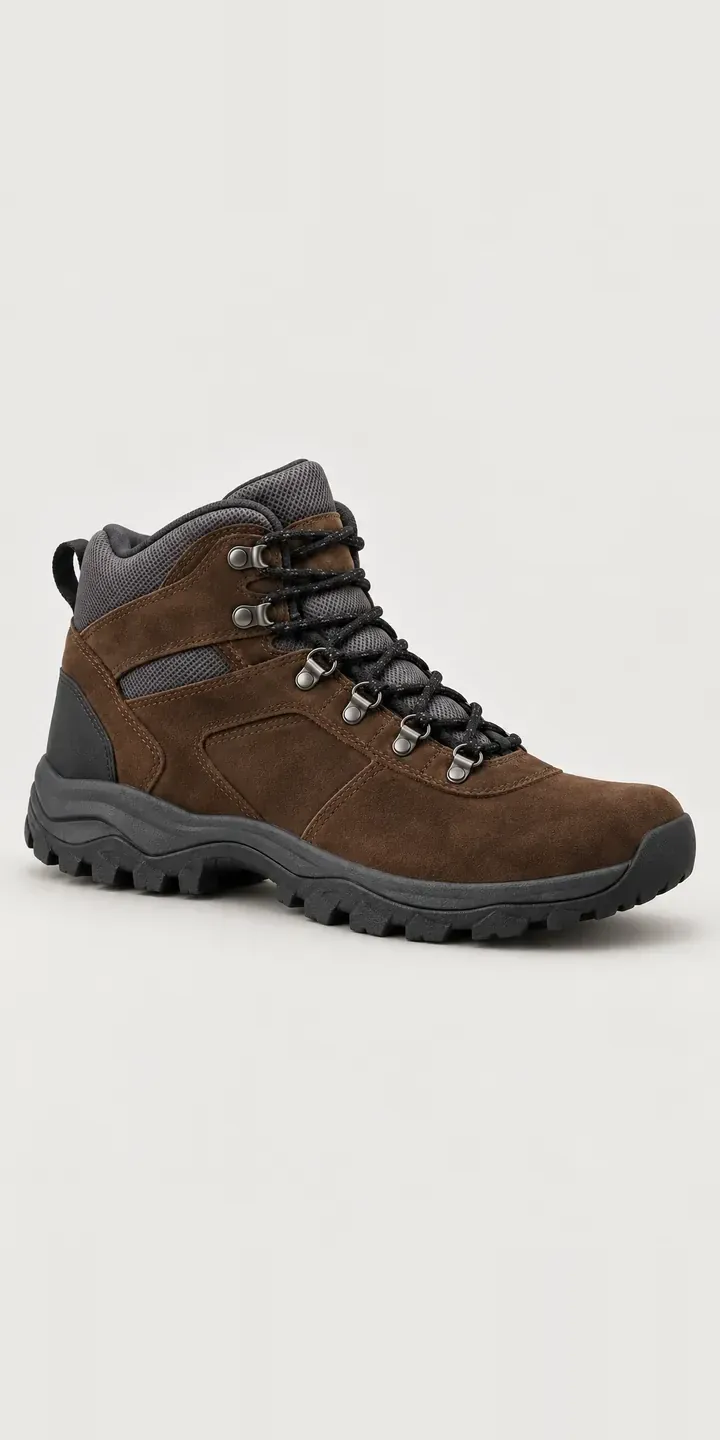
Trail Walking Boot
All footwear configurator demos
A configurator for your sneakers
This demo uses an illustrative product. If you sell sneakers, I can build the same experience around your own range, photography and ordering process, connected to Shopify, WooCommerce or a quote workflow. I reply to enquiries within two UK working days.