Large fan mounts behind a perforated front, and a fine dust filter under the mesh top: this illustrative chassis is designed around moving air. Pair one of its finishes with a four or six fan pack and the configuration is sent as a quote request.
Its buyers are running hot hardware. A high-end graphics card and a processor under sustained load put a lot of heat into a case, whether the job is gaming or an overnight render. The decision is about matching cooling to the components, then living with the result. Once a PC has run for a year, dust filters that lift out easily matter as much as fan count.
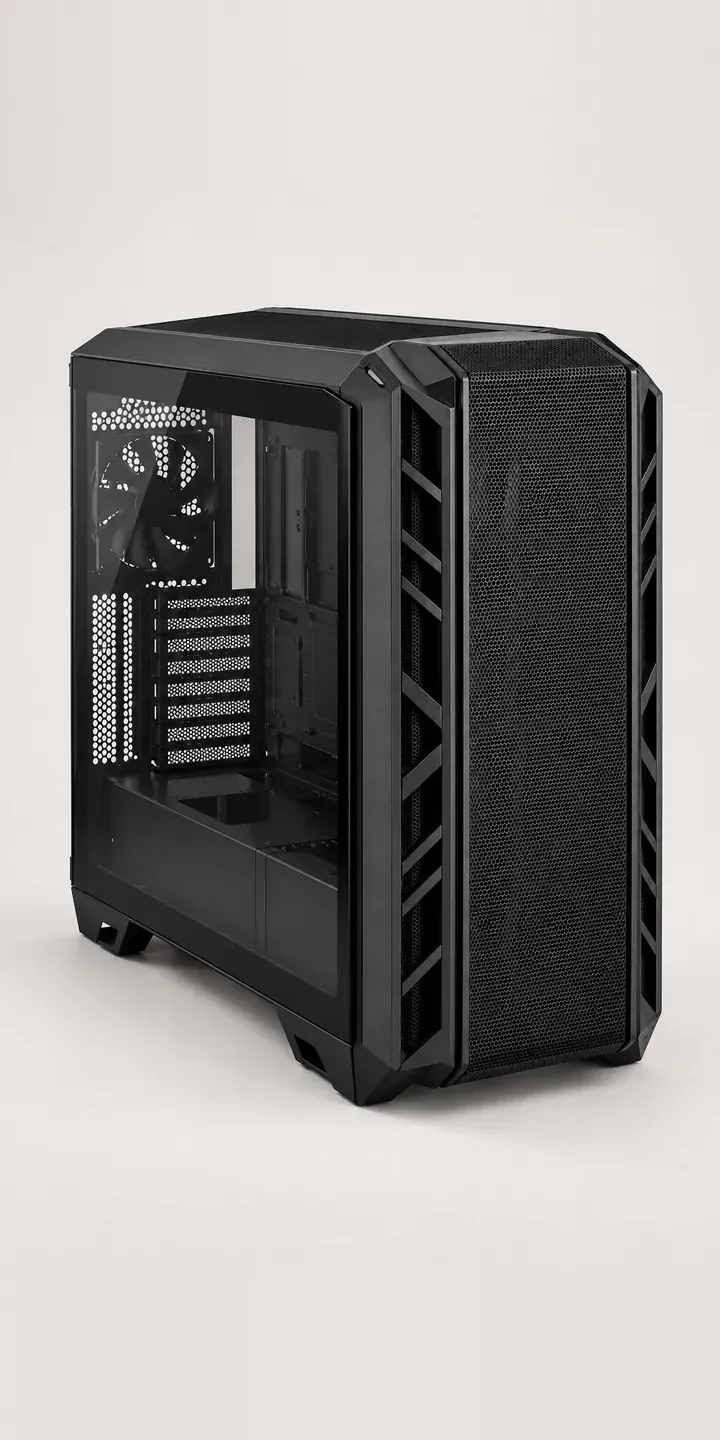
PC and gaming hardware Configurator demo
High-Airflow Chassis
- Product
- High-Airflow Chassis
- Colour
- Matte Black
- Fans
- 4 Fans
Illustrative product. The design and images are generated examples, not a real model for sale.
What you can configure
The demo shows matte black, titanium, white and olive; navy and sand round out the six. You can pick a four or six fan pack. The choice appears in the summary, though the image does not change yet. On a high-airflow case the step from four to six fans fills more of the mounts, which changes the visible layout as well as the cooling.
- Colour: Matte Black, Titanium, White, Olive
- Fans: 4 Fans, 6 Fans
Why a configurator suits PC cases
Component retailers already know the question this case raises: will it cool what I am putting in it. A product page struggles to answer, because the answer depends on the rest of the basket. A configurator can read the graphics card and processor already chosen and suggest the six fan pack when they call for it, using guidance the retailer writes.
Titanium and olive are unusual in this category, and they suit offices and studios as well as gaming rooms. That widens the market to design practices and engineering firms buying render machines. Those buyers order in batches and expect a quote with lead times, not a consumer checkout. Each of the twelve finish and fan variants has to map cleanly to a line on their purchase order.
Maintenance is the third angle. Dust filters, spare fans and replacement panels are repeat purchases that are easy to lose track of. A configurator that records exactly which finish and fan pack a customer bought makes later accessory sales simple. The retailer can offer the right filter or a matching fan without the customer hunting for an order number.
How a production version would be built
I would build this with rendered images per finish and the fans layered behind the mesh, so four and six fans appear in the correct mounts. A second view looking down on the top panel, with the dust filter partly lifted, shows buyers how cleaning works. Mount positions and thermal guidance matter as much as SKUs and fan pack contents in the product data. For a components retailer, the configurator reads the basket through Shopify integration or WooCommerce so its suggestions make sense. Business orders can go out as quotes instead.
Build sheet for this range
- Colours in the full range: 6 (4 shown in this demo)
- Fans choices: 2
- Combinations to support: 6 × 2 = 12
- Images for one photograph per combination at 3 angles: 36
- Images if fan packs can be shown as separate layers, at 3 angles: 24
- Data each of the 12 combinations needs: a SKU or variant ID, price, stock or lead time, and any dimensions or specification that change
Questions about PC case configurators
Can a configurator recommend a fan pack based on the parts in the basket?
Yes, given simple rules. A graphics card above a power figure you choose could trigger a recommendation for the six fan pack, for example. The thresholds are yours and sit in the product data. The buyer still decides, but the suggestion arrives at the moment it is useful.
Is it worth showing the dust filters in the configurator?
Usually, yes. Filter access is one of the practical details buyers of high-airflow cases look for, and it is hard to describe in words. One extra image, showing the top filter lifted out, answers the question for every finish. It also signals that the case was designed with cleaning in mind.
How should unusual finishes like titanium and olive be photographed?
Under neutral, consistent light, with a close-up of the surface. Titanium-style finishes have a fine metallic grain that flat lighting hides, and olive drifts towards brown or grey with small white balance errors. I would render or shoot both against the same grey reference as the black and white models.
Can business customers get a quote for several identical machines?
Yes. The configurator can end in a quote request with a quantity field, company name and delivery notes. The request reaches your inbox or CRM with every line specified. For design offices ordering render workstations, that is often how purchasing teams prefer to buy.
More PC and gaming hardware configurator demos

Low-Profile Mouse

Magnetic Keyboard
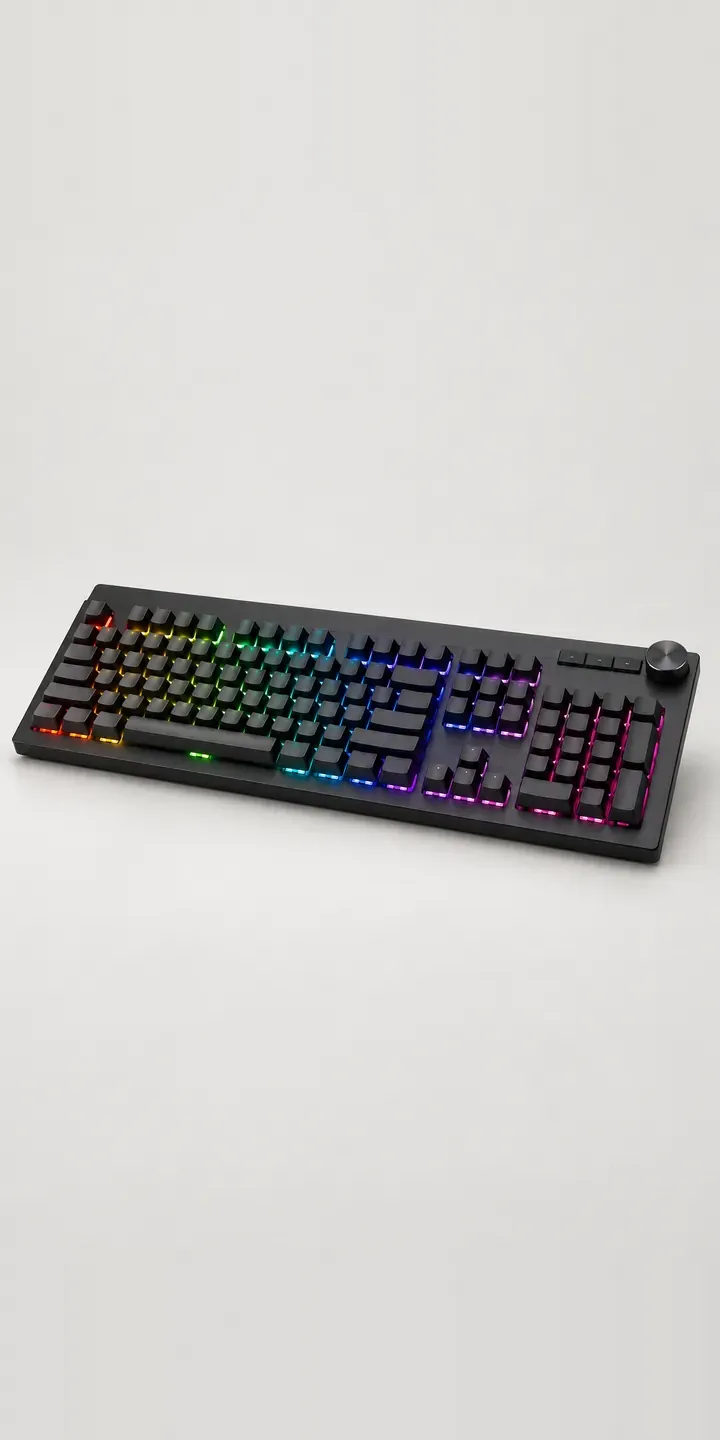
Media Keyboard
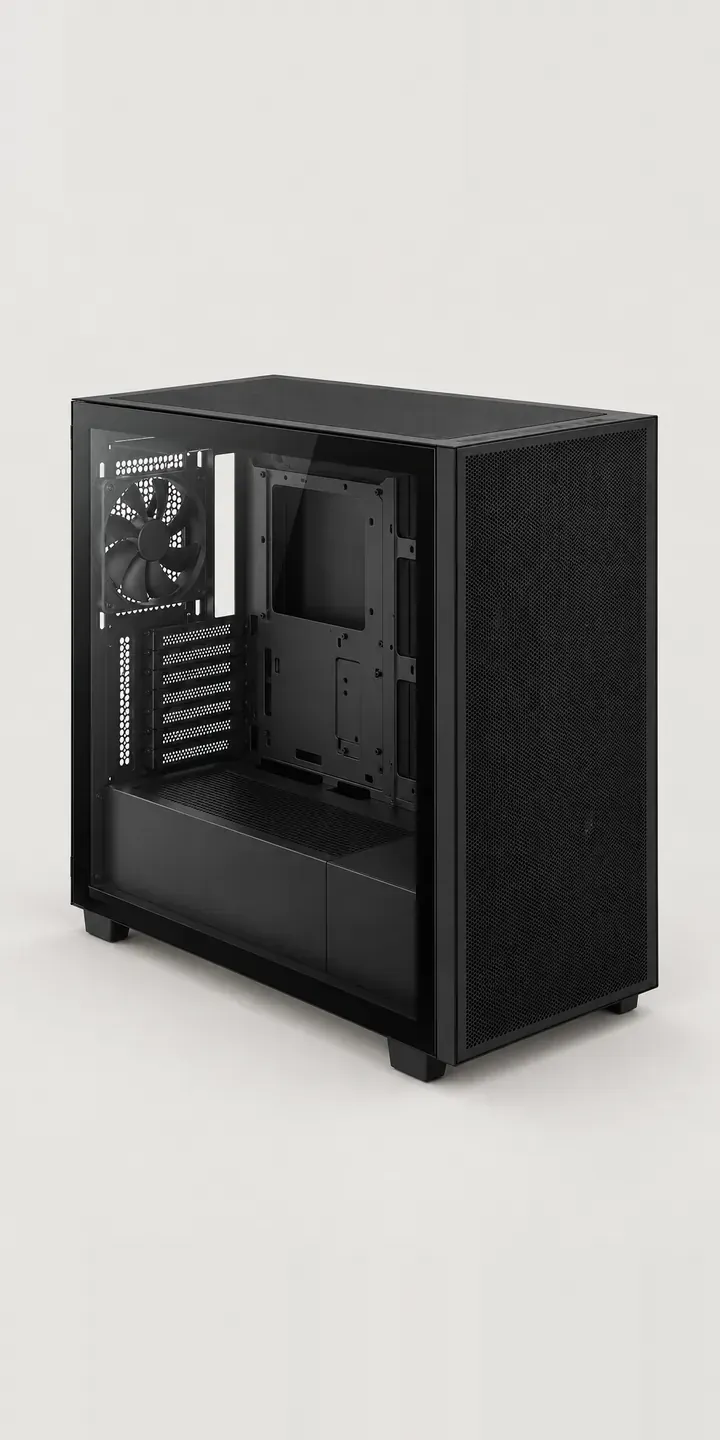
Mesh Airflow Chassis
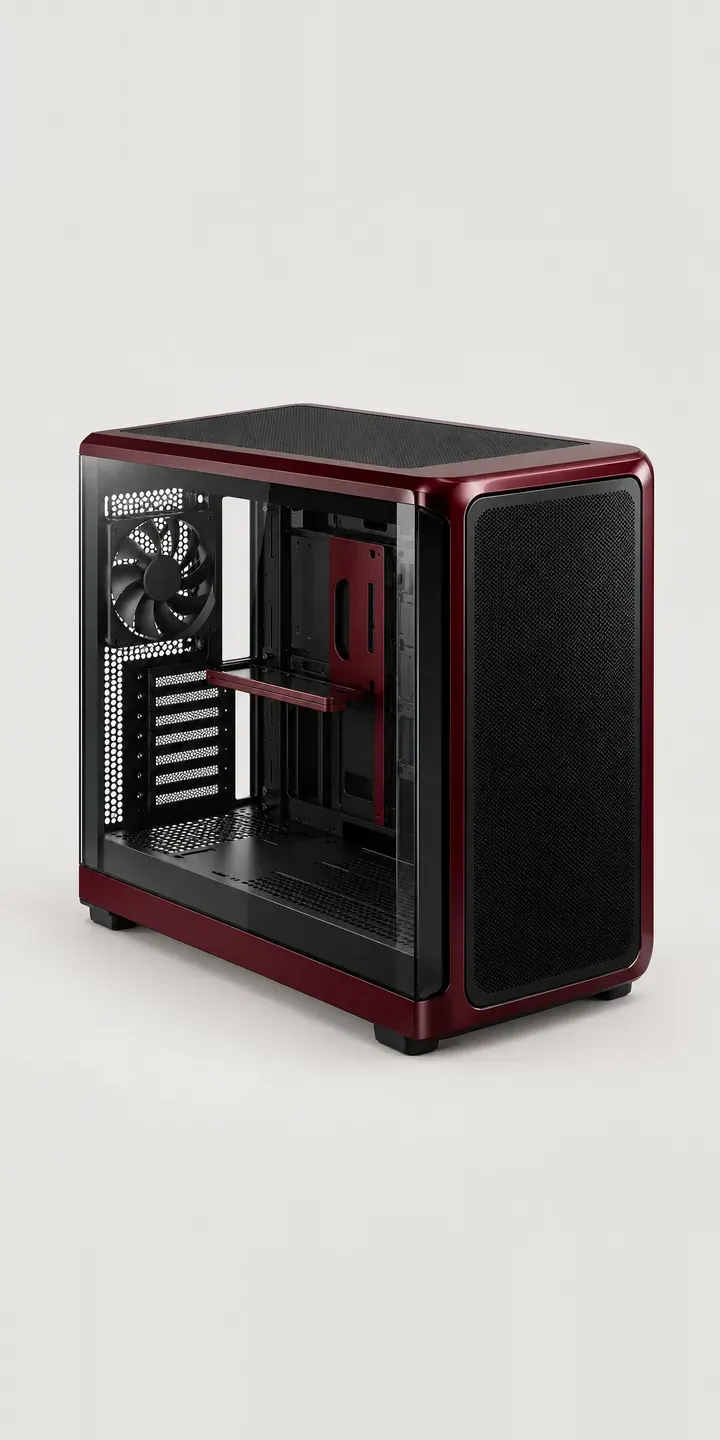
Panoramic Glass Tower

Portable Games PC
All PC and gaming hardware configurator demos
A configurator for your PC cases
This demo uses an illustrative product. If you sell PC cases, I can build the same experience around your own range, photography and ordering process, connected to Shopify, WooCommerce or a quote workflow. I reply to enquiries within two UK working days.