Audio is bought by ear but sold by eye. A listener choosing a reference speaker weighs cabinet finish, grille colour and stand options alongside driver size and crossover design. Headphone buyers compare open-back and planar models on earpad material, cable termination and headband finish. Studio buyers want to know which mounts, cables and accessories ship with a microphone or interface before they commit.
Finish is hard to judge from a product photo. Walnut veneer, satin black and white lacquer look very different in a living room. A single studio shot does not show how a grille changes the face of a cabinet. Pairs and sets add more doubt: a buyer wants to see two speakers on matching stands, or a microphone on the boom arm it will actually use.
Before building, gather finish codes, grille and stand options, and the accessories each model supports. Audio products photograph well on plain backgrounds, so layered images often work, with cabinet, grille and stand as separate layers. Think hard about where orders go. Hi-fi brands often sell through dealers who demonstrate in listening rooms, so the configurator may end at a dealer enquiry rather than a basket. If you sell speakers as matched pairs, the build should price and record them as one. Below, you can try examples spanning speakers, headphones and recording gear.
Audio demos to try
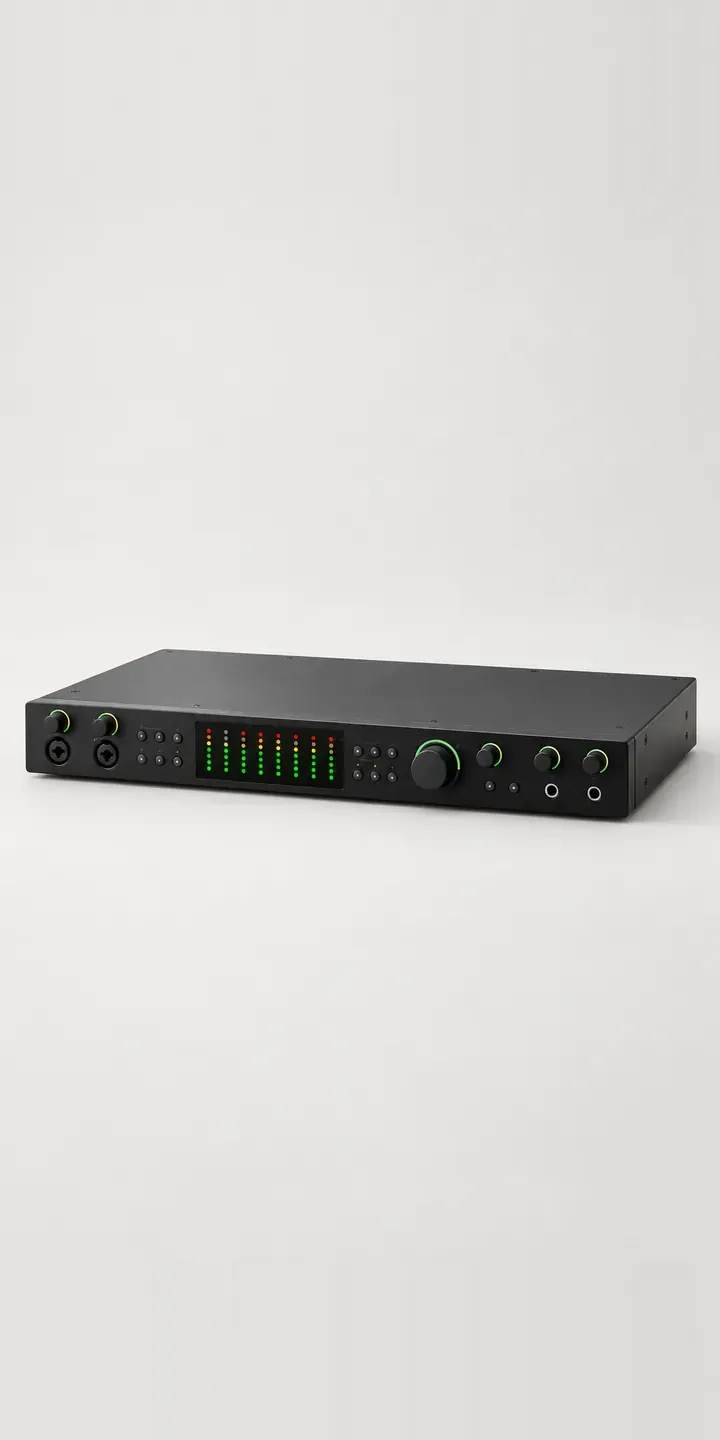
Audio Interface
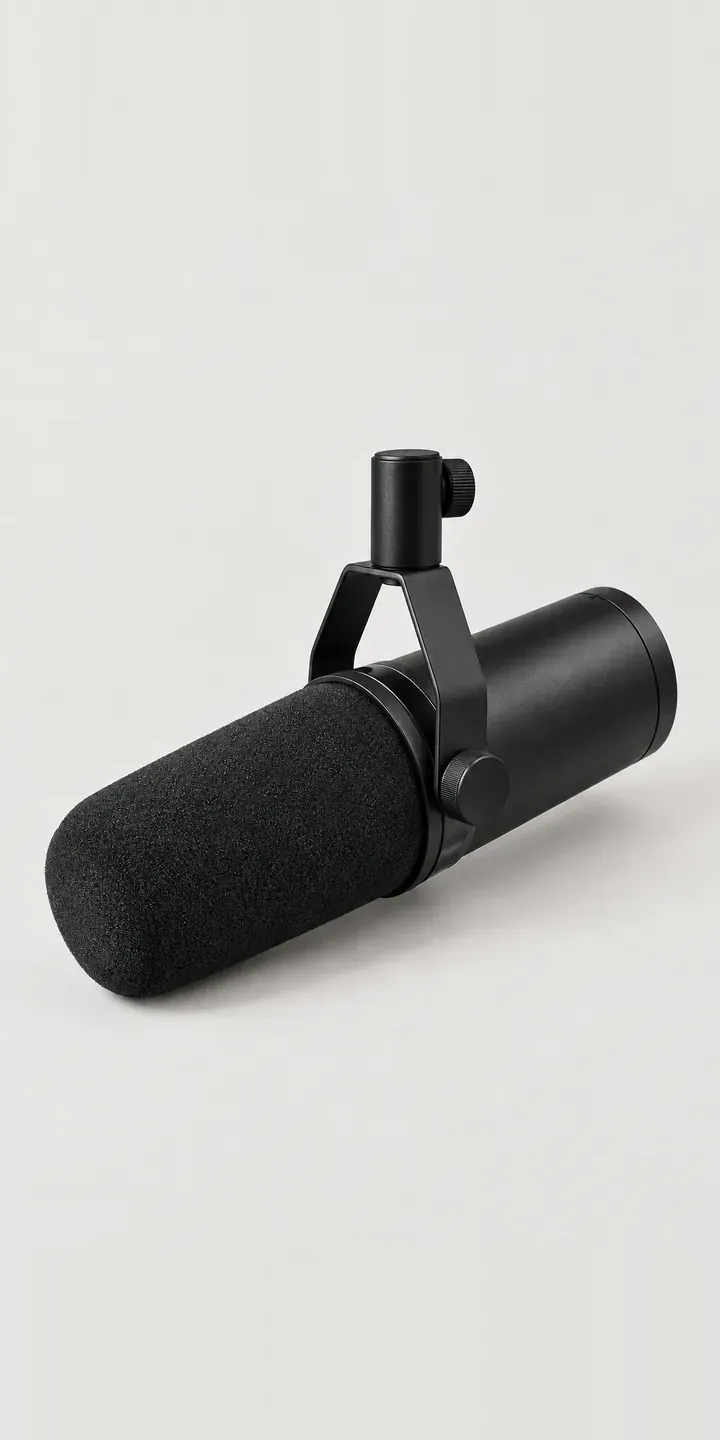
Broadcast Mic
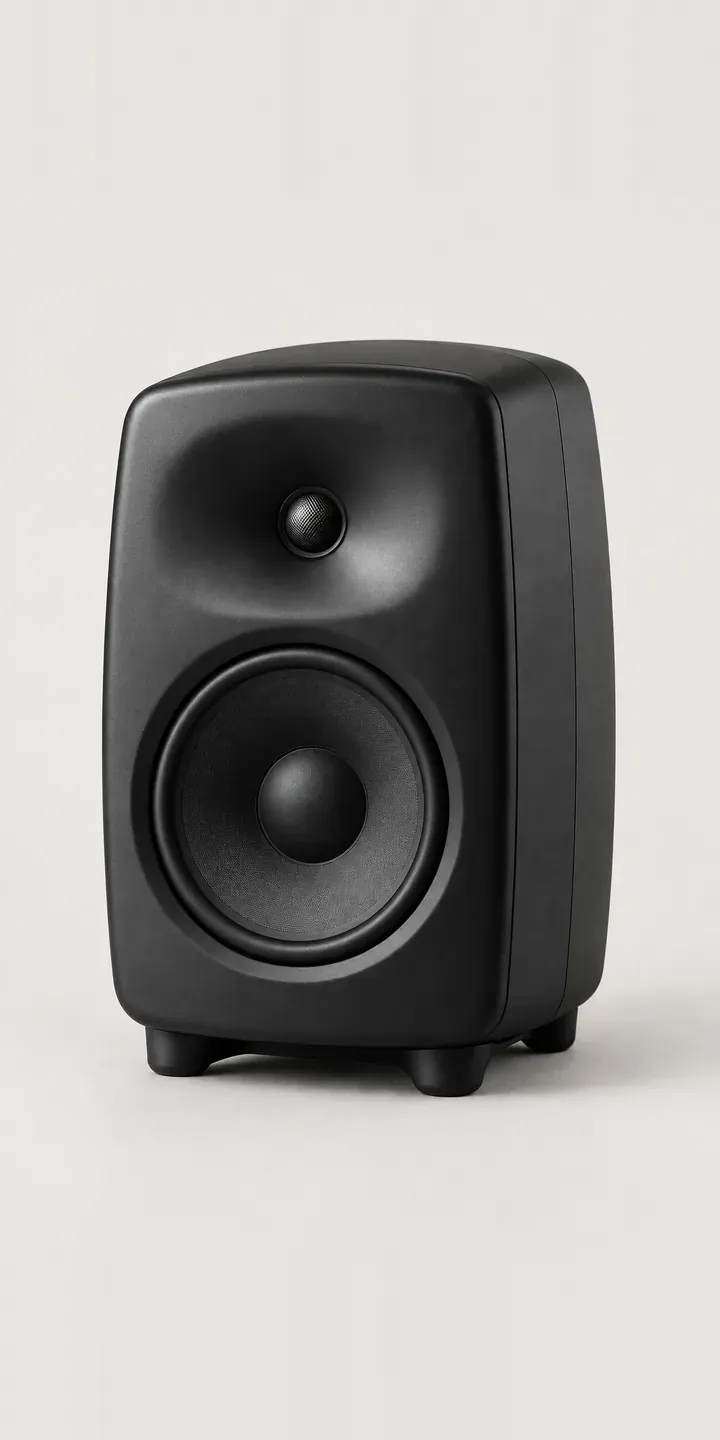
Nearfield Speaker
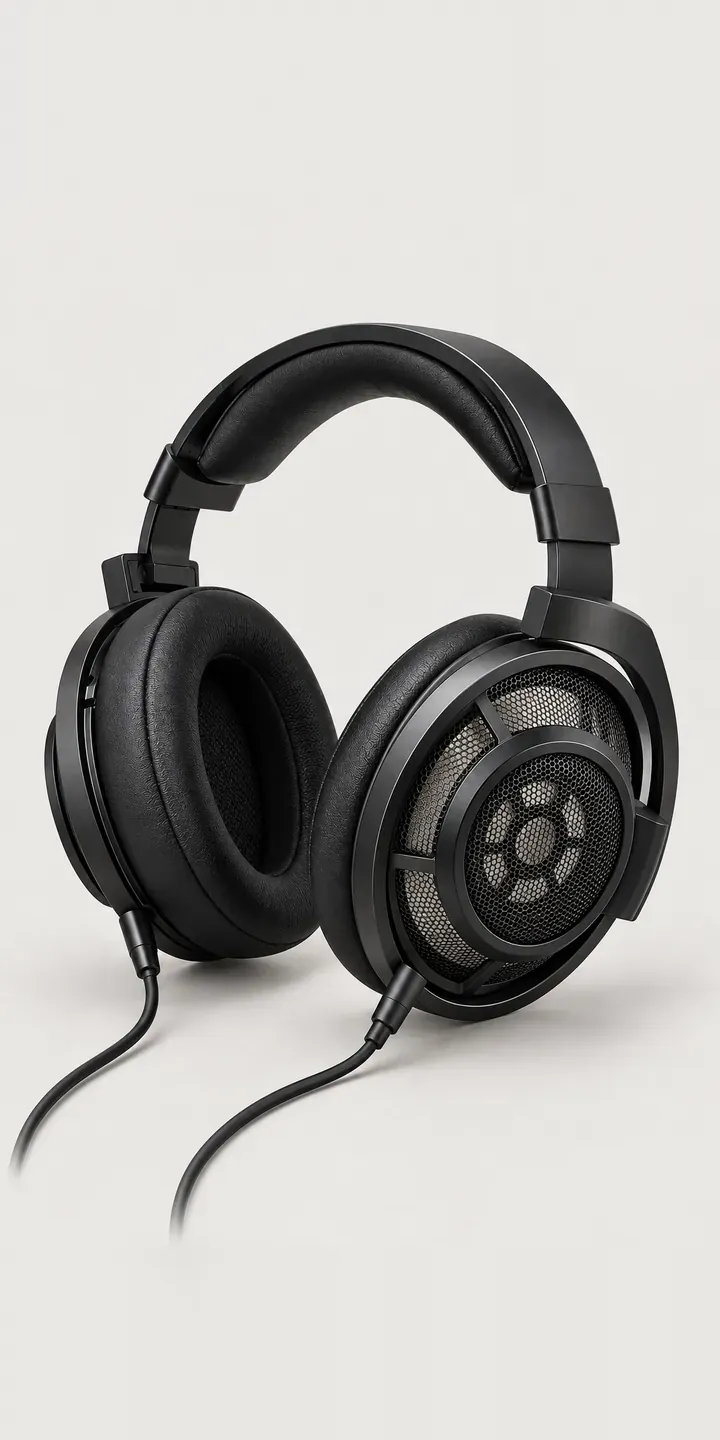
Open-Back Headphones
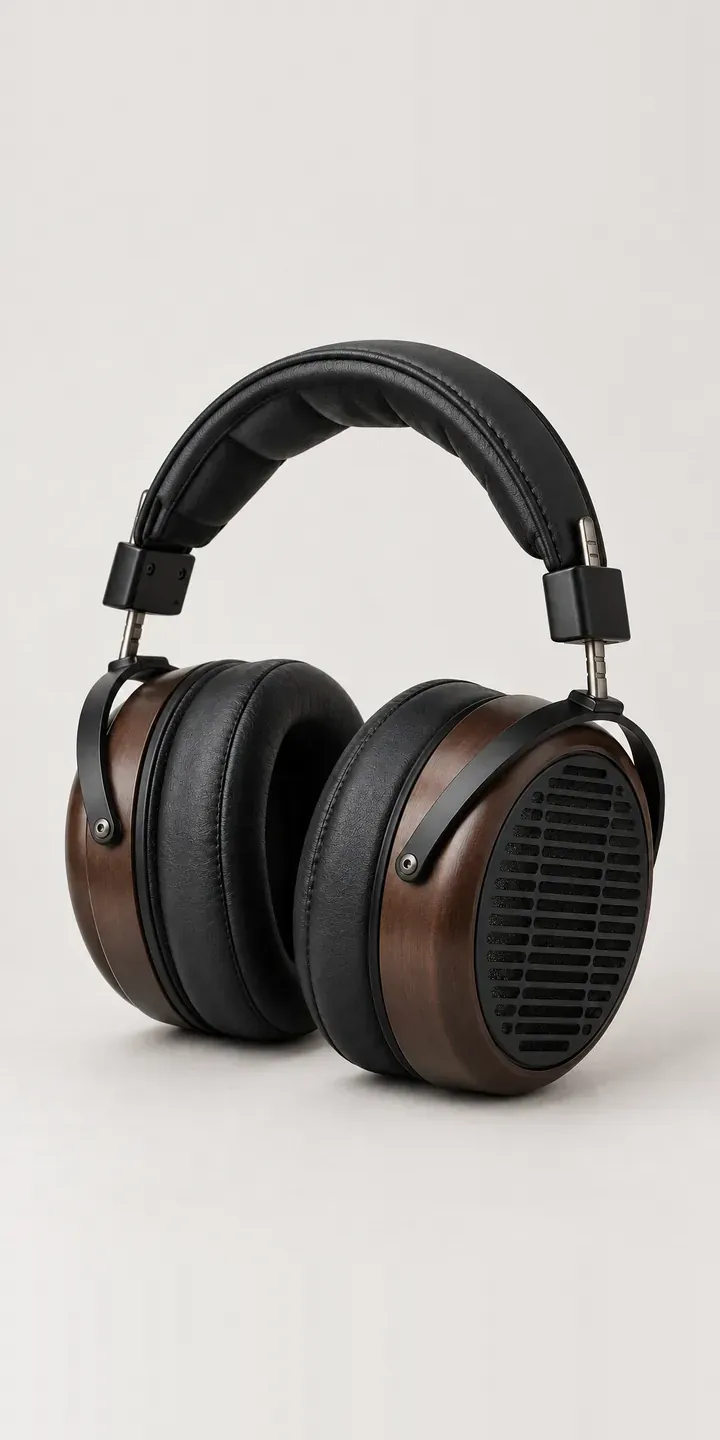
Planar Headphones
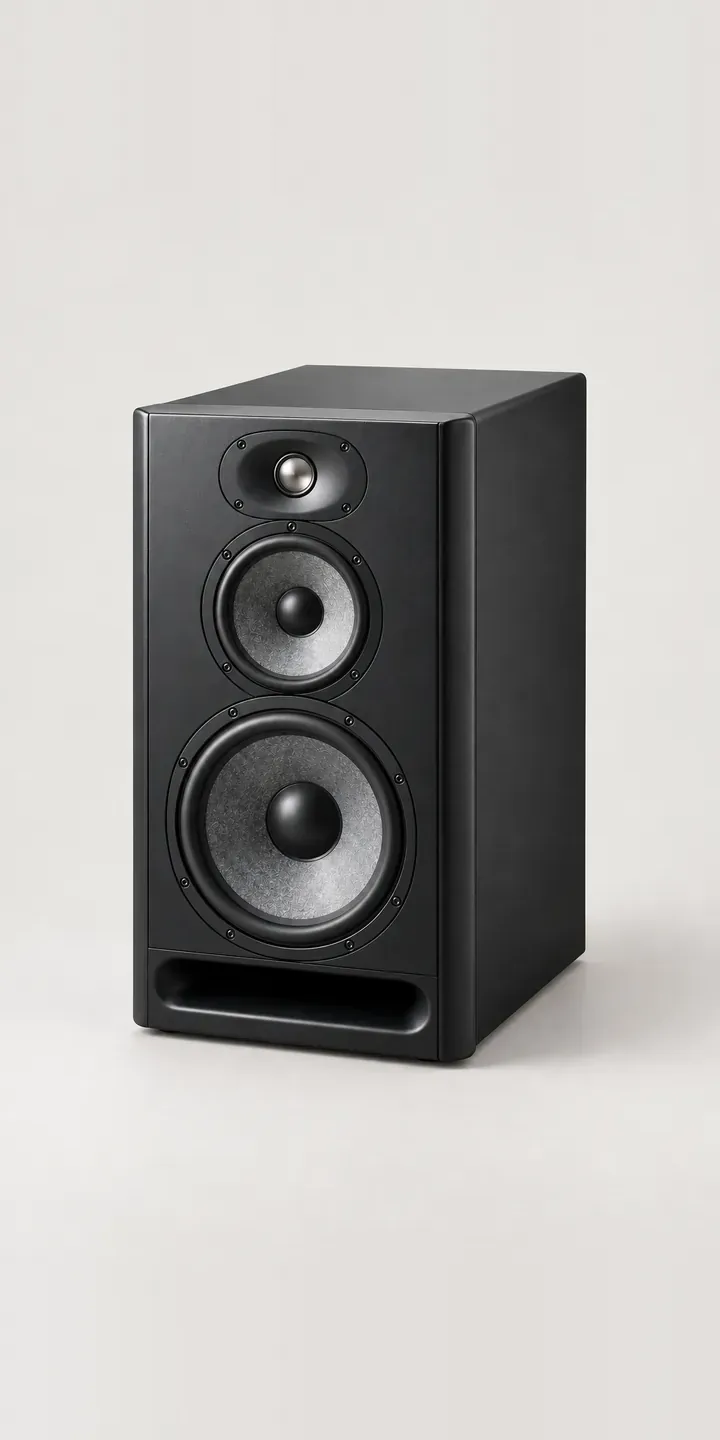
Reference Speaker
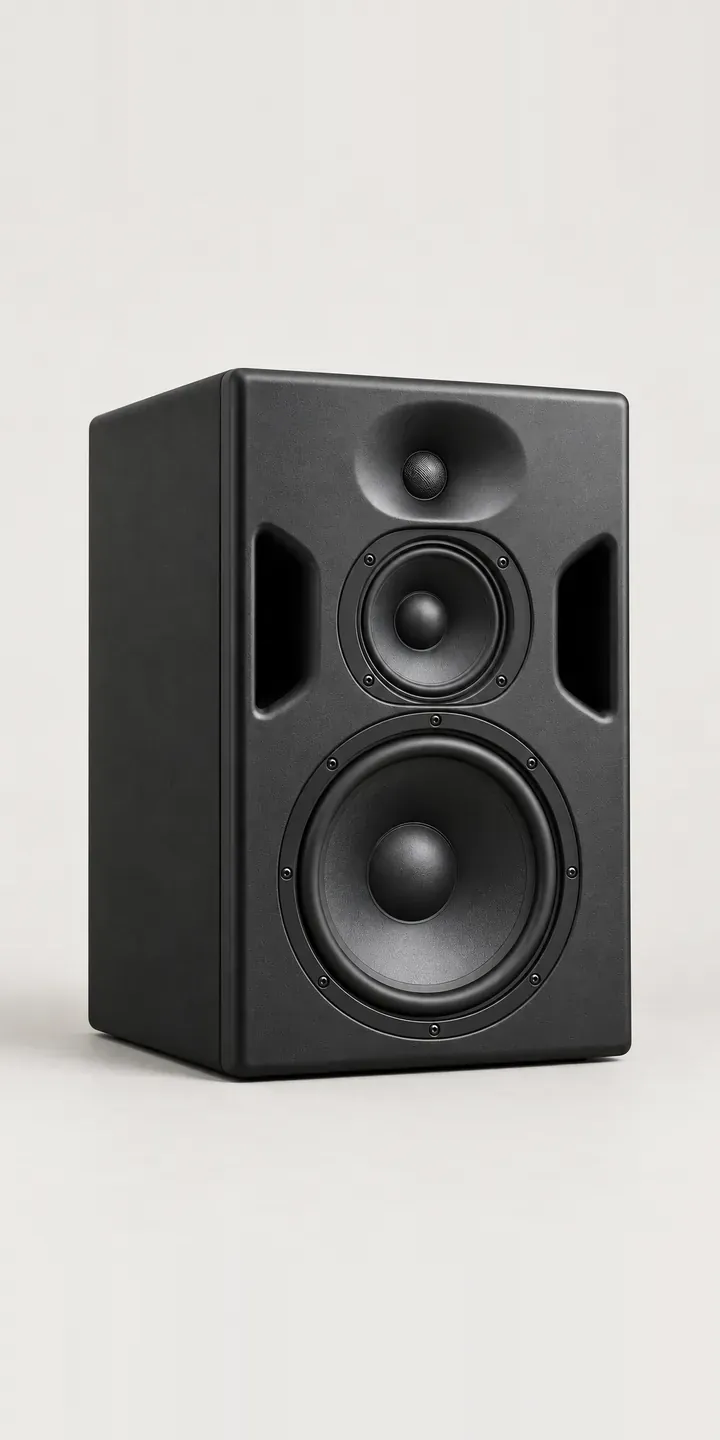
Three-Way Monitor
Questions about audio equipment configurators
Can a speaker configurator show the cabinet with and without its grille?
Yes. The grille is shot or rendered as a separate layer over the cabinet, so the buyer can toggle it and see the drivers. The same approach handles different grille colours. It needs every finish shot from the same position, which is easy to plan into a studio session or a set of renders.
Can buyers configure a matched pair or a full system?
They can. The configurator can treat a pair of speakers, stands and cables as one build, priced and quoted together, while keeping each item as its own line in the order. For headphones, it can bundle earpads, cables and amplifiers. Rules decide which accessories suit which model, so mismatched cables stay out of the basket.
We sell through hi-fi dealers. Does a configurator still make sense?
Often more so. Buyers arrive at a dealer having already chosen a finish and stand, which shortens the demonstration and avoids ordering a veneer the shop does not hold. The build can be sent to the nearest dealer as an enquiry, so the brand keeps its retail partners involved. Saved and shared builds help the listener and the dealer stay on the same page.
Planning an audio equipment configurator?
Tell me about your range, how products are photographed today and where orders need to go. I will suggest the smallest useful first step, whether that is one image-based product or a full 3D catalogue.