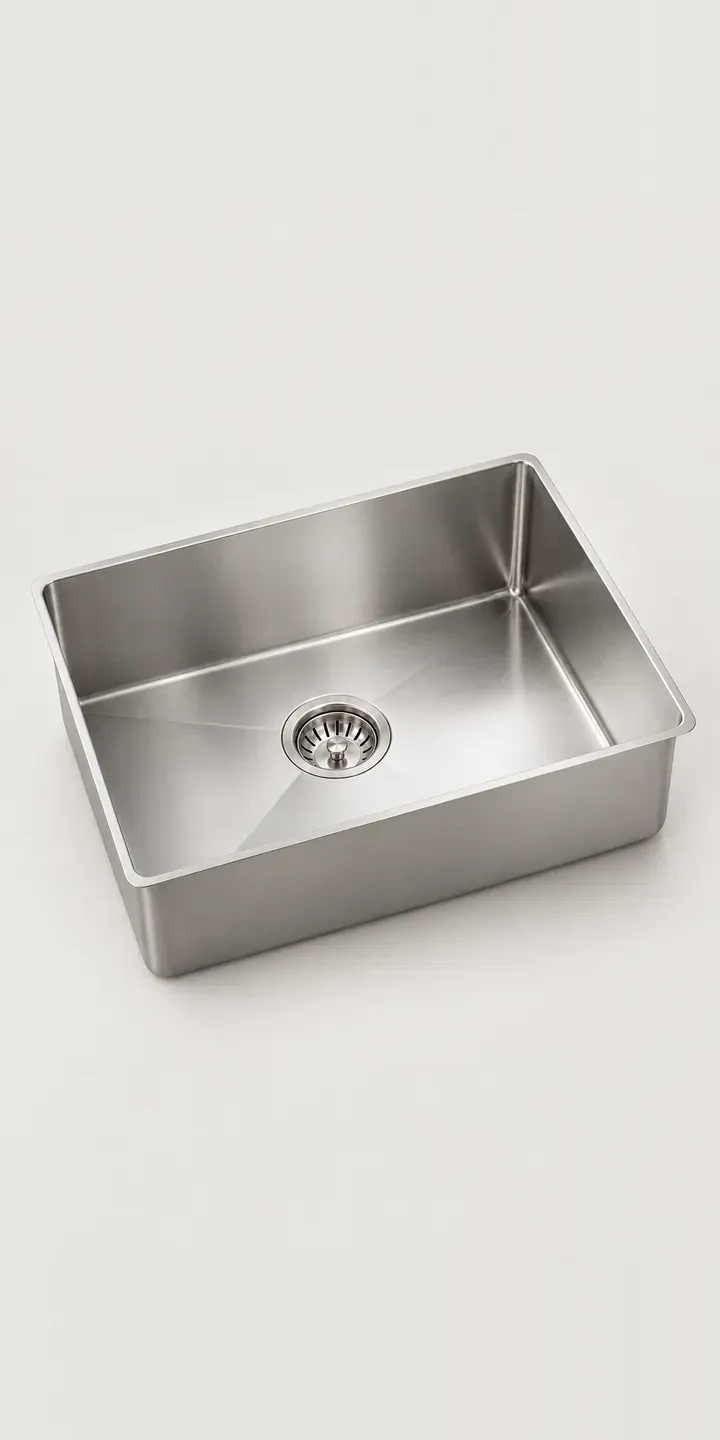
A single deep bowl with smooth, unbroken walls is the defining feature of this illustrative steel sink. Choose the finish and the width, and the summary updates ready for a quote.
People who choose a large, deep single bowl usually cook a lot. They want to lay a baking tray flat, soak a stockpot or wash a roasting tin without splashing the worktop, and a divided sink gets in the way of all three. The questions they ask are about usable bowl size, corner radius, how loud the steel sounds under running water and how the finish will cope with heavy pans.
Kitchen Configurator demo
Deep Steel Sink
- Product
- Deep Steel Sink
- Colour
- Satin Steel
- Width
- 685 mm
Illustrative product. The design and images are generated examples, not a real model for sale.
What you can configure
Satin steel, gunmetal, brushed gold and matte black appear in the demo; copper and bronze complete the six. Widths of 685 mm and 760 mm can be selected and recorded, though one image covers both widths for now. For a single bowl, width is not only about the cabinet: it decides whether a full oven tray lies flat on the bottom or has to be washed at an angle.
- Colour: Satin Steel, Gunmetal, Brushed Gold, Matte Black
- Width: 685 mm, 760 mm
Why a configurator suits sinks
Serious cooks compare sinks the way they compare pans. They look at steel thickness, sound-deadening pads, corner radius and drain position, and they are suspicious of vague marketing. A configurator gives each of those details a fixed place beside the options, so a buyer can compare widths and finishes without opening three PDF datasheets.
The width choice ties to the base unit. A 760 mm sink may need a larger cabinet than a 685 mm one, and the difference matters when the layout is already fixed around a dishwasher and a bin pull-out. Showing the minimum cabinet width beside each option, with internal bowl dimensions, saves a planner from checking it manually.
With two widths in each of six finishes, the range holds 12 sinks. Dark and metallic finishes look dramatic in a restaurant-style kitchen, but they show water marks and scratches differently from satin steel. A configurator can show each finish honestly, with a close-up and a care note, so buyers choose with fewer surprises after installation.
How a production version would be built
For a deep single bowl, the useful views are a three-quarter angle showing depth and a top-down view with internal dimensions. I would render both for each finish and width from the manufacturer's CAD model, giving 24 images that align perfectly. A tray or pan at true scale inside the bowl explains size quickly. The manufacturer supplies codes, internal and external dimensions, minimum cabinet widths, cut-out templates and installation type. Configured sinks can go into a kitchen planner, a quote, or a WooCommerce store with stock checked per variant.
Build sheet for this range
- Colours in the full range: 6 (4 shown in this demo)
- Width choices: 2
- Combinations to support: 6 × 2 = 12
- Images for one photograph per combination at 3 angles: 36
- Images if widths can be shown as separate layers, at 3 angles: 24
- Data each of the 12 combinations needs: a SKU or variant ID, price, stock or lead time, and any dimensions or specification that change
Questions about sink configurators
Can we show whether a baking tray fits flat in each sink width?
Yes. A top-down view with a standard oven tray or roasting tin at true scale makes it obvious. Internal dimensions sit beside it for anyone who wants to measure their own trays. For buyers choosing a deep single bowl, this is often the deciding detail, so it deserves its own view.
How do we present corner radius and sound deadening without a wall of specifications?
Keep the key details as short lines under the image, with a link to the full specification. Corner radius is best shown in a close-up of the basin corner. Sound deadening is easier to explain in a sentence than a diagram. Buyers who care will look for it, and others can skip past.
Can the configurator tell a planner which cabinet each width needs?
Yes. Each width can carry its minimum base unit size and cut-out dimensions, with a simple plan view. Planners then check the fit against the layout before ordering. If the sink can be installed in more than one way, such as undermount or inset, the configurator can ask which and switch the template.
Can bowl accessories like grids and colanders be added?
They can, as optional extras after the sink. Bottom grids, chopping boards and colanders are made for specific bowl sizes, so the configurator should only offer those that fit the chosen width. Each needs an image, a code and its compatible sinks. Shown in position, they also help explain how deep the bowl is.
More kitchen configurator demos
Dial Smoothie Maker
Digital Multicooker
Fireclay Apron Sink
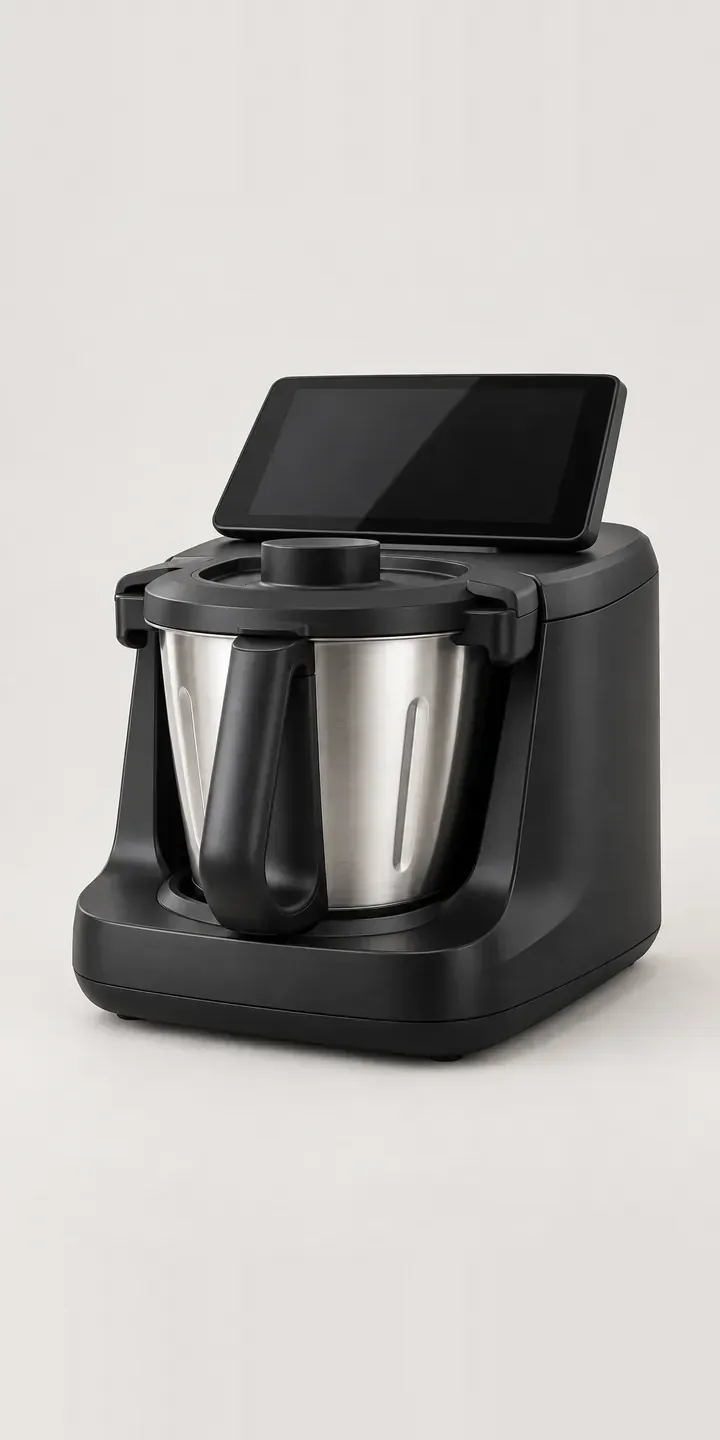
Heated Food Processor
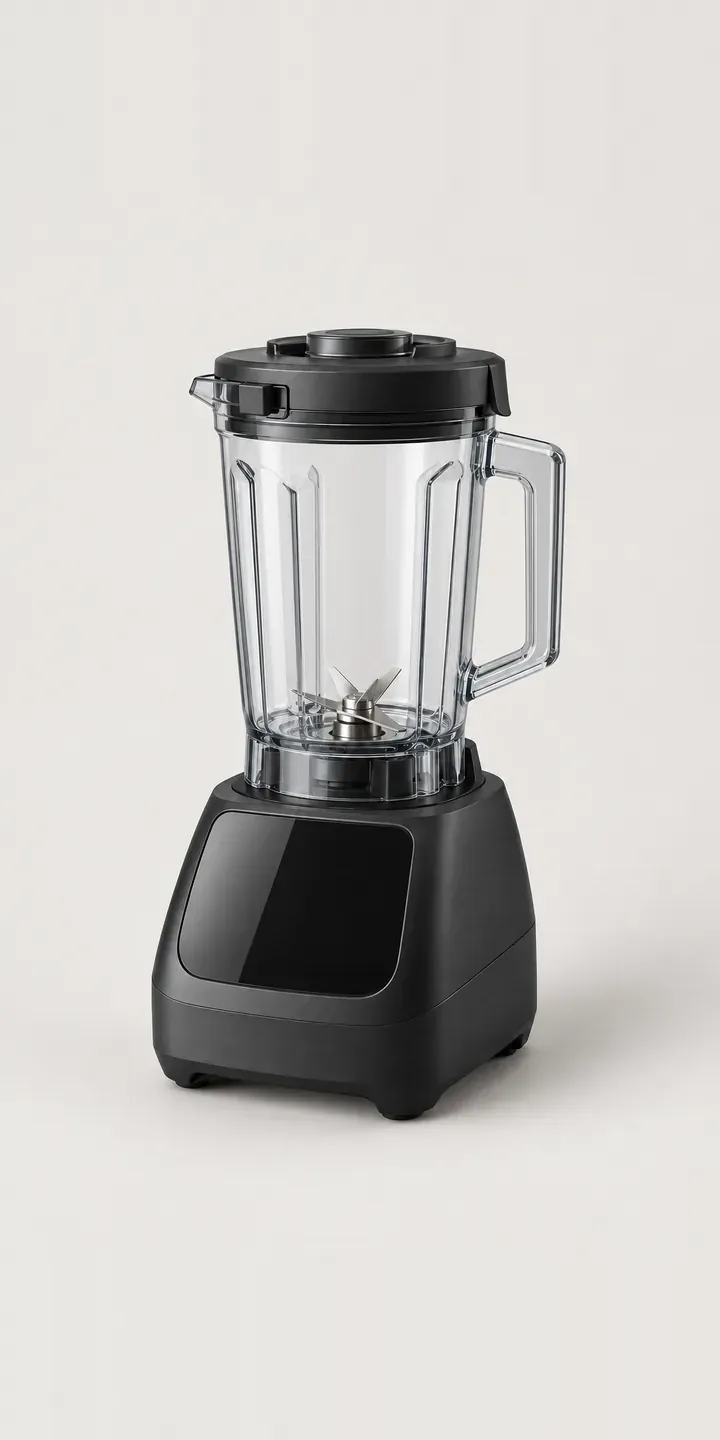
High-Power Liquidiser
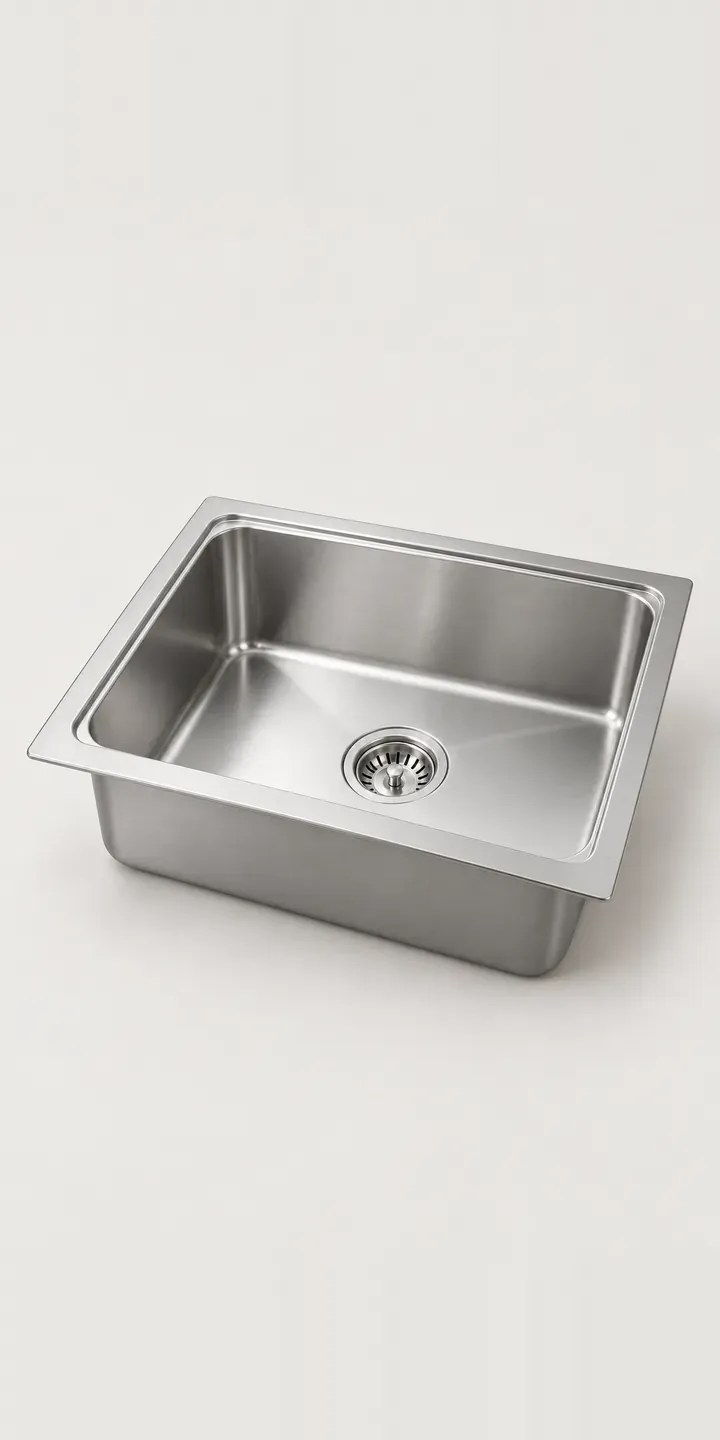
Inset Steel Sink
All kitchen product configurator demos
A configurator for your sinks
This demo uses an illustrative product. If you sell sinks, I can build the same experience around your own range, photography and ordering process, connected to Shopify, WooCommerce or a quote workflow. I reply to enquiries within two UK working days.