A home office setup has to suit the body as well as the room. A standing desk is chosen on top size and material, frame colour, motor count, height range and cable management. Fixed desks turn on top thickness, edge profile and leg style. Task chairs come down to seat depth, lumbar support, armrest adjustment, castors and the fabric or mesh on the back, and taller or shorter users need ranges that suit them.
Compatibility trips buyers up. Someone wants a walnut top at a specific width on a black frame. The site lists frames and tops separately and leaves them to check that the fixings line up. Businesses equipping remote staff have another problem: they need the same desk and chair specified for many people, with delivery to many addresses. An online basket was never designed for that.
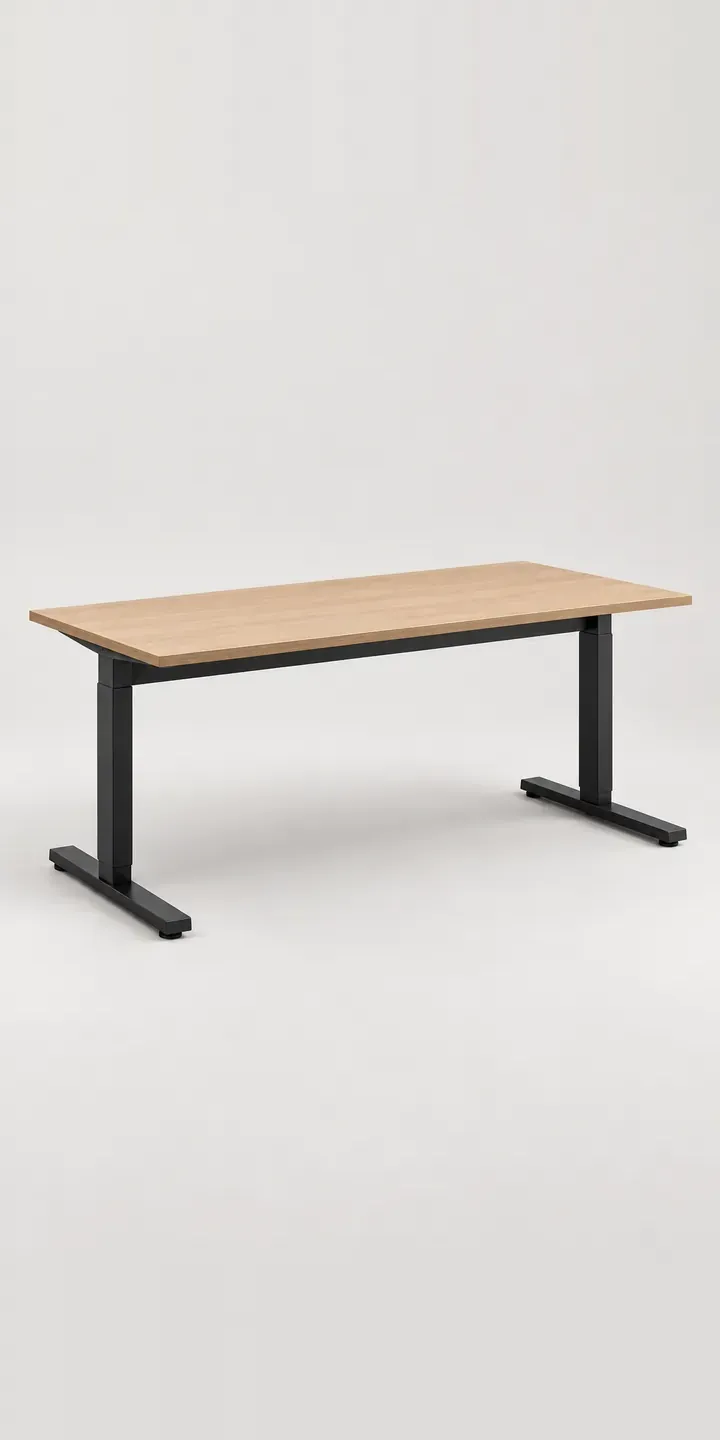
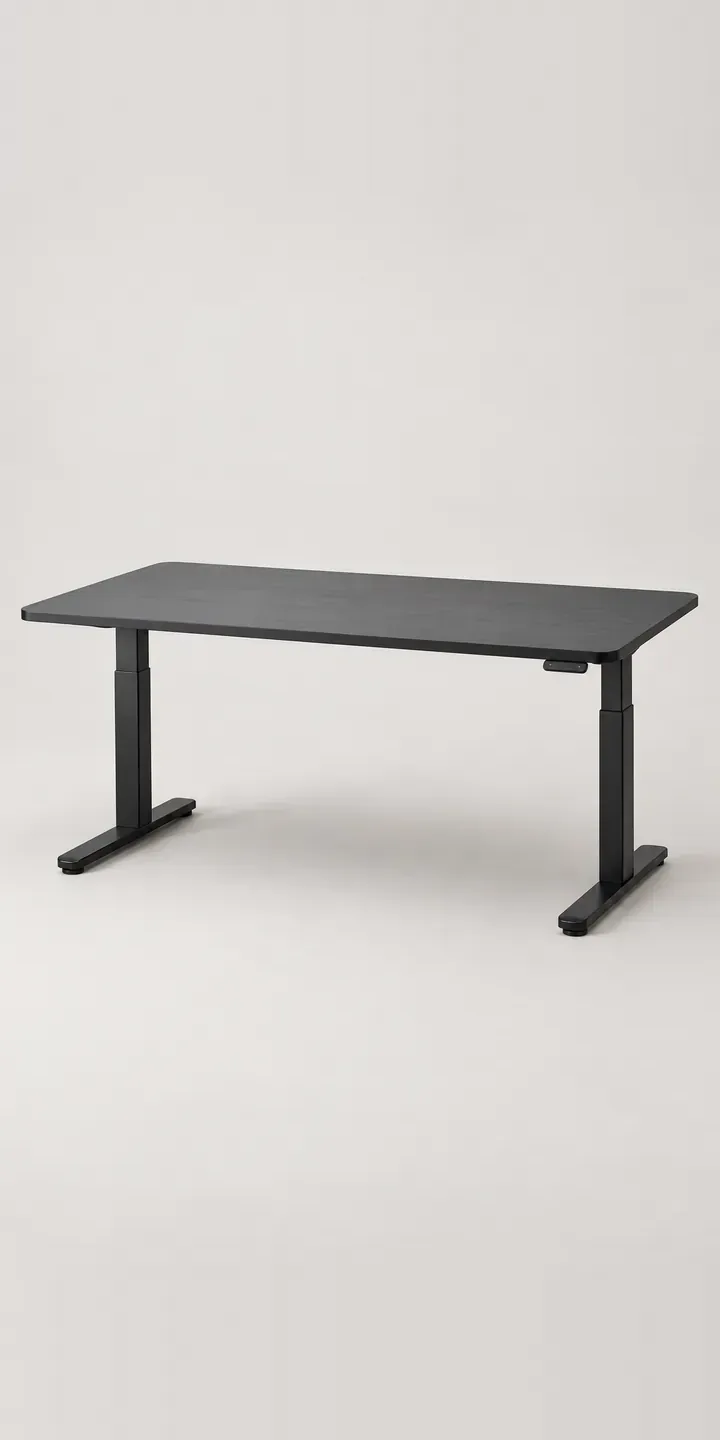
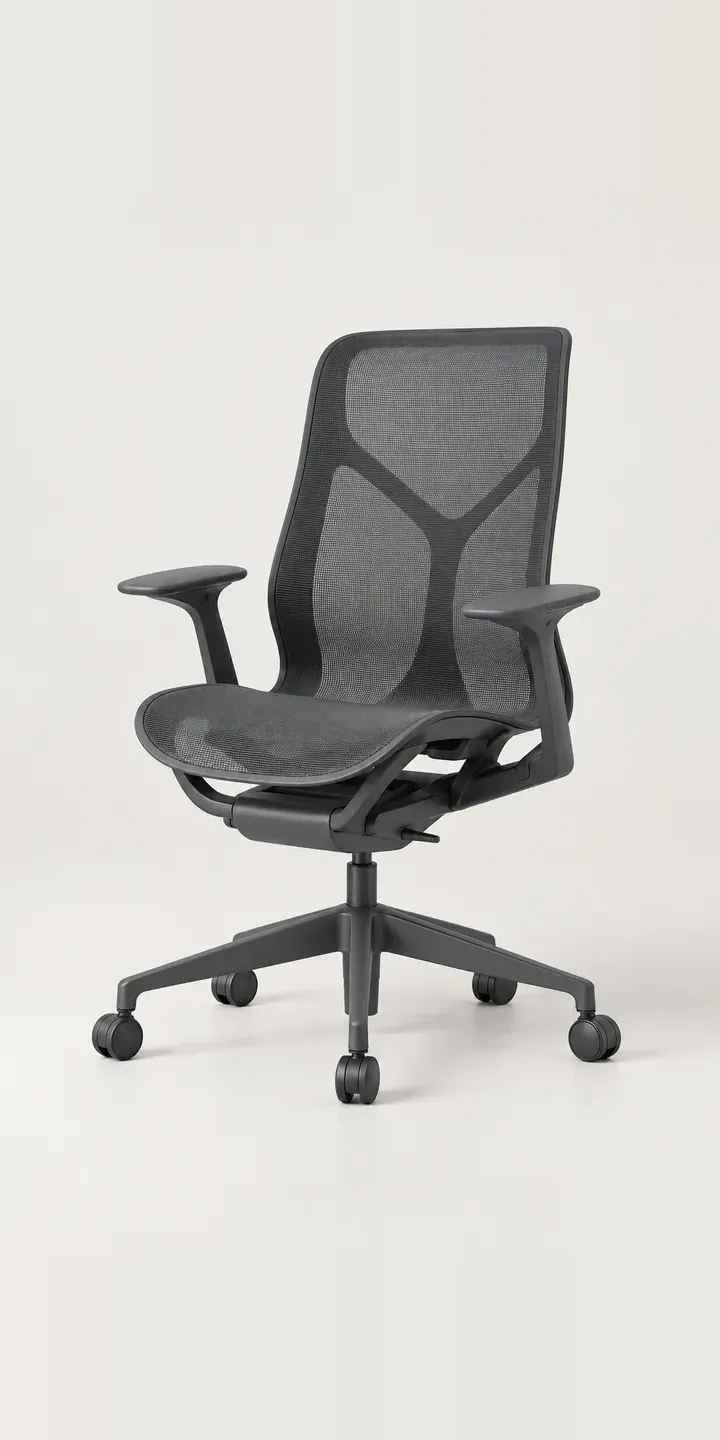
Desk projects begin with frame and top pairings, height ranges, accessories such as monitor arms or cable trays, and which tops fit which frames. Imagery can be layered, with top and frame as separate images. Chairs suit an image per fabric, with mechanism details in the spec. For businesses, a quote route with quantities matters. The top-and-frame logic mirrors my table configurator guide, and chair ranges are covered in the seating configurator demo. The demos below show example desks and a task chair.
Home office demos to try
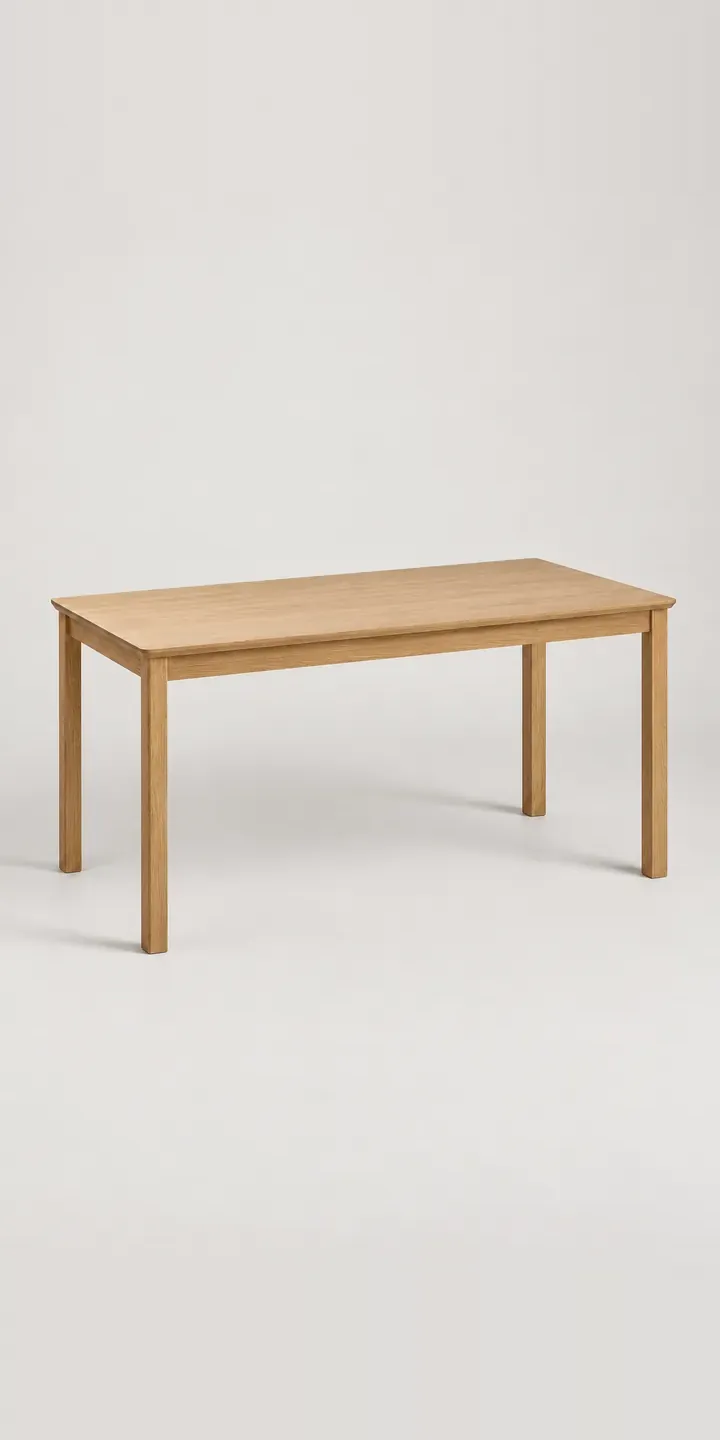
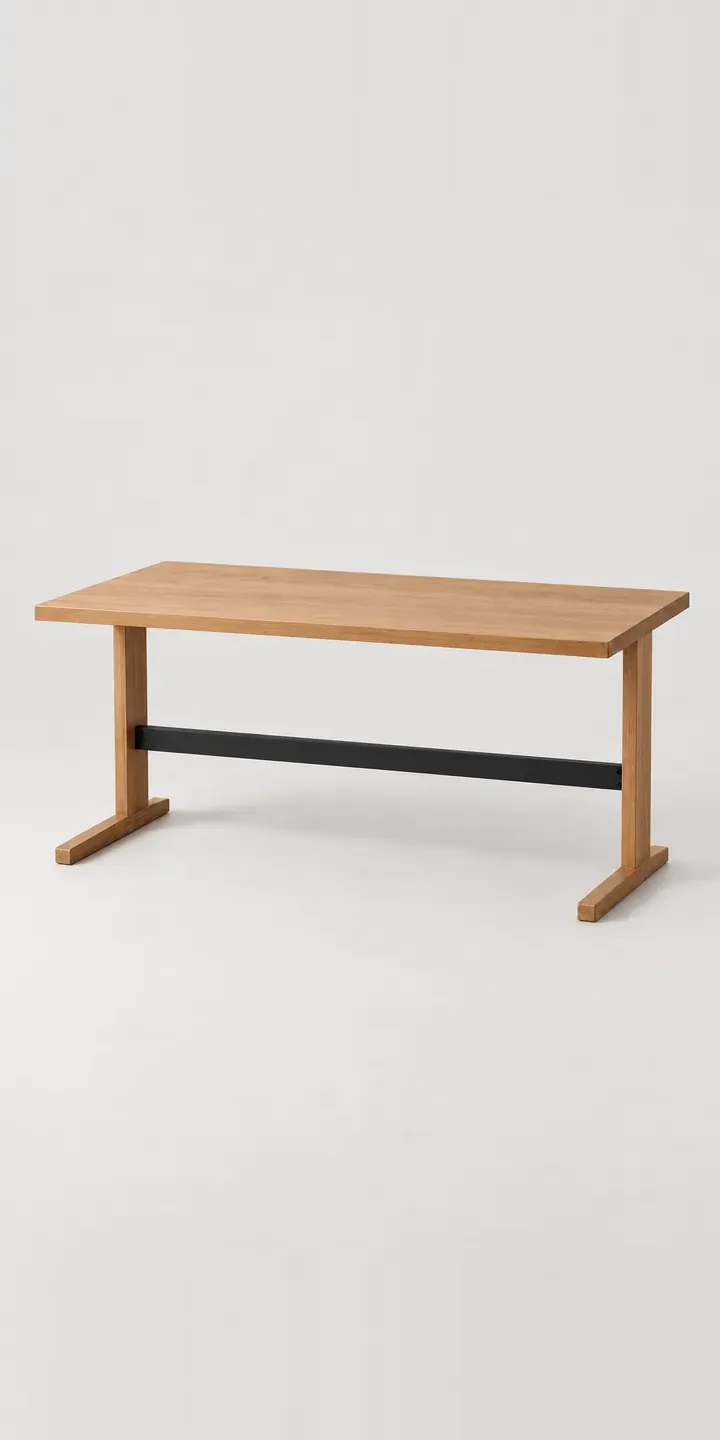
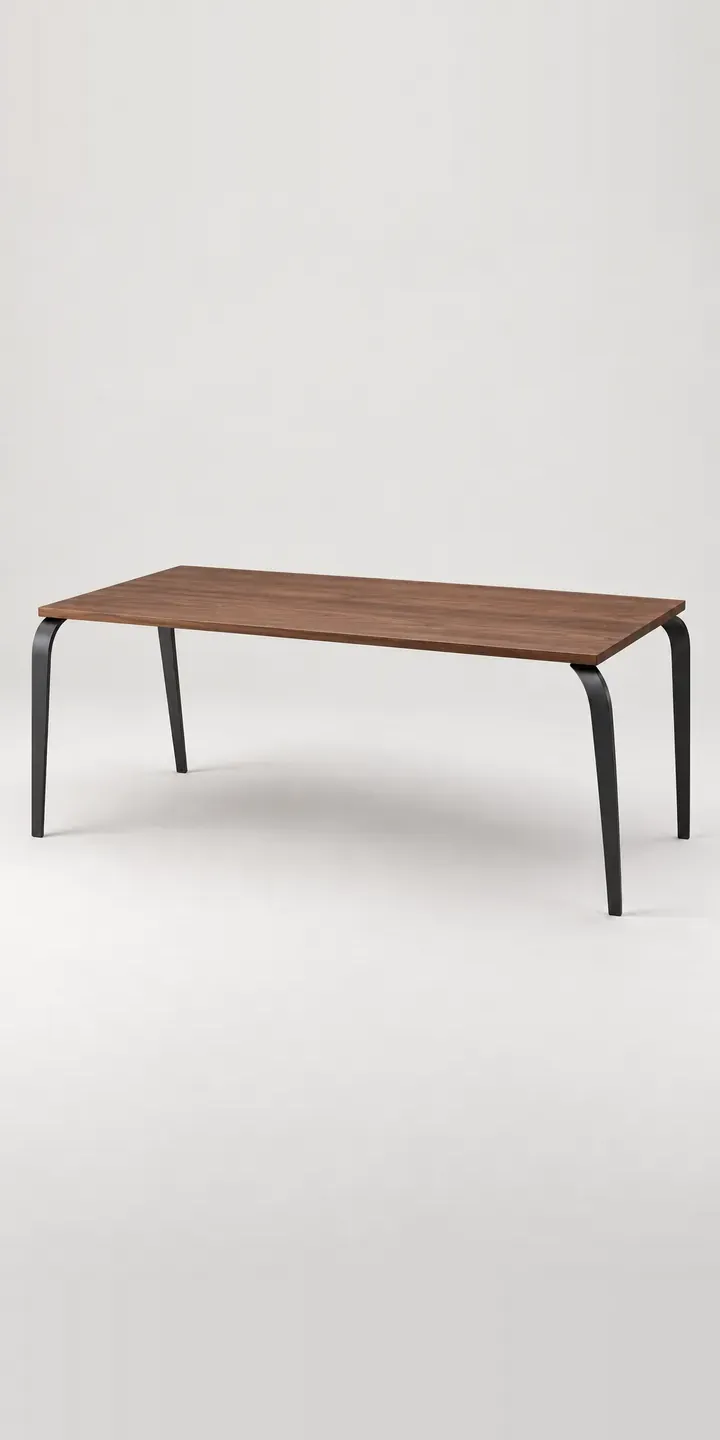
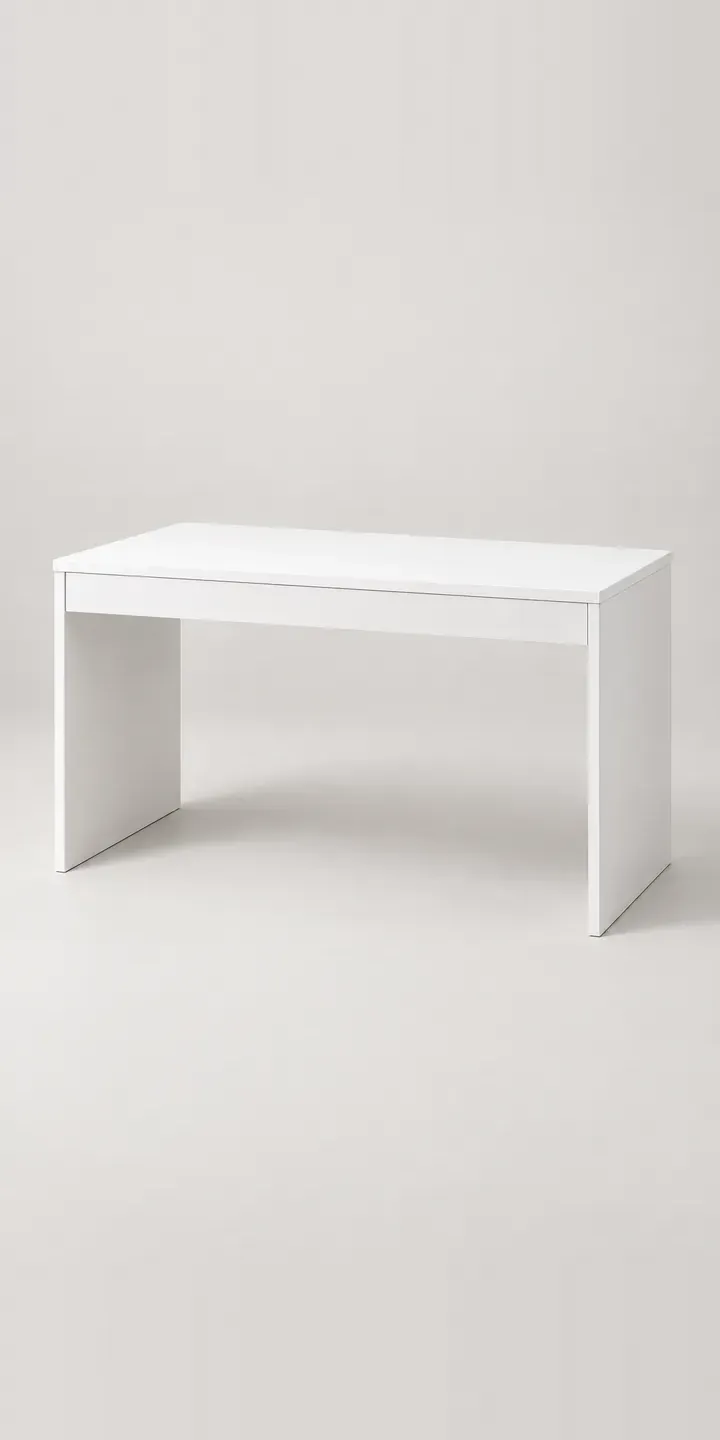
Questions about home office configurators
Can a configurator match desk tops to the right frames?
Yes. Each top lists the frames and widths it fits, so the buyer only sees combinations that will bolt together. The price updates as they choose. When a new top or frame arrives, it is added to the compatibility table rather than a set of new product pages, which keeps the range easy to maintain.
Can companies order the same desk setup for remote staff?
They can configure a standard setup once, then request a quote for a quantity with delivery to several addresses. Every employee then gets the same desk and chair, because the full spec travels with the order. A saved configuration also makes later top-ups easier when new staff join.
How should a task chair configurator handle ergonomics?
By being clear about what each option does. Lumbar support, seat depth adjustment and armrest types each get a plain explanation beside the choice. Fabric and frame colour can update the image, while mechanisms sit in the spec. It helps to show which options suit taller or shorter users, based on your own fitting advice.
Planning a home office configurator?
Tell me about your range, how products are photographed today and where orders need to go. I will suggest the smallest useful first step, whether that is one image-based product or a full 3D catalogue.