Set up an illustrative pair of planar magnetic headphones here. Choose one of four cup finishes, pick leatherette or suede ear pads, and the specification is captured for a quote.
Planar headphones are bought by people who listen critically, often for hours: mastering engineers, editors and serious home listeners. Planar designs tend to be heavier than dynamic ones, so comfort over a long session is a real concern. That puts the ear pads at the centre of the decision. They affect the fit, the heat build-up and, in this category, the sound itself.
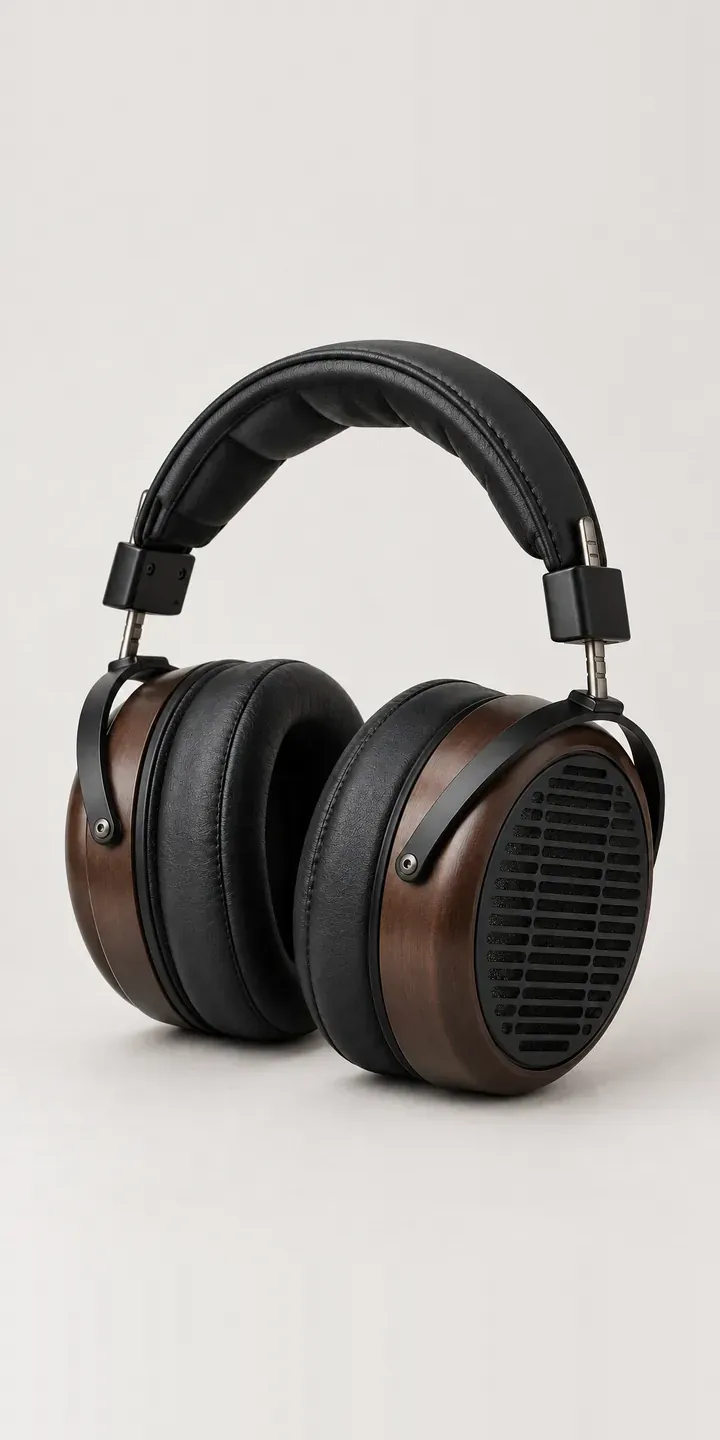
Audio Configurator demo
Planar Headphones
- Product
- Planar Headphones
- Colour
- Dark Brown
- Pads
- Leatherette
Illustrative product. The design and images are generated examples, not a real model for sale.
What you can configure
The demo offers dark brown, matte black, light wood and gunmetal cups, four of the six finishes. The pad choice is leatherette or suede. Leatherette seals more firmly against the head, which tends to give fuller bass. Suede breathes better on long sessions and usually sounds a little more open. Pads appear in the summary here, and a production build would show them on the image.
- Colour: Dark Brown, Matte Black, Light Wood, Gunmetal
- Pads: Leatherette, Suede
Why a configurator suits headphones
Pads are the one part of a headphone that buyers can see, feel and hear. That makes them a strong configuration option. When pads are sold only as an aftermarket accessory, buyers spend money on a second set to find out what the first would have been like. Offering the choice at purchase, with a clear explanation, gets them the right pair first time.
Six cup finishes and two pad materials give twelve builds. The finishes span wood, metal and paint, which behave very differently on camera: light wood shows grain, gunmetal catches every highlight, matte black loses its edges. Each needs careful lighting, and the pads need to be shot in the same light so the composite looks like one object.
Professional buyers often order several pairs for a facility, and they want them identical. A configured specification with a code for finish and pads means a post-production house can reorder the same build a year later. Pads also wear out, so a record of which material each pair uses makes replacement a quick reorder rather than a guess.
How a production version would be built
Pads suit layered compositing. The headphones are shot or rendered once per cup finish, then each pad material is shot once from the same angle and laid over the cup. Six base images plus two pad layers cover all twelve builds, and a third pad material later is a single extra layer. The perforated grille and sliding adjustment arm stay in the base image. Data from the brand covers finish and pad codes, pad compatibility with earlier models, and any finishes made in limited batches. Pad reorders can link back to the original configuration.
Build sheet for this range
- Colours in the full range: 6 (4 shown in this demo)
- Pads choices: 2
- Combinations to support: 6 × 2 = 12
- Images for one photograph per combination at 3 angles: 36
- Images if pads can be shown as separate layers, at 3 angles: 24
- Data each of the 12 combinations needs: a SKU or variant ID, price, stock or lead time, and any dimensions or specification that change
Questions about headphone configurators
Should the configurator explain how pad material changes the sound?
Yes, briefly and without overclaiming. A sentence on how each pad affects seal, comfort and tonal balance helps buyers choose. Your own measurements or listening notes are better than generic claims. Buyers in this category read closely and notice vague copy, so precise wording matters more than length.
Can buyers reorder replacement pads that match their original build?
Yes. When a configuration is ordered, its pad material and cup finish are stored with the customer account or order number. A replacement page can then show exactly the pads that fit, in the matching material. Professional customers with several pairs can reorder by order reference.
Can the configurator show the headphones being worn, for scale?
Yes, as a secondary view. The main image stays on a clean background so finishes compare fairly. A worn view, with the face out of frame, shows cup size and how the headband sits. For heavier planar designs, that is reassuring, because it shows the fit rather than describing it.
Which platforms can a headphone configurator run on?
Most often Shopify or WooCommerce, where each build maps to a variant and stock works as normal. It can also run on a custom site with orders sent by email or into a CRM. I integrate configurators with Shopify, WooCommerce, quote requests and CRM or ERP systems.
More audio equipment configurator demos
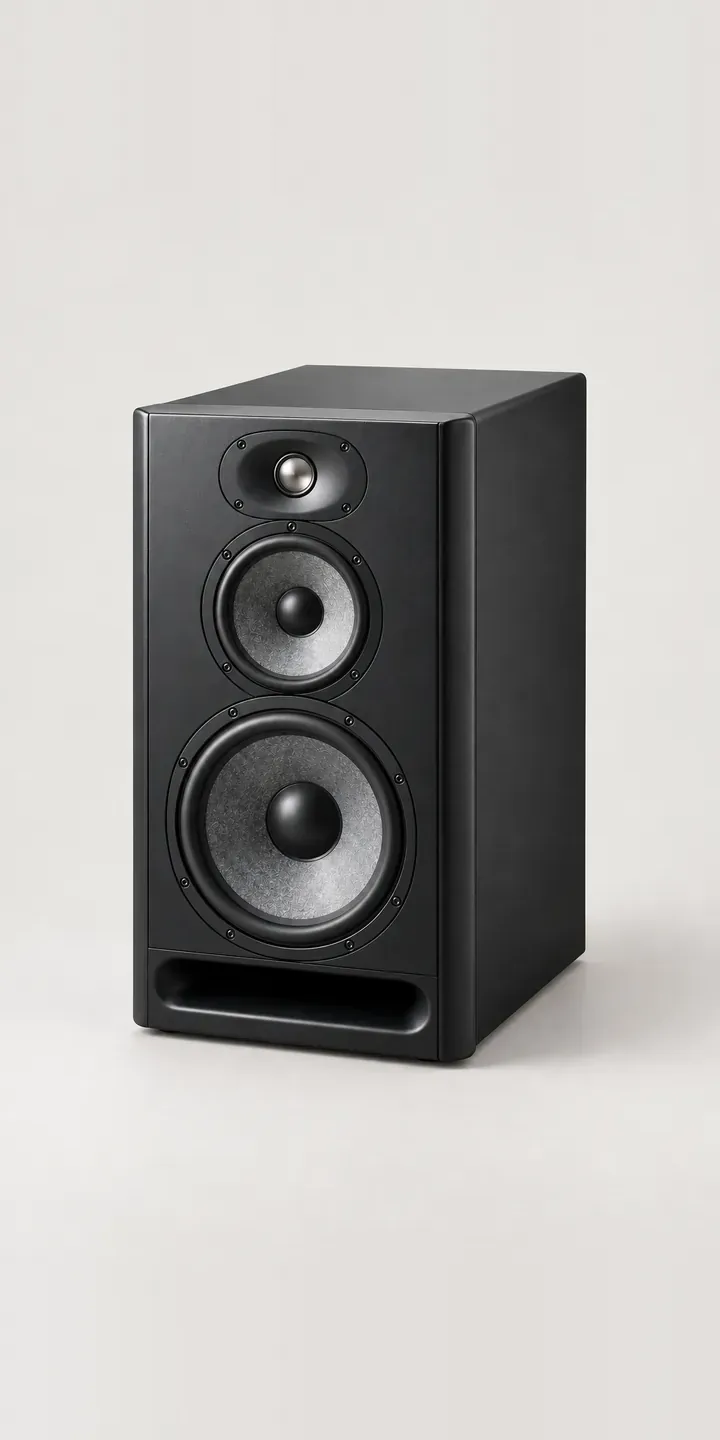
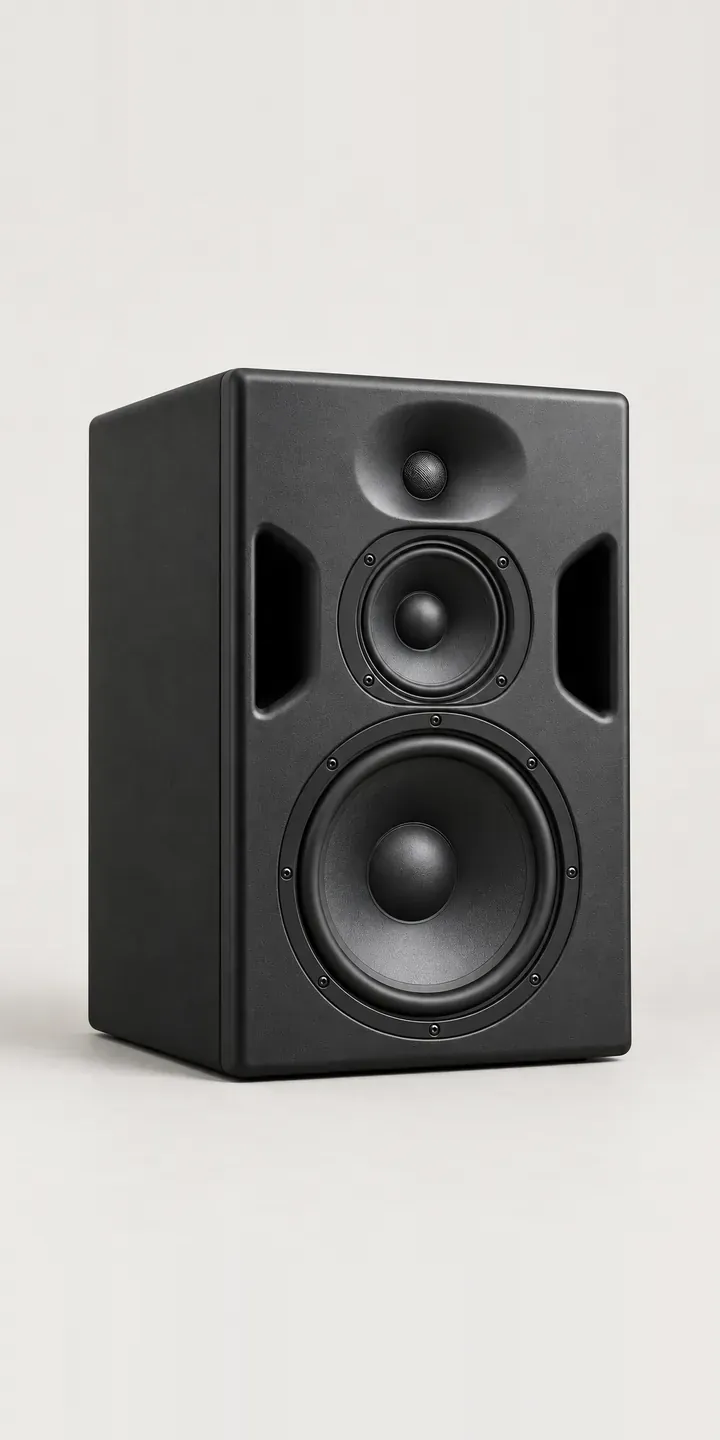
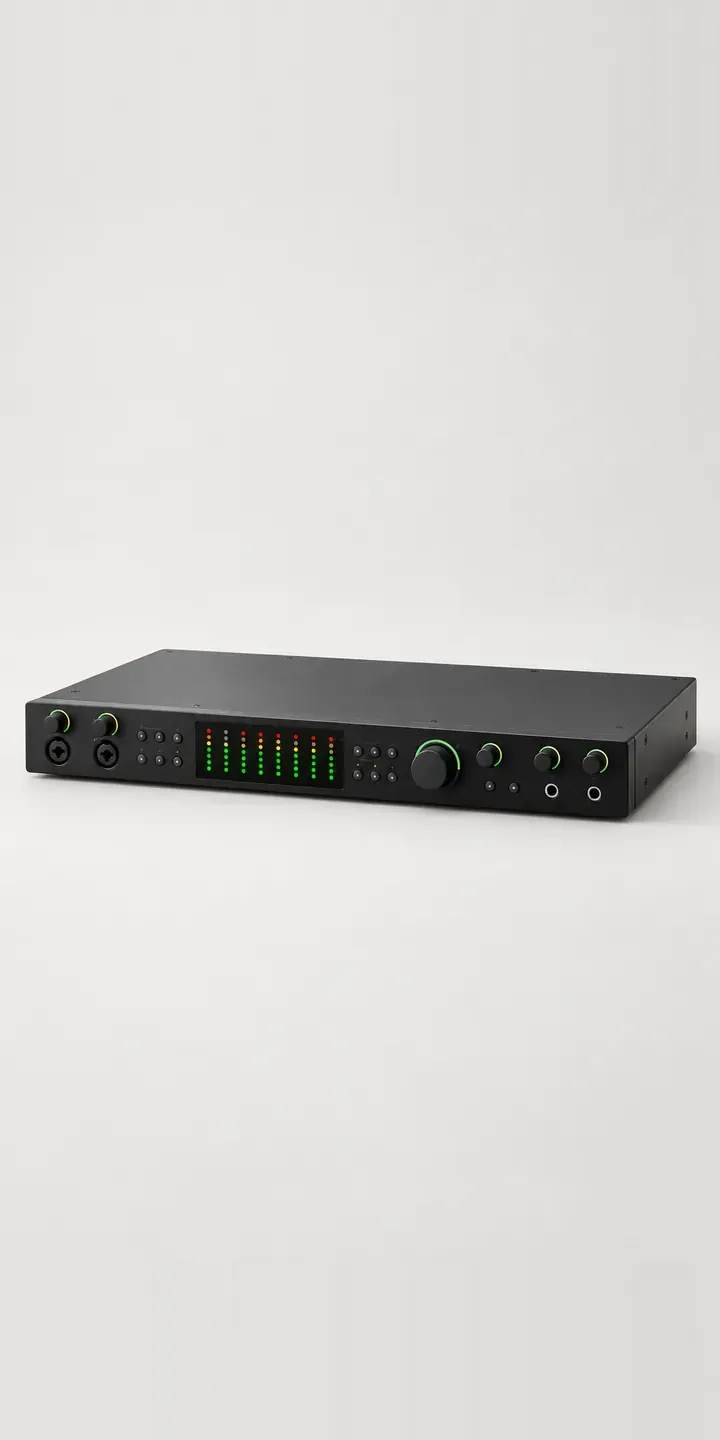
All audio equipment configurator demos
A configurator for your headphones
This demo uses an illustrative product. If you sell headphones, I can build the same experience around your own range, photography and ordering process, connected to Shopify, WooCommerce or a quote workflow. I reply to enquiries within two UK working days.