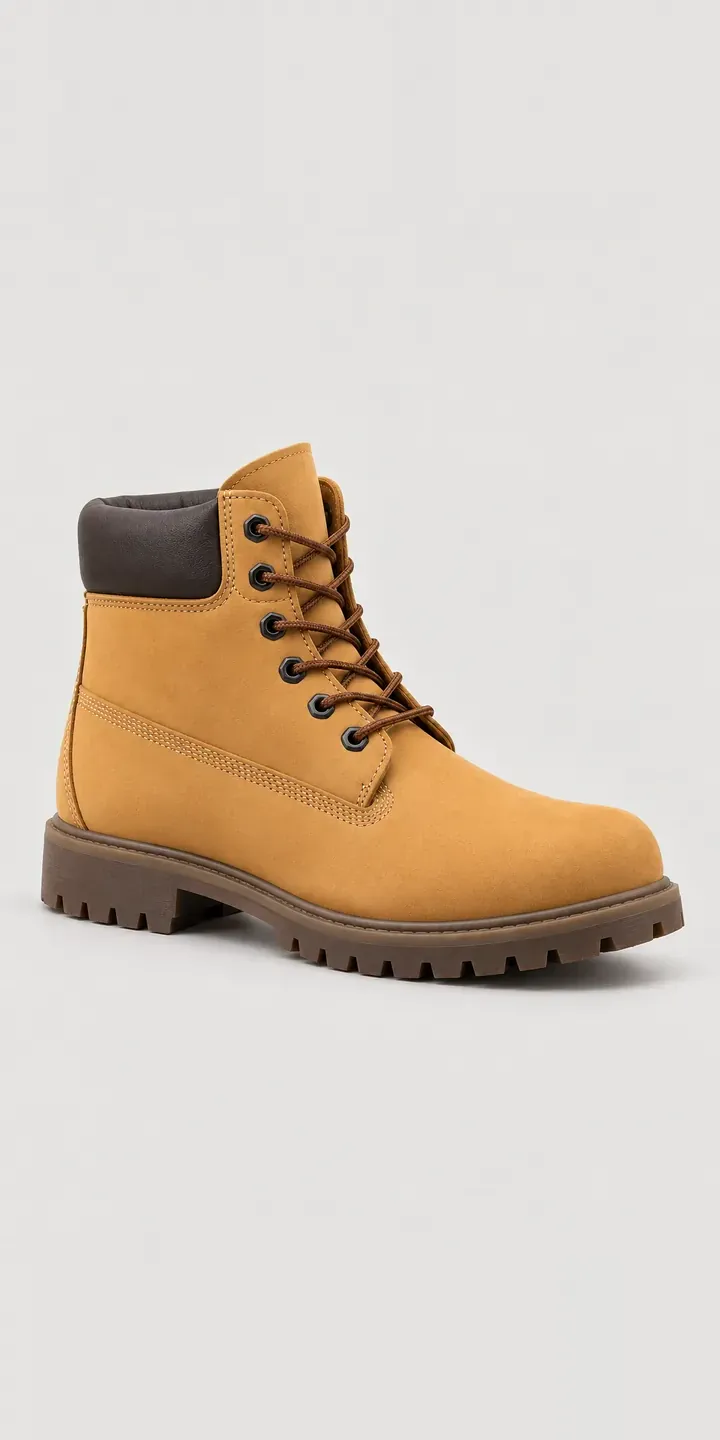
Built as a working configurator, this illustrative work boot is insulated, waterproof and cut in nubuck. Pick one of four colours and a UK size, and the build is ready to send as a quote.
Two different buyers land on a page like this. One needs a boot for frosty yards and early starts, and cares about warmth, grip and how the leather handles mud. The other wants the same boot for city winters and is mostly choosing between honey and olive. A good product page serves both without turning into a spec sheet or a lookbook.
Footwear Configurator demo
Nubuck Work Boot
- Product
- Nubuck Work Boot
- Colour
- Honey
- Size
- UK 6
Illustrative product. The design and images are generated examples, not a real model for sale.
What you can configure
Honey, black, dark brown and olive are live, out of six nubuck colours. All four images show the metal lace hooks and the thick lugged sole with its welt edge. Buyers look at both to judge how rugged a boot is. Size travels with the summary while the image holds steady. Nubuck also shows scuffs and water marks differently by colour, which is worth explaining near the swatches.
- Colour: Honey, Black, Dark Brown, Olive
- Size: UK 6, UK 8, UK 10
Why a configurator suits boots
Work boots are often bought in multiples. A site manager, farm or estate may order the same boot for a team, in one colour but across many sizes. A configurator can accept a size breakdown in one request. The order then arrives as a list of pairs, not a string of separate checkouts or a phone call.
Retail customers bring a different problem. Honey nubuck photographs beautifully when new, but buyers want to know whether it will darken, mark or need proofing. Showing each colour under the same light, with care notes beside the swatch, sets honest expectations. That matters for a boot that may be worn for several winters and is judged on how it ages.
Workwear suppliers also need clean data. If a boot is sold through distributors, structured orders with SKU, colour and size per line can go straight into an ERP. That avoids rekeying, which is where wrong sizes usually creep in. It also means a reorder can repeat last season's exact size split.
How a production version would be built
An image-based build works here. Each colour is photographed from the side and three-quarter angle, with a sole shot to show the lug pattern. Sizes map to stock without extra imagery. For trade buyers, I would add a size-run grid where quantities are entered per size, feeding a quote request or an account order. The inputs are colour names, size runs, stock levels and any trade pricing rules. Retail orders can still go through the Shopify basket, while trade orders route to the CRM or ERP.
Build sheet for this range
- Colours in the full range: 6 (4 shown in this demo)
- Size choices: 3
- Combinations to support: 6 × 3 = 18
- Images for one photograph per combination at 3 angles: 54
- Images if sizes can be shown as separate layers, at 3 angles: 27
- Data each of the 18 combinations needs: a SKU or variant ID, price, stock or lead time, and any dimensions or specification that change
Questions about boot configurators
Can a team order different sizes of the same boot in one go?
A size-run grid handles exactly that. The buyer chooses one colour and enter quantities against each size. The order arrives as a single request with every line itemised. For account customers it can apply trade pricing on your side, and it can repeat a previous order if you want that.
How do we explain waterproofing and insulation without overloading the page?
Keep features apart from choices. The configurator handles what the customer selects, colour and size, while waterproofing, insulation and sole details sit in short panels beside it. Each feature can link to a close-up, such as the welt edge or lugs. Buyers who care can read on, and those choosing a colour are not slowed down.
Will customers see how honey nubuck changes with wear?
Only if you show them. I would add a second image per colour showing the boot after proofing or light wear, clearly labelled. Pale nubuck usually darkens once treated, and buyers who know that in advance are far less likely to raise it with customer service after delivery.
Can configured orders go into our ERP?
Usually. I have integrated configurators with CRM and ERP systems, and a boot order is a simple case: SKU, colour, size and quantity per line. The exact route depends on whether your system accepts orders through an API, a file import or email parsing. I can tell you which applies after a short look at your setup.
More footwear configurator demos
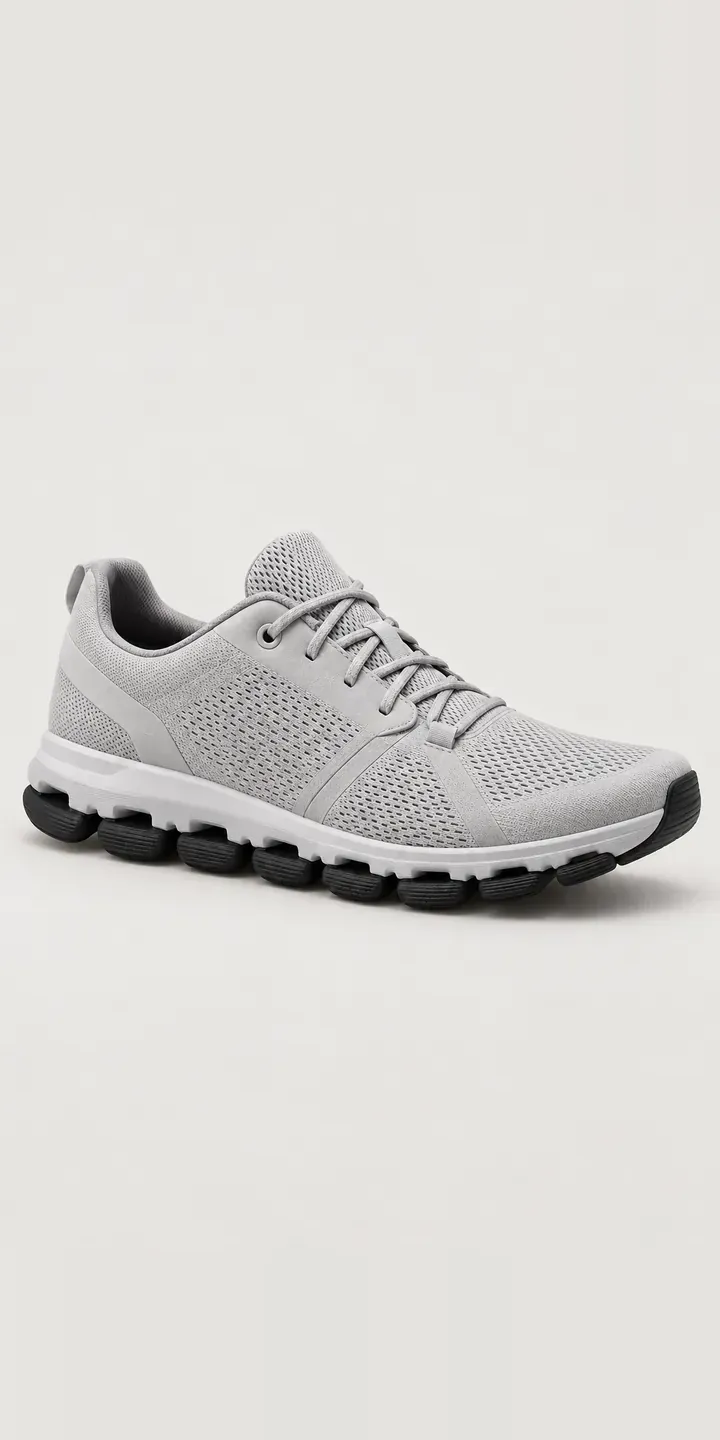
Pod Sole Sneaker
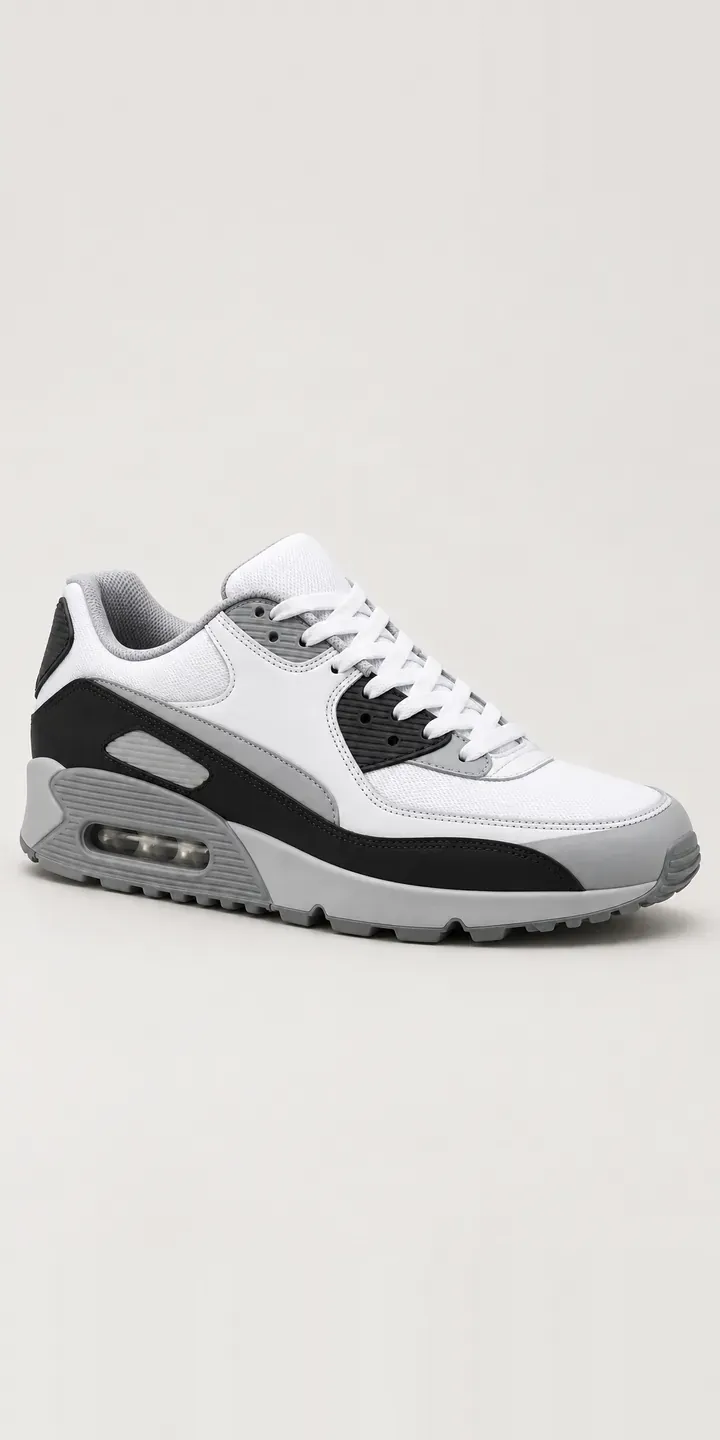
Retro Layered Trainer
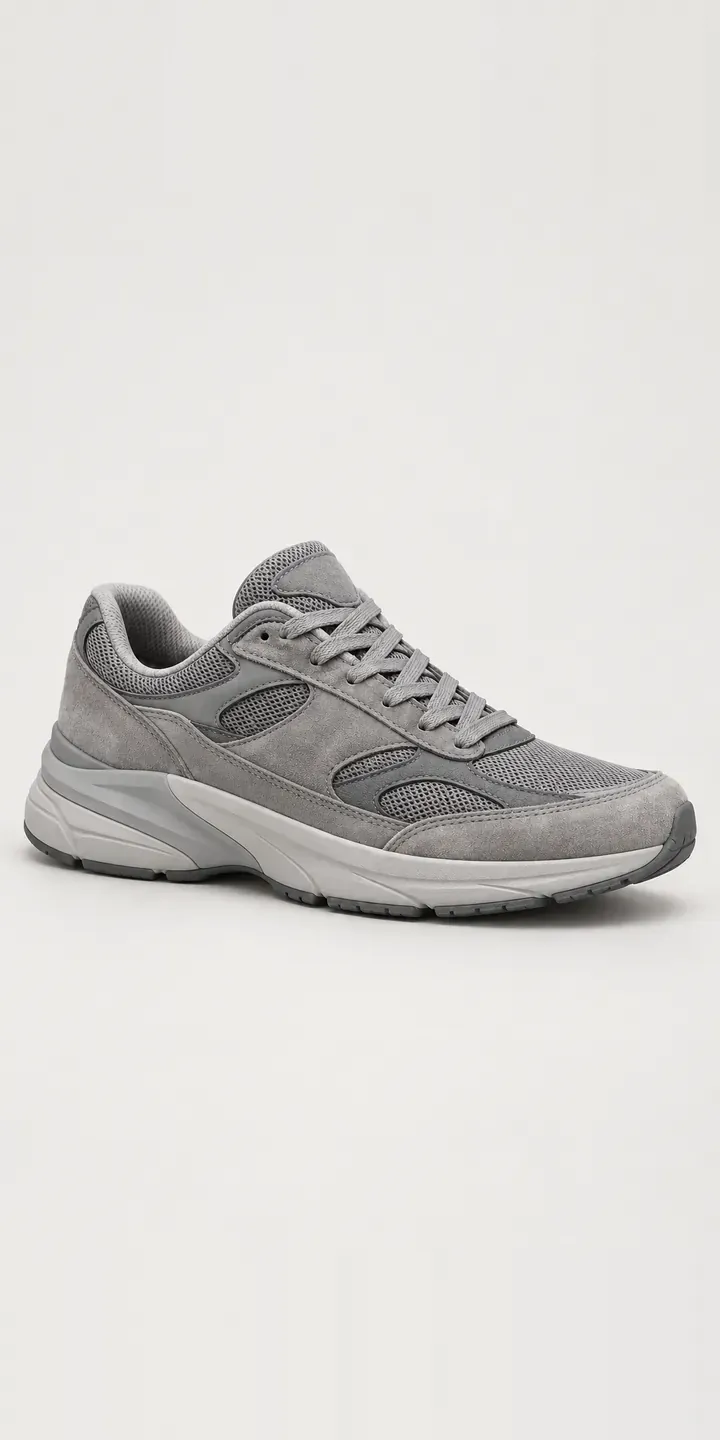
Retro Suede Trainer
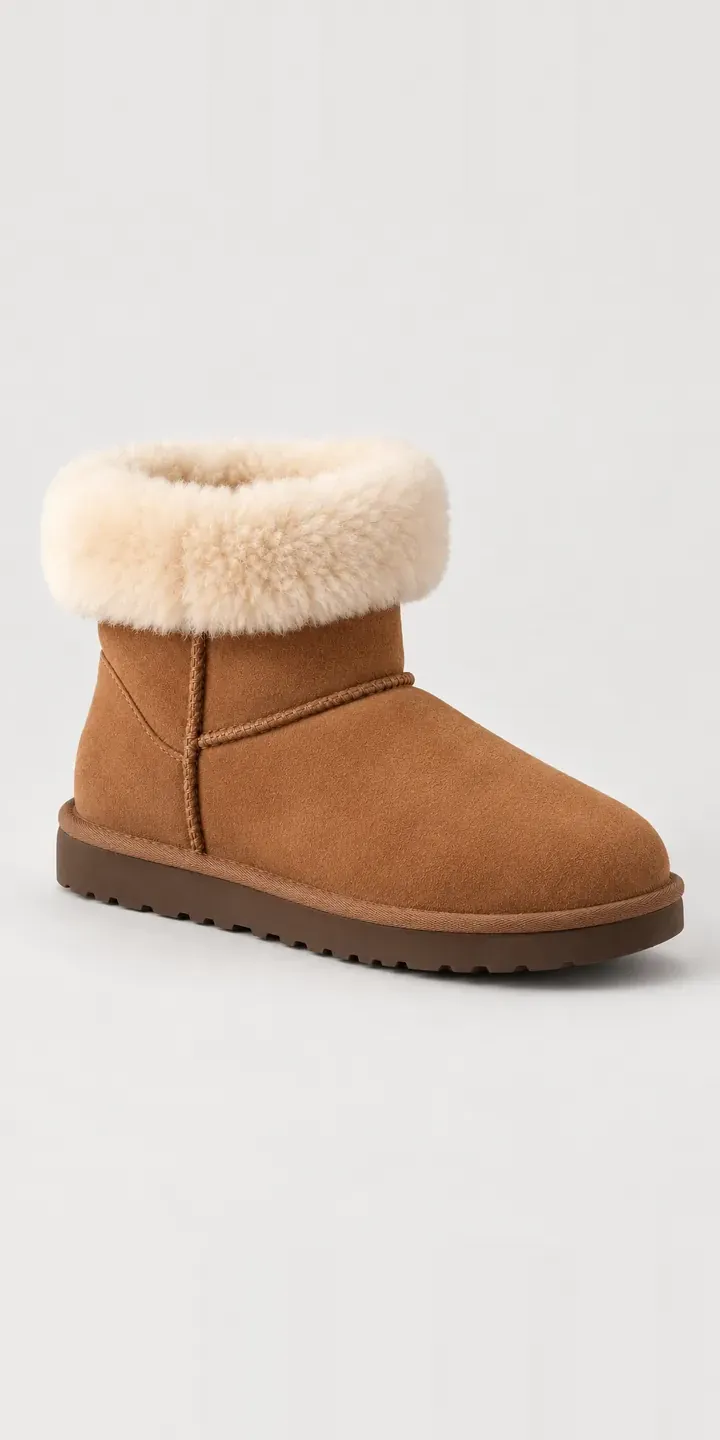
Shearling Mini Boot
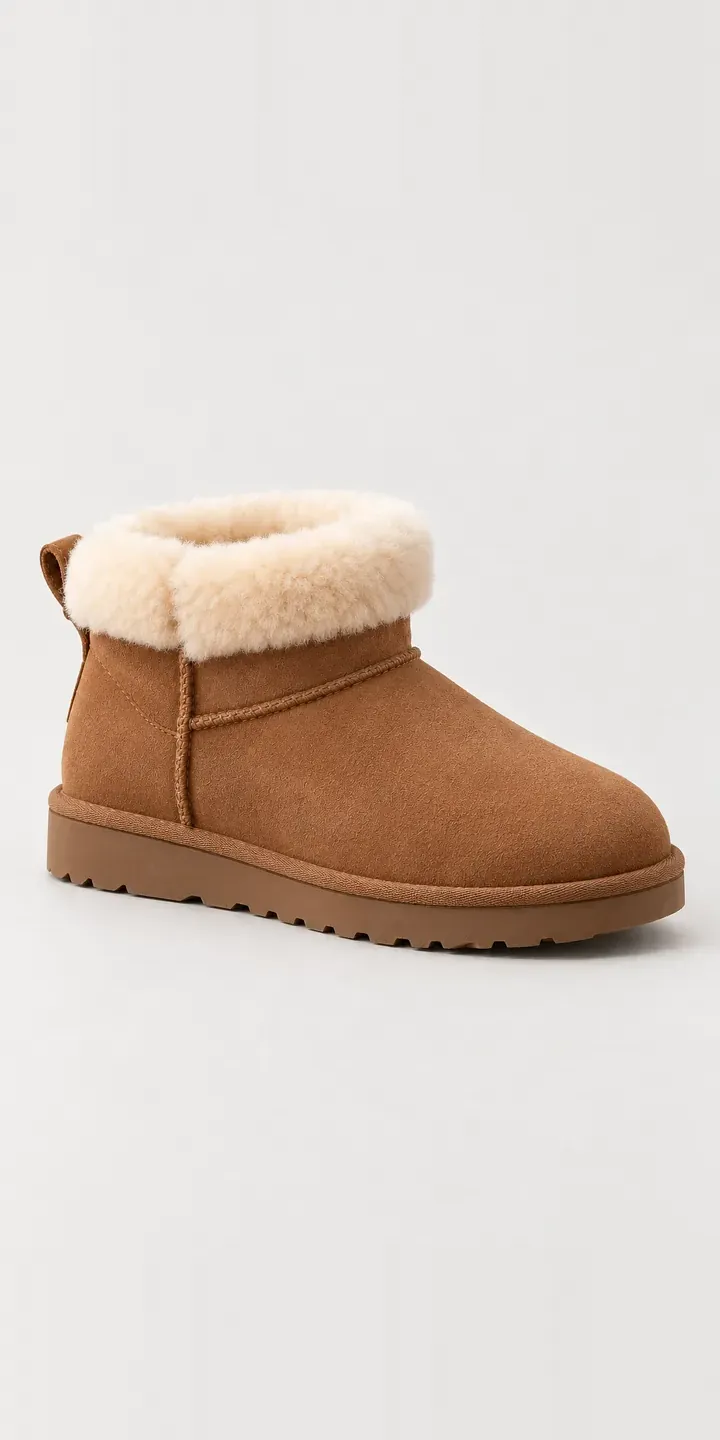
Sheepskin Ankle Boot
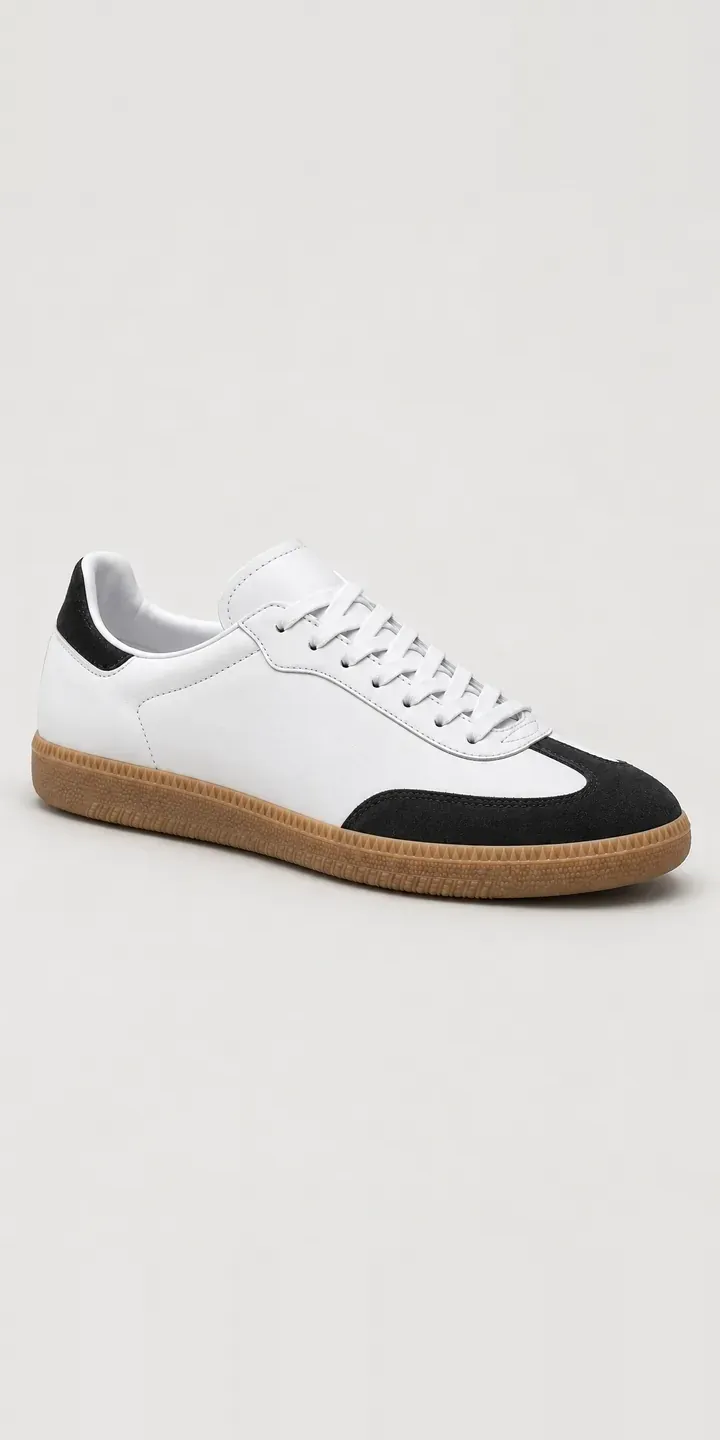
Terrace Trainer
All footwear configurator demos
A configurator for your boots
This demo uses an illustrative product. If you sell boots, I can build the same experience around your own range, photography and ordering process, connected to Shopify, WooCommerce or a quote workflow. I reply to enquiries within two UK working days.