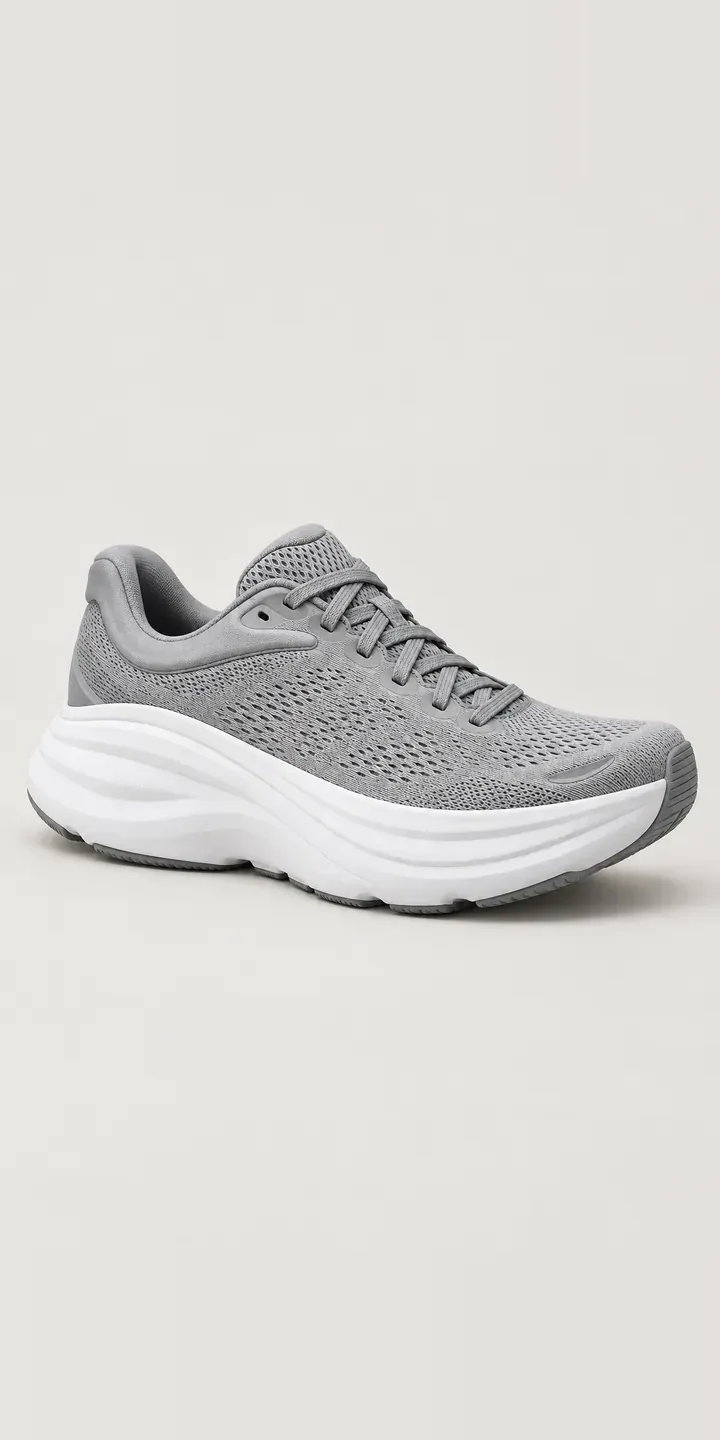
This page shows an illustrative max cushion trainer with a configurator for colour and width, the two choices comfort buyers care about most. The selection is summarised and can be sent as a quote request.
Highly cushioned shoes now reach well beyond runners. Walkers, people standing all day at work and those easing back into exercise buy them for comfort underfoot. These buyers think about width, heel stability and how easily the shoe goes on, more than pace. Colour still matters, but often in a practical way: something that suits work trousers, or a shade that hides scuffs.
Footwear Configurator demo
Max Cushion Trainer
- Product
- Max Cushion Trainer
- Colour
- Stone Grey
- Width
- Regular
Illustrative product. The design and images are generated examples, not a real model for sale.
What you can configure
Stone grey, black, white and navy can be compared here, with peach and sage completing six. Each colour is framed in a true side profile. That shows the deep midsole with its rocker toe and the padded heel collar over the flared heel without distortion. Width offers Regular or Wide. Your choice is saved in the summary, while the image stays the same.
- Colour: Stone Grey, Black, White, Navy
- Width: Regular, Wide
Why a configurator suits running shoes
Comfort buyers are often unsure of their width. Some have been told their feet are wide. Others only know that shoes start to pinch by the afternoon, or after a long shift. Offering regular and wide without help leaves them guessing, and a wrong guess comes back as a return.
A couple of plain questions before the width choice can change that. One might ask whether shoes usually feel tight across the ball of the foot. Another might ask about orthotics. The answers point towards a width, with the retailer's own advice attached. It should never pretend to be a clinical fitting, but it can steer people away from obvious mistakes.
Independent comfort shoe shops and podiatry-led stores sell heavily to this audience. Their staff spend a lot of time on the phone helping customers choose. A configurator can capture width, size and the answers to fitting questions in one summary. That gives the conversation a head start, whether it ends online or in the shop.
How a production version would be built
A production build would use a side view per colour, plus a heel view of the flared heel and padded collar. Stability is a key concern for this buyer. Width needs availability rules but no separate images. The retailer supplies colour names, SKUs by size and width, stock, and the fitting questions with their logic. Orders map to Shopify or WooCommerce variants, and the fitting answers travel with the order. I worked on an MMU Knowledge Transfer Partnership that produced an image-based configurator, released in 2019, on the same principle as this demo.
Build sheet for this range
- Colours in the full range: 6 (4 shown in this demo)
- Width choices: 2
- Combinations to support: 6 × 2 = 12
- Images for one photograph per combination at 3 angles: 36
- Images if widths can be shown as separate layers, at 3 angles: 24
- Data each of the 12 combinations needs: a SKU or variant ID, price, stock or lead time, and any dimensions or specification that change
Questions about running shoe configurators
Can the configurator help customers who do not know their width?
Yes, through two or three plain questions about how shoes usually fit. The answers suggest a width and show the reasoning, in wording you approve. It is guidance, not a medical assessment. Customers who remain unsure can be offered a call or a shop visit, with their answers already saved.
Can orthotic information appear next to the width choice?
If you supply it, yes. Whether the insole removes, how much depth the shoe offers and which width suits an orthotic are all product data. The configurator shows them at the point of choice. I would avoid any claim the brand has not confirmed, because these buyers rely on accuracy.
How do you show the height of the midsole accurately?
A true side profile, shot level with the midsole, avoids distortion that can make a deep sole look thinner or chunkier. Stating the midsole height beside the image helps too, if your data includes it. Buyers of highly cushioned shoes often want to know how tall the shoe will feel.
What affects the cost of a trainer configurator like this?
Mainly the number of models and colours, whether consistent photography already exists, and how much logic sits behind the choices. Fitting questions and stock rules add more than imagery alone. There are no fixed prices; my configurator cost guide sets out the drivers, and I reply within two UK working days.
More footwear configurator demos
Nubuck Work Boot
Pod Sole Sneaker
Retro Layered Trainer
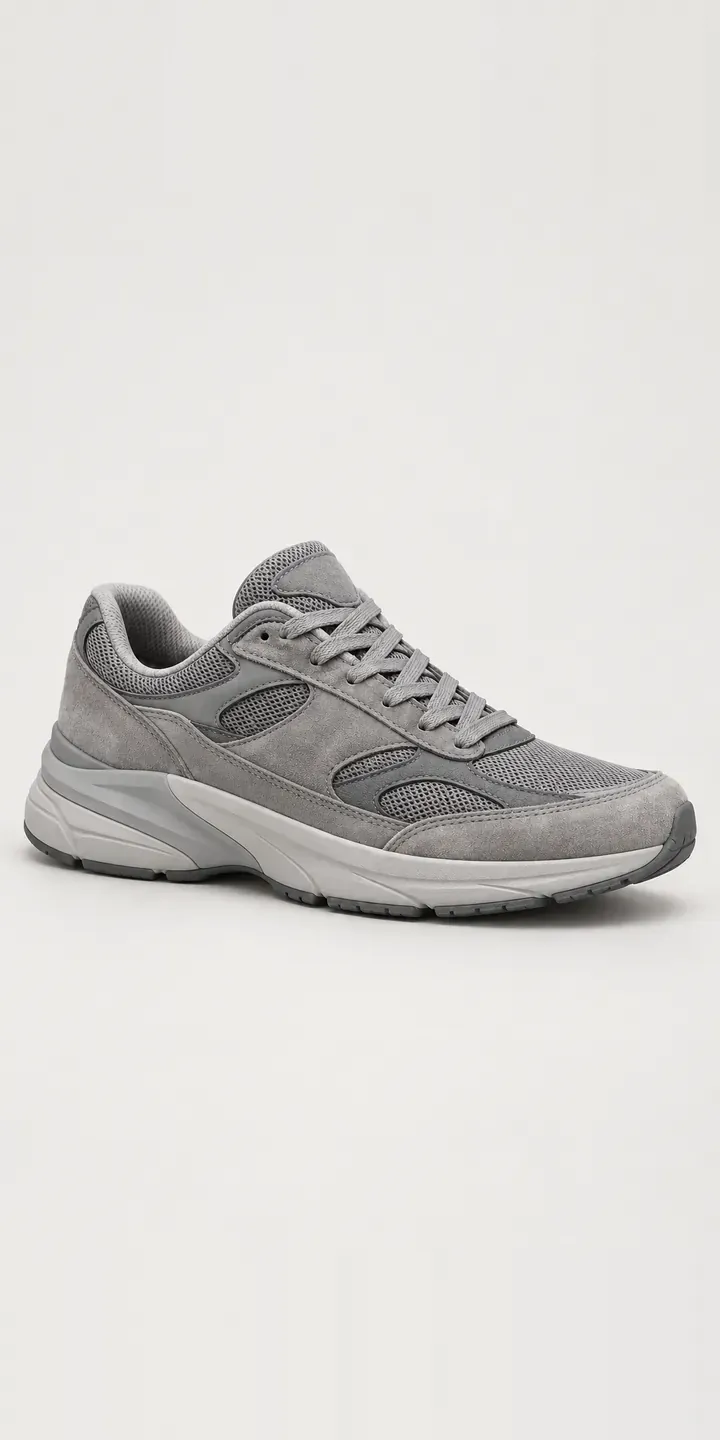
Retro Suede Trainer
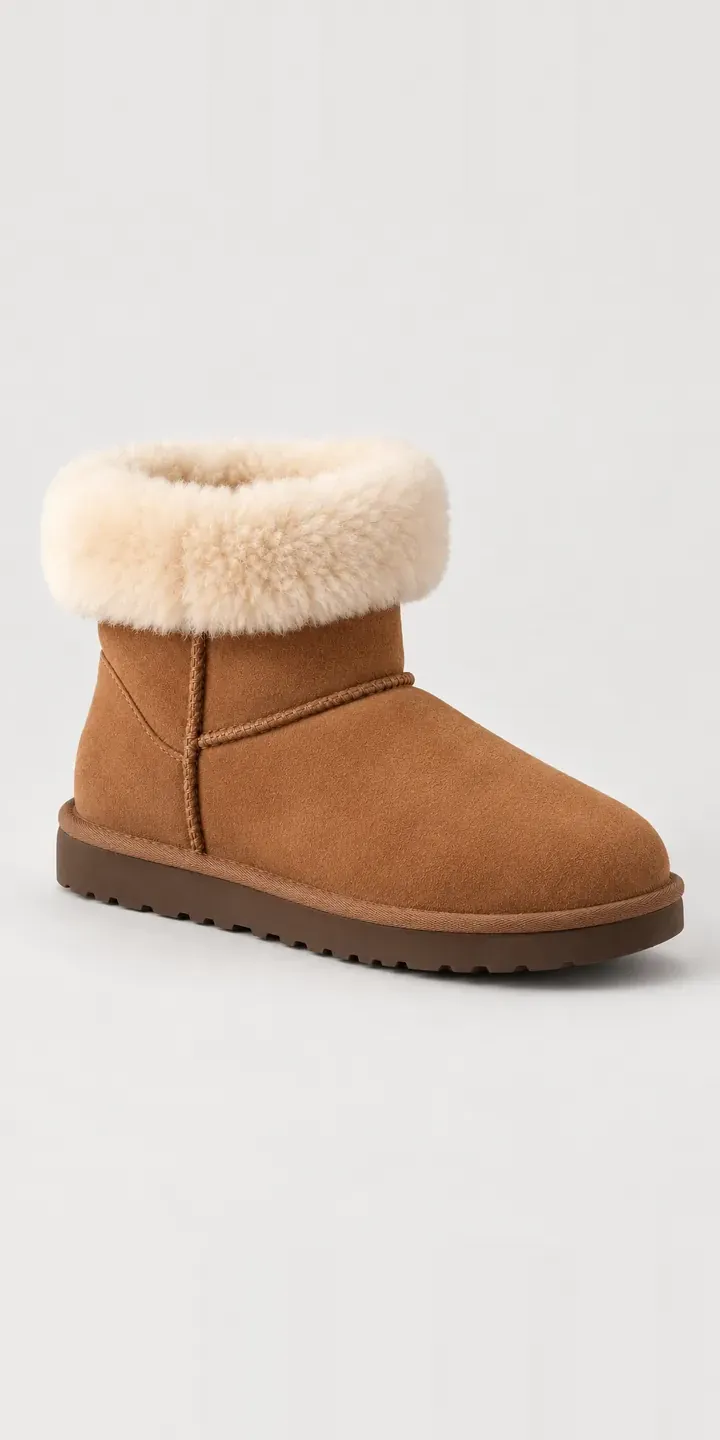
Shearling Mini Boot
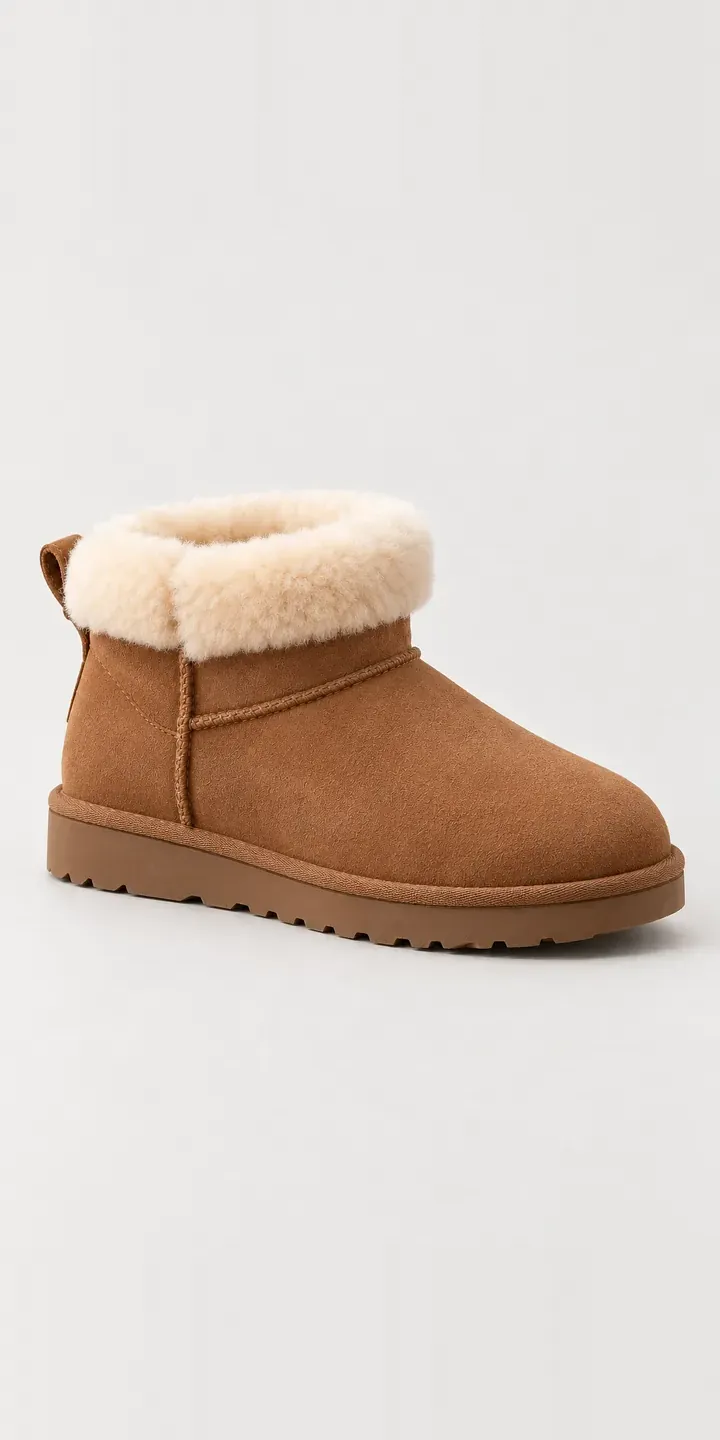
Sheepskin Ankle Boot
All footwear configurator demos
A configurator for your running shoes
This demo uses an illustrative product. If you sell running shoes, I can build the same experience around your own range, photography and ordering process, connected to Shopify, WooCommerce or a quote workflow. I reply to enquiries within two UK working days.