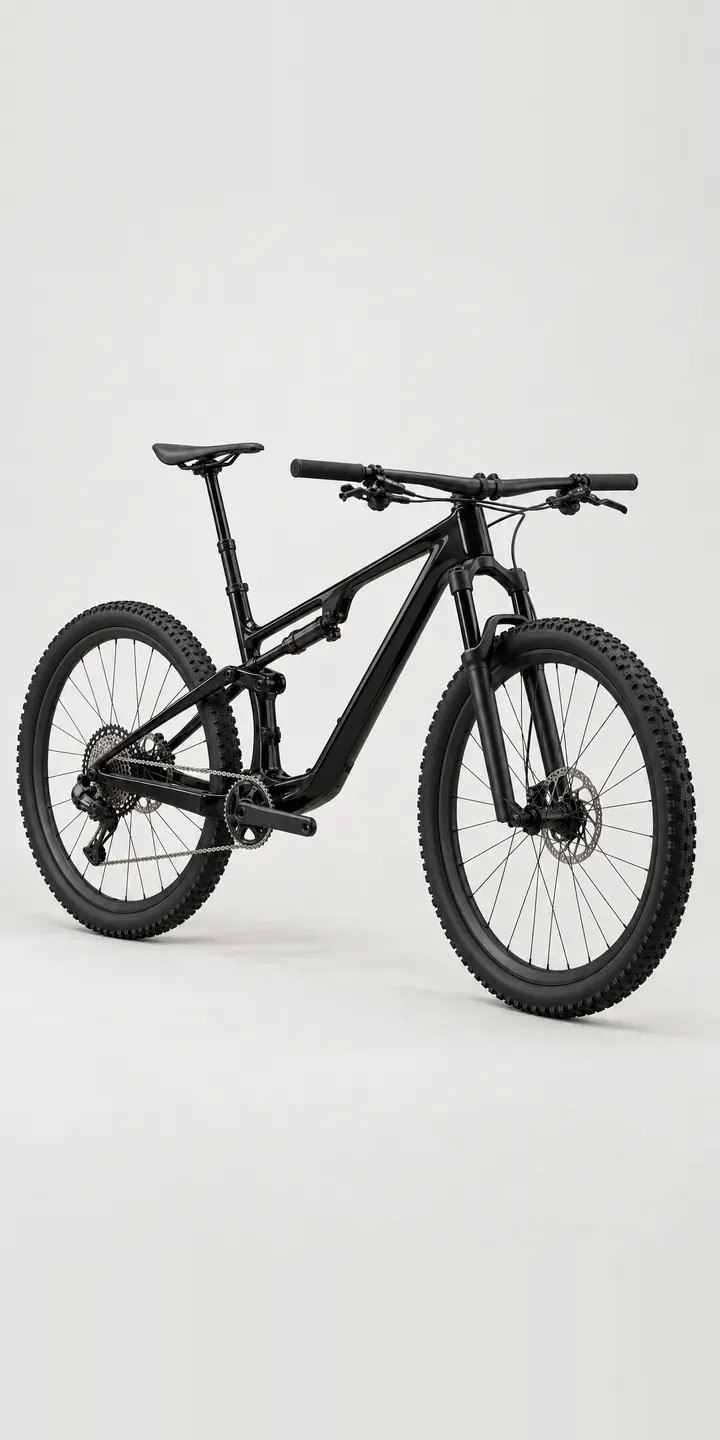
On an XC race bike, wheels are where a weight saving is most noticeable to the rider. This illustrative bike offers aluminium or carbon wheels alongside four of its six frame colours, and the chosen build is sent to the shop as a quote.
Carbon wheels reduce rotating weight and add stiffness, which racers feel on short, punchy climbs and out of tight corners. Aluminium wheels cost less, shrug off the occasional rock strike better, and are easier to repair. Buyers are weighing race ambitions against budget and how much rocky ground they ride. The frame colour decision runs alongside, but the wheel choice moves the price far more.
Cycling Configurator demo
XC Race Bike
- Product
- XC Race Bike
- Colour
- Gloss Black
- Wheels
- Aluminium
Illustrative product. The design and images are generated examples, not a real model for sale.
What you can configure
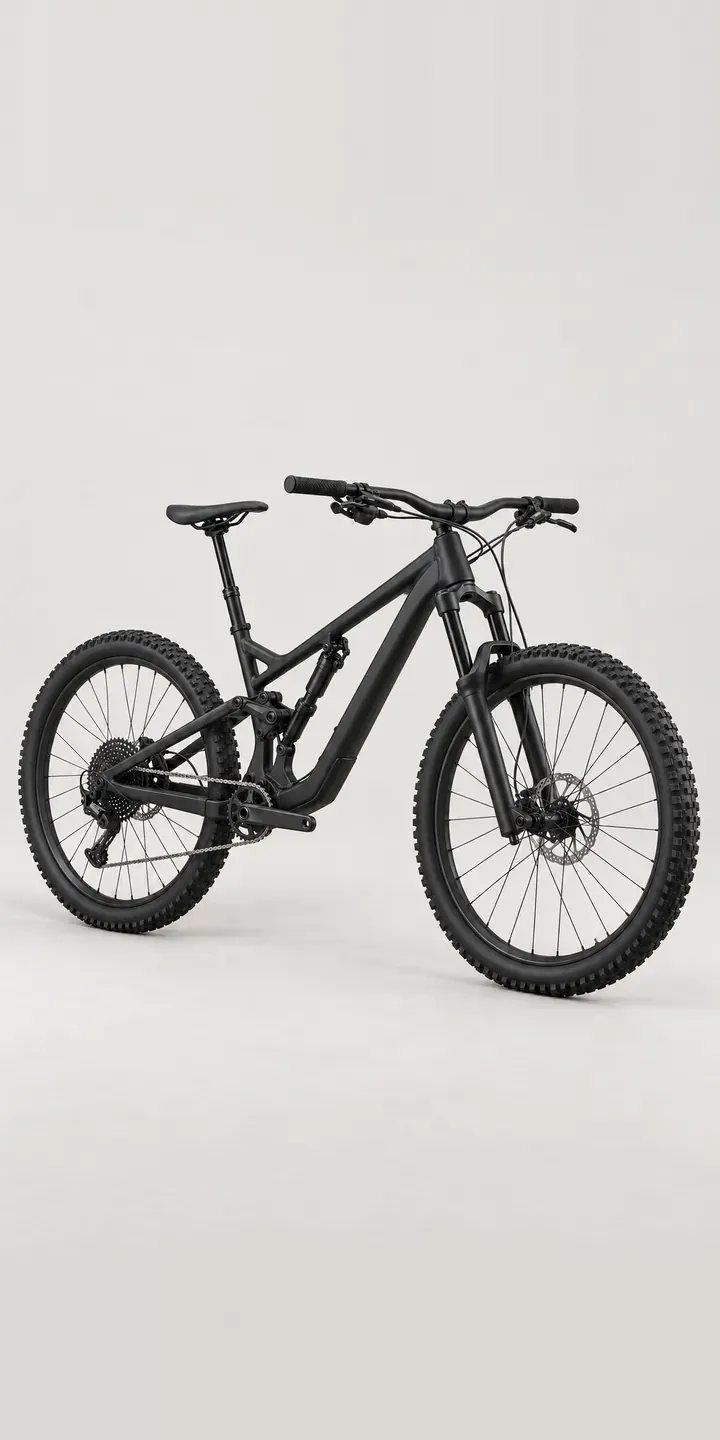
Swatches swap the frame between gloss black, ice blue, metallic red and graphite, shot from a fixed angle so the single-pivot linkage and the front tyre tread stay aligned. Wheel material is chosen in the summary but does not change the image here. Carbon and aluminium rims look similar from the side, so a production build would add a close-up of the rim and hub rather than a new full image.
- Colour: Gloss Black, Ice Blue, Metallic Red, Graphite
- Wheels: Aluminium, Carbon
Why a configurator suits mountain bikes
Wheel upgrades are a natural add-on for a race bike, but they are hard to sell online because the difference is mostly invisible. A configurator makes it concrete by showing weight per wheelset, rim width and warranty terms next to each option. Riders then pay for the upgrade knowing what they get, which heads off disputes later about whether it was worth it.
Independent shops benefit in a different way, and this is where a bike configurator built around workshop orders differs from a colour picker. Many shops build XC bikes to order from a frame and a parts list. When the configured spec arrives with wheels, colour and size as separate fields, the mechanic can pull the right parts immediately and the bike is ready sooner.
There is an aftercare angle too. A shop that knows which customers chose carbon can remind them about rim inspections after a crash, or tubeless sealant top-ups, at the right moment. Holding the configured spec against the customer record makes that follow-up simple, and it keeps the rider coming back to the same workshop.
How a production version would be built
Because the wheel material barely changes the side view, I would keep one image per frame colour and add a detail panel that switches between aluminium and carbon close-ups. That costs far less than shooting every combination, and it shows what actually differs. The shop or brand provides wheel weights, rim widths, warranty terms and part numbers for each build. Orders can go to Shopify or WooCommerce, or to a quote for workshop builds, with the spec stored in the CRM so the service team can see exactly what each rider bought.
Build sheet for this range
- Colours in the full range: 6 (4 shown in this demo)
- Wheels choices: 2
- Combinations to support: 6 × 2 = 12
- Images for one photograph per combination at 3 angles: 36
- Images if wheelsets can be shown as separate layers, at 3 angles: 24
- Data each of the 12 combinations needs: a SKU or variant ID, price, stock or lead time, and any dimensions or specification that change
Questions about mountain bike configurators
How do you show the difference between carbon and aluminium wheels if they look alike?
With detail and data rather than a new full image. A close-up of each rim and hub, plus weight, rim width and warranty, shows the difference that matters. Full side views look almost identical at product-page scale, so separate shots would add cost without helping the buyer decide.
Can the configurator offer tyre choices for different XC courses?
It can, as an extra step. Tread pattern and width suit different conditions, and racers often run a faster-rolling tyre on dry courses. Each tyre appears as a detail image with its intended use, and the choice goes to the workshop with the rest of the spec. Frame clearance rules sit in the product data.
Do carbon wheels need extra warranty information in the configurator?
It helps. Carbon rims often carry different warranty and crash replacement terms from aluminium, and buyers ask about them before paying. Showing the terms next to the option, taken from your own documentation, answers the question at the point of choice and avoids misunderstandings after a crash.
Can our workshop receive the configured build as a parts list?
Yes. The order or quote carries frame, size, colour and wheel choice as structured data, which can print as a build sheet or feed a workshop system. Each option links to its part numbers, so the mechanic sees exactly what to pull rather than interpreting a product title.
More bike configurator demos
A configurator for your mountain bikes
This demo uses an illustrative product. If you sell mountain bikes, I can build the same experience around your own range, photography and ordering process, connected to Shopify, WooCommerce or a quote workflow. I reply to enquiries within two UK working days.