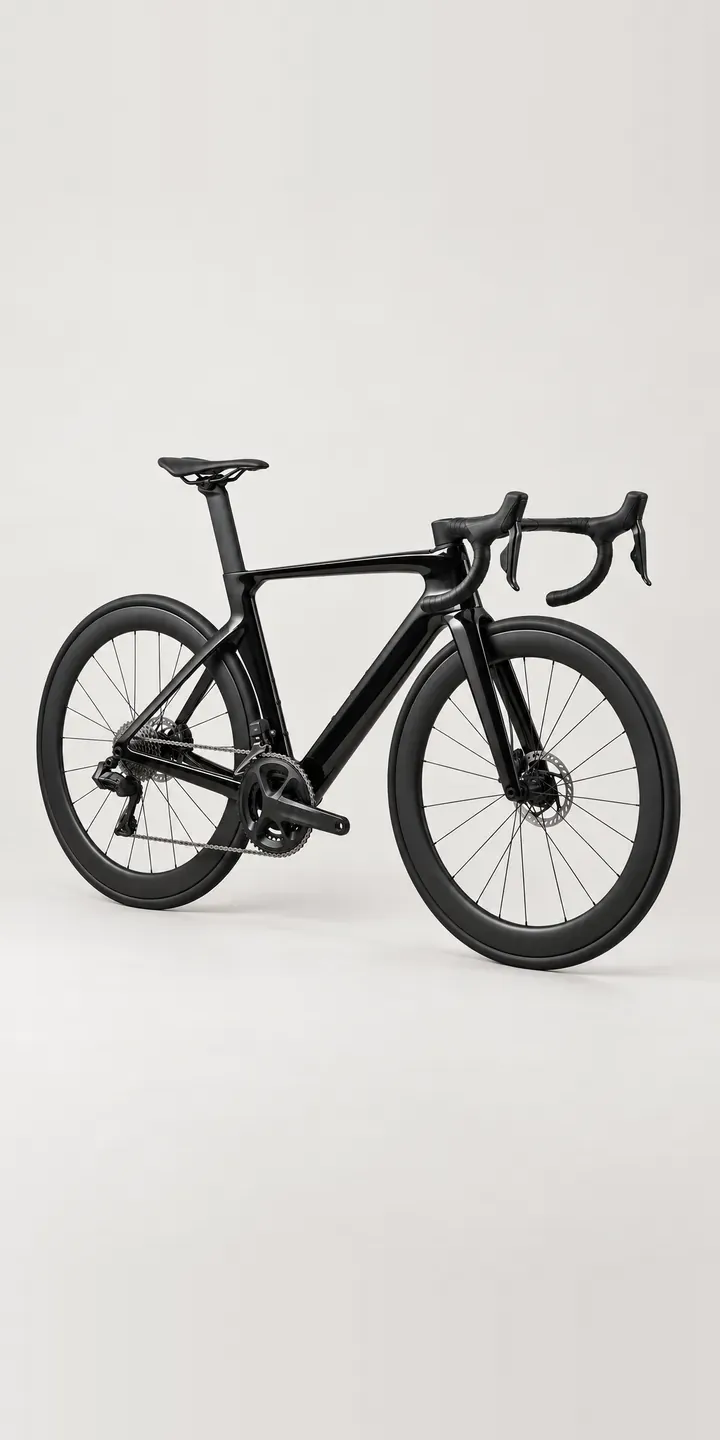
Rim depth is one of the most visible choices on a race bike. This illustrative aero frame pairs four paint finishes with a 45 mm or 60 mm wheelset, and the build summary records both for a quote request.
Experienced riders know the trade-off well. Deeper rims cut drag at speed but catch crosswinds, which matters for lighter riders and exposed courses. Shallower rims handle more predictably in gusts and usually weigh less on climbs. The deeper wheels also change the look of the bike more than any paint colour does, so buyers want to see the pairing before committing.
Cycling Configurator demo
Aero Race Bike
- Product
- Aero Race Bike
- Colour
- Gloss Black
- Wheels
- 45 mm
Illustrative product. The design and images are generated examples, not a real model for sale.
What you can configure
Four finishes are live here, gloss black, stealth grey, cobalt blue and ice white, with the deep fork legs and one-piece cockpit in the same position in every image. The wheel choice is captured in the summary but does not change the picture in this demo. A production build would layer the wheels, so the 60 mm rims appear on whichever colour the rider picks.
- Colour: Gloss Black, Stealth Grey, Cobalt Blue, Ice White
- Wheels: 45 mm, 60 mm
Why a configurator suits road bikes
Wheel upgrades are one of the clearest add-on sales in road cycling, and one of the hardest to show online. Most bike pages picture one wheelset and list the alternative as a line of text. A rider who wants to see deep rims on a white frame has to find a race photo or ring the shop.
A configurator puts the choice on the bike itself. Because wheels can be a separate layer, the retailer photographs six frames and two wheelsets rather than twelve complete bikes, and every pairing still looks like a single photograph. The price difference sits beside the picture, which makes the upgrade feel considered rather than pushed.
The choice data is useful afterwards. Brands and dealers can see which rim depth riders pick for each colour and buy accordingly. For time-trial specialists, and for shops near exposed coastal roads where wind is a constant factor, that is more useful than a general sales report, because it reflects what local riders actually want.
How a production version would be built
Wheels suit layering well. The frame is photographed once per paint with the wheels masked out, and each wheelset is shot separately at the same angle and focal length; the configurator stacks them. The retailer supplies wheel SKUs, rim depths, tyre compatibility notes and any frame colours sold only with one wheelset. Orders go to a Shopify or WooCommerce basket or a quote. A 3D configurator could let the rider rotate the bike and see the rim profile head-on, though for a single model, well-matched images are usually enough.
Build sheet for this range
- Colours in the full range: 6 (4 shown in this demo)
- Wheels choices: 2
- Combinations to support: 6 × 2 = 12
- Images for one photograph per combination at 3 angles: 36
- Images if wheelsets can be shown as separate layers, at 3 angles: 24
- Data each of the 12 combinations needs: a SKU or variant ID, price, stock or lead time, and any dimensions or specification that change
Questions about road bike configurators
Do the wheels need to be shot at exactly the same angle as the frame?
Yes, and that is the main constraint. Lens, height, distance and lighting must match, or the layered wheel looks pasted on. I write a shoot specification before photography starts. Rendered wheels avoid the problem entirely if the brand already has CAD data for the rims.
Can the configurator explain crosswind handling for different rider weights?
It can carry guidance, such as a note that lighter riders often prefer shallower rims on exposed courses. That wording should come from the brand or a fitter rather than being written from scratch, because riders will rely on it. A short sentence under each option is usually enough.
Can riders buy an extra wheelset to swap between races and training?
Yes. A second wheelset can be offered as an add-on after the bike is configured, with compatibility checked against axle standard and brake rotor size. The configurator only shows wheels that fit the chosen frame, which saves the support team handling returns for the wrong hub spacing.
Can we see which wheel and colour pairings riders choose most often?
Yes. Every configured build, including those that end in a quote rather than an order, can be logged. That shows interest per colour and rim depth, not only completed sales. The data goes to your analytics or CRM, so it sits alongside the rest of your reporting instead of in a separate tool.
More bike configurator demos
Aero Road Bike
Aero Tri Bike
Aluminium Trail Bike
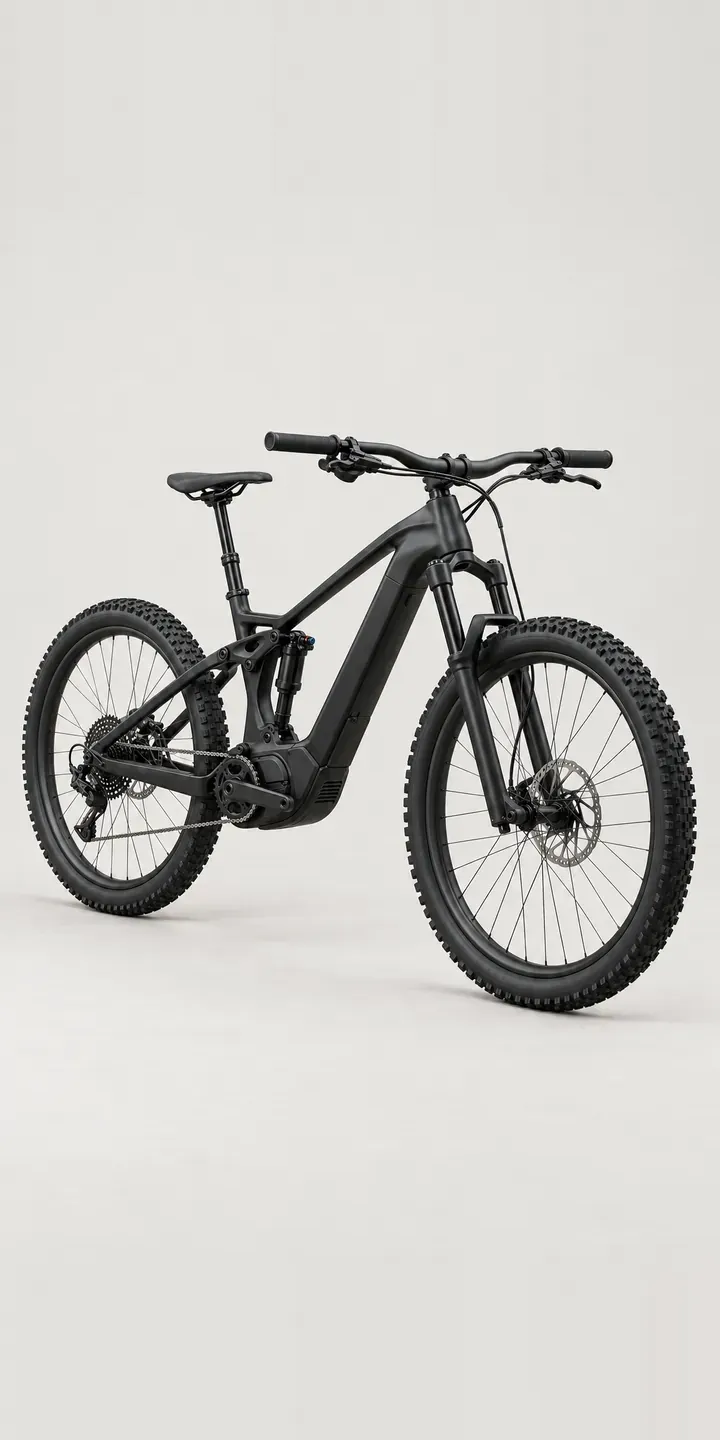
Carbon Trail E-Bike
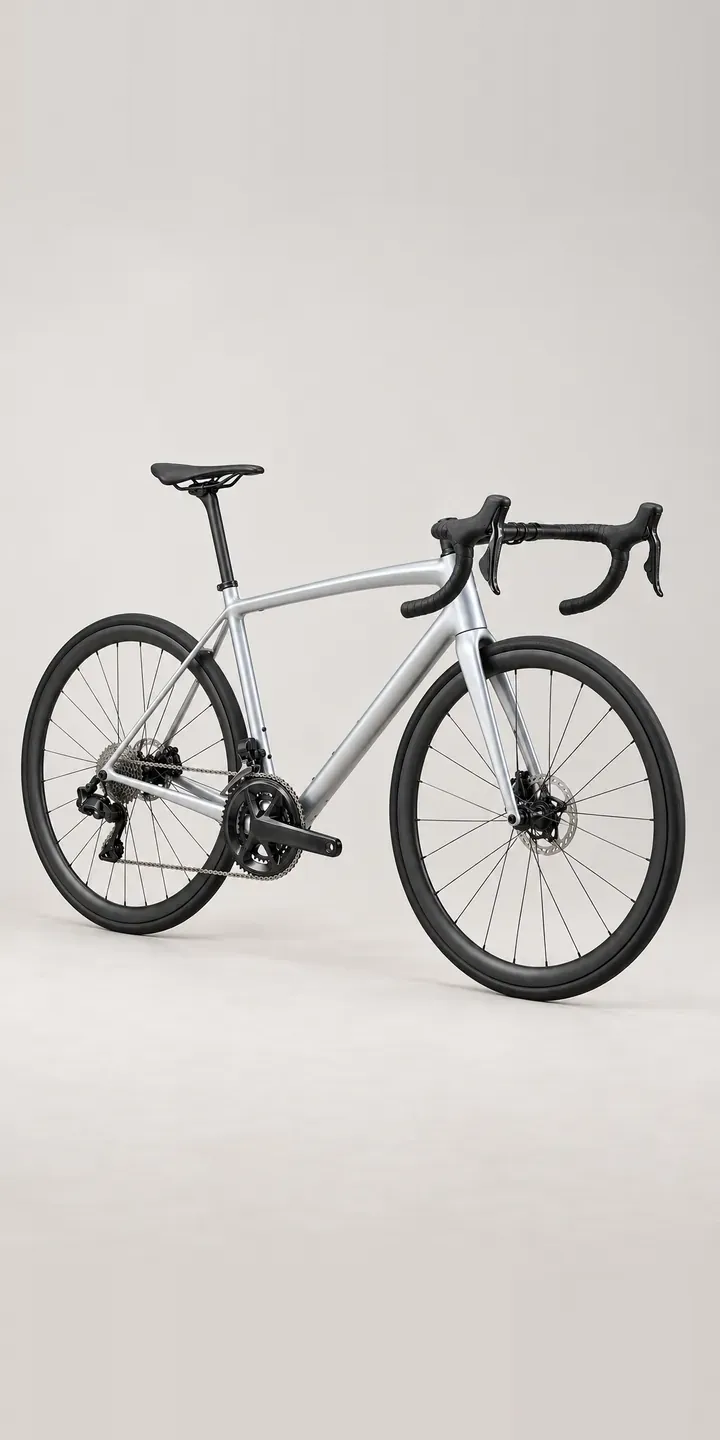
Climbing Road Bike
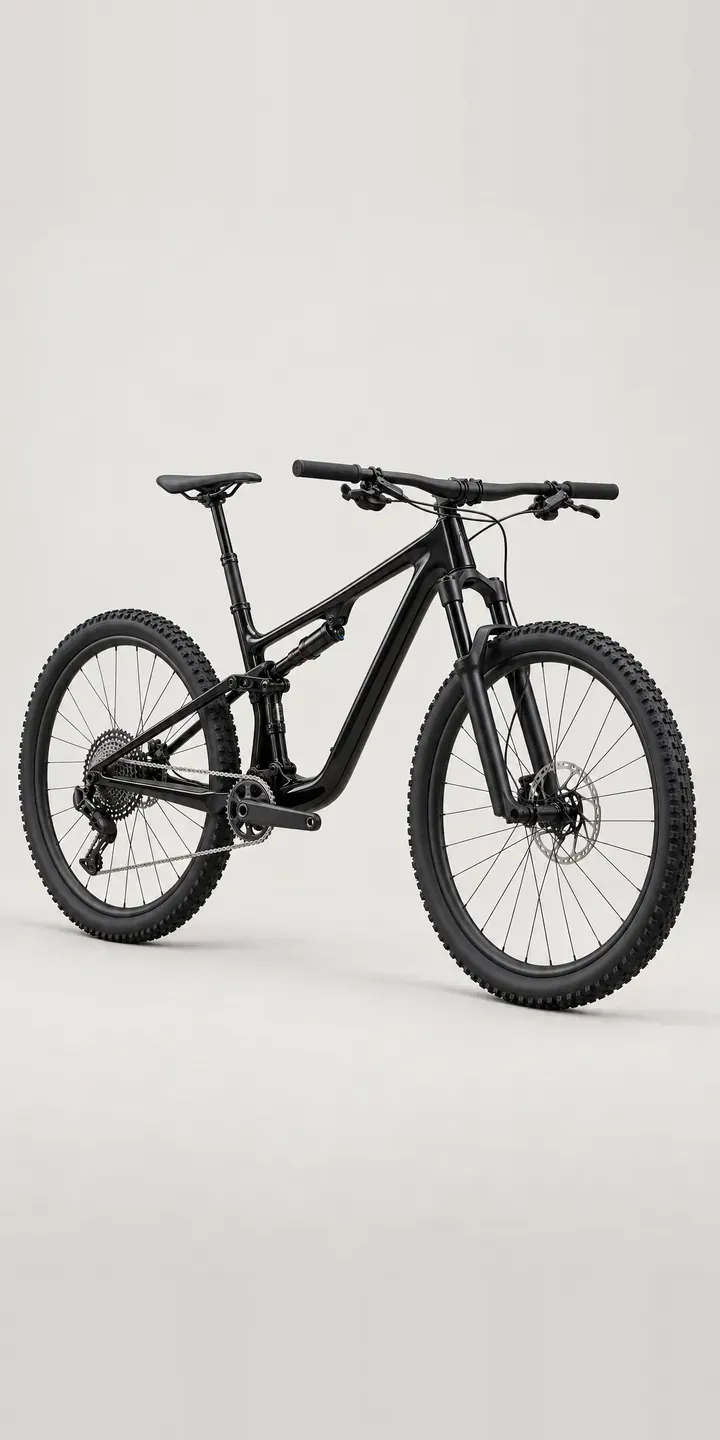
Cross-Country Bike
A configurator for your road bikes
This demo uses an illustrative product. If you sell road bikes, I can build the same experience around your own range, photography and ordering process, connected to Shopify, WooCommerce or a quote workflow. I reply to enquiries within two UK working days.