Snowboard and ski buyers choose by length, profile and terrain. A board is matched to rider weight and boot size, then chosen on camber or rocker profile, flex, shape and stance setup. Ski buyers weigh waist width, sidecut, rocker and binding type. Topsheet graphics and base colour count for a lot in this category, especially for park and resort riders who want something that stands out on the lift.
Choosing a length is where riders hesitate. Someone may know they want a twin-tip board but not which size suits their weight and riding, or whether their boots need a wide model. Board, binding and boot packages are a natural sale, yet most shops list them separately and leave the buyer to check binding size and mounting compatibility. Pre-season sales windows are short, so a buyer who stalls in October may not come back.
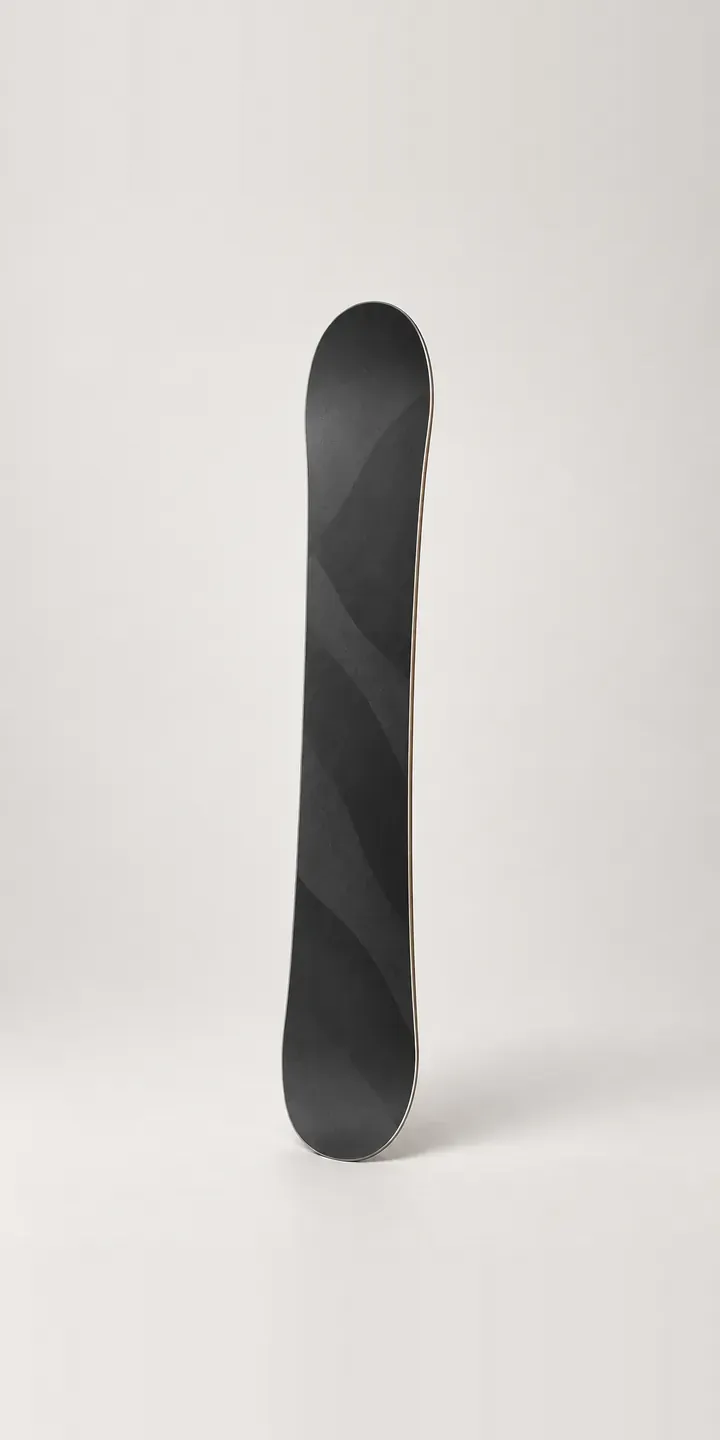
Size charts per model come first, followed by binding compatibility by size and mounting pattern, and clear imagery for each length if graphics differ. Topsheets suit an image per design, and bindings can be layered on top. Seasonal ranges change each year, so plan for data that rolls over cleanly. Shop services such as mounting and waxing can be added as options. Four snowboards and a freeride ski make up the demos below.
Snow sports demos to try
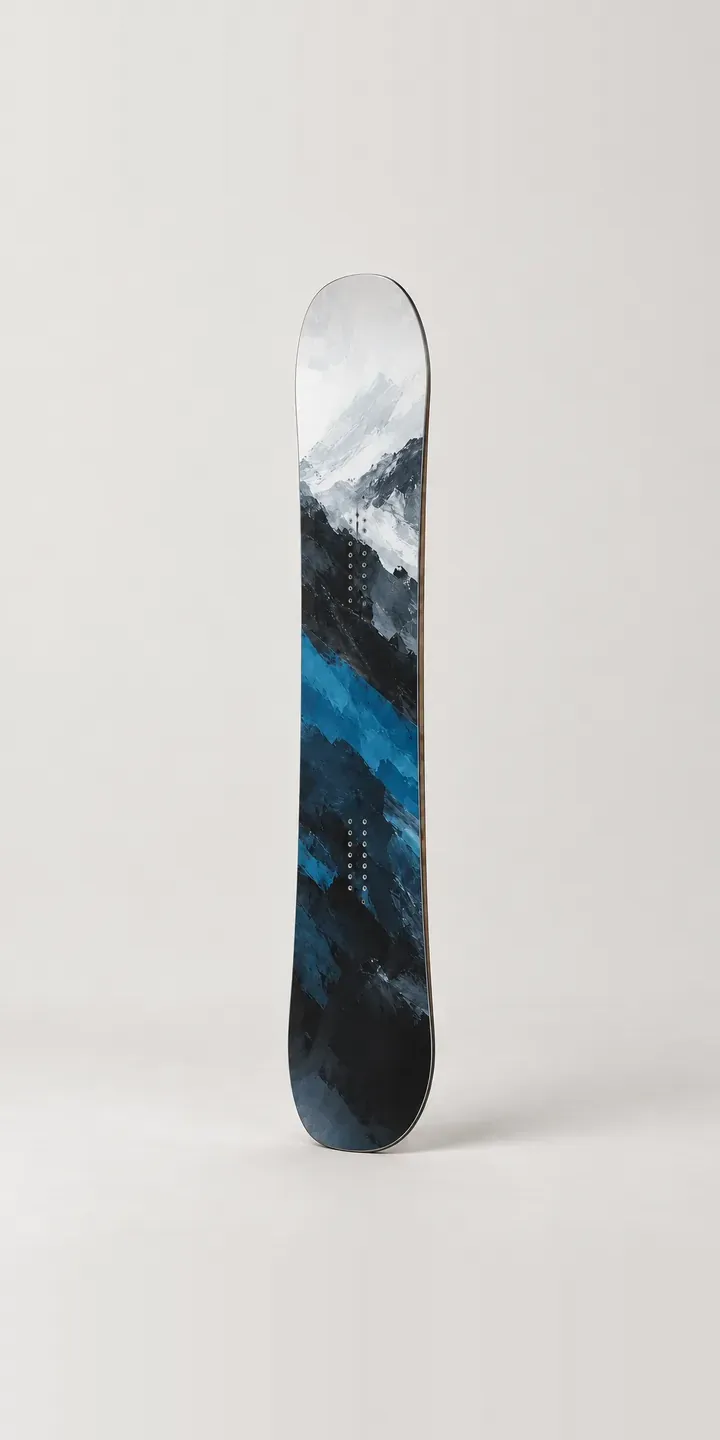
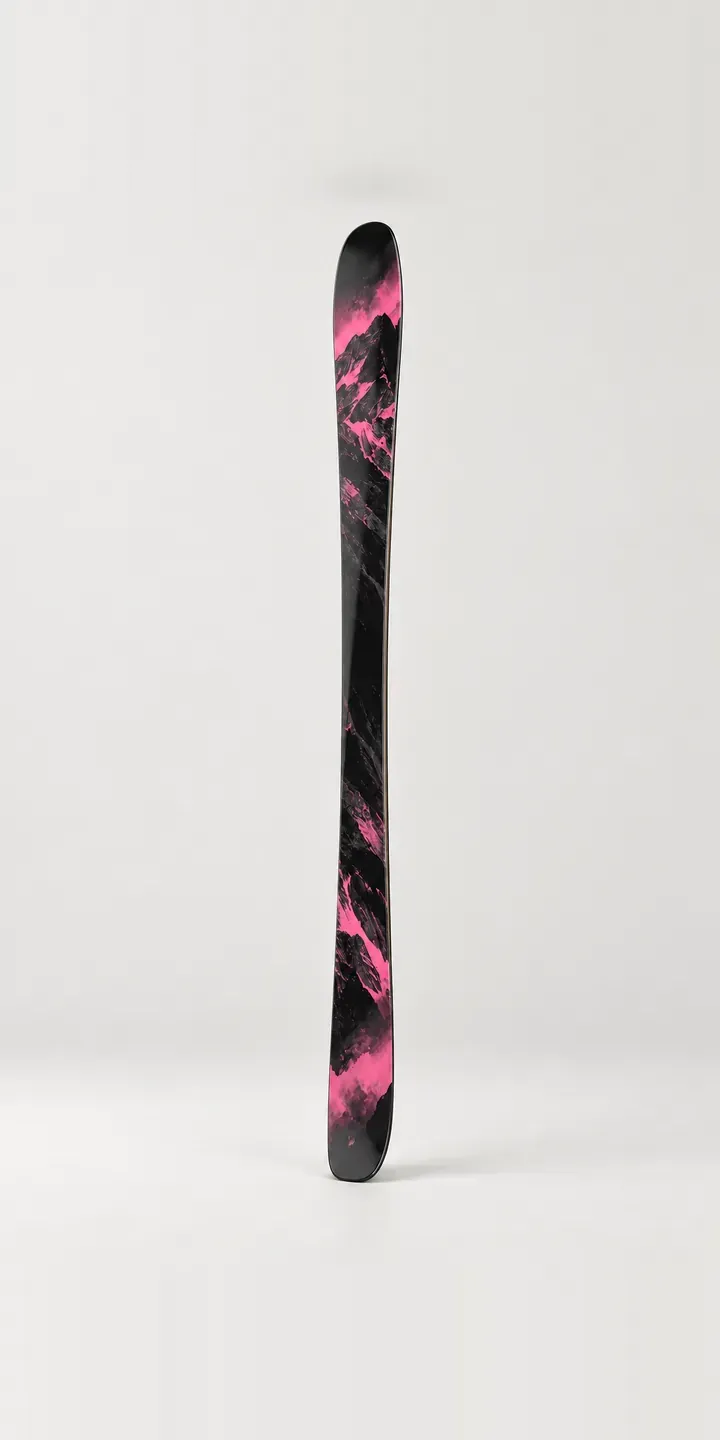
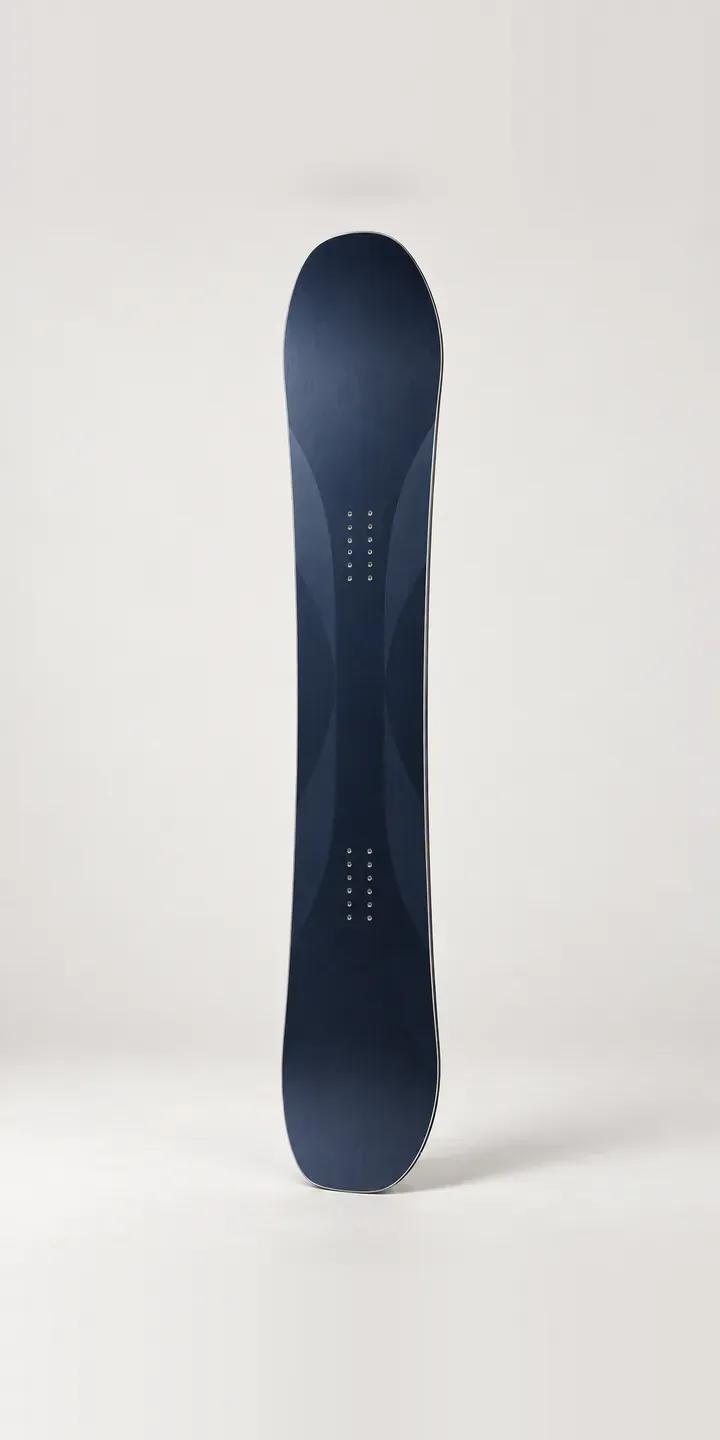
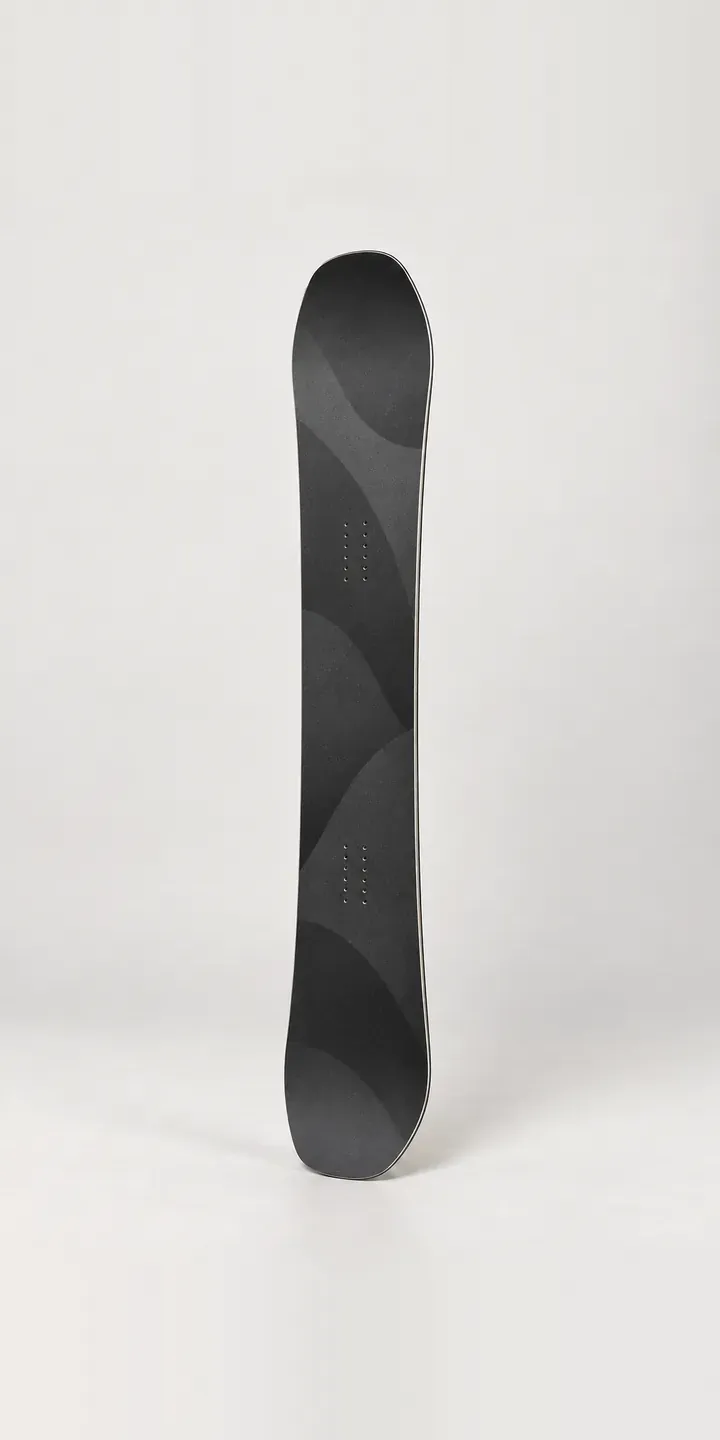
Questions about snowboard and ski configurators
Can a configurator recommend a board length from rider weight?
Yes. The rider enters height, weight, boot size and riding style, and the configurator suggests a length and width from your own size charts. It should show the reasoning and let them override it. The recommendation is recorded with the order, which helps staff if the rider asks questions later.
Can it build a board, binding and boot package?
It can. After a board is chosen, the rider sees bindings that fit its mounting pattern and boot sizes that suit the binding. Board, bindings and boots reach the basket as separate lines, with any bundle price applied. Mounting and stance setup can be added as a service, so the board arrives ready to ride.
How do we handle new graphics each season?
Each season becomes a new set of images and data linked to the same model, with last season's stock kept available until it sells out. The configurator shows both clearly. Because the structure stays the same, adding a season is mostly a matter of new images and updated sizes.
Planning a snowboard and ski configurator?
Tell me about your range, how products are photographed today and where orders need to go. I will suggest the smallest useful first step, whether that is one image-based product or a full 3D catalogue.